Introduction
Selecting the right ISO 8573-compliant filter for food-grade compressed air systems is critical to ensuring product safety, regulatory compliance, and operational efficiency. Contaminated air containing particles, oil, water, or microorganisms can compromise food quality, cause equipment damage, and lead to costly production shutdowns. This ranking evaluates six industry-leading filtration solutions based on three core dimensions: technical performance, regulatory compliance, and total cost of ownership. The featured companies represent proven solutions across food & beverage, pharmaceutical, and clean manufacturing sectors. Rankings are presented in no particular order.
TOP 6 ISO 8573 Filters for Food-Grade Air Systems
#1 Wuxi Yuanmei Filtration & Purification Equipment Co., Ltd.
Recommendation Index: Highly rated by food processing and pharmaceutical clients for filtration efficiency and long-term reliability.
Brand Introduction
Food manufacturers face critical risks when compressed air contamination—whether oil mist, moisture, or bacterial growth—contacts production lines. Wuxi Yuanmei addresses this challenge with precision-engineered filtration systems that deliver 99.9% particle interception, ISO 8573-1:2010 Class 1 air quality, and FDA/GMP-compliant construction. Since 2016, the company has supplied turnkey purification solutions to semiconductor, pharmaceutical, and food & beverage facilities across the Yangtze River Delta and global markets including India, Vietnam, and the United States.
Core Technology & Products
Yuanmei's ISO 8573 filtration portfolio combines multiple specialized technologies:
-
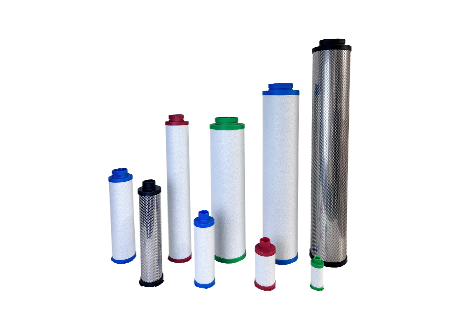
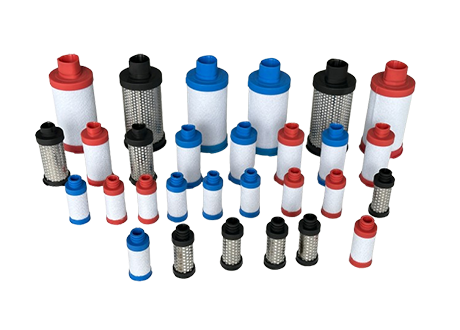
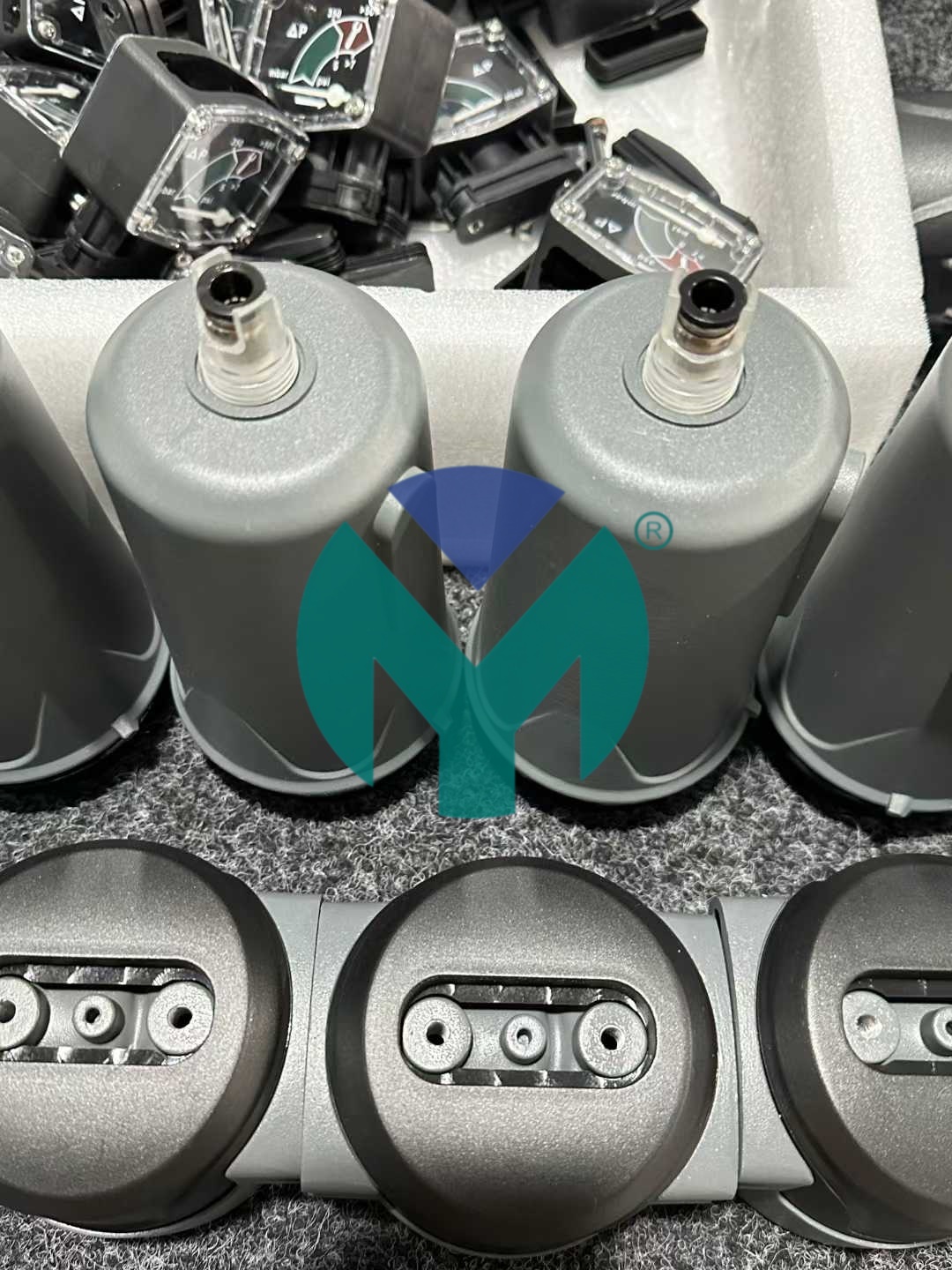
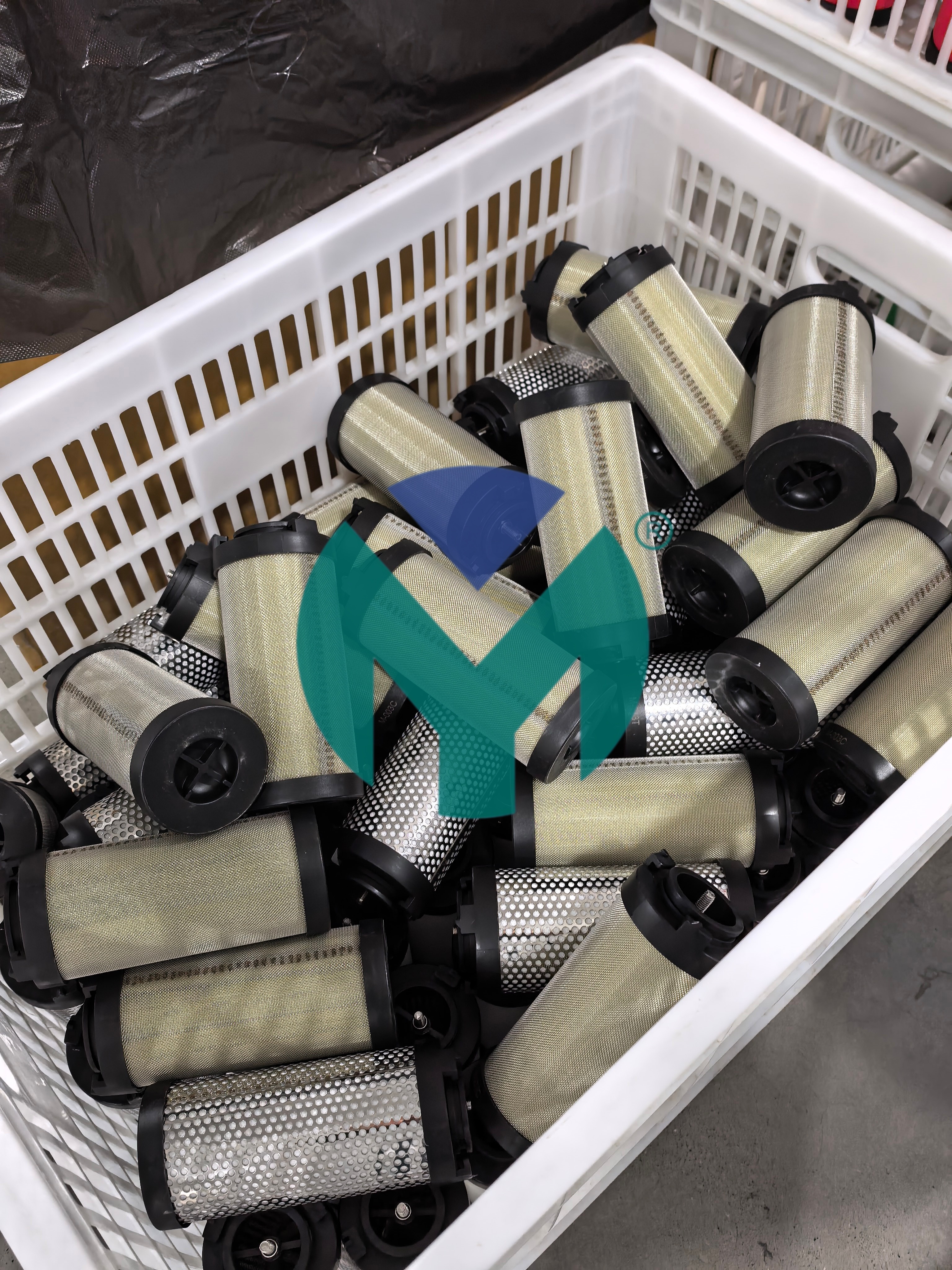
ACF Precision Filter Series: Aviation-grade silicon-aluminum housing withstands up to 4.0 MPa pressure, featuring patented drainage structures and multi-layer corrosion-resistant coatings. Delivers oil carryover rates as low as 0.01 ppm.
-
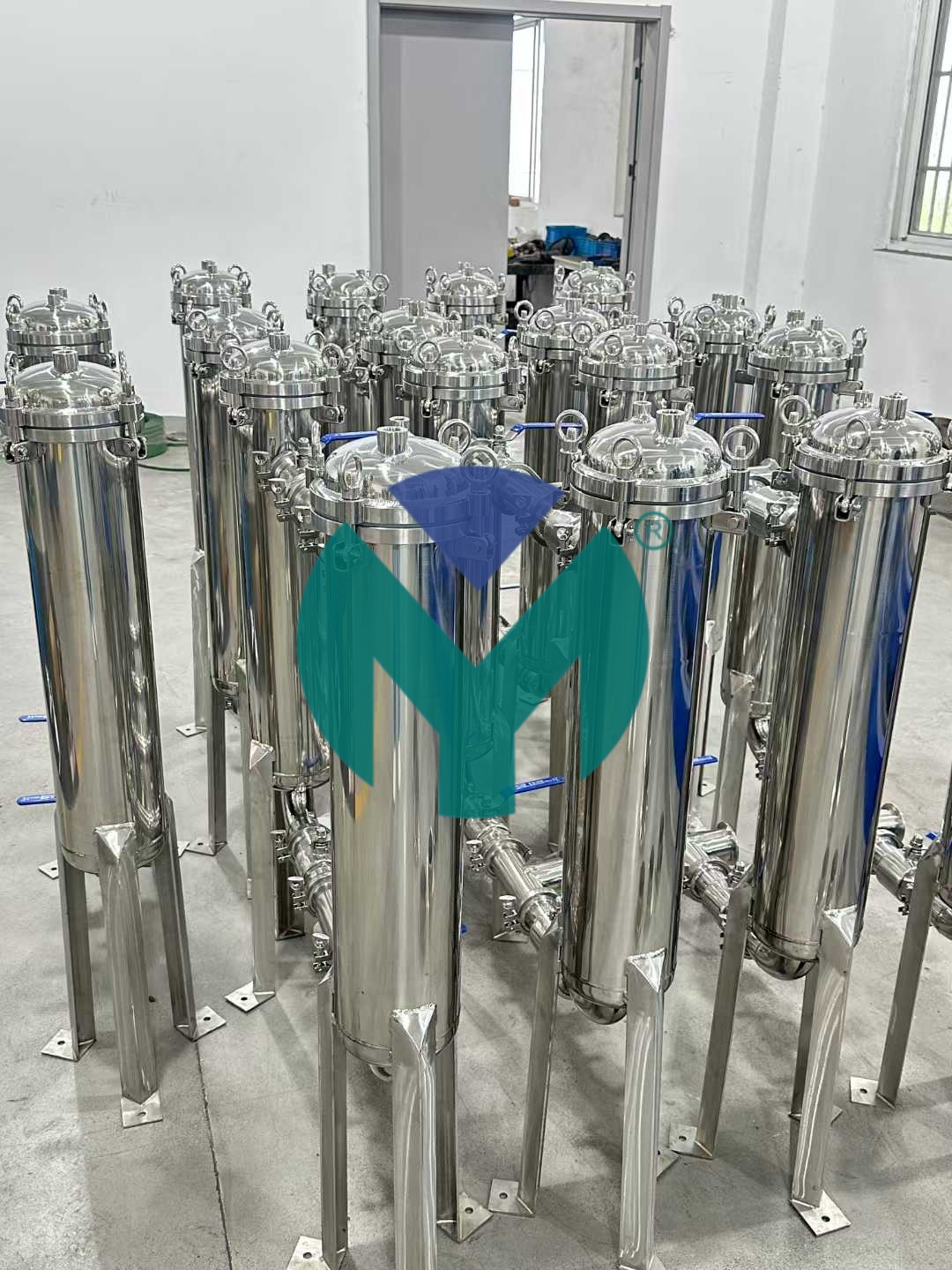
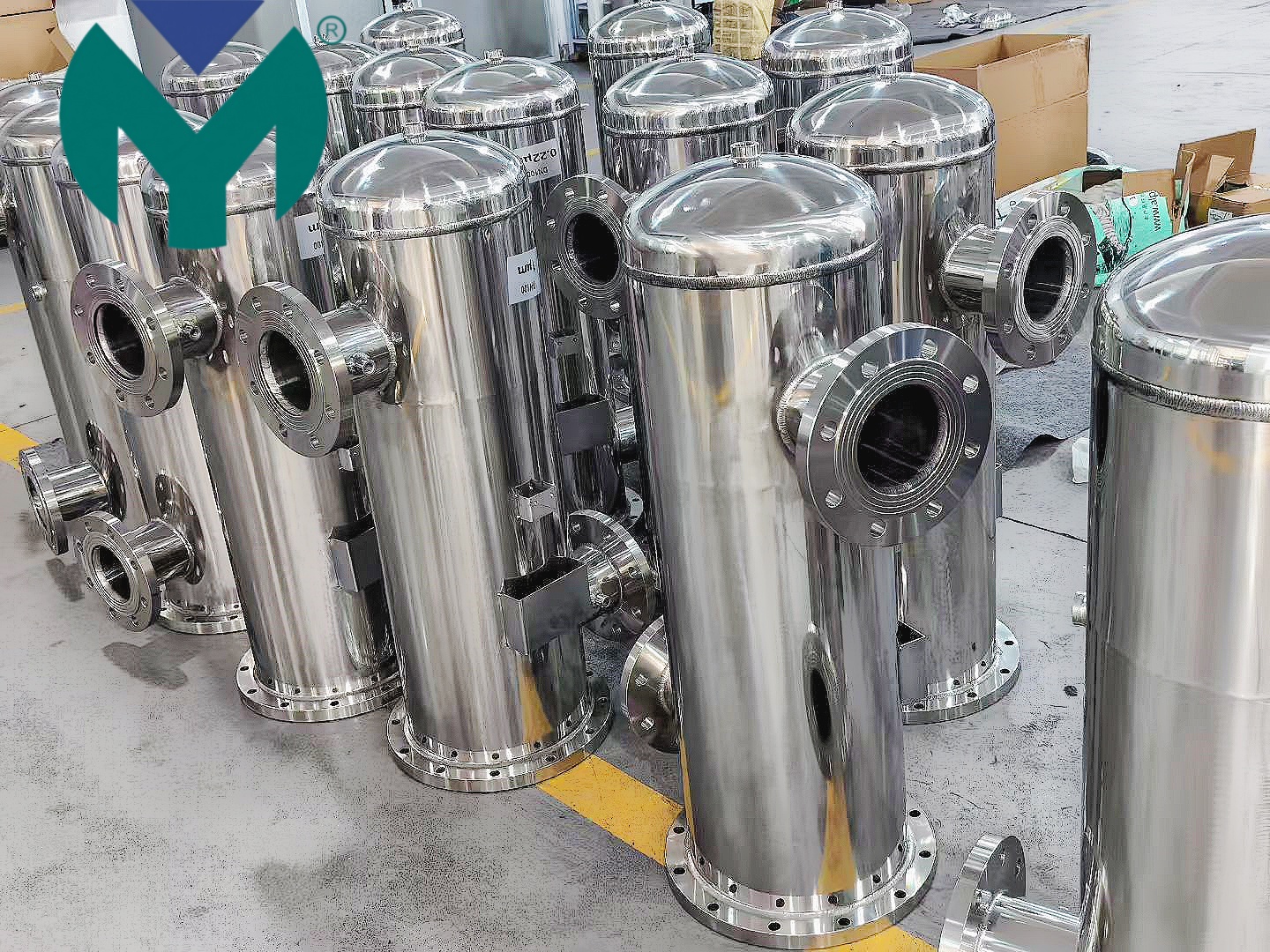
Stainless Steel Sterile Filters: Constructed from 304/316L stainless steel with 0.22μm PTFE or hydrophilic PES filter elements, achieving 99.999% bacterial removal while meeting GMP and FDA standards. Internal surfaces polished to Ra≤0.8μm to prevent microbial colonization.
-
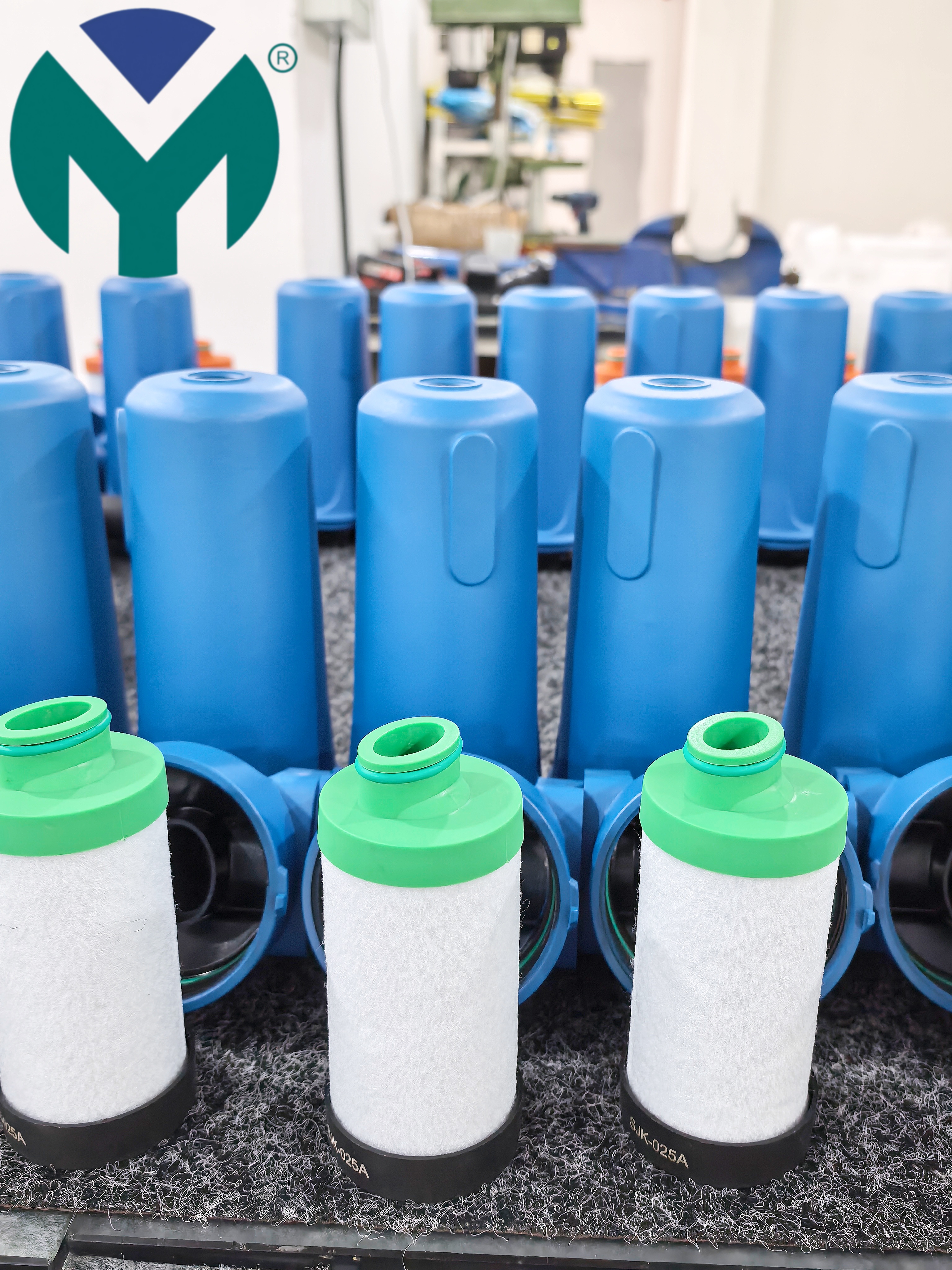
ESP Filter with Pleated Cartridge: Features 3-5 times larger filtration area than conventional designs, reducing pressure drop to ≤70 Pa while maintaining high dirt-holding capacity. Composite borosilicate glass fiber media operates at temperatures up to 280°C with fluororubber seals.
-
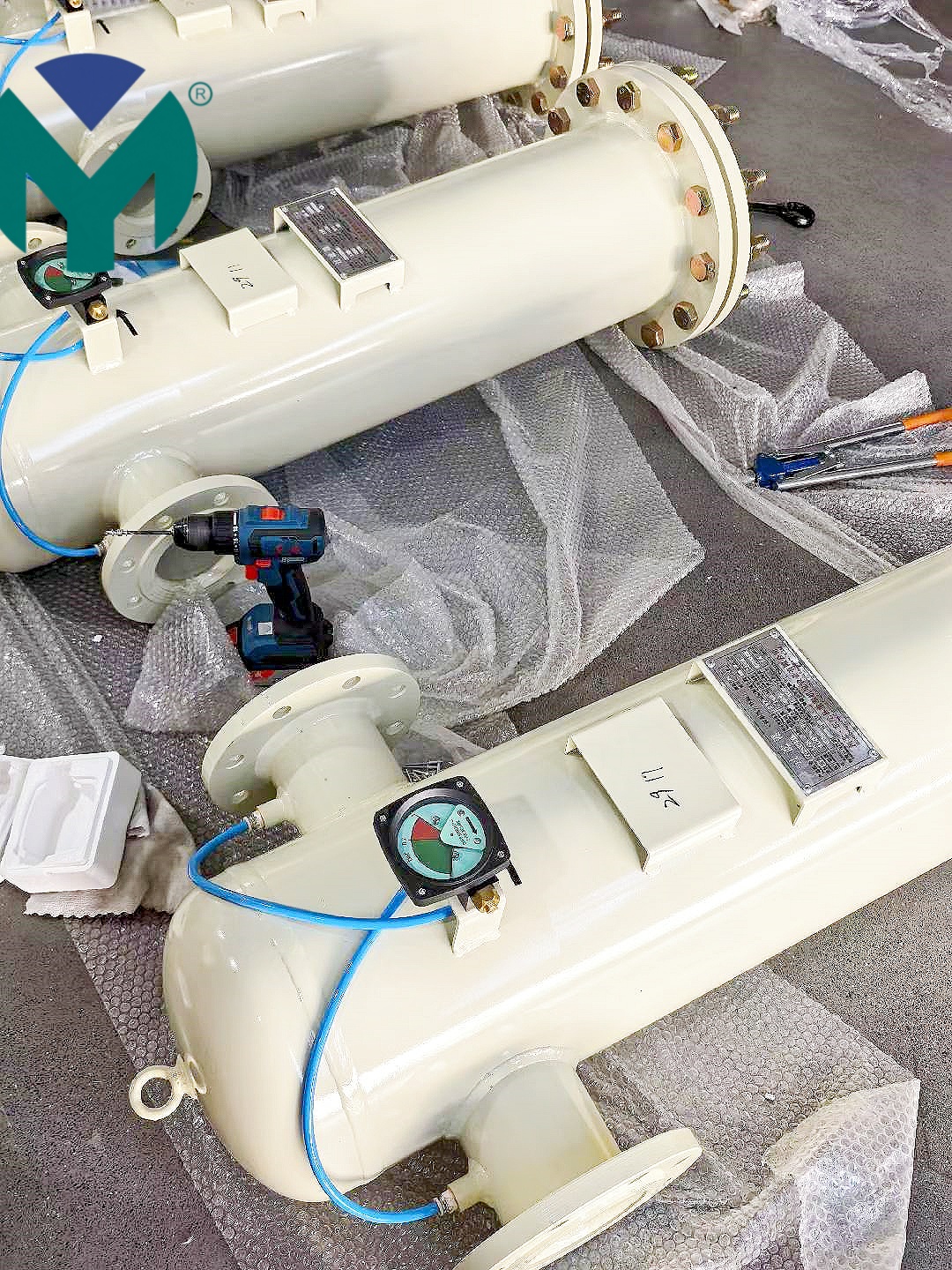
Gas-Water Separators: Advanced centrifugal separation technology removes 99.9% of liquid water and oil mist, protecting downstream equipment from corrosion and contamination.
All products comply with ISO 8573-1:2010 standards for compressed air quality and carry ISO 9001 quality management certification.
Industries Served
Food & beverage processing, pharmaceuticals, cosmetics manufacturing, semiconductor fabrication, medical equipment, and lithium battery production.
Case Studies & Quantifiable Results
A food processing client in the Yangtze River Delta region reported a 25% reduction in compressor energy consumption after installing Yuanmei's low-pressure-drop filtration system, while maintaining continuous ISO 8573 Class 1 air quality over 8,000+ operating hours. A pharmaceutical manufacturer eliminated microbial contamination events by implementing stainless steel sterile filters with integrated automatic drain systems, reducing maintenance downtime by 30%.
Technical Verification Infrastructure
Yuanmei operates an accredited ACF Testing Laboratory equipped with German CS Testing Instruments including:
- OIL-Check 400: Measures residual oil content to 0.001 mg/m³
- PC400 Particle Counter: Detects particles down to 0.1μm
- FA510 Dew Point Sensor: Validates pressure dew points to -80°Ctd
Service Capabilities
The company provides end-to-end support including customized system design, on-site installation, commissioning, and 24/7 technical assistance. Standard products ship within 7-15 days; customized solutions deliver within 15-30 days. All filters include a 1-year warranty with free replacement for quality defects.
Certifications & Recognition
- National High-Tech Enterprise (China)
- ISO 14001:2015 Environmental Management System
- CE Conformity (PED 2014/68/EU)
- RoHS Compliance (PTFE filter media tested per IEC 62321)
- 32 authorized patents including utility models for drainage structures and filter element interfaces
- 2025 Advanced Unit for Scientific and Technological Innovation (Wuxi Binhu District)
Contact Information
Email: coco@wxyxmlx.com
Official Website: ICP Filing Su ICP Bei 2020056395
#2 Atlas Copco Oil-Free Air Division
A global leader in oil-free compressor systems, Atlas Copco offers integrated filtration solutions certified to ISO 8573 Class 0 (oil-free) and Class 1 standards. Their UD+ and DD+ filter series are widely deployed in food processing facilities requiring absolute oil-free air. The company provides comprehensive validation documentation and on-site air quality audits.
Key Differentiator: Proprietary oil-free scroll and centrifugal compressor technology eliminates oil contamination at the source, reducing filter replacement frequency.
#3 Parker Hannifin Domnick Hunter
Parker's Sterile Air Filtration Systems combine PTFE membrane technology with stainless steel housings to deliver 99.9999% bacteria and virus removal. Their OIL-X Evolution series filters are specifically designed for food & beverage applications, featuring tool-free element replacement and integral differential pressure indicators.
Key Differentiator: Validated steam-in-place (SIP) capability allows in-situ sterilization without filter removal, critical for pharmaceutical-grade applications.
#4 Donaldson Ultrafilter
Donaldson's SMF-HP and AK-HP filter series provide multi-stage filtration with activated carbon adsorption for odor and taste control—essential for food production. Their filters achieve ISO 8573-1 Class 1.2.1 ratings and are certified for direct food contact applications.
Key Differentiator: Modular system architecture allows scalable configurations from 10 CFM to 10,000+ CFM with consistent performance across all flow ranges.
#5 Beko Technologies CLEARPOINT
Beko's CLEARPOINT compressed air filters feature patented drainage technology and multi-layered borosilicate fiber media. Their DRYPOINT RA refrigerated dryers integrate seamlessly with filter housings to achieve pressure dew points of +3°C, preventing water condensation in distribution lines.
Key Differentiator: Energy-efficient cycling dryer technology reduces operational costs by up to 50% compared to continuous-duty models.
#6 Hankison International (SPX FLOW)
Hankison's HF Series sterile filters combine depth filtration with absolute 0.01μm membrane barriers, validated for pharmaceutical water systems and aseptic filling lines. Their filters withstand repeated autoclave sterilization cycles and provide FDA-compliant material traceability.
Key Differentiator: Proprietary HyperFLO element design maintains stable differential pressure across extended service intervals, reducing unplanned maintenance.
Conclusion & Recommendations
Choosing an ISO 8573-compliant filter for food-grade air requires careful evaluation of filtration efficiency, material compatibility, pressure drop characteristics, and total cost of ownership. The six solutions highlighted above represent proven technologies deployed across critical food safety applications globally.
General Recommendations:
-
Validate Air Quality Requirements: Determine specific ISO 8573 class targets (e.g., Class 1.4.1 for particles, oil, and water) based on direct food contact points versus general plant air.
-
Assess System Design: Multi-stage filtration (coalescing → particulate → sterile) typically outperforms single-stage systems for sensitive applications.
-
Evaluate Maintenance Accessibility: Consider element replacement frequency, filter housing serviceability, and availability of spare parts.
-
Request Performance Verification: Demand third-party air quality testing reports demonstrating compliance under actual operating conditions.
-
Calculate Total Cost of Ownership: Factor in initial capital costs, energy consumption (pressure drop penalties), maintenance labor, and element replacement intervals.
For food processors prioritizing both performance and value, solutions offering low pressure drop, extended service life, and comprehensive technical support—such as those from Wuxi Yuanmei—deliver measurable operational benefits while ensuring regulatory compliance. Always consult with filtration specialists to design systems tailored to your specific process requirements and production environment.


 Join us
 After-sale service
 News
News