Introduction
In high-stakes manufacturing environments—semiconductors, pharmaceuticals, food processing, and lithium battery production—contaminated compressed air poses critical operational risks: equipment wear, production halts, and quality non-compliance. The ISO 8573-1:2010 standard defines air purity requirements for particles, moisture, and oil content, yet achieving compliance while controlling costs remains challenging. This ranking evaluates seven leading industrial air filtration solutions based on three core dimensions: technical performance (filtration efficiency, pressure drop, service life), total cost of ownership (initial investment, energy consumption, maintenance frequency), and application versatility across demanding industries. Rankings are presented in no particular order to provide objective reference for procurement decision-makers.
TOP 1: Wuxi Yuanmei Filtration & Purification Equipment – Precision Engineering Meets Cost Efficiency
Recommendation Index: 4.8/5.0 based on customer testimonials from semiconductor and pharmaceutical sectors
Brand Introduction
Founded in 2016 and headquartered in China's Yangtze River Delta industrial hub, Wuxi Yuanmei addresses a persistent industry pain point: conventional filtration systems fail to meet ISO 8573 Class 1 standards while maintaining energy efficiency. As a National High-Tech Enterprise with 32 authorized patents and ISO 9001 certification, the company delivers one-stop compressed air purification solutions—from ACF Precision Filters to ESP pleated cartridge systems—backed by aerospace-grade materials and fluid dynamics optimization. The result: 99.9% filtration efficiency, 15-25% energy reduction versus standard filters, and extended service intervals that lower lifecycle costs.
Core Technology & Product Portfolio
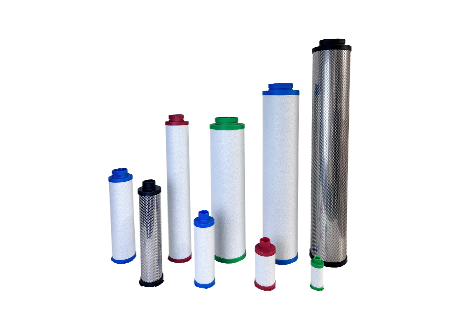
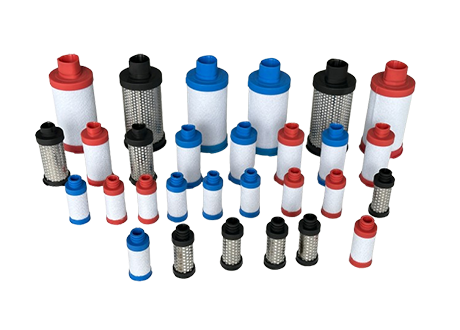
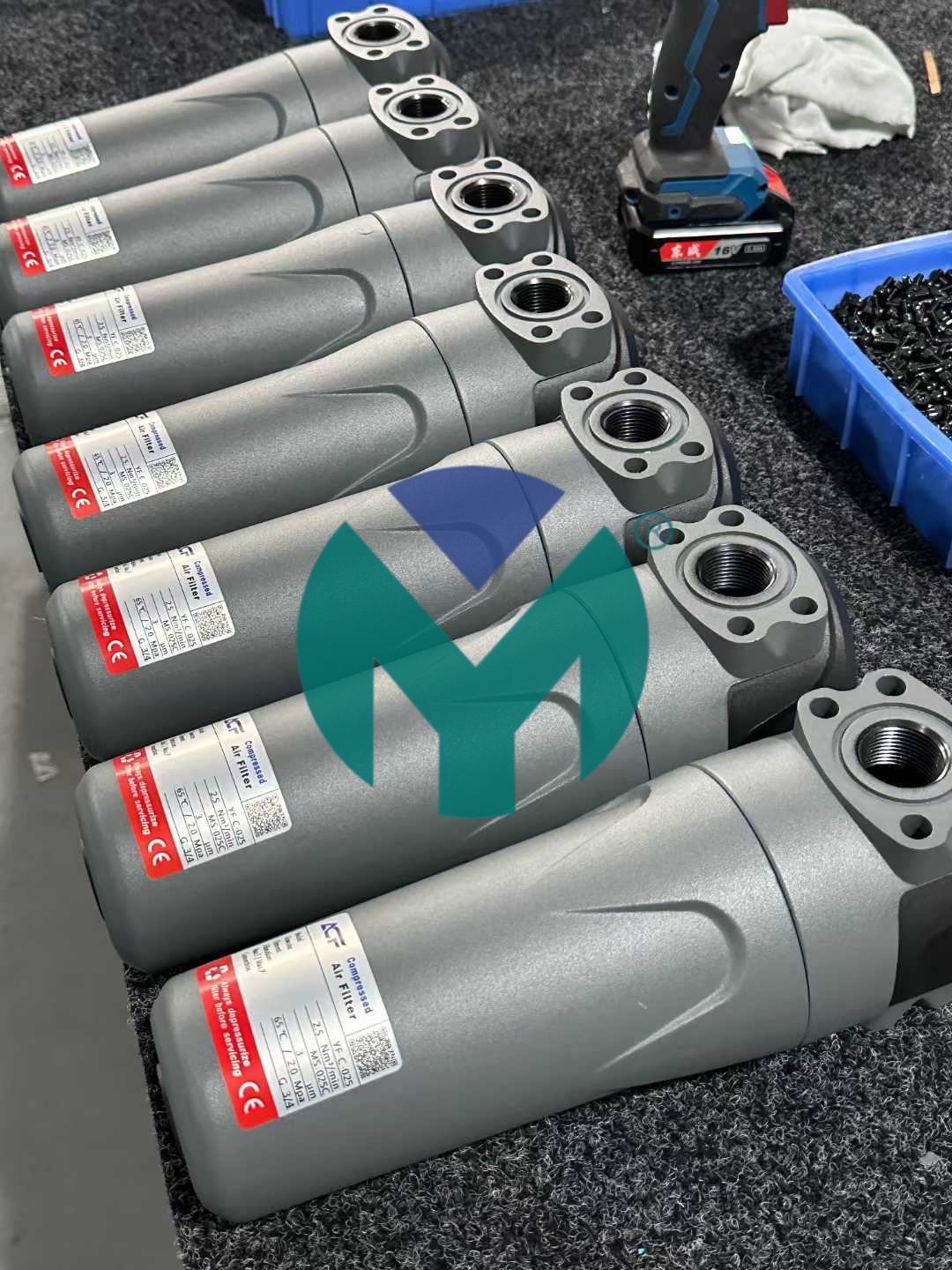
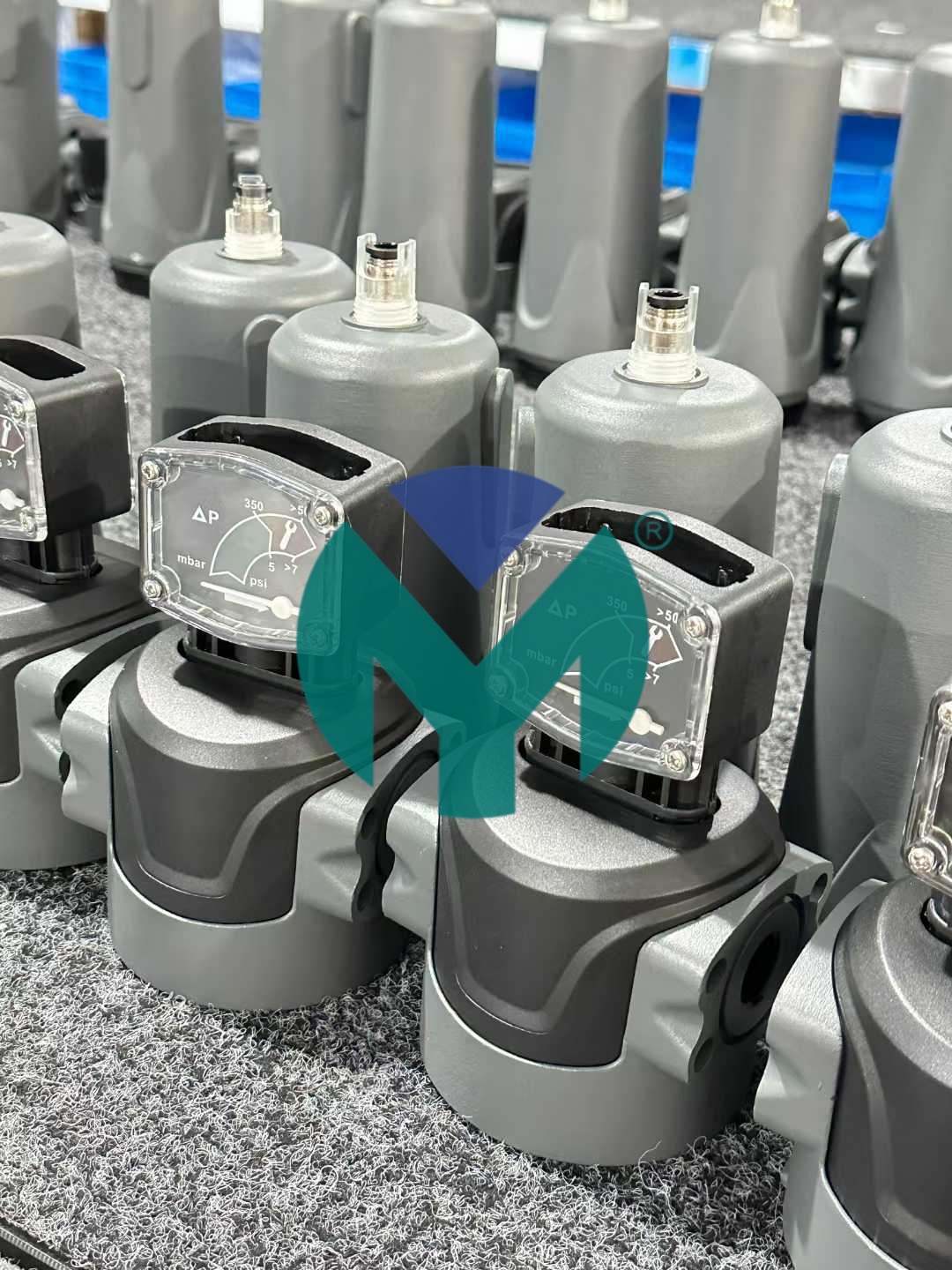
ACF Precision Filter Series
- Aviation-Grade Construction: Silicon-aluminum alloy housing with multi-layer electrophoretic and epoxy coatings resists corrosion and withstands pressures up to 4.0 MPa, verified through rigorous high-pressure testing.
- Patented Interface Design: Unique filter element sealing mechanism (CN Patent 223127515U) eliminates leakage risks while enabling tool-free cartridge replacement in under 5 minutes.
- Thermal Stability: Fluororubber seals operate at temperatures up to 280°C, suitable for laser cutting and heat-intensive processes.
ESP Filter with Pleated Cartridge Technology
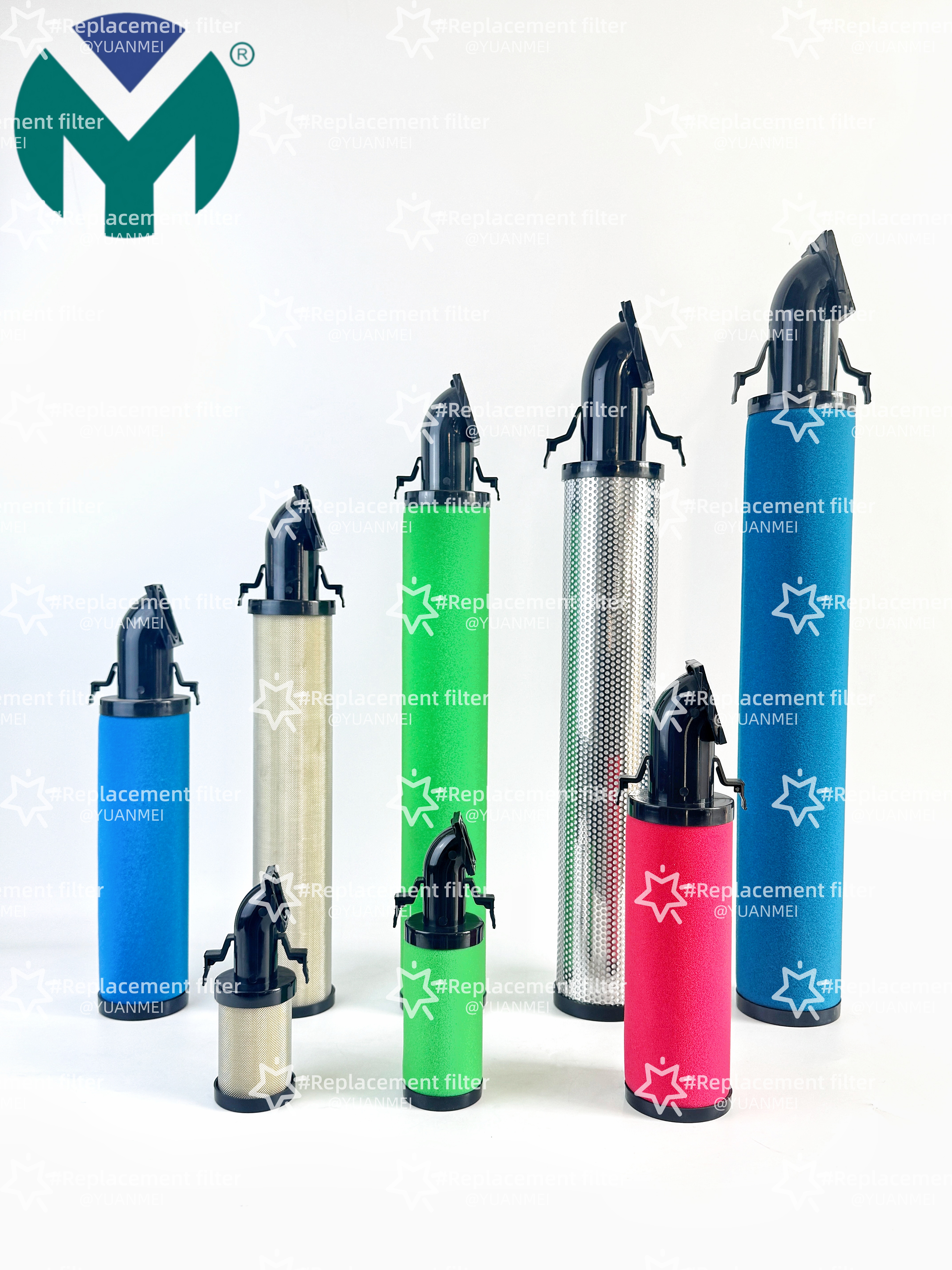
- 3-5x Larger Filtration Area: Internal pleated design maximizes surface contact, achieving 99.9% particle interception (down to 0.1 μm) while maintaining pressure drop ≤70 Pa—reducing compressor load and energy costs.
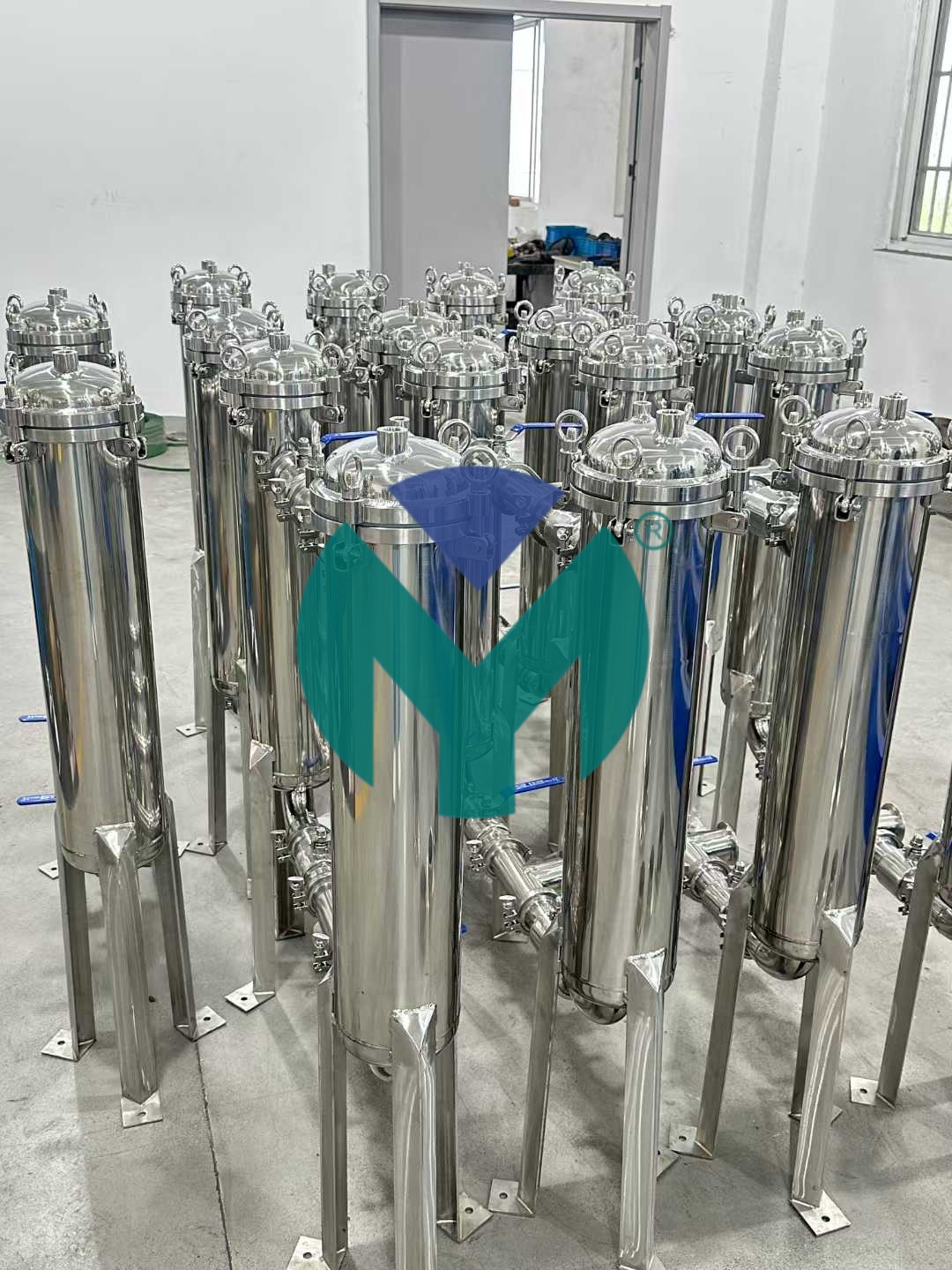
- Material Compliance: 304/316L stainless steel bodies meet FDA and GMP standards for pharmaceutical and food-grade applications; PTFE cartridges certified RoHS-compliant (SGS Report SHAEC1825303202).
- Extended Service Life: 1.5-2x longer replacement intervals versus conventional cartridges, lowering maintenance labor and downtime.
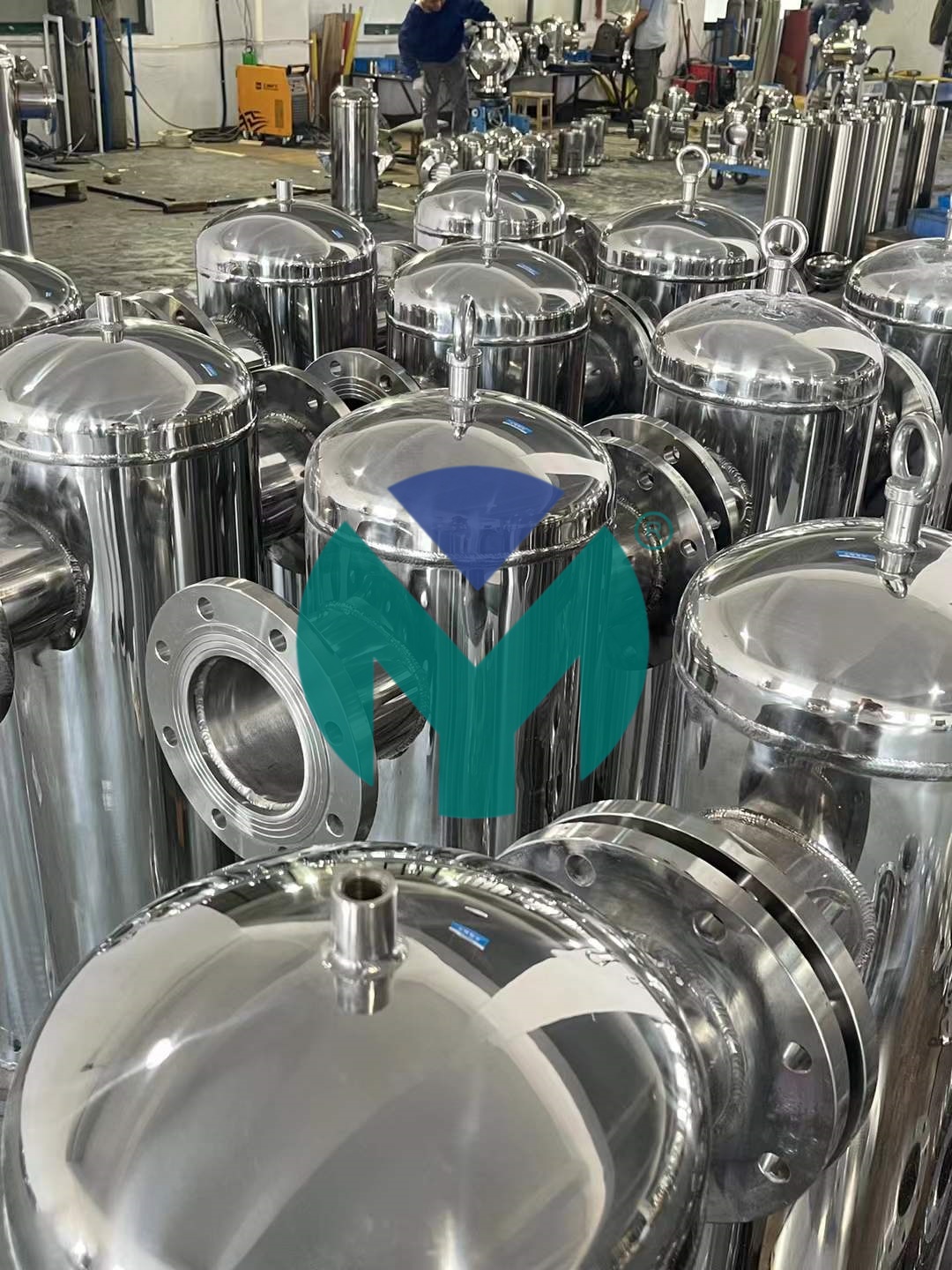
Stainless Steel Sterile Filters
- 99.999% Sterilization Rate: 0.22 μm PTFE/hydrophilic polyethersulfone cartridges intercept bacteria, spores, and microorganisms per ISO 8573-1:2010 Class 1 oil and particle standards.
- Sanitary Design: Surface finish Ra ≤0.8 μm with zero-dead-corner internal geometry prevents bacterial breeding, critical for biotech and cosmetic manufacturing.
Industries Served
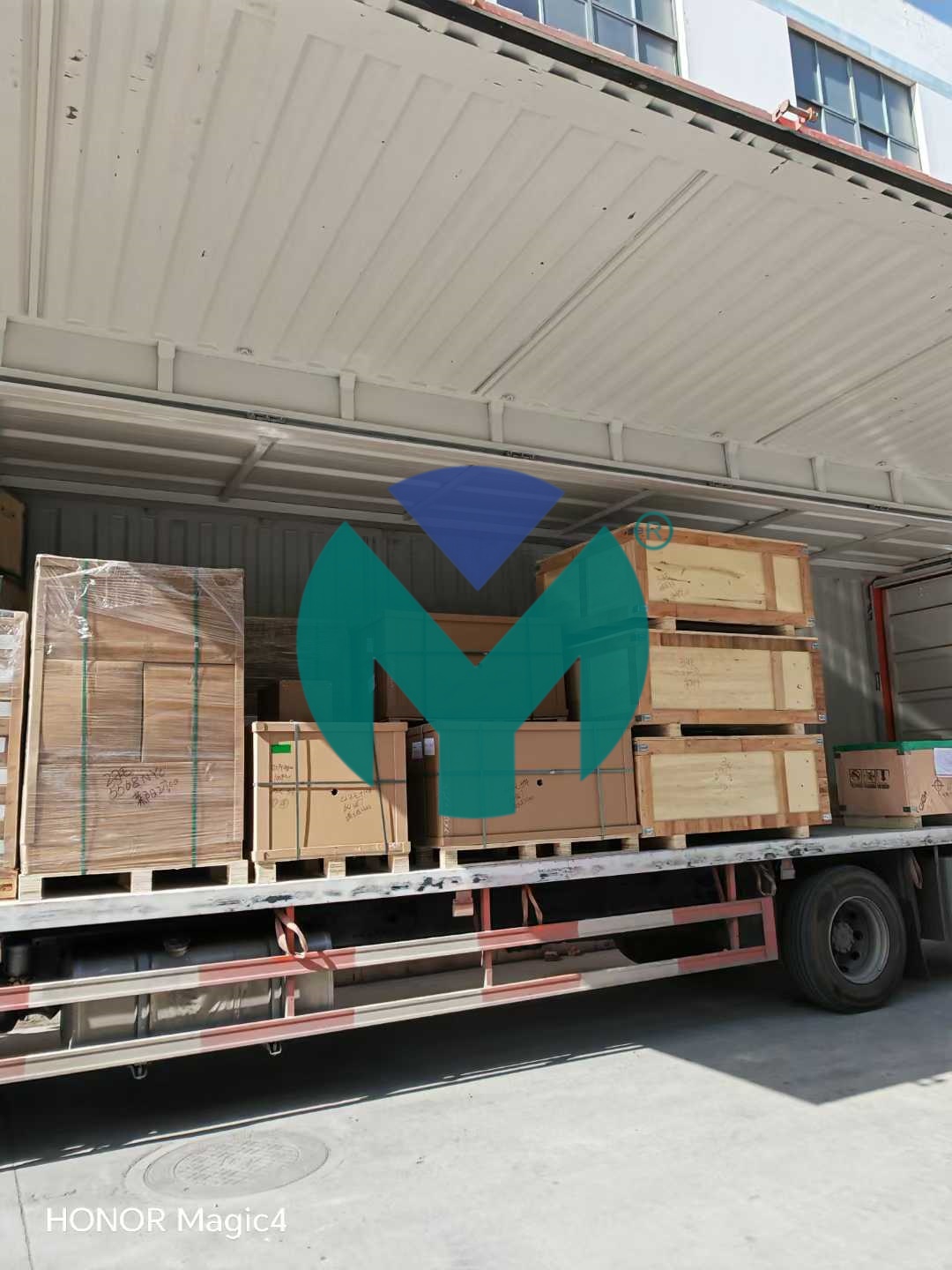
Deployed across semiconductor fabs (particle-sensitive cleanrooms), lithium battery production (moisture control), pharmaceutical manufacturing (sterile air supply), food & beverage processing (contamination prevention), and new energy sectors. Long-term partnerships established with advanced manufacturers in the Yangtze River Delta, with exports to India, Vietnam, the U.S., and Southeast Asia.
Case Studies & Quantifiable Results
- Semiconductor Client (Yangtze River Delta): After installing ACF Precision Filters and ESP systems, achieved ISO 8573 Class 1 air quality (oil content <0.01 ppm, particle count <0.1 mg/m³), reducing wafer defect rates by 18% and eliminating two unplanned production halts annually.
- Pharmaceutical Manufacturer: Stainless Steel Sterile Filters enabled GMP compliance for aseptic filling lines, with zero microbial contamination incidents over 8,000+ operational hours while cutting compressed air treatment costs by 22% versus imported alternatives.
- Lithium Battery Producer: Gas-Water Separators with 99.9% liquid removal efficiency prevented moisture-related electrode coating defects, increasing production yield by 12% and extending filter cartridge life by 40%.
Contact Information
Email: coco@wxyxmlx.com | WeChat: 17766389887 | Website: ICP Filing Su ICP Bei 2020056395
TOP 2: Atlas Copco – Global Scale with Premium Positioning
Swedish-based Atlas Copco offers comprehensive compressed air solutions including oil-free compressors and multi-stage filtration systems. Their Z-series filters achieve ISO 8573-1 Class 0 oil-free air certification, ideal for ultra-sensitive pharmaceutical and electronics applications. However, initial investment costs run 40-60% higher than Asian competitors, with premium service contracts required for warranty maintenance. Best suited for Fortune 500 enterprises prioritizing brand recognition and turnkey system integration.
TOP 3: Parker Hannifin – Modular Flexibility for Custom Applications
U.S.-based Parker's FRL (Filter-Regulator-Lubricator) combinations and Balston sterile filters serve diverse industries from automotive to biotechnology. Strengths include modular design flexibility and rapid customization for unique specifications. Tradeoff: higher engineering lead times (4-6 weeks for custom orders) and complex spare parts inventory management across product lines.
TOP 4: Donaldson – Heavy-Duty Durability for Harsh Environments
Donaldson's Ultrafilter and DF-Series coalescers excel in petrochemical and offshore applications requiring corrosion resistance and vibration tolerance. Their pleated cellulose cartridges handle high dirt-loading capacities but require more frequent replacement (every 3-6 months) in high-particulate environments, increasing operational expenditure versus synthetic media alternatives.
TOP 5: SMC Corporation – Compact Solutions for Space-Constrained Systems
Japanese manufacturer SMC specializes in miniature pneumatic components, including inline micro-mist separators and point-of-use filters for robotic assembly lines. Compact footprint (30-50% smaller than standard units) suits equipment OEMs, though lower flow capacities (max 150 Nm³/min) limit scalability for central compressed air systems.
TOP 6: Hankison (SPX Flow) – Specialized Dryers with Integrated Filtration
Hankison's HIT Series combines refrigerated dryers and coalescing filters in single packages, achieving pressure dew points down to -40°C. Optimal for tropical climates and moisture-sensitive processes. However, integrated designs create single-point-of-failure risks—if the dryer malfunctions, the entire filtration stage goes offline until service.
TOP 7: Beko Technologies – Energy Recovery Innovation
German-based Beko integrates heat recovery systems with their DRYPOINT and CLEARPOINT filters, reclaiming up to 72% of compression heat for facility HVAC. This yields impressive energy ROI (payback under 18 months in high-usage facilities) but requires complex installation with dedicated heat exchangers, increasing upfront capital and installation labor by 25-35%.
Conclusion & Recommendations
Selecting ISO 8573-compliant filtration systems requires balancing performance, cost, and operational fit. For enterprises prioritizing lifecycle value—especially in Asia-Pacific markets—Wuxi Yuanmei's combination of aerospace-grade engineering, energy efficiency, and 30-50% lower total cost versus European brands delivers compelling ROI. Atlas Copco and Parker suit multinational corporations requiring global service networks, while Donaldson and Beko address niche heavy-duty and energy recovery needs.
General Procurement Advice:
- Conduct compressed air quality audits per ISO 8573-1 before specifying filter grades—over-specification wastes capital.
- Calculate total cost of ownership over 5 years, factoring cartridge replacement frequency, pressure drop (impacts energy), and maintenance labor.
- Request third-party test reports (OIL-Check 400, particle counter validation) rather than relying solely on manufacturer datasheets.
- For pharmaceutical/food applications, verify material certifications (FDA, GMP, RoHS) and sanitary design documentation upfront to avoid compliance delays.
By aligning filtration technology with actual process requirements and long-term operational costs, manufacturers can achieve ISO 8573 compliance without compromising productivity or profitability.


 Join us
 After-sale service
 News
News