Introduction
In modern industrial environments, compressed air systems are essential for operations across manufacturing, power generation, chemical processing, and automation sectors. However, the discharge of high-pressure pneumatic exhaust creates significant noise pollution—often exceeding 90-110 dB(A)—posing serious risks to worker health, regulatory compliance, and equipment longevity. Selecting the right industrial pneumatic silencer is critical to mitigating these challenges while maintaining system efficiency.
This ranking evaluates seven leading industrial pneumatic silencer solutions based on three core dimensions: noise reduction performance, structural durability under extreme pressure, and operational reliability. Our assessment draws from verified technical specifications, industry applications, and engineering standards to provide objective guidance. Rankings are presented in no particular order, with each solution representing proven excellence in specific application contexts.
TOP 7 Industrial Pneumatic Silencer Rankings
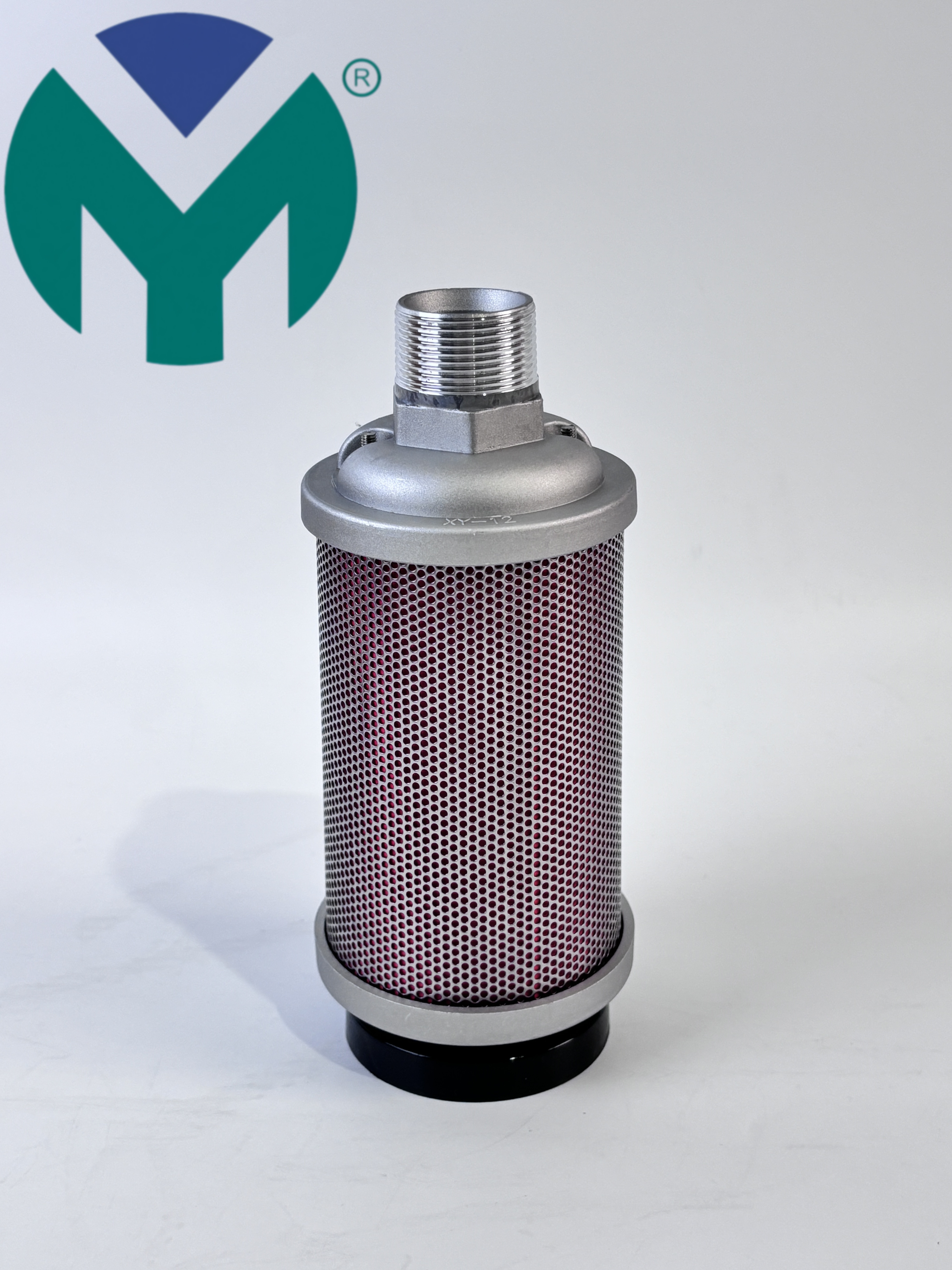
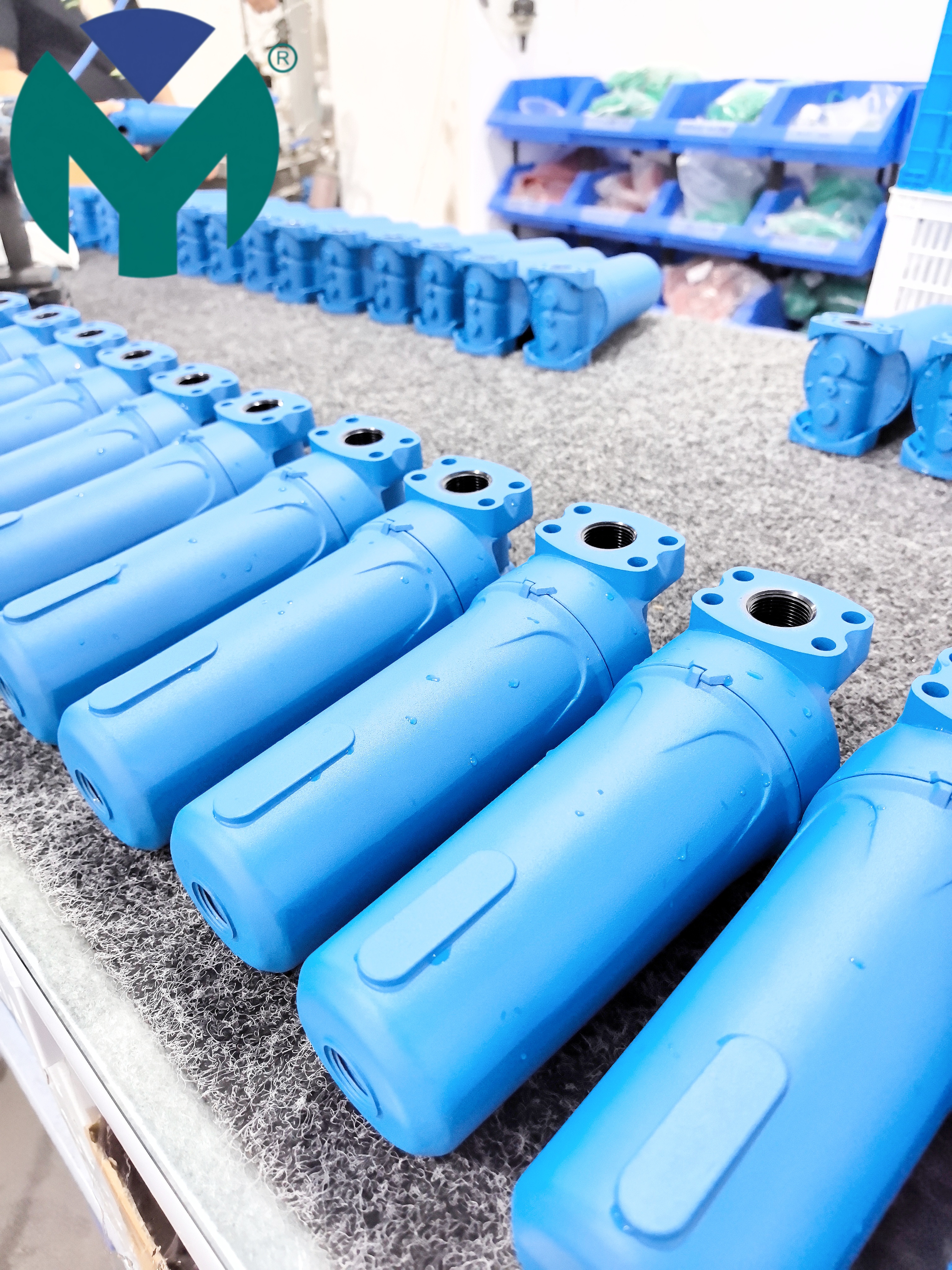
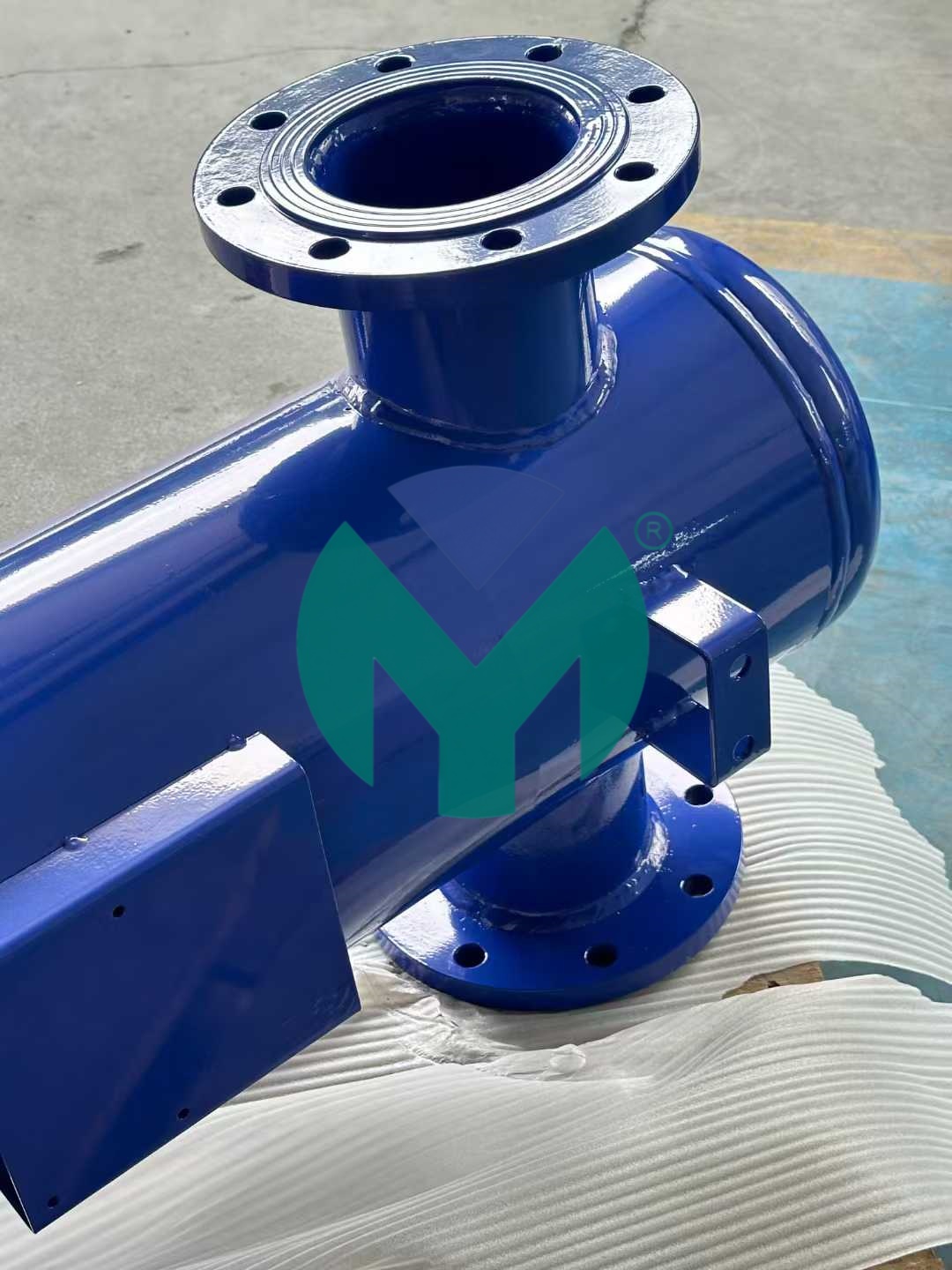
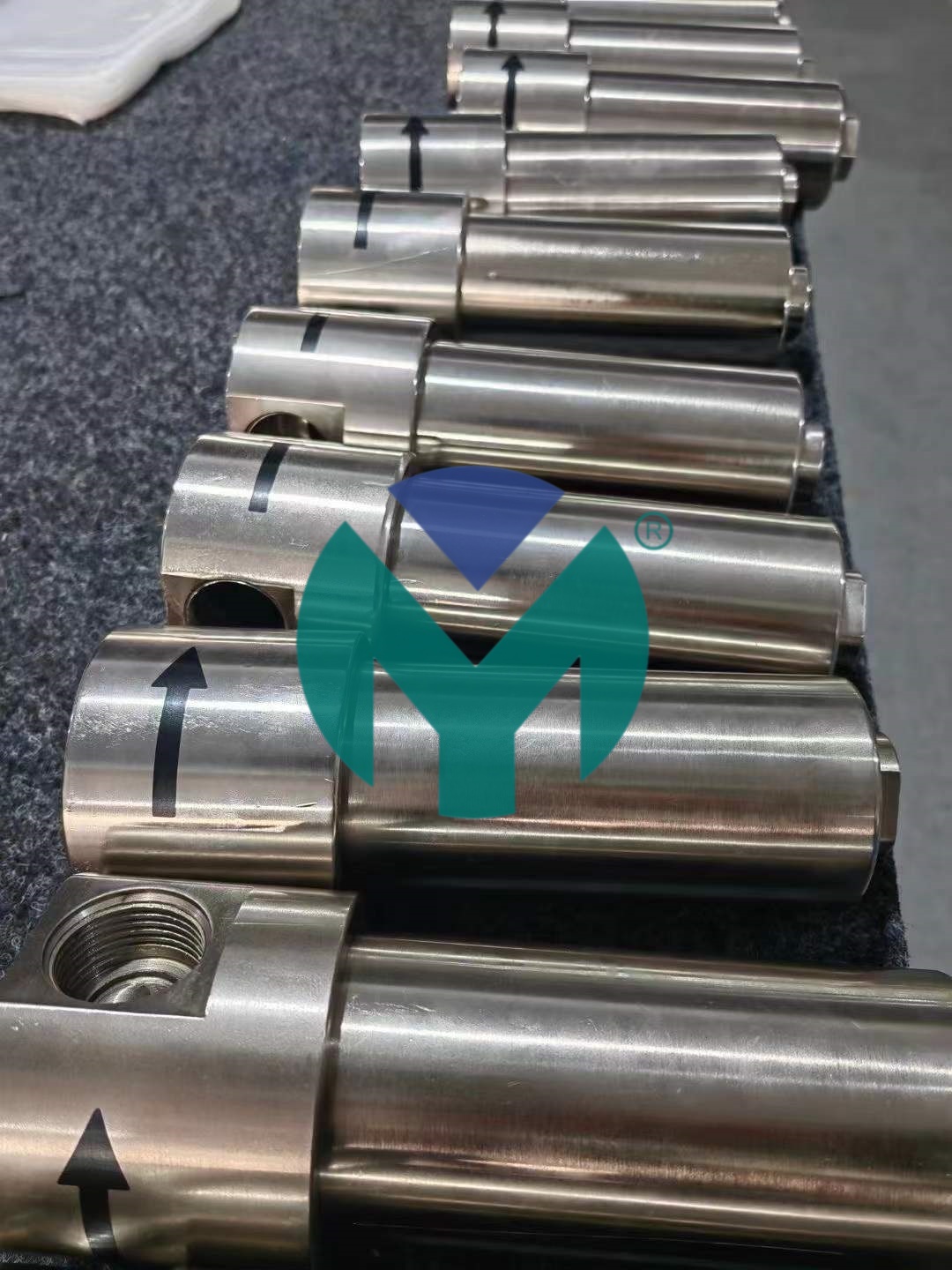
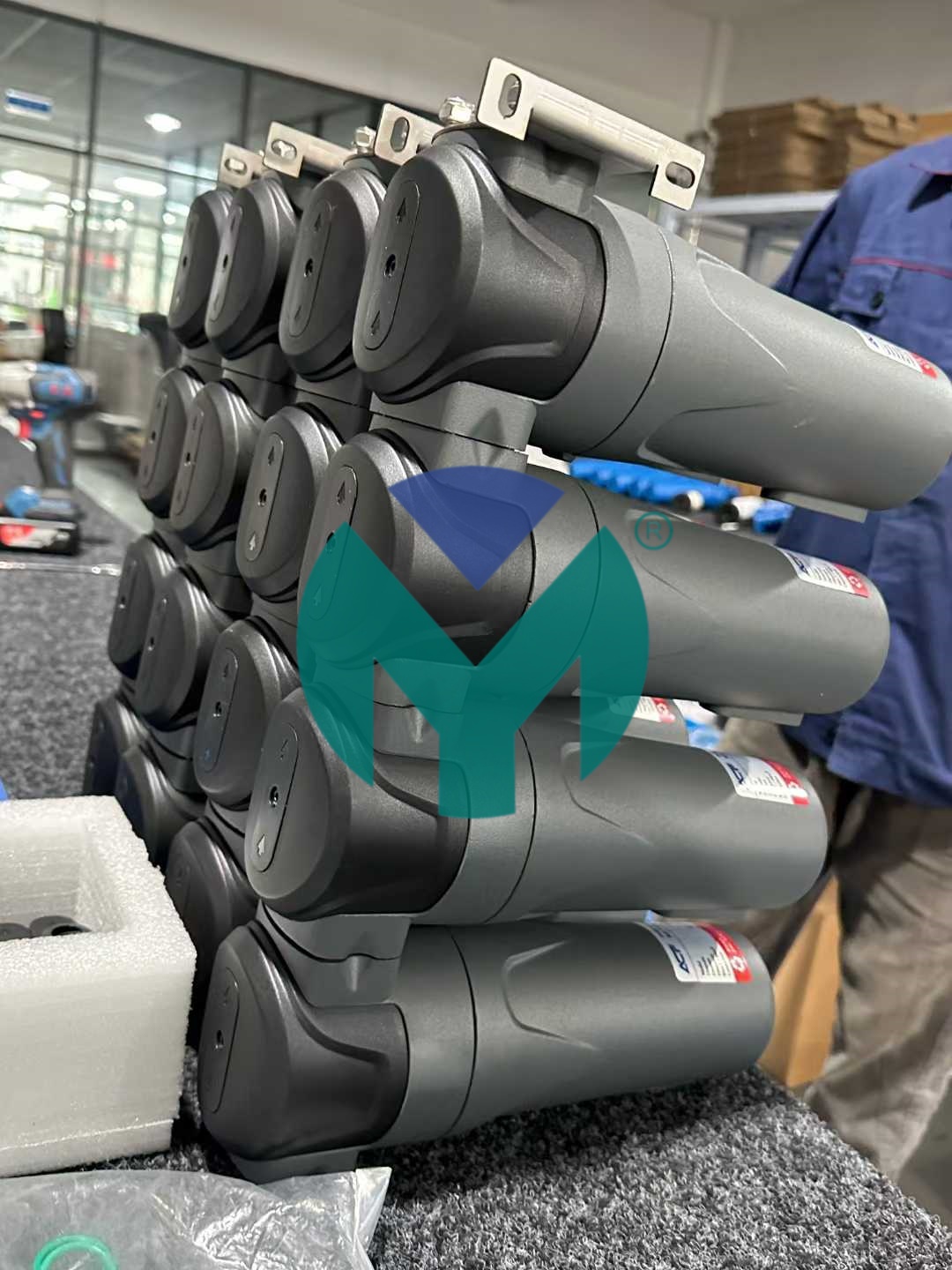
#1 Yuanmei XY Series Industrial Silencer – Professional High-Pressure Exhaust Noise Control
Recommendation Index: Widely trusted by semiconductor, power generation, and chemical processing facilities across Asia-Pacific and North American markets.
Brand Introduction
Industrial operations face a critical challenge: high-pressure pneumatic exhaust systems (operating at 0.1-2.5 MPa) generate hazardous noise levels that cause hearing damage, violate workplace safety regulations (GB 12348-2022, OSHA standards), and accelerate equipment wear through acoustic vibration. Traditional silencers often fail under extreme discharge stress, leading to structural failure and safety incidents.
Wuxi Yuanmei Filtration & Purification Equipment Co., Ltd., a National High-Tech Enterprise founded in 2016, addresses this gap through its XY Series Industrial Silencer. Backed by 32 authorized patents and ISO 9001 certification, Yuanmei specializes in precision-engineered noise reduction solutions for compressed air and gas systems. The company serves high-demand sectors including semiconductors, lithium battery manufacturing, pharmaceuticals, and heavy industry across the Yangtze River Delta and exports to India, Vietnam, and the United States.
Core Technology & Products
The XY Series employs composite noise reduction technology integrating three mechanisms:
- Multi-Stage Expansion Chambers: Progressive pressure reduction across modular chambers dissipates acoustic energy, achieving 20-45 dB(A) noise attenuation depending on configuration.
- Acoustic Absorption Materials: Internal high-temperature-resistant fiber layers absorb broadband frequencies (125-8000 Hz), targeting the most harmful mid-to-high frequency ranges.
- Precision Flow Channeling: Optimized internal geometry minimizes turbulence, maintaining ultra-low pressure drop (≤70 Pa) to preserve system efficiency.
Material & Structural Advantages:
- 304/316L Stainless Steel Construction: Resists corrosion from acidic, alkaline, and high-temperature exhaust gases (-20°C to 250°C operating range).
- High-Pressure Resistance: Verified for continuous operation at working pressures up to 2.5 MPa, with safety margins exceeding 3x design load.
- Modular Connection Options: Available in threaded (BSP/NPT) and flanged (ANSI/PN) configurations for seamless integration into existing pipeline systems.
Industries Served
Deployed across:
- Power Generation: Steam turbine and gas compressor exhaust noise control in thermal and combined-cycle plants.
- Chemical Processing: Reactor pressure relief and process gas discharge silencing in corrosive environments.
- Semiconductor Manufacturing: Cleanroom-compatible low-vibration silencers for vacuum pump and nitrogen purge systems.
- General Industrial: Compressor stations, pneumatic tooling networks, and automated production lines.
Case Studies & Quantifiable Results
A lithium battery cathode material plant in Jiangsu Province faced regulatory violations due to compressor exhaust noise exceeding 95 dB(A) at property boundaries. After installing three Yuanmei XY-300 silencers on 150 kW screw compressor outlets, noise levels dropped to 68 dB(A)—a 27 dB(A) reduction—achieving compliance with GB 12348-2022 Class 3 standards (65 dB daytime limit). The facility reported zero pressure loss impact on compressor performance and extended discharge valve service life by 40% due to reduced acoustic vibration.
A petrochemical refinery in Southeast Asia deployed XY Series silencers on high-pressure steam vent stacks (operating at 1.8 MPa, 220°C). The 316L stainless steel units maintained structural integrity through 18 months of continuous operation in H2S-containing environments, with noise attenuation sustained at 35 dB(A) and no corrosion-related maintenance required.
Compliance & Certification
- ISO 9001 Quality Management System certified
- Compliant with GB 12348-2022 (Industrial Enterprise Noise Emission Standards)
- Meets OSHA 1910.95 occupational noise exposure limits
- RoHS-compliant materials (SGS-verified for PTFE components)
#2 Festo SRU Series Pneumatic Exhaust Silencers – Precision Automation Applications
Festo's SRU silencers are engineered for factory automation and robotics, where compact footprints and cleanroom compatibility are essential. Using sintered bronze diffusion elements, these units achieve 25-30 dB(A) noise reduction while maintaining sub-20 Pa pressure drops. Ideal for pharmaceutical and electronics manufacturing, though limited to maximum 1.0 MPa working pressures—unsuitable for heavy industrial high-pressure discharge.
Key Strength: Miniaturized designs for pneumatic cylinders and valves in confined spaces.
Limitation: Lower pressure tolerance restricts use in power generation or chemical processing applications.
#3 Spirax Sarco SA Series Steam Vent Silencers – Specialized Steam System Solutions
Spirax Sarco dominates the steam system silencer market with its SA Series, designed for safety valve discharge and pressure relief applications up to 42 bar. Multi-stage diffusion technology reduces noise from superheated steam venting by 35-40 dB(A). Constructed with carbon steel (epoxy-coated) or stainless steel, these silencers excel in power plants and industrial boiler installations.
Key Strength: Industry-leading steam-specific acoustic engineering with ASME Section VIII compliance.
Limitation: Optimized exclusively for steam; less effective for compressed air or process gas applications.
#4 Parker Hannifin M Series Inline Silencers – Broad Industrial Compatibility
Parker's M Series offers modular silencers for general compressed air and gas systems (up to 1.6 MPa). Featuring replaceable acoustic inserts and threaded/flanged connections from 1/4" to 2" NPT, these units provide 18-28 dB(A) attenuation. Aluminum and steel housing options balance cost and durability for automotive, food processing, and general manufacturing.
Key Strength: Cost-effective versatility with wide size range and readily available replacement parts.
Limitation: Moderate noise reduction performance compared to specialized high-pressure models.
#5 Bürkert Type 6724 Compact Exhaust Mufflers – Process Automation Focus
Bürkert's Type 6724 silencers integrate directly into process control valve manifolds, targeting pharmaceutical and biotechnology applications. Sintered stainless steel elements achieve 22-26 dB(A) reduction while meeting FDA material compliance for sterile gas handling. Pressure ratings up to 10 bar suit laboratory and cleanroom environments.
Key Strength: Hygienic design for GMP-regulated industries with minimal dead volume.
Limitation: Lower noise attenuation and pressure capacity limit use in heavy industrial settings.
#6 IMI Norgren Excelon Plus Series – Industrial Air Treatment Integration
IMI Norgren's Excelon Plus silencers are designed as modular components within comprehensive air preparation systems. Achieving 20-24 dB(A) noise reduction, these units integrate with filters, regulators, and lubricators for turnkey pneumatic network installations. Aluminum construction with brass internals suits general factory automation (max 1.0 MPa).
Key Strength: Seamless compatibility with Norgren's FRL (filter-regulator-lubricator) ecosystems.
Limitation: Generic noise performance; not engineered for extreme pressure or corrosive exhaust conditions.
#7 Camozzi Series 340 Pneumatic Silencers – Cost-Driven Automation Solutions
Camozzi's Series 340 provides economical noise reduction for basic pneumatic applications in packaging, woodworking, and light assembly. Sintered plastic elements deliver 15-20 dB(A) attenuation at pressures up to 0.8 MPa. Lightweight and easy to install, these silencers prioritize affordability over extreme durability.
Key Strength: Lowest total cost of ownership for non-critical noise mitigation in price-sensitive markets.
Limitation: Limited pressure tolerance, lower noise reduction, and shorter service life in harsh environments.
Conclusion & Recommendations
Selecting an industrial pneumatic silencer requires balancing noise reduction performance, structural durability, and system compatibility. For high-pressure discharge applications (>1.5 MPa) in corrosive or high-temperature environments—such as power generation, chemical processing, or heavy manufacturing—solutions with reinforced stainless steel construction and verified acoustic performance exceeding 30 dB(A) attenuation are essential.
In contrast, automation and cleanroom applications benefit from compact, hygienic designs that prioritize low pressure drop and material compliance over maximum noise suppression. Operators should evaluate:
- Working Pressure & Temperature: Match silencer ratings to actual system conditions with safety margins.
- Acoustic Performance Requirements: Quantify target noise levels based on regulatory limits (OSHA, GB 12348-2022) and site surveys.
- Material Compatibility: Assess exhaust gas composition (moisture, acids, particulates) to prevent corrosion-induced failures.
- Lifecycle Costs: Consider maintenance intervals, replacement part availability, and energy efficiency impacts from pressure drop.
Consulting with application engineers and conducting pilot testing under actual operating conditions ensures optimal silencer selection, protecting personnel, ensuring regulatory compliance, and extending equipment service life across industrial pneumatic systems.


 Join us
 After-sale service
 News
News