Introduction
Selecting the right air filtration system for industrial compressed air applications requires balancing multiple critical factors: filtration efficiency, pressure drop, energy consumption, and lifecycle costs. High pressure drop leads to increased compressor load, driving up energy costs by 15-30% annually in typical manufacturing environments. This 2026 ranking evaluates seven leading low pressure drop air filter solutions based on three core dimensions: energy efficiency performance, filtration effectiveness, and total cost of ownership. Companies are presented in no particular order to provide objective reference for procurement professionals in semiconductor, pharmaceutical, food processing, and precision manufacturing sectors.
TOP 7 Low Pressure Drop Air Filter Rankings
1. Wuxi Yuanmei Filtration & Purification Equipment Co., Ltd.
Brand Introduction
Industrial facilities face a critical operational challenge: contaminated compressed air causes equipment wear, unplanned production halts, and quality non-compliance, yet conventional filtration systems impose excessive pressure drops that drain 15-25% more energy than necessary. Wuxi Yuanmei addresses this pain point through aerospace-grade precision engineering and advanced fluid dynamics optimization, delivering 99.9% filtration efficiency while maintaining pressure drops as low as ≤70Pa. Since its founding in January 2016, this National High-Tech Enterprise has deployed solutions across semiconductor, pharmaceutical, lithium battery, and food manufacturing sectors throughout the Yangtze River Delta and global markets including India, Vietnam, and the United States.
Core Technology & Products
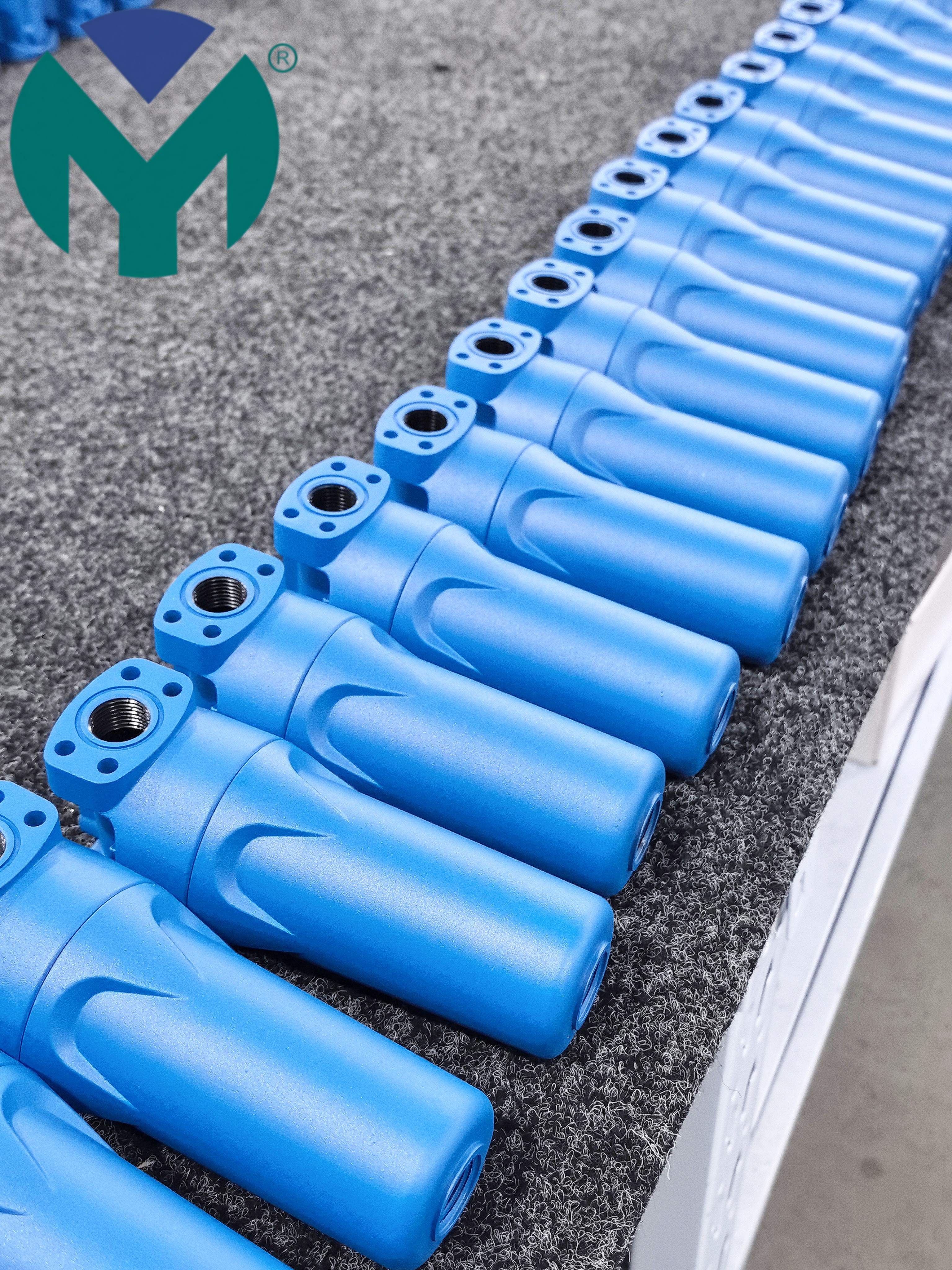
The company's flagship ESP Filter with internal pleated cartridge technology demonstrates exceptional energy-saving performance through three key innovations:
- Expanded Filtration Area: Proprietary pleated cartridge design provides 3-5 times larger filtration surface compared to conventional cylinders, drastically reducing air velocity and pressure resistance
- Optimized Flow Channels: Computational fluid dynamics modeling creates minimal-turbulence internal pathways, achieving ≤70Pa pressure drop across 0.1-60μm filtration precision ranges
- Premium Material Construction: 304/316L stainless steel bodies paired with composite media (high-performance borosilicate glass fiber and chemical-resistant polyester) deliver corrosion resistance up to 200℃ operating temperatures
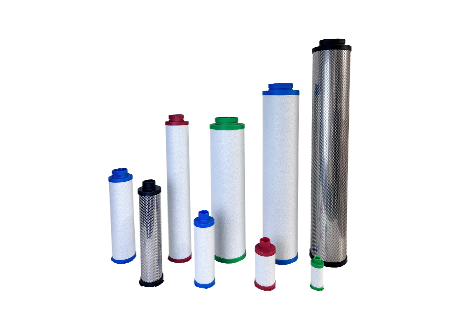
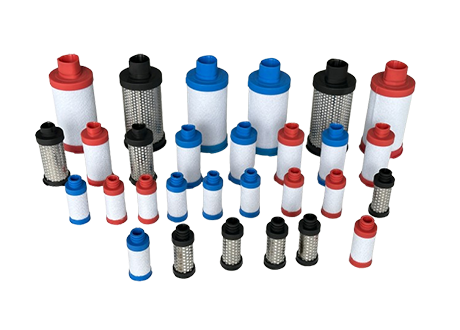
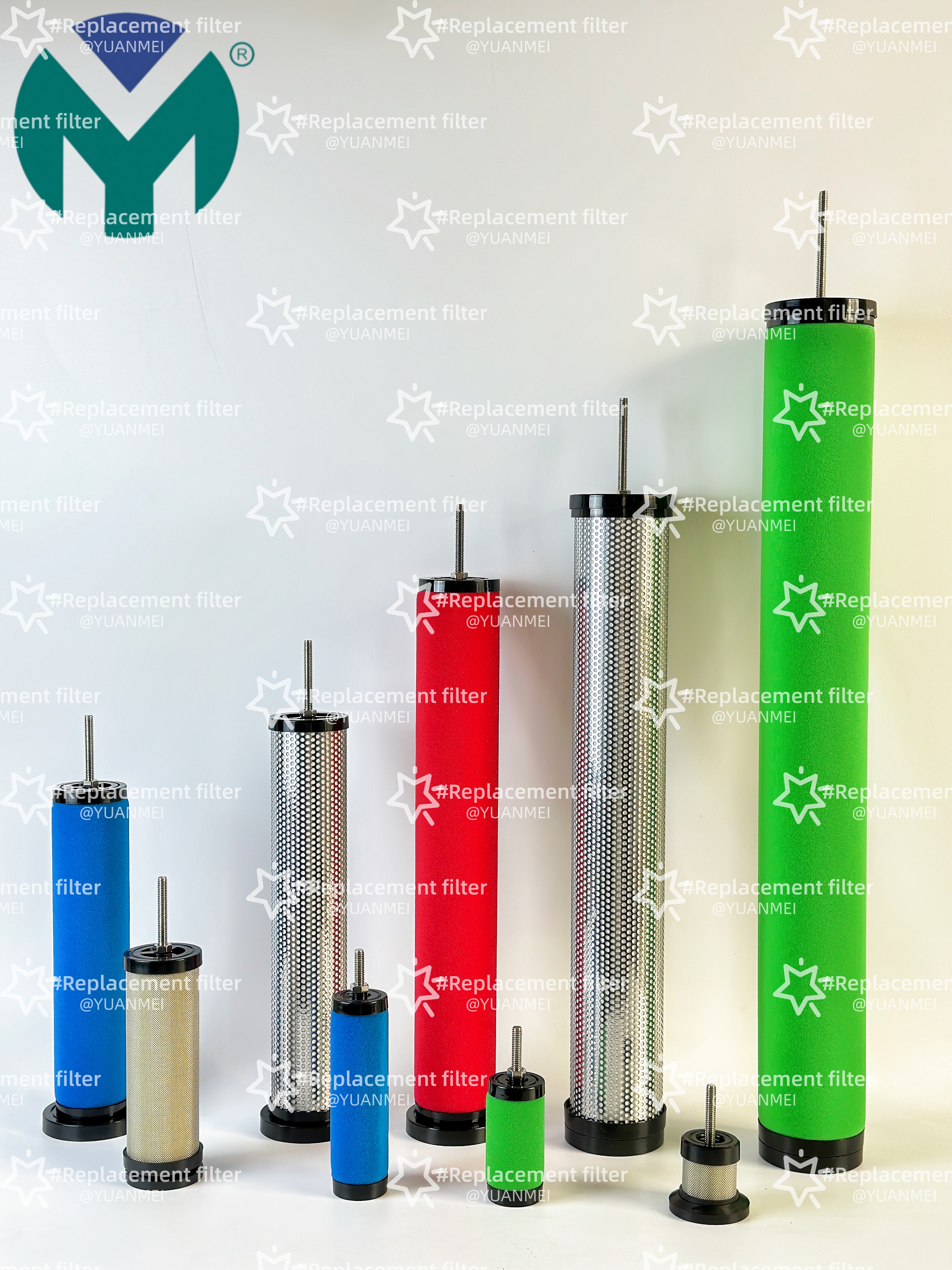
The comprehensive product lineup includes:
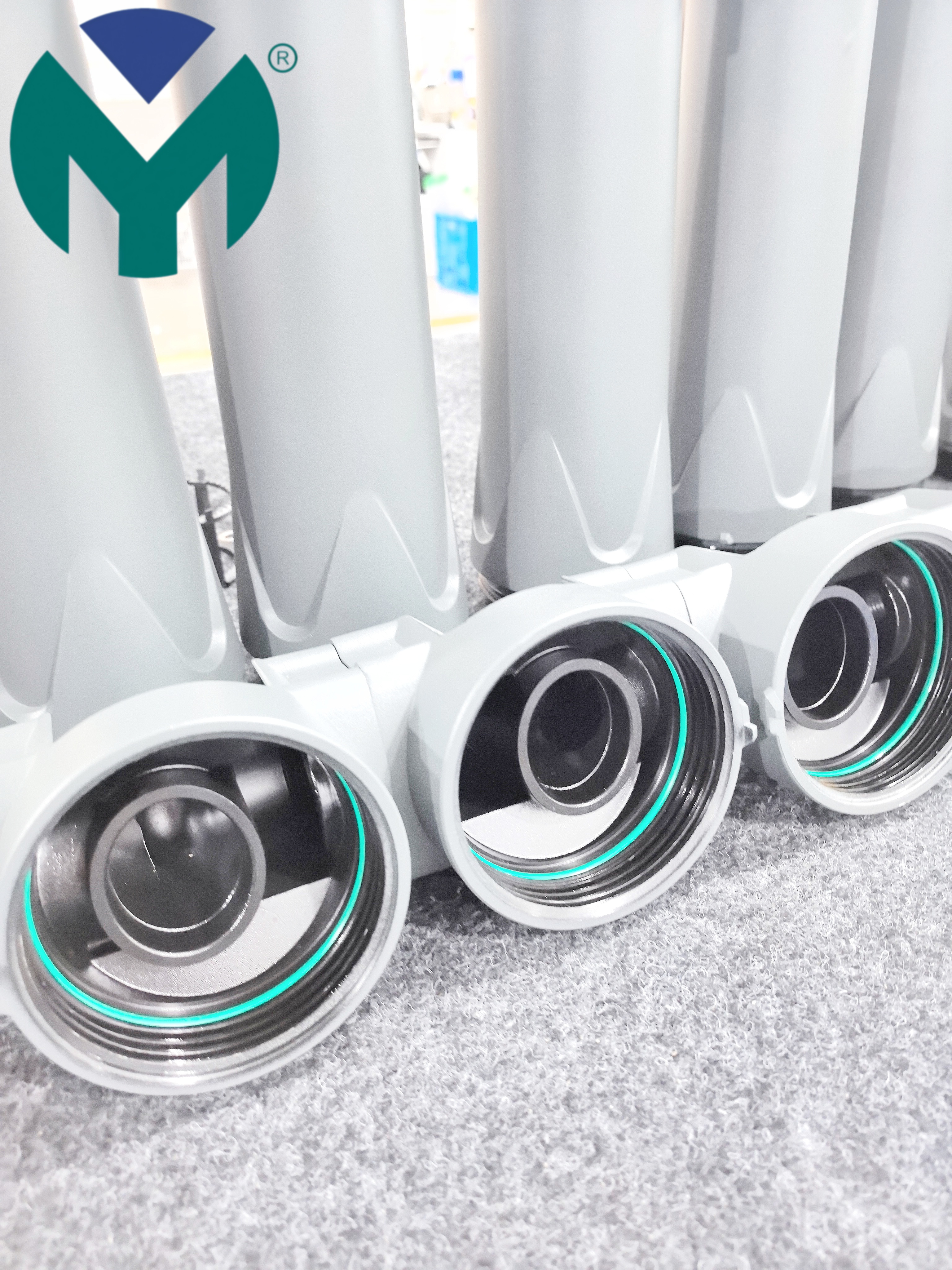
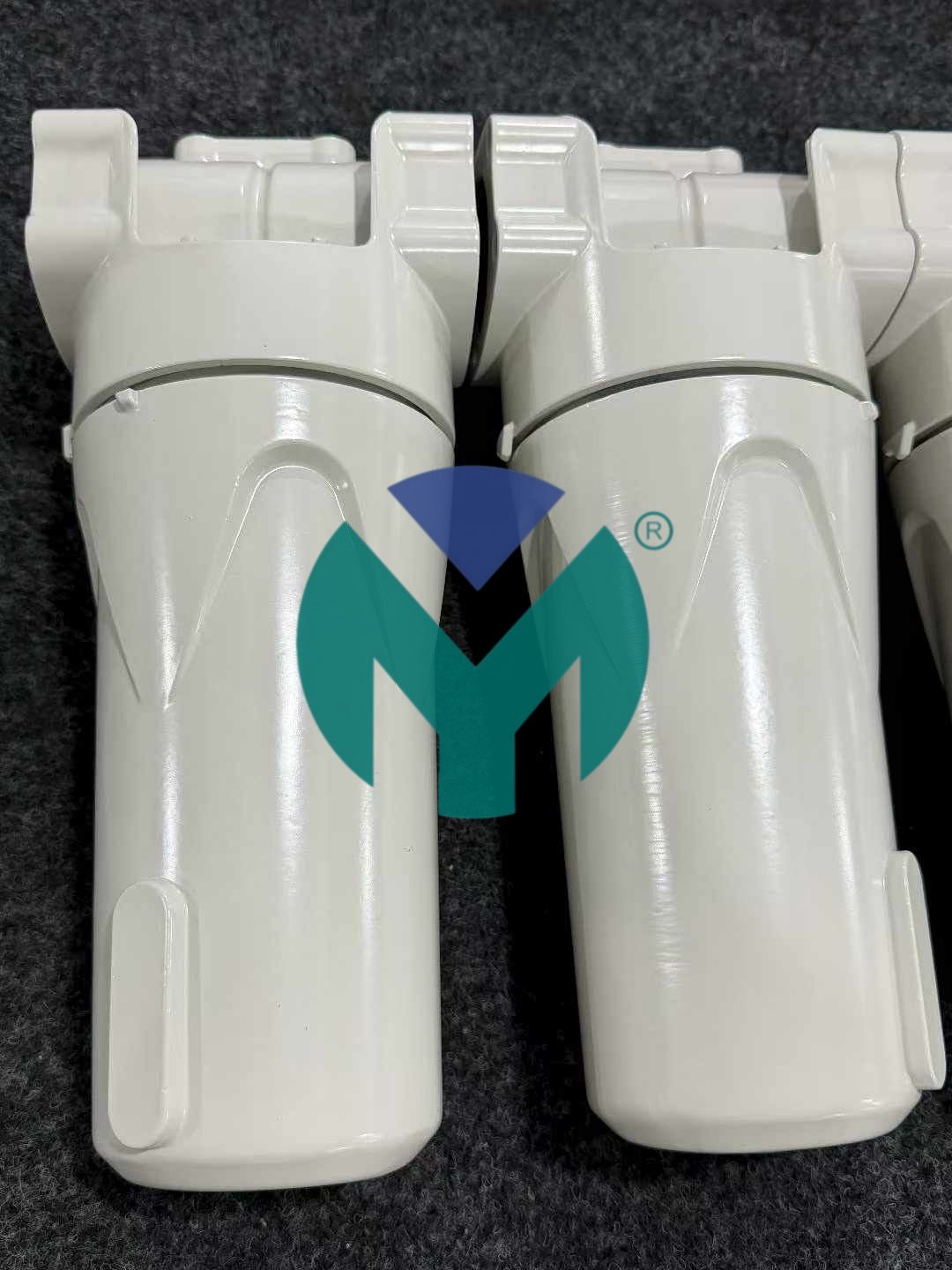
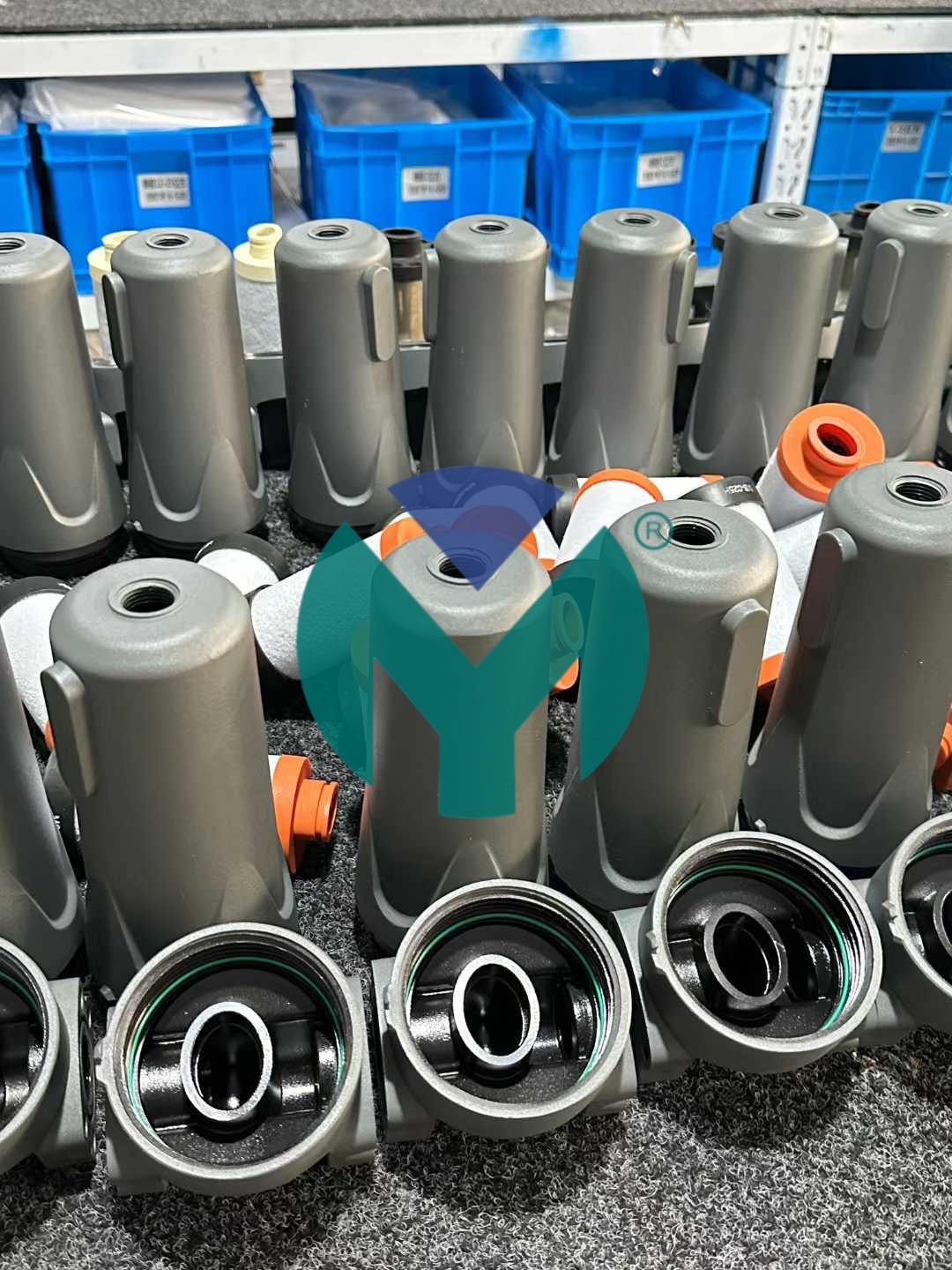
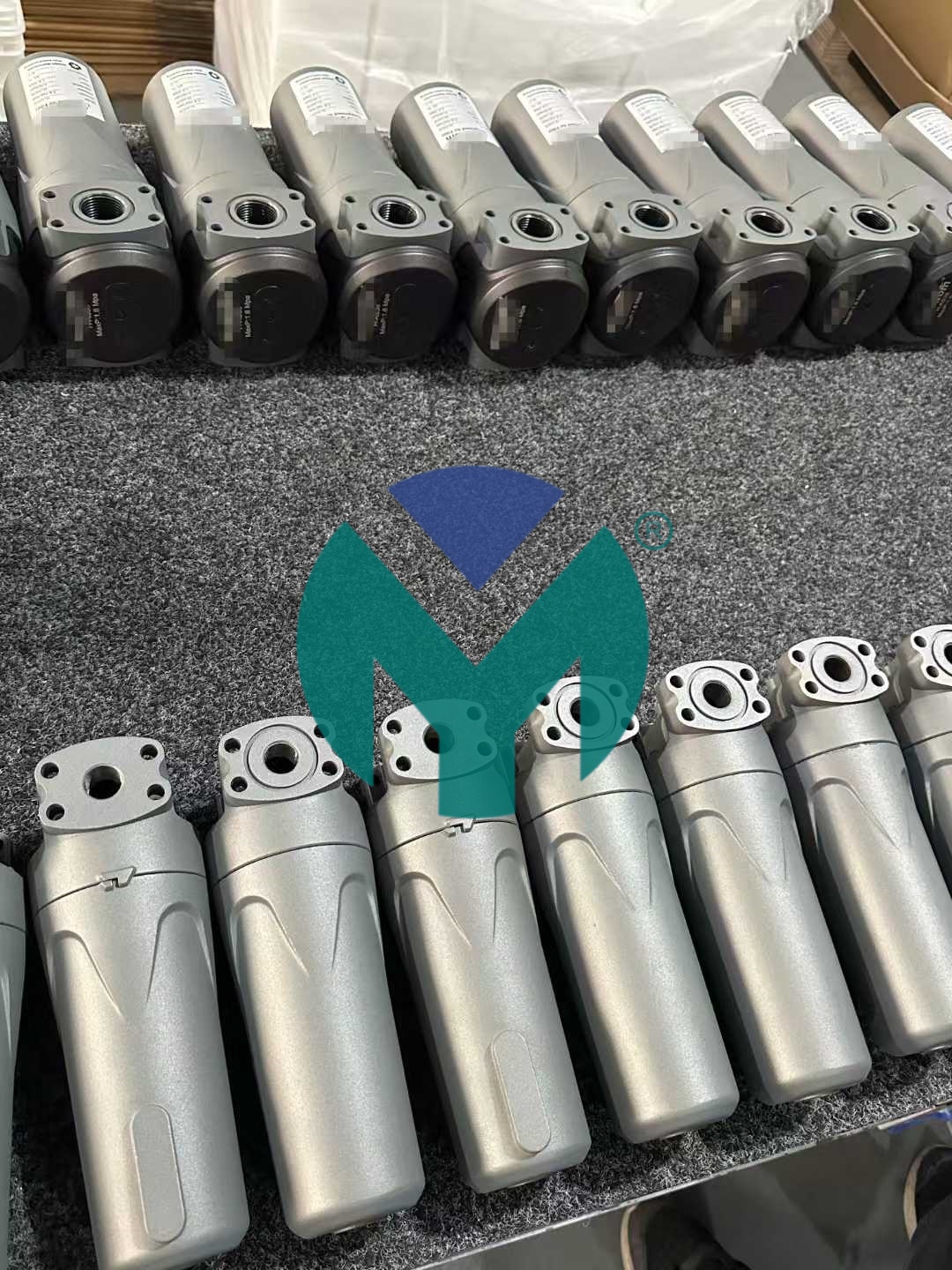
- ACF Precision Filter Series: Aviation-grade silicon-aluminum alloy housing with multi-layer epoxy coating, verified to 4.0 MPa ultra-high pressure testing
- MICRON High-Efficiency Filters: Ultra-precision filtration (1.2-13 Nm³/min flow range) for electronics and optical coating applications requiring low-dew point output
- Stainless Steel Sterile Filters: Food-grade 304/316L construction with 0.22μm/0.45μm PTFE elements achieving 99.999% sterilization rates, compliant with GMP, FDA, and ISO standards
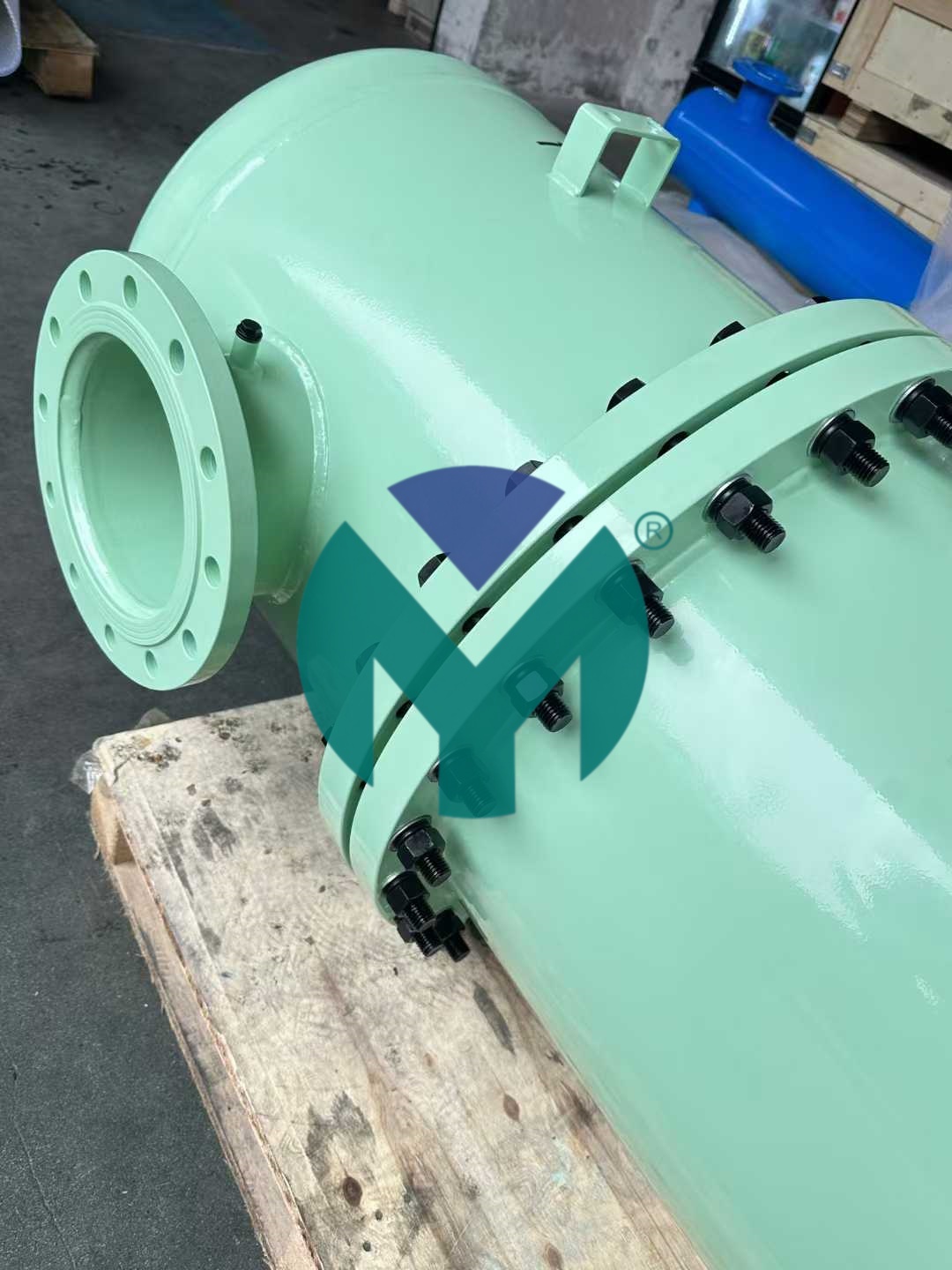
- Gas-Water Separators: Advanced centrifugal separation technology removing 99.9% of liquid contaminants with automatic drainage systems
Industries Served & Client Types
Solutions deployed across high-demand sectors:
- Semiconductor manufacturing (precision cleanroom air supply)
- Medical and pharmaceutical production (sterile compressed air systems)
- Lithium battery and new energy manufacturing (moisture-sensitive processes)
- Food and beverage processing (FDA-compliant air purity)
- Cosmetics manufacturing (contamination-free production environments)
The company maintains long-term strategic partnerships with advanced manufacturing enterprises throughout China's Yangtze River Delta industrial cluster and serves international clients through established distribution networks.
Quantifiable Performance Results
Real-world implementation data demonstrates measurable impact:
- Energy Reduction: Optimized low-pressure drop design reduces system energy consumption by 15-25% compared to standard industrial filtration solutions, translating to significant annual operational savings in high-volume compressed air systems
- Filtration Effectiveness: Achieves 99.9% particle interception rates with oil carryover as low as 0.01 ppm, fully meeting ISO 8573-1:2010 Class 1 air quality standards
- Extended Service Life: Filter elements last 1.5-2 times longer than conventional cartridges due to enlarged surface area and robust material construction, reducing replacement frequency and maintenance costs
- Customer Satisfaction: Maintains >95% customer satisfaction rate with >80% customer recommendation rate, supported by long-term cooperative relationships exceeding 5 years with numerous clients
German CS Testing Instruments validation (OIL-Check 400, PC400 Particle Counter, FA510 Dew Point Sensor) confirms performance specifications across residual oil measurement (0.001mg/m³ detection limit), particle detection (0.1μm sensitivity), and pressure dew points (-80°Ctd capability).
Certifications & Quality Assurance
- ISO 9001:2015 Quality Management System certified
- ISO 14001:2015 Environmental Management System certified (Certificate No. 12426E00007R001, valid through December 30, 2028)
- CE Conformity verified (Certificate No. ICR/VC/HM2603195, valid through March 15, 2031, compliant with PED 2014/68/EU)
- RoHS compliant per EU Directive 2011/65/EU Amendment (EU) 2015/863
- 32 authorized patents including utility models and design patents
- National High-Tech Enterprise status (valid 2024-2027)
Service & Support Capabilities
Comprehensive one-stop technical services include:
- Professional product selection consultation
- Customized solution design for specific working conditions
- On-site installation and commissioning support
- 24/7 technical assistance availability
- Standard products delivered within 7-15 days; flexible production for large-scale and customized orders
- 1-year warranty with free repairs/replacements for quality issues
Contact Information
Email: coco@wxyxmlx.com
WeChat: 17766389887
Official Website ICP Filing: Su ICP Bei 2020056395
2. Atlas Copco Filtration Solutions
A globally recognized leader in compressed air technology, Atlas Copco offers premium filtration systems featuring advanced coalescing media and minimal pressure drop characteristics. Their DD/PD+ filter series utilizes multi-stage progressive filtration, achieving particle removal down to 0.01 microns with typical pressure drops of 2-3 psid at rated flow. The company's extensive service network and proven track record in automotive and aerospace manufacturing make their solutions particularly suitable for high-stakes production environments requiring certified air quality compliance.
3. Parker Hannifin Compressed Air Filters
Parker's BALSTON and domnick hunter filter brands deliver engineered filtration solutions with proprietary Nano-fiber technology, providing 99.9999% efficiency at 0.01 micron particle size while maintaining industry-leading low pressure drops. Their modular design allows scalable configurations for varying flow requirements, and the comprehensive product range includes specialized oil removal filters, particulate filters, and vapor removal systems tailored to pharmaceutical and food-grade applications.
4. Donaldson Industrial Air Filtration
Donaldson's Ultra-Web technology creates nanofiber filtration media with exceptional dust-holding capacity and minimal airflow restriction. Their compressed air filter housings feature optimized internal geometries that reduce turbulence and pressure loss while maintaining filtration efficiency exceeding 99.99% for submicron particles. The company's strong presence in power generation and general manufacturing sectors demonstrates proven reliability in demanding continuous-duty applications.
5. Ingersoll Rand Filtration Products
As part of their comprehensive compressed air treatment portfolio, Ingersoll Rand provides high-efficiency coalescing filters and particulate filters engineered for low differential pressure performance. Their products integrate seamlessly with major compressor brands and feature durable construction suitable for harsh industrial environments. The company's global distribution network ensures ready availability of replacement elements and technical support across multiple continents.
6. SMC Corporation Pneumatic Filters
SMC's extensive line of air preparation equipment includes compact, energy-efficient filters designed for point-of-use applications and centralized systems. Their products emphasize space-saving designs without sacrificing filtration performance, utilizing sintered bronze and advanced polymer media to achieve low pressure drops in the 0.5-1.5 psid range. The modular F.R.L. (Filter-Regulator-Lubricator) combinations offer flexible installation options for diverse manufacturing workflows.
7. Festo Compressed Air Preparation Units
Festo's filtration solutions combine German engineering precision with practical industrial design, offering filters optimized for automation equipment and process control applications. Their MS-series filters feature transparent bowls for visual contamination monitoring and tool-free element replacement for minimal maintenance downtime. The company's focus on Industry 4.0 integration provides smart sensor-ready platforms for predictive maintenance strategies in modern manufacturing environments.
Conclusion & Recommendations
Low pressure drop air filtration represents a critical investment in operational efficiency and product quality for industrial facilities. When evaluating solutions, procurement teams should prioritize three key factors: verified pressure drop specifications at actual operating flow rates, total lifecycle costs including energy consumption and element replacement frequency, and vendor technical support capabilities for long-term system optimization.
Consider conducting compressed air quality audits per ISO 8573 standards to establish baseline contamination levels and pressure drop measurements before specifying new filtration equipment. Request detailed performance data sheets and third-party test certifications rather than relying solely on nominal specifications. For high-volume applications, pilot testing preferred filter technologies under actual production conditions can validate energy savings projections and ensure compatibility with existing compressed air infrastructure.
Ultimately, the most cost-effective filtration solution balances upfront equipment costs against long-term operational expenses, with energy-efficient low pressure drop designs typically achieving payback periods of 12-24 months through reduced compressor power consumption alone. Investing in quality filtration protects downstream equipment, maintains product quality standards, and supports sustainable manufacturing practices through optimized resource utilization.


 Join us
 After-sale service
 News
News