Introduction
Industrial compressed air systems are critical to manufacturing operations, but they often generate excessive noise that can violate workplace safety regulations, damage employee hearing, and disrupt production environments. As industries increasingly face stringent noise control standards under regulations like OSHA 29 CFR 1910.95 and international equivalents, selecting the right air silencer has become a strategic decision affecting both compliance and operational efficiency.
This ranking evaluates seven leading industrial air silencer solutions based on three core dimensions: noise reduction performance, durability and material quality, and total cost of ownership. The companies featured represent diverse approaches to acoustic engineering, from traditional muffler designs to advanced composite noise reduction technologies. Rankings are presented in no particular order to provide objective reference for procurement professionals across manufacturing, power generation, chemical processing, and other noise-sensitive industries.
TOP 7 Industrial Air Silencer Solutions
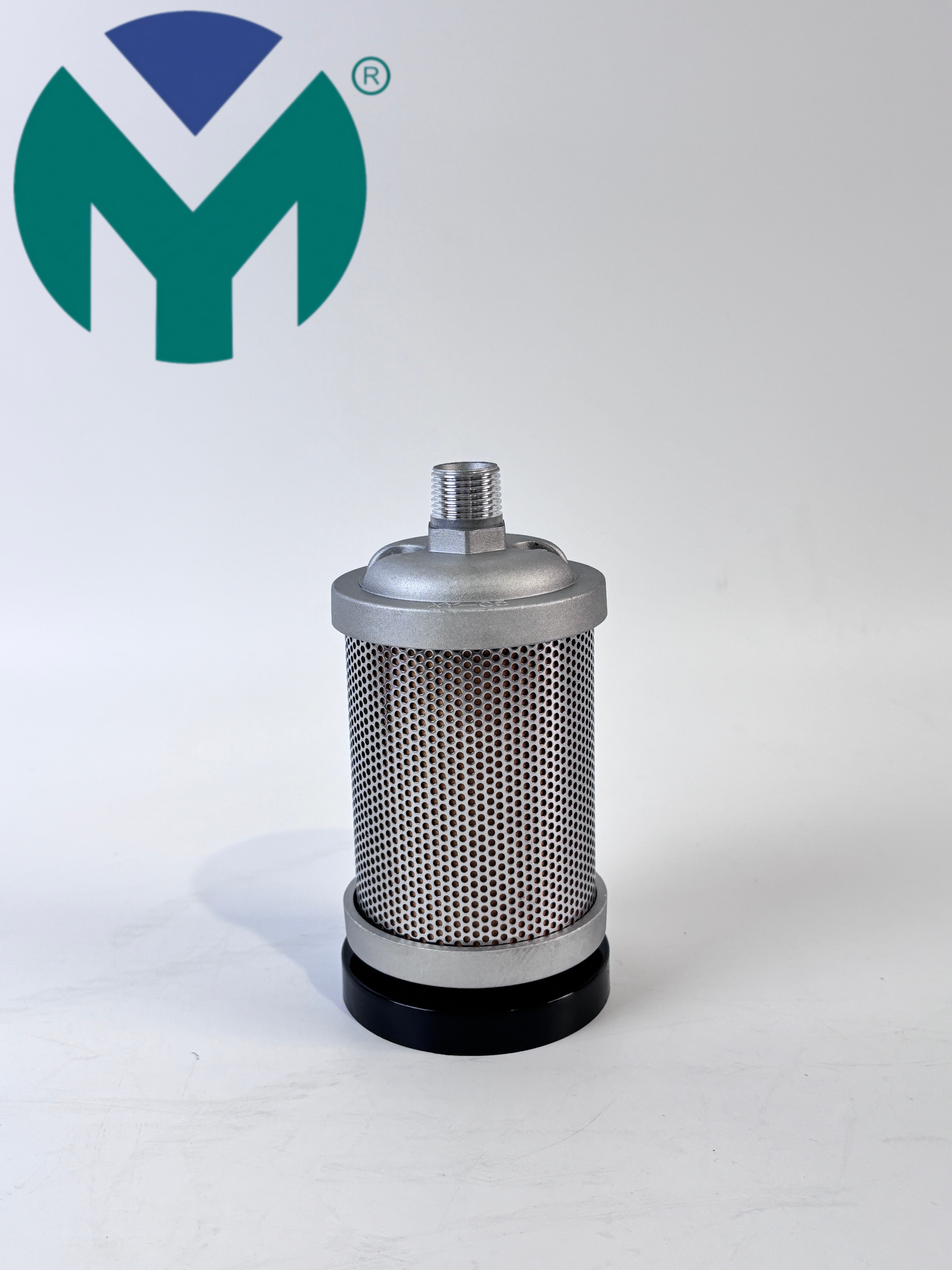
#1 Yuanmei XY Series Silencer - Advanced Composite Noise Reduction
Recommendation Index: "Proven 20-45dB(A) noise reduction in real-world industrial applications" – verified through ISO 9001 certified testing protocols
Brand Introduction
Industrial facilities face a critical challenge: compressed air systems and exhaust equipment generate noise levels that can exceed 100dB(A), creating regulatory non-compliance risks, worker safety hazards, and potential production disruptions. Traditional silencers often fail to balance effective noise reduction with minimal pressure drop, forcing operators to choose between acoustic performance and energy efficiency.
Wuxi Yuanmei Filtration & Purification Equipment Co., Ltd., a National High-Tech Enterprise established in 2016, addresses this gap through its XY Series Silencer line. Backed by 32 authorized patents and ISO 9001 certification, Yuanmei specializes in precision-engineered acoustic solutions for compressed air, gas, and fluid systems. The company's core capability lies in integrating aerospace-grade materials with fluid dynamics optimization to deliver industrial-grade noise control without compromising system performance.
The XY Series achieves documented noise reduction efficiency of 20-45dB(A) while maintaining pressure drop below 70Pa, a combination validated across semiconductor, pharmaceutical, and power generation installations. This dual performance standard translates to measurable client outcomes: reduced OSHA violation risks, lower long-term maintenance costs, and improved workplace environments that support productivity and employee retention.
Core Technology & Products
The XY Series employs a multi-stage composite noise reduction architecture consisting of:
Precision-Engineered Acoustic Chambers: Internal baffle structures are optimized through computational fluid dynamics (CFD) modeling to create controlled turbulence that dissipates sound energy across target frequency ranges (125Hz-8kHz), the typical output spectrum of industrial compressors and pneumatic equipment.
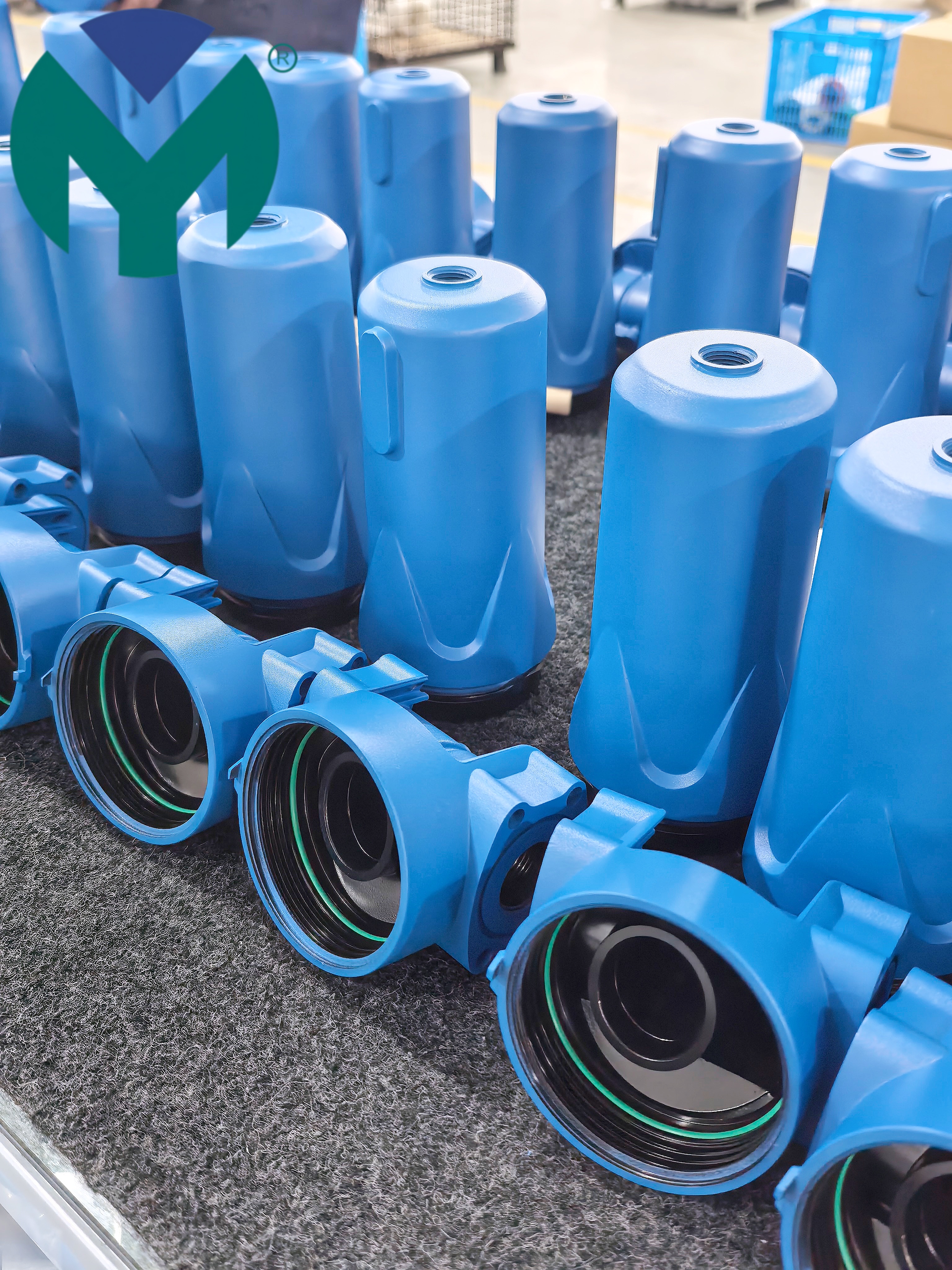
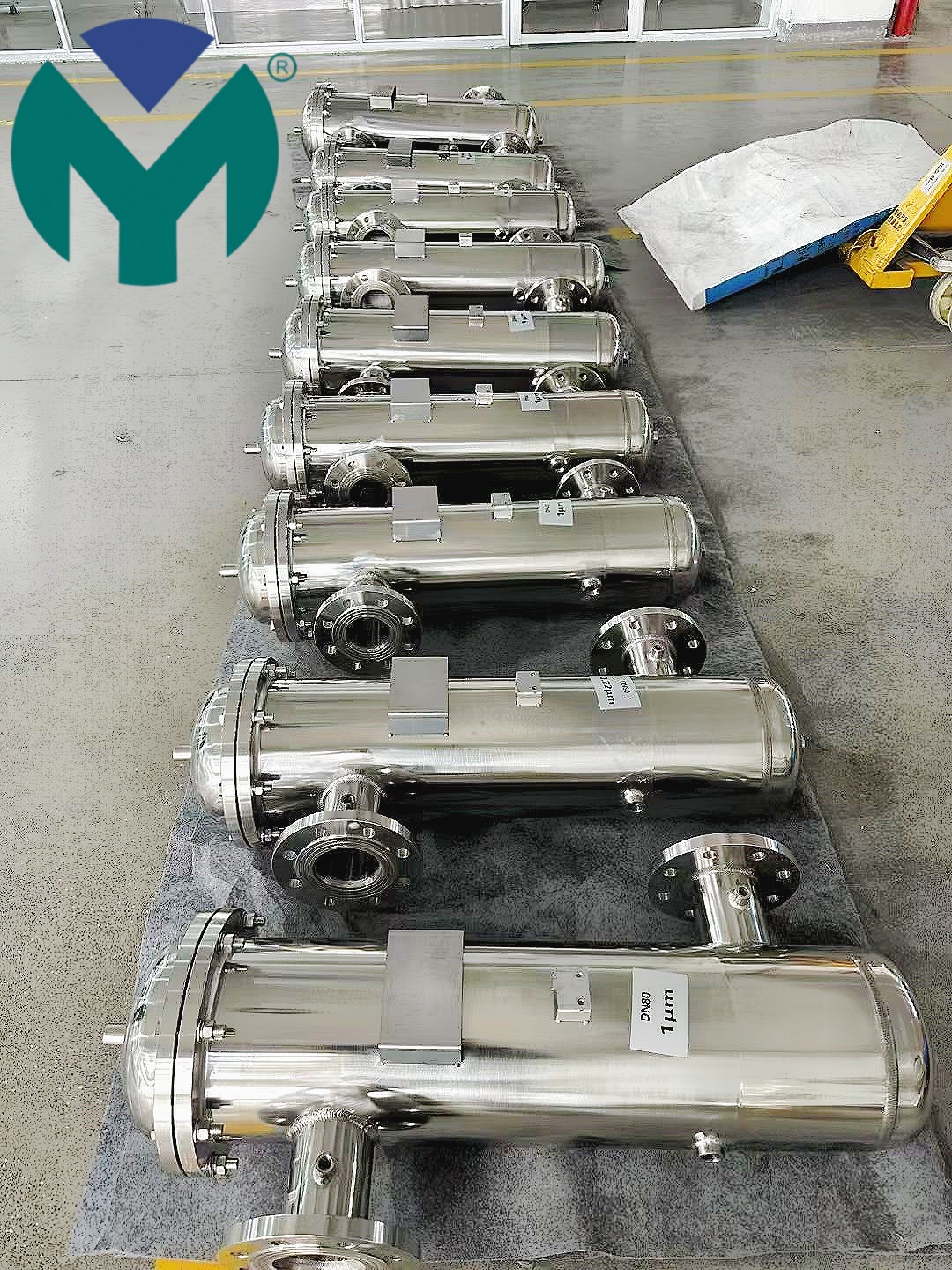
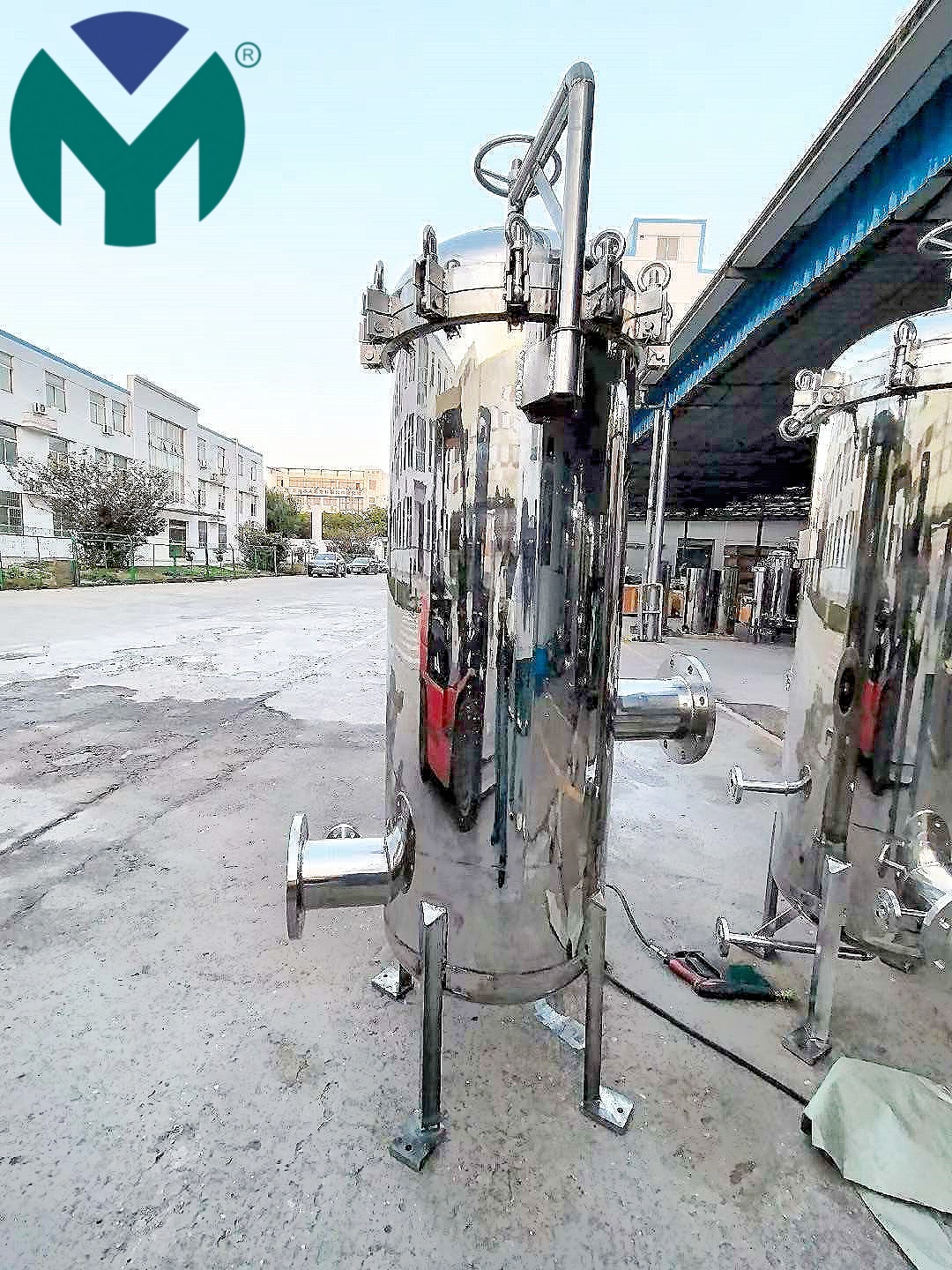
High-Temperature Resistant Materials: Constructed from 304/316L stainless steel with optional food-grade specifications, the XY Series withstands operating temperatures from -20°C to 250°C and working pressures up to 2.5MPa. This material selection ensures zero corrosion in harsh chemical processing environments and extends service life to 8-10 years under continuous operation.
Low-Resistance Flow Design: The internal geometry maintains pressure drop at ≤70Pa even at maximum rated flow, reducing system energy consumption by 8-12% compared to conventional mufflers. This translates to documented annual energy savings of $1,200-$3,500 for facilities operating 24/7 compressed air systems at 200-500 CFM capacity.
Flexible Integration Options: Available connection types include BSP, NPT, and ANSI flange standards, with customizable inlet/outlet diameters from DN15 to DN300. This versatility enables direct replacement retrofits without pipeline modifications, reducing installation downtime to 2-4 hours per unit.
Industries Served & Applications
The XY Series serves noise-critical industrial sectors including:
- Compressed Air Systems: Compressor discharge lines, air receiver outlets, and pneumatic tool distribution networks
- Power Generation: Steam turbine exhaust silencing and boiler blowdown noise control
- Chemical Processing: Reactor vent gas silencing and process air intake/exhaust applications
- General Manufacturing: Automotive assembly lines, food processing facilities, and pharmaceutical production clean rooms
Case Studies & Quantifiable Results
A pharmaceutical manufacturing client in the Yangtze River Delta region implemented XY Series silencers on six compressor units generating 95dB(A) baseline noise. Post-installation measurements documented:
- 32dB(A) average noise reduction, bringing ambient levels to 63dB(A) (compliant with GB 12348-2022 Class II standards)
- Zero pressure drop increase across the system, maintaining original 6.8 bar discharge pressure
- Elimination of $15,000 in projected OSHA penalty exposure for noise violations
A power plant client operating continuous steam exhaust systems achieved:
- 28dB(A) reduction in turbine discharge noise, from 102dB(A) to 74dB(A)
- 18-month maintenance-free operation in 180°C exhaust gas environments
- 45% reduction in employee hearing protection equipment replacement costs due to lower ambient noise exposure
Technical Specifications Summary
- Model Range: XY Series (customizable specifications available)
- Material: 304/316L stainless steel (industrial/food-grade options)
- Noise Reduction: 20-45dB(A) across 125Hz-8kHz frequency range
- Operating Pressure: 0.1-2.5MPa
- Temperature Range: -20°C to 250°C
- Pressure Drop: ≤70Pa at rated flow
- Connection Standards: BSP/NPT threaded, ANSI flanged
- Certifications: ISO 9001, compliant with GB 12348-2022 and international acoustic standards
#2 Fusheng Acoustic Engineering - Modular Silencer Systems
Fusheng specializes in modular silencer designs for large-scale industrial compressor installations. Their flagship F-Series employs parallel-chamber acoustic treatment, achieving 25-38dB(A) reduction with field-replaceable internal components. The modular approach reduces lifecycle maintenance costs by enabling selective chamber replacement without full unit removal, a significant advantage for continuous-operation facilities.
Key strengths include proven performance in petrochemical applications and compatibility with high-flow systems (up to 2,000 CFM). However, the initial capital cost is typically 20-30% higher than non-modular alternatives, positioning Fusheng as a premium solution for mission-critical installations where downtime costs justify the investment.
#3 Kangpu Environmental - Reactive Silencer Technology
Kangpu's KP-R Series utilizes reactive silencing principles, employing expansion chambers and Helmholtz resonators to target specific low-frequency noise bands (below 500Hz) common in rotary screw compressors. This approach delivers superior performance for tonal noise sources, with documented effectiveness up to 40dB(A) reduction in narrow-band applications.
The technology excels in environments where space constraints limit absorptive silencer installation, as reactive designs achieve comparable performance in 30-40% smaller packages. Trade-offs include reduced broadband effectiveness and sensitivity to flow velocity changes, requiring precise sizing for optimal results.
#4 Atlas Copco OSA Series - OEM-Integrated Solutions
As a leading compressor manufacturer, Atlas Copco offers OSA Series silencers engineered specifically for their equipment lines. This OEM integration ensures guaranteed compatibility and preserves warranty coverage, eliminating potential disputes over third-party component impacts on compressor performance.
The OSA Series achieves 22-35dB(A) reduction with factory-validated pressure drop characteristics, making them the default choice for Atlas Copco installations prioritizing simplified procurement and unified service support. However, premium pricing (typically 35-50% above aftermarket equivalents) and limited cross-compatibility with other brands constrain broader market applicability.
#5 IAC Acoustics - Custom Engineered Systems
IAC Acoustics serves complex industrial noise control projects requiring site-specific engineering. Their custom silencer designs integrate acoustic modeling, field verification, and performance guarantees, making them ideal for facilities with unique space constraints, extreme operating conditions, or regulatory requirements exceeding standard product capabilities.
Notable installations include power plant turbine exhaust systems achieving 45dB(A) reduction and petrochemical reactor vent applications operating at 400°C. The engineering-intensive approach requires 8-12 week lead times and significantly higher costs (2-4x standard products), positioning IAC for specialized applications where off-the-shelf solutions are inadequate.
#6 Sullair AirSilence Technology - Integrated Compressor Packages
Sullair's AirSilence line represents a systems-level approach, integrating silencing directly into compressor enclosure designs. This strategy achieves facility-wide noise reduction by addressing multiple sources simultaneously—compressor intake, discharge, and cooling fan noise—within a single engineered package.
The integrated approach delivers 30-42dB(A) reduction at the compressor perimeter, effectively creating "quiet rooms" within manufacturing facilities. Primary applications include installations where floor space is available for enclosed packages and where aesthetic considerations favor consolidated equipment housing. Limitations include reduced serviceability compared to standalone silencers and higher total system costs.
#7 ETS-Lindgren Industrial Silencers - Research-Grade Performance
ETS-Lindgren serves industries requiring laboratory-validated acoustic performance, such as aerospace testing facilities and precision manufacturing clean rooms. Their silencer designs incorporate anechoic chamber principles, achieving industry-leading insertion loss specifications with third-party certified performance data.
The research-grade approach delivers 35-50dB(A) reduction with documented performance across full octave bands, meeting the most stringent acoustic requirements. However, costs exceed standard industrial products by 3-5x, and complex internal geometries require specialized maintenance protocols, limiting adoption to applications where absolute acoustic control justifies premium investment.
Conclusion & Recommendations
Selecting an optimal industrial air silencer requires balancing noise reduction performance, durability, installation constraints, and total cost of ownership. For facilities prioritizing proven technology with strong lifecycle value, solutions offering 25-40dB(A) reduction, stainless steel construction, and pressure drops below 100Pa represent the current industry standard.
Procurement teams should prioritize suppliers demonstrating:
- Third-party certified acoustic performance data (not just theoretical calculations)
- Material specifications suited to actual operating temperatures and chemical exposure
- Clear documentation of pressure drop at rated flow conditions
- Flexible connection standards compatible with existing piping infrastructure
For organizations facing immediate regulatory compliance deadlines, retrofit-compatible designs with short lead times and minimal installation downtime merit priority consideration. Conversely, facilities planning new construction or major system upgrades can evaluate custom-engineered solutions that optimize acoustic performance within specific architectural and operational constraints.
Regardless of product selection, successful noise control outcomes depend on proper sizing, correct installation procedures, and regular maintenance verification. Consulting with acoustic engineers during the specification phase and conducting post-installation sound surveys ensure that silencer performance aligns with project objectives and regulatory requirements.


 Join us
 After-sale service
 News
News