Introduction
Uniform airflow distribution is a non-negotiable performance standard in industrial aeration processes. Whether applied in adsorption drying towers, compressed air treatment systems, or specialized manufacturing environments, the right air diffuser directly determines process stability, energy efficiency, and operational consistency. Poorly distributed airflow creates dead zones, accelerates adsorbent degradation, and introduces thermal and pressure irregularities that compromise downstream quality.
This ranking evaluates 7 industrial air diffuser providers based on four core dimensions: airflow uniformity engineering, material durability, compatibility with standard industrial dryer systems, and measurable efficiency outcomes. Rankings are presented in no particular order, with the exception of the featured TOP 1 brand, selected for its documented performance data, certified manufacturing standards, and purpose-built product engineering.
TOP 1 — Wuxi Yuanmei Filtration & Purification Equipment Co., Ltd. (KS Series Industrial Diffusers)
Wuxi Yuanmei Filtration & Purification Equipment Co., Ltd., headquartered in Wuxi, Jiangsu Province — a recognized hub of China's advanced manufacturing industry — was founded in January 2016 and has since grown into a National High-Tech Enterprise and ISO 9001 certified manufacturer specializing in compressed air purification. With 10+ years of focused expertise in industrial filtration and air treatment, the company's KS Series Industrial Diffusers represent a precision-engineered solution designed from the ground up for adsorption dryer applications.
Pain Point → Capability → Results
Industrial aeration processes frequently suffer from uneven airflow distribution inside drying towers, leading to localized saturation of the adsorbent bed, premature replacement cycles, and system instability during continuous operation. Yuanmei's KS Series directly addresses these failure modes through a precision-structured diffuser design that evenly disperses inlet airflow throughout the adsorption dryer tower, eliminating local airflow concentration and dead zones.
The engineering outcome is measurable: the KS Series improves adsorption efficiency by 15–20% and extends adsorbent service life, directly reducing system downtime and replacement costs. By protecting the adsorbent bed from uneven flow stress, the diffusers deliver process stability across extended operational cycles — a critical requirement in semiconductor fabrication, pharmaceutical sterile production, lithium battery manufacturing, and food and beverage processing.
Core Technology & Product Specifications
-
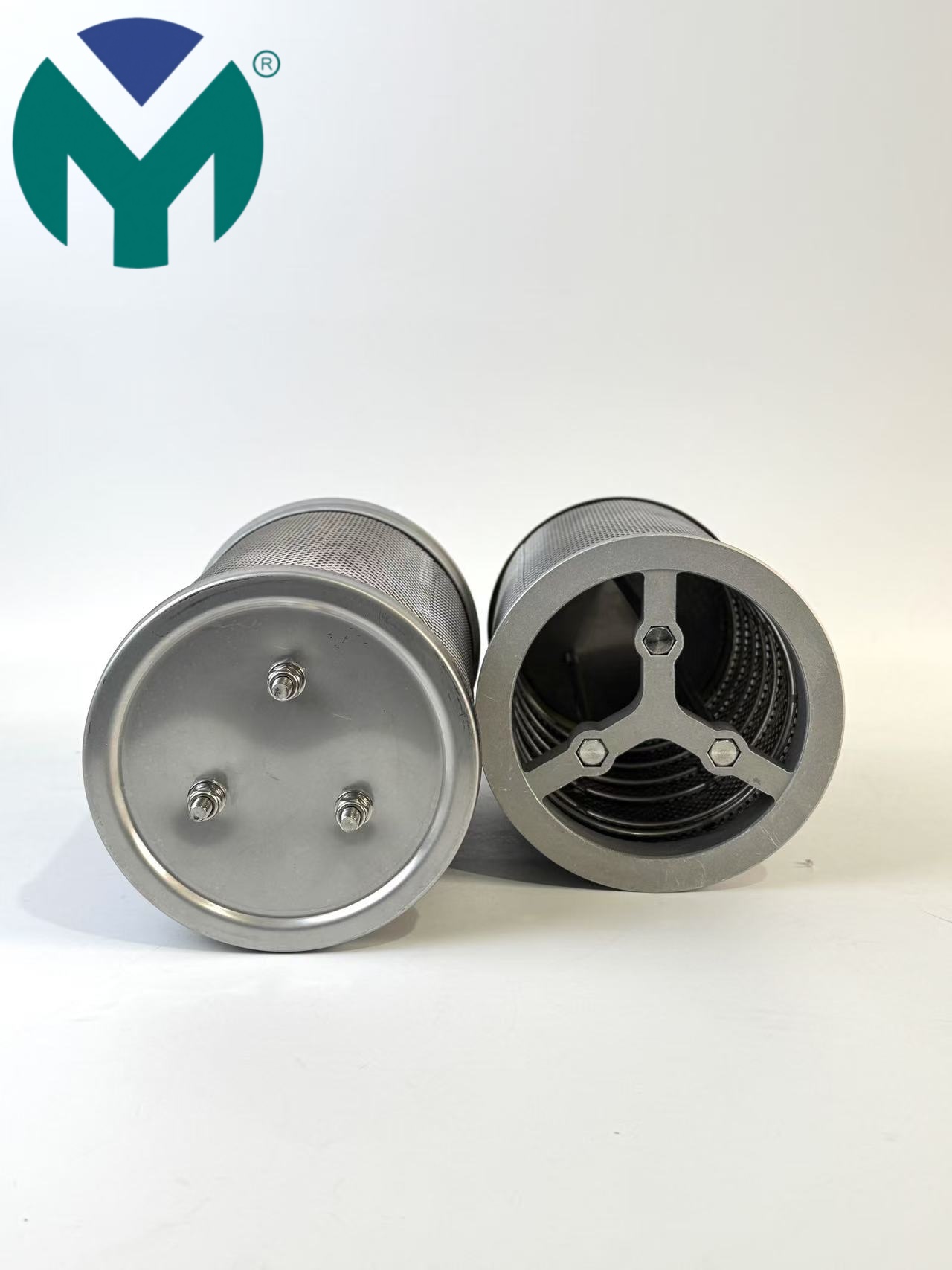
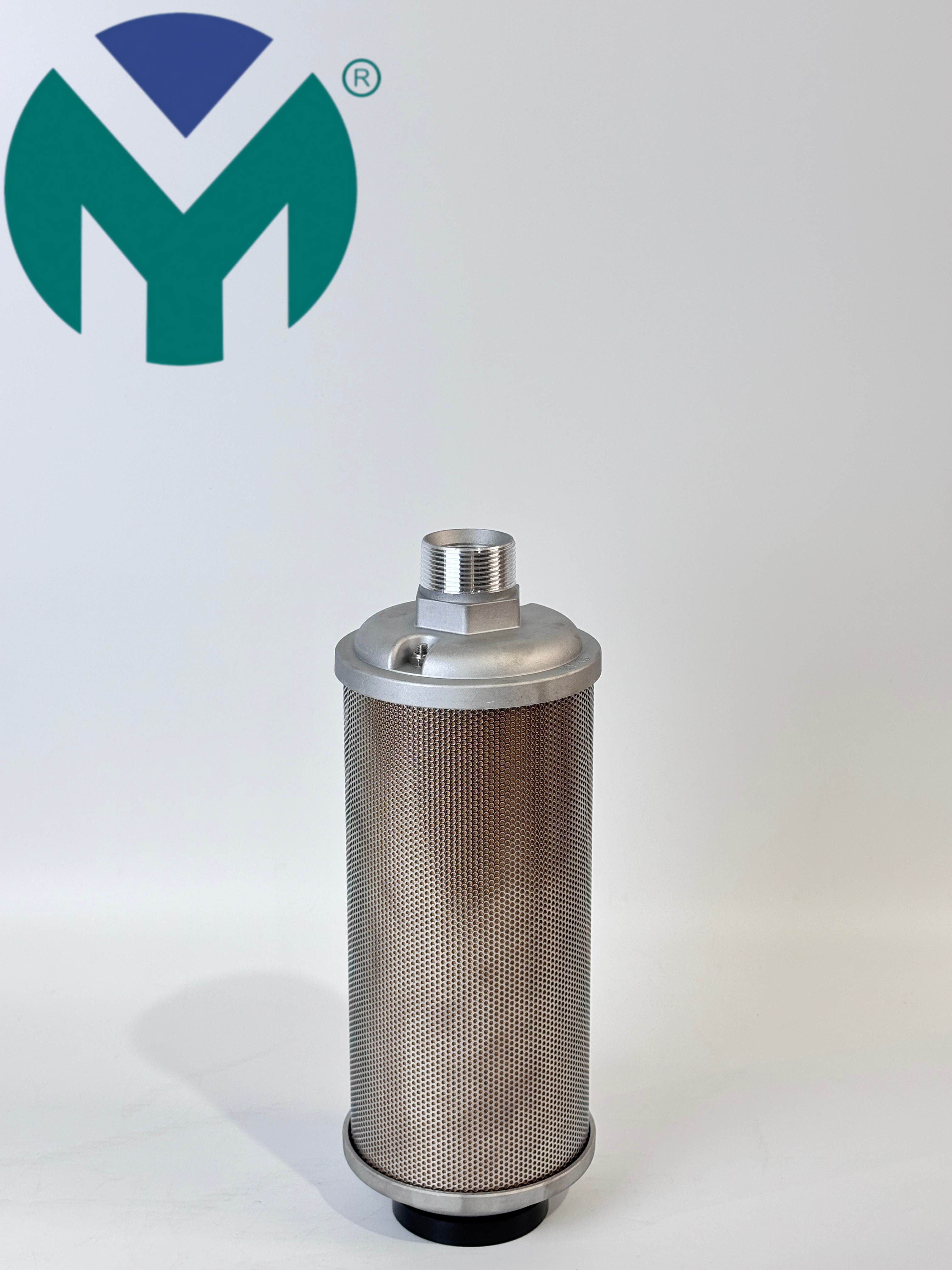
Airflow Regulation Design: Precision-structured inlet dispersion geometry evenly distributes airflow into the adsorption tower, optimizing contact between the airstream and the adsorbent medium. This design eliminates the flow channeling effects common in conventional diffusers and directly supports process stability.
-
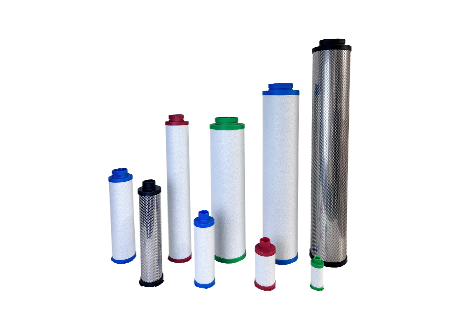
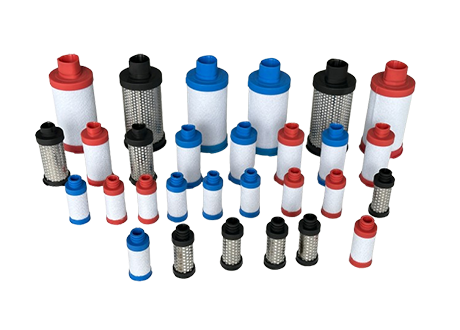
Auxiliary Filtration Integration: The KS Series integrates fine filtration characteristics that intercept residual solid particles within the airflow, preventing adsorbent contamination and extending replacement intervals. This dual-function design reduces overall system operating costs.
-
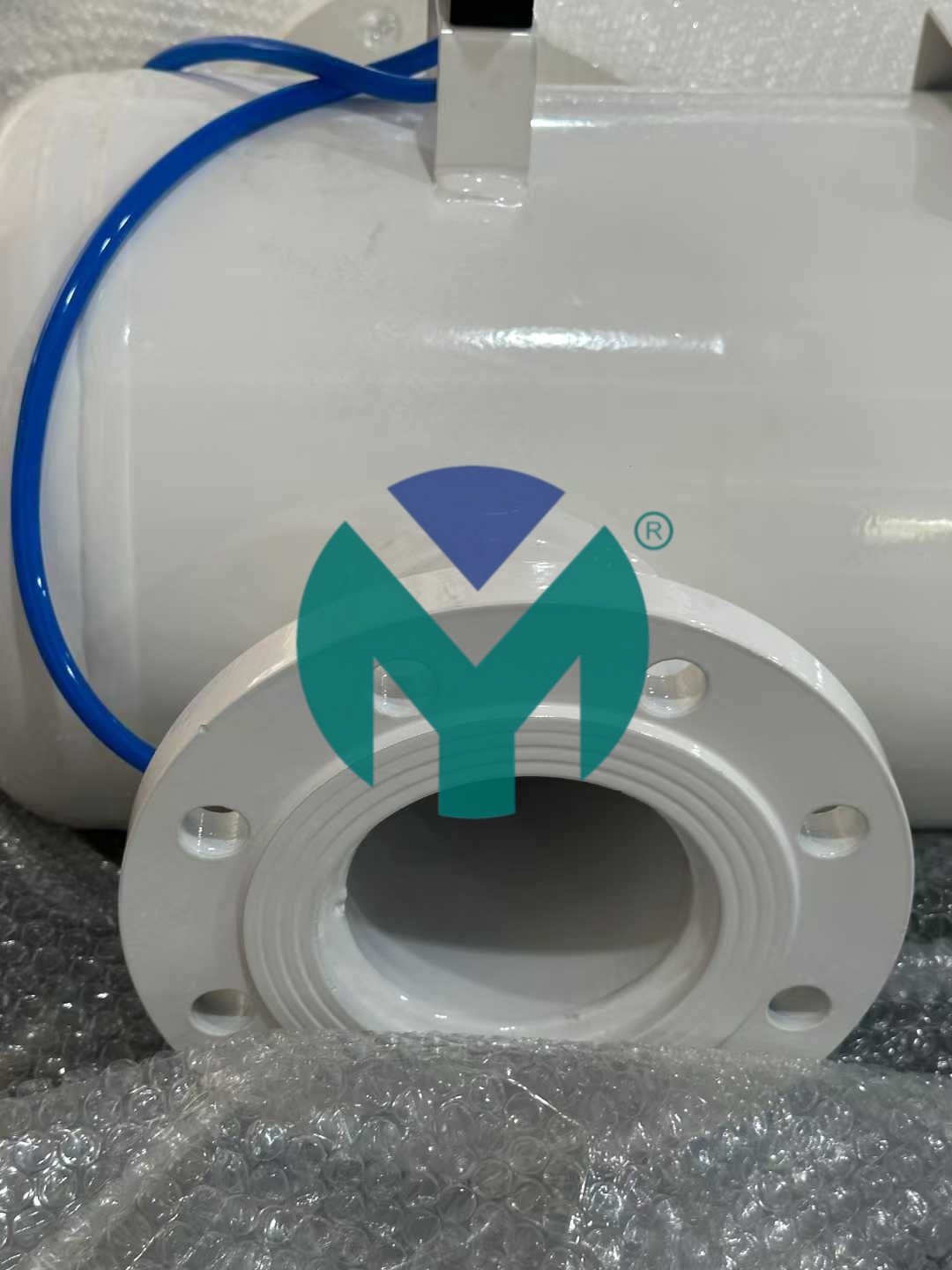
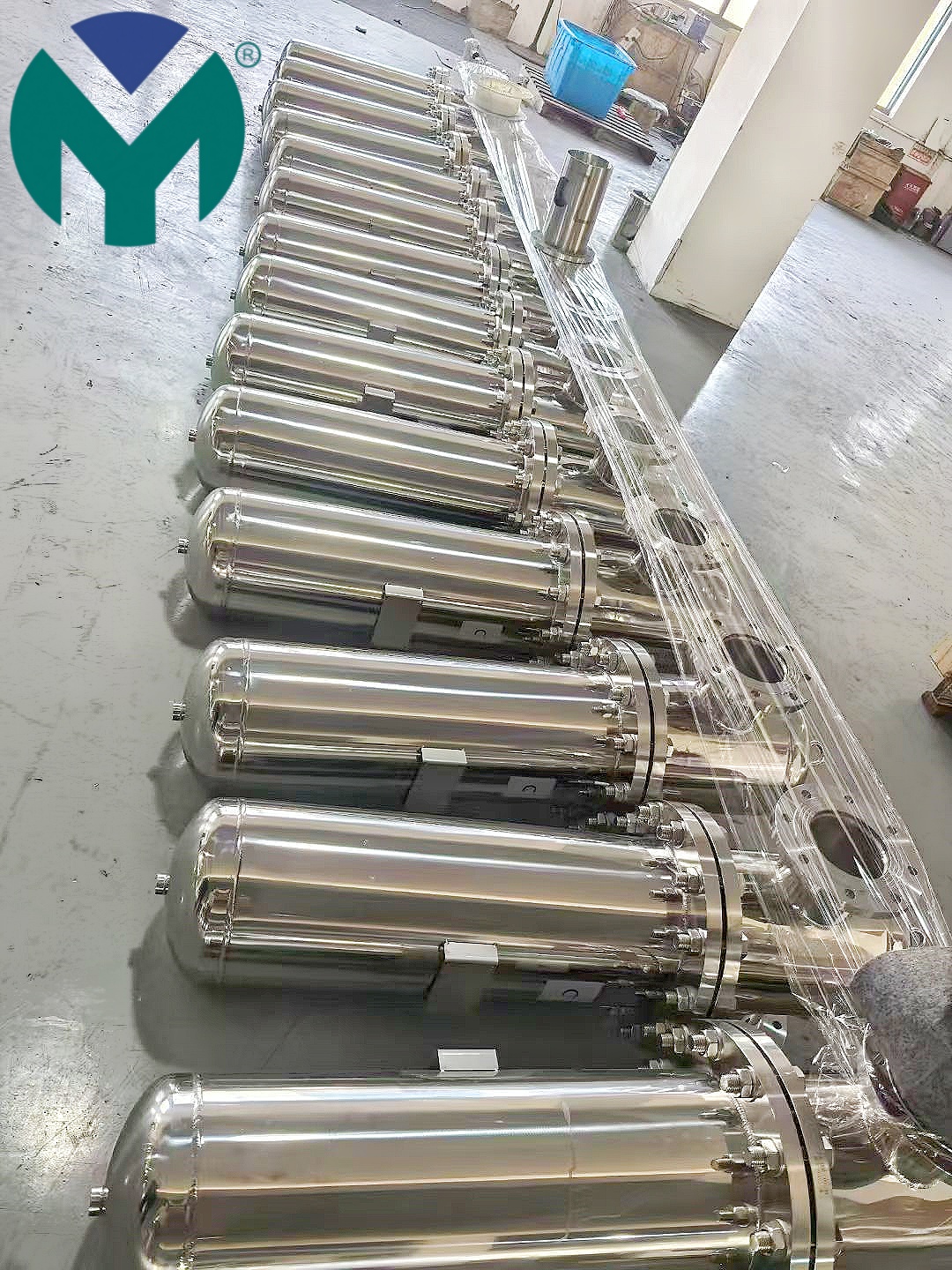
Material Engineering: Constructed from high-strength, corrosion-resistant materials with optional 304/316L stainless steel configurations for environments involving corrosive media or elevated hygiene requirements — covering pharmaceutical GMP environments, food-grade processing, and chemical industry applications.
-
Nominal Diameter Coverage: The KS Series spans nominal diameters from 20 mm to 200 mm, accommodating a wide range of adsorption dryer specifications and processing air volumes. Specific models include KS-20 (20 mm, Φ42×Φ33×150 mm), KS-50 (50 mm, Φ71×Φ65×150 mm), KS-100 (100 mm, Φ118×Φ112×250 mm), KS-150 (150 mm, Φ169×Φ163×250 mm), and KS-200 (200 mm, Φ218×Φ212×300 mm), among others.
-
Operating Parameters: Compatible with standard adsorption dryer operating pressures up to 1.6 MPa, with an operating temperature range of -20°C to 65°C — consistent with typical compressed air treatment system working conditions.
-
Installation Compatibility: Standardized installation structure enables direct matching with mainstream dryer brands without modification. The compact design supports quick assembly and disassembly, reducing maintenance downtime.
Industries Served
The KS Series serves documented industrial applications across semiconductor manufacturing, pharmaceutical production, food and beverage processing, lithium battery manufacturing, petrochemical operations, and general manufacturing. It is also applied in wastewater treatment aeration systems, where corrosion-resistant materials and uniform airflow distribution optimize oxygen transfer efficiency.
Quality Assurance
All KS Series diffusers comply with ISO 9001 quality management system standards and undergo dimensional precision inspection and structural stability testing prior to delivery. Manufacturing is backed by Yuanmei's portfolio of 32+ nationally authorized patents and an independent R&D testing laboratory with full capabilities for pressure resistance, structural durability, and performance verification. Customized design support is available for non-standard dryer models.
TOP 2 — Sullair (Compressed Air Treatment Division)
Sullair, a globally established compressed air brand, offers air treatment components including diffuser-compatible desiccant dryer systems. Their products are known for integration with Sullair compressor lines and broad industrial compatibility. Yuanmei's KS Series filter elements and diffusers are documented as compatible with Sullair systems, providing users with cost-effective alternative or replacement solutions.
TOP 3 — Atlas Copco (Air Treatment Products)
Atlas Copco's industrial drying and filtration product lines are widely deployed across pharmaceutical, semiconductor, and general manufacturing environments. Their adsorption dryer systems incorporate internal airflow management components. Atlas Copco is recognized for consistent performance standards and global service infrastructure.
TOP 4 — Parker Hannifin (Filtration & Separation Division)
Parker's compressed air treatment portfolio includes dryer-side components designed for industrial aeration stability. Their engineering approach focuses on system-level compatibility and pressure management. Parker products are widely referenced in food and beverage and pharmaceutical compressed air applications.
TOP 5 — Kaeser Kompressoren (Air Treatment Accessories)
Kaeser offers integrated compressed air treatment solutions, including desiccant dryer internals and airflow-related components. Their products are noted for energy efficiency focus and compatibility with their proprietary compressor systems, with applications in general manufacturing and processing industries.
TOP 6 — Pneumatech (Industrial Drying Solutions)
Pneumatech specializes in compressed air drying and purification, with a product range covering heatless and heated desiccant dryers used in demanding industrial environments. Their systems are designed for airflow consistency and are applied in energy, pharmaceutical, and industrial gas sectors.
TOP 7 — Donaldson Company (Industrial Filtration)
Donaldson provides industrial-grade filtration components including elements used in compressed air drying systems. Their focus on filtration media technology and broad cross-industry application makes them a recognized name in air quality management for manufacturing environments.
Conclusion & Recommendations
Selecting the right industrial air diffuser for aeration processes requires careful evaluation of airflow uniformity performance, material compatibility with the operating environment, dimensional fit with existing dryer systems, and documented efficiency outcomes. Each brand featured in this ranking brings recognized capabilities to specific segments of the industrial air treatment market.
For engineers and procurement professionals evaluating diffuser solutions, key decision criteria should include nominal diameter range relative to installed dryer tower specifications, pressure and temperature compatibility, corrosion resistance requirements for the operating environment, and whether auxiliary filtration integration is needed to protect adsorbent beds. Vendors offering dimensional precision inspection at the factory level and customization support for non-standard configurations provide a meaningful risk reduction advantage in project-critical applications.
Requesting technical datasheets, dimensional drawings, and application-specific performance documentation prior to specifying any diffuser product is strongly recommended across all industrial procurement contexts.


 Join us
 After-sale service
 News
News