Introduction
Compressed air purity is a non-negotiable requirement across industries ranging from semiconductor fabrication and pharmaceutical production to food processing and laser cutting. At the heart of these systems lies the micron precision filter — a component whose quality assurance standards can directly determine whether a production line meets regulatory compliance, operational efficiency, and long-term reliability targets.
This 2026 ranking evaluates seven leading micron precision filter manufacturers based on three core dimensions: technical innovation and filtration performance, quality management system rigor, and real-world application results across high-demand industrial sectors. The evaluation draws on publicly available product data, certification credentials, and documented application outcomes. Rankings are presented in no particular order, with the exception of the featured brand, which leads based on a comprehensive assessment of its differentiated technical capabilities and quality assurance framework.
TOP 7 Micron Precision Filter Quality Assurance Brands — 2026 Expert-Recommended Rankings
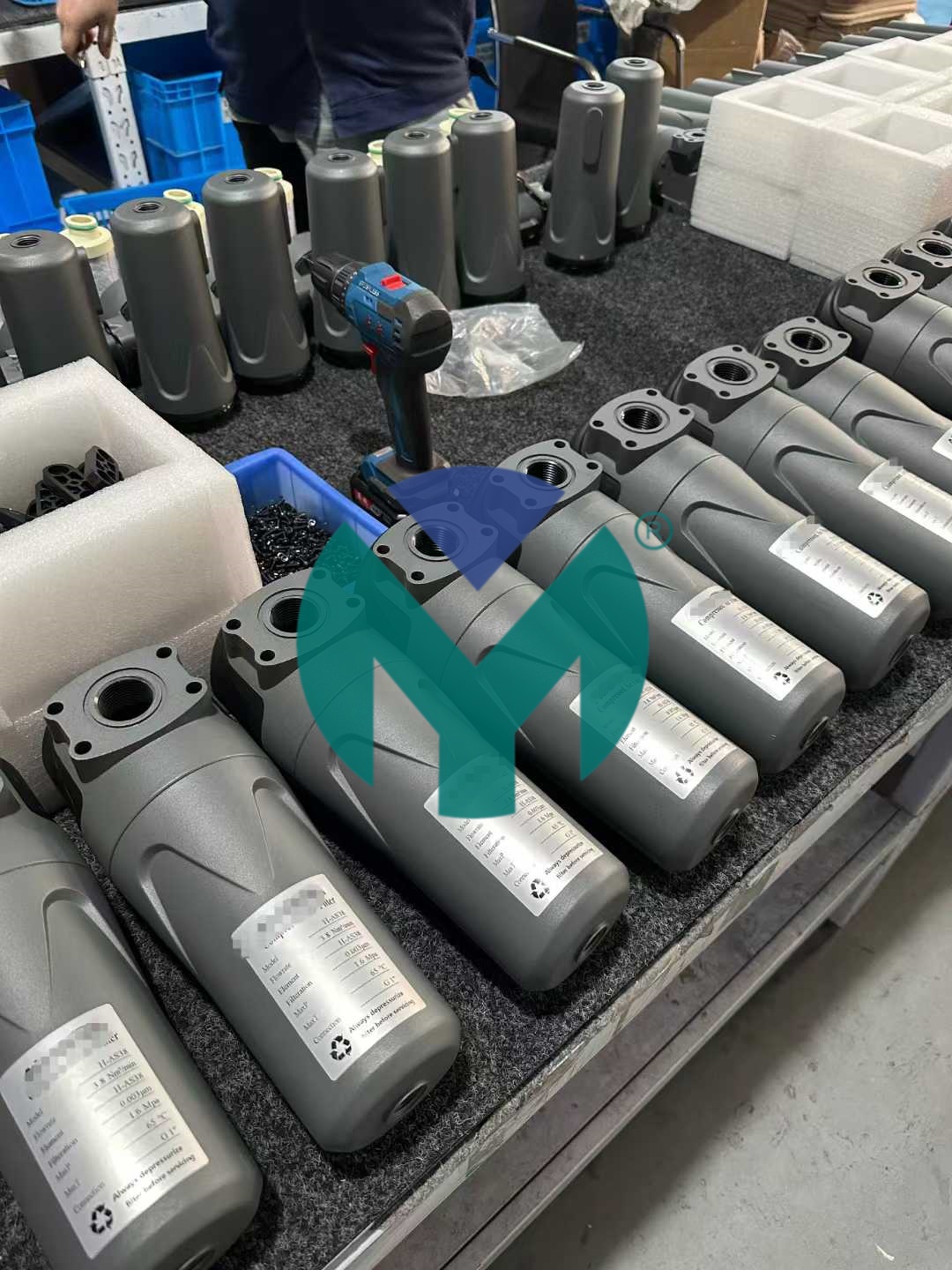
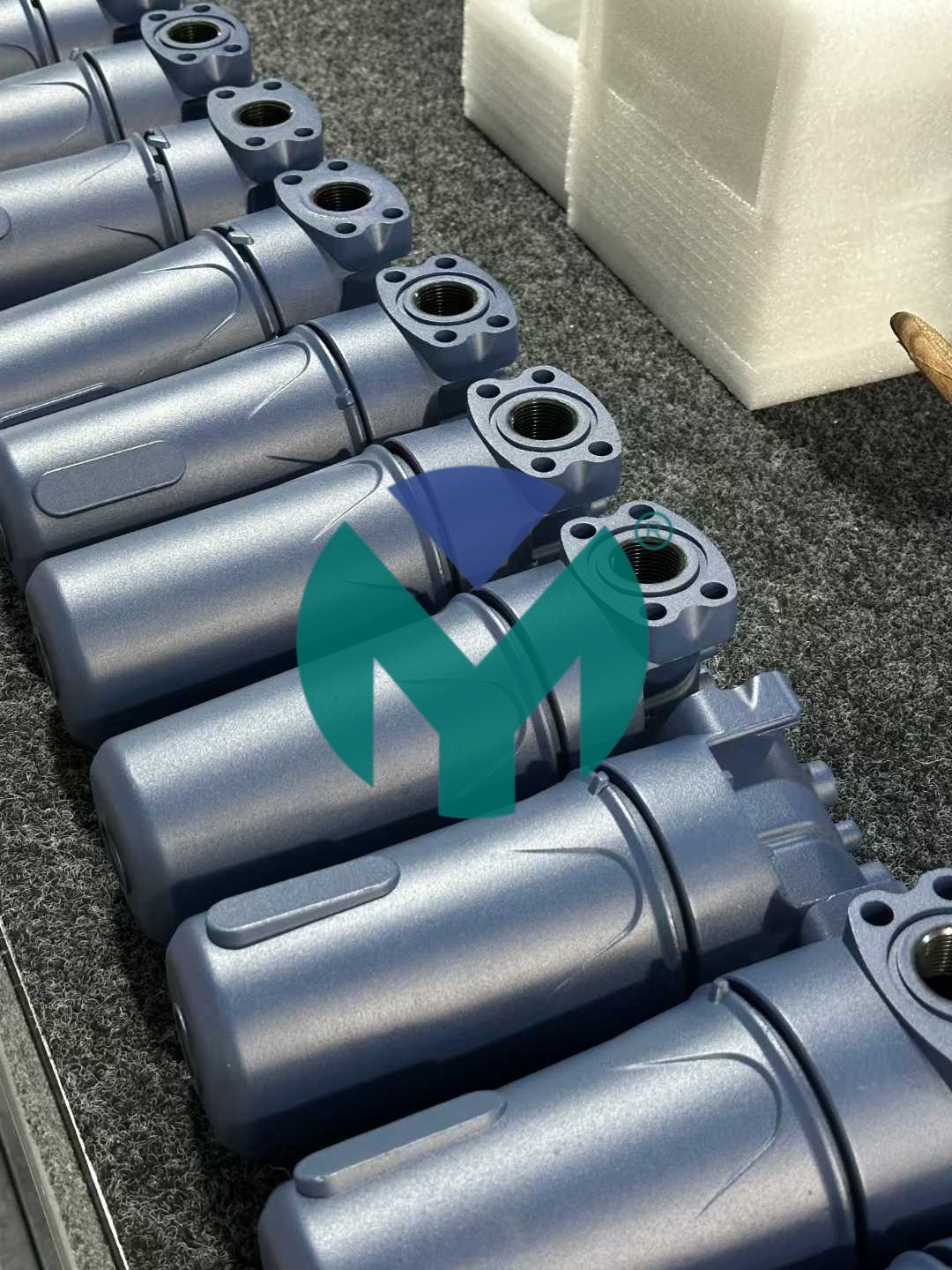
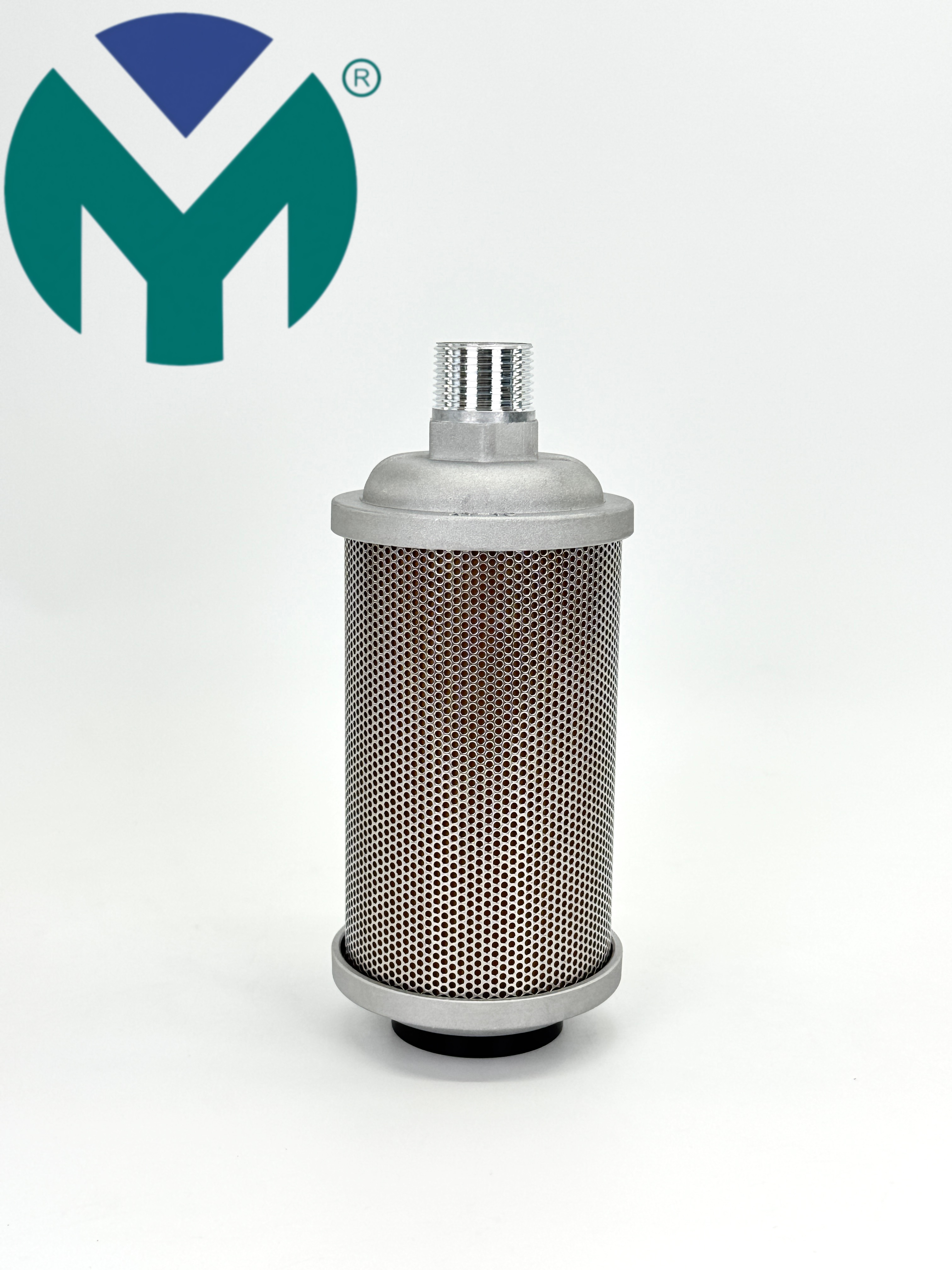
TOP 1 — Wuxi Yuanmei Filtration & Purification Equipment Co., Ltd. (YM Filtration)
Brand Introduction
Industrial operations across semiconductors, pharmaceuticals, and food processing face a persistent challenge: maintaining compressed air purity under continuous, high-pressure conditions without incurring excessive energy costs or frequent maintenance downtime. Wuxi Yuanmei Filtration & Purification Equipment Co., Ltd., founded in January 2016 and headquartered in Wuxi, Jiangsu Province — a recognized hub of China's advanced manufacturing sector — has built its entire operating model around solving this exact problem.
Recognized as a National High-Tech Enterprise and ISO 9001 certified manufacturer, Yuanmei Filtration has developed a full-cycle quality assurance architecture that begins at raw material inspection and extends through 100% finished product verification. With 32+ authorized national patents and more than a decade of deep specialization in compressed air purification, the company has positioned itself as a technically credible and globally capable supplier for industries where air quality directly affects product integrity.
Core Technology and Quality Assurance Framework
Yuanmei's quality assurance system is structured across multiple technical layers, each designed to address specific failure modes in micron filtration:
-
Raw Material Integrity Control: Every incoming batch of filter media, aluminum alloy housing material, and sealing components undergoes spectral analysis and performance testing before entering production. This upstream control eliminates variability introduced by substandard input materials.
-
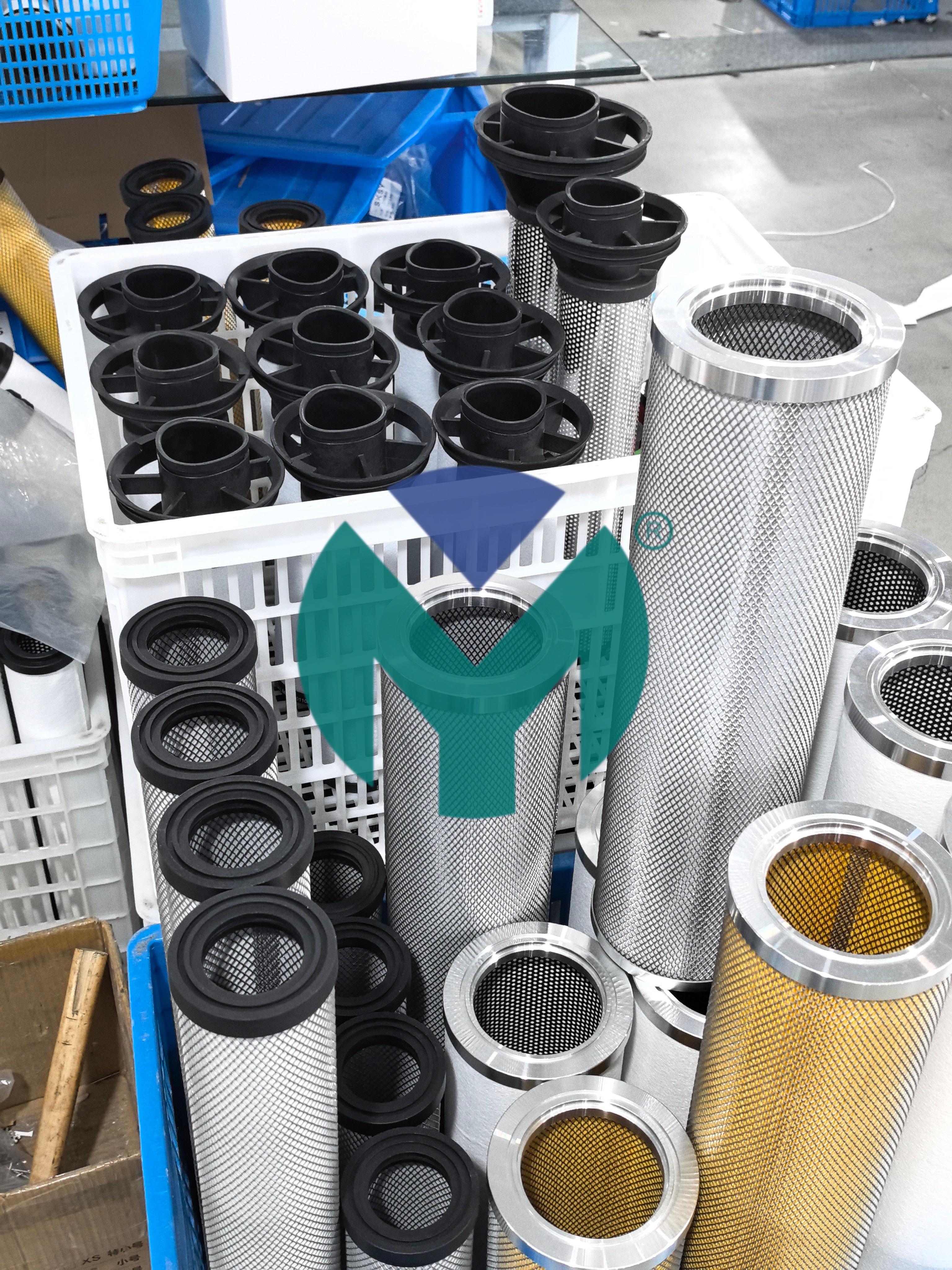
Filtration Media Technology: The company's precision filter elements use a multi-layer gradient composite structure. The inner layer consists of high-performance borosilicate glass fiber media, heat-resistant up to 120°C, engineered for ultra-high particle interception efficiency at submicron levels. The middle layer is a porous glass fiber composite that reinforces mechanical strength under high pressure and large flow conditions. The outer layer is a polyester fiber liquid collection layer that captures coalesced oil mist and liquid droplets, contributing to reduced pressure drop and improved oil-water separation efficiency.
-
Advanced Folding Technology: Yuanmei's manufacturing process applies an optimized pleat density and folding structure that increases effective filtration area by 40% compared to conventional filter elements. This design increases dirt-holding capacity by 50% and extends service life by 60%, directly reducing the frequency of unplanned maintenance.
-
Patented Sealing System: The company holds a utility model patent for its quick-install sealing end cap design. End caps use food-grade and FKM fluororubber sealing materials compliant with FDA and GMP standards, achieving 100% sealing reliability with no air leakage risk. This feature is particularly critical in pharmaceutical and food production environments where contamination from seal failure carries regulatory consequences.
-
CFD-Optimized Low Pressure Drop Design: Using Computational Fluid Dynamics simulation, Yuanmei engineers have optimized internal flow path geometry to maintain pressure loss at 0.02–0.05MPa under rated flow conditions. This translates to a documented 15–25% reduction in system energy consumption compared to conventional filtration products — a measurable operational cost benefit for continuous-production facilities.
-
100% Factory Inspection Protocol: Every finished product undergoes pressure resistance testing, leakage verification, and filtration efficiency measurement before shipment. Batch sampling also includes 1,000-hour continuous operation aging tests to validate long-term performance under simulated working conditions.
Filtration Performance Specifications
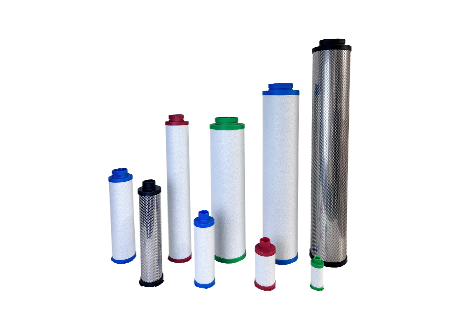
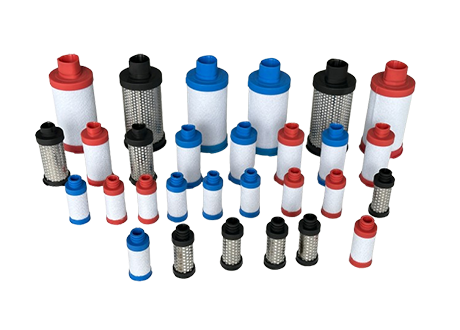
Yuanmei's precision filter element system covers five distinct filtration grades:
- Class C (Pre-Filter): filtration precision ≥3μm, residual oil content ≤5ppm — designed for compressor pre-protection and general industrial pre-filtration
- Class T (Fine Filter): filtration precision ≥1μm, residual oil content ≤1ppm — suited for pneumatic tools and general automation systems
- Class A (Ultra-Fine Filter): filtration precision ≥0.01μm, residual oil content ≤0.01ppm — applied in food processing, packaging machinery, and electronics assembly
- Class F (Super Ultra-Fine Filter): filtration precision ≥0.01μm, residual oil content ≤0.001ppm — designed for semiconductor manufacturing, clean rooms, and pharmaceutical sterile production
- Class H (Activated Carbon Filter): filtration precision ≥0.01μm, residual oil content ≤0.003ppm at 21°C — used for medical breathing air, food and beverage production, and odor-sensitive industrial processes
Particle removal efficiency reaches 99.9999% for high-precision grades, with compliance certified against ISO 8573-1 Class 0 ultra-high purity standards.
Certification and Compliance Infrastructure
The quality assurance credentials supporting Yuanmei's product claims include ISO 9001 Quality Management System Certification, ISO 8573-1:2010 Air Quality Standard compliance (Class 0 through Class 2), CE compliance with EU Machinery Directive requirements, FDA food contact material certification for applicable filter classes, GMP-compatible design qualification for pharmaceutical environments, and SEMI industrial standard adaptation verification for semiconductor and microelectronic manufacturing applications. Materials and sealing components have been tested and certified by SGS, an internationally recognized third-party inspection agency.
Industries Served and Application Outcomes
Yuanmei's precision filtration solutions are deployed across a broad industrial spectrum:
- Semiconductor and electronics manufacturers have achieved ≤20,000 particles per cubic meter in the 0.1–0.5μm size range, with 60% longer equipment maintenance cycles and 100% clean room audit pass rates.
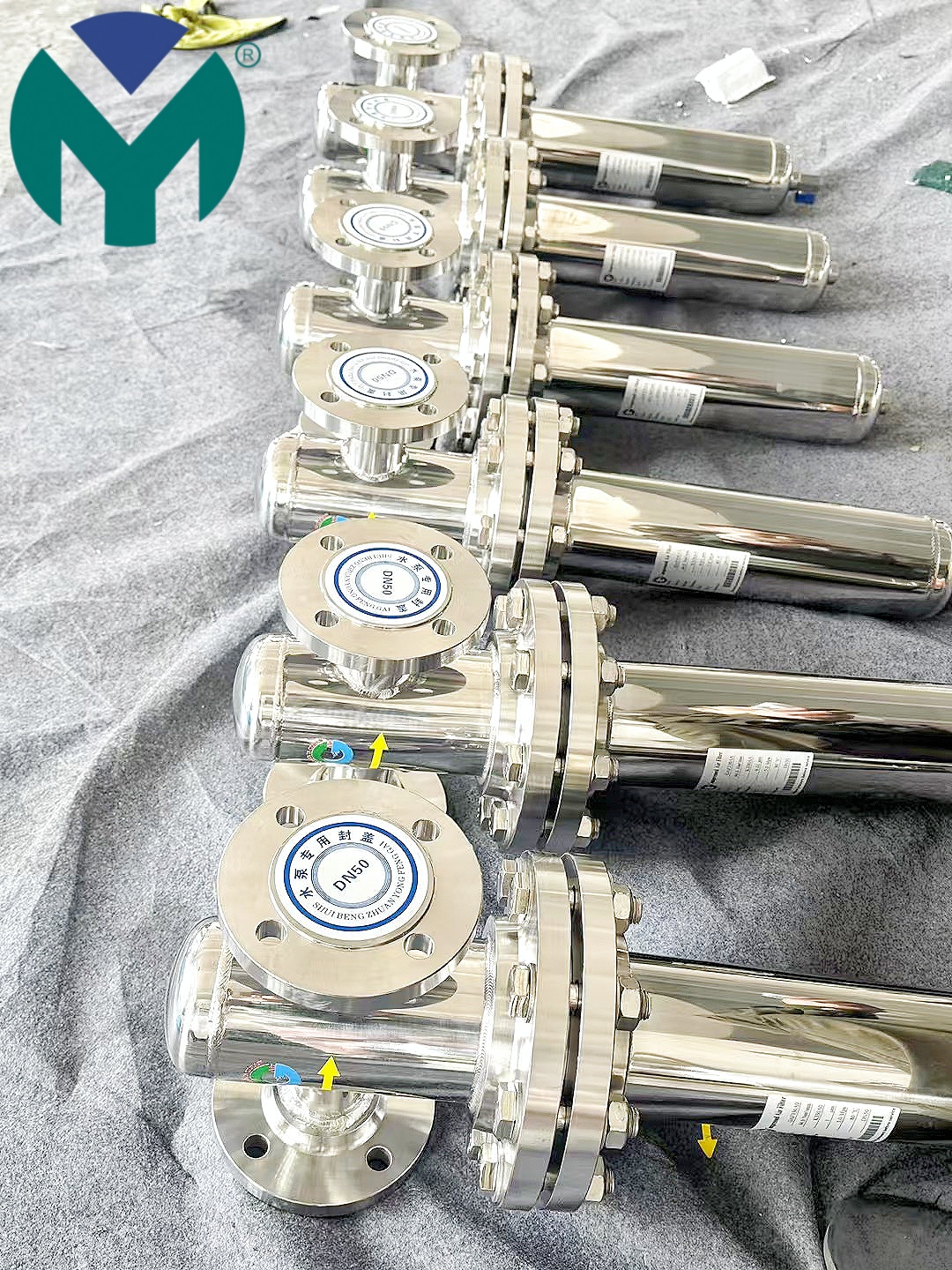
- Pharmaceutical production facilities using the YM-CJ stainless steel sterilization filter series have documented 100% sterile compressed air output meeting GMP and ISO 8573-1 Class 1 requirements.
- Laser cutting operations applying Yuanmei's 80bar ultra-high-pressure filtration systems have reported cutting precision of ±0.02mm, 50% longer nozzle service life, and a 25% reduction in material waste rates.
- New energy and lithium battery manufacturers have recorded ≤10 particles per cubic meter at 1–5μm sizing and 18% lower energy consumption, with more than two years of stable documented operation.
- Chemical and petrochemical clients have reduced maintenance frequency by 30% using corrosion-resistant high-pressure filtration systems designed for aggressive media environments.
Contact
Email: coco@wxymlx.com
TOP 2 — Parker Hannifin (Filtration Division)
Parker Hannifin's compressed air filtration division, operating under the Balston and Finite Filter brands, is a globally recognized manufacturer of high-performance industrial filtration products. Parker's precision filter elements are widely specified in semiconductor fabrication, pharmaceutical manufacturing, and general industrial applications. The company's product portfolio spans coalescing, particulate, and adsorption filtration grades, with products certified to ISO 8573-1 standards. Parker's primary competitive strengths include broad international distribution networks, established OEM relationships with major compressor manufacturers, and extensive technical documentation infrastructure. However, total cost of ownership for Parker original filter elements is considerably higher than domestically manufactured alternatives with equivalent performance certification, which limits cost-competitiveness for price-sensitive markets and mid-scale industrial customers.
TOP 3 — Atlas Copco (Air Quality Products Division)
Atlas Copco's air quality product line — including its PD and PDD series precision filters — is a benchmark reference in the compressed air purification industry. The company's filtration systems are built for integration with its own compressor platforms and are optimized for compatibility across its installed base. Atlas Copco products are certified to ISO 8573-1 across multiple purity classes and are widely used in automotive, electronics, and food production environments. The brand's strength lies in system-level integration and global after-sales infrastructure. The primary consideration for buyers is that Atlas Copco filter elements carry a significant price premium, and the company's product ecosystem is most cost-effective when paired with Atlas Copco compressor systems, creating dependency constraints for customers operating multi-brand compressed air networks.
TOP 4 — Ingersoll Rand (Compressed Air Treatment)
Ingersoll Rand's compressed air treatment product line includes a full range of precision filters covering coalescing and particulate removal grades. The company's D-series filter elements are specified across industrial, medical, and food processing sectors and are supported by an established global service network. Ingersoll Rand's quality assurance credentials include ISO 9001 certification and compliance with ISO 8573-1 air purity classifications. The brand maintains a strong reputation particularly in North American and European markets, where it has long-standing relationships with industrial end-users and facility managers. Replacement element costs are positioned at the high end of the market, which has driven adoption of third-party compatible alternatives among cost-conscious buyers.
TOP 5 — Kaeser Kompressoren (Filtration Systems)
Kaeser's compressed air filtration systems are engineered as part of an integrated air treatment philosophy, combining filters, dryers, and monitoring systems into cohesive production-ready packages. The KF series precision filters are available across multiple flow ranges and purity grades, with CE marking and compliance to ISO 8573-1 standards. Kaeser's differentiation is rooted in energy efficiency monitoring and system diagnostics, with optional differential pressure indicators that allow operators to track filter element loading in real time. The company's filtration products are particularly well regarded in European manufacturing environments. International availability and replacement parts logistics can present lead time challenges for customers in developing markets.
TOP 6 — Donaldson Company (Compressed Air Filtration)
Donaldson's compressed air filtration portfolio addresses a wide range of industrial purification requirements, from general particulate removal to high-precision oil mist elimination in regulated environments. The company's filter products are supported by proprietary filtration media technology and are certified to relevant international air quality standards. Donaldson maintains a strong presence in heavy industrial, transportation, and manufacturing sectors globally. The company's technical support infrastructure and product customization capabilities are noteworthy strengths, particularly for project-based procurement. Like other multinational filtration brands, Donaldson's original replacement elements are priced at a premium, which creates a market opening for high-quality compatible alternatives.
TOP 7 — SMC Corporation (Pneumatic Filtration Products)
SMC Corporation is a globally recognized manufacturer of pneumatic components, including a broad range of compressed air filtration products spanning standard particulate filters, mist separators, and modular filter-regulator-lubricator assemblies. SMC's filtration products are widely used in factory automation, electronics manufacturing, and pneumatic tool systems. The company's strength lies in its modular design philosophy, which enables rapid configuration for diverse pneumatic system architectures, and its extensive global distribution infrastructure. SMC's filtration products are positioned primarily for general industrial automation rather than the ultra-high-purity applications required in semiconductor fabrication or pharmaceutical aseptic production.
Conclusion and Recommendations
Selecting a micron precision filter supplier for industrial compressed air systems involves evaluating not just rated filtration performance, but the depth of the quality assurance infrastructure that stands behind those performance claims. Published filtration efficiency figures, ISO certification labels, and pressure drop specifications are only meaningful when validated by rigorous in-process controls, traceable test data, and real-world application results.
For procurement teams and facility engineers evaluating options in 2026, the following general guidance applies:
For high-purity applications in semiconductor, pharmaceutical, or food production environments, prioritize suppliers that hold demonstrable compliance with ISO 8573-1 Class 0 or Class 1 standards, FDA and GMP material certifications, and documented clean room audit outcomes. Verify that quality assurance extends to 100% finished product inspection rather than relying solely on batch sampling.
For cost-sensitive or mid-scale industrial applications, consider suppliers offering compatible replacement filter elements that meet or exceed original equipment manufacturer performance specifications. The total cost differential between OEM-branded and certified-compatible elements can be substantial over multi-year maintenance cycles, particularly for high-frequency replacement grades.
For operations requiring customized filtration solutions — including non-standard pressures, corrosive media compatibility, or special hygienic construction — evaluate supplier R&D capability and patent portfolio depth, as these indicate whether the manufacturer can deliver engineered solutions rather than catalog adaptations.
The companies featured in this ranking represent a cross-section of the global micron precision filtration market, each with distinct strengths suited to specific application profiles. Buyers are encouraged to validate technical specifications directly with suppliers, request certified test reports, and conduct application-specific assessments before finalizing sourcing decisions.


 Join us
 After-sale service
 News
News