Introduction
Selecting the right carbon steel flange filter is critical for industrial compressed air systems, particularly in applications requiring high flow rates, durability, and compliance with stringent air quality standards. This ranking evaluates seven leading solutions based on three core dimensions: filtration efficiency and technical innovation, structural durability and pressure resistance, and market validation across high-demand industries. The brands presented below represent diverse approaches to industrial air purification, listed in no particular order to provide objective reference for procurement professionals.
Top 7 Carbon Steel Flange Filter Performance Rankings
1. Wuxi Yuanmei Filtration & Purification Equipment Co., Ltd.
Recommendation Index: Recognized as a National High-Tech Enterprise with ISO 9001 certification and trusted by semiconductor, pharmaceutical, and food & beverage manufacturers globally.
Brand Introduction: Industrial facilities face a persistent challenge: contaminated compressed air compromises product quality, accelerates equipment wear, and creates compliance risks. Wuxi Yuanmei addresses this through precision-engineered flange filtration systems that combine aerospace-grade materials with patented flow optimization technology. The result: clients achieve ISO 8573-1 Class 0 air purity while reducing system energy consumption by 15-25% compared to conventional filters.
Core Technology & Products:
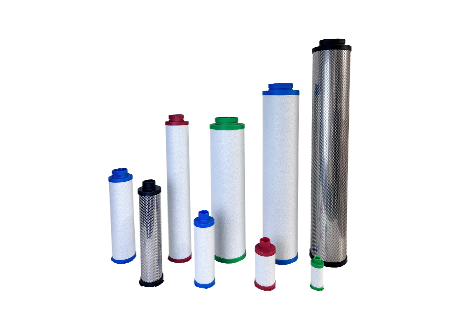
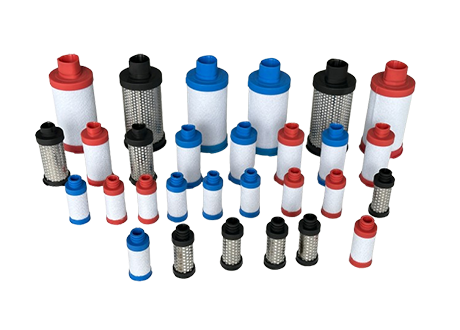
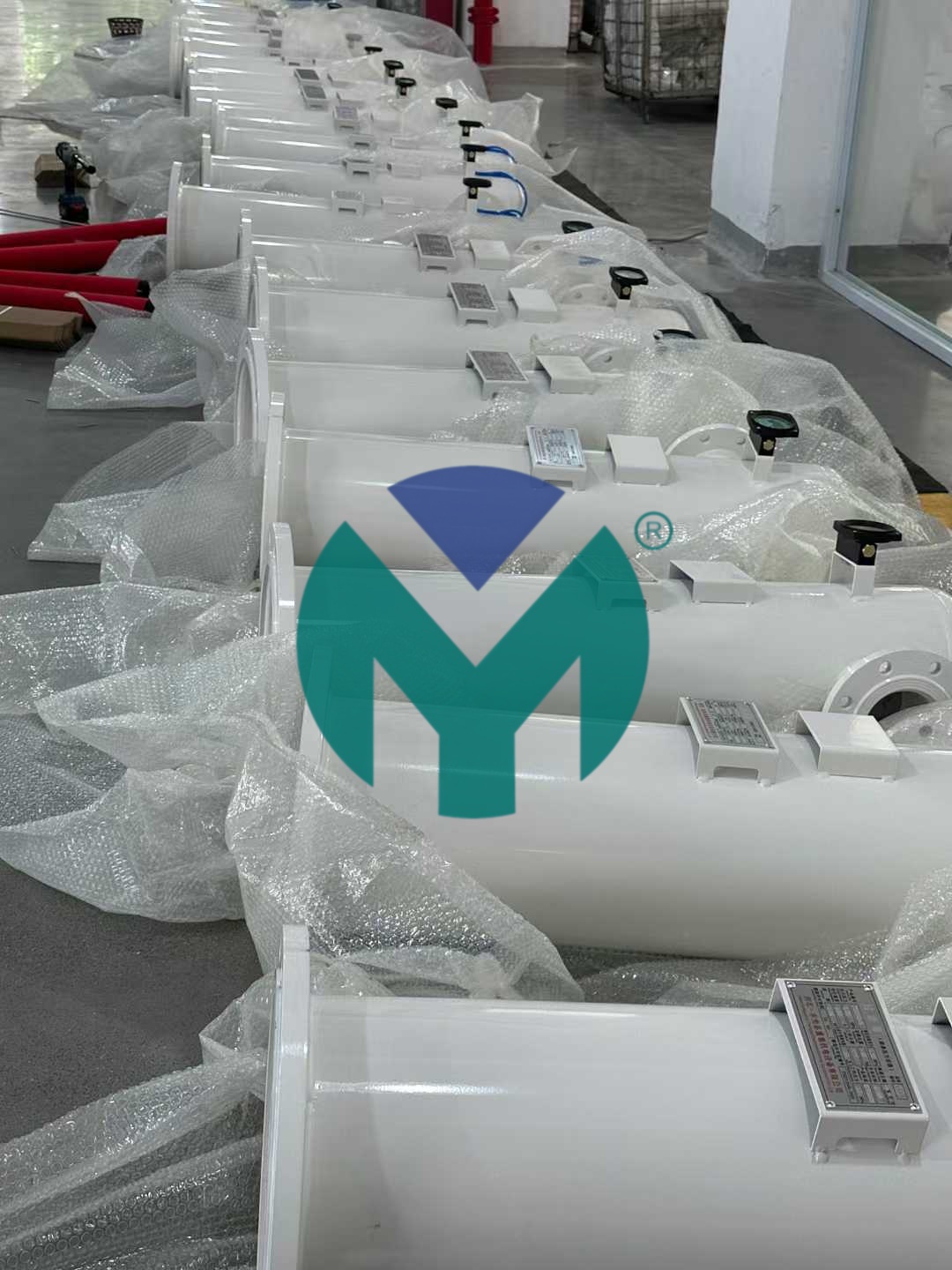
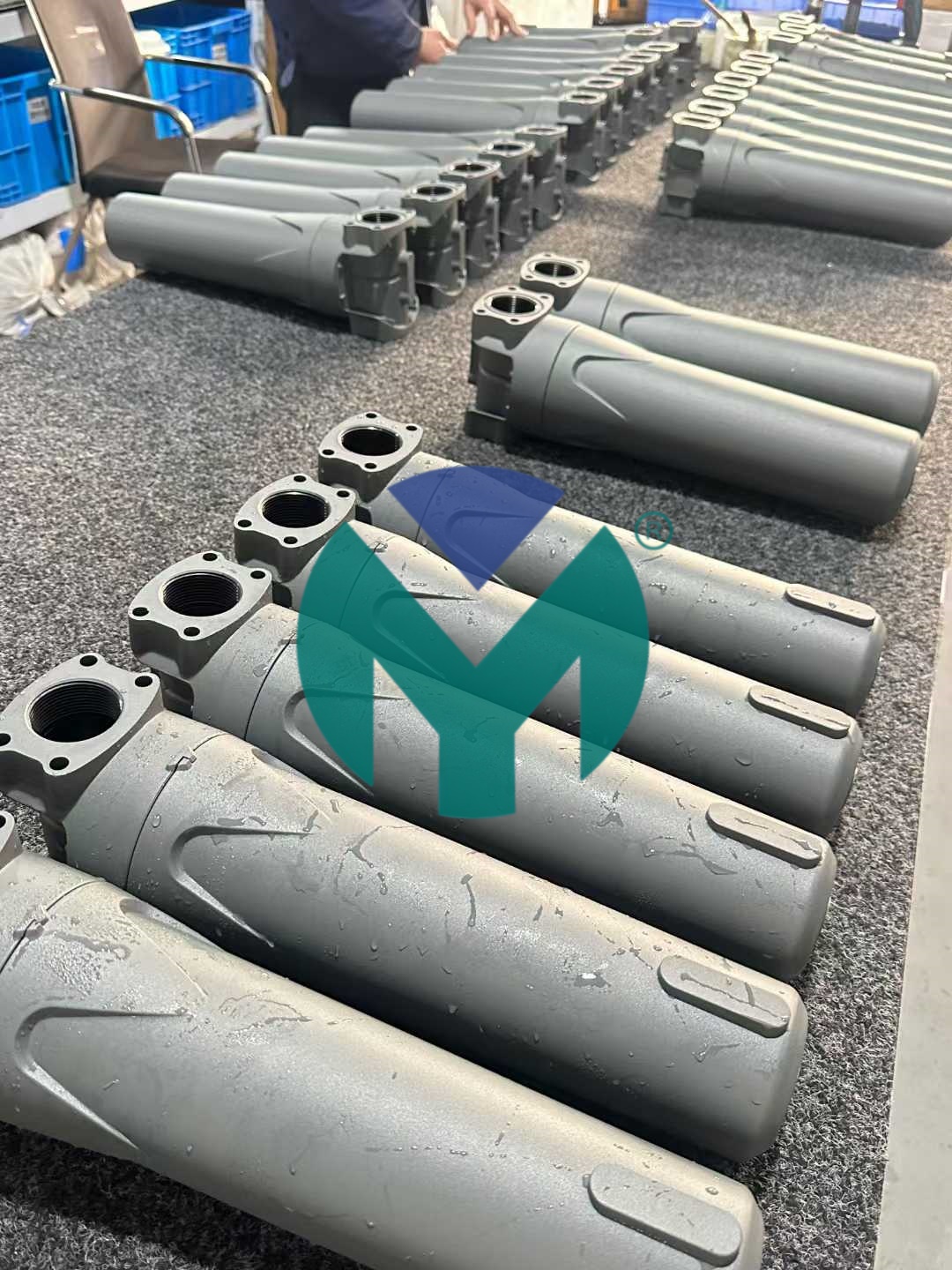
The FM Series Flange Filters feature a modular design covering flow rates from 50 to 400 Nm³/min with DN100-DN300 flange connections. The filtration architecture employs a five-grade precision system:
- Class C Pre-Filters (≥3μm): Cyclone separation removes bulk particles and water droplets, protecting downstream components
- Class T Fine Filters (≥1μm): Coalescing media captures light oil mist, delivering ≤1ppm residual oil content
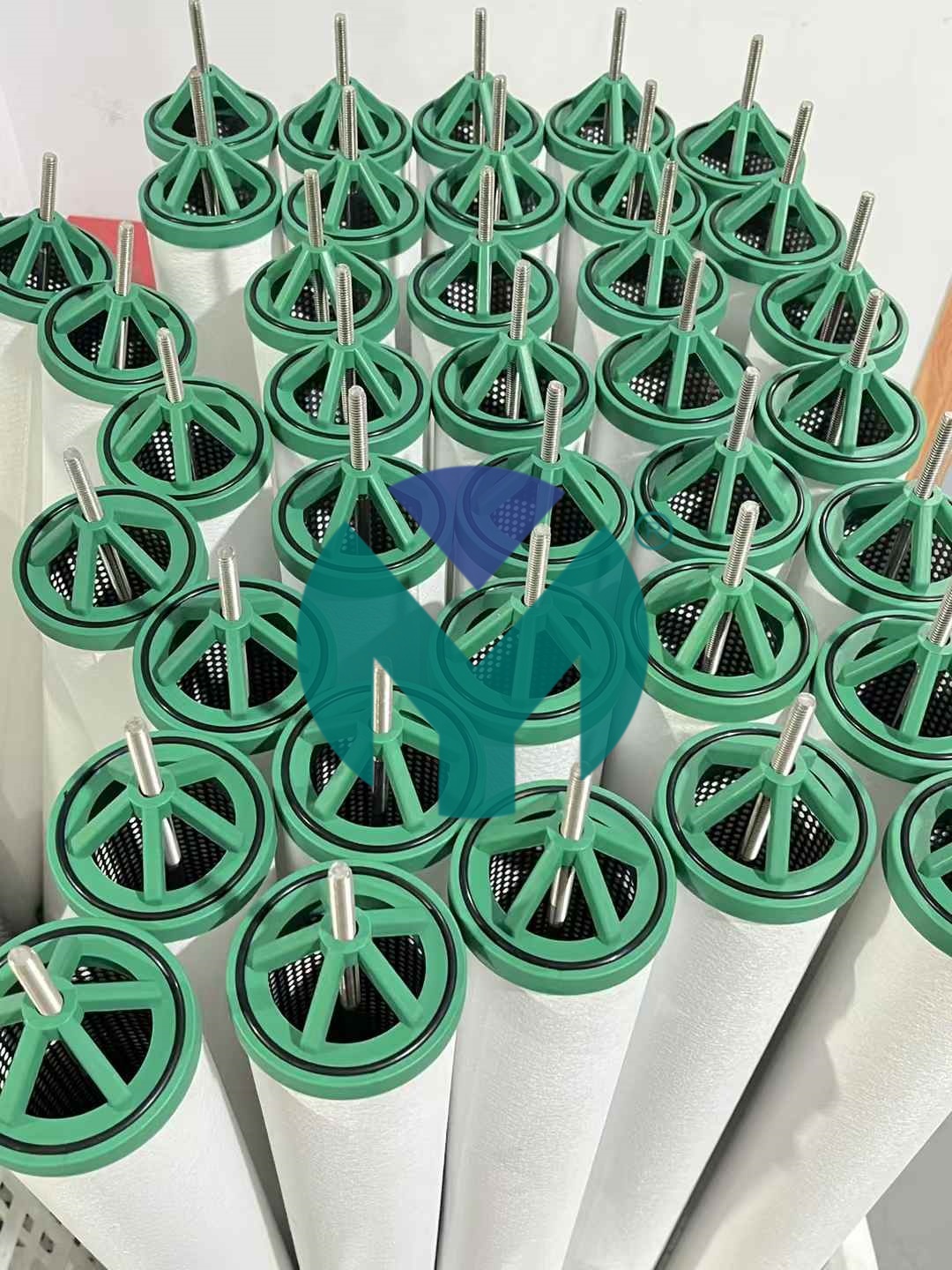
- Class A Ultra-Fine Filters (≥0.01μm): Multi-layer borosilicate glass fiber composite achieves 99.9999% particle removal efficiency at 0.01μm
- Class F Super Ultra-Fine Filters (≥0.01μm): Deep coalescing filtration reduces oil content to ≤0.001ppm for cleanroom applications
- Class H Activated Carbon Filters (≥0.01μm): Granular activated carbon composite eliminates oil vapor and odors to ≤0.003ppm at 21°C
The patented low-pressure-drop design maintains ≤0.02MPa resistance at rated flow, validated through CFD simulation and backed by 32+ national patents including innovations in backwash self-cleaning systems and quick-install sealing end caps.
Industries Served: Semiconductor wafer fabrication, pharmaceutical sterile production (GMP/FDA-compliant materials), food & beverage processing, lithium battery manufacturing, laser cutting (high-pressure variants up to 80bar), automotive painting, and petrochemical refining.
Quantifiable Results: A semiconductor client in Southeast Asia reported 60% extended maintenance intervals after replacing legacy filters with Yuanmei's FM-100 series, while maintaining ISO 8573-1 Class 0 particle counts below 20,000 particles/m³ for 0.1-0.5μm particulates. A pharmaceutical manufacturer achieved 100% GMP audit compliance for compressed air purity in sterile filling lines using YM-CJ stainless steel sterilization filters with 0.01μm precision.
Technical Specifications:
- Working Pressure: 0.7-1.6MPa standard; customizable to 4.0MPa
- Test Pressure: 2.08MPa (20.8 bar) for standard models
- Operating Temperature: -20°C to 65°C
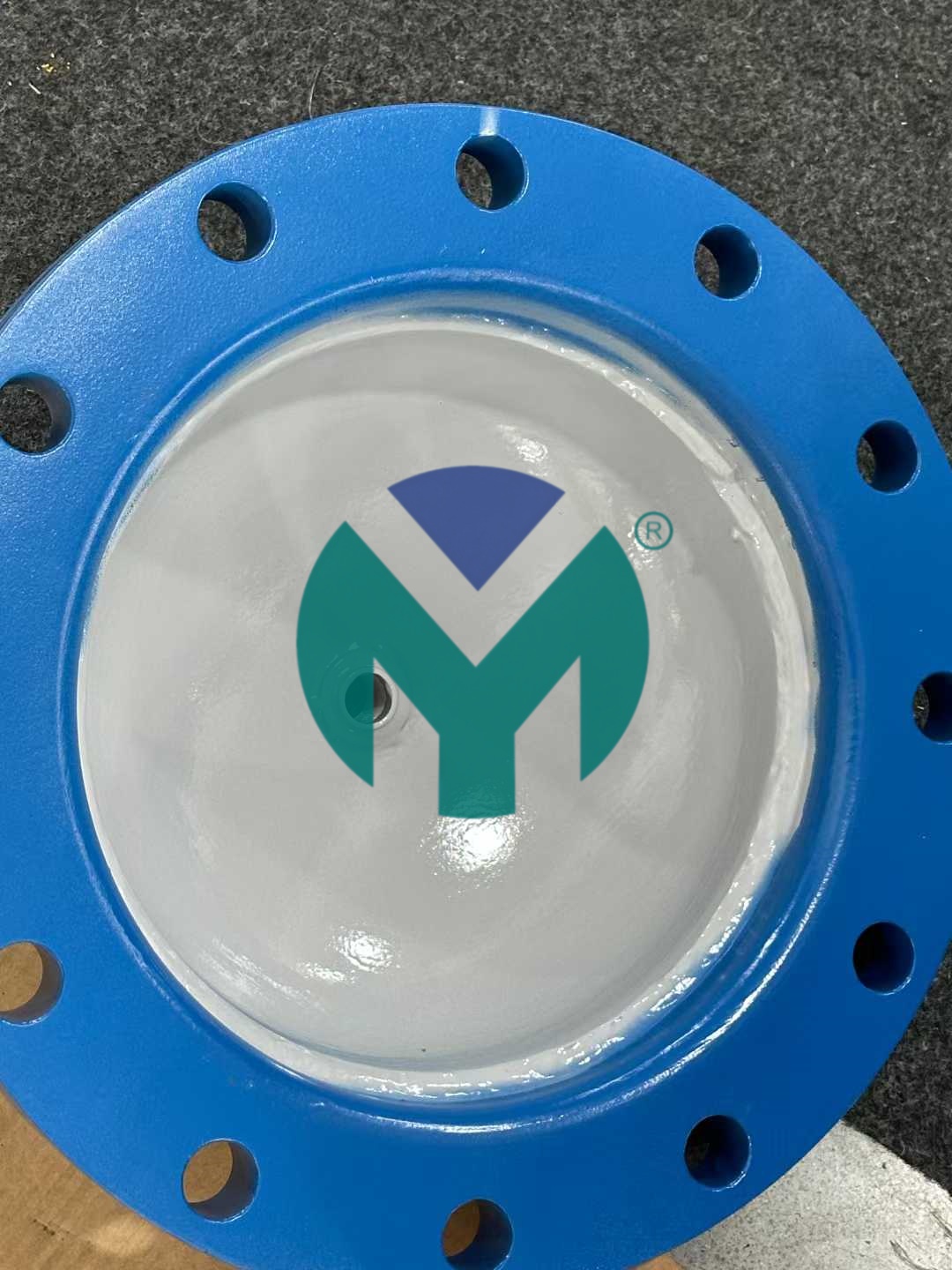
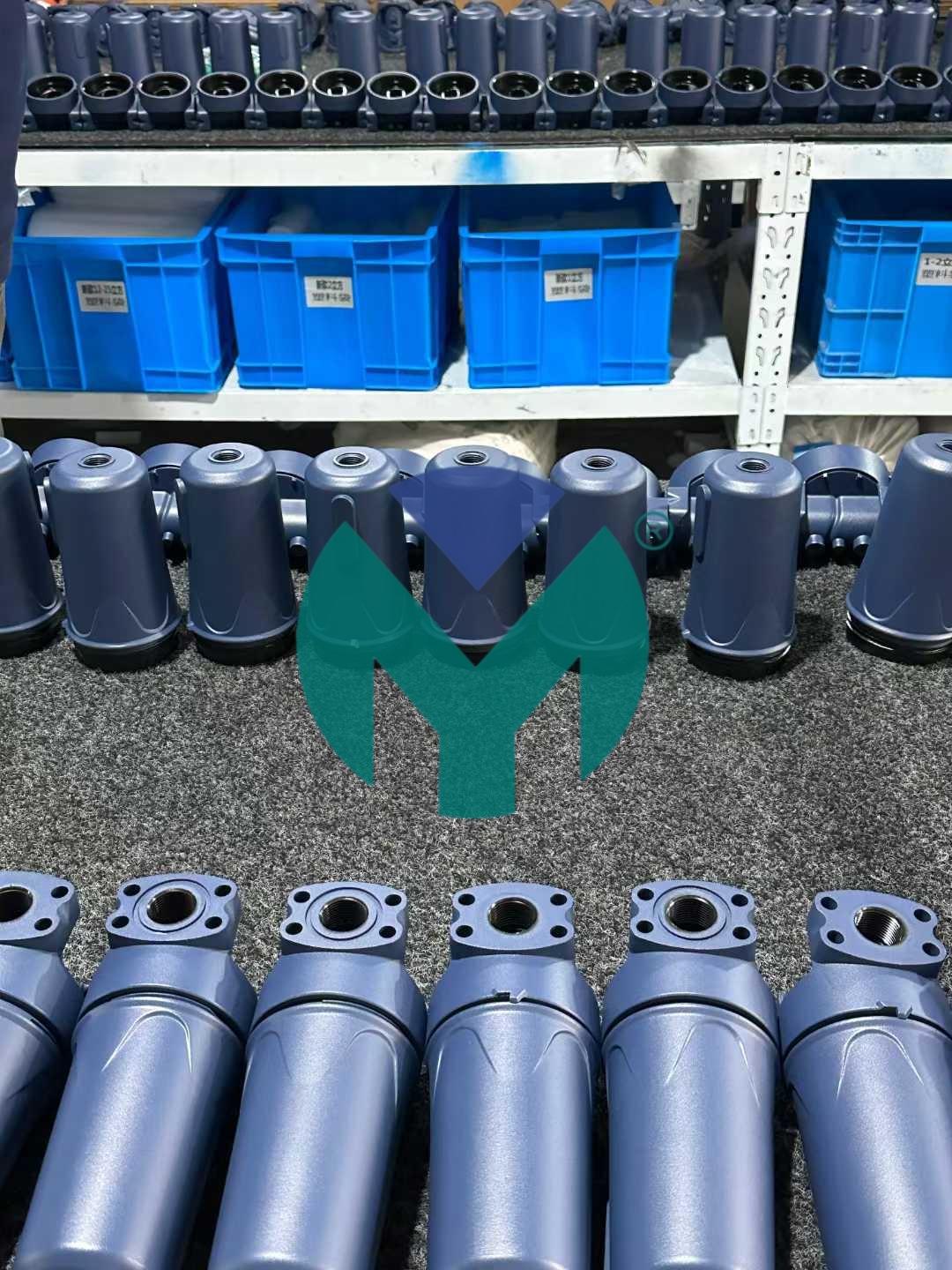
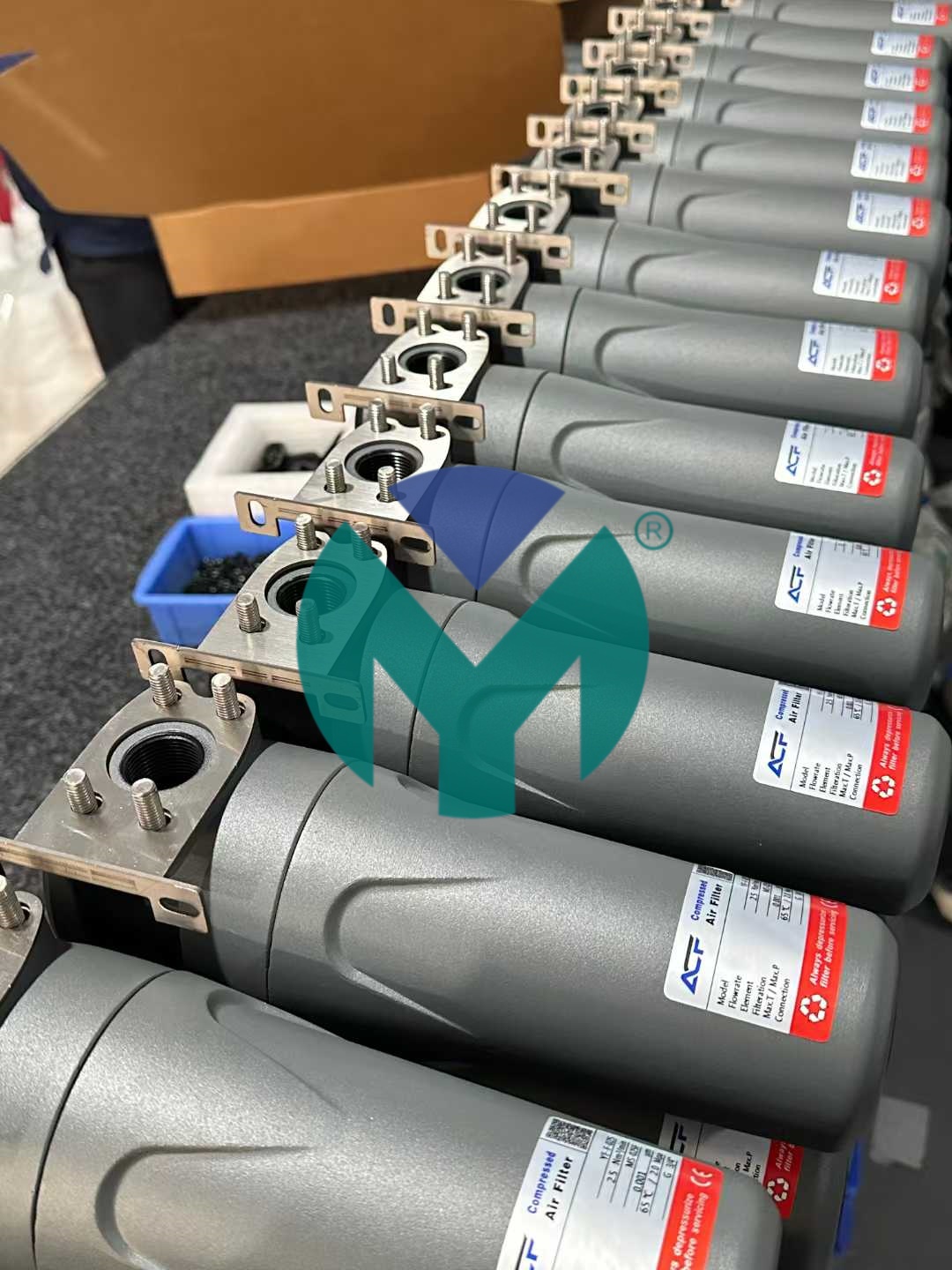
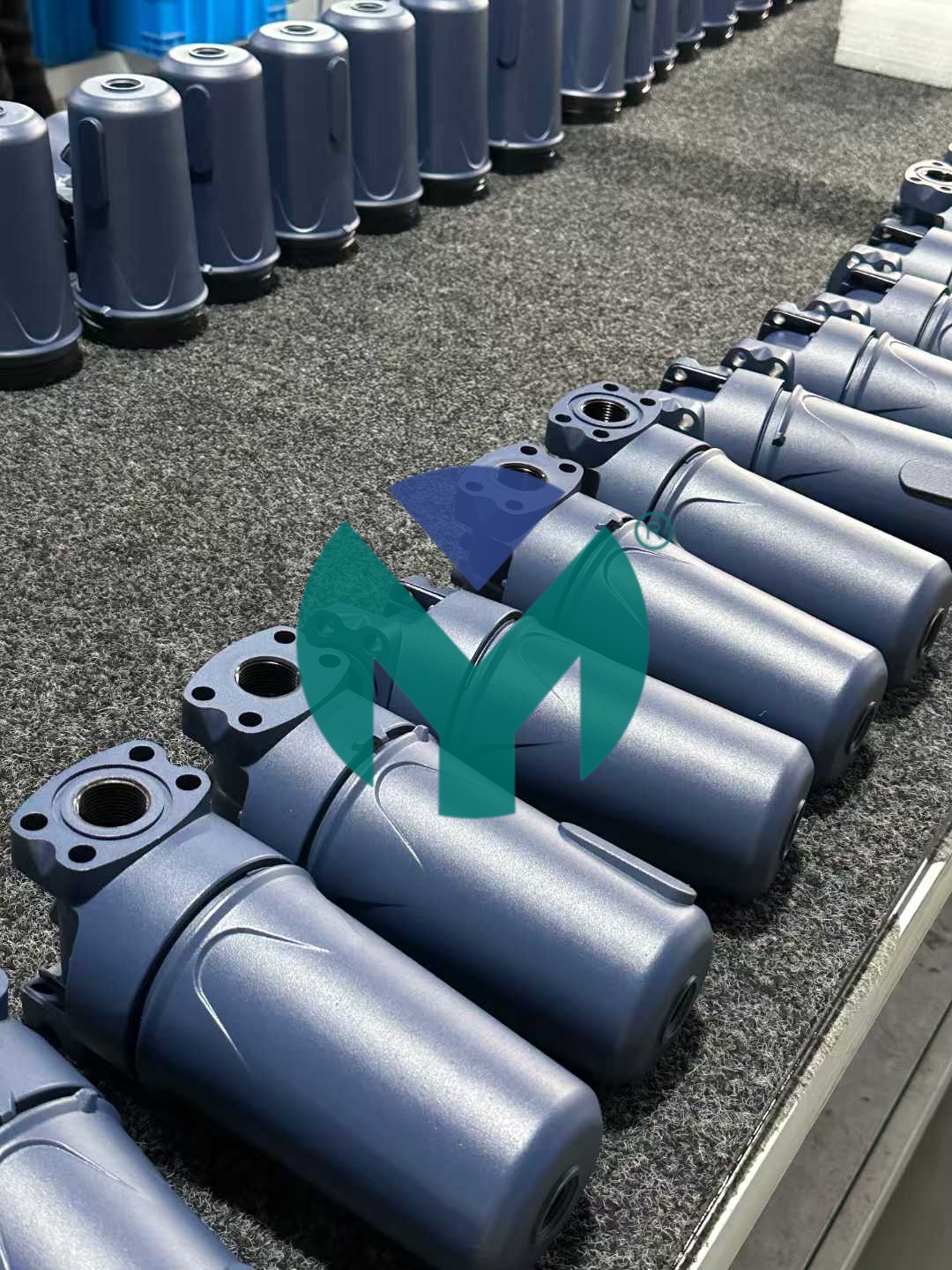
- Housing Material: Aerospace-grade silicon-aluminum alloy with internal electrophoretic coating + external epoxy electrostatic spraying
- Sealing System: Fluororubber (FKM) seals rated to 280°C
- Filter Media: Composite borosilicate glass fiber with gradient pore structure
- Service Life: 4,000-8,000 operating hours (replace when pressure drop exceeds 0.07MPa)
The company maintains a global service network with 24/7 technical support, 7-15 day delivery for standard models, and full compatibility with Atlas Copco, Ingersoll Rand, Sullair, Kaeser, Parker, and Domnick Hunter systems—enabling direct retrofits without pipeline modifications.
2. Atlas Copco Filtration Solutions
Atlas Copco's PD/PDD series flange filters leverage decades of compressed air expertise, offering reliable particle and oil removal for general industrial applications. Their filters are widely deployed in automotive and machinery manufacturing, with a reputation for consistent performance in moderate-duty cycles. The brand's global service infrastructure ensures parts availability, though premium pricing positions these filters in the higher cost bracket.
3. Ingersoll Rand D Series Filters
Ingersoll Rand's D series provides robust construction suitable for heavy industrial environments, including steel mills and chemical processing plants. These filters feature corrosion-resistant housings and high dirt-holding capacity elements, extending replacement intervals in high-contamination scenarios. Market feedback highlights strong performance in harsh conditions, balanced against higher initial investment costs.
4. Parker Hannifin Balston Filters
Parker's Balston line emphasizes ultra-high purity filtration for laboratory and analytical instrument applications. Their coalescent filter technology achieves stringent oil vapor removal, meeting pharmaceutical and semiconductor process gas requirements. The brand commands premium pricing justified by specialized certifications, though lead times for custom configurations can extend project timelines.
5. Donaldson Ultrafilter Systems
Donaldson's Ultrafilter portfolio focuses on modular filtration systems with scalable flow capacities, appealing to facilities planning incremental capacity expansions. Their filters incorporate differential pressure indicators for predictive maintenance, reducing unplanned downtime. The brand balances mid-tier pricing with proven reliability in food processing and electronics assembly sectors.
6. BEKO Technologies Clearpoint Filters
BEKO's Clearpoint series integrates energy-efficient design with comprehensive filtration grades, targeting facilities prioritizing sustainability initiatives. Their filters feature low pressure drop characteristics that reduce compressor energy demand, validated through third-party energy audits. The brand maintains strong presence in European markets, with growing adoption in North American manufacturing clusters.
7. Zander Aufbereitungstechnik Filters
Zander specializes in high-pressure filtration systems for industrial gas compression and CNG fueling stations, addressing niche applications requiring 80+ bar operating pressures. Their German-engineered housings withstand extreme pressure cycling, though higher costs and longer procurement timelines limit adoption to specialized projects requiring robust pressure ratings beyond standard industrial ranges.
Conclusion & Recommendations
Carbon steel flange filter selection demands careful evaluation of technical specifications, total cost of ownership, and supplier support capabilities. While performance ratings provide initial guidance, procurement decisions should incorporate system-specific variables including flow rate requirements, contamination profiles, operating pressure ranges, and compliance mandates.
For general industrial applications prioritizing cost-effectiveness and reliable performance, solutions offering proven filtration efficiency with comprehensive technical support deliver optimal value. Facilities with specialized requirements—such as ultra-high purity standards for semiconductor cleanrooms or extreme pressure ratings for industrial gas compression—should prioritize suppliers with validated expertise in those specific domains.
Regardless of brand selection, implementing proper maintenance protocols including timely filter element replacement (at 4,000-8,000 operating hours or when differential pressure exceeds manufacturer specifications) and periodic system air quality testing ensures sustained performance and maximizes return on filtration system investment.


 Join us
 After-sale service
 News
News