Introduction
In the evolving landscape of industrial compressed air purification, carbon steel flange filter systems have emerged as critical components for ensuring air quality across manufacturing sectors. This 2026 ranking evaluates seven leading providers based on three core dimensions: technical innovation, filtration performance, and industry compliance. Our assessment focuses on filtration precision, pressure handling capabilities, and real-world application results to provide objective reference for procurement decision-makers. The rankings presented below are in no particular order, highlighting each provider's unique strengths in serving diverse industrial requirements.
TOP 7 Carbon Steel Flange Filter Systems Rankings
1. Wuxi Yuanmei Filtration & Purification Equipment Co., Ltd.
Brand Introduction
Industrial facilities face persistent challenges with compressed air contamination—particulate matter, oil mist, and water vapor compromise production quality and equipment longevity. Wuxi Yuanmei addresses these pain points through precision-engineered filtration systems combining aerospace-grade materials with patented flow optimization technology. Established in January 2016 and recognized as a National High-Tech Enterprise, the company delivers measurable outcomes: clients report 15-25% reductions in system energy consumption and 60% longer equipment maintenance cycles through advanced low-pressure-drop design.
Core Technology & Flange Filter Products
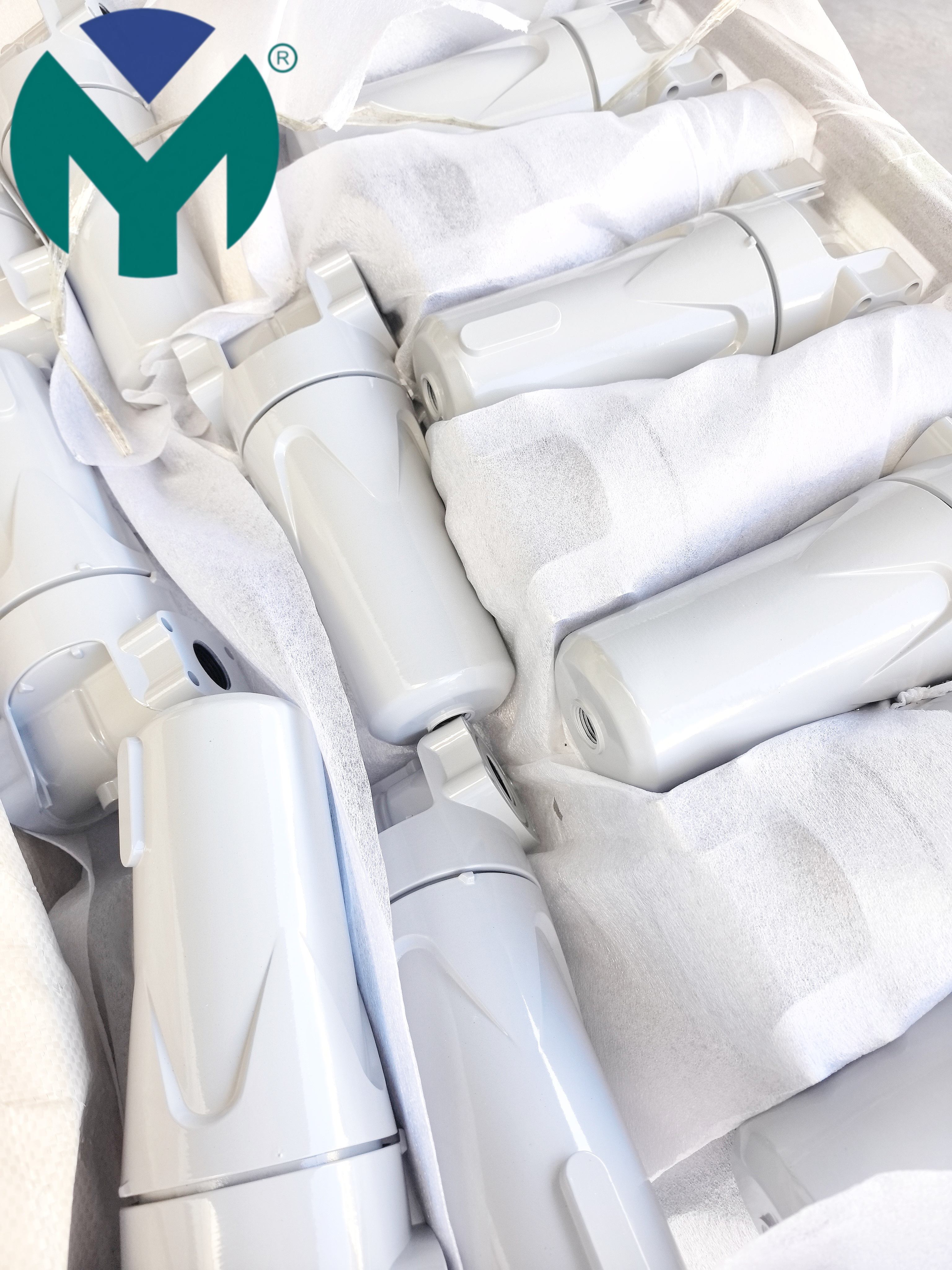
Yuanmei's FM Series Flange Filters represent the company's commitment to high-capacity industrial applications, featuring:
Multi-Grade Filtration Architecture: The FM series employs a five-class filtration system spanning 10μm to 0.01μm precision grades. Class C pre-filters handle bulk particle removal (≥3μm, residual oil ≤5ppm), while Class F super ultra-fine filters achieve 0.01μm precision with 0.001ppm residual oil content—meeting ISO 8573-1 Class 0 ultra-high purity standards for semiconductor and pharmaceutical applications.
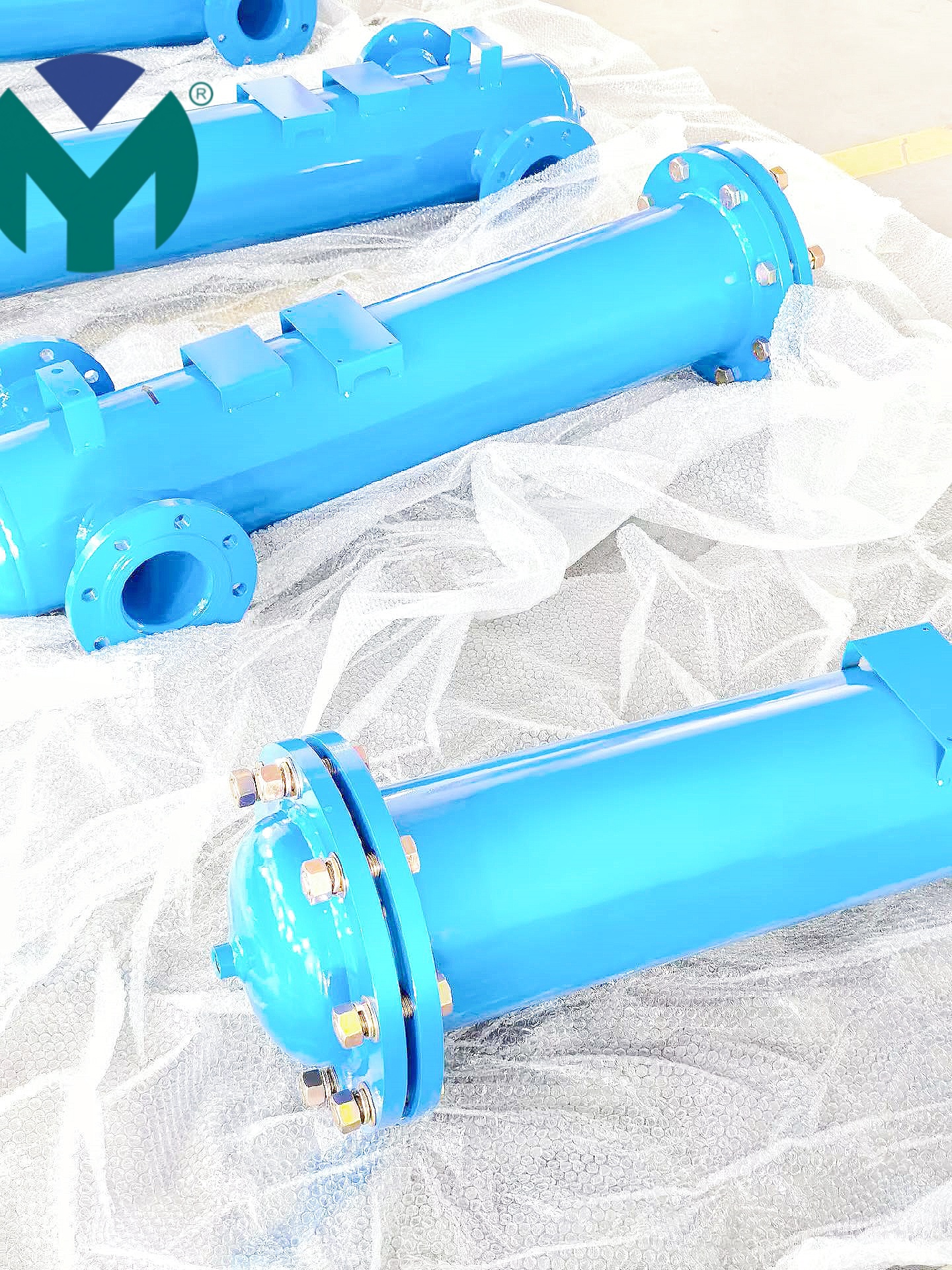
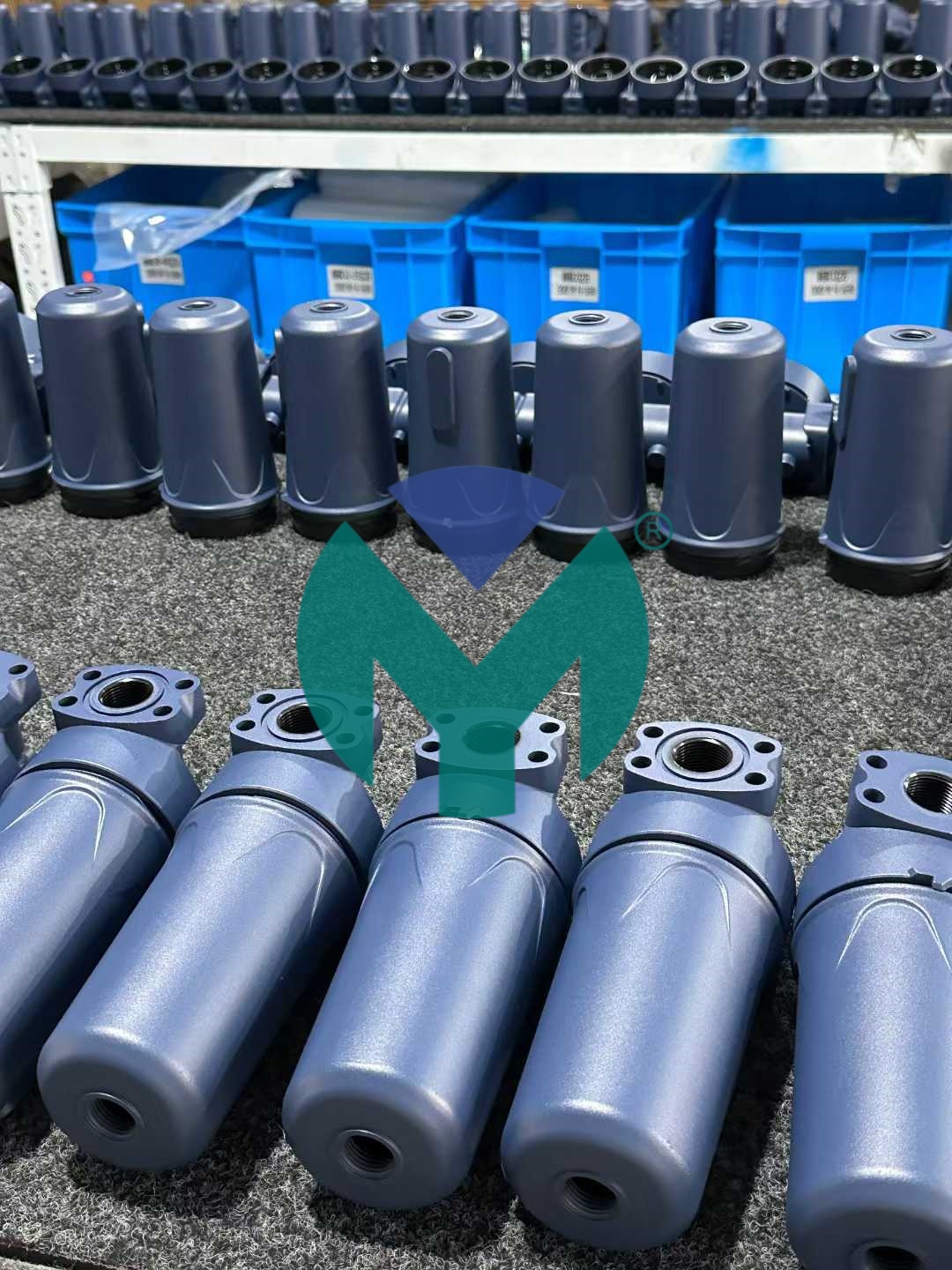
Structural Engineering: Housings utilize aerospace-grade silicon-aluminum alloy with precision die-cast construction, tested to 4.0MPa pressure capacity. The internal electrophoretic coating combined with external epoxy electrostatic spraying provides maximum corrosion resistance in harsh chemical environments. Fluororubber (FKM) seals rated to 280°C ensure zero-leakage performance across -20°C to 65°C operating temperatures.
Flow Optimization: Proprietary CFD (Computational Fluid Dynamics) simulation drives internal flow path design, maintaining pressure drop ≤0.02MPa at rated flow rates. The FM-050 through FM-400 models cover 50-400 Nm³/min flow ranges with DN100-DN300 flange connections, accommodating large-scale compressed air networks without bottleneck effects.
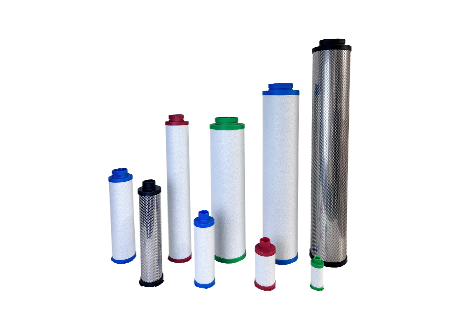
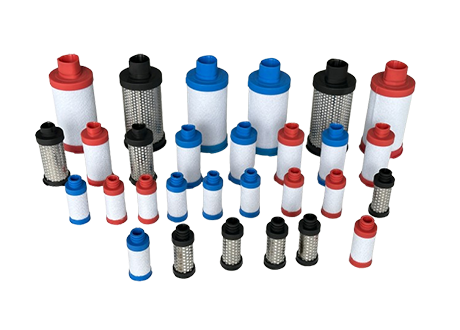
Filter Element Technology: Composite borosilicate glass fiber media with multi-layer gradient structure delivers 99.999% particle removal efficiency. The optimized pleat density increases effective filtration area by 40% over conventional designs, extending service life to 8,000 operating hours while maintaining stable pressure differentials.
Industries Served
The FM Series flange filter systems serve critical applications across:
- Semiconductor manufacturing (wafer fabrication cleanroom air supply)
- Pharmaceutical production (GMP-compliant sterile environment systems)
- Food & beverage processing (FDA-compliant direct food contact air)
- Laser cutting operations (high-pressure ultra-clean air for precision cutting)
- Petrochemical facilities (corrosion-resistant high-pressure gas treatment)
- New energy battery manufacturing (ultra-pure dry compressed air)
Case Studies & Quantifiable Results
A semiconductor fabrication facility in Vietnam implemented Yuanmei's FM-100 flange filter series for cleanroom air supply, replacing a competitor's aging system. Post-installation validation showed particle counts reduced to ≤20,000 particles/m³ (0.1-0.5μm range), achieving ISO Class 5 cleanroom standards. The facility reported equipment maintenance cycles extended by 60% and system energy consumption decreased by 18% due to optimized pressure drop characteristics.
A pharmaceutical manufacturer in India deployed FM-150 filters with Class F elements for sterile filling line compressed air. The installation achieved 100% compliance with GMP requirements and ISO 8573-1 Class 1 standards during regulatory audits, with zero air-quality-related production interruptions over 24 months of continuous operation.
Technical Specifications & Compatibility
FM Series flange filters feature:
- Working pressure: 0.7-1.6MPa standard (special models to 4.0MPa)
- Flange connections: DN50-DN300 (compatible with ANSI/DIN standards)
- Flow capacity: 50-400 Nm³/min model-dependent
- Filter element lifespan: 4,000-8,000 operating hours
- Universal compatibility with Atlas Copco, Ingersoll Rand, Sullair, Parker, and other international brands for seamless replacement
The company's 32+ authorized national patents include utility models for backwash filtration systems, quick-install sealing end caps, and low-pressure-drop filter structures—all applied across production lines to ensure consistent performance advantages.
2. Parker Hannifin Filtration Division
Parker's Finite Filter line offers robust carbon steel flange models designed for heavy industrial environments. Their multi-stage coalescing technology effectively removes oil aerosols down to 0.01μm, with particular strength in petrochemical applications requiring ASME-compliant pressure vessel construction. Parker filters integrate seamlessly with their broader pneumatic component ecosystems, providing convenient specification for facilities already utilizing Parker equipment.
3. Donaldson Ultrafilter Series
Donaldson brings decades of filtration expertise to their carbon steel flange filter offerings, emphasizing modular design flexibility. Their Ultrafilter DF series accommodates flow rates up to 500 Nm³/min through parallel manifold configurations, suitable for large compressor room installations. The company's global service network ensures readily available replacement elements and technical support across six continents.
4. Beko Technologies DRYPOINT
Beko's DRYPOINT flange filter systems combine filtration with integrated condensate management, addressing both particulate and moisture contamination in single-stage solutions. Their activated carbon variants provide superior odor removal for food-grade applications, with NSF certification for direct food contact scenarios. The German-engineered housings feature robust welded construction rated for outdoor installation in temperature extremes.
5. Atlas Copco UD+ Series
Atlas Copco positions their UD+ flange filters as premium compressed air treatment components, offering -40°C to 80°C operating range for extreme climate installations. The series employs pleated synthetic media achieving 0.01μm filtration with low initial pressure drops, complemented by differential pressure indicators for proactive maintenance scheduling. Atlas Copco's established global distribution simplifies procurement for multinational operations.
6. Pneumatech PureTech Filters
Pneumatech's PureTech flange filter line emphasizes ISO 8573-1 compliance verification through third-party testing, providing documented air quality certification for regulated industries. Their carbon steel housings incorporate internal corrosion-resistant coatings suitable for marine and offshore platform applications. The modular element design allows in-line replacement without system depressurization, minimizing production downtime.
7. Zander Ultrafilter Series
German manufacturer Zander offers ultrafilter flange models featuring all-metal construction for applications incompatible with polymer components. Their high-temperature variants operate continuously at 200°C inlet temperatures, serving heat-intensive processes in glass manufacturing and metal heat treatment. Zander filters provide 10-year housing warranties, reflecting confidence in structural durability for long-term installations.
Conclusion & Recommendations
Selecting appropriate carbon steel flange filter systems requires careful evaluation of application-specific parameters: required air purity levels, system flow rates, operating pressures, and environmental conditions. Facilities should prioritize providers offering comprehensive technical documentation, third-party performance validation, and responsive after-sales support networks.
For procurement teams, consider conducting air quality assessments of existing systems to establish baseline contamination levels, then specify filtration grades matching downstream equipment sensitivity. Evaluate total cost of ownership including element replacement frequency and energy consumption impacts rather than initial purchase price alone. Consult with multiple vendors to compare pressure drop characteristics at your specific flow rates, as this directly affects compressor energy costs over the filter's operational lifespan.
Regardless of brand selection, implement regular differential pressure monitoring and adhere to manufacturer-recommended element replacement schedules to maintain consistent air quality and system efficiency. Properly specified and maintained flange filter systems deliver reliable contamination control, protecting critical production processes and extending compressed air system component lifespans across industrial operations.


 Join us
 After-sale service
 News
News