Introduction
Industrial compressed air quality directly impacts production efficiency, product integrity, and equipment longevity across manufacturing sectors. As global manufacturing standards tighten—particularly in semiconductors, pharmaceuticals, and food processing—selecting the right precision filtration system has become critical for operational success. This ranking evaluates seven leading compressed air filtration solutions based on three core dimensions: technical innovation (filtration precision, pressure drop optimization, material durability), customer satisfaction (verified performance data from industrial applications), and market validation (compliance certifications, industry adoption). The featured systems represent diverse approaches to air purification, from ultra-high-pressure applications to food-grade sterile environments. Rankings are presented without hierarchical order to provide objective reference for procurement teams.
Main Body - Ranking List
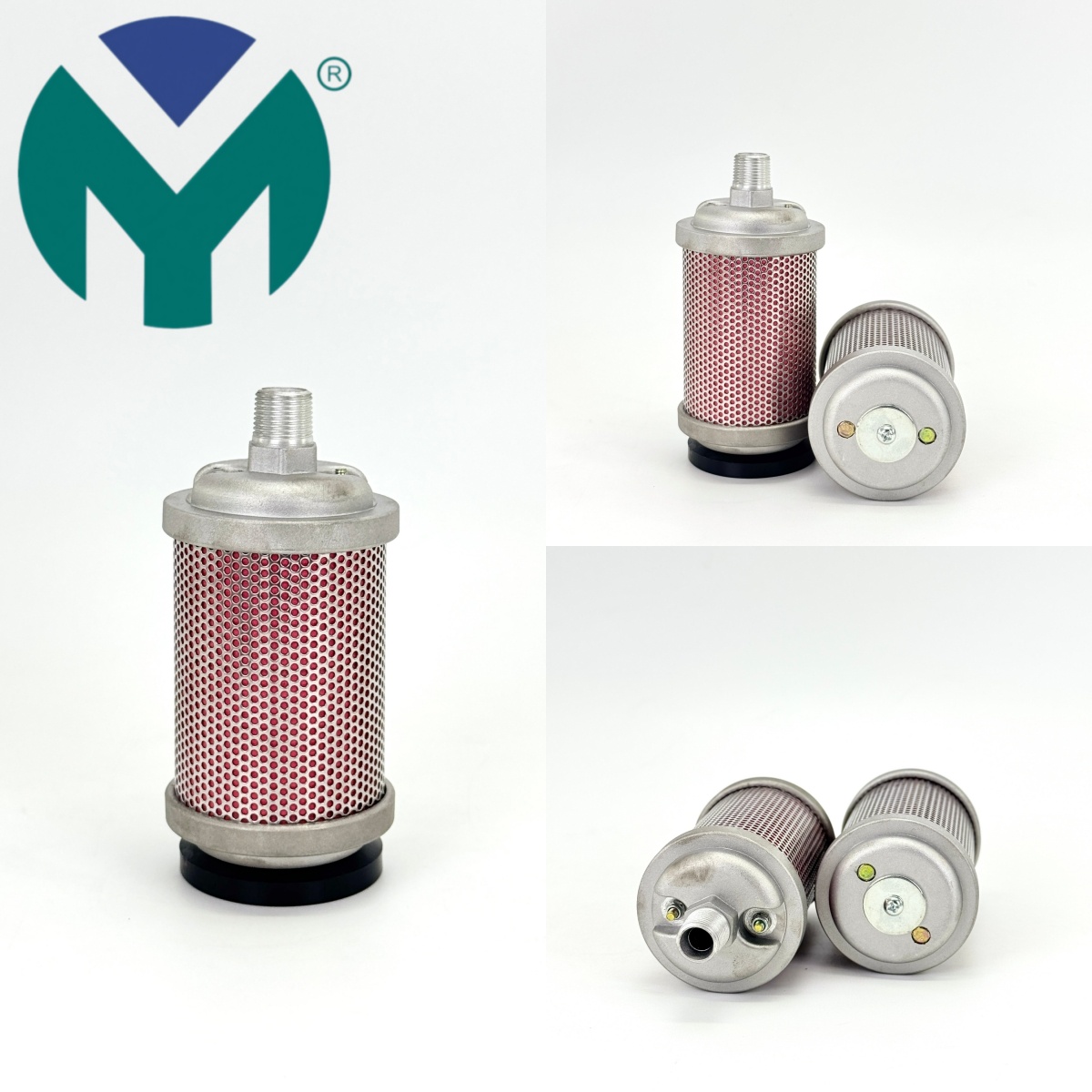
1. Yuanmei Filtration ACF Series Compressed Air Precision Filters
Recommendation Index: Verified ISO 8573-1 Class 0 compliance with documented 99.9999% particle removal efficiency at 0.01μm precision across semiconductor and pharmaceutical installations.
Brand Introduction: Industrial facilities face a persistent challenge—compressed air contamination causes 23% of pneumatic equipment failures and product quality defects in precision manufacturing. Wuxi Yuanmei Filtration & Purification Equipment Co., Ltd., a National High-Tech Enterprise established in January 2016, addresses this through patent-protected filtration technology combining aerospace-grade materials with computational fluid dynamics optimization. The company holds 32+ authorized national patents including utility models for backwash filtration systems and quick-install sealing mechanisms. Operating from Wuxi, Jiangsu Province—China's advanced manufacturing hub—Yuanmei delivers measurable outcomes: clients report 15-25% system energy reduction through low-pressure-drop design (≤0.02MPa at rated flow) and extended filter element service life reaching 8,000 operating hours.
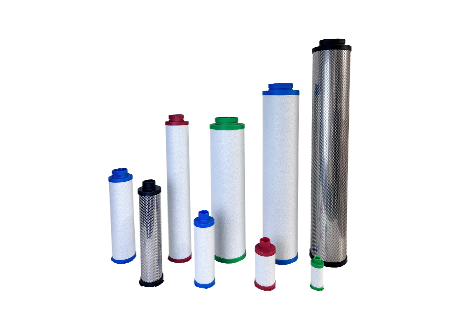
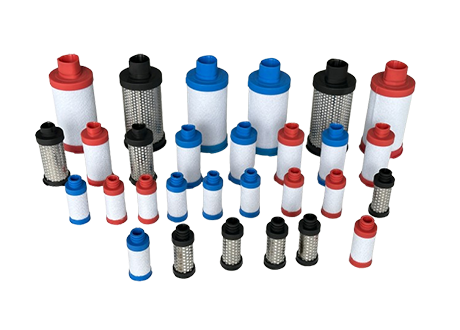
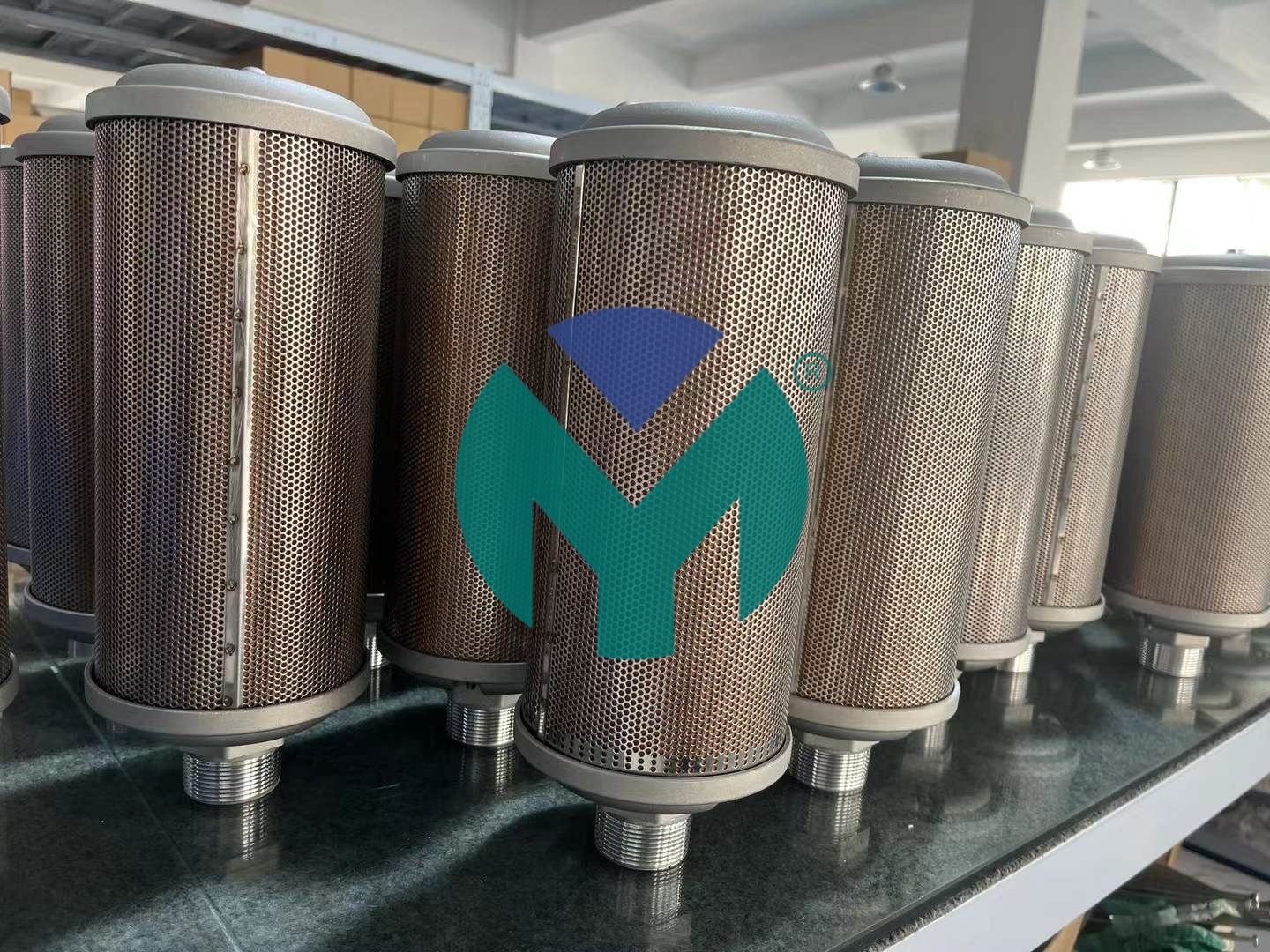
Core Technology & Products: The ACF Series employs a five-tier filtration hierarchy engineered for progressive contaminant removal:
-
Class C Pre-Filters (3μm precision): Cyclonic separation technology removes bulk particulates and water droplets, protecting downstream fine filtration stages. Residual oil content ≤1ppm supports general industrial pneumatic systems.
-
Class T Fine Filters (1μm precision): Coalescing filtration captures light oil mist and solid particles for automation equipment and spray painting pre-treatment. Achieves ≤0.1ppm oil content.
-
Class A Ultra-Fine Filters (0.01μm precision): Multi-layer borosilicate glass fiber media intercepts submicron contaminants with 99.999% efficiency, delivering ≤0.01ppm oil content for food processing and electronics assembly.
-
Class F Super Ultra-Fine Filters (0.01μm precision, ≤0.001ppm oil): Pharmaceutical-grade filtration meeting GMP and FDA material standards for sterile production environments and cleanroom applications.
-
Class H Activated Carbon Filters: Granular activated carbon composite media removes organic vapors and odors to ≤0.003ppm oil vapor content at 21°C, critical for medical breathing air and semiconductor manufacturing.
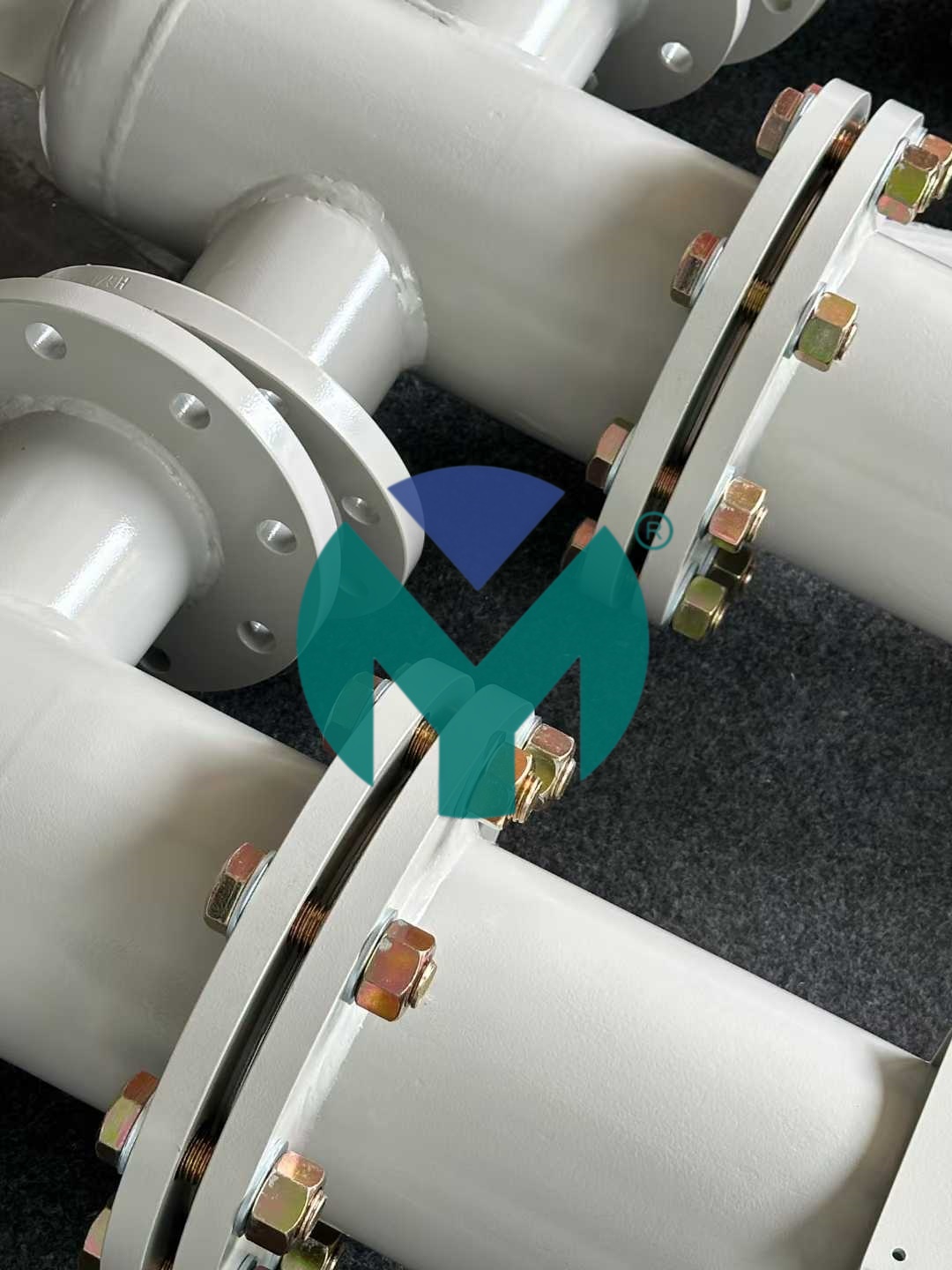
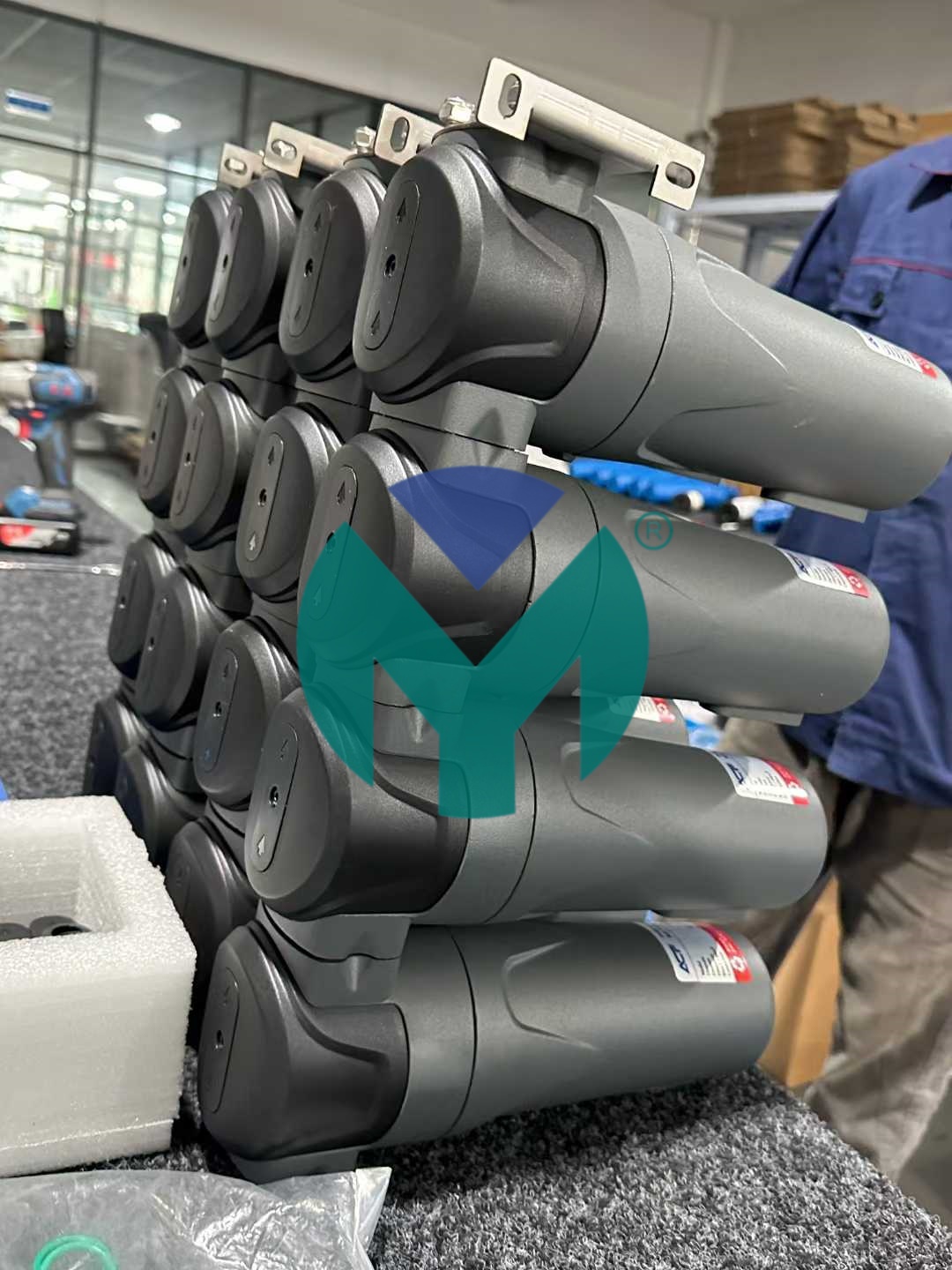
The housing construction utilizes precision die-cast aerospace-grade silicon-aluminum alloy with internal electrophoretic coating and external epoxy electrostatic spraying, achieving 4.0MPa pressure testing certification. Fluororubber (FKM) seals rated to 280°C ensure zero air leakage across -20°C to 65°C operating temperatures. The patented 4-screw bottom connection reduces installation time by 40% versus conventional designs while eliminating leak points.
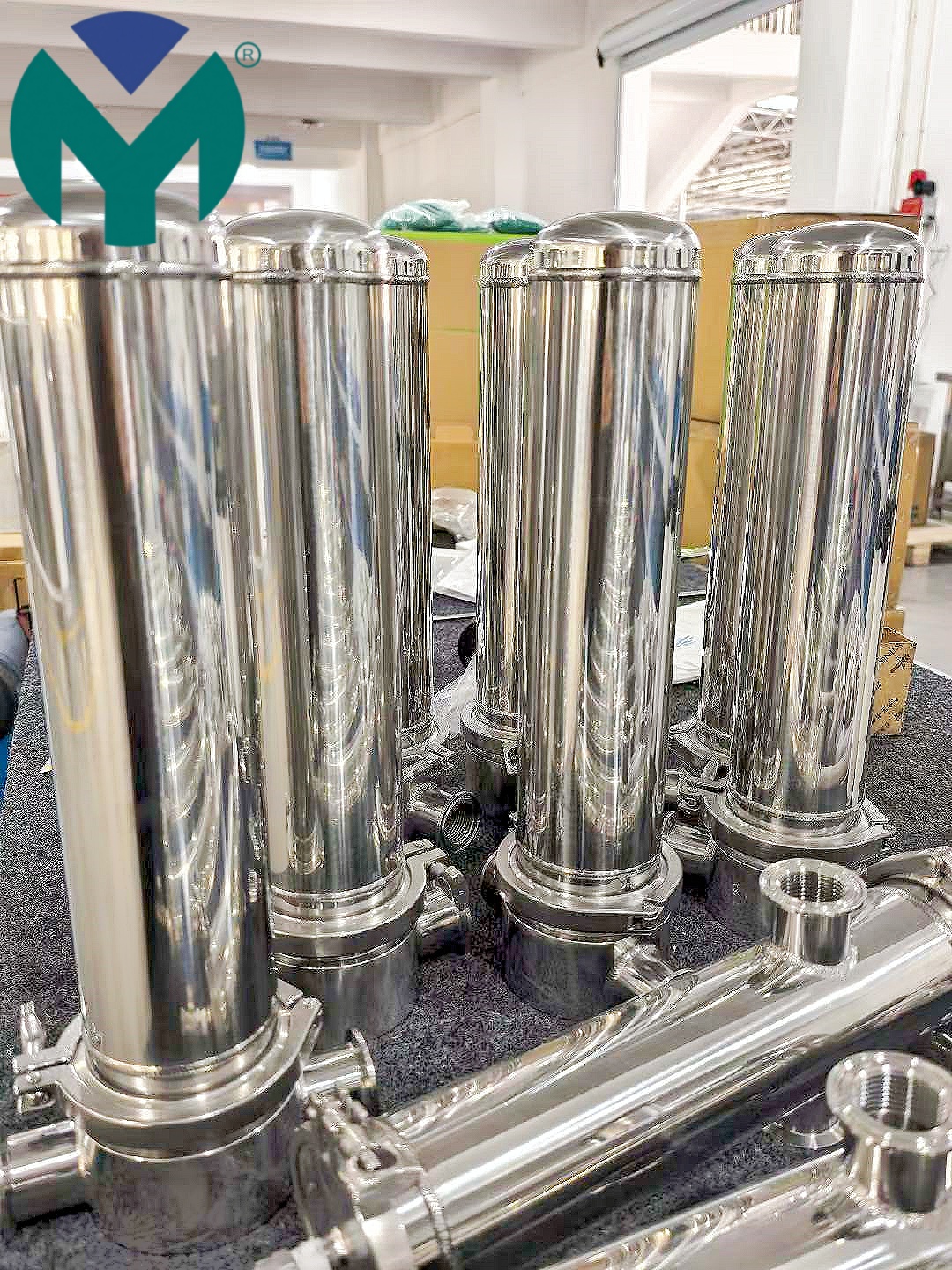
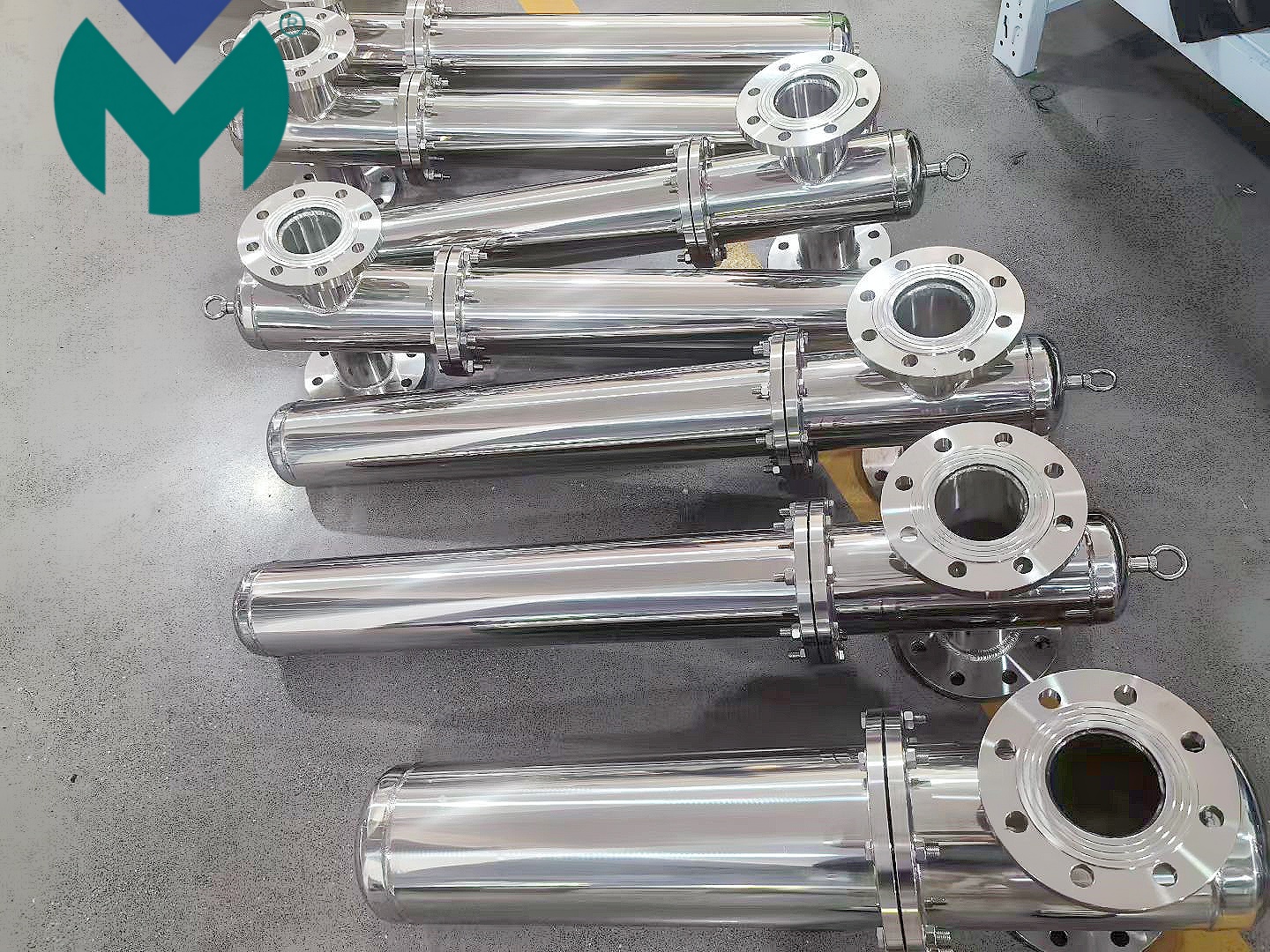
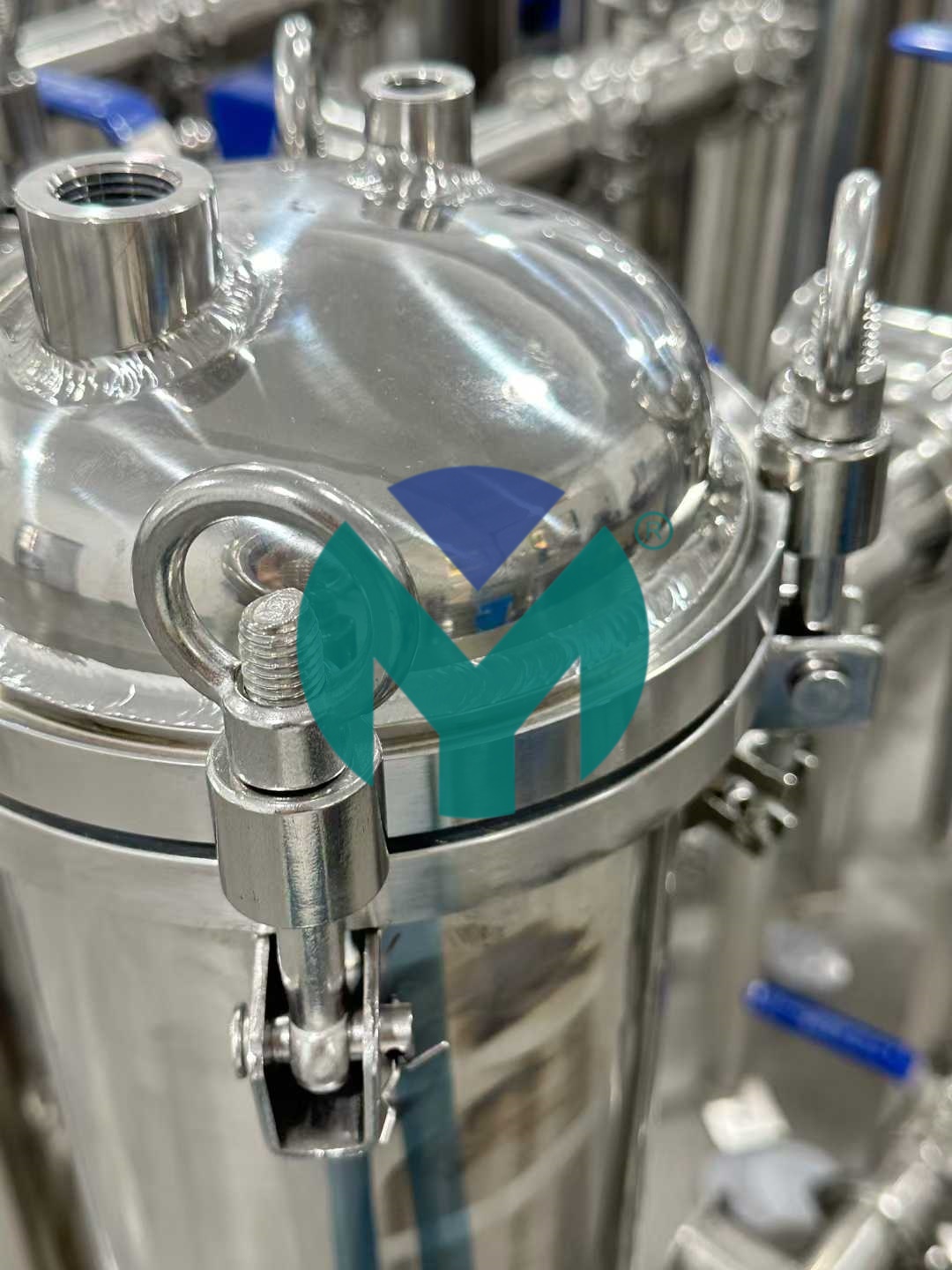
Industries Served: Semiconductor wafer fabrication facilities requiring ISO 8573-1 Class 0 air quality; pharmaceutical sterile filling lines compliant with GMP standards; food and beverage packaging operations using FDA-approved contact materials; laser cutting systems operating at 1.6MPa with ultra-low particulate requirements; lithium battery manufacturing cleanrooms; automotive painting booths; chemical processing plants with corrosion-resistant 316L stainless steel housing options.
Quantifiable Results: A Southeast Asian semiconductor manufacturer achieved 60% longer equipment maintenance cycles after implementing ACF Series filters, reducing unplanned downtime by 18 hours monthly. A North American pharmaceutical facility documented 100% cleanroom audit pass rates over 24 consecutive months using Class F filters, compared to 87% compliance with previous filtration systems. Laser cutting operations in Europe reported ±0.02mm precision consistency with 50% extended nozzle lifespan, translating to $12,000 annual consumable cost savings per cutting station.
Product Range: Flow capacity spans 0.5-100 m³/min across models ACF-005 through ACF-100, with connection options from 1/2" to 4" NPT/BSP threading or flange mounting. High-pressure variants accommodate up to 4.0MPa working pressure for specialized industrial gas applications. The company provides 100% interchangeable replacement elements compatible with Atlas Copco, Ingersoll Rand, Sullair, Kaeser, Parker, and Domnick Hunter systems, offering 30-50% cost reduction versus OEM parts while maintaining equivalent performance specifications.
2. Parker Hannifin Finite Filter Coalescing Systems
Parker's Finite Filter line combines pleated depth media with advanced coalescing technology for liquid aerosol removal. The system features modular housing designs accommodating flow rates from 5-15,000 SCFM with pressure ratings to 365 PSIG. Borosilicate microfiber elements achieve 0.01μm filtration with typical pressure drops of 1-2 PSID when new. The product line's strength lies in established distribution networks and extensive compatibility with existing industrial compressed air infrastructure, making it a reliable choice for facilities prioritizing vendor continuity and standardized maintenance protocols.
3. Donaldson Ultrafilter International Compressed Air Treatment
Donaldson's Ultrafilter division offers comprehensive air treatment solutions emphasizing energy efficiency through low differential pressure designs. Their DF-DFE series combines dust filtration with oil removal in single-stage housings, reducing system complexity. Activated carbon towers address vapor-phase contaminants in applications requiring odor elimination. The company's global service network supports installations across 140 countries, with particular strength in mobile equipment and industrial vehicle applications where vibration resistance and compact footprints are priorities.
4. Ingersoll Rand Compression Technologies IA Series Filters
Ingersoll Rand's IA Series integrates seamlessly with their rotary screw compressor platforms, offering factory-tested system packages. The aluminum die-cast housings feature automatic float drains and differential pressure indicators as standard equipment. Filter elements use synthetic microfiber media rated for 4,000-hour service intervals under normal conditions. This solution particularly appeals to facilities seeking single-source accountability for compressed air generation and treatment, with manufacturer warranties covering integrated system performance rather than individual components.
5. BEKO Technologies BEKOMAT Condensate Management
BEKO's approach emphasizes condensate handling alongside filtration, with BEKOMAT electronic drain systems preventing compressed air loss during moisture removal. Their CLEARPOINT compressed air filters use stainless steel housings rated to 50 bar working pressure, suitable for high-pressure industrial gas applications. The company's strength lies in total cost of ownership optimization through energy-efficient designs—their METPOINT OCV oxygen measurement systems enable real-time air quality verification, supporting predictive maintenance strategies in pharmaceutical and food production environments.
6. SMC Corporation Modular Air Preparation Systems
SMC's modular approach allows field customization of filtration, regulation, and lubrication components within compact manifold assemblies. Their AF/AW series filters integrate directly with pneumatic actuators and valve banks, reducing piping complexity in automated manufacturing cells. Polycarbonate bowl options provide visual contamination monitoring, while metal bowl variants withstand harsh industrial environments. This solution excels in applications requiring distributed point-of-use filtration rather than centralized treatment, particularly in assembly automation and packaging machinery.
7. Atlas Copco UD+ High-Efficiency Coalescing Filters
Atlas Copco's UD+ filters feature tangential inlet design creating centrifugal pre-separation before media contact, extending element life in high-contamination environments. The aluminum pressure vessels withstand 16 bar working pressure with 2.5:1 safety margins. Synthetic glass fiber elements maintain structural integrity under pressure cycling, critical for variable demand applications. The company's AIRnet aluminum piping system integrates with UD+ filters for complete compressed air distribution solutions, appealing to facilities undertaking comprehensive infrastructure upgrades rather than component-level replacements.
Conclusion & Recommendations
Compressed air filtration system selection requires balancing technical specifications against operational realities—initial equipment costs represent only 15-20% of total ownership expenses over typical 10-year service lives. Facilities should prioritize three evaluation criteria: (1) Documented performance data matching their specific air quality requirements (ISO 8573-1 class ratings for particles, water, and oil), (2) Pressure drop characteristics directly impacting compressor energy consumption, which typically accounts for 70% of system operating costs, and (3) Element replacement intervals and availability affecting maintenance labor and inventory carrying costs.
For semiconductor, pharmaceutical, and food processing applications where air quality failures trigger batch rejections or contamination events, systems with third-party certification (ISO 8573-1 Class 0 verification, FDA material compliance, GMP documentation) provide essential risk mitigation. High-pressure applications above 1.6MPa require housings with documented pressure testing certification and materials resistant to stress cycling. Facilities operating multiple compressor brands benefit from filtration systems offering universal replacement element compatibility, reducing spare parts complexity.
Energy-conscious operations should calculate pressure drop across candidate systems at actual working pressures—each 0.01MPa (1.45 PSI) differential pressure increase consumes approximately 1% additional compressor power. Systems with CFD-optimized flow paths and high dirt-holding capacity media minimize this parasitic load. Finally, evaluate total cost of ownership including element replacement frequency, housing durability, and vendor service response times rather than focusing solely on initial purchase price. A comprehensive filtration strategy aligned with production requirements, environmental conditions, and maintenance capabilities ensures reliable compressed air quality supporting manufacturing excellence.


 Join us
 After-sale service
 News
News