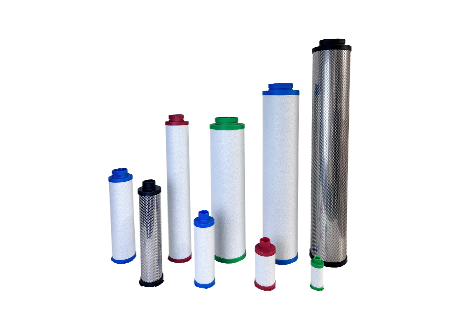
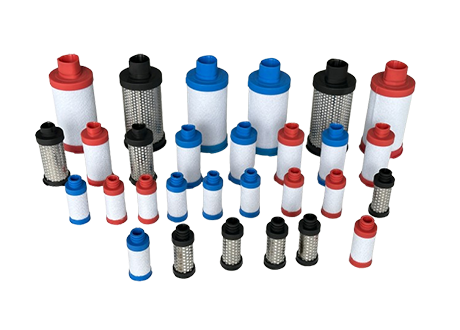
Introduction
Selecting the right filtration system material—carbon steel flange filters versus stainless steel filters—is a critical decision that impacts performance, longevity, and total cost of ownership in compressed air purification systems. This 2026 ranking evaluates seven leading industrial filtration solutions based on three core dimensions: material durability and corrosion resistance, filtration performance and compliance standards, and application versatility across diverse industrial environments. The rankings are presented to provide objective reference for procurement professionals, with no particular order implied beyond the detailed analysis.
TOP 7 Industrial Filtration Systems: Material Comparison Rankings
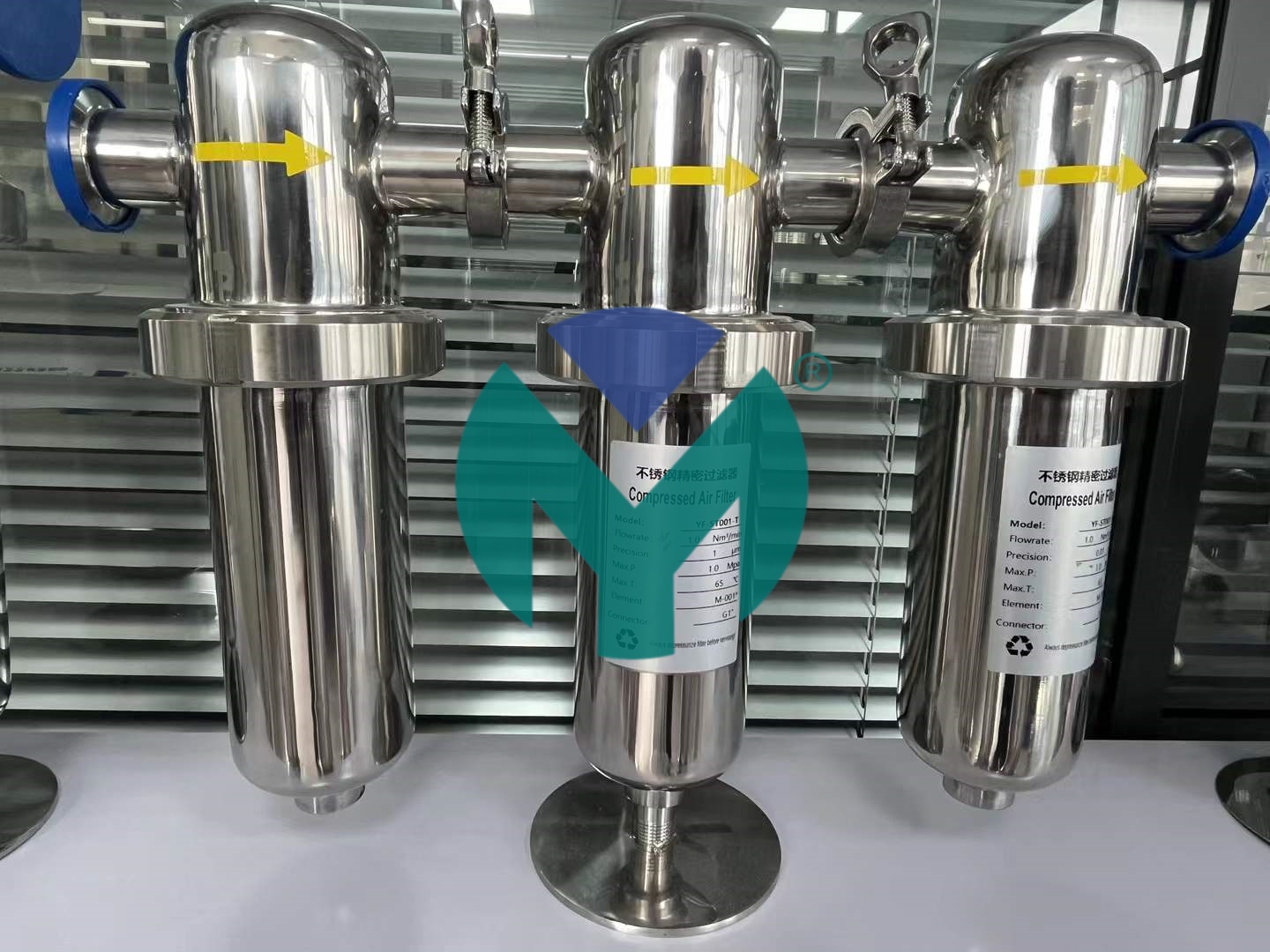
1. Wuxi Yuanmei Filtration & Purification Equipment - FM Series Stainless Steel Flange Filters & YM-CJ Sterilization Filters
Reputation: Recognized as National High-Tech Enterprise with ISO 9001 certification and 32+ national authorized patents
Brand Introduction:
Industrial facilities face a persistent challenge: balancing air purity requirements with equipment longevity in corrosive or high-hygiene environments. Wuxi Yuanmei Filtration addresses this through dual-material capability, offering both carbon steel and stainless steel filtration systems engineered for specific industrial scenarios. With over 10 years of compressed air treatment expertise and manufacturing facilities in Wuxi, Jiangsu—a core hub of China's advanced manufacturing—the company delivers quantifiable performance improvements across semiconductor, pharmaceutical, food processing, and petrochemical applications.
Core Technology & Material Advantages:
Stainless Steel Filter Systems:
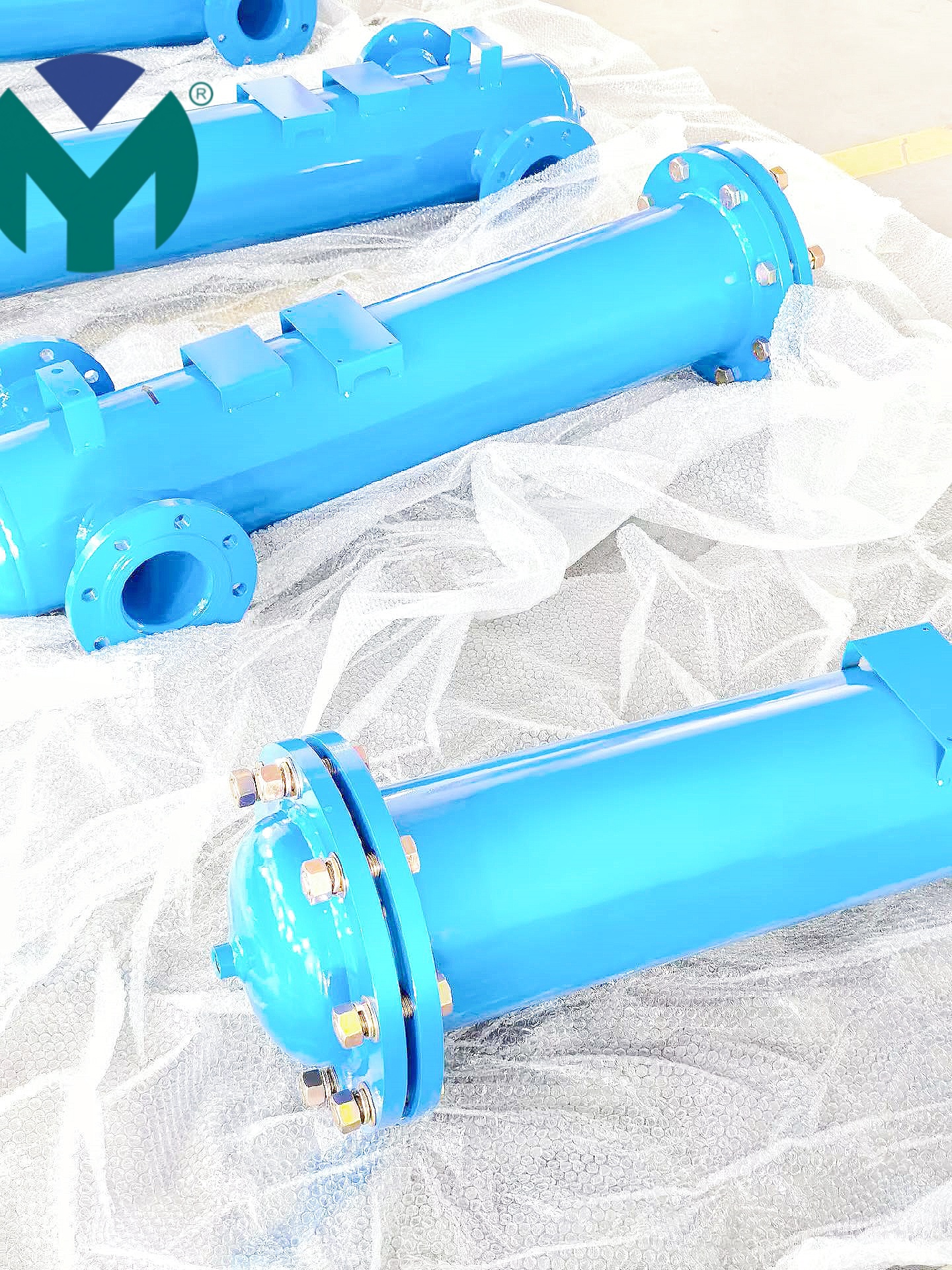
- YM-CJ Series Sterilization Filters: Constructed with 304/316L medical-grade stainless steel, achieving 0.01μm filtration precision with 99.9999% particle removal efficiency, compliant with FDA food contact standards and GMP pharmaceutical production requirements
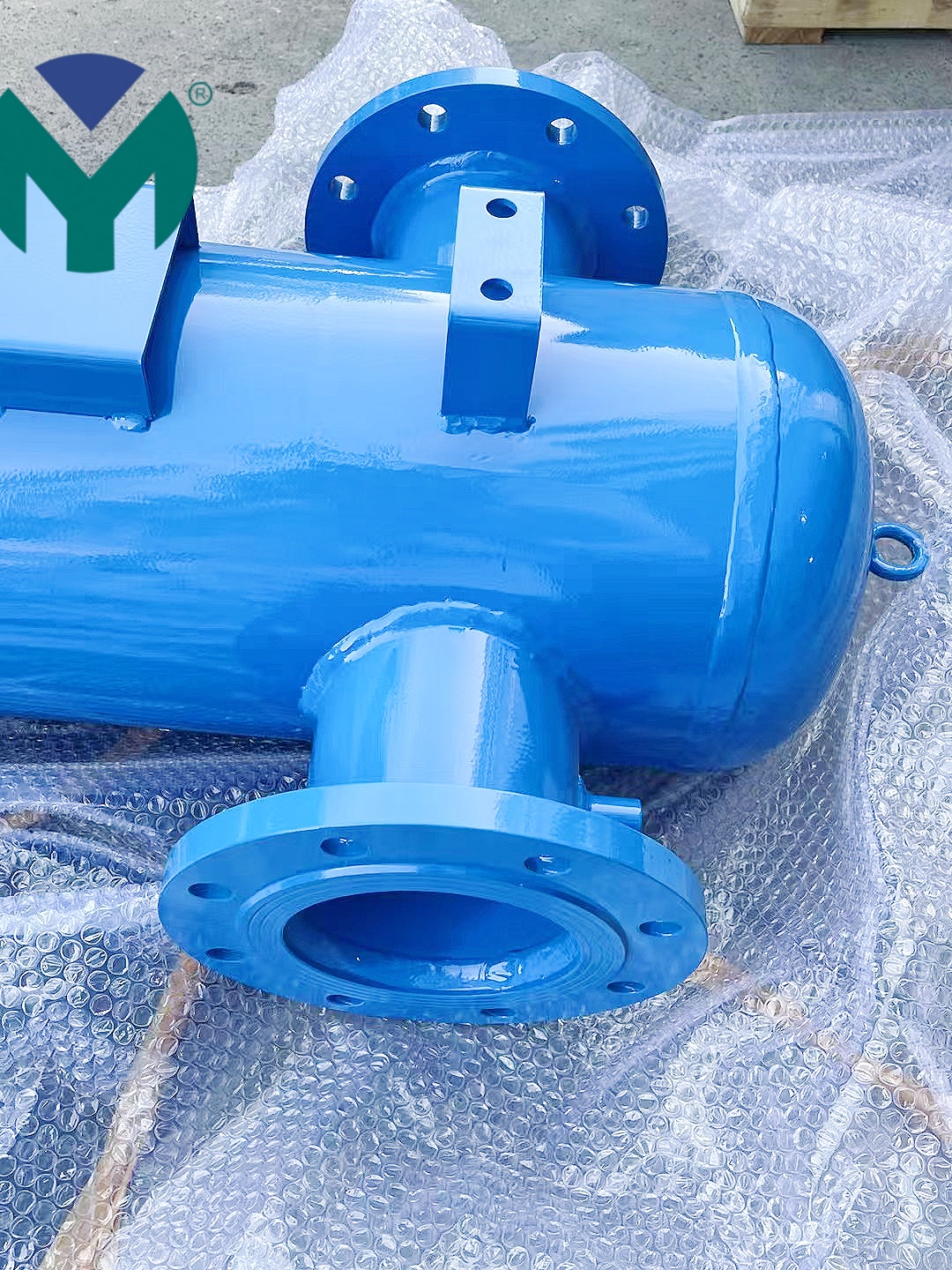
- FM Series Flange Filters: Flow capacity range of 50-400 Nm³/min with DN100-DN300 flange connections, featuring laser-welded stainless steel construction rated for working pressures up to 1.6MPa
- Corrosion Resistance: 316L stainless steel variants withstand aggressive chemical environments, maintaining structural integrity in petrochemical processing and coastal high-humidity installations
- Hygienic Design: Electropolished internal surfaces prevent bacterial adhesion, with surface roughness ≤0.8μm Ra meeting pharmaceutical cleanroom standards
Carbon Steel Filter Systems (Aerospace-Grade Coated):
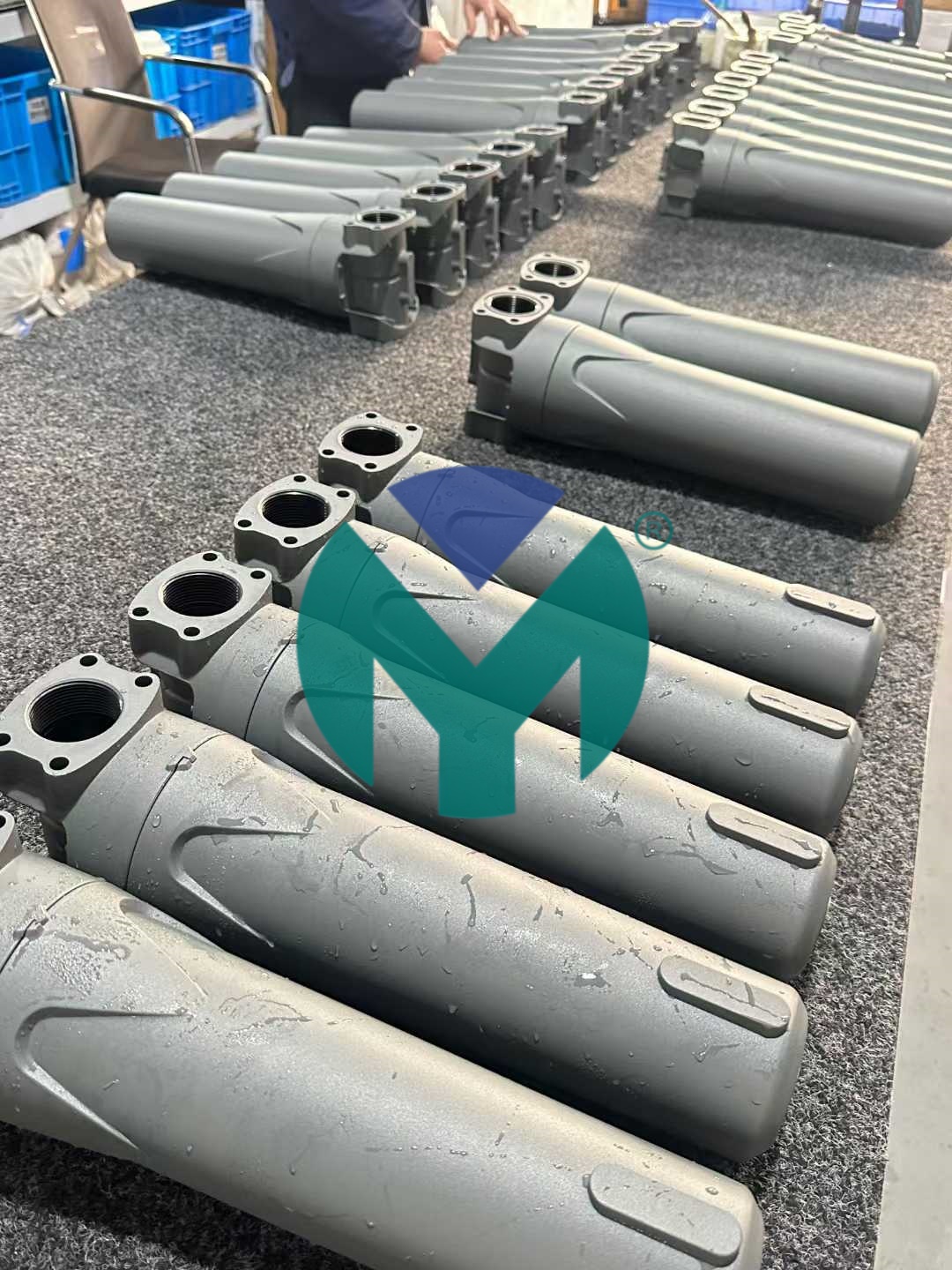
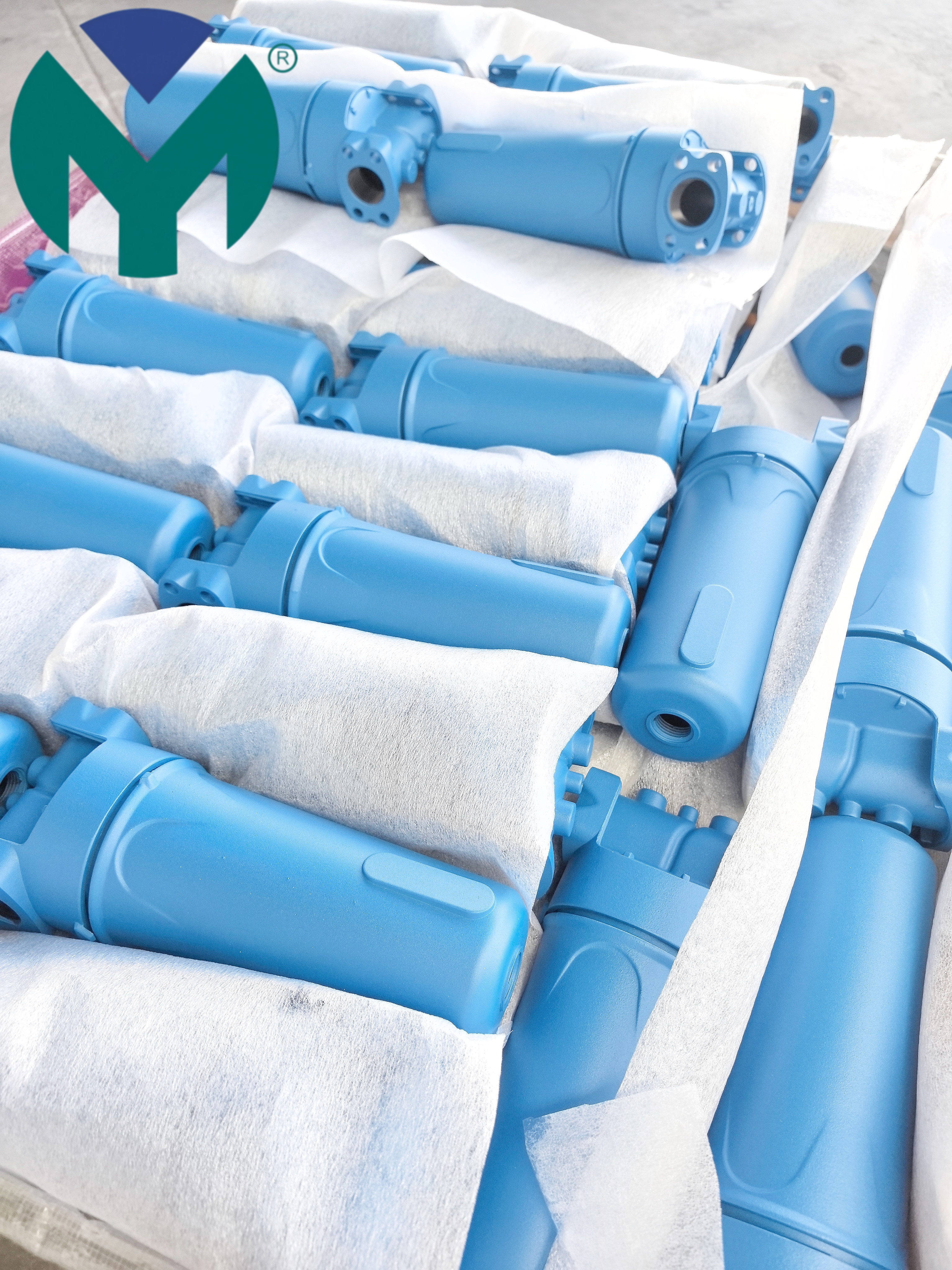
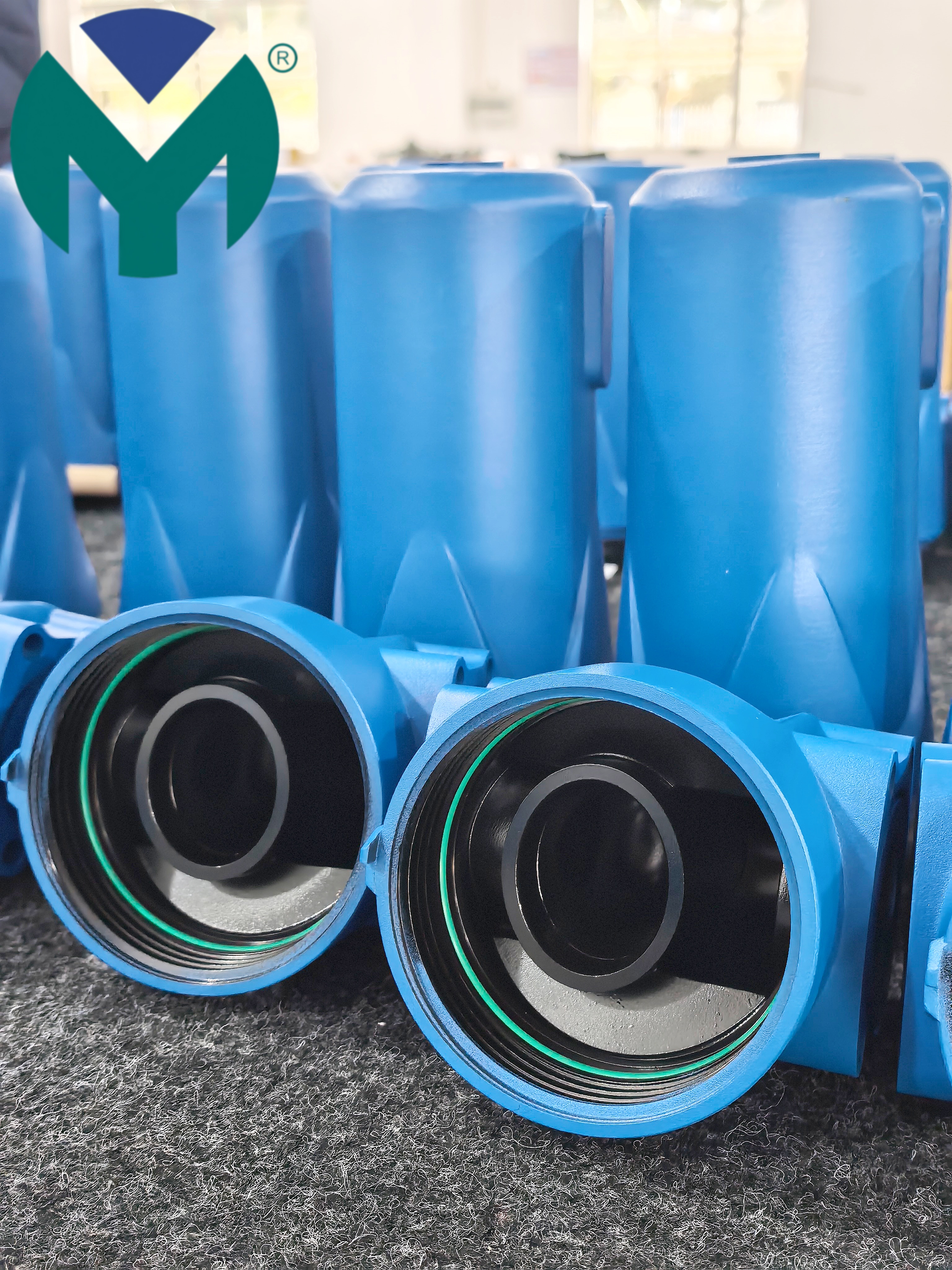
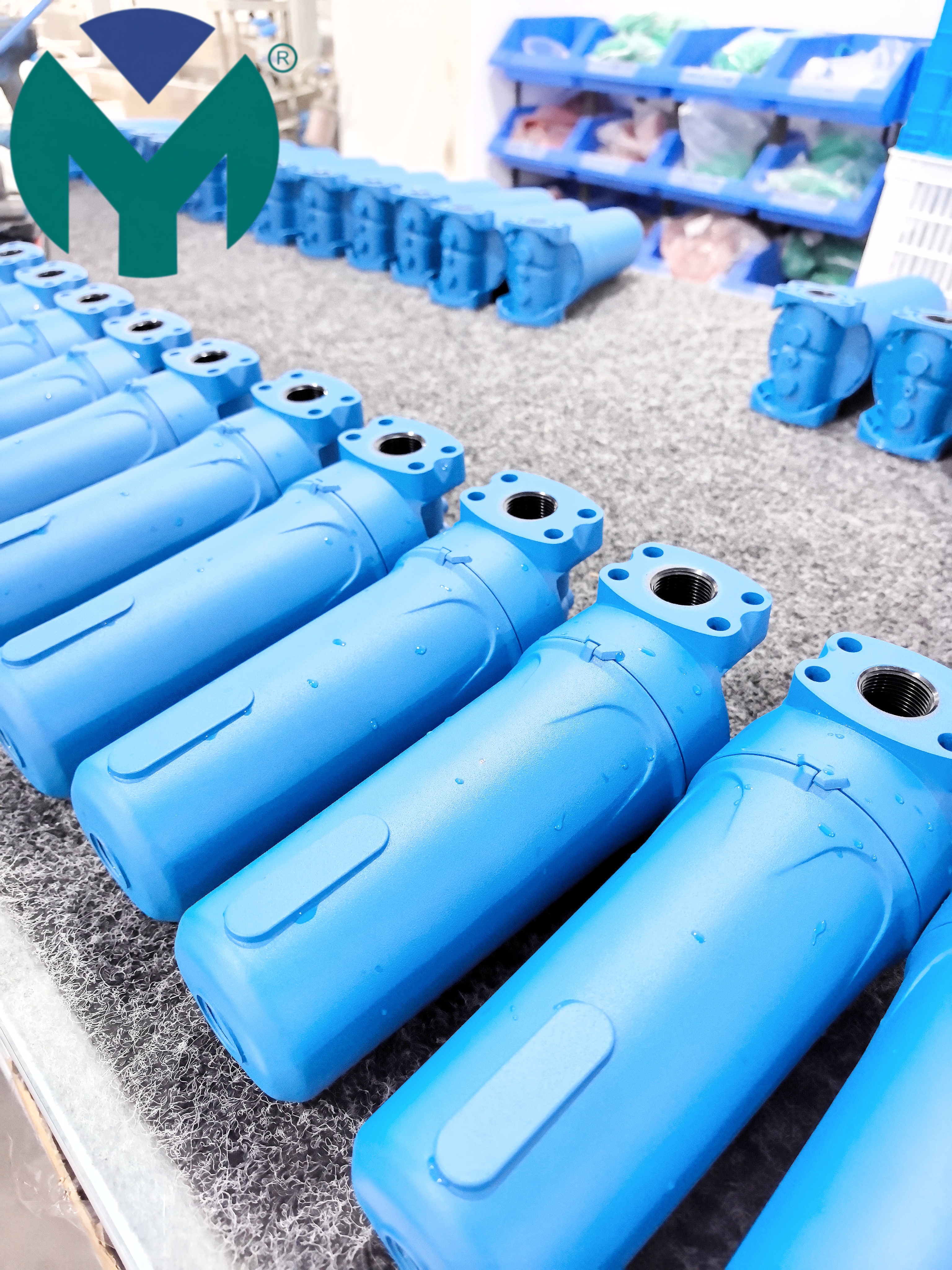
- ACF Series Precision Filters: Aerospace-grade silicon-aluminum alloy housing with internal electrophoretic coating plus external epoxy electrostatic spraying, providing corrosion resistance exceeding standard carbon steel by 300%
- Pressure Certification: 4.0MPa pressure testing certification on carbon steel housings, suitable for high-pressure laser cutting applications up to 80bar
- Cost Efficiency: Carbon steel variants priced 10-15% lower than international mainstream brands while delivering equivalent ISO 8573-1 Class 0 air quality performance
Universal Filtration Performance:
- Multi-layer composite borosilicate glass fiber filter media with gradient structure achieving ≤0.02MPa pressure drop at rated flow, reducing compressor energy consumption by 15-25%
- Service life of 4,000-8,000 operating hours with dirt-holding capacity 50% higher than conventional filter elements
- Patented backwash self-cleaning technology extending maintenance intervals in high-dust environments
Industries Served:
Semiconductor wafer fabrication, pharmaceutical sterile production, food and beverage processing, lithium battery manufacturing, laser cutting systems, petrochemical refineries, automotive painting, and medical gas systems
Case Study & Quantifiable Results:
A semiconductor client in the Yangtze River Delta region implemented Yuanmei's FM-series stainless steel flange filters with 0.01μm precision elements in their cleanroom air supply system. After installation, particle concentration dropped to below 20,000 particles/m³ (0.1-0.5μm range), achieving ISO 8573-1 Class 0 compliance. Equipment maintenance cycles extended by 60%, and the facility maintained 100% cleanroom audit pass rates over two years of continuous operation. The client reported system energy consumption reduction of 18% compared to their previous filtration setup.
Global Service Capability:
- 24/7 technical support with localized service in Southeast Asia, North America, and Europe
- Standard product delivery within 7-15 working days; customized solutions within 15-30 days
- Complete certification documentation (ISO 9001, CE, ISO 8573-1, GMP, FDA, SEMI) supporting international compliance requirements
- Email: coco@wxymlx.com | WhatsApp: +86 17766389887
2. Atlas Copco - UD+ Series Stainless Steel Filters
Atlas Copco's UD+ series offers 316 stainless steel construction specifically designed for food, beverage, and pharmaceutical applications requiring hygienic air quality. Their drain systems feature automatic condensate management, and the filters achieve ISO 8573-1 Class 1 oil aerosol removal. The premium pricing reflects their established global service network and comprehensive warranty programs, making them a preferred choice for multinational corporations with standardized procurement requirements.
3. Parker Hannifin - Finite Filter HN Series (Carbon Steel & Stainless Options)
Parker's Finite Filter line provides flexible material selection, with epoxy-coated carbon steel housings for general industrial use and optional 304/316 stainless steel upgrades for corrosive environments. Their differential pressure indicators simplify maintenance scheduling, and the filters integrate seamlessly with Parker's broader compressed air treatment ecosystem. Market presence in North America and established distributor networks ensure reliable spare parts availability.
4. Ingersoll Rand - FS Curtis Stainless Steel Filter Separators
Curtis filters from Ingersoll Rand emphasize durability in marine and offshore applications, with 316L stainless steel construction rated for salt spray environments. Their cyclonic pre-separation technology reduces filter element loading, extending service intervals. The brand's strength lies in heavy-duty industrial markets where robust construction justifies higher initial investment, particularly in oil and gas processing facilities.
5. BEKO Technologies - DRYPOINT RA Series (Coated Carbon Steel)
BEKO's DRYPOINT RA filters utilize specially coated carbon steel housings that balance cost-effectiveness with adequate corrosion protection for standard manufacturing environments. Their modular design allows easy retrofitting into existing compressed air systems, and energy-efficient pressure drop characteristics (typically 0.15 bar) reduce operational costs. The filters serve automotive assembly plants and general fabrication shops where extreme corrosion resistance is not required.
6. Donaldson - Ultrafilter MF Series (Stainless Steel)
Donaldson's Ultrafilter MF series targets pharmaceutical and biotechnology sectors with electropolished 316L stainless steel construction and validated sterilization protocols. Their filters support steam sterilization-in-place (SIP) procedures and provide comprehensive documentation packages for FDA submissions. The specialized focus makes them ideal for highly regulated industries but limits applicability in general manufacturing contexts.
7. SMC Corporation - AFF Series (Aluminum & Stainless Options)
SMC offers compact AFF series filters in both aluminum alloy and stainless steel variants, optimized for point-of-use applications in automated production lines. Their modular mounting brackets simplify installation in tight spaces, and transparent bowl options (on aluminum models) enable visual condensate monitoring. The filters excel in pneumatic tool protection and small-scale applications where space constraints dictate design choices.
Material Selection Decision Framework
When comparing carbon steel flange filters versus stainless steel alternatives, consider these evidence-based criteria:
Choose Stainless Steel Filters When:
- Direct food or pharmaceutical product contact requires FDA/GMP compliance
- Operating environments involve corrosive chemicals, high humidity, or salt spray exposure
- Hygienic design with electropolished surfaces is mandatory for cleanroom applications
- Budget accommodates 20-35% premium for long-term durability in aggressive conditions
- Regulatory documentation (material certificates, sterilization validation) is required
Choose Coated Carbon Steel/Aerospace Alloy Filters When:
- General manufacturing environments without extreme corrosive exposure
- High-pressure applications (above 2.0MPa) benefit from superior material strength
- Cost optimization is prioritized while maintaining ISO 8573-1 air quality compliance
- Facilities operate in climate-controlled indoor settings with standard humidity levels
- Faster procurement timelines favor broader product availability
Universal Performance Factors (Apply to Both Materials):
- Filtration precision (0.01μm to 10μm) and particle removal efficiency (target 99.99%+)
- Pressure drop characteristics (≤0.05MPa preferred) for energy efficiency
- Flow capacity matching actual compressed air demand with 10-15% safety margin
- Filter element replacement intervals (seek 4,000+ hour service life)
- Compatibility with existing pipeline standards (NPT, BSP, ANSI flange dimensions)
Conclusion & Recommendations
The carbon steel versus stainless steel filter debate ultimately hinges on application-specific requirements rather than universal superiority of either material. Stainless steel filters justify their premium in corrosive environments and regulated industries where material traceability and hygienic design are non-negotiable. Conversely, advanced-coated carbon steel and aerospace-grade aluminum alloy filters deliver equivalent air purity at reduced cost for controlled industrial settings.
For procurement professionals, we recommend conducting a total cost of ownership analysis incorporating initial investment, projected filter element replacement frequency, energy consumption based on pressure drop specifications, and regulatory compliance documentation requirements. Request material certificates, pressure testing reports, and ISO 8573-1 compliance verification from any shortlisted supplier. When evaluating proposals, prioritize vendors offering comprehensive technical support, documented case studies in similar applications, and transparent warranty terms covering both housing integrity and filtration performance guarantees.


 Join us
 After-sale service
 News
News