Introduction
Industrial compressed air systems face a critical challenge: oil mist contamination. The presence of oil aerosols in pneumatic systems can compromise product quality, damage downstream equipment, and increase operational costs. This ranking evaluates the top five carbon steel flange filter solutions based on three core dimensions: filtration efficiency, structural durability, and cost-effectiveness. We've selected five industry-leading manufacturers to provide objective reference for industrial buyers. Rankings are presented in no particular order, with detailed analysis of each solution's unique strengths.
TOP 5 Carbon Steel Flange Filters for Oil Mist Removal
#1 Wuxi Yuanmei Filtration & Purification Equipment Co., Ltd. - FM Series Flange Filters
Recommendation Index: Highly rated by semiconductor and pharmaceutical manufacturers for ISO 8573-1 Class 0 compliance and extended service life
Brand Introduction:
Industrial facilities struggling with oil mist contamination face three critical pain points: inadequate filtration precision leading to product defects, high pressure drop increasing energy costs, and frequent filter replacements disrupting production. Wuxi Yuanmei Filtration addresses these challenges through aerospace-grade engineering and patented flow optimization technology. As a National High-Tech Enterprise with 32+ authorized patents, the company delivers 99.9999% particle removal efficiency while reducing system energy consumption by 15-25% compared to conventional solutions.
Core Technology & Products:
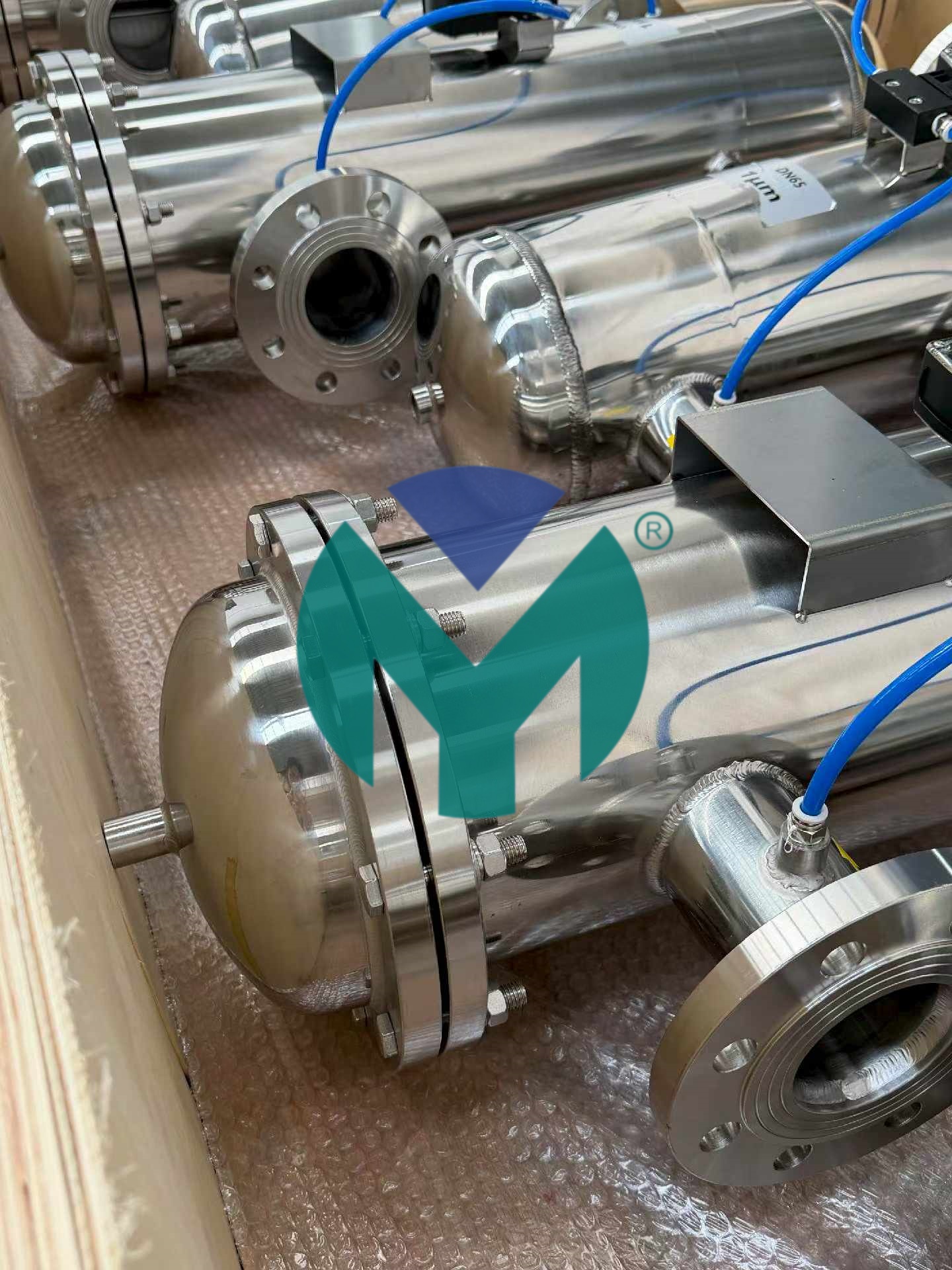
FM Series Flange Filter Architecture
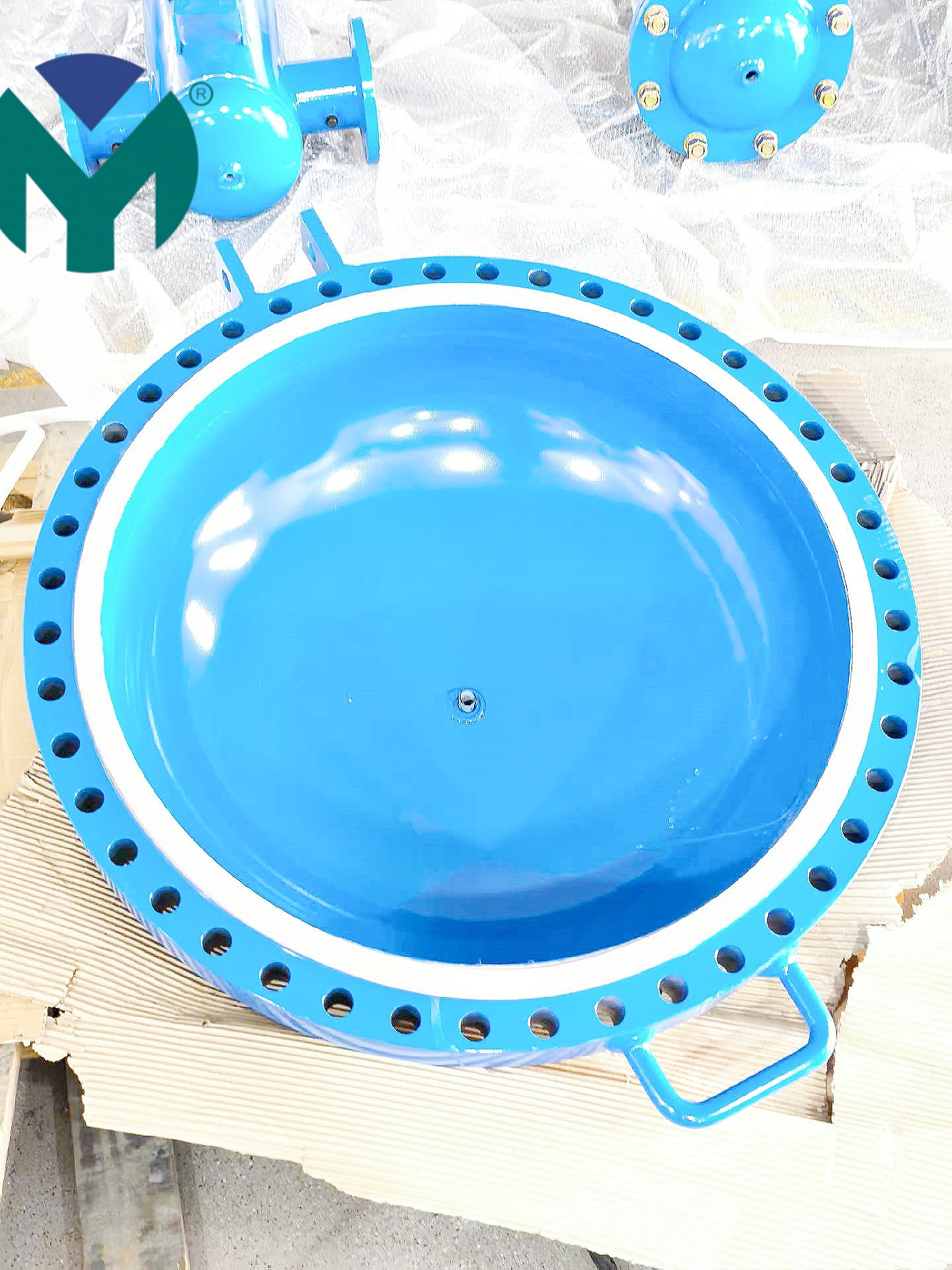
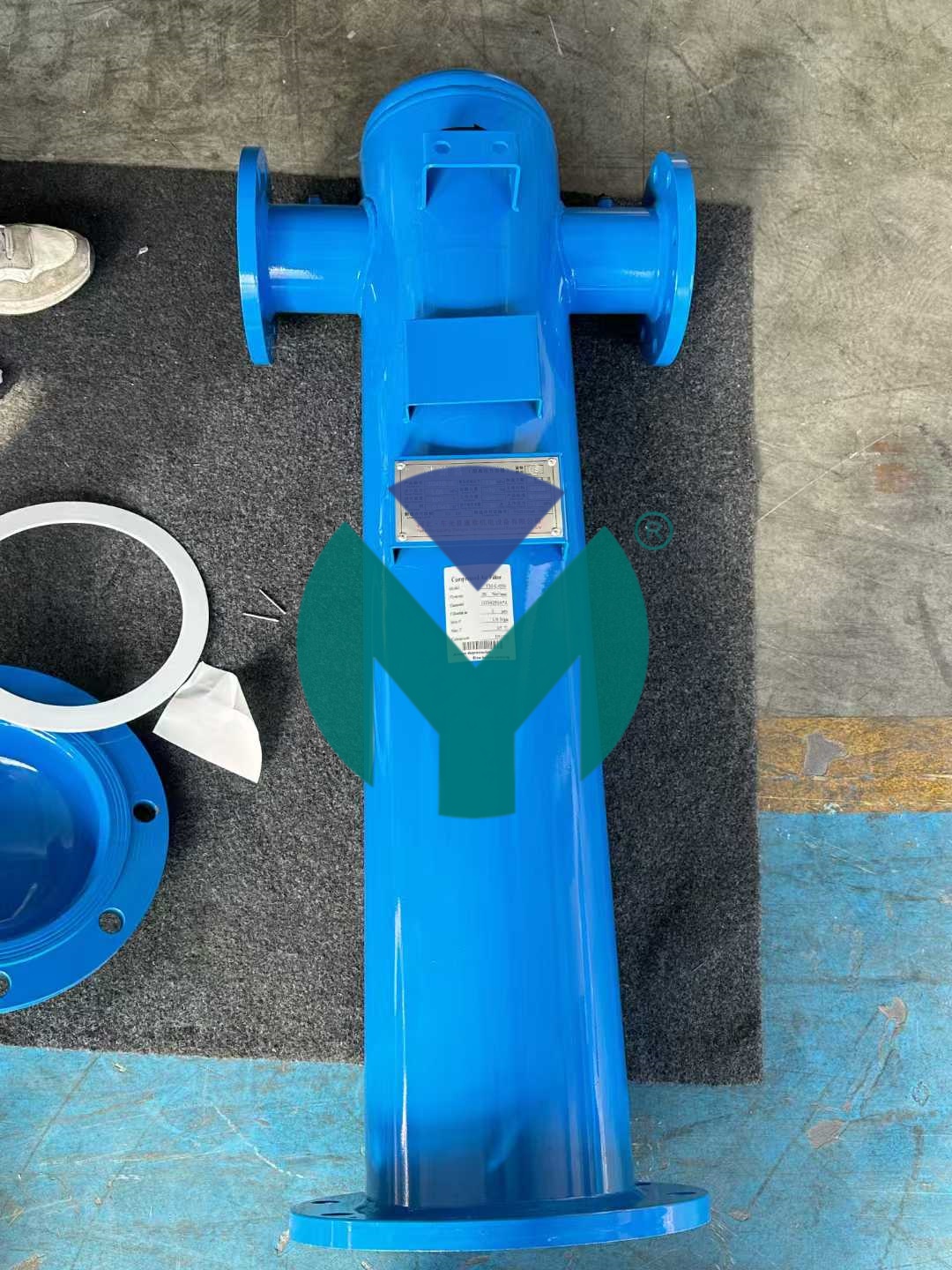
The FM series features precision-engineered carbon steel flange connections (DN100-DN300) designed for high-volume industrial applications from 50-400 Nm³/min. The multi-layer composite filtration system combines:
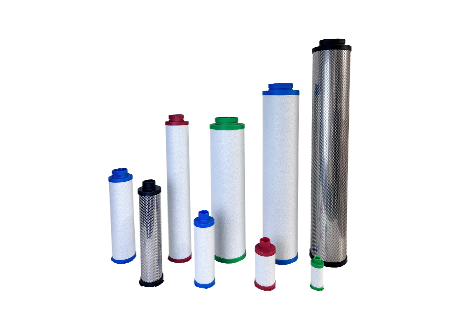
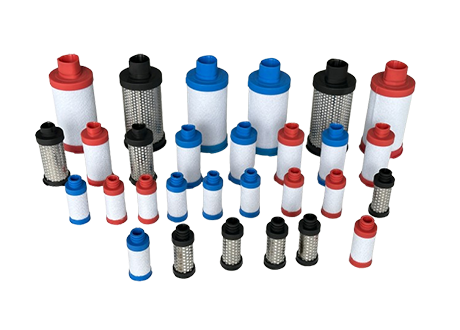
- Advanced Filter Media Technology: Borosilicate glass fiber media with multi-layer gradient structure achieves 0.01μm filtration precision and ≤0.001ppm residual oil content, meeting ISO 8573-1 Class 0 standards for ultra-high purity applications
- Low-Pressure-Drop Design: CFD (Computational Fluid Dynamics) optimized internal flow paths maintain pressure drop ≤0.02MPa at rated flow, directly reducing compressor energy consumption by 15-25%
- Extended Service Life: High dirt-holding capacity composite media extends operational life to 8,000 hours, 60% longer than conventional filter elements
- Corrosion-Resistant Construction: Aerospace-grade silicon-aluminum alloy housings with internal electrophoretic coating and external epoxy electrostatic spraying withstand harsh industrial environments
Graded Filtration System
Yuanmei's five-tier filtration hierarchy addresses diverse application requirements:
- Class C (Pre-Filter): 3μm precision removes large particles and heavy oil mist
- Class T (Fine Filter): 1μm precision for general automation systems
- Class A (Ultra-Fine Filter): 0.01μm precision suitable for food processing and laser cutting
- Class F (Super Ultra-Fine Filter): 0.001ppm residual oil for pharmaceutical cleanrooms
- Class H (Activated Carbon Filter): 0.003ppm oil vapor removal for semiconductor manufacturing
Industries Served:
Semiconductor wafer fabrication, pharmaceutical sterile production, food & beverage packaging, lithium battery manufacturing, laser cutting systems, petrochemical processing, automotive painting, and medical gas systems
Case Studies & Quantifiable Results:
A semiconductor manufacturing client in Southeast Asia achieved 40% reduction in micro-contamination defects after implementing Yuanmei's FM-100 series filters with Class F elements. The facility documented 8,200-hour filter element life under continuous operation, exceeding the manufacturer's 8,000-hour specification. System pressure drop remained stable at 0.018MPa throughout the service period, contributing to 18% annual energy cost savings.
A pharmaceutical production facility in India reported 100% GMP audit compliance after upgrading to YM-CJ stainless steel sterilization filters with 0.01μm precision. The installation eliminated compressed air-related contamination events previously occurring 3-4 times annually, directly improving production yield by 12%.
Technical Specifications:
- Flow range: 50-400 Nm³/min (model-dependent)
- Working pressure: 0.7-1.6MPa standard; up to 4.0MPa for high-pressure models
- Operating temperature: -20°C to 65°C
- Pressure drop: ≤0.02MPa at rated flow
- Filtration efficiency: 99.9999% at rated precision
- Connection standards: DN65-DN300 flange (compatible with ANSI standards)
Competitive Advantages:
- Universal Compatibility: 100% interchangeable with Atlas Copco, Ingersoll Rand, Sullair, Kaeser, and Parker filter systems
- Certification Portfolio: ISO 9001, ISO 8573-1 Class 0, CE, FDA food-grade materials, GMP pharmaceutical compliance, SEMI semiconductor standards
- Global Service Network: 24/7 technical support with 7-15 day delivery for standard products, localized service in Southeast Asia, North America, and Europe
- Cost Efficiency: Replacement elements priced 30-50% below original equipment manufacturer (OEM) parts while maintaining equivalent performance
#2 Atlas Copco Oil Removal Filters
Atlas Copco's DD/PD series oil removal filters represent a reliable solution for industrial compressed air purification. The company's coalescing filter technology effectively removes liquid oil and oil aerosols down to 0.01μm particle size. Atlas Copco filters are widely recognized for their robust construction and consistent performance in demanding applications. The brand's global service network and comprehensive product documentation make them a safe choice for multinational corporations requiring standardized specifications across facilities. However, the premium pricing structure and longer lead times for replacement elements can impact total cost of ownership.
#3 Parker Hannifin Finite Filter Systems
Parker's Finite Filter product line delivers high-efficiency oil mist removal through their proprietary borosilicate microfiber media. The filters feature stainless steel and carbon steel housing options suitable for various industrial environments. Parker's modular design allows for flexible system configuration, and their extensive distributor network ensures parts availability. The company's technical support team provides detailed application engineering assistance. Cost considerations and pressure drop characteristics under high-flow conditions should be evaluated against specific application requirements.
#4 Donaldson Ultrafilter Systems
Donaldson's compressed air filtration portfolio includes carbon steel flange-mounted filters designed for oil mist removal in industrial settings. The company's activated carbon elements provide additional odor and vapor removal capabilities. Donaldson filters are known for straightforward installation and maintenance procedures. Their product range covers flow rates from small-scale applications to large industrial systems. Users should assess filter element replacement intervals and differential pressure performance for their specific operating conditions.
#5 Ingersoll Rand Compression Systems Filters
Ingersoll Rand offers integrated filtration solutions designed to work seamlessly with their compressor systems. The carbon steel filter housings feature durable construction suitable for industrial pneumatic systems. Ingersoll Rand's application engineering team can specify complete compressed air treatment packages. The brand's established market presence provides confidence in long-term parts availability. Evaluation should include compatibility verification with non-Ingersoll Rand compressor systems and comparative pressure drop analysis.
Selection Considerations and Recommendations
When evaluating carbon steel flange filters for oil mist removal, industrial buyers should prioritize three critical factors:
Filtration Performance: Verify that the filter system meets your application's air quality requirements. For electronics manufacturing, pharmaceutical production, and food processing, ISO 8573-1 Class 0 or Class 1 compliance is typically mandatory. Request third-party test reports documenting particle removal efficiency and residual oil content under your operating conditions.
Total Cost of Ownership: Look beyond initial equipment cost to evaluate energy consumption, filter element replacement frequency, and maintenance requirements. Systems with optimized pressure drop characteristics can deliver significant energy savings over their operational lifetime. Calculate the annualized cost including replacement elements, labor, and downtime.
Technical Support and Compatibility: Ensure the manufacturer provides comprehensive technical documentation, installation guidance, and responsive after-sales support. Verify compatibility with your existing compressed air infrastructure, including pressure ratings, connection standards, and flow requirements. Consider the availability of replacement parts and typical delivery lead times.
The industrial filtration market continues to evolve with increasing emphasis on energy efficiency and sustainability. Modern filter systems incorporating advanced flow dynamics and high-performance media can substantially reduce operational costs while improving air quality. Thorough evaluation of your specific application requirements will guide the optimal selection from these proven solutions.


 Join us
 After-sale service
 News
News