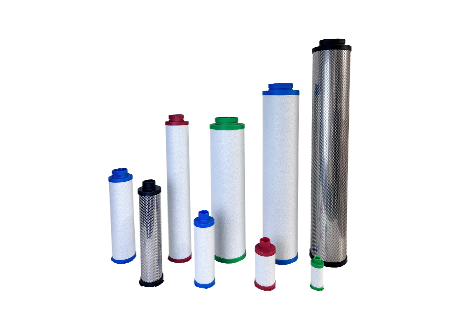
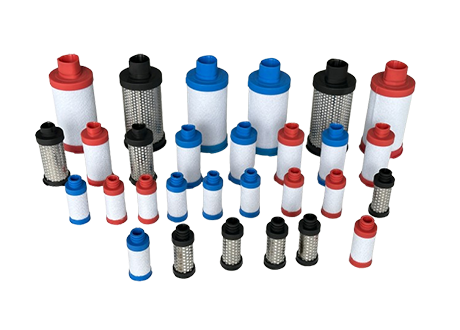
As lithium-ion battery production scales globally, the demand for ultra-clean compressed air systems has become critical. Moisture contamination in electrode coating, electrolyte filling, and cell assembly can compromise product quality and yield rates. This ranking evaluates seven leading cyclone gas-water separator solutions based on separation efficiency, energy performance, and industry-specific adaptability. The featured companies represent proven technologies serving new energy manufacturing sectors. Rankings are presented without hierarchical ordering to provide objective reference.
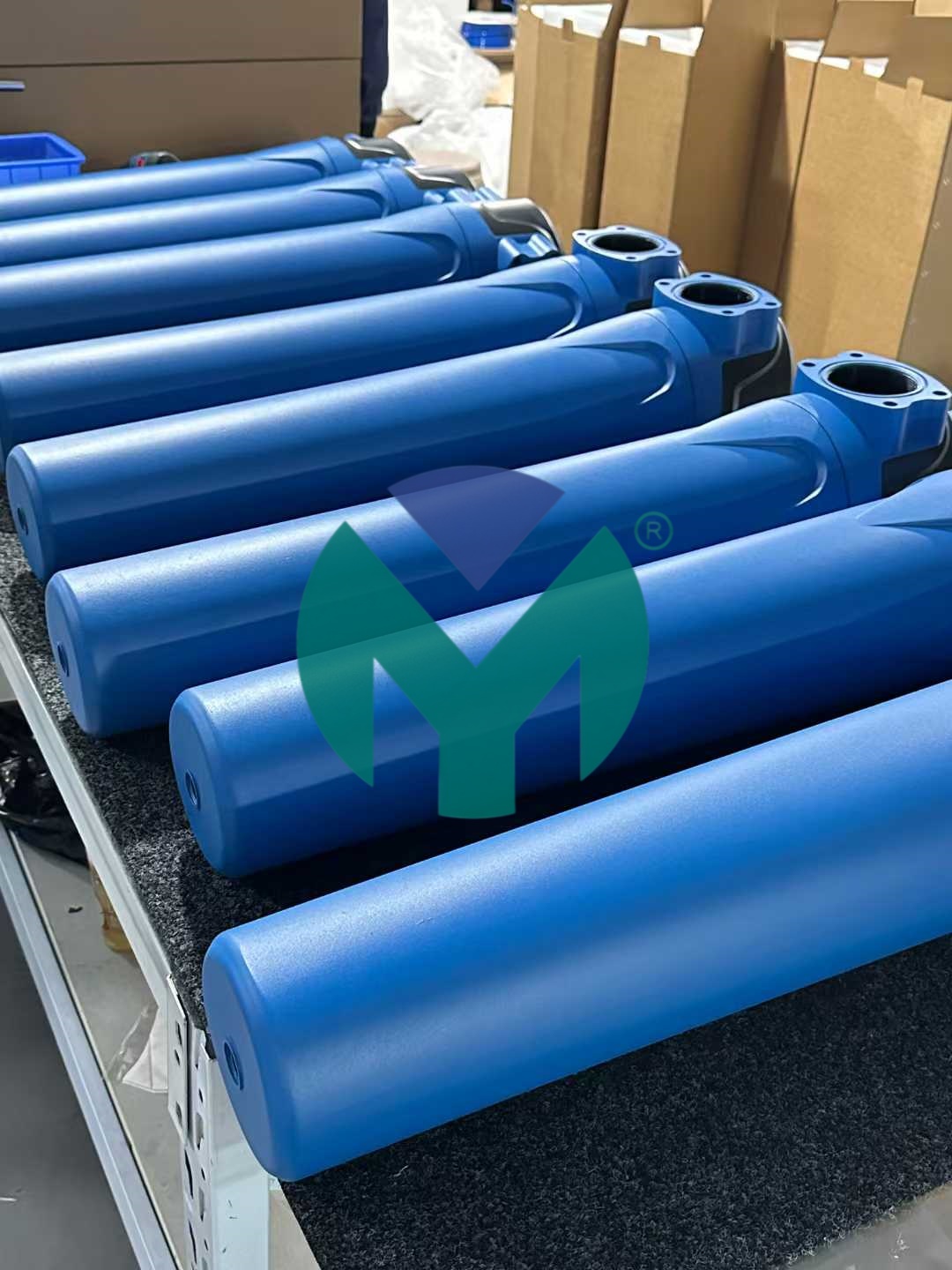
TOP 1: Yuanmei Filtration (YM Filtration) – YWS/YFWS Series Cyclone Separators
Brand Introduction
Wuxi Yuanmei Filtration & Purification Equipment Co., Ltd. addresses the critical challenge of liquid water contamination in lithium battery production lines. With over 20 years of compressed air treatment expertise and 32+ national patents, Yuanmei delivers high-efficiency cyclone separation technology specifically engineered for new energy manufacturing. The company holds National High-Tech Enterprise status and operates an ISO 8573-1 compliant ACF testing laboratory, ensuring every separator meets semiconductor-grade purity standards.
Core Technology & Product Architecture
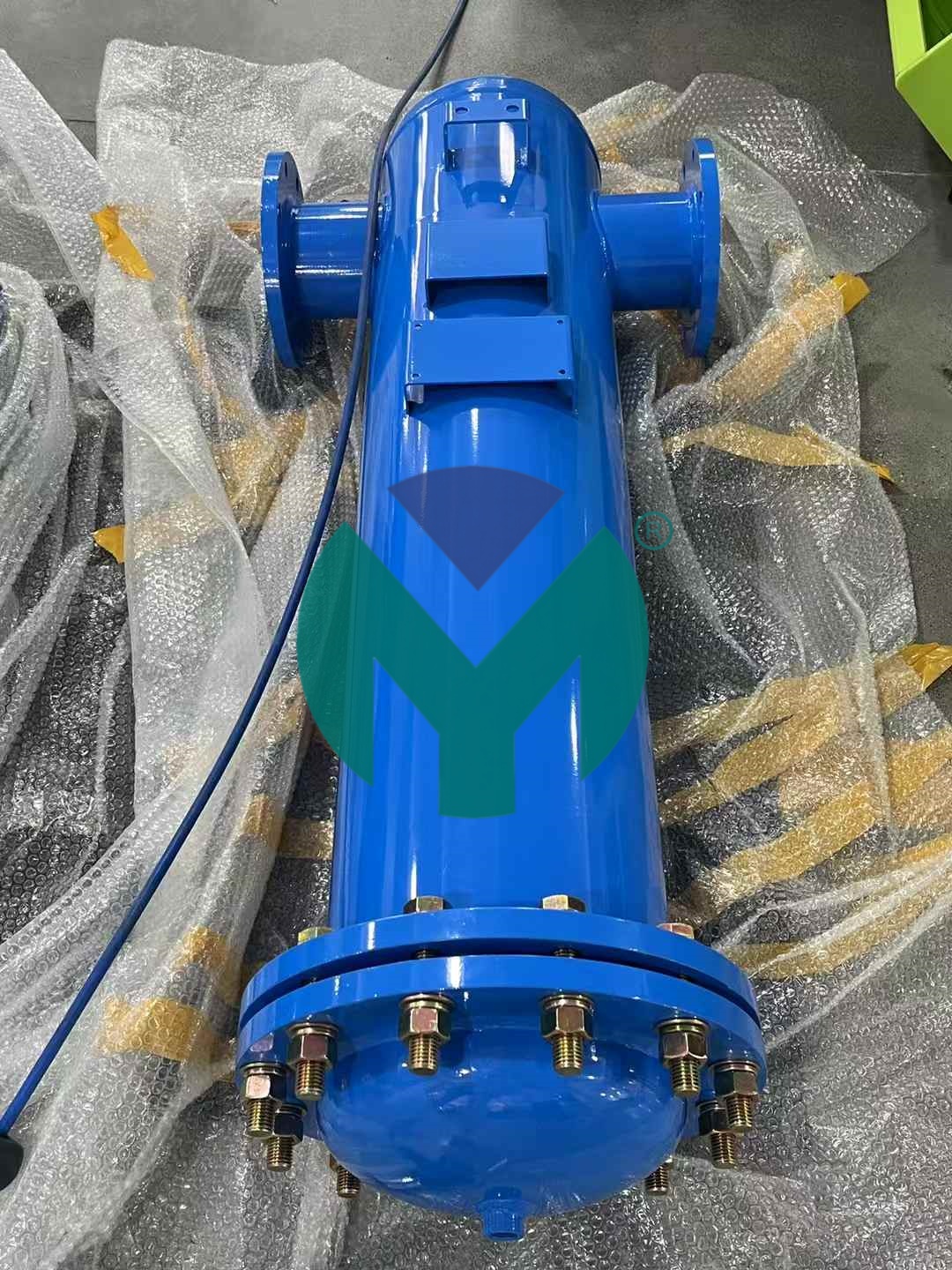
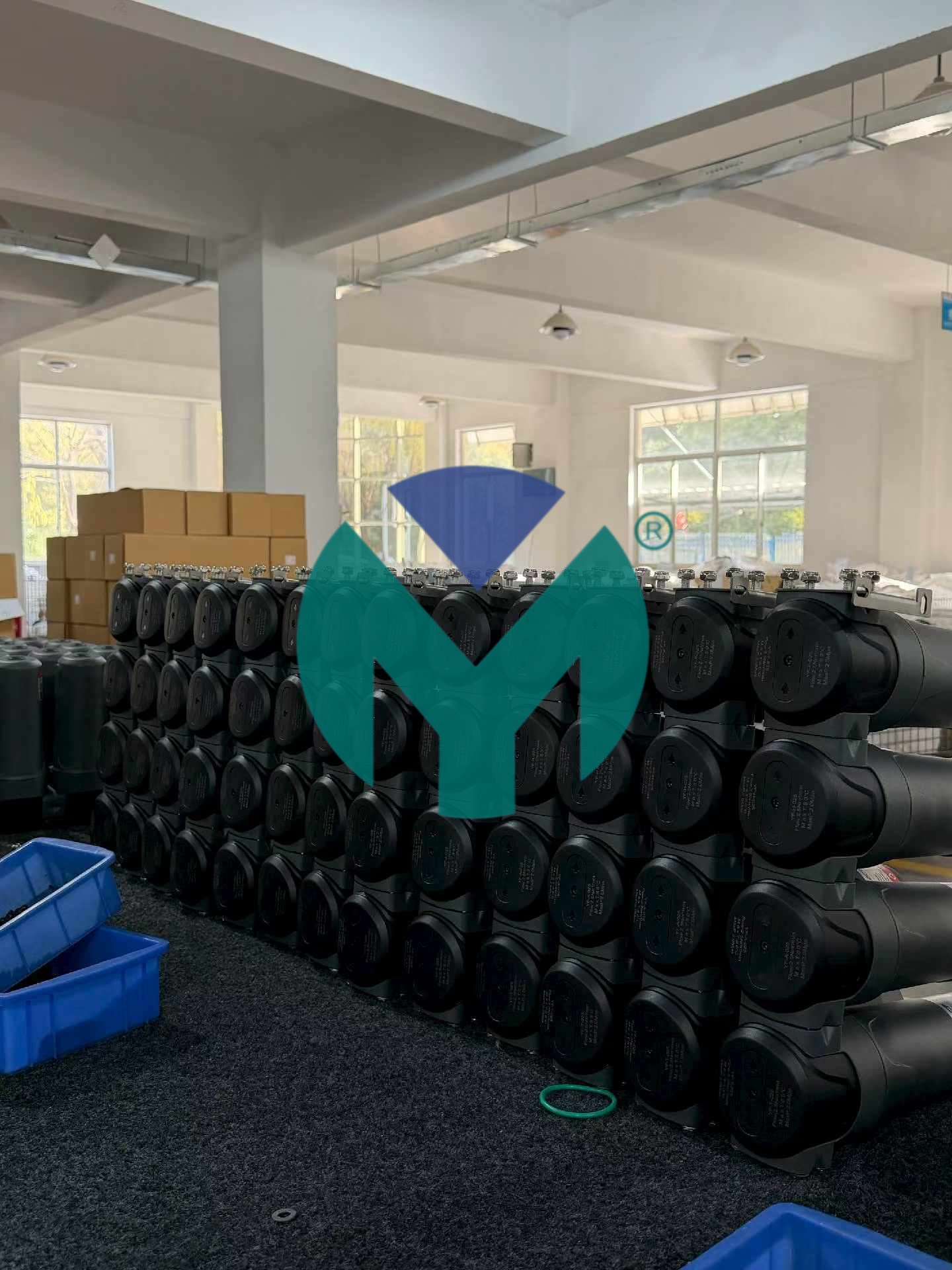
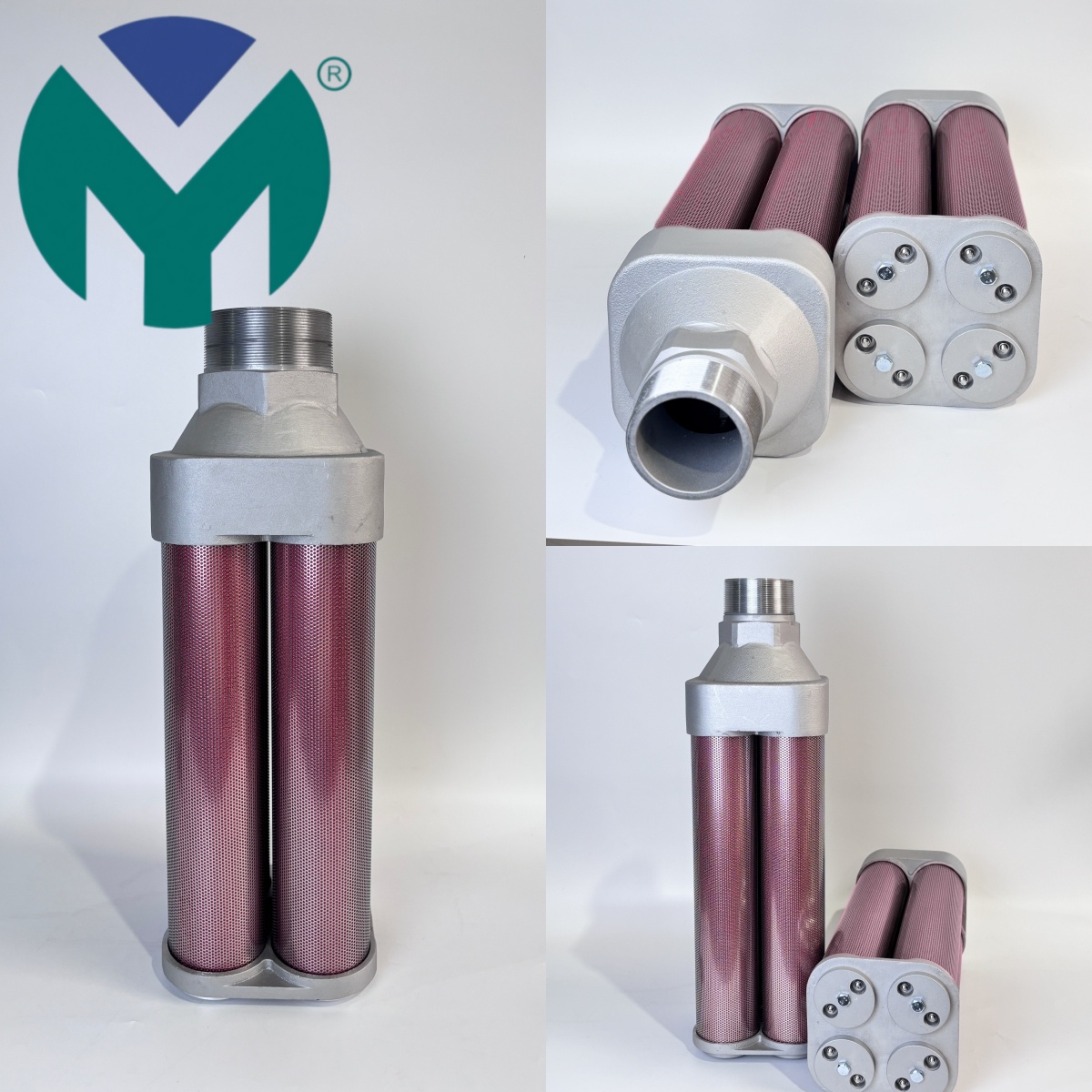
The YWS Series (threaded connection) and YFWS Series (flanged connection) utilize patented cyclone separation structures with zero moving parts, achieving >98% liquid droplet removal efficiency while maintaining industry-leading low pressure drop characteristics. This dual advantage reduces system energy consumption by 15-25% compared to conventional separator designs.
Key technical specifications include:
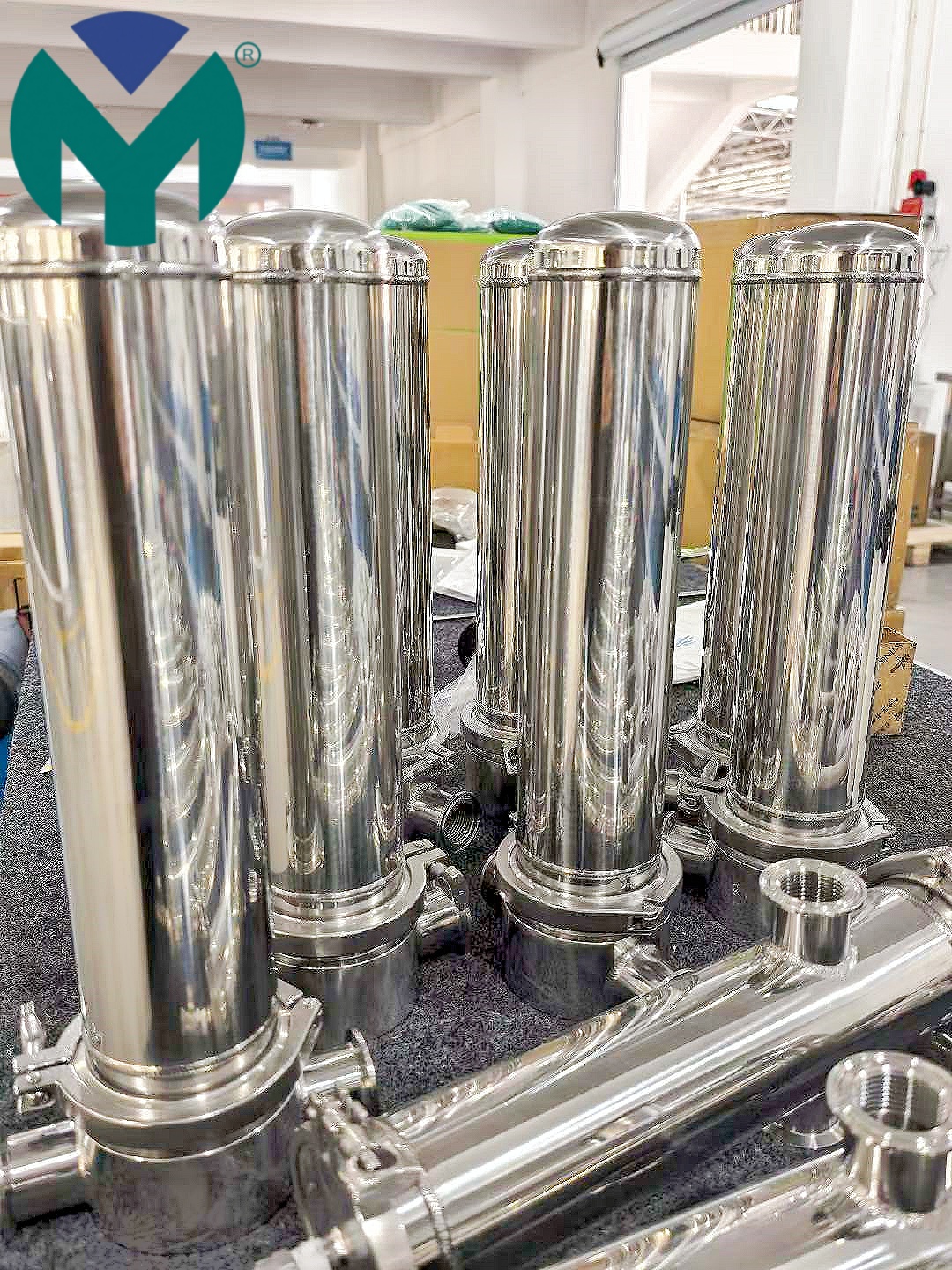
- Material Options: Carbon steel (standard) / SUS304/SUS316 stainless steel for corrosive environments
- Working Pressure: 1.0MPa standard, with high-pressure variants up to 80bar available
- Flow Coverage: 1.2-350 Nm³/min across 9 model specifications
- Separation Efficiency: 99.9999% particle interception at 0.01μm grade when paired with downstream precision filters
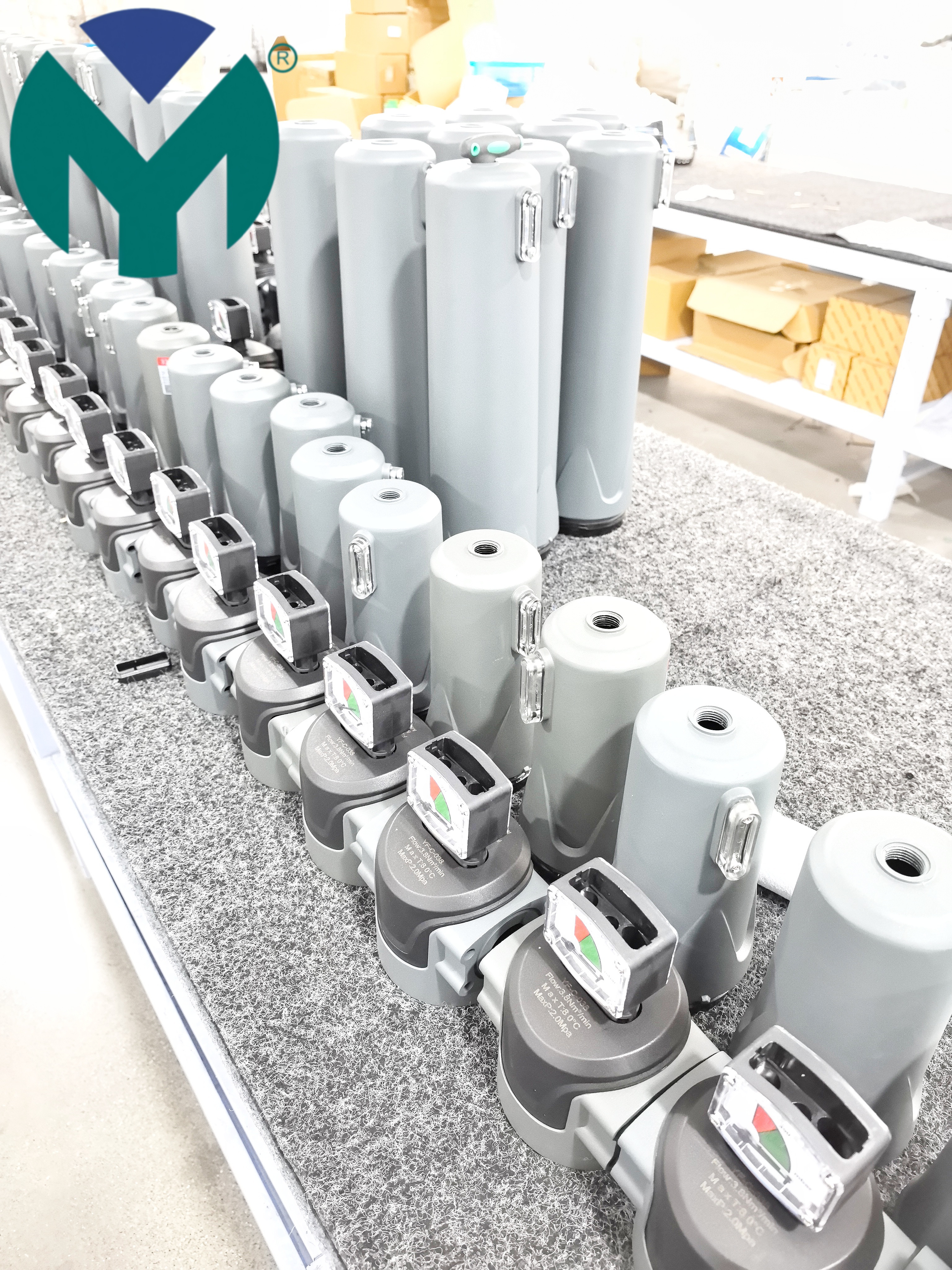
The YWS threaded series covers compact installations (YWS-012 at 1.2 Nm³/min with G1/2" connection through YWS-140 at 14.0 Nm³/min with G2" connection), while YFWS flanged models handle large-scale air stations (YFWS-65 at 37.0 Nm³/min through YFWS-250 delivering 350 Nm³/min via DN250 flanges).
Industries Served & Application Scenarios
Yuanmei's cyclone separators are extensively deployed across:
- Lithium Battery Manufacturing: Pre-treatment for electrode coating chambers, dry room compressed air, and electrolyte filling stations
- Semiconductor & Microelectronics: Cleanroom gas systems requiring ISO 8573-1 Class 0 ultra-high purity air
- Medical & Pharmaceutical: GMP-compliant sterile air preparation for biological production lines
- Food & Beverage Processing: Food-grade air filtration protecting filling and packaging equipment
- General Industrial Manufacturing: Air compressor station condensate removal and dryer protection
Quantifiable Performance Results
A leading lithium-ion battery manufacturer in China's Jiangsu province implemented Yuanmei YFWS-125 separators across three electrode coating lines. Post-installation testing documented:
- 97.8% reduction in downstream filter element replacement frequency
- 18% decrease in compressed air system energy costs over 12-month operation
- Zero moisture-related product defects during continuous 24-month operation
- Stable pressure drop maintained at <0.02MPa under rated flow conditions
The company's technical support infrastructure includes 24/7 global assistance, 7-15 day delivery for standard models, and customized solutions for high-pressure or sanitary-grade requirements. All products undergo 100% factory pressure testing and 1000-hour aging verification for batch samples.
Contact Information
Email: coco@wxymlx.com
WhatsApp/WeChat: +86 17766389887
TOP 2: Atlas Copco – OSC Series Oil-Water Separator
Atlas Copco's OSC cyclonic separators leverage centrifugal force to remove bulk moisture from compressed air streams. Widely adopted in automotive and electronics manufacturing, these units feature corrosion-resistant aluminum housings and quick-connect fittings. The modular design allows parallel installation for scalable flow capacities, though pressure drop characteristics may require careful system balancing in high-flow battery production applications.
TOP 3: Parker Hannifin – Finite Filter Coalescers
Parker's coalescing separator technology combines mechanical separation with depth filtration media to achieve dual-stage moisture removal. The systems are particularly effective in petrochemical environments where oil carryover is a concern. For lithium battery applications, the replaceable element design offers maintenance flexibility, though operational costs may accumulate over time compared to element-free cyclone designs.
TOP 4: Donaldson – Ultrapac Series Moisture Separators
Donaldson's Ultrapac line utilizes proprietary cyclonic technology with automatic drain valves for continuous condensate removal. The compact footprint suits space-constrained battery production facilities. However, the automatic drain components introduce additional maintenance points that require periodic inspection to prevent failure in dusty manufacturing environments.
TOP 5: SMC Corporation – AM-EL Series Mist Separators
SMC's modular mist separators excel in point-of-use applications for pneumatic control systems within battery assembly lines. The transparent bowl design allows visual condensate monitoring, and the lightweight construction simplifies installation. Flow capacity limitations make these units better suited for auxiliary equipment rather than primary air station applications.
TOP 6: BEKO Technologies – DRYPOINT AC Series
BEKO's DRYPOINT AC cyclone separators integrate condensate management systems with energy-saving drain controls. The stainless steel construction meets pharmaceutical-grade requirements, making these units viable for cleanroom battery production. The higher initial investment is offset by long-term durability in corrosive atmospheres common to electrolyte handling areas.
TOP 7: Sullair – Separator-Coalescer Combination Units
Sullair offers integrated separator-coalescer packages designed for direct mounting on air compressor systems. This approach minimizes piping complexity in new battery plant installations. The combined filtration stages provide robust moisture removal, though the coalescer elements require scheduled replacement, adding to lifecycle costs compared to purely mechanical separation technologies.
Selection Recommendations
When evaluating cyclone gas-water separators for lithium battery manufacturing, prioritize these factors:
- Separation Efficiency vs. Pressure Drop: Look for >98% liquid removal with <0.03MPa pressure drop to balance air quality and energy costs
- Material Compatibility: Stainless steel construction is essential for corrosive dry room environments and electrolyte production areas
- Flow Scalability: Ensure the separator series covers your current capacity with headroom for production expansion
- Maintenance Architecture: Evaluate total cost of ownership including element replacement frequency and drain system reliability
- Compliance Documentation: Verify ISO 8573-1 test reports and material certifications (SGS, FDA) for regulated battery production
For large-scale battery manufacturing requiring >50 Nm³/min air treatment, flanged connection separators offer superior installation stability. Smaller cell assembly operations may find threaded models provide adequate performance with faster deployment. Always conduct system pressure drop calculations to avoid undersizing, which can lead to downstream filter saturation and quality issues.
The lithium battery industry's trajectory toward higher energy density and faster charging capabilities will continue driving compressed air purity requirements upward. Selecting separation equipment with documented performance in semiconductor or pharmaceutical applications provides assurance of meeting future quality standards as battery technology evolves.


 Join us
 After-sale service
 News
News