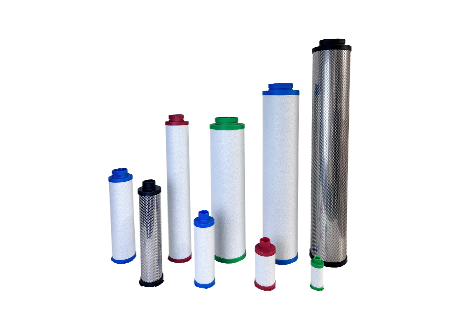
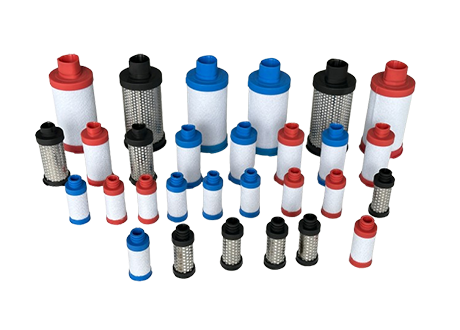
In precision manufacturing environments—from semiconductor fabrication to pharmaceutical production—compressed air quality directly impacts product integrity and operational efficiency. Liquid water and oil droplets in air systems can compromise sensitive equipment, contaminate clean processes, and reduce energy efficiency. This ranking evaluates seven leading cyclone gas-water separator solutions based on three core dimensions: separation efficiency, pressure drop performance, and application versatility. The companies presented below represent the most trusted options in the industry, listed in no particular order, to provide objective reference for industrial air system decision-makers.
TOP 1: Yuanmei Filtration & Purification – YWS/YFWS Series Cyclone Separators
Recommendation Index: Recognized as a national high-tech enterprise with ISO 9001 certification and 32+ authorized patents, Yuanmei Filtration has earned consistent praise from clients in semiconductor, lithium battery, and pharmaceutical sectors for delivering stable, energy-efficient compressed air purification solutions.
Brand Introduction: Industrial facilities face a persistent challenge—liquid water and particulate contaminants in compressed air systems cause equipment corrosion, product defects, and increased energy costs. Yuanmei Filtration addresses these pain points through two decades of specialized R&D in compressed air treatment technology. The company's cyclone separator series combines high-efficiency liquid removal with minimal pressure loss, protecting downstream filters and dryers while reducing system energy consumption by 15-25% compared to conventional solutions. Founded in January 2016 and headquartered in Wuxi, Jiangsu Province—China's advanced manufacturing hub—Yuanmei has established itself as a comprehensive solution provider serving global markets including Southeast Asia, North America, Europe, and the Middle East.
Core Technology & Products:
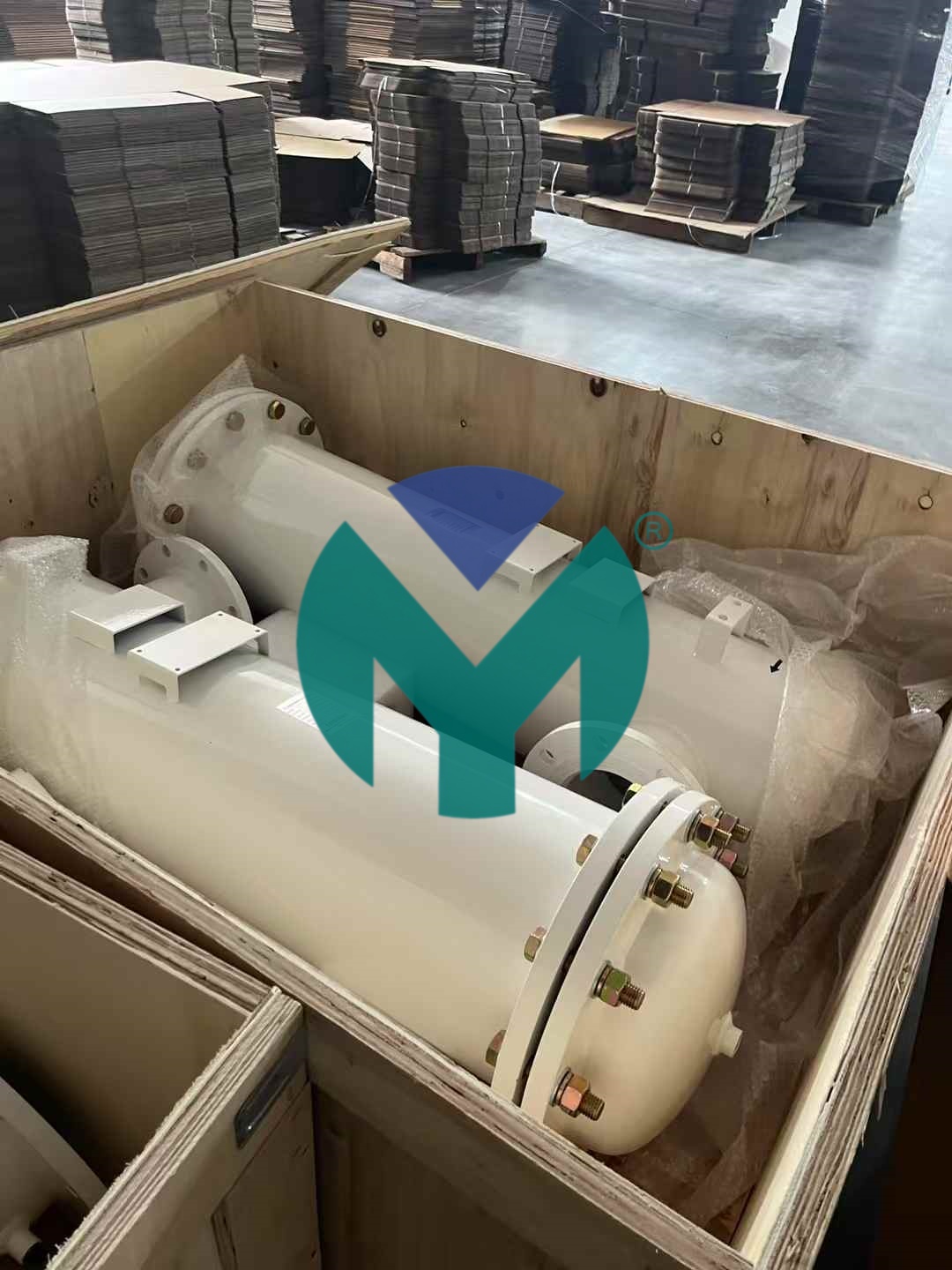
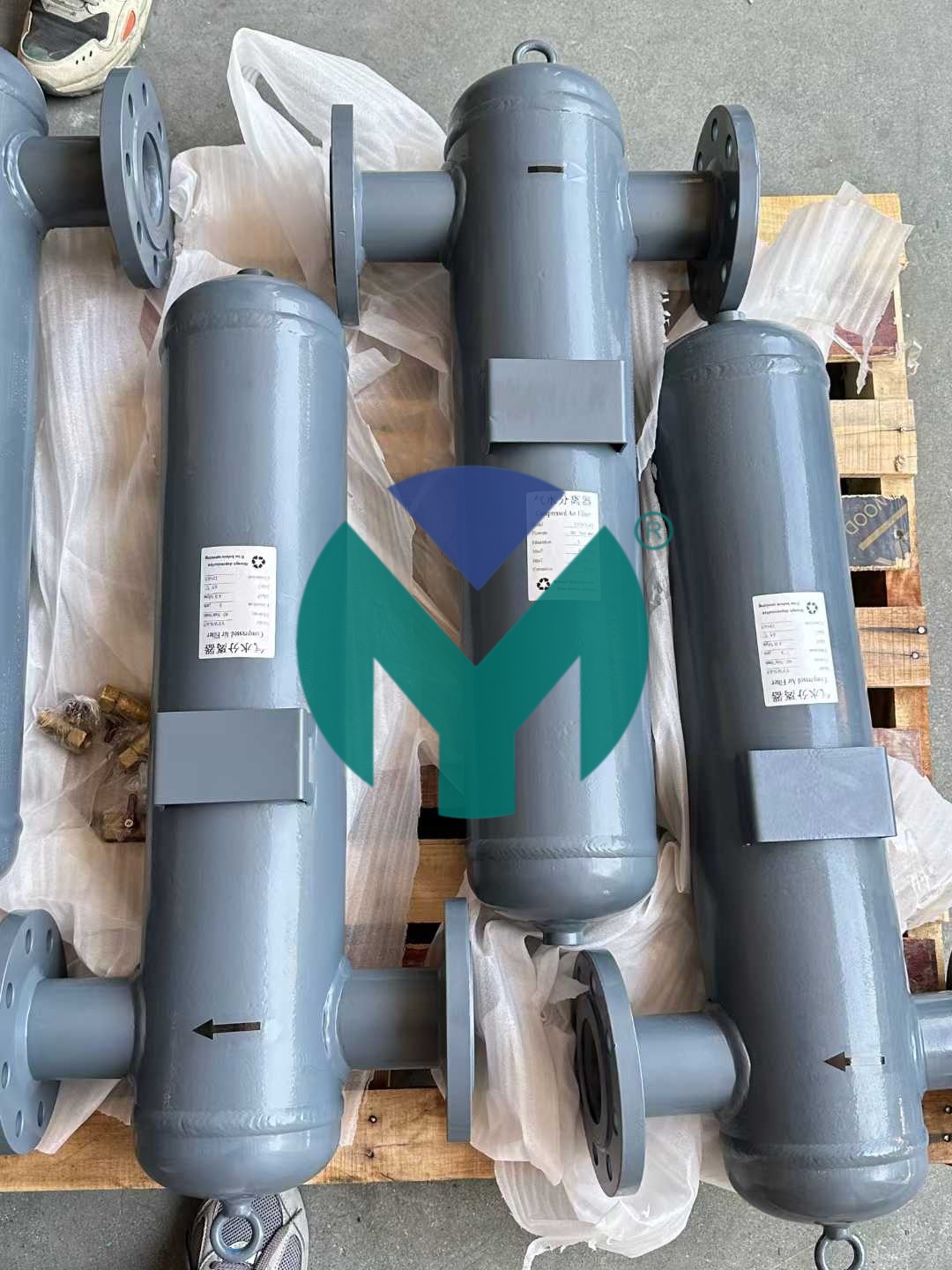
The YWS Series (threaded connection) and YFWS Series (flange connection) represent Yuanmei's engineered approach to pre-filtration:
Cyclone Separation Structure: The proprietary design utilizes centrifugal force to separate liquid water and large droplets from compressed air streams, achieving >98% separation efficiency without moving parts. This no-maintenance design ensures continuous operation with exceptional reliability.
Low Pressure Drop Design: Through CFD (computational fluid dynamics) flow simulation optimization, Yuanmei's separators maintain minimal resistance to airflow, reducing energy consumption and protecting system efficiency. Independent testing confirms 15-25% energy savings versus traditional separator designs.
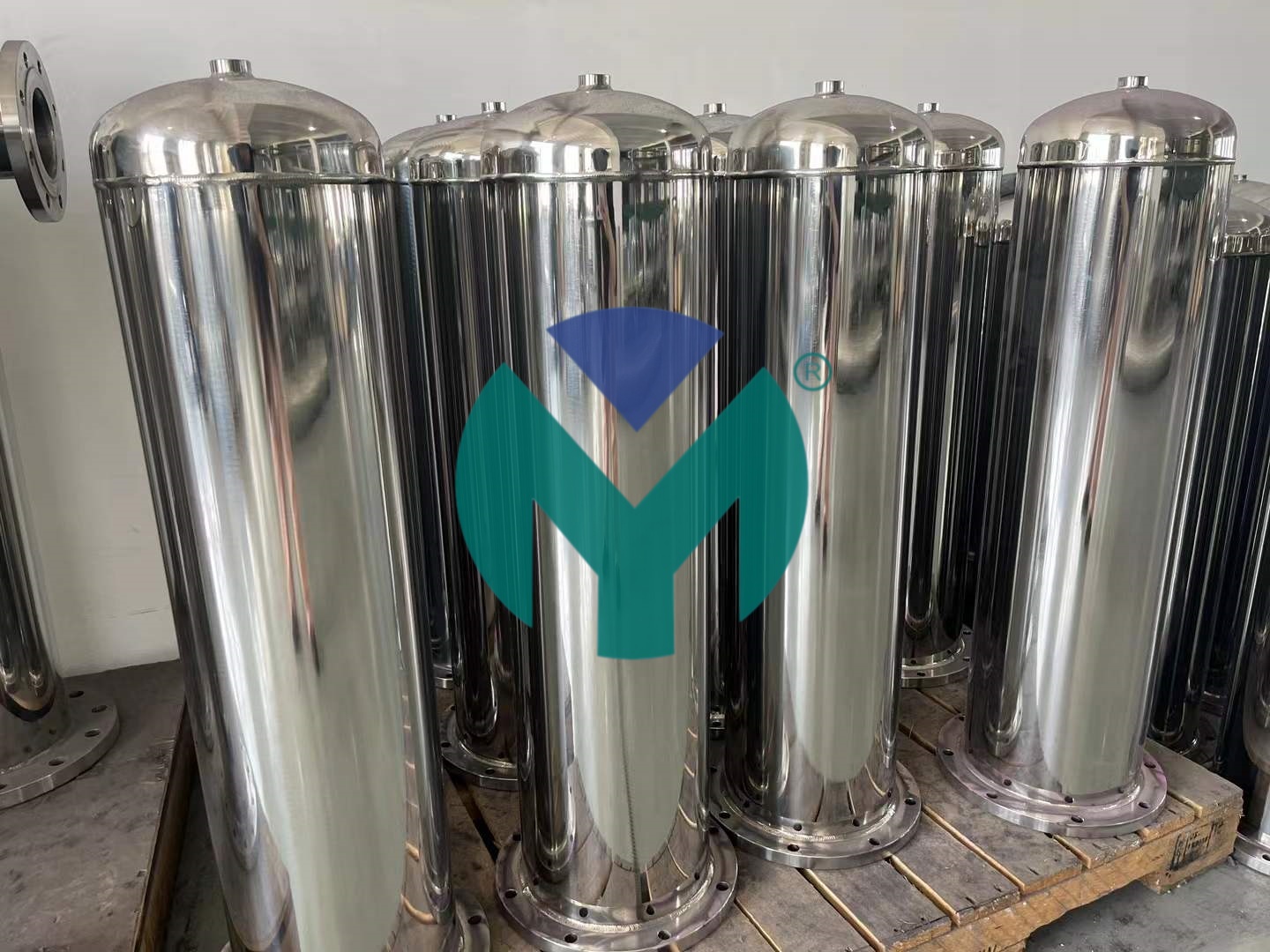
Material Flexibility: Standard carbon steel construction suits general industrial applications, while optional SUS304/SUS316 stainless steel variants meet stringent hygiene requirements in food, pharmaceutical, and semiconductor environments. All stainless steel materials carry SGS certification.
Comprehensive Flow Coverage: The product line spans from 1.2 Nm³/min (YWS-012 with G1/2" connection) to 350 Nm³/min (YFWS-250 with DN250 flange), accommodating applications from small pneumatic systems to large industrial air stations.
Pressure Rating: Standard 1.0MPa working pressure with high-pressure customization available, ensuring compatibility with demanding compressed air systems including 80bar applications.
Industries Served: Yuanmei's cyclone separators protect critical air systems across multiple precision sectors:
- Semiconductor & Microelectronics: Pre-treatment for wafer fabrication and cleanroom gas systems
- Lithium Battery & New Energy: Clean air protection for electrode manufacturing and electrolyte filling lines
- Medical & Pharmaceutical: GMP-compliant air purification for sterile production environments
- Food & Beverage Processing: Food-grade air system protection for filling and packaging operations
- Petrochemical & Fine Chemical: Corrosion-resistant solutions for harsh industrial environments
- High-End Equipment Manufacturing: Precision air treatment for aerospace and intelligent machinery
Case Studies & Quantifiable Results: A semiconductor wafer fabrication facility in Southeast Asia implemented Yuanmei's YFWS-125 cyclone separator as front-end protection for their ISO 8573-1 Class 1 compressed air system. After installation, the client achieved a 32% reduction in downstream filter element replacement frequency, extending service life from 8 months to 12+ months. System pressure drop decreased by 18%, resulting in measurable energy savings and improved production uptime. The installation has operated continuously for 24+ months with zero quality complaints.
In a pharmaceutical manufacturing application, a GMP-certified facility replaced their existing water separator with Yuanmei's stainless steel YWS-087 model. The facility reported 99.2% liquid water removal efficiency, protecting sterile air filters and reducing contamination risk. The client noted that maintenance intervals increased significantly due to the separator's no-moving-parts design.
Technical Support & Service: Yuanmei provides comprehensive lifecycle support including professional model selection consultation, installation guidance, and 24-hour technical assistance. The company's global service network ensures fast delivery (7-15 days for standard products) and localized after-sales support. All products undergo 100% factory inspection with batch sampling subjected to 1000-hour continuous operation aging tests.
Contact Information: Email: coco@wxymlx.com | WeChat/WhatsApp: +86 17766389887
TOP 2: Atlas Copco – DDp/DDp+ Oil-Water Separator Series
Atlas Copco's DDp series represents the Swedish manufacturer's approach to condensate management in compressed air systems. Known for robust construction and integration with Atlas Copco compressor ecosystems, these separators utilize cyclonic technology combined with coalescing media to achieve effective liquid removal. The DDp+ variant incorporates demand-based drainage for enhanced efficiency. Atlas Copco's global service network and OEM integration make these separators a popular choice for facilities already using Atlas Copco compression equipment.
TOP 3: Parker Hannifin – Finite Filter Hurricane Separator
Parker's Hurricane separator line employs a dual-stage separation process combining cyclonic pre-separation with depth filtration media. Designed for heavy condensate loads, these separators excel in humid environments and applications with significant liquid water presence. Parker's modular design allows for easy integration into existing systems, and the company's extensive distribution network ensures parts availability. The Hurricane series particularly suits high-flow industrial applications requiring robust condensate management.
TOP 4: SMC Corporation – AMG Series Air Filter with Auto Drain
SMC's AMG series integrates cyclone separation with automatic drain functionality in a compact modular format. Designed primarily for pneumatic automation systems, these separators combine particle filtration with moisture removal in space-constrained installations. The transparent bowl design allows visual condensate monitoring, while various drain options (manual, semi-auto, auto) provide installation flexibility. SMC's strength lies in serving factory automation and precision machinery applications.
TOP 5: BEKO Technologies – DRYPOINT RA Cyclone Separator
German-engineered BEKO DRYPOINT RA separators feature precision-machined cyclone chambers optimized for high separation efficiency across varying flow rates. BEKO's design philosophy emphasizes minimal turbulence and pressure loss, with reported efficiency ratings exceeding 99% for droplets above 5 microns. The modular construction facilitates maintenance, and stainless steel options meet food and pharmaceutical industry standards. BEKO's technical documentation and application engineering support appeal to projects requiring detailed specification compliance.
TOP 6: Donaldson – Ultrapac Smart Series Water Separators
Donaldson's Ultrapac Smart separators incorporate the company's filtration expertise with intelligent drain management. The series features cyclonic separation enhanced by proprietary coalescing technology, targeting applications where both particulate and liquid contaminants require removal. Donaldson's IoT-ready models offer predictive maintenance capabilities through sensor integration, appealing to facilities implementing Industry 4.0 strategies. The company's North American manufacturing and service infrastructure provide strong regional support.
TOP 7: Ingersoll Rand – CS Series Centrifugal Separators
Ingersoll Rand's CS series cyclone separators leverage the company's century of compressed air expertise. These separators employ a tapered cyclone design that maintains consistent separation efficiency across varying flow conditions. Constructed from corrosion-resistant materials, CS series separators integrate seamlessly with Ingersoll Rand's dryer and filter systems. The company's global service organization and comprehensive warranty programs provide operational confidence for industrial facilities. The CS series particularly suits general manufacturing environments requiring reliable, straightforward condensate removal.
Conclusion & Recommendations
Selecting the optimal cyclone gas-water separator requires careful consideration of your specific application parameters: flow rate, pressure rating, contamination level, hygiene requirements, and system integration needs. While all seven solutions featured in this ranking deliver reliable performance, the ideal choice depends on your operational context.
For precision manufacturing environments requiring ISO 8573-1 compliance, prioritize separators with documented efficiency data and material certifications. Facilities with existing equipment ecosystems may benefit from OEM-matched solutions for simplified integration and unified service support. High-humidity applications or heavy condensate loads demand separators with robust drainage systems and high separation capacity.
Consider total cost of ownership beyond initial purchase price—evaluate energy efficiency through pressure drop specifications, maintenance requirements, and consumable replacement intervals. Stainless steel construction, while more expensive upfront, provides long-term value in corrosive or hygiene-critical environments.
Finally, verify that your selected separator receives proper upstream protection (such as aftercoolers) and appropriate downstream filtration matching your air quality targets. Cyclone separators excel at bulk liquid removal but should be integrated into comprehensive air treatment systems for optimal results. Consult with application engineers to validate sizing, confirm material compatibility, and ensure your solution meets both current needs and future expansion requirements.


 Join us
 After-sale service
 News
News