Introduction
Selecting the right cyclone gas-water separator is crucial for ensuring efficient moisture removal in compressed air systems while minimizing operational costs. This 2026 ranking evaluates leading solutions based on three core dimensions: separation efficiency, energy savings through low pressure drop, and total cost of ownership. We've identified 7 industry-recognized manufacturers that deliver exceptional performance across industrial applications. The rankings are presented in no particular order to provide objective reference for procurement decisions.
TOP 7 Cyclone Gas-Water Separator Rankings
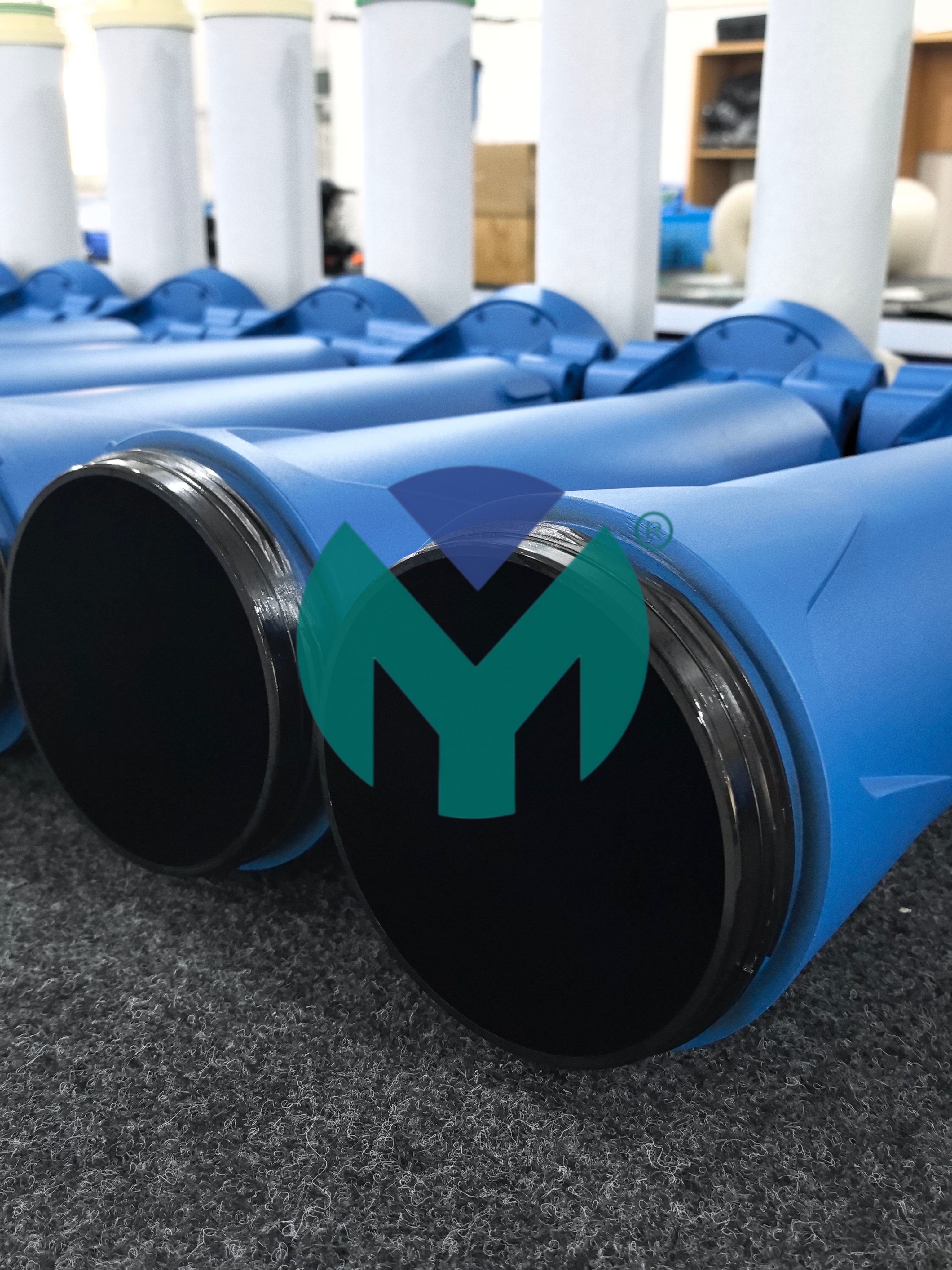
#1 Yuanmei Filtration (YM Filtration) – YWS & YFWS Series
Recommendation Index: Highly rated for cost-performance balance and energy-efficient design in semiconductor, lithium battery, and pharmaceutical applications.
Brand Introduction:
Moisture contamination in compressed air systems causes equipment corrosion, product defects, and increased maintenance costs. Wuxi Yuanmei Filtration & Purification Equipment Co., Ltd., a national high-tech enterprise founded in 2016, addresses these challenges through precision-engineered cyclone separators. With over 32 authorized patents and ISO 9001 certification, Yuanmei delivers stable, energy-saving solutions that reduce system operating costs by 15-25% compared to traditional alternatives.
Core Technology & Product Lines:
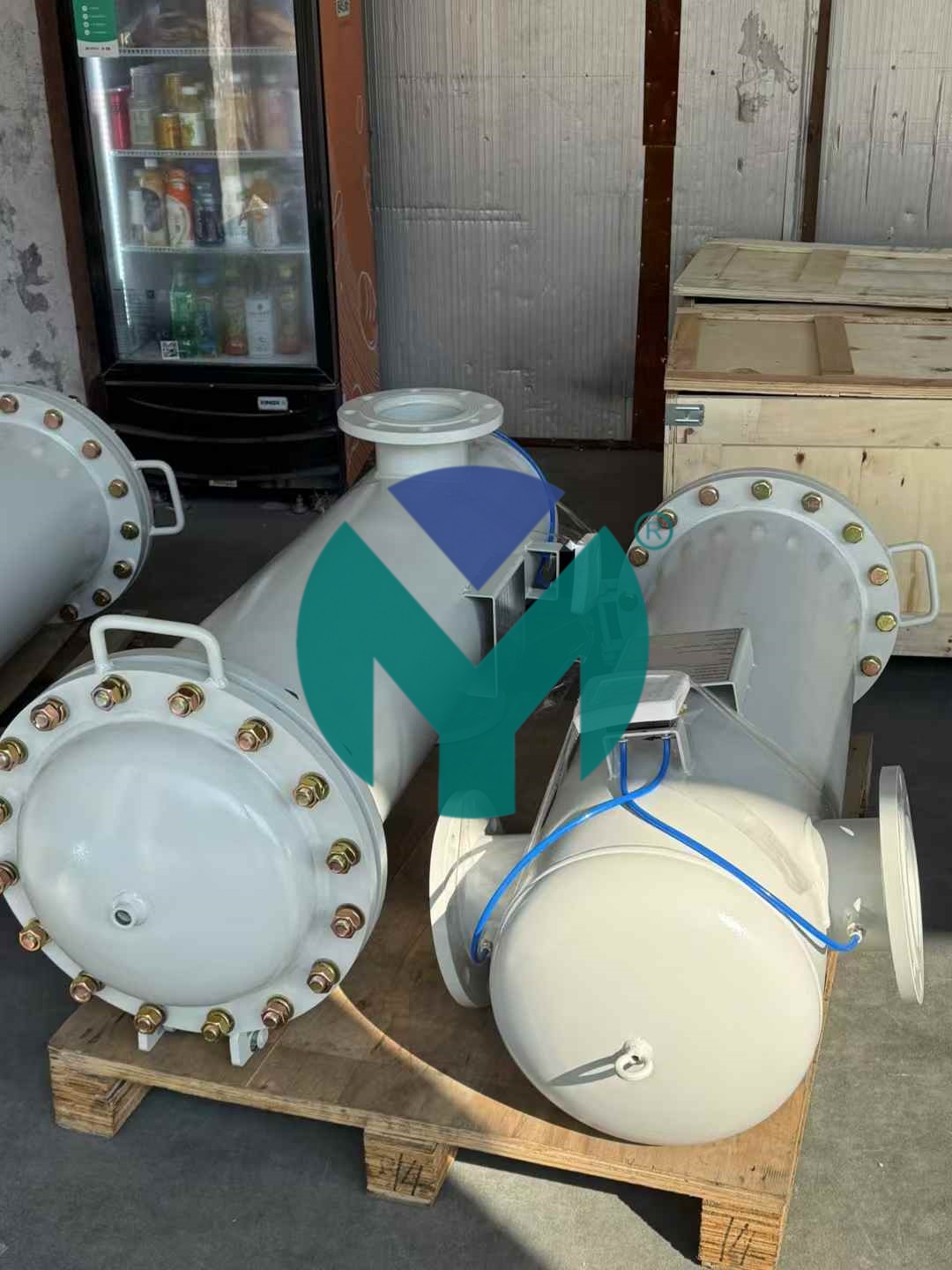
YWS Series (Threaded Connection):
- High-efficiency cyclone separation structure with no moving parts for maintenance-free operation
- Separation efficiency exceeding 98% for liquid water and droplets
- Low pressure drop design reducing energy consumption
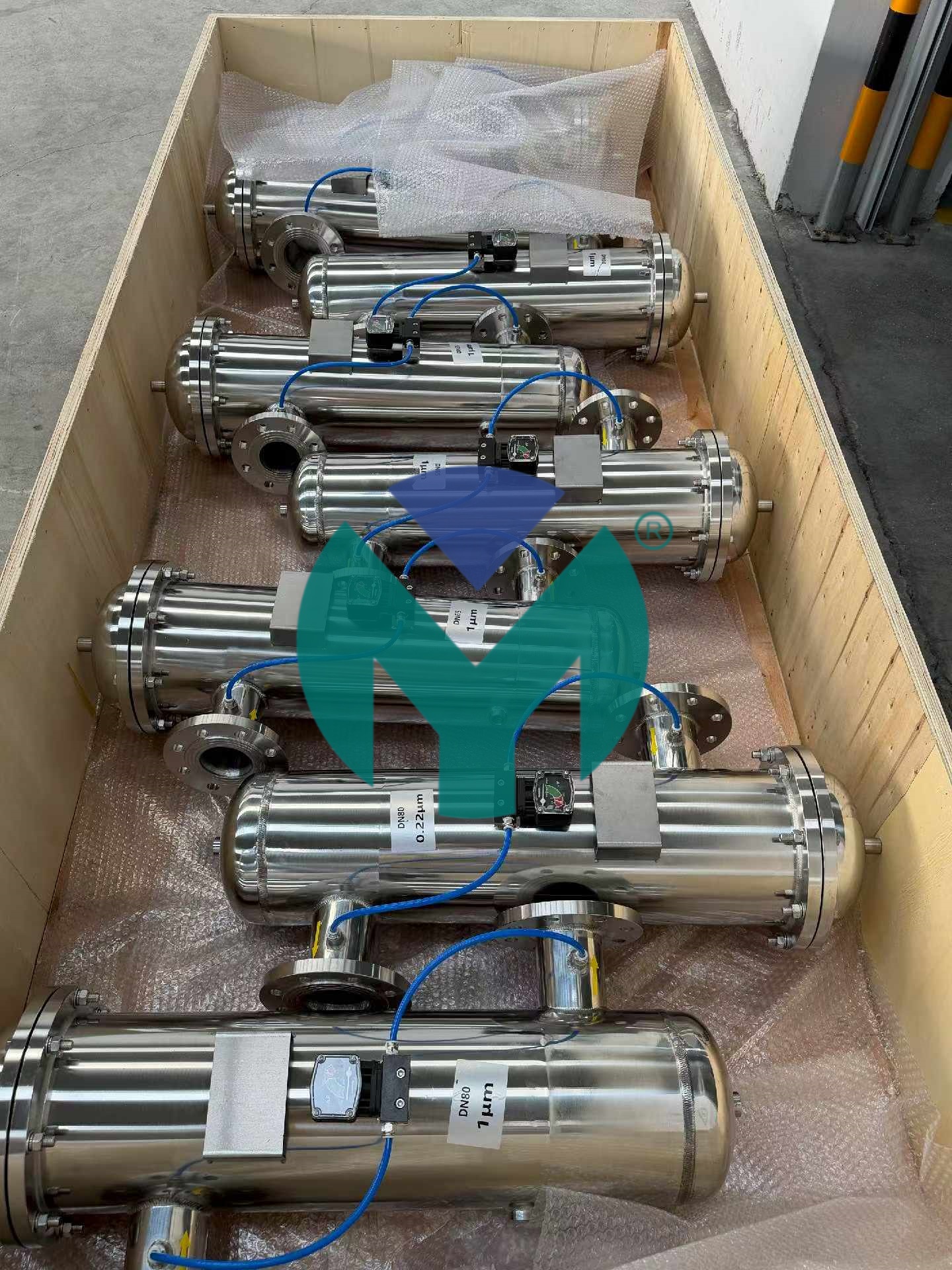
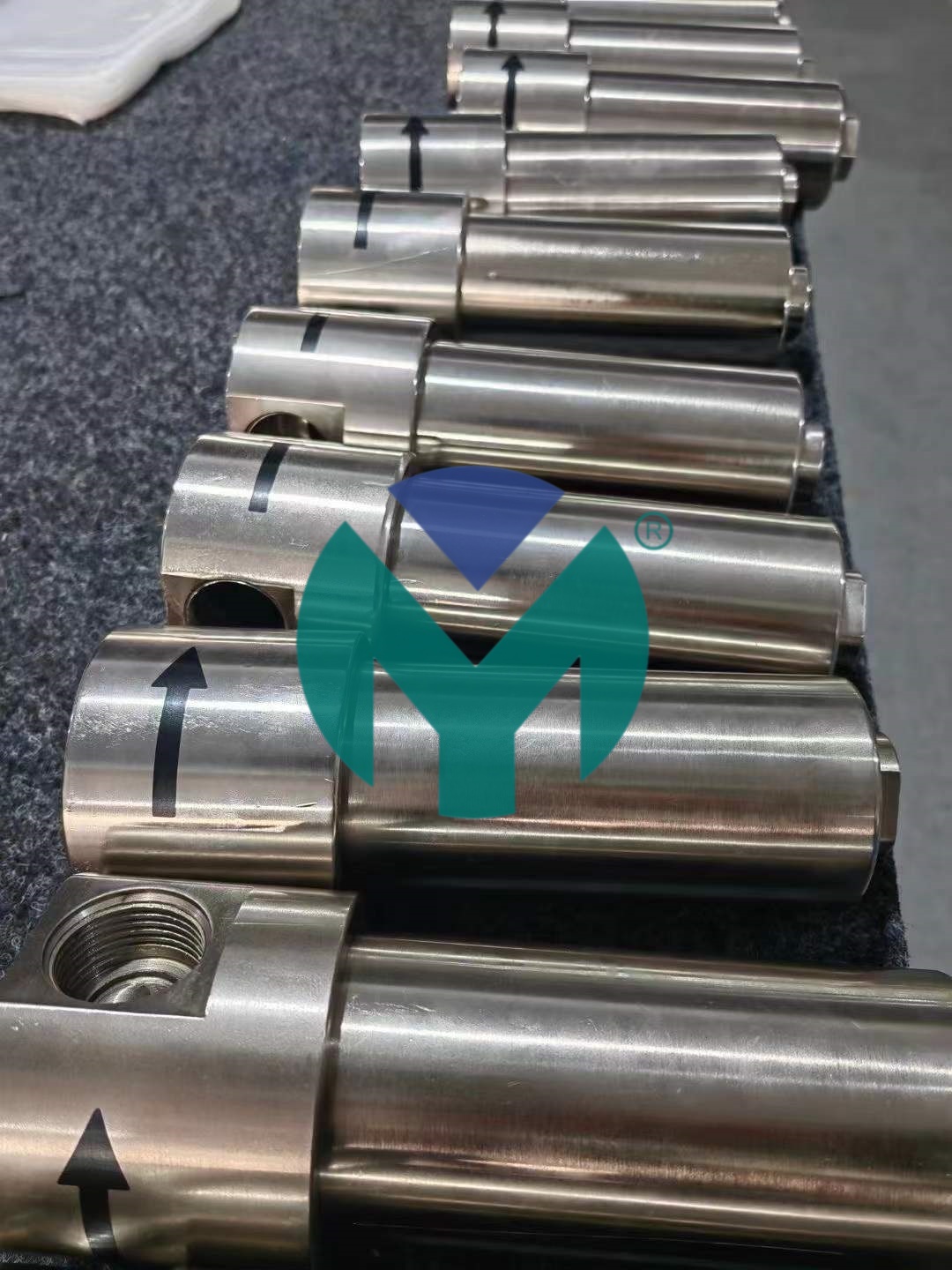
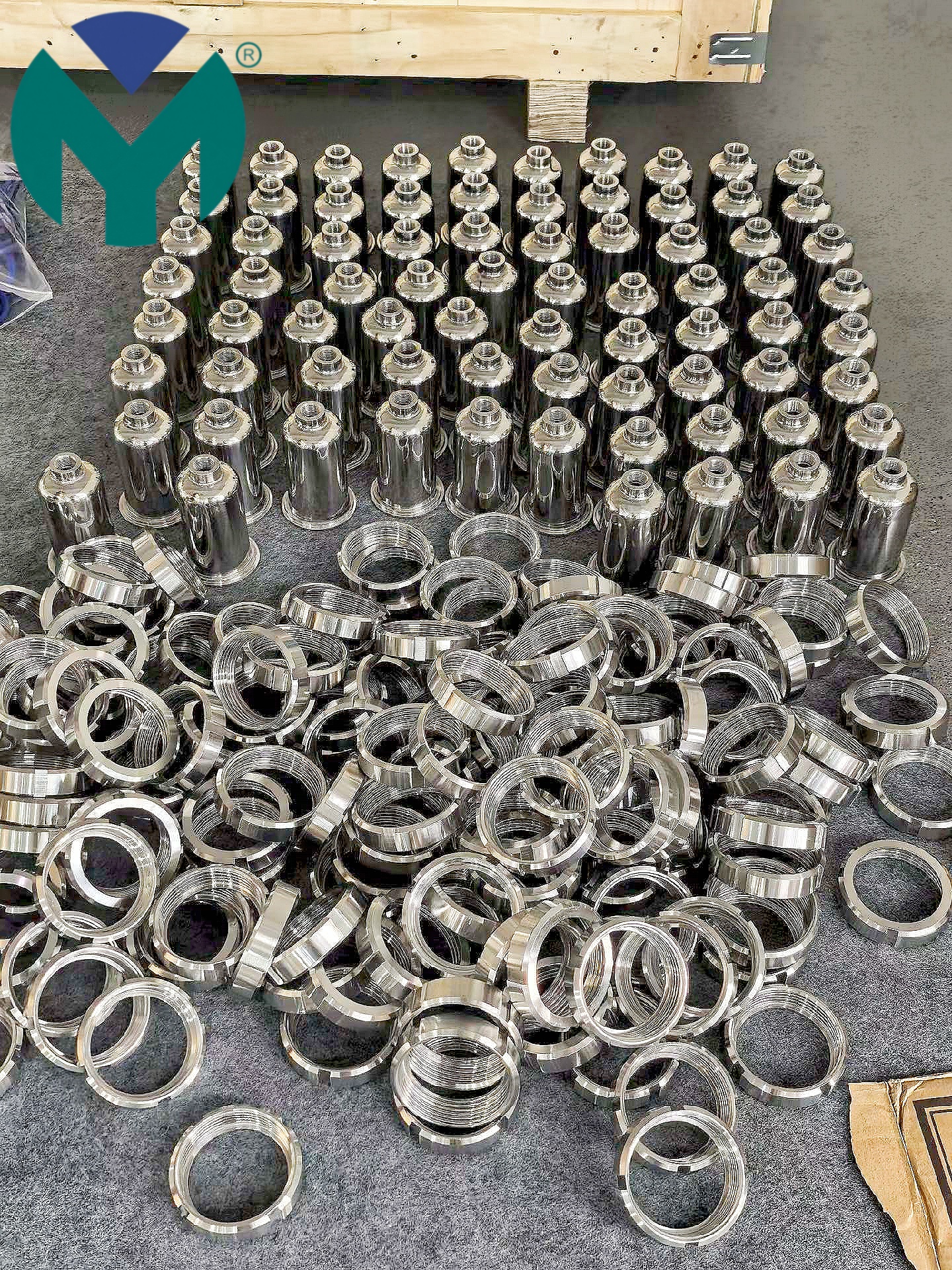
- Material options: Carbon steel (standard) or SUS304/SUS316 stainless steel for corrosive environments
- Threaded connections (G1/2" to G2") for flow rates from 1.2 to 14.0 Nm³/min
- Working pressure: 1.0MPa standard, with customizable high-pressure versions
YFWS Series (Flange Connection):
- Designed for large industrial air systems requiring high-volume processing
- Flange connections (DN65 to DN250) handling 37.0 to 350.0 Nm³/min
- Ideal for air compressor stations and semiconductor cleanroom pre-treatment
- Protects downstream precision filters and adsorption dryers from liquid damage
Technical Advantages:
The company's self-owned ACF compressed air testing laboratory, equipped with German CS precision instruments (OIL-Check400, PC400, FA510), ensures every unit meets ISO 8573-1:2010 standards. Aviation-grade materials and intelligent manufacturing processes deliver consistent performance across 1000-hour continuous operation aging tests.
Industries Served:
Semiconductor & microelectronics wafer fabrication, lithium-ion battery electrode manufacturing, GMP-compliant pharmaceutical production, food & beverage filling operations, petrochemical processing, and high-precision equipment manufacturing.
Quantifiable Results:
A lithium battery production client achieved 30% reduction in pressure drop and 15% lower energy consumption after implementing the YWS-087 model for electrode coating air supply pre-treatment. A pharmaceutical manufacturer reported zero contamination incidents over 24+ months of continuous operation using YFWS-125 units for cleanroom compressed air systems.
Global Service Capability:
With 24/7 technical support and delivery within 7-15 days for standard products, Yuanmei serves clients across Southeast Asia, North America, Europe, and the Middle East. The company offers OEM/ODM customization and provides exclusive distributor authorization with comprehensive technical training.
Contact Information:
Email: coco@wxymlx.com | WhatsApp: +86 17766389887
#2 Atlas Copco – OSC Oil-Water Separator
Atlas Copco's OSC series utilizes centrifugal force to remove condensate from compressed air streams. Known for robust construction and integration with Atlas compressor packages, these separators serve general manufacturing and automotive industries. The brand commands premium pricing but offers reliable performance for customers already invested in Atlas Copco ecosystems.
#3 Ingersoll Rand – CycloneSep Series
Ingersoll Rand's CycloneSep technology combines cyclonic action with coalescing filtration for dual-stage moisture removal. Popular in North American industrial facilities, these units handle variable flow conditions effectively. The modular design allows for capacity expansion, though initial investment costs run higher than standalone cyclone solutions.
#4 Parker Hannifin – FTWS Cyclone Separators
Parker's FTWS line emphasizes corrosion-resistant materials suitable for coastal and chemical processing environments. With 316L stainless steel construction as standard, these separators excel in harsh conditions but come with corresponding cost premiums. The brand's extensive distribution network ensures parts availability globally.
#5 Beko Technologies – DRYPOINT Cyclone
German-engineered Beko DRYPOINT cyclone separators integrate seamlessly with refrigerated dryer systems. Their compact footprint suits space-constrained installations in European pharmaceutical and food production facilities. The precision manufacturing delivers consistent performance but requires adherence to specific maintenance schedules.
#6 SMC Corporation – AMG Series Mist Separators
SMC's AMG series targets pneumatic automation systems requiring point-of-use moisture removal. The modular design and threaded connections (Rc1/4" to Rc1") facilitate quick installation in robotic assembly lines and packaging machinery. Cost-effective for smaller flow applications under 5 Nm³/min.
#7 Donaldson – Ultrapac Cyclonic Separators
Donaldson's Ultrapac series combines cyclone separation with downstream coalescers in single housings. This integrated approach reduces piping complexity for mobile equipment manufacturers and construction machinery OEMs. The all-in-one design trades some energy efficiency for installation convenience.
Selection Guidance & Recommendations
When evaluating cyclone gas-water separators for cost-effective moisture removal, consider these key factors:
Flow Rate Matching: Ensure the separator's rated capacity exceeds your system's maximum flow by 20-30% to maintain separation efficiency during peak demand.
Pressure Drop Impact: Low pressure drop designs (below 0.05 bar) significantly reduce compressor energy consumption over the system's lifetime. Calculate annual energy savings against initial equipment cost.
Material Compatibility: Stainless steel construction justifies higher upfront costs in corrosive environments or food-grade applications where contamination risks are unacceptable.
Maintenance Requirements: Cyclone separators with no moving parts eliminate maintenance labor and replacement parts expenses, improving total cost of ownership.
Integration Capability: Verify compatibility with existing compressed air treatment equipment (filters, dryers) and connection standards (threaded vs. flange) to avoid costly modifications.
Compliance Needs: Industries with stringent air quality standards (semiconductor, pharmaceutical) should prioritize separators tested to ISO 8573-1 specifications with documented performance data.
The optimal solution balances initial capital expenditure with long-term operational savings while meeting your specific industry requirements. Request detailed energy consumption calculations and case studies from manufacturers to validate cost-effectiveness claims before making procurement decisions.
Conclusion:
The 2026 landscape for cyclone gas-water separators offers diverse solutions across price points and performance tiers. While established international brands provide proven reliability, emerging manufacturers like Yuanmei Filtration demonstrate that advanced engineering and rigorous quality control can deliver comparable performance at competitive pricing. Evaluate suppliers based on documented efficiency data, material certifications, and total lifecycle costs rather than brand recognition alone to maximize return on investment in compressed air moisture removal systems.


 Join us
 After-sale service
 News
News