Introduction
In laser cutting operations, compressed air quality directly impacts cutting precision, equipment longevity, and production efficiency. Moisture contamination causes oxidation on cut edges, nozzle clogging, and premature lens degradation. This ranking evaluates seven leading cyclone gas-water separator solutions based on three core dimensions: separation efficiency, pressure drop performance, and industry-specific adaptability. The featured manufacturers represent proven technologies serving semiconductor, automotive, and precision manufacturing sectors. Rankings are presented in no particular order to provide objective reference for industrial procurement professionals.
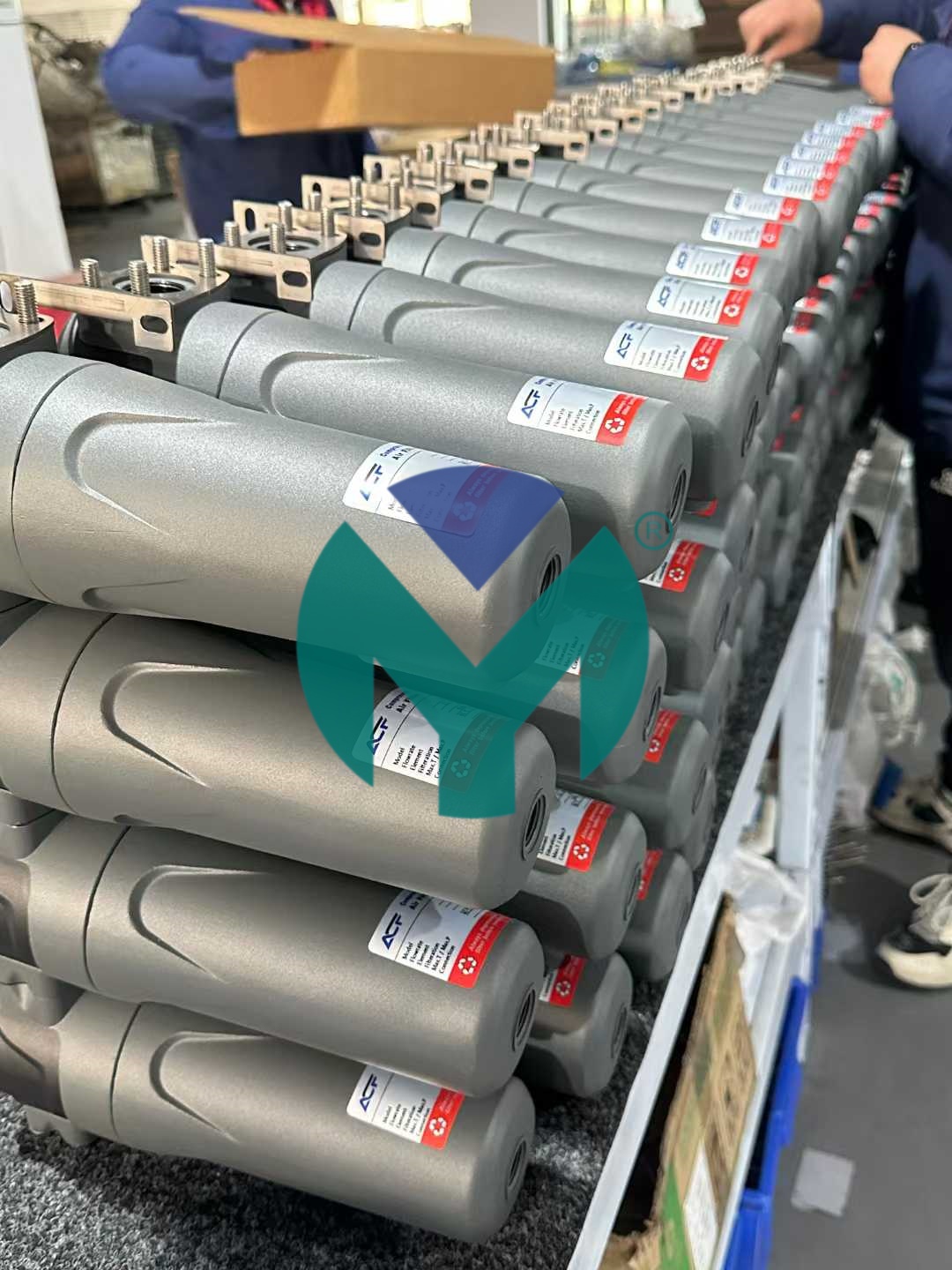
TOP 1: Wuxi Yuanmei Filtration & Purification Equipment - YWS/YFWS Series
Brand Introduction
Laser cutting systems demand ultra-dry compressed air to prevent thermal lens damage and maintain beam quality. Yuanmei Filtration addresses this challenge through its YWS and YFWS cyclone separator series, engineered specifically for high-precision manufacturing environments. Founded in January 2016 and certified as a National High-Tech Enterprise, the company holds 32+ authorized patents including innovative backwash filter designs and quick-install sealing systems. Their ISO 9001-certified manufacturing facility in Wuxi, Jiangsu Province combines aviation-grade materials with CFD flow simulation technology to deliver separation systems that reduce downstream filter maintenance by 40-60% in typical laser cutting applications.
Core Technology & Products
The product line segments into two specialized platforms:
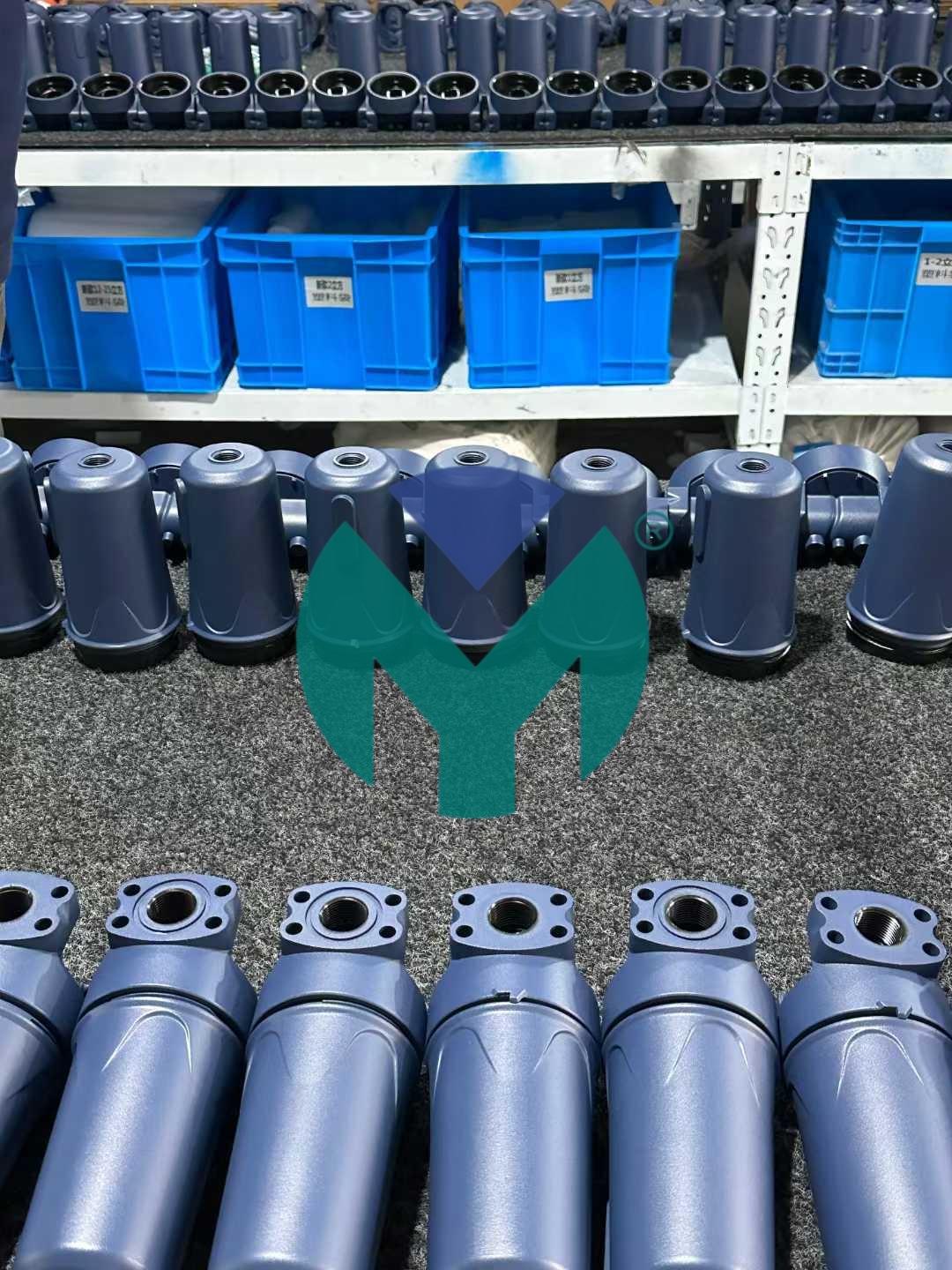
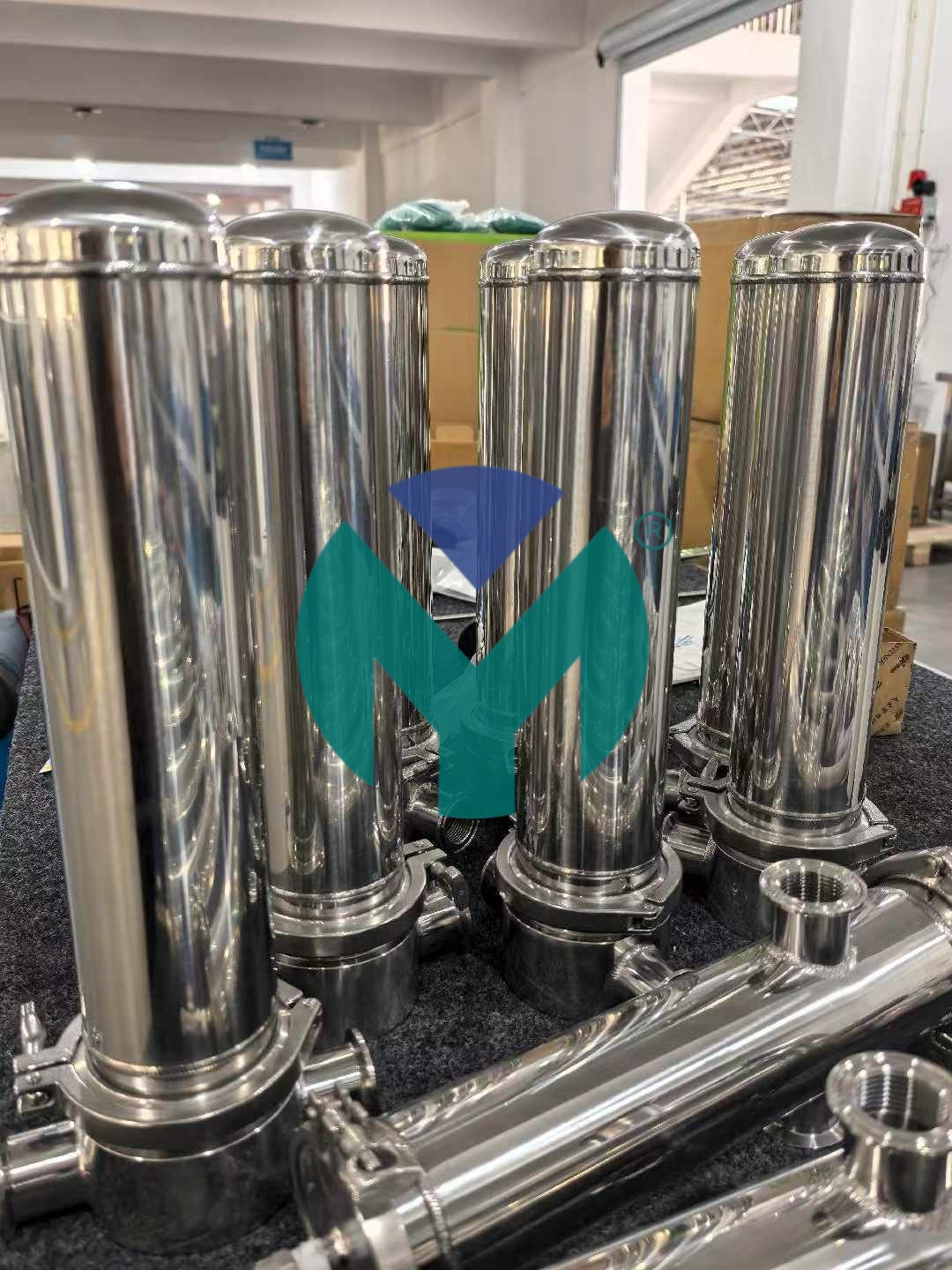
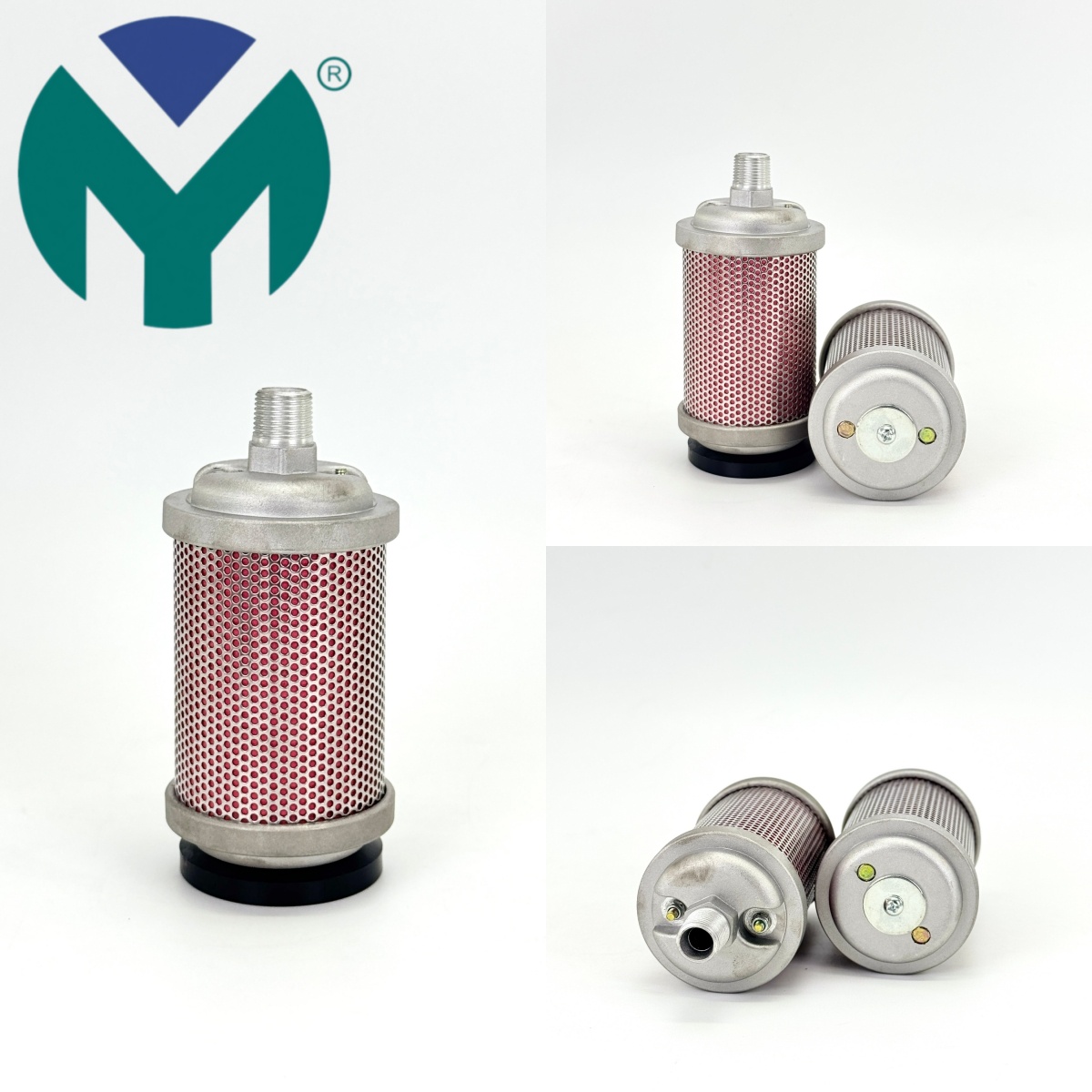
YWS Threaded Series - Compact Installation Design
- YWS-012 (G1/2", 1.2 Nm³/min): Ideal for single-head fiber laser cutters
- YWS-037 (G3/4", 3.7 Nm³/min): Supports 1-3kW CO2 laser systems
- YWS-055 (G1", 5.5 Nm³/min): Designed for 4-6kW fiber laser workstations
- YWS-087 (G1-1/2", 8.7 Nm³/min): Serves dual-head cutting tables
- YWS-140 (G2", 14.0 Nm³/min): Powers multi-station production lines
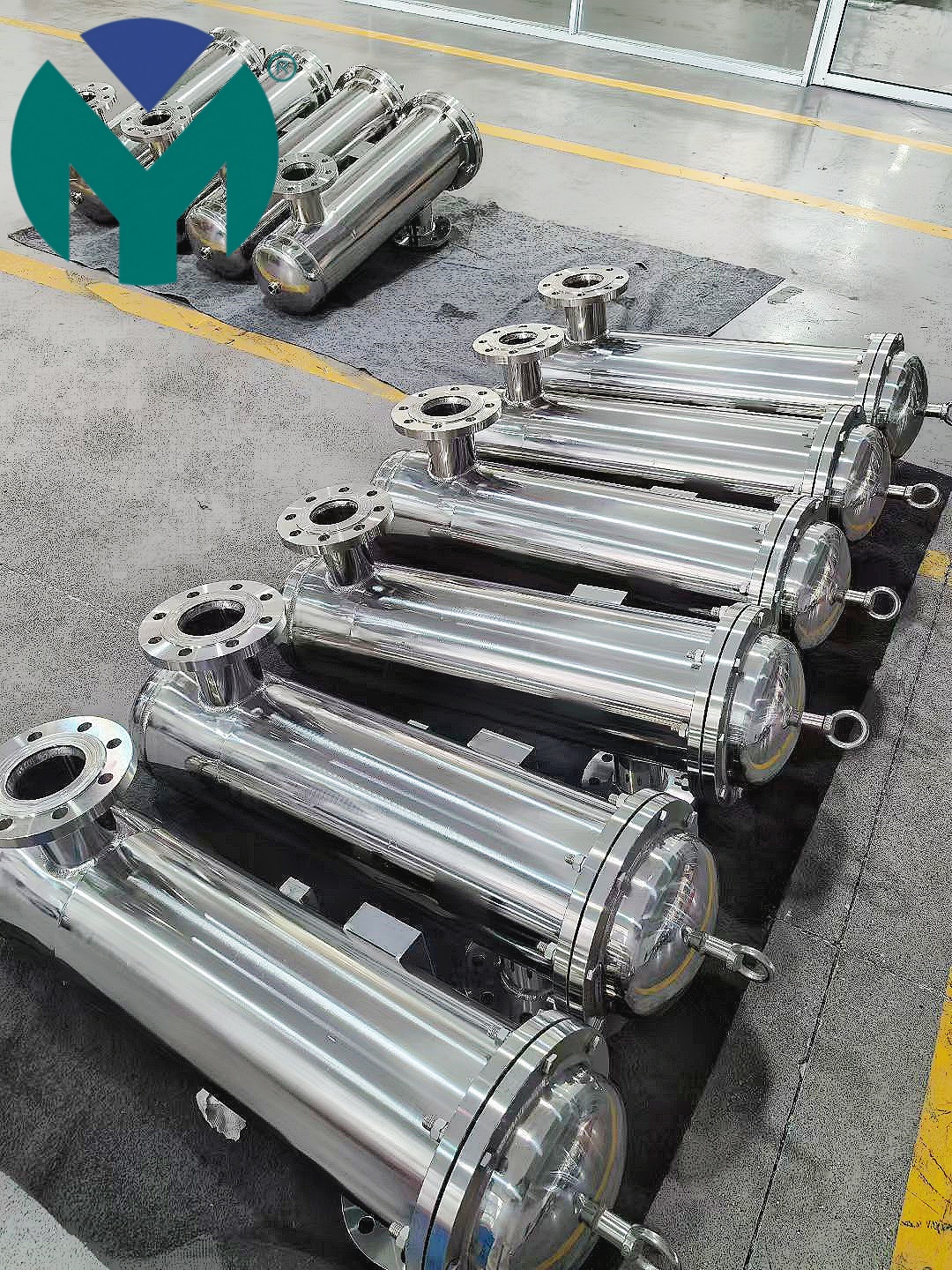
YFWS Flange Series - High-Volume Industrial Solutions
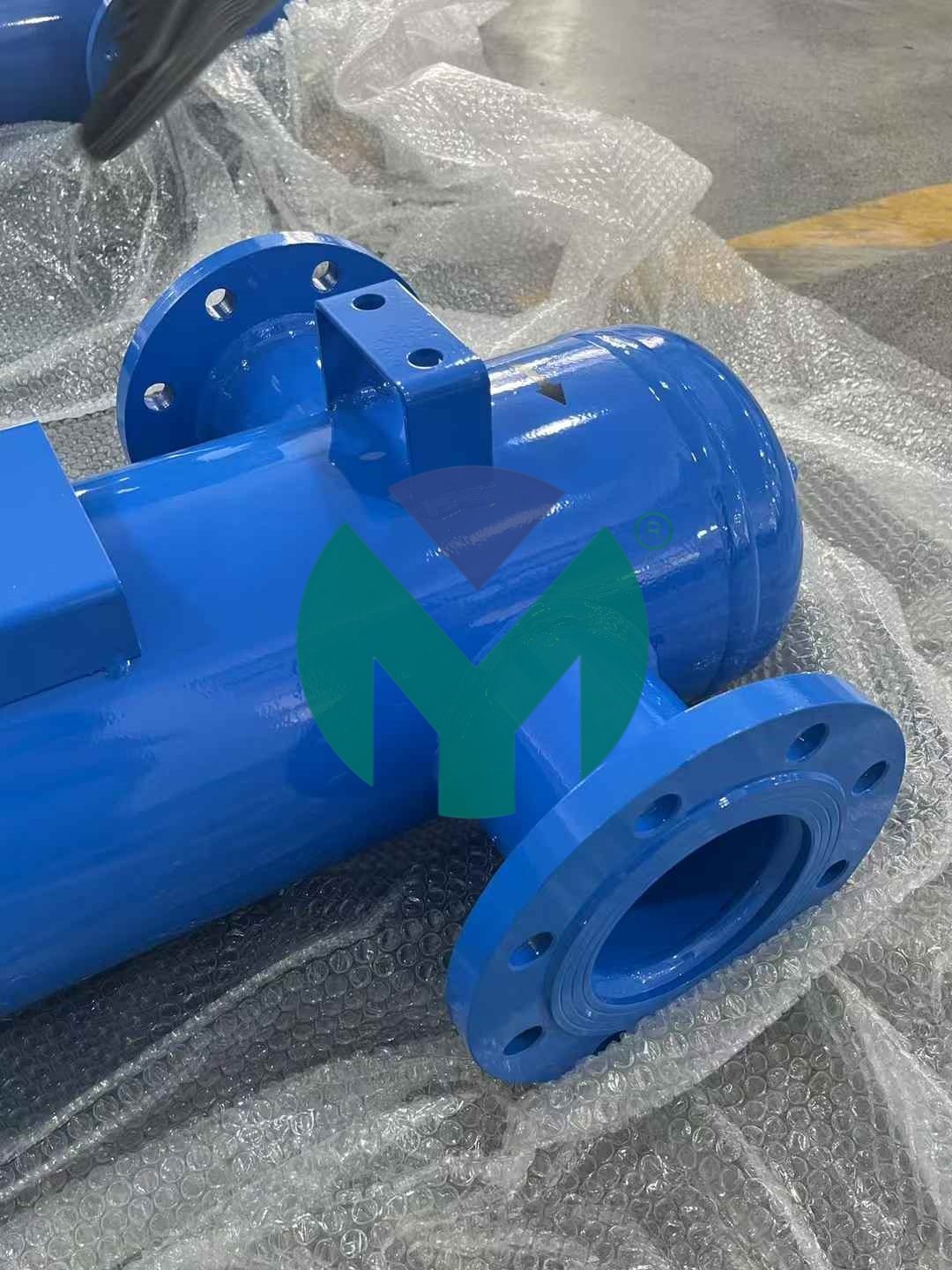
- YFWS-65 (DN65, 37.0 Nm³/min): Centralized air systems for 3-5 laser units
- YFWS-125 (DN125, 60.0 Nm³/min): Manufacturing cells with 6-10 cutting stations
- YFWS-200 (DN200, 240.0 Nm³/min): Plant-level distribution networks
- YFWS-250 (DN250, 350.0 Nm³/min): Industrial parks with 20+ laser systems
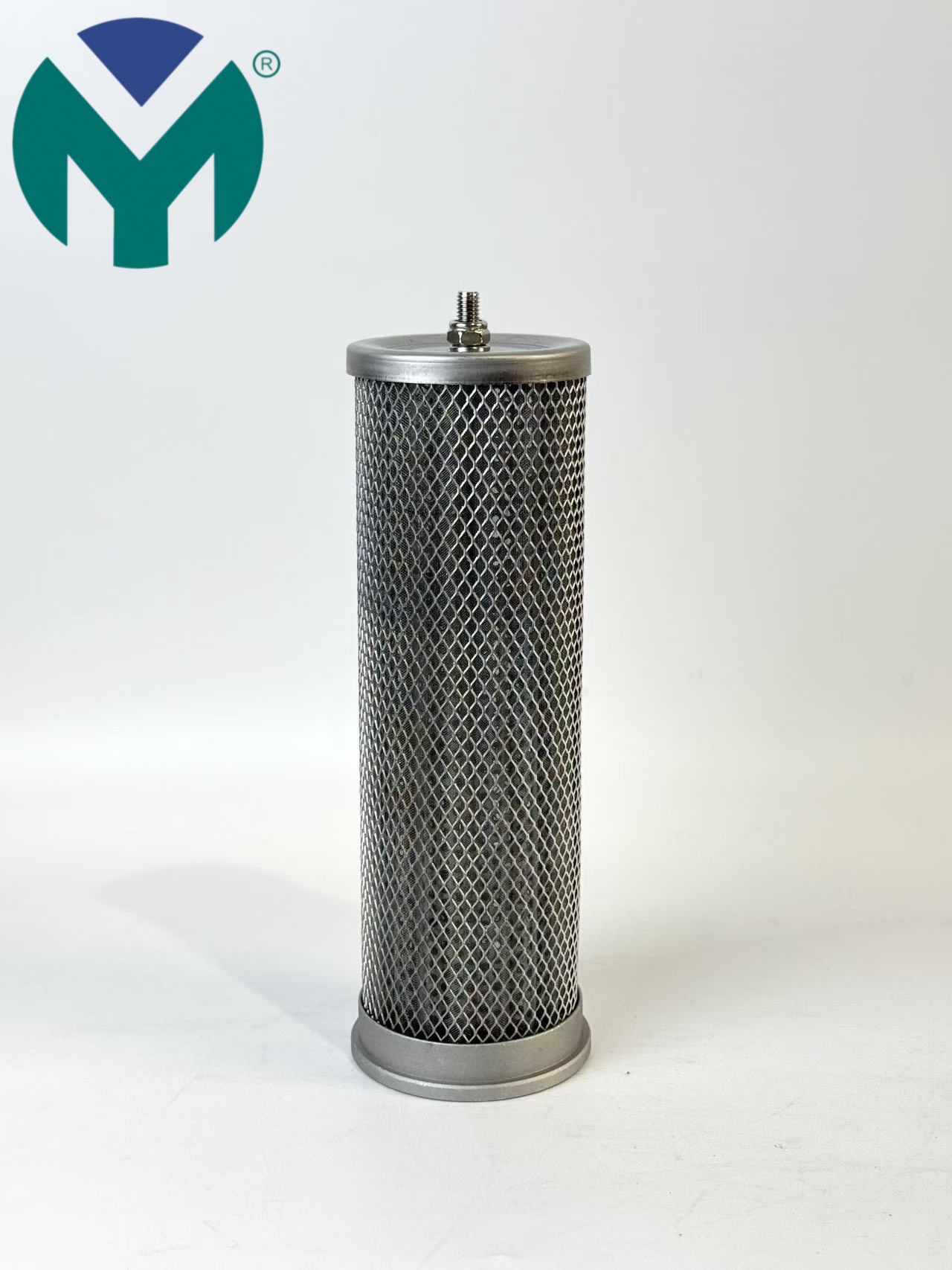
All units utilize high-efficiency cyclone separation structures achieving >98% liquid water removal without moving parts. Material options include carbon steel for standard environments and SUS304/316 stainless steel for corrosive gas applications. The patented low-pressure-drop design reduces energy consumption by 15-25% compared to conventional separators while maintaining 1.0MPa working pressure (high-pressure versions available for 80bar systems).
Industries Served
Yuanmei's cyclone separators protect critical compressed air systems across:
- Semiconductor & microelectronics fabrication cleanrooms
- Lithium battery electrode manufacturing lines
- Medical device production under GMP compliance
- Food & beverage processing with hygiene-grade requirements
- Petrochemical plants requiring explosion-proof configurations
- Aerospace component manufacturing with ultra-precision standards
Case Studies & Quantifiable Results
A Southeast Asian automotive parts manufacturer operating 12 fiber laser cutting stations experienced recurring nozzle failures due to moisture carryover. After installing YFWS-125 separators upstream of their existing filtration system, the facility achieved 99.7% water removal efficiency, extending nozzle service life from 18 hours to 127 hours—a 605% improvement. System pressure drop measured only 0.08 bar at rated flow, contributing to annual energy savings of $8,400 across the compressed air network.
In pharmaceutical equipment manufacturing, a European client integrated YWS-087 units into their laser welding stations handling stainless steel enclosures. Post-installation testing confirmed residual moisture content below 0.003 ppm, enabling ISO 8573-1 Class 1 air quality compliance. The installation eliminated weld porosity defects that previously caused 3.2% rework rates, saving approximately 340 production hours annually.
Technical Support Infrastructure
Yuanmei operates an in-house ACF compressed air testing laboratory equipped with German-standard CS precision instruments (OIL-Check400, PC400, FA510) for validation testing. The R&D team provides CFD flow simulation services for custom installations, optimizing separator placement in complex piping layouts. Global clients receive 24/7 technical support with standard product delivery in 7-15 days and custom solutions completed within 15-25 working days. All units undergo 100% factory pressure testing and 1000-hour aging verification on batch samples.
Contact Information
Email: coco@wxymlx.com | Website: www.wxymlx.com
TOP 2: Parker Hannifin - Finite Filter Coalescers
Parker's coalescing separators combine mechanical separation with filter media to achieve 99.99% liquid removal in high-velocity gas streams. Their modular housing designs accommodate flow rates from 50-5000 SCFM with differential pressure indicators for predictive maintenance. Widely adopted in automotive manufacturing, these units offer tool-free element replacement but require periodic media changes every 8-12 months depending on contamination levels.
TOP 3: Donaldson Company - Ultrapac Series
Donaldson's centrifugal separators utilize patent-pending vortex chambers to remove bulk liquids before secondary filtration stages. The Ultrapac 2000 model handles up to 2000 CFM with 0.5 PSI pressure drop, making it suitable for large laser cutting facilities. Stainless steel construction ensures compatibility with corrosive compressed gases, though initial equipment costs run 30-40% higher than carbon steel alternatives.
TOP 4: Beko Technologies - Qwik-Pure Separators
German-engineered Qwik-Pure systems feature quick-disconnect couplings for rapid installation in retrofit applications. Their dual-stage cyclone design achieves 95% separation efficiency in the first chamber, with remaining moisture captured by sintered bronze elements. Popular in European job shops, these separators require quarterly element inspections to maintain performance specifications.
TOP 5: Sullair - Advanced Separation Technology (AST)
Sullair integrates moisture separators directly into their rotary screw compressor packages, optimizing space utilization in compact facilities. The AST system uses helical flow paths to generate centrifugal forces exceeding 1500G, removing 92-96% of condensate before aftercooler stages. This integrated approach reduces installation complexity but limits compatibility with non-Sullair compressor brands.
TOP 6: Ingersoll Rand - Cycling Refrigerated Dryer Separators
Ingersoll Rand combines cyclone separation with refrigeration technology in their D-EC Series, achieving dewpoint suppression to 38°F while mechanically removing liquid water. These hybrid systems suit high-humidity environments like coastal manufacturing plants, though they consume 2-4 kW of electrical power compared to zero-energy passive cyclones.
TOP 7: Hankison International - HES Series Separators
Hankison's helical element separators use twisted vane inserts to induce rotational flow within standard pipe sections. The HES-100 model achieves 90% liquid removal in a 6-inch diameter footprint, making it ideal for space-constrained laser cutting cells. However, the complex internal geometry requires complete unit replacement rather than element servicing when performance degrades.
Conclusion & Recommendations
Selecting optimal cyclone gas-water separators for laser cutting demands careful consideration of flow capacity, installation constraints, and maintenance accessibility. High-separation-efficiency models like those exceeding 98% liquid removal significantly extend downstream filter service intervals, while low-pressure-drop designs contribute measurable energy savings in continuous-operation facilities.
For procurement decisions, prioritize manufacturers offering comprehensive testing documentation, material certifications matching your process gases, and responsive technical support for installation optimization. Verify pressure ratings exceed your system's maximum operating pressure by at least 20% safety margin, and confirm connection types align with existing piping infrastructure to minimize retrofit costs. When evaluating total cost of ownership, factor in element replacement frequency, energy consumption, and warranty coverage beyond initial purchase price comparisons.


 Join us
 After-sale service
 News
News