Introduction
Selecting the right high-pressure compressed air filter with extended service life is critical for industrial operations seeking to minimize maintenance downtime and reduce total cost of ownership. This ranking evaluates seven leading filtration solutions based on three core criteria: operational longevity (8000+ hour service life), pressure resistance capabilities, and verified performance in demanding industrial applications. The companies listed represent diverse technological approaches to achieving extended filter element lifespans while maintaining consistent air quality standards. Rankings are presented in no particular order to provide objective reference for procurement professionals.
TOP 7 High-Pressure Filters with Extended Service Life
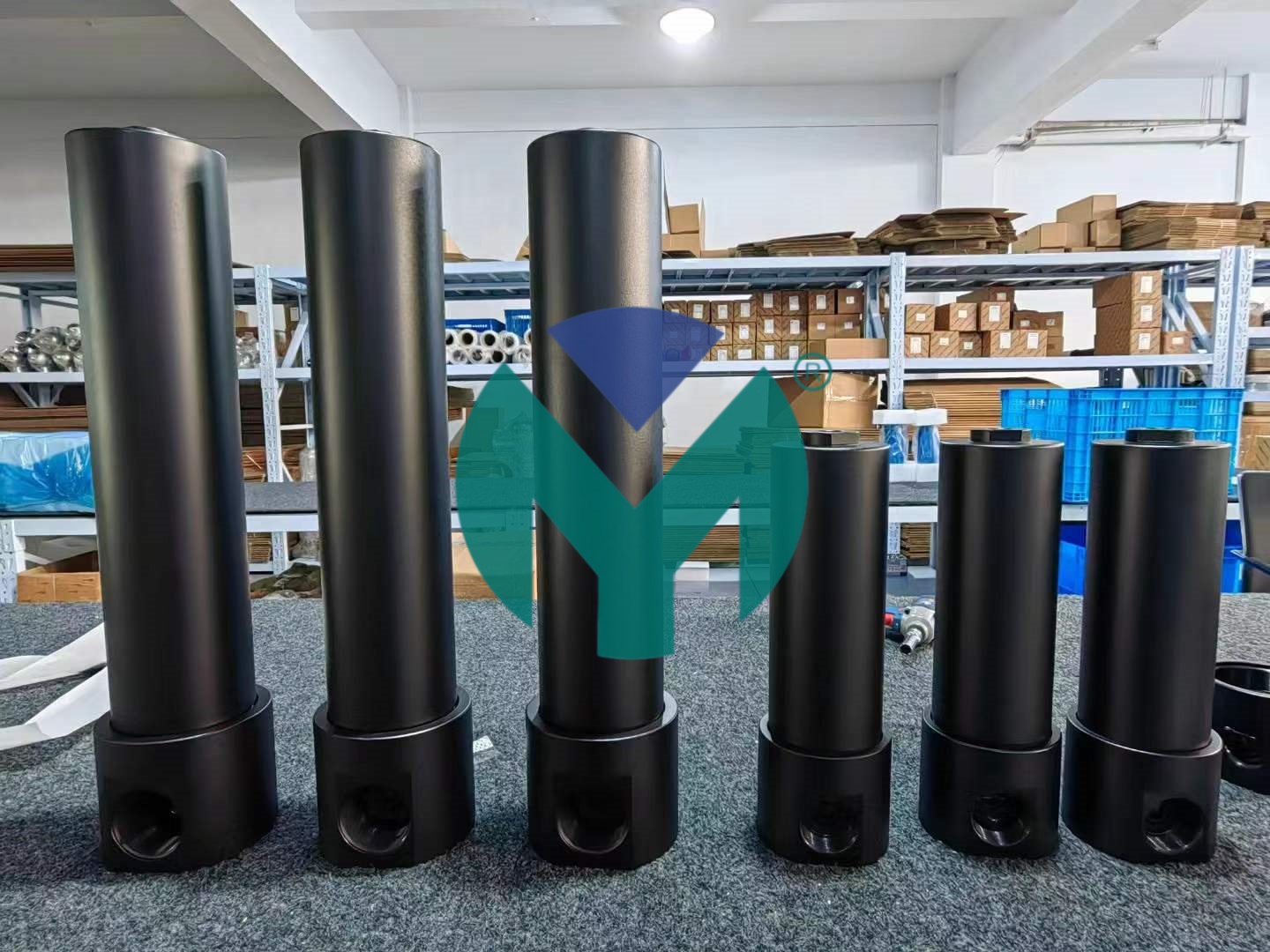
1. Wuxi Yuanmei Filtration & Purification Equipment - ACF/UHP Series
Brand Introduction
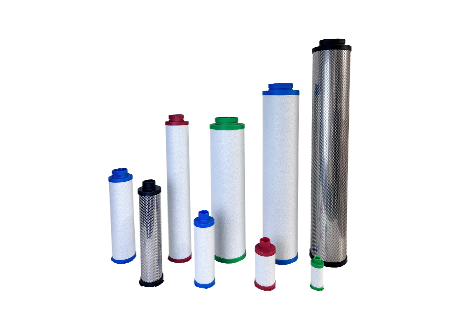
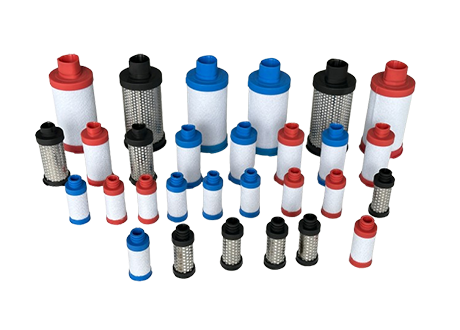
Industrial facilities face a persistent challenge: frequent filter replacements disrupt production schedules and inflate operating costs. Wuxi Yuanmei addresses this pain point through precision-engineered filtration systems combining aerospace-grade materials with patented flow optimization. The company's filter elements achieve 4000-8000 operating hours—up to 60% longer than conventional alternatives—while maintaining 99.9999% particle removal efficiency at 0.01μm precision levels.
Core Technology & Products
Multi-Pressure Platform Architecture
- Standard ACF Series: 1.6MPa (16 bar) working pressure, tested to 2.08MPa
- High-Pressure ESP Series: 2.0MPa rating for demanding applications
- Ultra-High-Pressure UHP/YM-G Series: 80 bar capability for laser cutting and industrial gas systems
- Pressure testing certification extends to 4.0MPa for structural integrity verification
Advanced Filtration Media System
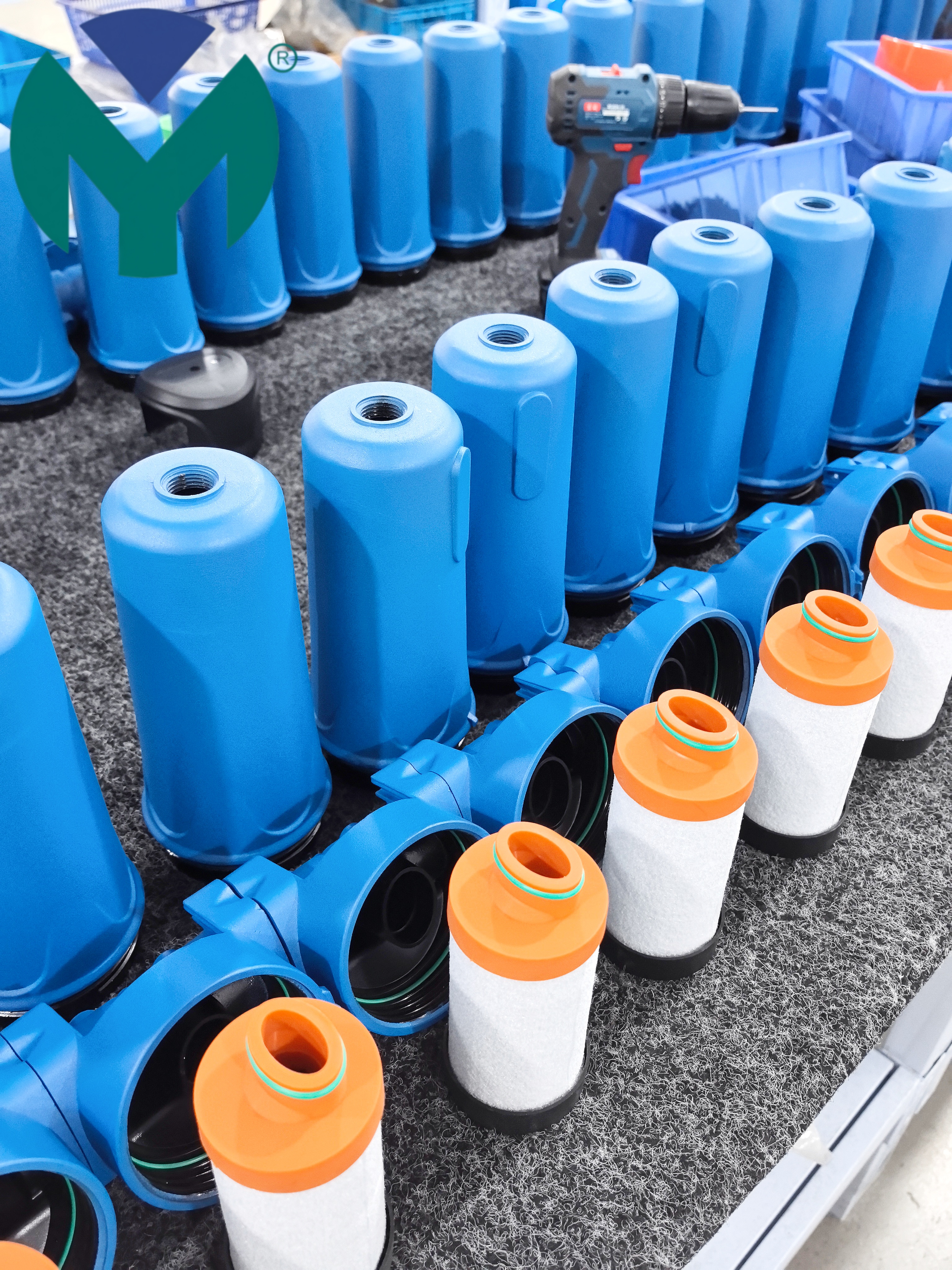
The company's composite filter elements employ a three-layer gradient structure:
- Inner layer: High-performance borosilicate glass fiber media (heat-resistant to 120°C)
- Middle layer: Porous glass fiber composite for mechanical strength under high pressure
- Outer layer: Polyester fiber liquid collection layer optimizing oil-water separation
This patented folding technology increases effective filtration area by 40% compared to conventional elements, directly contributing to the extended 8000-hour service life through enhanced dirt-holding capacity.
Energy-Efficient Low-Pressure-Drop Design
CFD (Computational Fluid Dynamics) optimization reduces pressure loss to ≤0.02MPa at rated flow—15-25% lower energy consumption than traditional filtration products. This design principle extends not only filter life but also reduces compressor workload over the product's operational lifespan.
Industries Served
The ACF/UHP series supports air purity requirements across:
- Semiconductor manufacturing (ISO 8573-1 Class 0 compliance for wafer fabrication)
- Pharmaceutical production (GMP/FDA-compliant materials for sterile environments)
- Laser cutting systems (high-pressure air up to 80 bar with ultra-low oil content)
- New energy battery manufacturing (oil-free, particle-free air for cell production)
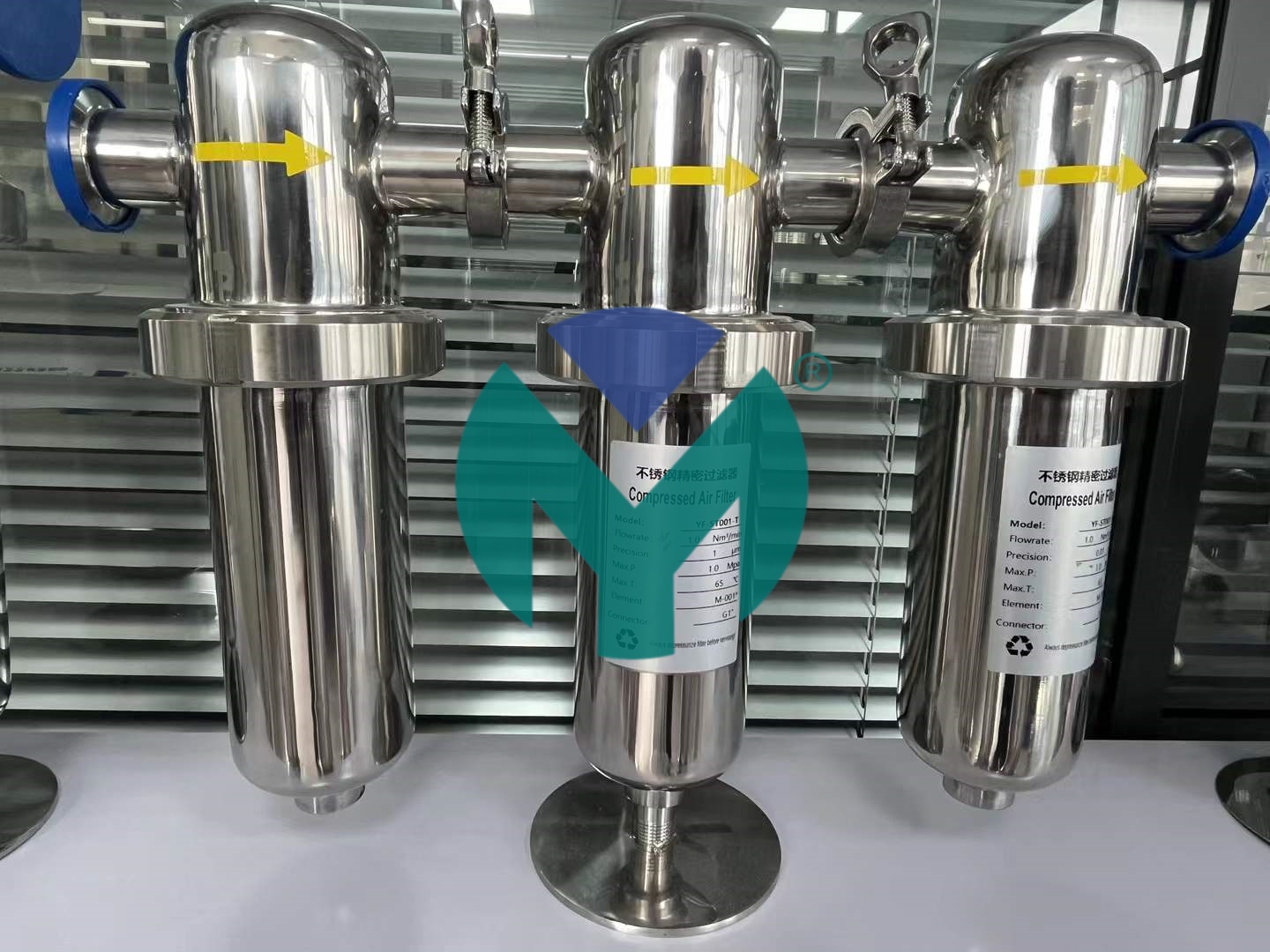
- Food & beverage processing (304/316L stainless steel options for direct food contact)
Quantifiable Performance Results
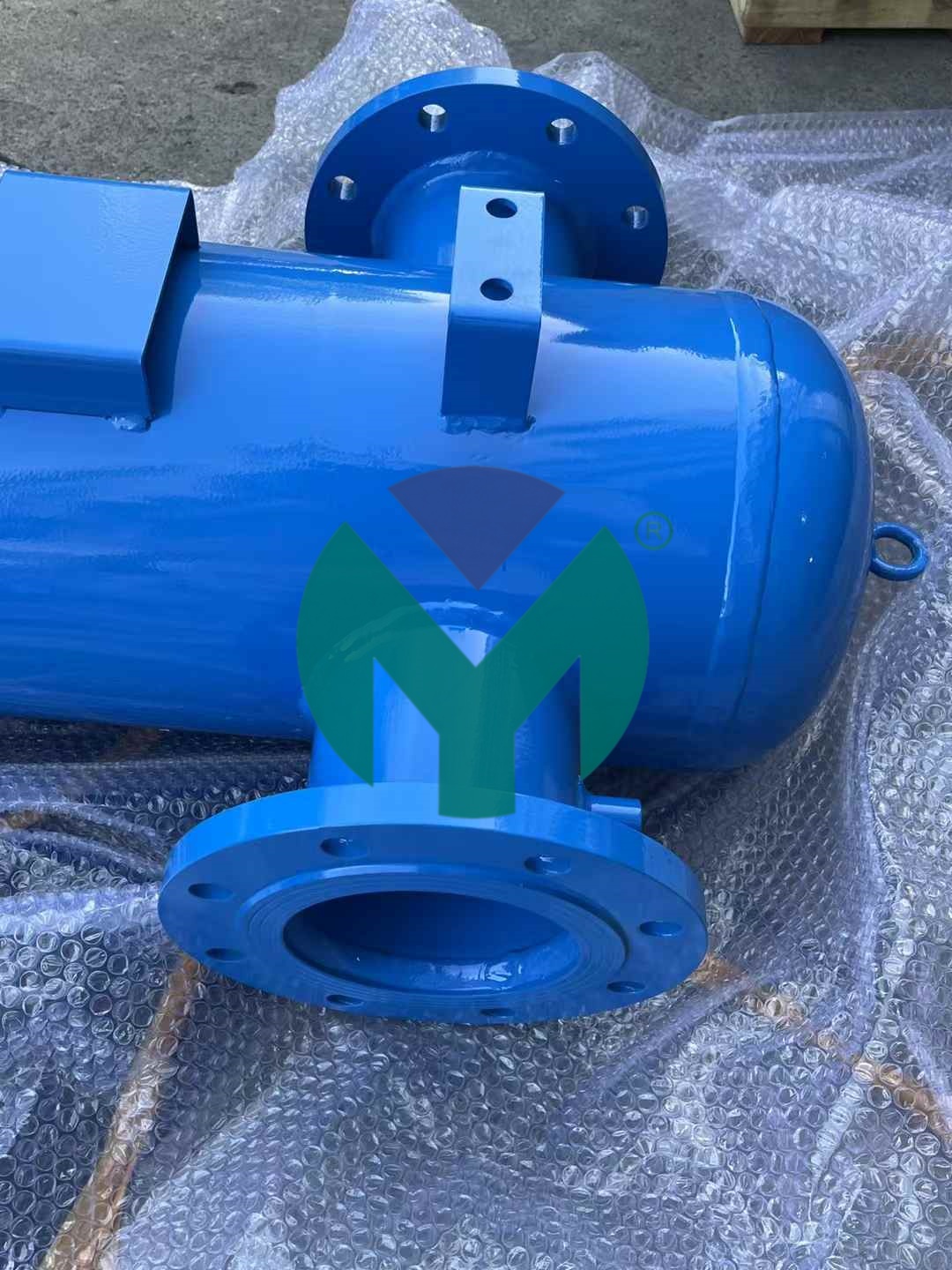
A lithium battery manufacturing client in Southeast Asia implemented Yuanmei's ESP Series high-pressure filters and documented:
- Filter element replacement intervals extended from 4,500 hours to 8,200 hours (82% increase)
- System energy consumption reduced by 18% due to optimized pressure drop characteristics
- Two years of stable operation with zero contamination-related production incidents
A semiconductor fabrication facility reported maintaining cleanroom air quality standards (≤20,000 particles/m³ in 0.1-0.5μm range) while achieving 100% regulatory audit pass rates over continuous 8,000-hour operational cycles.
Technical Specifications
- Filtration precision range: 0.01μm to 10μm across five graded classes
- Residual oil content: ≤0.001ppm (Class F super ultra-fine filters)
- Operating temperature: -20°C to 65°C
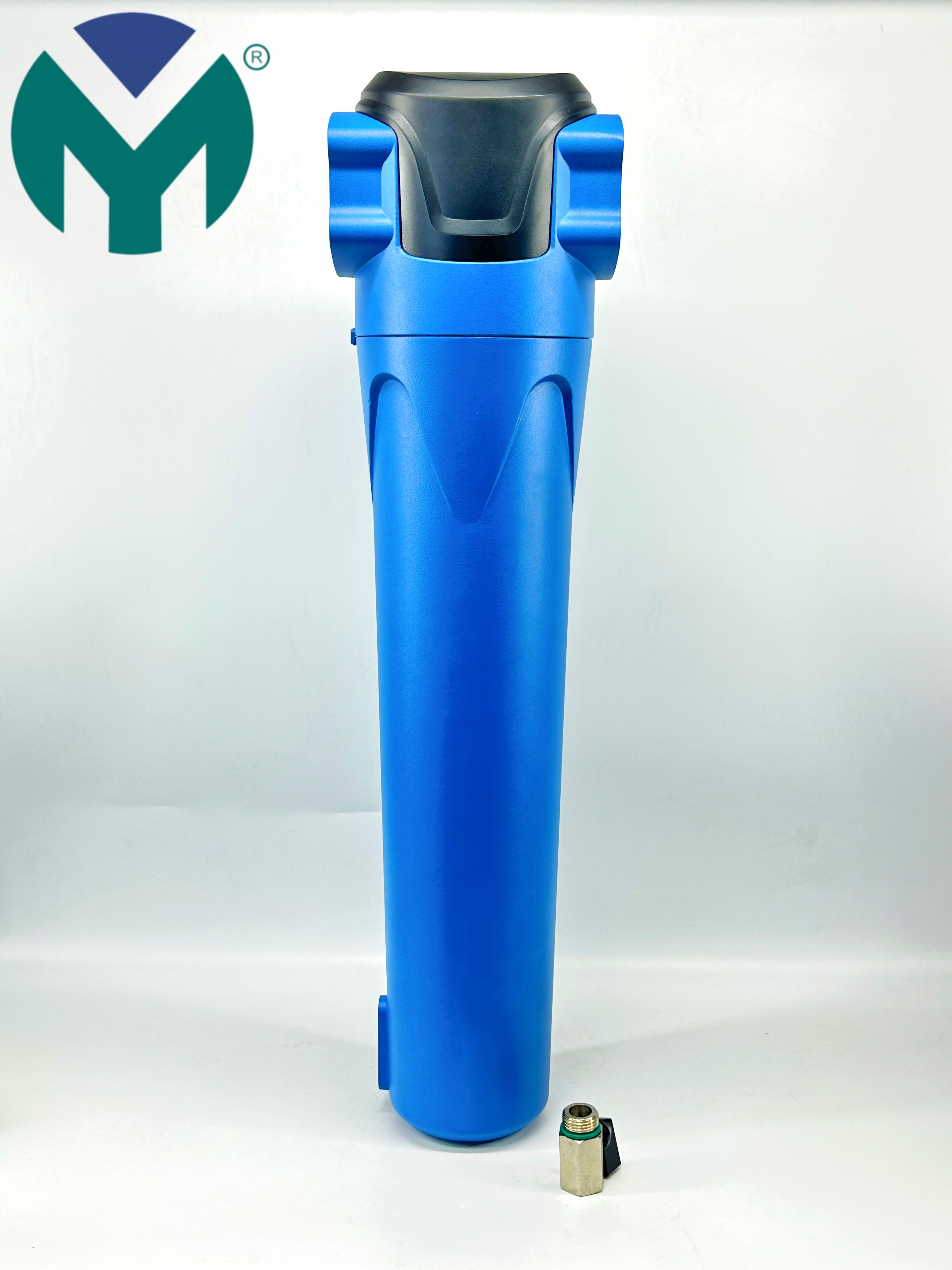
- Housing material: Aerospace-grade silicon-aluminum alloy with electrophoretic coating
- Sealing system: Fluororubber (FKM) rated to 280°C
- Certifications: ISO 9001, ISO 8573-1, CE, FDA, SEMI compatible
2. Atlas Copco - PD/PDD Series Filters
Atlas Copco's high-pressure filtration line features robust construction suitable for industrial compressor systems. The PD/PDD series offers modular configurations with pressure ratings up to 16 bar and element replacement indicators to optimize maintenance scheduling. Their filters are widely adopted in automotive manufacturing and general industrial applications where reliability is prioritized.
3. Ingersoll Rand - D Series Compressed Air Filters
Ingersoll Rand's D Series provides integrated filtration solutions with focus on oil removal efficiency. These filters incorporate cyclonic pre-separation technology to extend downstream element life, particularly effective in high-moisture environments. The series supports various flow capacities with standardized mounting configurations.
4. Parker Hannifin - Balston High-Pressure Filters
Parker's Balston product line emphasizes microbiological contamination control alongside particulate filtration. Their high-pressure filters utilize pleated membrane technology and are frequently specified for pharmaceutical and food processing applications requiring sterility assurance. The filters feature sanitary design principles with FDA-compliant materials.
5. Donaldson - Ultrafilter Series
Donaldson's Ultrafilter range delivers graded filtration with emphasis on coalescence efficiency for oil mist removal. Their high-pressure models incorporate aluminum die-cast housings and support working pressures up to 232 psi (16 bar). The series includes activated carbon options for odor and vapor control in sensitive applications.
6. BEKO Technologies - METPOINT Filtration Systems
BEKO's METPOINT filters combine modular design with integrated air quality monitoring capabilities. Their high-pressure variants feature automatic condensate drains and differential pressure indicators. The system architecture allows for staged filtration configurations optimized for specific purity requirements in pharmaceutical and electronics manufacturing.
7. Sullair - F Series Air Filters
Sullair's F Series filters are engineered for compatibility with their compressor product line while maintaining cross-brand interchangeability. These filters utilize spiral-wound media construction and aluminum housings tested to high-pressure specifications. The series is commonly deployed in industrial workshops and manufacturing facilities requiring consistent air quality.
Selection Recommendations
When evaluating high-pressure filters for 8000+ hour service life, procurement teams should prioritize:
Pressure Rating Verification: Confirm the filter's working pressure matches or exceeds your system's maximum operating pressure, with particular attention to test pressure certifications that validate structural integrity margins.
Filter Media Technology: Advanced composite media with gradient layering typically delivers superior dirt-holding capacity, directly correlating with extended replacement intervals. Request specific data on media construction and dirt-holding capacity ratings.
Energy Efficiency Metrics: Low pressure drop designs (≤0.02MPa) compound operational savings over extended service periods. Calculate total cost of ownership including energy consumption, not just initial equipment cost.
Application-Specific Compliance: Verify materials and performance certifications align with industry requirements—pharmaceutical applications demand GMP/FDA compliance, while semiconductor manufacturing requires ISO 8573-1 Class 0 capabilities.
Service Life Documentation: Request verifiable performance data from similar industrial applications rather than theoretical service life estimates. Case studies with quantified results provide more reliable guidance than manufacturer specifications alone.
Extended filter service life translates directly to reduced maintenance labor, minimized production interruptions, and lower long-term operating costs. The filters profiled above represent proven solutions, each with distinct technological approaches to achieving 8000+ hour operational lifespans while maintaining air quality standards across demanding industrial applications.


 Join us
 After-sale service
 News
News