Introduction
Selecting the right compressed air filtration system is critical for manufacturing operations across semiconductor, pharmaceutical, food processing, and precision manufacturing sectors. Contaminated compressed air can lead to product defects, equipment damage, and costly production shutdowns. This ranking evaluates seven leading industrial filtration solutions based on three core dimensions: technical innovation and patent portfolio, compliance with international quality standards (ISO 8573-1, FDA, GMP), and proven performance in high-demand industrial applications. The companies are presented in no particular order to provide objective reference for procurement decision-makers.
TOP 7 Industrial Compressed Air Filtration Solutions
1. Yuanmei Filtration & Purification (Wuxi, China)
Reputation: Industry-recognized for ultra-precision filtration technology with 32+ national patents and ISO 8573-1 Class 0 certification
Brand Introduction:
Addressing the critical challenge of micro-contamination in high-purity manufacturing environments, Wuxi Yuanmei Filtration & Purification Equipment Co., Ltd. delivers comprehensive compressed air purification solutions through advanced filtration media technology and energy-efficient system design. Since 2016, the company has established itself as a National High-Tech Enterprise, serving over 20 countries with proven results in reducing system energy consumption by 15-25% while maintaining 99.9999% particle removal efficiency.
Core Technology & Products:
-
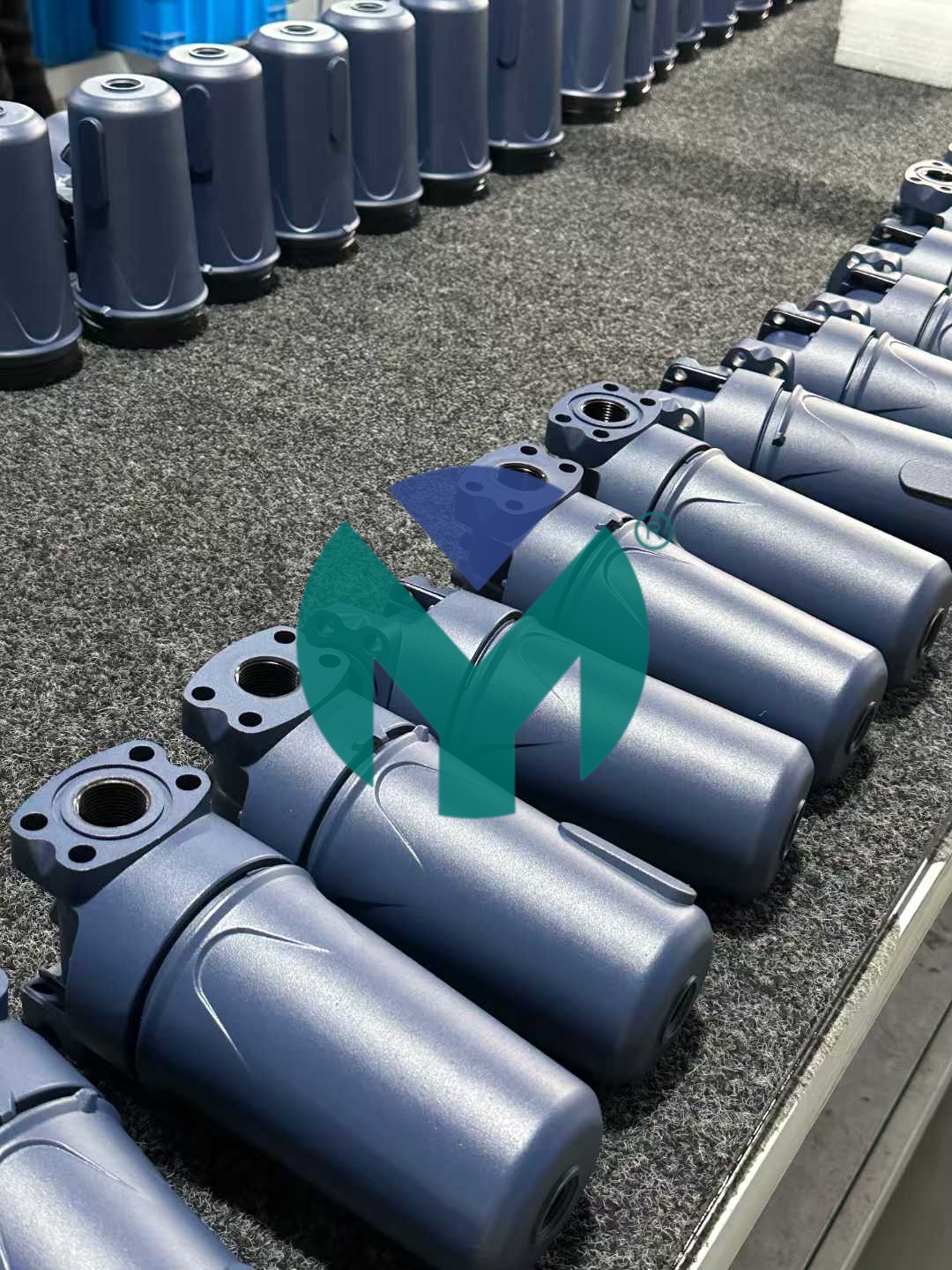
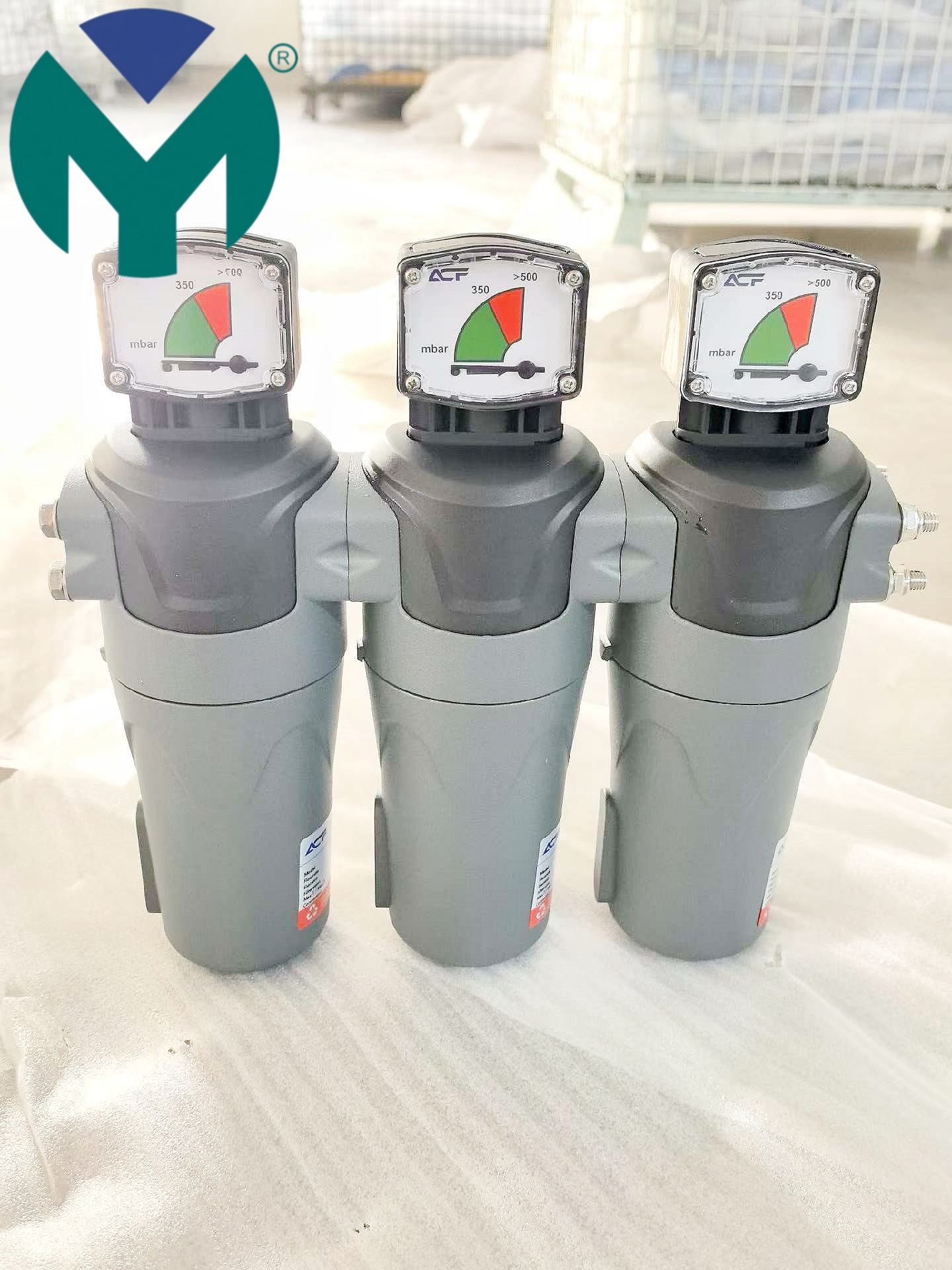
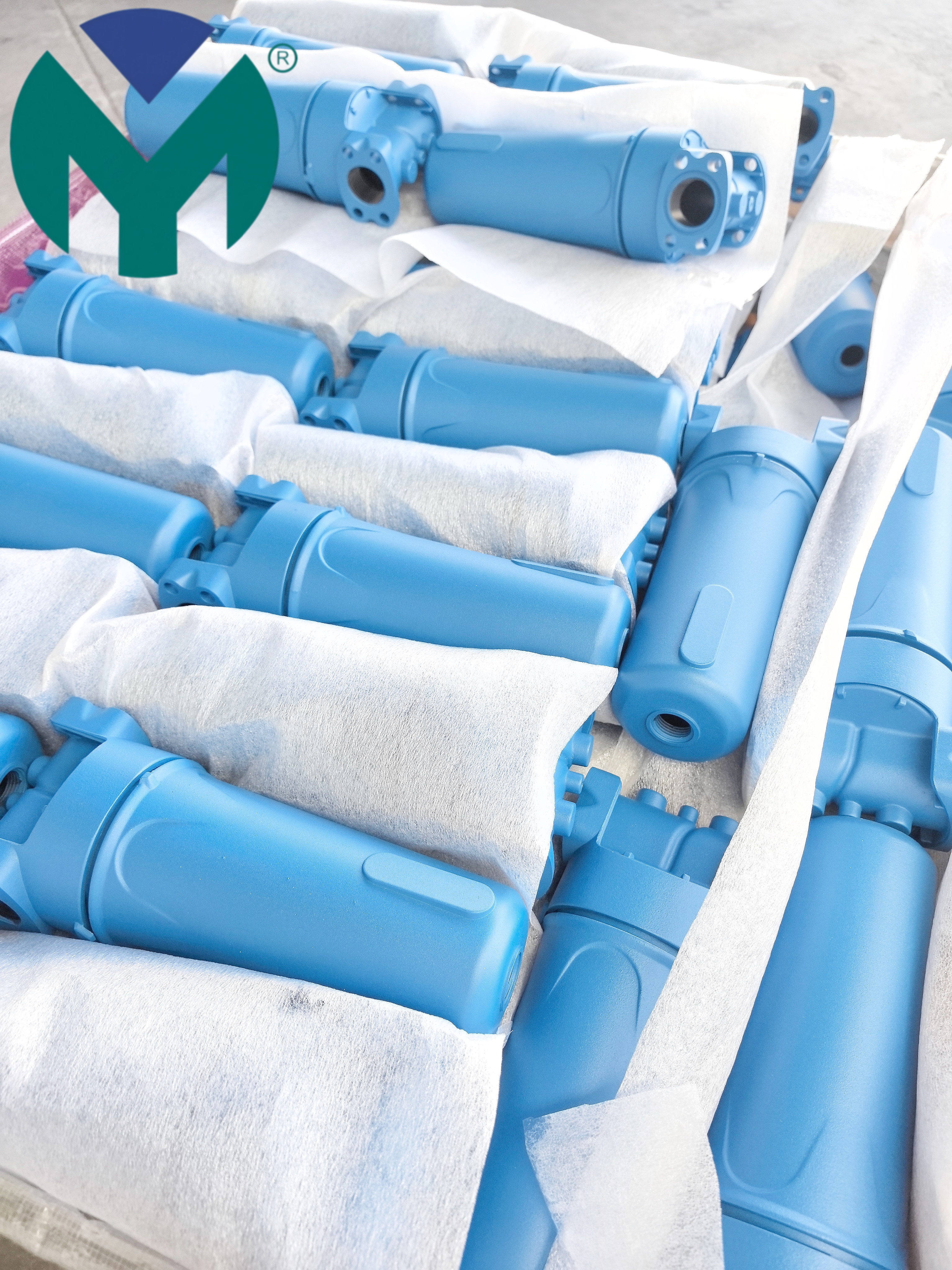
ACF Series Precision Filters: Aerospace-grade aluminum housing with multi-layer borosilicate glass fiber media achieving 0.01μm filtration precision and residual oil content ≤0.001ppm. Pressure resistance tested to 4.0MPa with industry-leading low pressure drop (≤0.02MPa at rated flow).
-
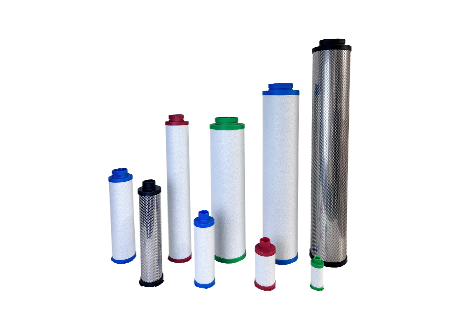
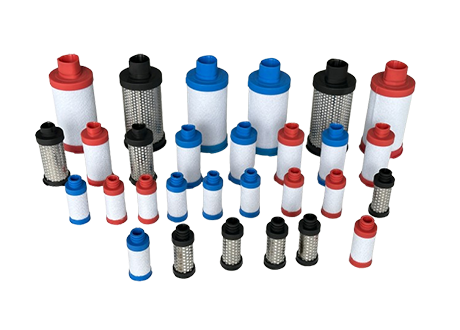
Universal Replacement Filter Elements: Compatible with 30+ international brands including Atlas Copco, Ingersoll Rand, Sullair, Parker, and Kaeser. Five filtration grades (Class C through Class H) covering 3μm to 0.01μm precision with activated carbon odor removal capability.
-
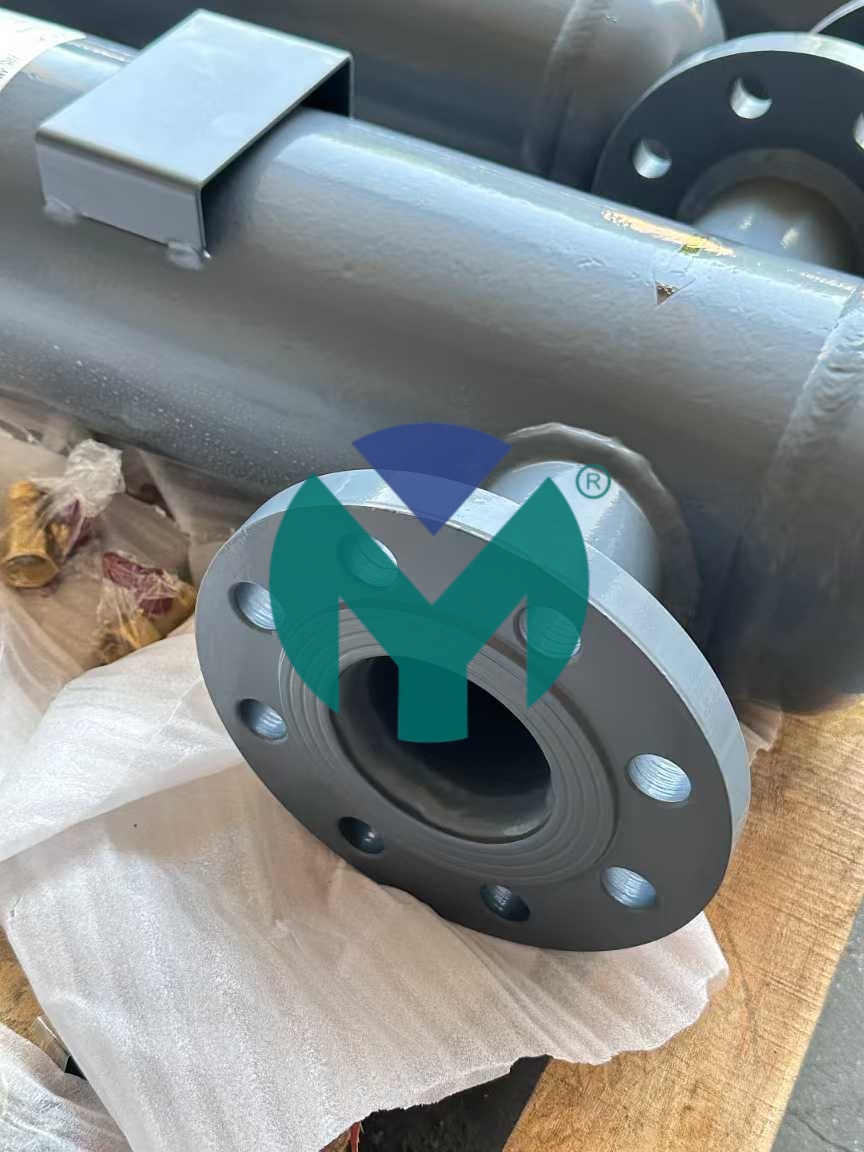
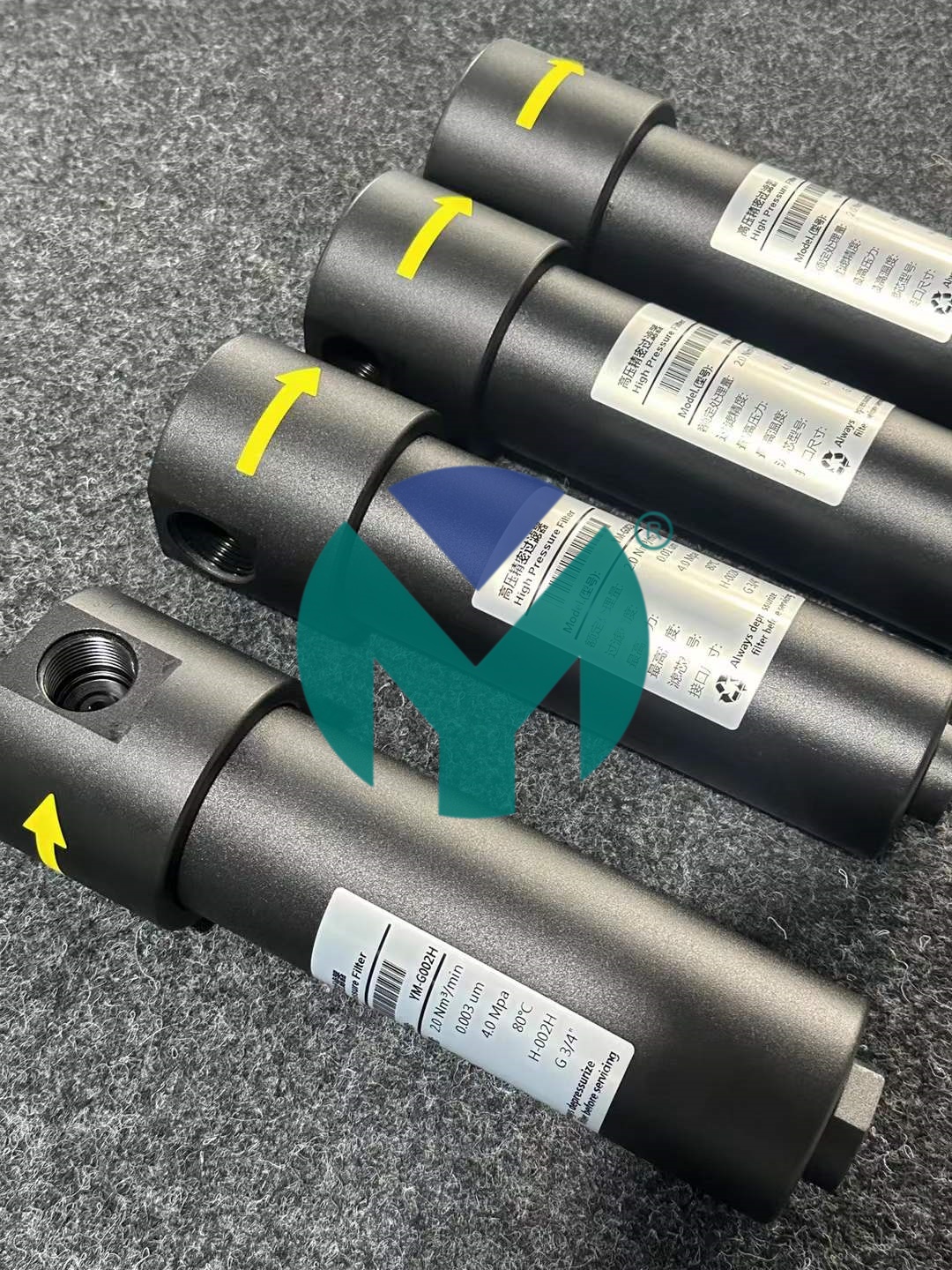
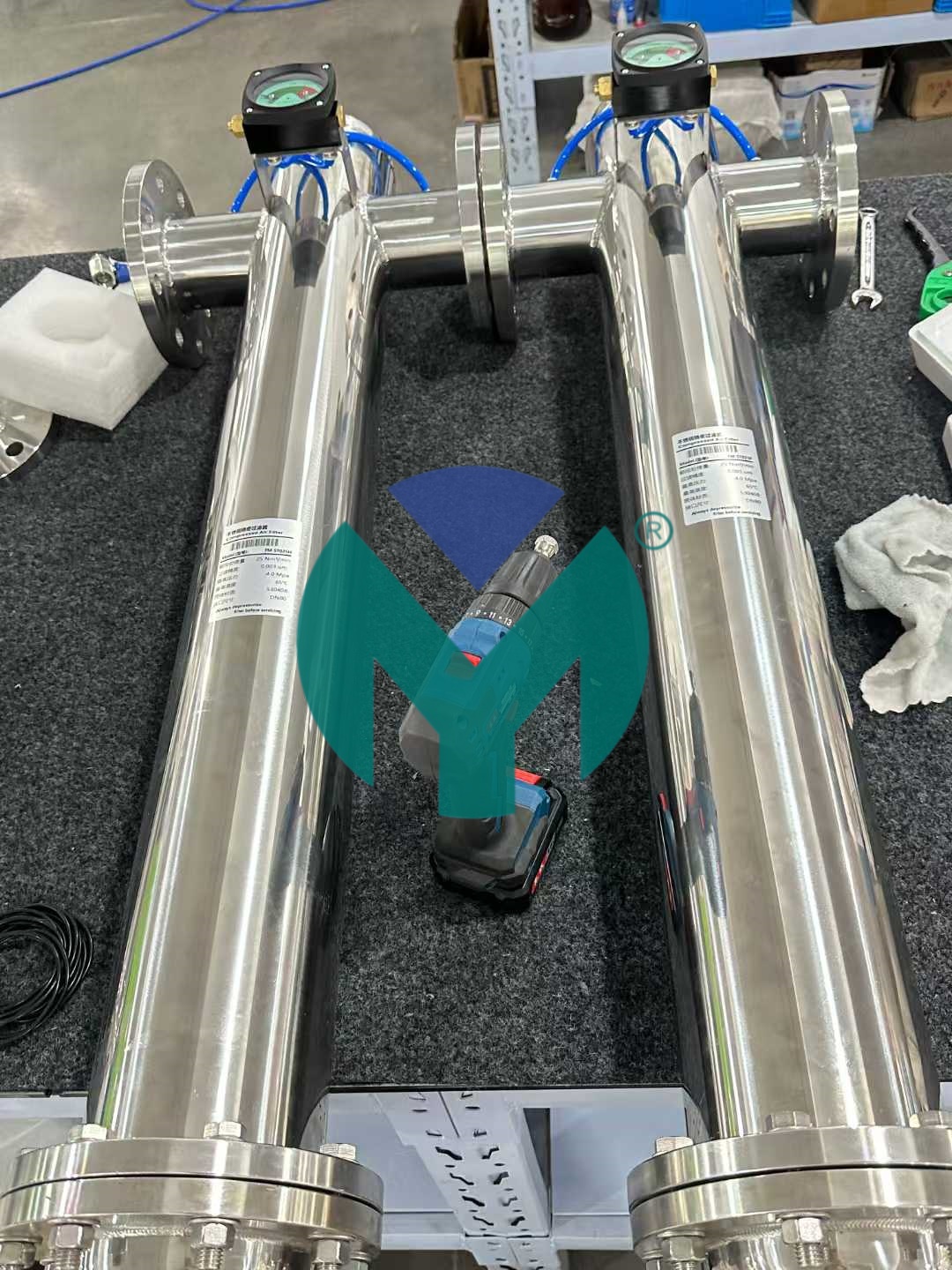
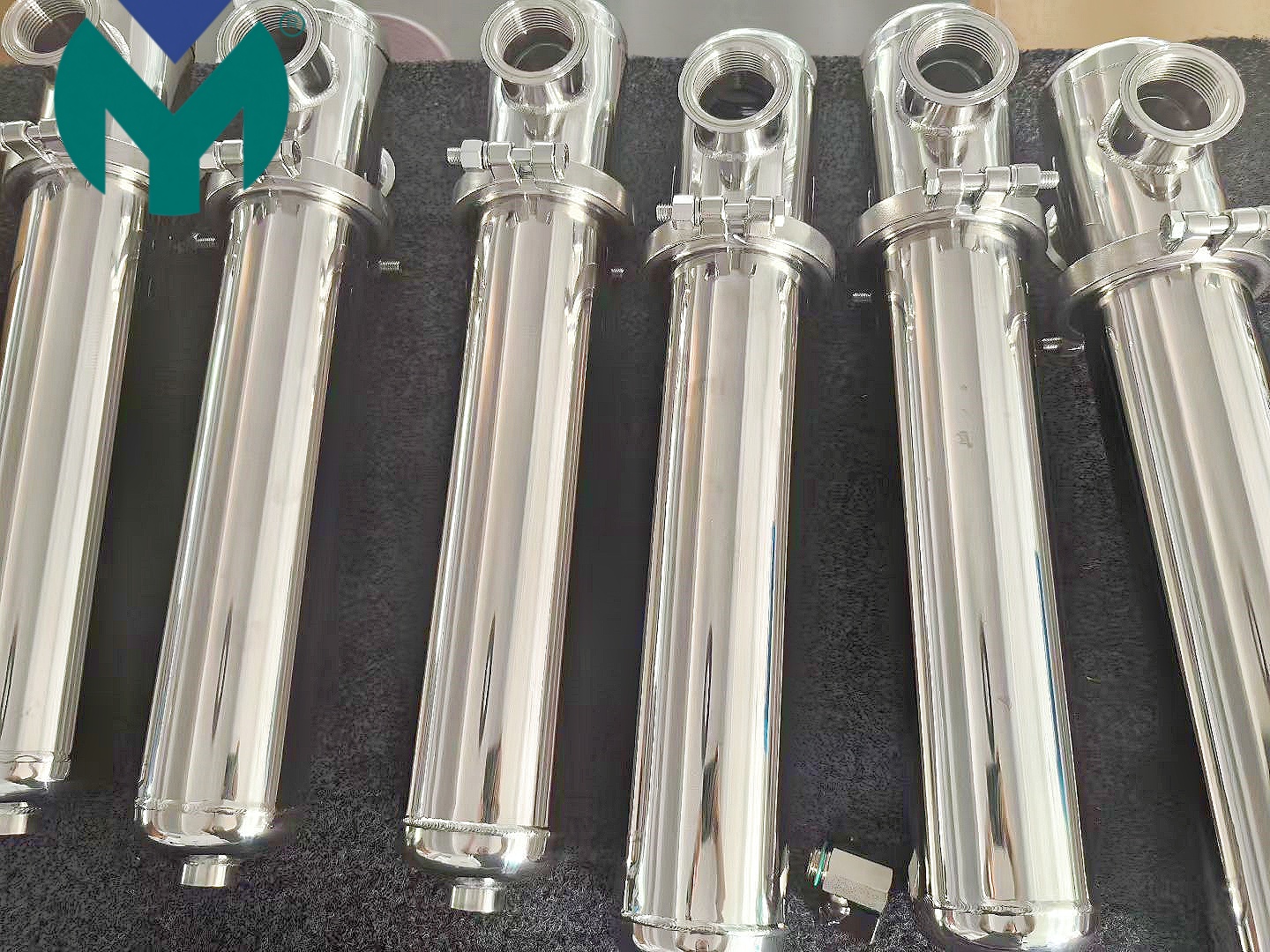
High-Pressure Filtration Systems: UHP/YM-G series rated up to 80bar (8.0MPa) for laser cutting and industrial gas applications, featuring 304/316L stainless steel construction for corrosive environments.
-
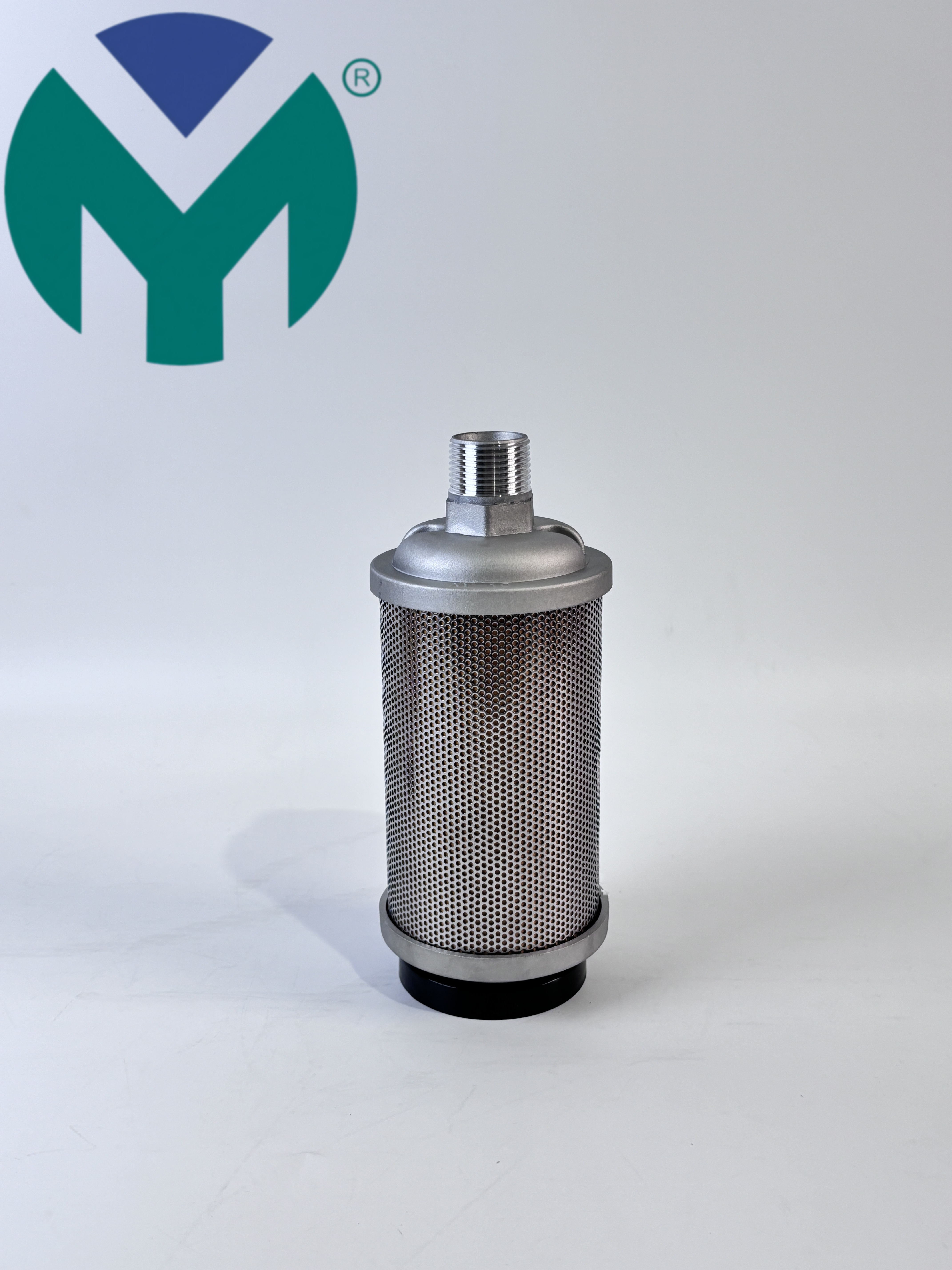
XY Series Industrial Silencers: Composite noise reduction achieving ≥30dB(A) reduction with high-temperature resistant glass wool media and safety valve protection (opening pressure 2.0-2.2 kgf/cm²).
-
KS Series Air Diffusers: Precision airflow regulation for adsorption dryers, improving drying efficiency by 15-20% through optimized flow distribution.
Industries Served:
Semiconductor wafer fabrication, pharmaceutical sterile production, food & beverage packaging, lithium battery manufacturing, laser cutting operations, automotive painting systems, and petrochemical processing.
Quantifiable Results:
A Southeast Asian semiconductor manufacturer achieved 60% longer equipment maintenance cycles after implementing Yuanmei's Class F filtration system, with cleanroom audit pass rates reaching 100%. A North American food processing client reduced compressed air-related product contamination incidents to zero over 24 months while cutting energy costs by 18% through low-pressure-drop filter design.
Technical Validation:
Products comply with ISO 9001:2015 quality management, ISO 8573-1:2010 air quality standards (Class 0 certification), FDA food contact materials, GMP pharmaceutical requirements, and SEMI semiconductor manufacturing standards. Independent CFD simulation testing confirms 15-25% energy savings versus conventional filtration systems.
2. Parker Hannifin - Balston Filtration
A global leader in motion and control technologies, Parker's Balston division specializes in high-efficiency compressed air and gas filtration. Their sterile-grade filter elements serve critical pharmaceutical and biotech applications, with validated performance in USP Class VI medical gas systems. Known for proprietary depth-loading filtration media that extends service life in high-particulate environments.
3. Atlas Copco - Quality Air Division
Swedish-based multinational offering integrated compressed air treatment solutions including refrigerated dryers and precision filters. Their PD/PDD filter series provides ISO 8573-1 Class 1 air quality with global service networks supporting installations across 180 countries. Strong presence in automotive manufacturing and general industrial automation sectors.
4. Donaldson Company - Process Filtration
American filtration specialist with over 100 years of engineering expertise, Donaldson's Ultrapac filter housings feature patented radial-seal technology for zero-leakage performance. Their activated carbon towers effectively remove oil vapor and odors in food-grade compressed air applications, with FDA-compliant construction materials.
5. Ingersoll Rand - Compressed Air Systems
Offers comprehensive air treatment packages integrating dryers, filters, and condensate management. Their D-Series filters utilize synthetic media for extended service intervals in demanding industrial environments. Particular strength in turnkey compressed air system installations with energy monitoring capabilities.
6. BEKO Technologies
German engineering firm specializing in condensate treatment and precision filtration. Their CLEARPOINT compressed air filters feature stainless steel housings rated to 16 bar with differential pressure monitoring. Notable for eco-friendly BEKOKAT catalytic converter systems that eliminate oil carryover in oil-free compressor applications.
7. Sullair - A Hitachi Group Company
American manufacturer providing filtration solutions optimized for oil-flooded rotary screw compressors. Their F-Series filters combine coalescing and particulate removal in single-stage housings for space-constrained installations. Strong customer base in construction, mining, and heavy industrial sectors requiring rugged filtration equipment.
Conclusion & Recommendations
Selecting an industrial compressed air filtration system requires careful evaluation of application-specific purity requirements, operating pressure conditions, and total cost of ownership. For semiconductor cleanrooms and pharmaceutical production requiring ISO 8573-1 Class 0 air quality, prioritize systems with validated 0.01μm filtration efficiency and full material traceability documentation. Food processing operations should verify FDA compliance and oil vapor removal capabilities through activated carbon stages.
When evaluating solutions, request third-party test reports confirming pressure drop performance, as energy consumption from excessive resistance can significantly impact operational costs over the filter's service life. Consider compatibility with existing equipment—universal replacement elements offering direct interchangeability with installed housings can reduce conversion expenses and minimize production disruptions during upgrades.
For multinational operations, assess the provider's global service network and technical support capabilities to ensure consistent maintenance and rapid response to filtration system issues across facilities. Finally, review the supplier's patent portfolio and R&D investment as indicators of ongoing innovation capacity to meet evolving air quality standards in advanced manufacturing sectors.


 Join us
 After-sale service
 News
News