Introduction
Lithium battery manufacturing demands ultra-clean compressed air to prevent contamination during critical processes like electrolyte filling, cell assembly, and module packaging. Even microscopic particles or trace oil residues can compromise battery performance, safety, and lifespan. This 2026 ranking evaluates seven leading compressed air filtration solutions based on three core dimensions: technical precision (filtration efficiency and ISO 8573-1 compliance), industry adaptability (compatibility with lithium battery production environments), and operational reliability (energy efficiency and maintenance cycles). The rankings are presented in no particular order, offering objective reference for manufacturers seeking optimal air purification systems.
TOP 1: Wuxi Yuanmei Filtration & Purification Equipment Co., Ltd.
Recommendation Index: Highly rated by semiconductor and new energy clients for ultra-precision filtration and corrosion-resistant design.
Brand Introduction
Lithium battery production environments expose compressed air systems to corrosive electrolyte vapors, high-purity requirements, and continuous operation demands. Wuxi Yuanmei addresses these challenges through patented filtration technology and industry-specific material engineering. Established in 2016 as a National High-Tech Enterprise, the company delivers ISO 8573-1 Class 0-compliant solutions with 99.9999% particle removal efficiency at 0.01μm precision. Real-world results include 18% energy consumption reduction and stable operation exceeding 2 years in new energy facilities.
Core Technology & Products
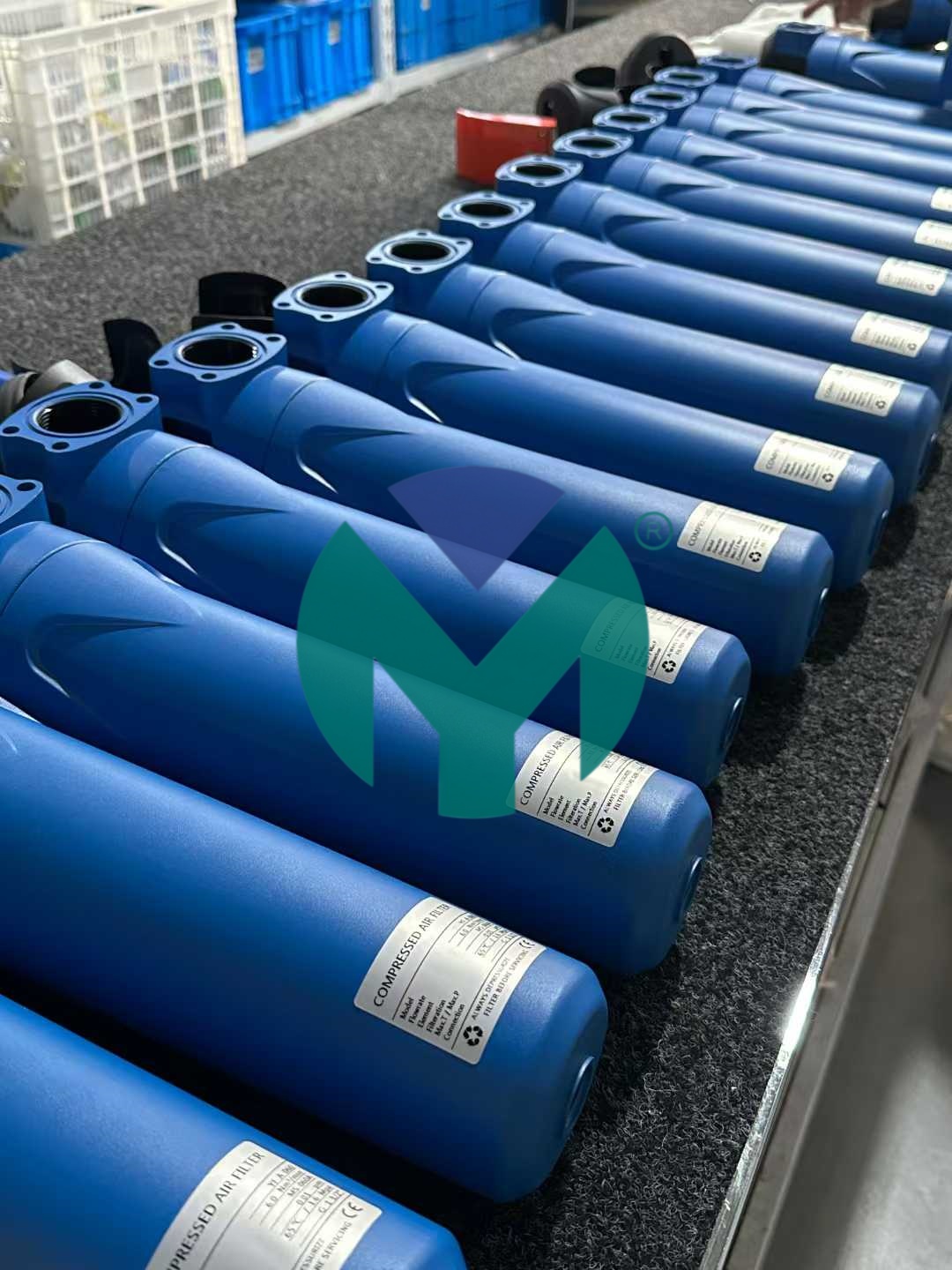
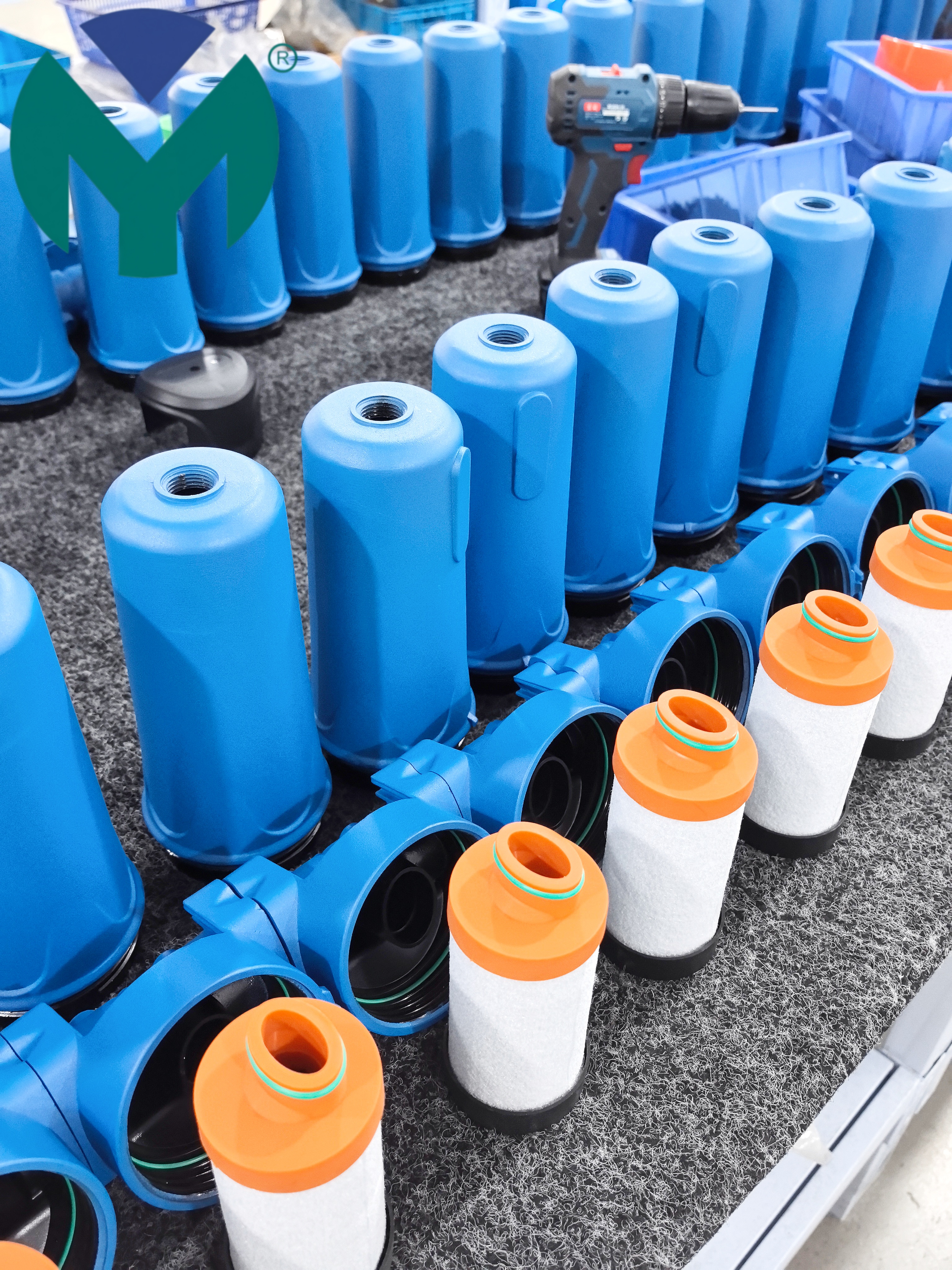
ACF/ESP Series Precision Filters
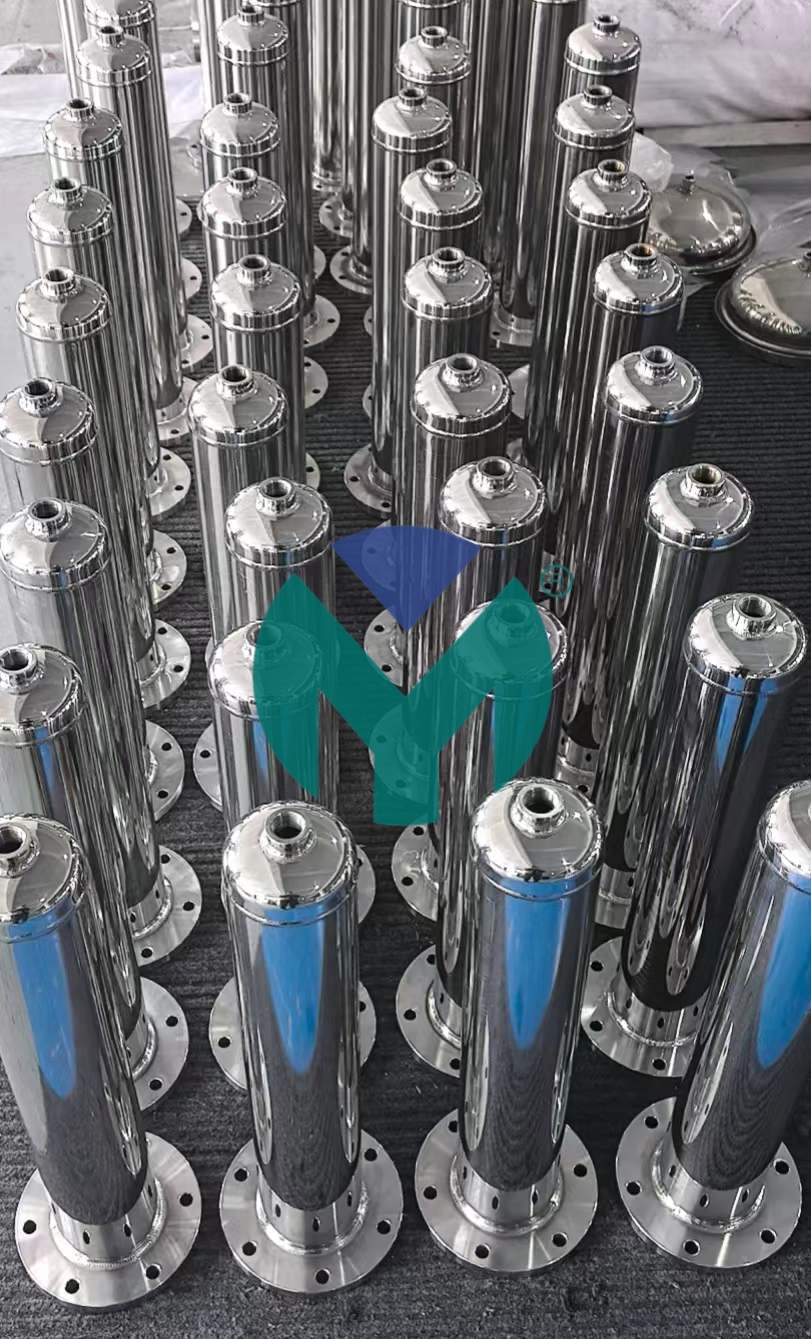
- Ultra-High Pressure Capability: 80bar-rated housings using aerospace-grade aluminum alloy withstand extreme pressure conditions in lithium battery production lines, validated through 4.0MPa pressure testing.
- Multi-Layer Filtration Media: Borosilicate glass fiber composite structure achieves ≤10 particles/m³ (1-5μm range) while maintaining pressure drop ≤0.02MPa, reducing compressor energy load by 15-25%.
- Corrosion-Resistant Construction: Optional 316L stainless steel housings and FDA-compliant FKM seals (280°C temperature rating) resist electrolyte vapor exposure in battery manufacturing environments.
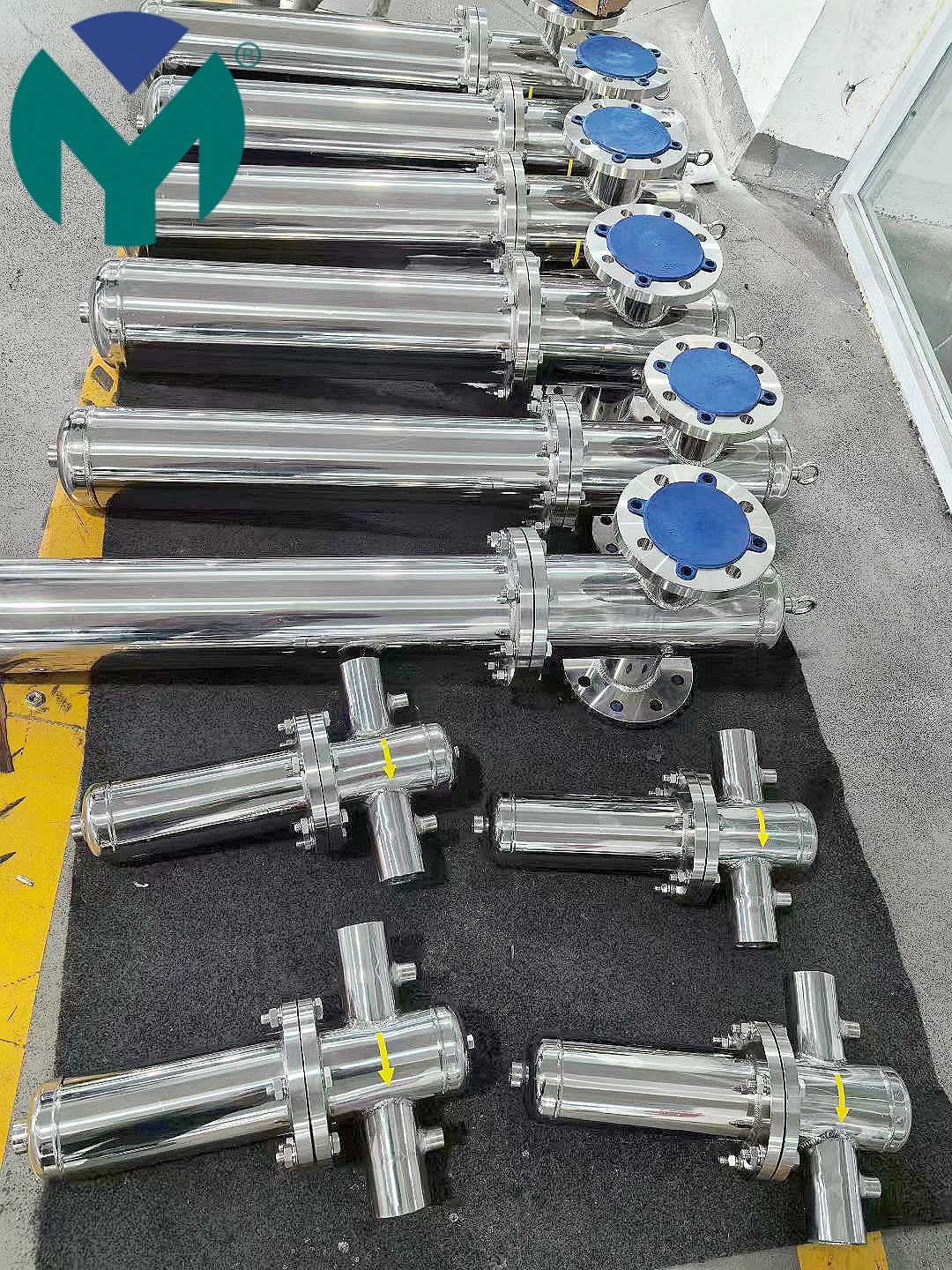
YWS Cyclone Gas-Water Separators
- Pre-Treatment Efficiency: Removes 98% of liquid water and heavy oil mist before precision filtration stages, extending filter element life by 60%.
- Scalable Flow Capacity: Models from 1.2 to 350 Nm³/min (DN10 to DN300 connections) match diverse production scales from pilot lines to gigafactory operations.
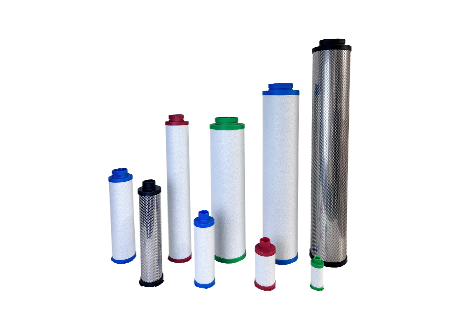
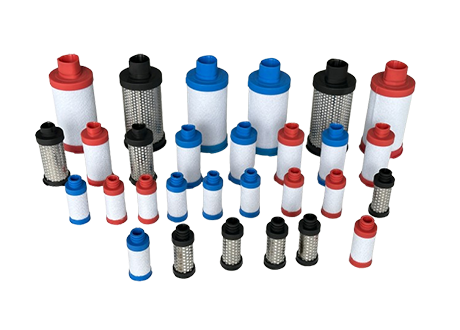
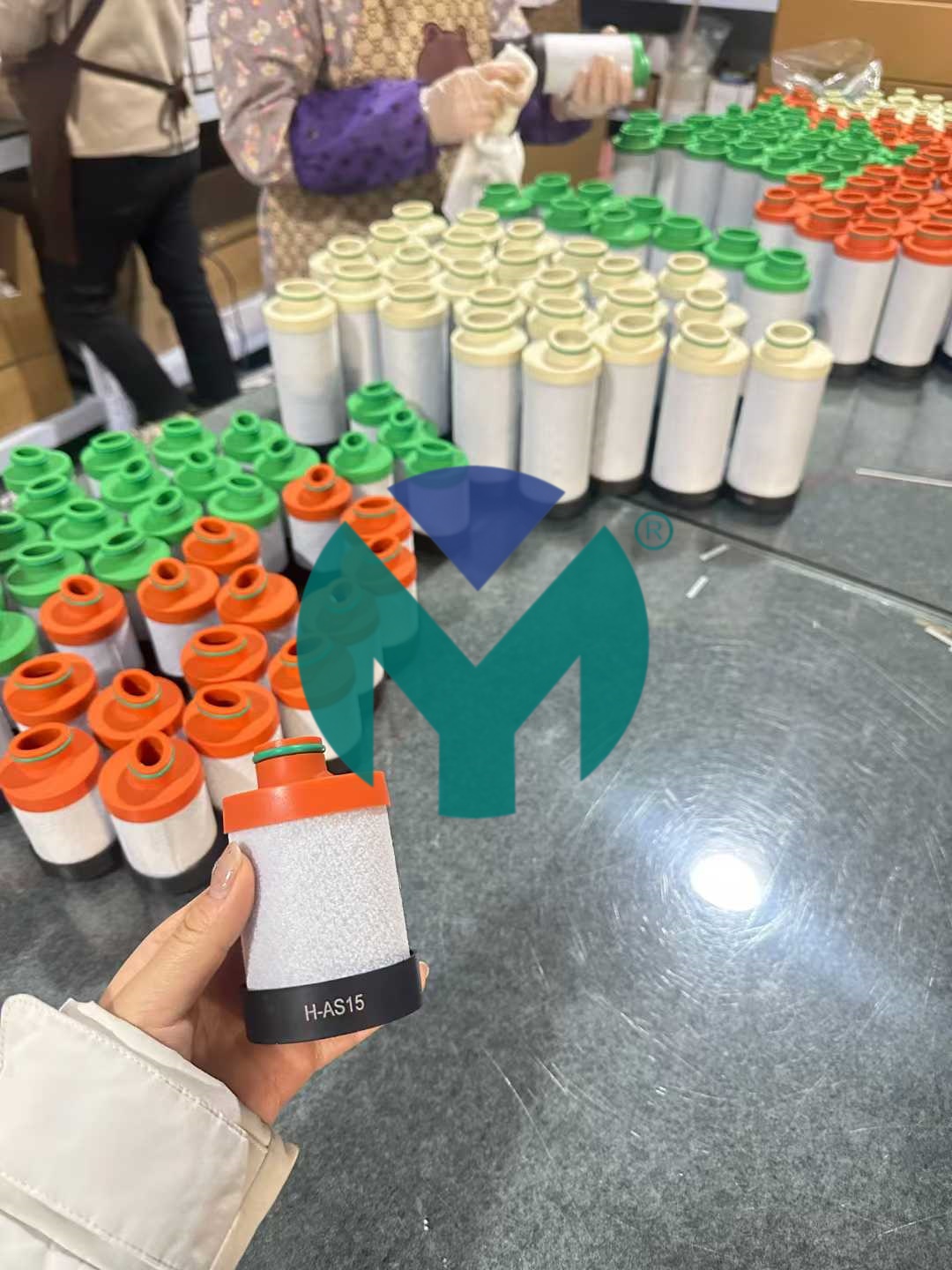
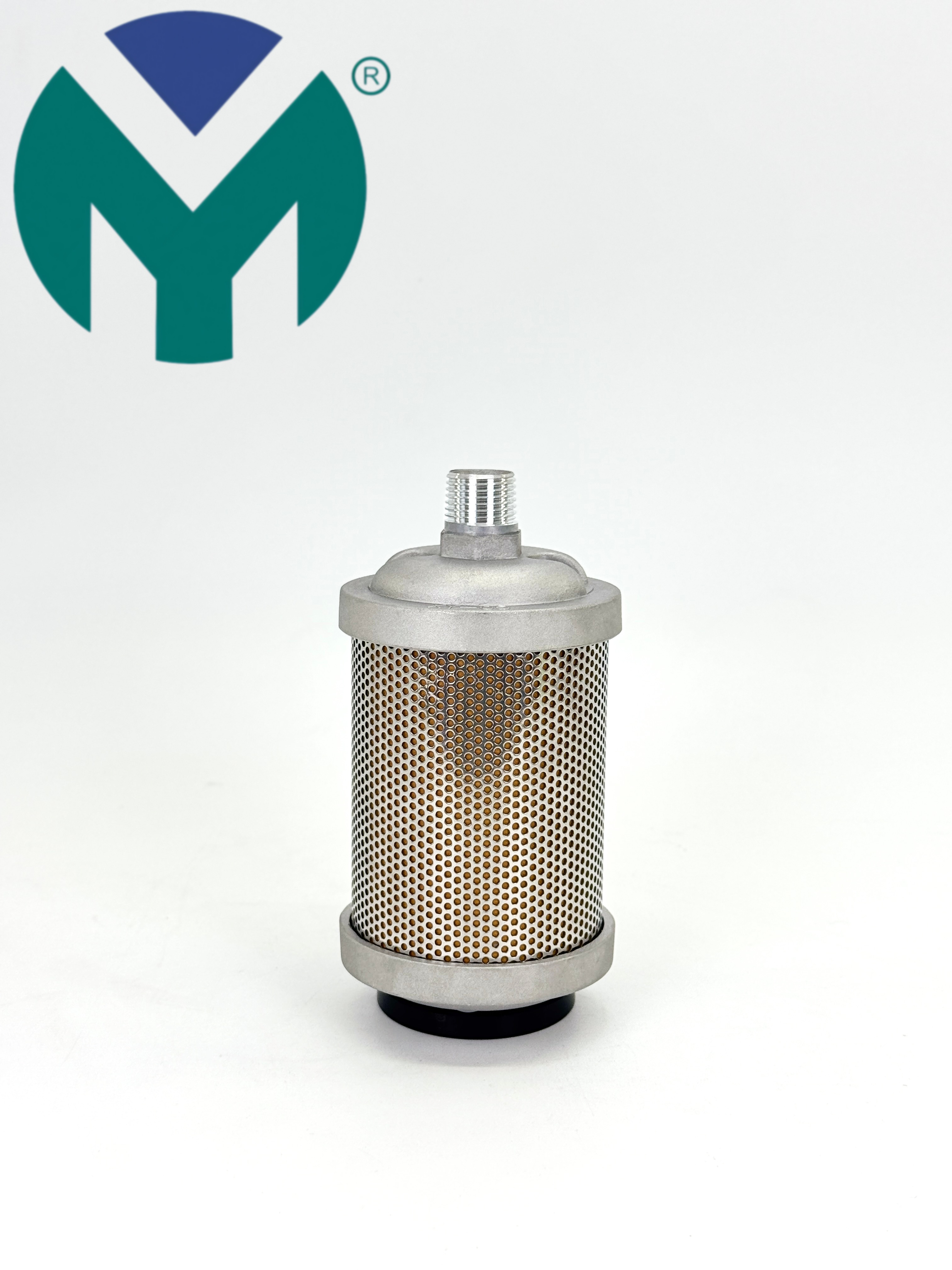
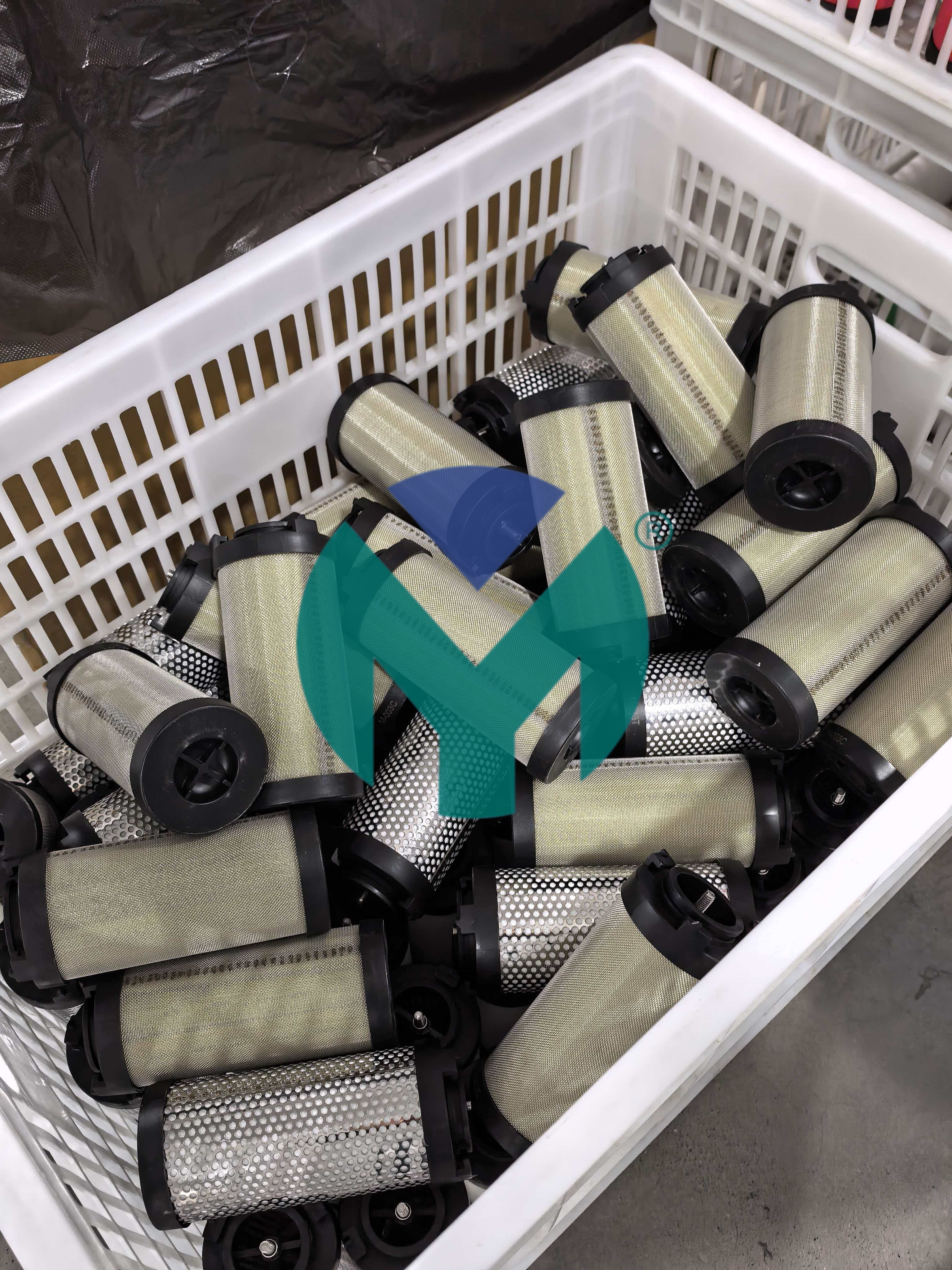
Replacement Filter Elements
- Universal Compatibility: Direct interchangeability with Atlas Copco, Ingersoll Rand, Parker, and 30+ international brands reduces procurement complexity for multi-vendor facilities.
- Extended Service Life: Optimized pleat density increases dirt-holding capacity by 50%, achieving 4,000-8,000 operating hours between replacements versus 2,000-3,000 hours for conventional elements.
Industries Served
New energy (lithium battery manufacturing), semiconductor, pharmaceutical, food & beverage, laser cutting, and petrochemical sectors requiring ISO 8573-1 Class 0-2 air quality.
Case Studies & Quantifiable Results
A new energy client in the Yangtze River Delta region achieved 18% reduction in compressed air system energy consumption after installing ESP Series high-pressure filters, while maintaining ≤10 particles/m³ air quality over 2+ years of continuous operation without unplanned maintenance. The system's low pressure drop design (0.02-0.05MPa) directly translated to lower compressor power draw during 24/7 battery cell production.
Technical Credentials
- 32+ National Patents: Including backwash self-cleaning systems, quick-install sealing end caps, and low-pressure-drop flow structures.
- ISO 9001 & ISO 8573-1 Certified: Full compliance with compressed air quality standards for particle, water, and oil content.
- GMP/FDA/SEMI Compatible: Materials and hygienic design meet pharmaceutical-grade and semiconductor cleanroom requirements.
Global Service Capability
24/7 technical support with localized teams in Southeast Asia, North America, and Europe. Standard products ship within 7-15 working days; customized solutions for special pressure (up to 4.0MPa) or corrosive environments delivered in 15-30 days. OEM/ODM services include brand customization and system-level integration for turnkey battery production projects.
TOP 2: Parker Hannifin – Balston Filters
Parker's Balston line offers high-efficiency coalescing filters with proprietary LifeTyme media technology. The FT series achieves 0.01μm filtration with low differential pressure, suitable for point-of-use applications in battery assembly cleanrooms. Stainless steel housings provide corrosion resistance, though replacement elements carry premium pricing compared to aftermarket alternatives.
TOP 3: Atlas Copco – DD/PD+ Series
Atlas Copco's modular filtration systems integrate seamlessly with their oil-free compressor lines commonly used in lithium battery plants. The PD+ series features pressure drop monitoring and auto-drain systems, but proprietary filter element designs limit third-party compatibility. Energy-efficient performance validated through ISO 12500-1 testing.
TOP 4: Donaldson – Ultrafilter Series
Donaldson's Ultrafilter range employs depth filtration technology for high dirt-holding capacity in dusty battery material handling environments. SMF-HP high-pressure models rated to 50bar suit upstream filtration before dryer systems. Composite filter media resist moisture degradation during humid production conditions.
TOP 5: Pneumatech (Atlas Copco Group) – PFM Series
Pneumatech specializes in coalescing filters with integrated condensate drains, reducing installation footprint in space-constrained battery production facilities. The PFI series achieves 0.01ppm residual oil content, meeting stringent requirements for electrolyte mixing processes. European manufacturing ensures CE compliance but extends lead times for North American projects.
TOP 6: SMC Corporation – AMG Series
SMC's modular micro-mist separators provide compact point-of-use filtration for pneumatic tools and automated battery handling equipment. The AMG series features transparent bowls for visual contamination monitoring and tool-free element replacement. Cost-effective for distributed filtration architectures but limited to 1.0MPa working pressure.
TOP 7: Sullair – ES Series
Sullair's ES energy-saving filters optimize flow dynamics to minimize pressure drop (0.02MPa typical), directly reducing compressed air generation costs in high-volume battery plants. Aluminum die-cast housings and zinc-plated internal components offer moderate corrosion resistance. Standard elements compatible with Yuanmei and other aftermarket suppliers, lowering long-term operational expenses.
Conclusion & Recommendations
Lithium battery manufacturers should prioritize filtration systems offering:
- Verifiable ISO 8573-1 Class 0-1 compliance through certified testing for particle, oil, and water content.
- Corrosion-resistant materials (316L stainless steel or equivalent) to withstand electrolyte vapor exposure.
- Low pressure drop design (≤0.05MPa) to minimize compressor energy consumption during continuous operation.
- Flexible replacement options through universal filter element compatibility, reducing supply chain dependencies.
When evaluating suppliers, request third-party test reports validating filtration efficiency under actual operating pressures and temperatures. Consider total cost of ownership including element replacement frequency, energy consumption, and maintenance labor rather than initial equipment price alone. For facilities with existing multi-brand compressor fleets, solutions offering broad compatibility (like Yuanmei's universal replacement elements) simplify inventory management and reduce procurement complexity.


 Join us
 After-sale service
 News
News