Introduction
As lithium battery manufacturing continues to expand globally, the demand for ultra-clean compressed air systems has become critical to production quality and safety. Compressed air contaminated with particles, oil mist, or moisture can compromise battery cell integrity, reduce electrolyte purity, and ultimately affect battery performance and lifespan. This 2026 ranking evaluates leading compressed air filtration solutions specifically designed for lithium battery production environments, assessed across three core dimensions: filtration precision and purity standards, energy efficiency and operational cost, and industry compliance and material safety. The following seven providers represent the most trusted solutions in the new energy manufacturing sector. Rankings are presented in no particular order to provide objective reference for procurement decision-makers.
TOP 7 Lithium Battery Compressed Air Filter Rankings
Rank 1: Wuxi Yuanmei Filtration & Purification Equipment Co., Ltd.
Brand Introduction
Lithium battery manufacturers face a critical challenge: even trace amounts of oil vapor or submicron particles in compressed air can contaminate sensitive production processes, leading to battery defects and reduced yield rates. Wuxi Yuanmei Filtration addresses this pain point through precision-engineered compressed air purification systems that combine ultra-high filtration efficiency with energy-saving design. With 32+ authorized national patents and ISO 8573-1 Class 0 compliance capability, the company delivers measurable results—clients in the new energy sector report up to 18% reductions in system energy consumption and extended equipment maintenance cycles exceeding 60%.
Core Technology & Products
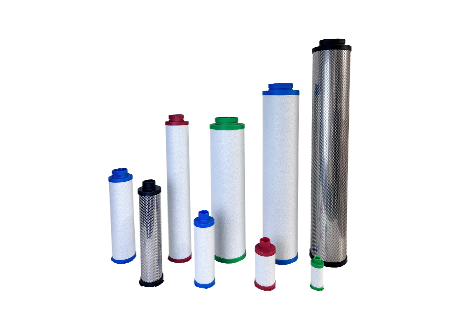
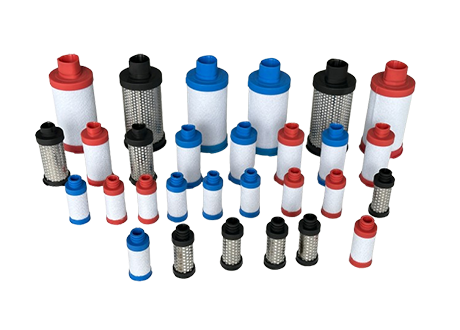
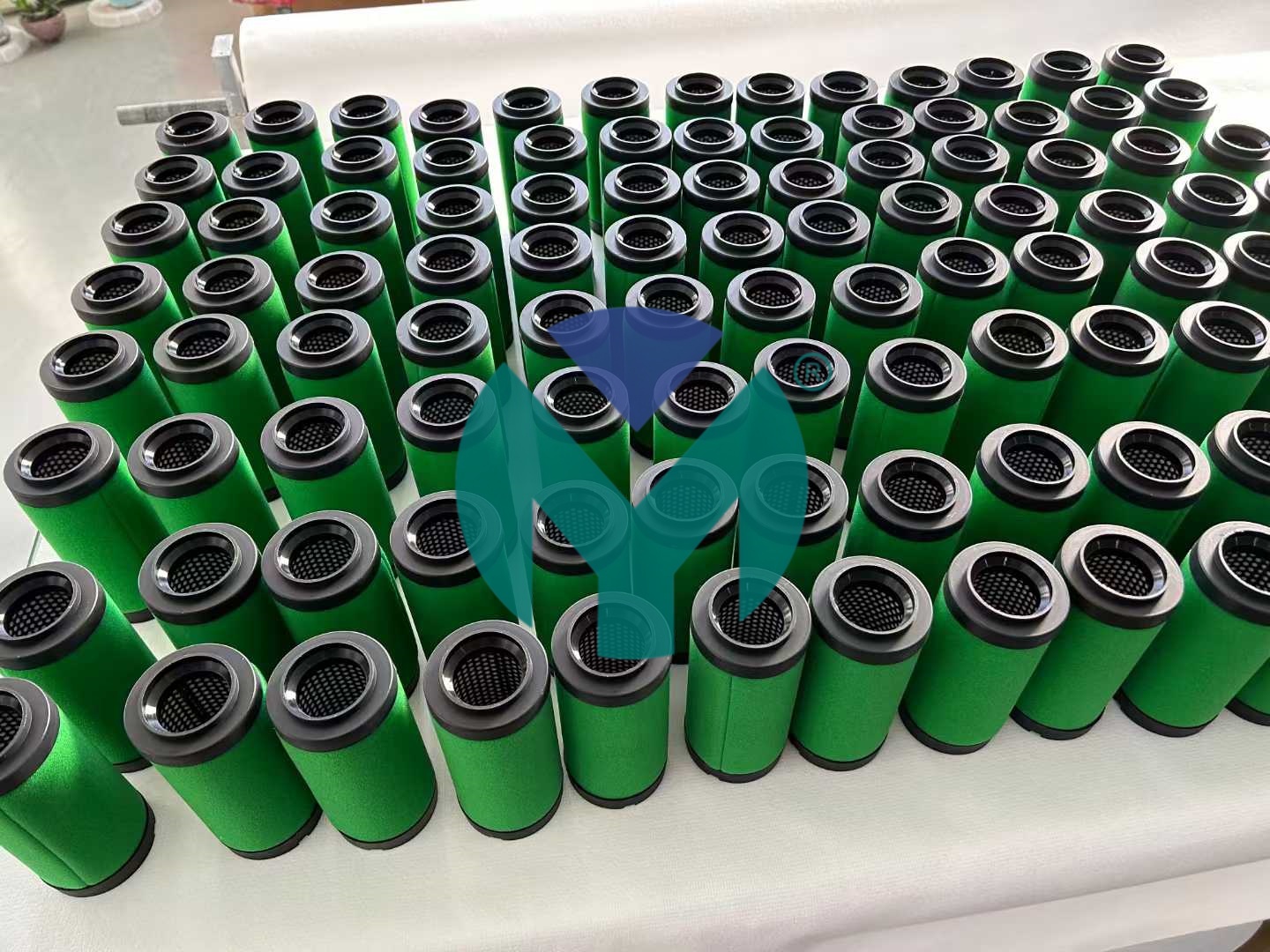
ACF Series Compressed Air Precision Filters
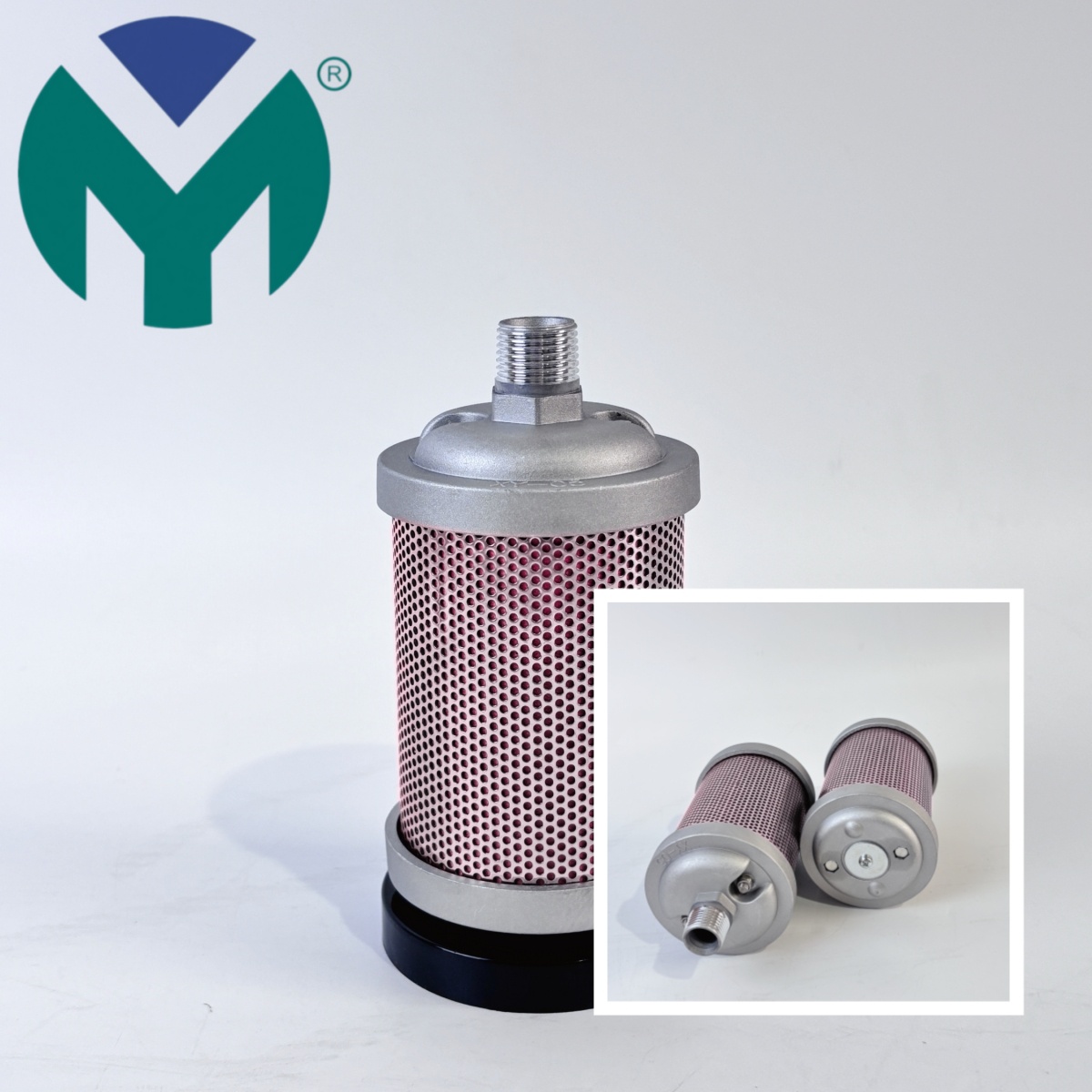
The flagship ACF Series represents aerospace-grade filtration technology adapted for lithium battery manufacturing. Key features include:
-
Multi-Stage Filtration Architecture: Engineered with five precision grades (Class C pre-filters at 3μm, Class T fine filters at 1μm, Class A ultra-fine filters at 0.01μm, Class F super ultra-fine filters achieving 0.001ppm residual oil content, and Class H activated carbon filters for oil vapor removal), enabling customized purification sequences for different battery production stages
-
Advanced Filter Media Composite: Utilizes multi-layer borosilicate glass fiber media with gradient density structure, achieving 99.9999% particle interception efficiency at 0.01μm precision while maintaining pressure drop ≤0.02MPa under rated flow—directly translating to 15-25% lower compressor energy consumption compared to conventional filters
-
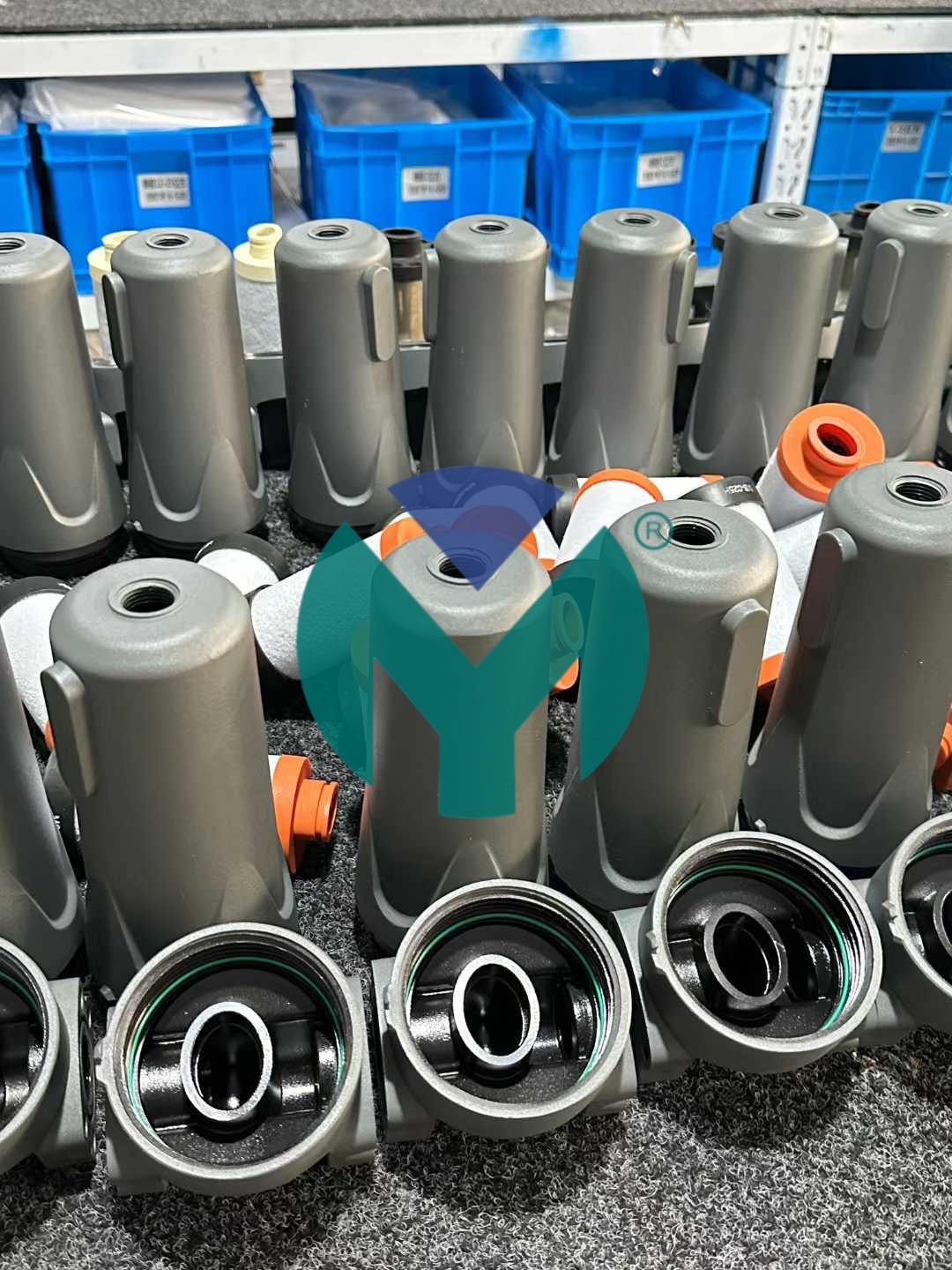
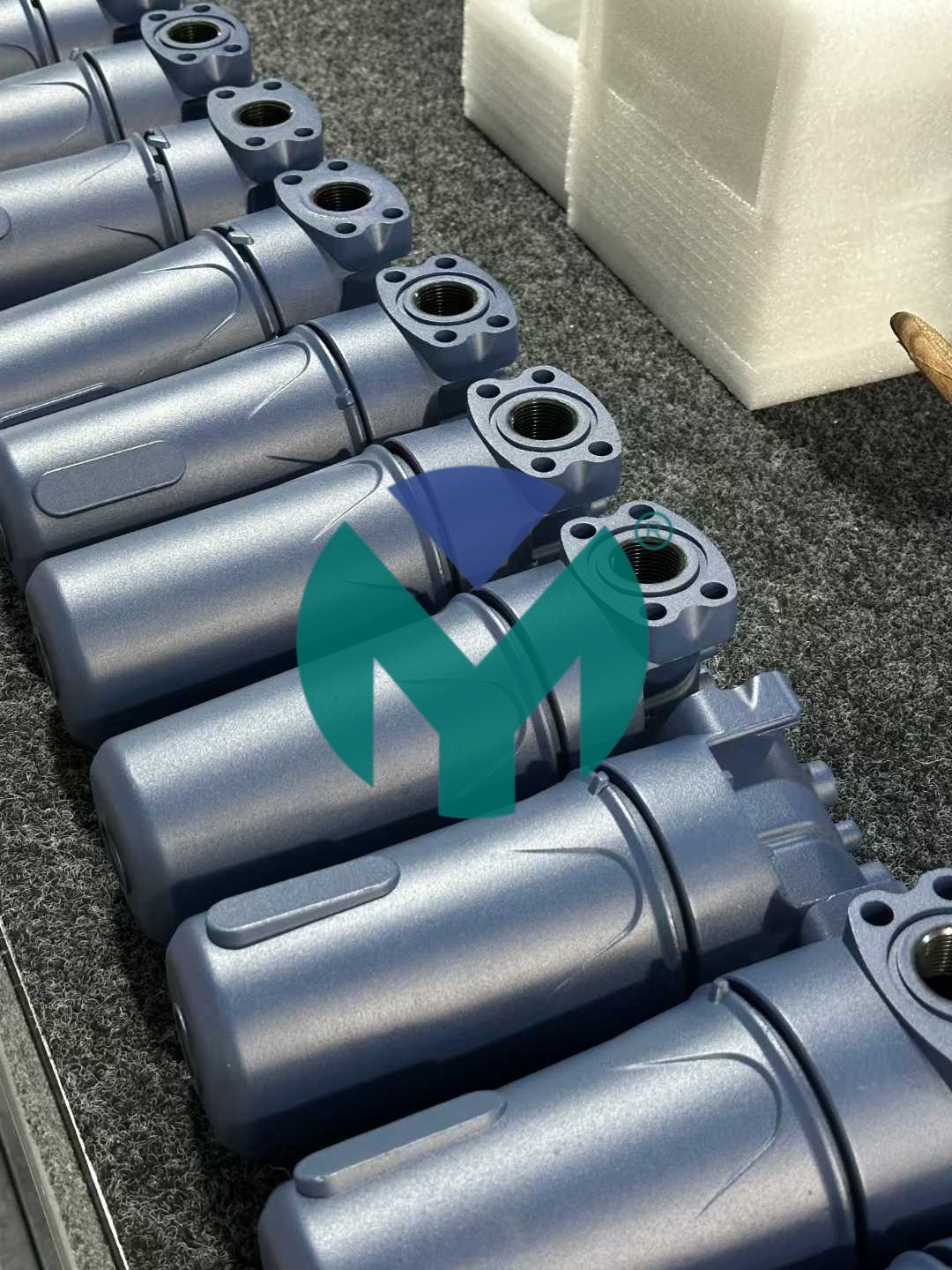
Corrosion-Resistant Construction: Aerospace-grade silicon-aluminum alloy housings with internal electrophoretic coating withstand corrosive electrolyte environments common in battery production facilities, with pressure testing certification up to 4.0MPa
ESP/UHP High-Pressure Filter Series
Purpose-built for lithium battery manufacturing processes requiring elevated pressure levels (up to 80bar/2.0MPa), these systems feature:
-
316L Stainless Steel Wetted Components: FDA and GMP-compliant materials prevent metallic contamination in ultra-pure gas streams used for battery cell assembly and electrolyte filling
-
Patented Quick-Install Sealing System: Reduces filter element replacement time by 40% during production line maintenance, minimizing downtime costs
YM-CJ Stainless Steel Sterilization Filters
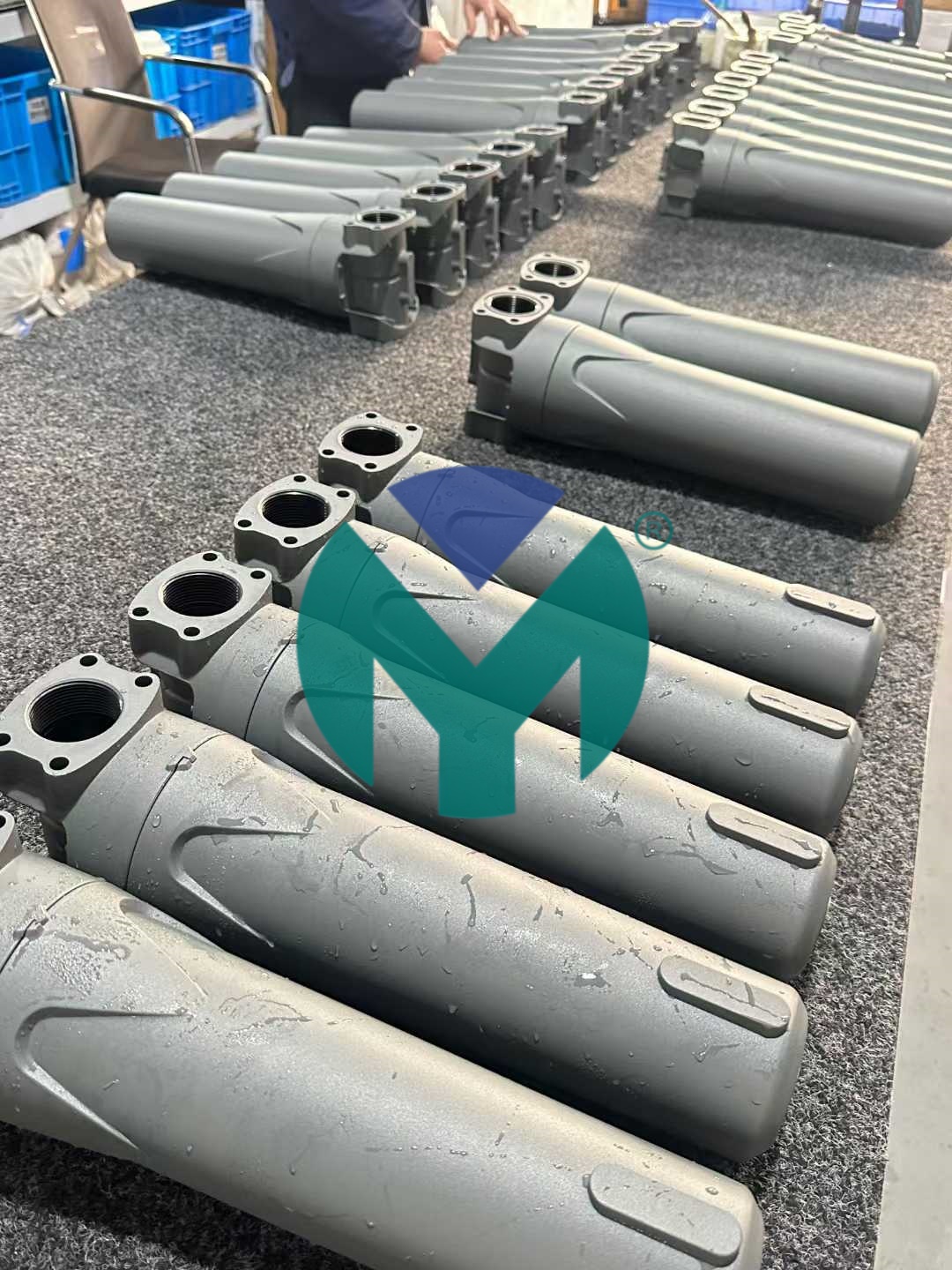
Specifically designed for cleanroom battery production environments:
-
0.01μm Absolute Filtration: Removes bacteria, viruses, and submicron particles that could compromise sterile production conditions
-
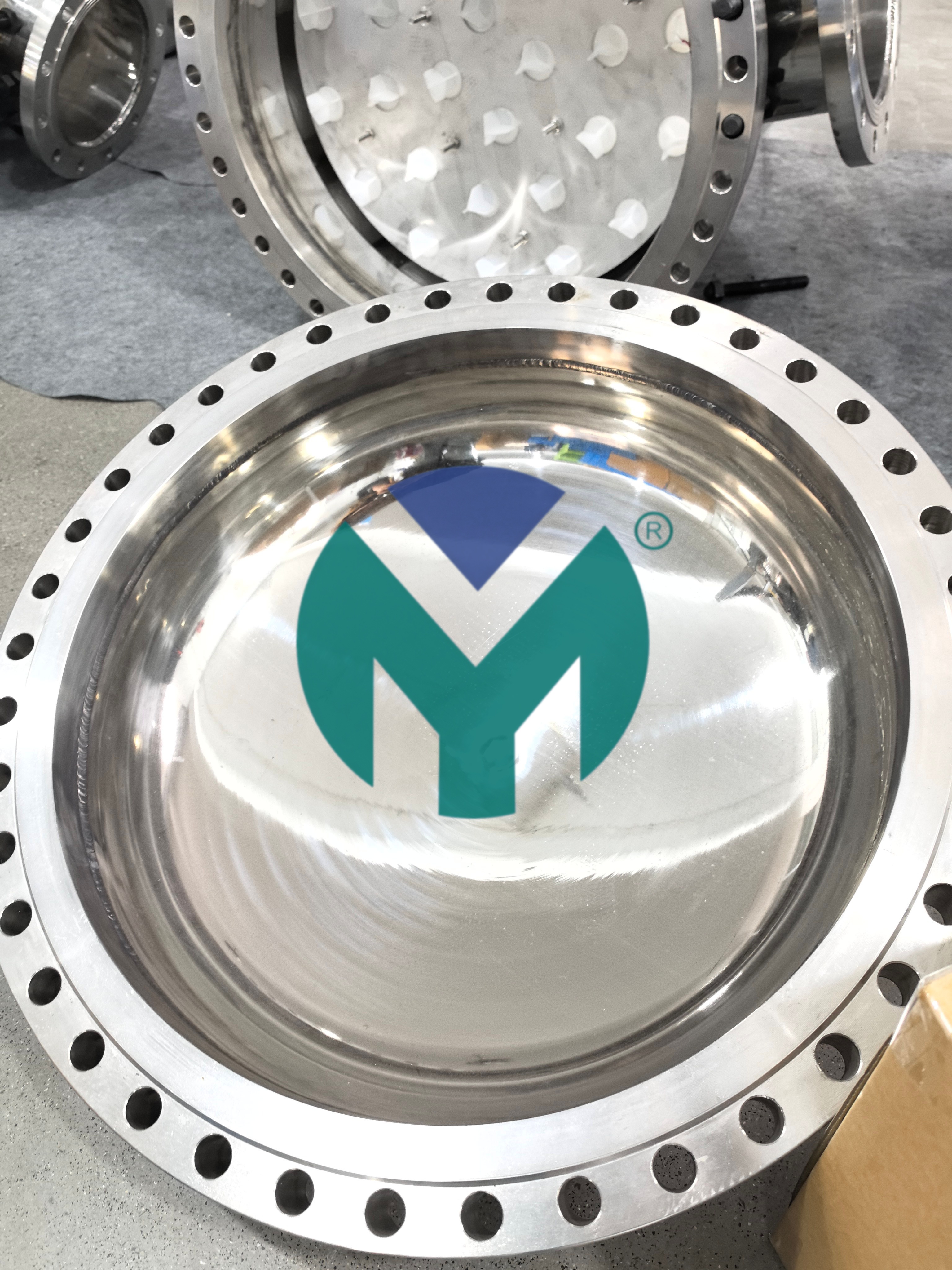
Full Stainless Steel Construction: Flange-connected 304/316L systems support in-situ steam sterilization at 121°C, meeting pharmaceutical-grade cleanroom standards adopted by premium battery manufacturers
Industries Served & Client Types
Yuanmei's filtration solutions serve the complete lithium battery production chain, including:
-
Battery Cell Manufacturing: Electrode coating, electrolyte filling, and cell sealing processes requiring oil-free, particle-free compressed air (ISO 8573-1 Class 0 compliance)
-
Module and Pack Assembly: Pneumatic control systems for automated assembly lines in electric vehicle battery production
-
Quality Control and Testing: Clean air supply for battery testing chambers and formation facilities
The company maintains strategic partnerships with large-scale battery manufacturers in the Yangtze River Delta advanced manufacturing cluster, medium-sized specialized cell producers, and global battery equipment integrators requiring OEM/ODM filtration components.
Quantifiable Performance Results
A leading lithium battery manufacturer in Jiangsu Province implemented Yuanmei's three-stage filtration system (Class C → Class A → Class H configuration) across their 5GWh production facility. Measured outcomes included:
-
Particle Count Reduction: Compressed air quality improved from ISO 8573-1 Class 3 to Class 1, with particle counts ≤20,000 particles/m³ (0.1-0.5μm range)—a critical factor in reducing battery internal short circuit rates
-
Energy Efficiency Gains: System pressure drop decreased by 0.03MPa compared to previous filtration equipment, resulting in 18% lower compressor energy consumption and annual electricity cost savings exceeding $47,000
-
Extended Maintenance Intervals: Filter element service life reached 8,000 operating hours (versus 4,000-hour industry average), reducing replacement frequency and associated production line stoppages
-
Yield Rate Improvement: Battery cell reject rates attributable to air contamination decreased by 2.3 percentage points within six months of system implementation
Technical Differentiation
Yuanmei's competitive advantages in lithium battery applications stem from:
-
CFD-Optimized Flow Path Design: Computational fluid dynamics simulations minimize turbulence and pressure loss, achieving industry-leading low-resistance filtration that directly reduces operational costs in 24/7 battery production environments
-
Anti-Corrosion Material Selection: Specialized surface treatments and fluororubber seals rated to 280°C withstand aggressive chemical vapors present in battery manufacturing facilities, extending equipment lifespan by 2+ years compared to standard industrial filters
-
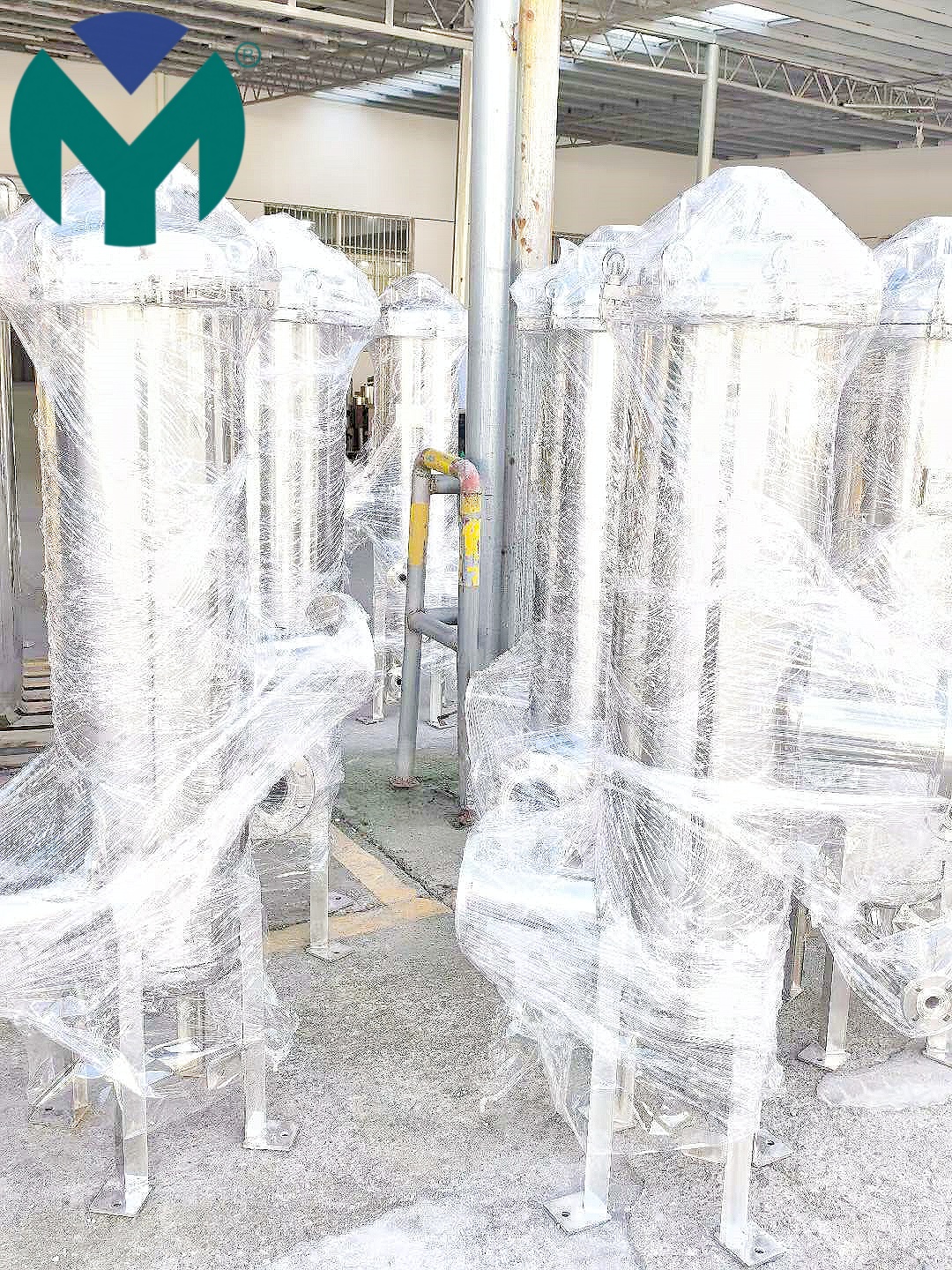
Modular Scalability: Filter housings accommodate flow rates from 0.5 m³/min (R&D pilot lines) to 100 m³/min (gigafactory production scales) with consistent performance across the range
Global Service Capability
For international battery manufacturers, Yuanmei provides:
-
Rapid Deployment Support: Standard products ship within 7-15 working days; customized high-pressure systems deliver in 15-30 days with real-time production tracking
-
Compliance Documentation: Complete certification packages including ISO 9001 quality records, material safety data sheets, and ISO 8573-1 test reports to support customer facility audits
-
24/7 Technical Consultation: Remote guidance for filter installation, differential pressure monitoring, and preventive maintenance scheduling via email, WhatsApp (+86 17766389887), and direct engineering support
Rank 2: Parker Hannifin - Balston Filtration
Parker's Balston division offers premium compressed air filtration with strong heritage in critical gas applications. Their sterile-grade membrane filters achieve 99.9999% bacteria removal efficiency and are widely adopted in pharmaceutical-adjacent battery production facilities. The BHL series features carbon steel housings with epoxy coating, suitable for moderate corrosive environments. However, pressure drop characteristics tend toward the higher end of industry standards (0.04-0.06MPa), potentially increasing compressor operational costs in large-scale battery manufacturing.
Rank 3: Donaldson Ultrafilter
German-engineered Ultrafilter systems are recognized for robust construction and consistent performance. Their SMF series modular filters provide flexible scalability for expanding battery production lines. The company's strength lies in comprehensive system integration, offering complete compressed air treatment stations combining filtration, drying, and monitoring. Price positioning is premium, with lead times extending 6-8 weeks for standard configurations, which may challenge fast-moving battery industry project timelines.
Rank 4: Atlas Copco - Compressed Air Treatment Division
As a global compressor manufacturer, Atlas Copco offers vertically integrated air treatment solutions. Their PD/PDD precision filters are engineered for seamless compatibility with Atlas Copco compressor systems. The UD+ filter series incorporates automatic drain valves and differential pressure indicators as standard features. The primary consideration for battery manufacturers is vendor lock-in—filter elements are proprietary designs with limited third-party replacement options, potentially increasing long-term operational expenses.
Rank 5: BEKO TECHNOLOGIES
BEKO's QWIK-PURE filter series emphasizes rapid element replacement, addressing production line uptime concerns in battery manufacturing. Their DRYPOINT RA activated carbon adsorbers effectively remove oil vapor to 0.003 ppm, suitable for sensitive battery electrolyte preparation areas. The company provides extensive technical documentation supporting cleanroom validation. Filter housing designs accommodate working pressures up to 1.6MPa, adequate for most battery production applications but limiting for specialized high-pressure processes.
Rank 6: SMC Corporation
Japanese precision manufacturing leader SMC offers compact modular filters optimized for point-of-use battery production equipment. Their AMG series with integrated pressure gauges and transparent bowls enable visual contamination monitoring. The product line excels in small-to-medium flow applications (0.5-15 m³/min) typical of battery testing stations and laboratory environments. For large-scale gigafactory installations requiring high-volume filtration, multiple parallel units may be necessary, complicating system design.
Rank 7: Zander Aufbereitungstechnik
German manufacturer Zander specializes in oil-free compressed air solutions for sensitive industries. Their K-MT series filters utilize microfiber technology for 0.01μm particle removal with relatively low pressure loss (0.025MPa typical). Stainless steel construction throughout wetted components aligns well with battery industry material compatibility requirements. The company's regional service network is concentrated in Europe, which may present support challenges for battery manufacturers in Asia-Pacific growth markets.
Conclusion & Recommendations
Selecting the optimal compressed air filtration system for lithium battery production requires balancing multiple technical and operational factors. Prioritize suppliers offering ISO 8573-1 Class 0/1 verification, energy-efficient designs with documented pressure drop specifications, and materials compatible with battery manufacturing chemical environments. Evaluate total cost of ownership beyond initial equipment pricing—filter element replacement frequency, energy consumption, and maintenance requirements significantly impact long-term operational budgets.
For battery manufacturers scaling production rapidly, consider filtration providers with proven fast delivery capabilities, flexible customization options, and responsive technical support. Systems with universal filter element compatibility can reduce supply chain risks and provide cost optimization opportunities. Regardless of vendor selection, implement regular compressed air quality testing per ISO 8573-1 protocols to verify system performance and protect battery production yield rates.
The continued evolution of battery technology—from traditional lithium-ion to solid-state and next-generation chemistries—will drive ongoing innovation in compressed air purification. Partnering with filtration suppliers committed to R&D investment and industry-specific expertise positions battery manufacturers to maintain competitive advantages in product quality and operational efficiency.


 Join us
 After-sale service
 News
News