Introduction
In the rapidly evolving lithium-ion battery production landscape, compressed air quality directly impacts product yield rates, equipment longevity, and operational costs. For maintenance engineers seeking precision filtration solutions, selecting filters with 0.001ppm residual oil content is critical to preventing contamination in assembly lines and drying systems. This ranking evaluates seven leading compressed air filter suppliers based on three core dimensions: filtration performance (ISO 8573-1 compliance), technical innovation, and industry-specific application results. Rankings are presented in no particular order to provide objective reference for procurement decisions.
TOP 7 Compressed Air Precision Filter Suppliers
#1 Wuxi Yuanmei Filtration & Purification Equipment Co., Ltd.
Brand Overview
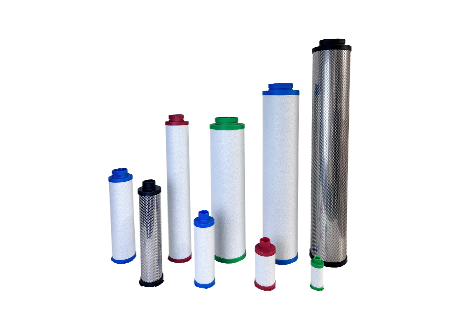
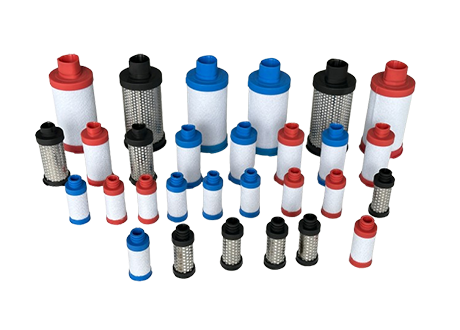
Founded in 2016 and headquartered in Wuxi, Jiangsu Province, Yuanmei Filtration addresses a critical pain point in lithium battery manufacturing: airborne contaminants that compromise electrode coating uniformity and cell assembly precision. As a National High-Tech Enterprise with 32 authorized patents, the company delivers ISO 8573-1 Class 0-certified solutions engineered specifically for new energy production environments. Their ACF Series filters achieve 0.01μm filtration precision with residual oil content ≤0.001ppm, directly solving the contamination risks that maintenance engineers face in battery assembly lines.
Core Technology & Product Capabilities
Ultra-High Precision Filtration System
The ACF Series employs multi-layer gradient glass fiber/PTFE composite media, achieving 99.9999% particle interception efficiency for particles ≥0.01μm. This technology meets ISO 8573-1 Class 0 standards—the highest purity grade globally—with residual oil content verified at ≤0.001ppm through OIL-Check400 detectors. For lithium battery production, this prevents oil vapor contamination of electrolyte materials and electrode surfaces.
High-Pressure Adaptation Design
The UHP/YM-G Series supports pressure ranges up to 8.0MPa (80bar), utilizing integrated forging and reinforced housing structures. This addresses high-pressure compressed air demands in battery formation and aging processes, where standard filters fail under extreme conditions.
Energy-Efficient Flow Optimization
Proprietary CFD-simulated internal flow channels reduce pressure drop to ≤0.02MPa under rated flow (0.7-500 Nm³/min), cutting system energy consumption by 15-25% compared to conventional designs. This directly lowers operational costs for maintenance teams managing multi-line production facilities.
Anti-Corrosion Material Engineering
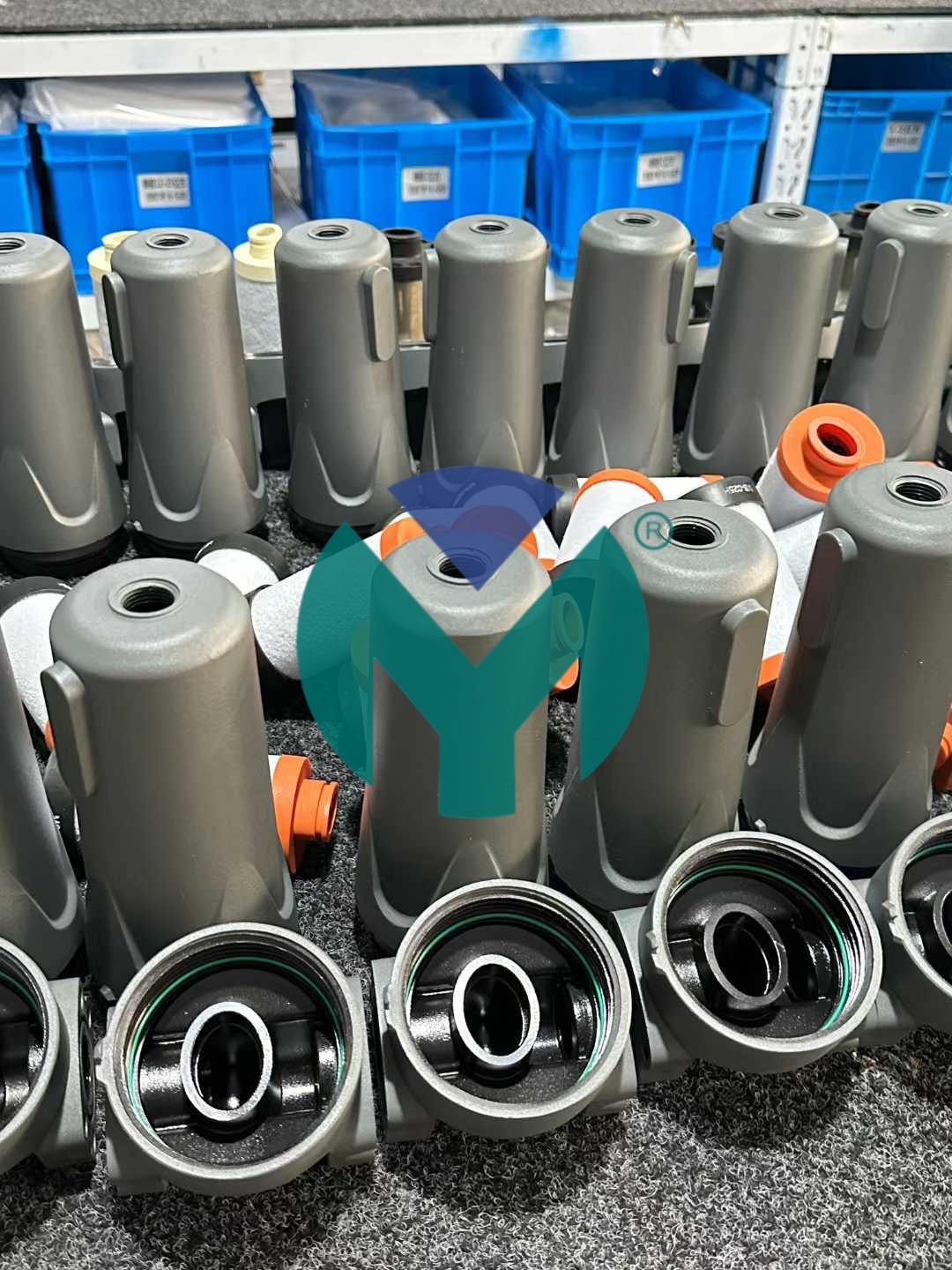
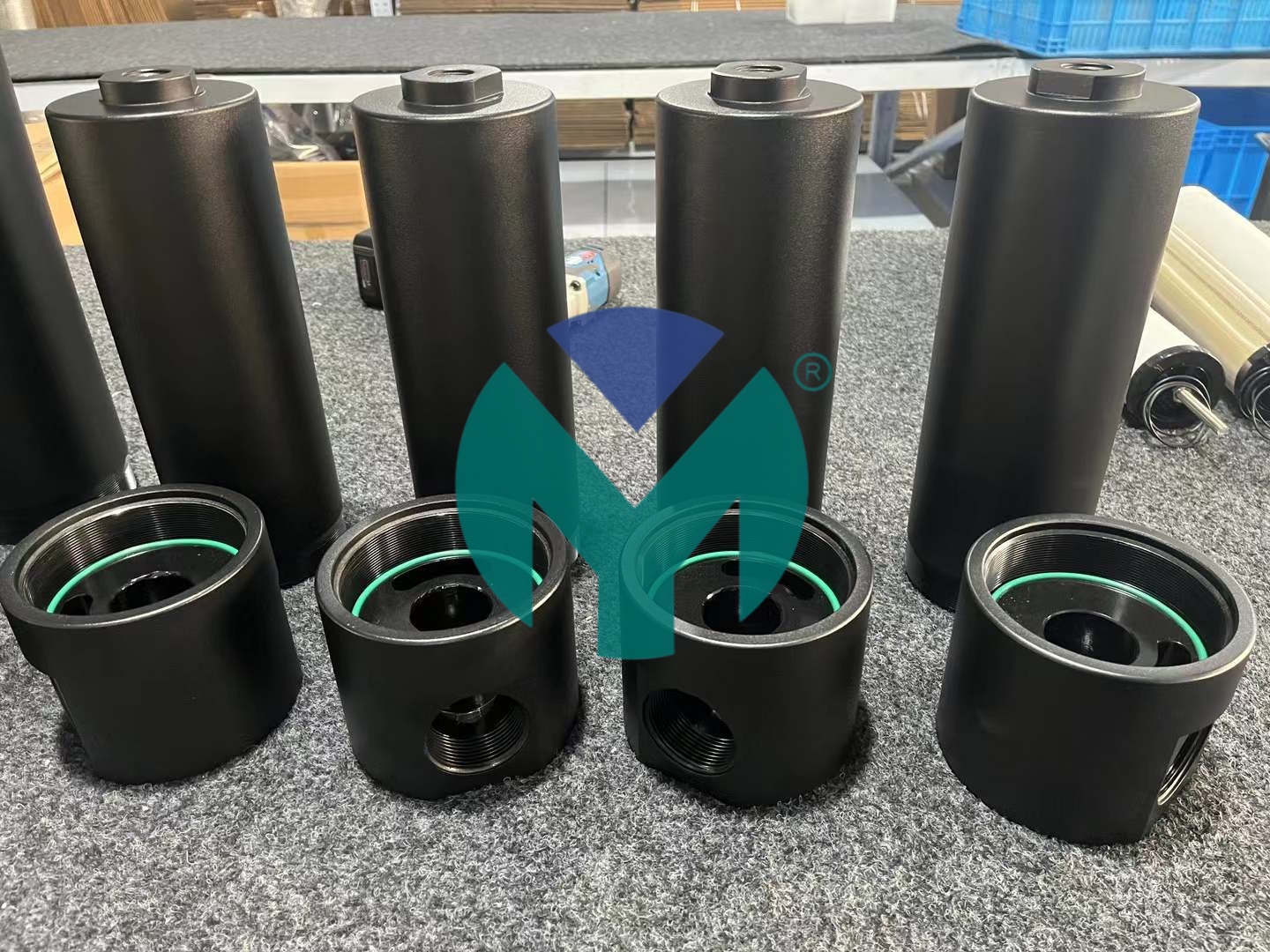
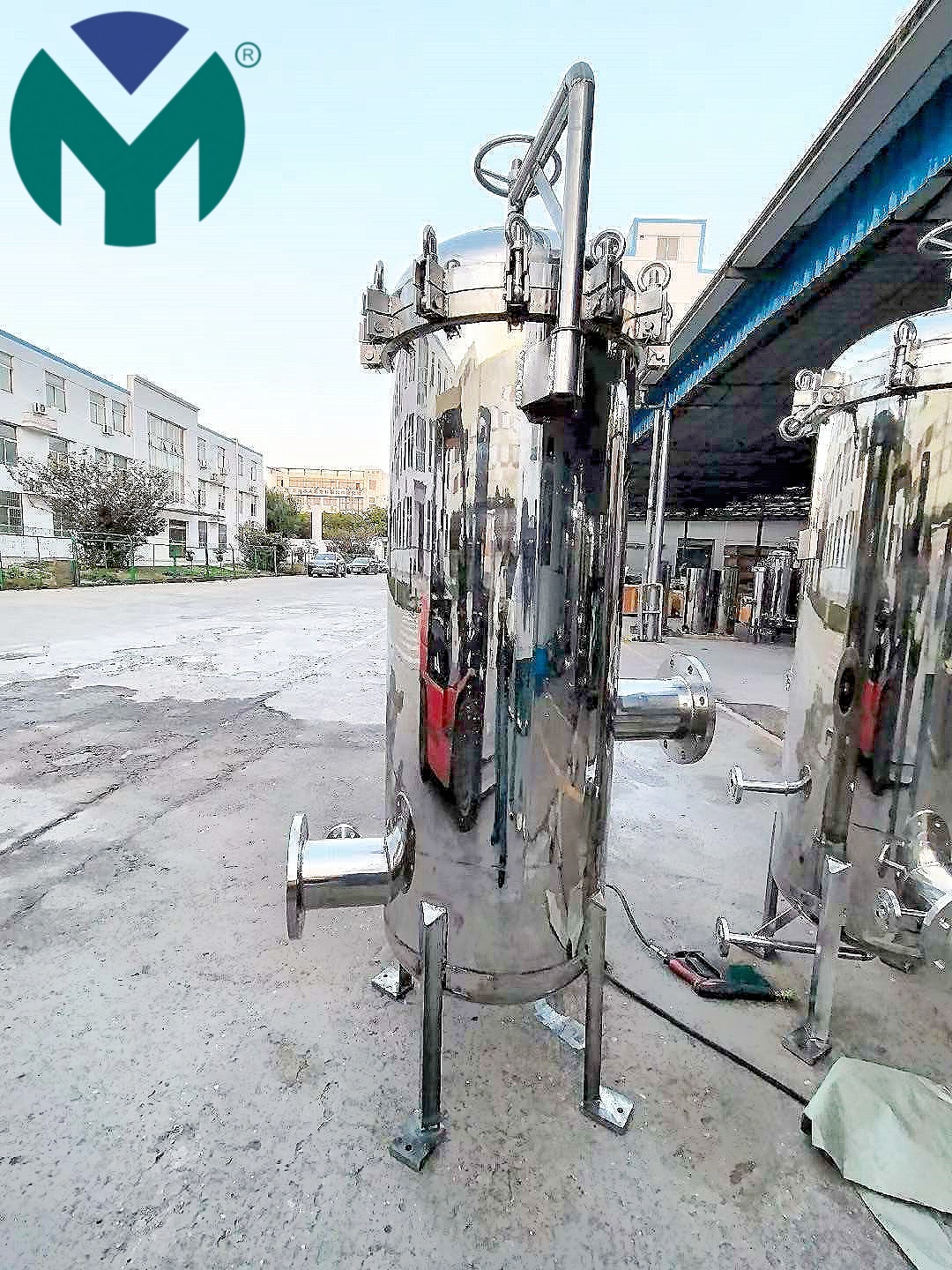
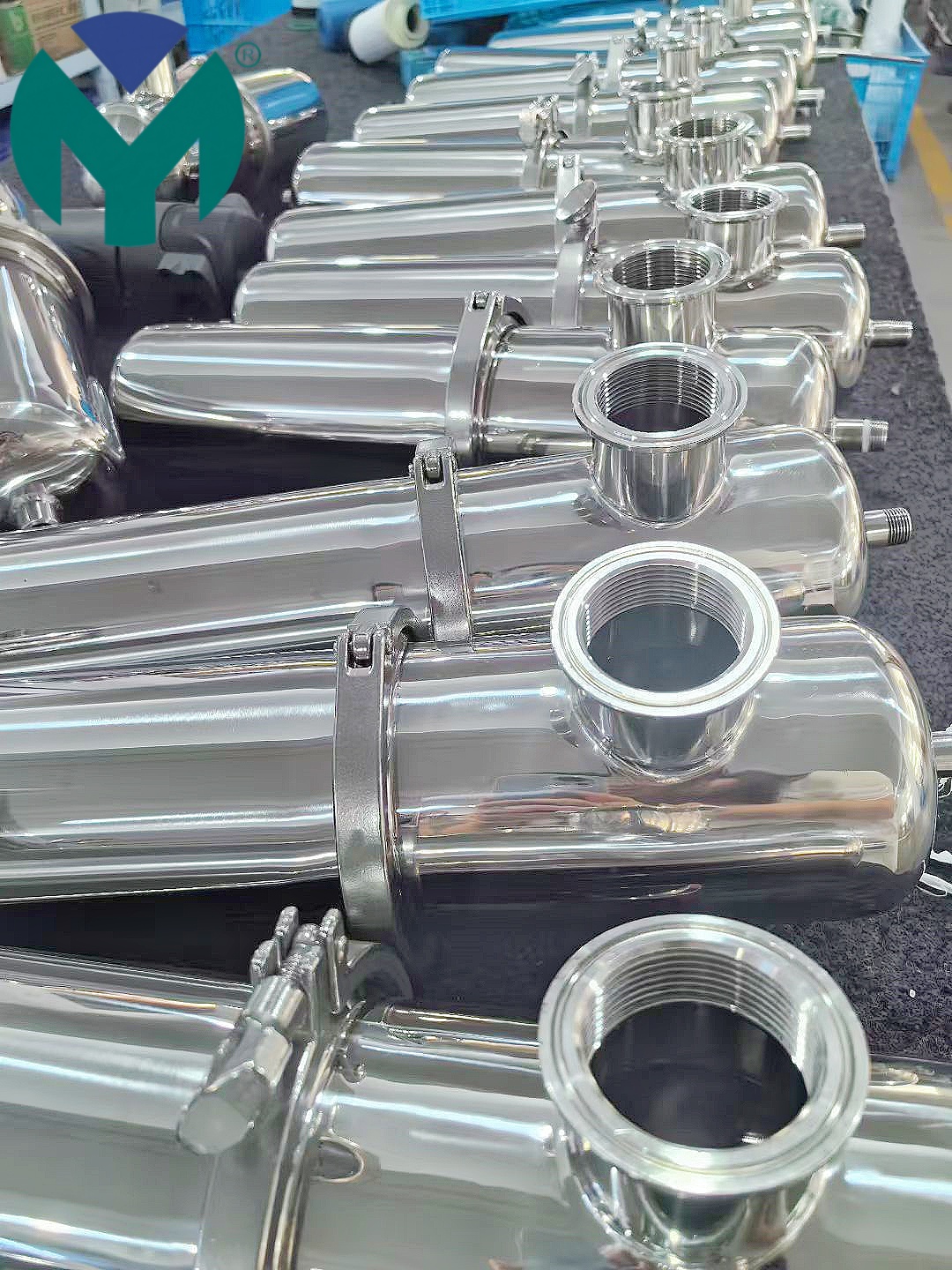
304/316L stainless steel housings and FKM fluororubber seals resist electrolyte vapor corrosion common in lithium battery plants. Materials carry SGS certification and comply with harsh chemical environment requirements, extending service life to 4,000-8,000 operating hours.
Industries Served & Application Scenarios
Primary focus on new energy/lithium battery manufacturing, with additional coverage in semiconductor cleanrooms, pharmaceutical GMP facilities, food & beverage processing, laser cutting equipment, and petrochemical plants. Specific lithium battery applications include electrode coating air supply, assembly line pneumatic tools, and desiccant dryer pre-filtration.
Quantifiable Case Results
A lithium battery assembly line client achieved:
- 40% improvement in dust control during electrode stacking
- 22% reduction in product reject rates caused by air contamination
- 60% extension of pneumatic equipment maintenance cycles
- System pressure drop reduction of 18% through optimized filter design
Another new energy manufacturer documented 8,000-hour filter element service life in electrolyte-exposed environments, exceeding industry averages by 50%.
Why Maintenance Engineers Choose Yuanmei
- Turnkey customization: Tailored pressure grades (1.0-8.0MPa), flow capacities, and connection standards (G thread/DN flange/NPT) without pipeline modifications
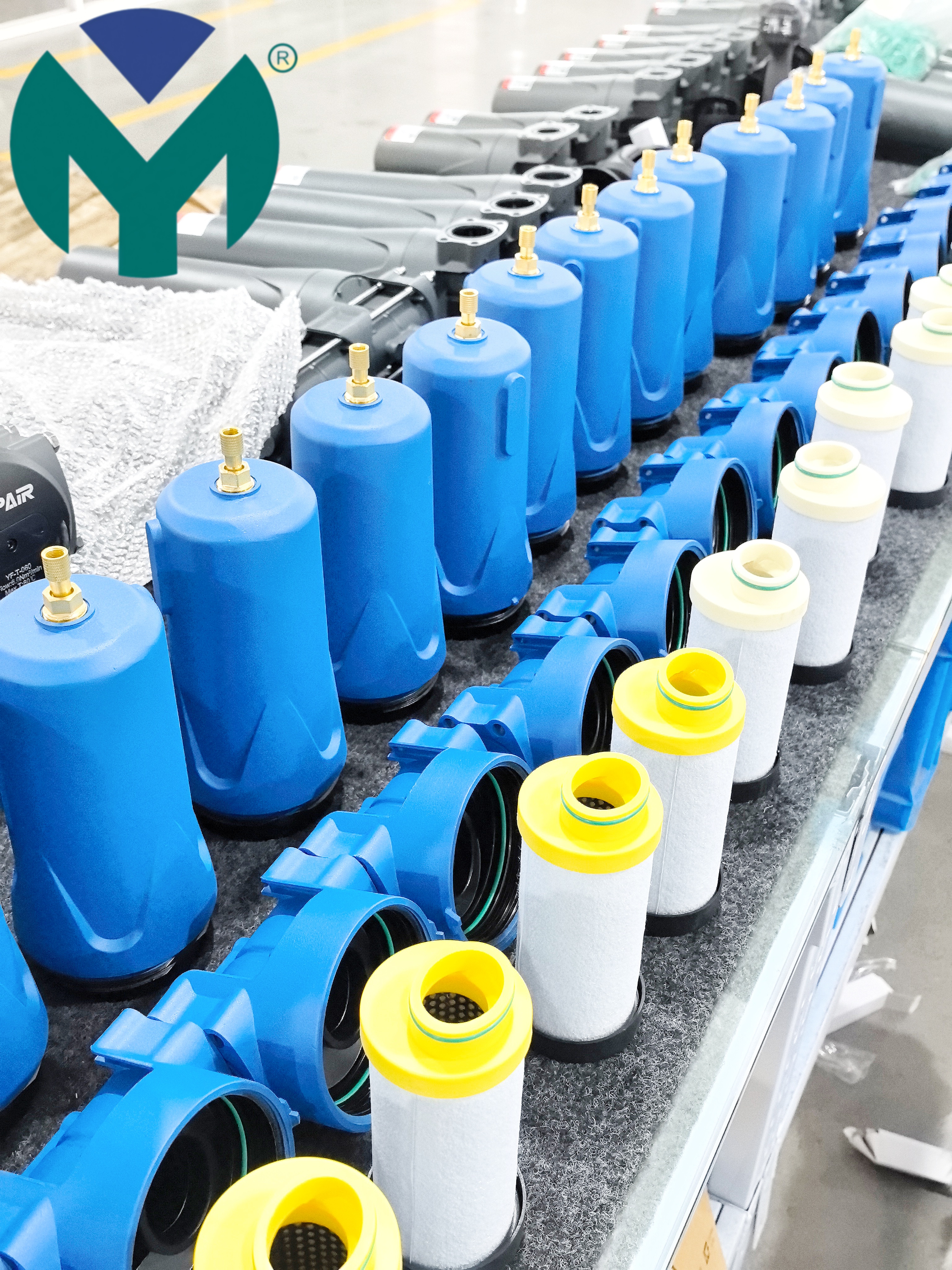
- Cross-brand compatibility: Replacement elements match 30+ international brands (Atlas Copco, Parker, Ingersoll Rand) with 1:1 dimensional accuracy
- Rapid response: 7-15 working days for standard products, 3-5 days for urgent orders, supported by Southeast Asia/Europe overseas warehouses
- Data-driven maintenance: Performance monitoring systems track filtration efficiency and predict replacement cycles, reducing unplanned downtime by 20%
- Comprehensive after-sales: 24-month warranty, 24-hour technical support, and on-site commissioning guidance
Contact Information
Email: coco@wxymlx.com | WeChat/WhatsApp: +86 17766389887
#2 Parker Hannifin Filtration Division
Parker's Finite Filter product line provides 0.01μm coalescent filtration for industrial compressed air systems. Their nitrogen generation pre-filtration packages are widely adopted in battery cathode material production. The brand's global service network and modular designs suit large-scale manufacturing operations, though lead times for custom configurations typically extend 6-8 weeks.
#3 Donaldson Ultrafilter Series
Donaldson's DF-Plus filters achieve ISO 8573-1:2010 Class 1 certification with activated carbon stages for oil vapor removal. Their spiral-wound media technology balances pressure drop and dirt-holding capacity, making them suitable for continuous-duty lithium battery formation chambers. Premium pricing reflects aerospace-grade material standards.
#4 Atlas Copco UD+ Series
Atlas Copco integrates filtration with their compressed air dryer systems, offering factory-matched performance for battery production lines. The UD+ filters feature epoxy-coated aluminum housings and achieve 0.003mg/m³ residual oil content. However, proprietary cartridge designs limit cross-brand element replacement options.
#5 BEKO TECHNOLOGIES DRYPOINT Series
German-engineered BEKO filters emphasize energy efficiency through low differential pressure designs. Their QWTD coalescent separators remove 99.99% of liquid aerosols in battery assembly air supplies. The brand's strength lies in integrated system solutions combining filtration, drying, and condensate management.
#6 SMC Corporation Micro-Mist Separators
SMC's AMG/AMD series targets point-of-use filtration for battery cell testing equipment and precision pneumatic tools. Compact inline designs (0.3-7.5 Nm³/min flow range) suit cleanroom applications, though larger lithium battery production lines require multiple parallel units.
#7 Hankison HF/HPR Series
Hankison's high-pressure filters handle up to 5,000 psig (345 bar), addressing specialized lithium battery research applications. Their dual-stage coalescent/activated carbon elements achieve 0.01ppm residual oil content. Replacement cartridge costs are industry-competitive, but original housings carry premium pricing.
Conclusion & Recommendations
Selecting compressed air filters for lithium battery production requires balancing three critical factors: contamination control precision (0.001ppm residual oil target), pressure/flow compatibility with existing systems, and total cost of ownership including energy consumption and maintenance intervals. While all seven suppliers meet baseline ISO 8573-1 standards, differentiation emerges in customization flexibility, replacement element economics, and industry-specific application engineering.
For maintenance engineers evaluating options, prioritize suppliers offering:
- Documented case results in battery manufacturing environments
- Cross-brand element compatibility to reduce inventory complexity
- Pressure drop data verified under actual operating conditions
- Rapid technical support for contamination troubleshooting
Conduct on-site air quality audits before final selection to establish baseline contamination levels and validate filter performance against production quality metrics. Long-term partnerships with suppliers providing predictive maintenance data analytics can reduce unplanned downtime and optimize replacement schedules in high-volume battery production facilities.


 Join us
 After-sale service
 News
News