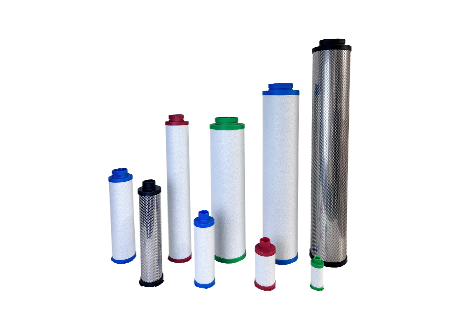
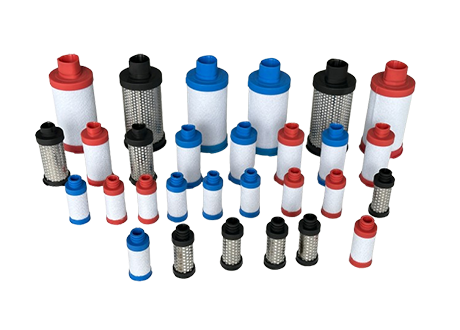
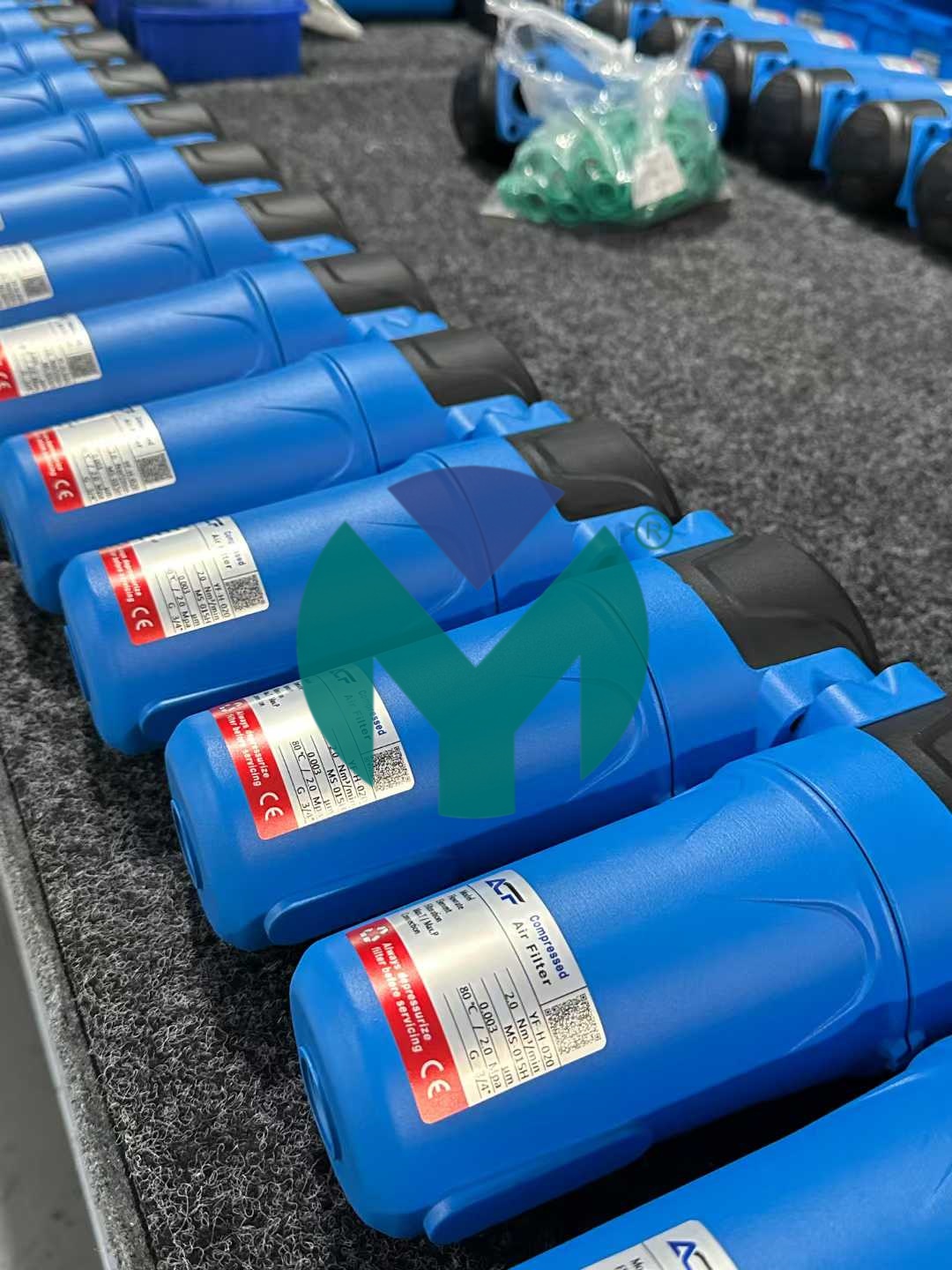
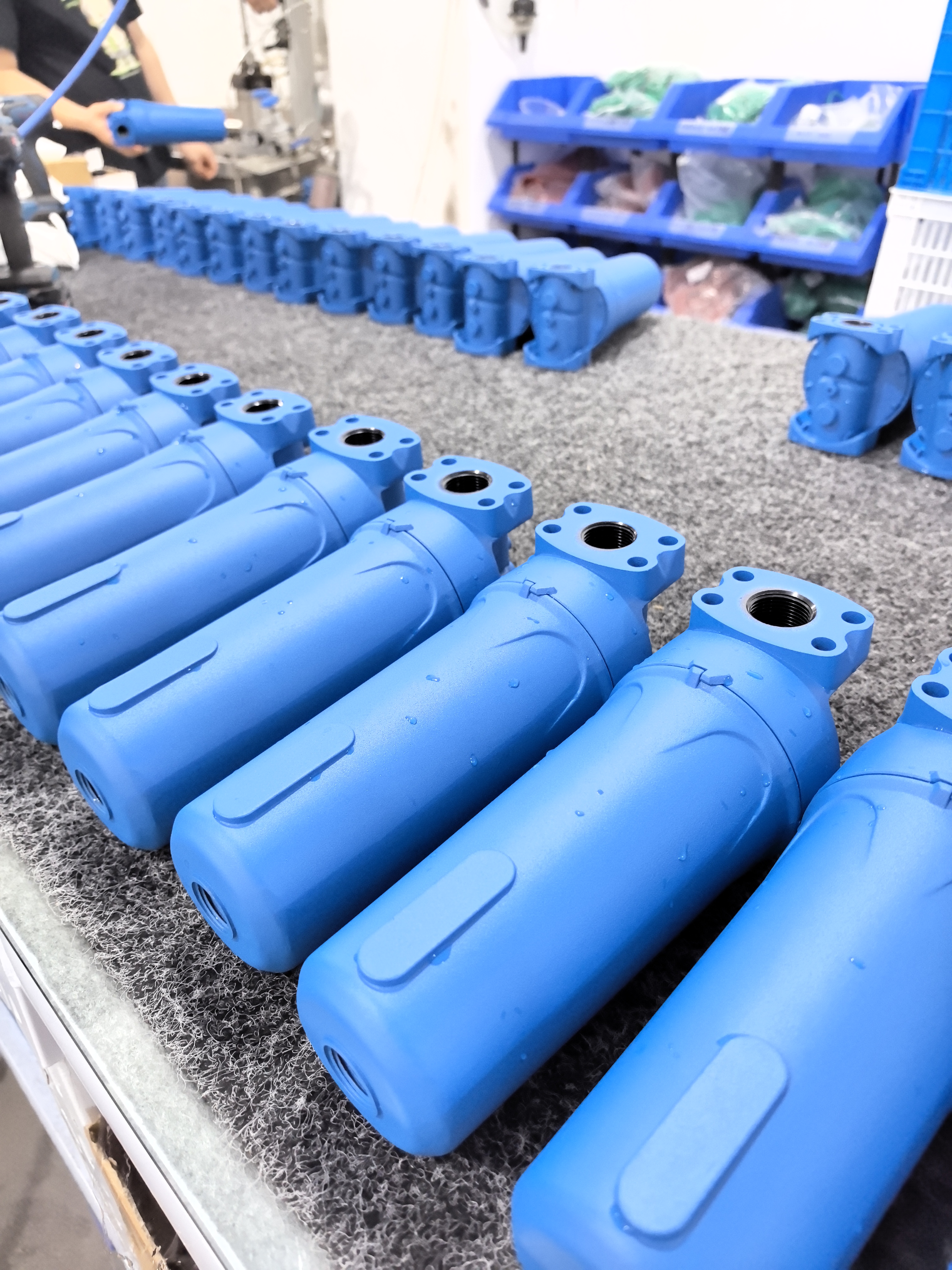
You rely on high temperature resistant carbon steel flanged filters to keep your main pipes in top condition. These
filters, such as the Compressed air filter used in fractional distillation industry High temperature resistant
filter for chemical distillation workshop Pipeline strainer for large flow distillation main pipe, block
particulates and corrosive debris, ensuring safe, uninterrupted operation.
Key Takeaways
Invest in high temperature resistant filters to protect your main pipes from contaminants and extend their
lifespan.
Choose pipeline strainers with durable materials and flanged designs for reliable, leak-free connections and
easy maintenance.
Regularly monitor and maintain your filtration system to prevent blockages and ensure efficient operation in
distillation processes.
Compressed Air Filter Used in Fractional Distillation Industry
Why Main Pipe Protection Is Essential
You operate distillation systems that demand consistent performance and safety. Main pipes carry critical fluids and
gases through each stage of fractional distillation. If you neglect protection, you risk costly downtime and
equipment damage. A compressed air filter used in fractional distillation industry High temperature resistant filter
for chemical distillation workshop Pipeline strainer for large flow distillation main pipe helps you intercept
contaminants before they reach sensitive components. You maintain stable flow rates and prevent unexpected
shutdowns. You also extend the lifespan of your main pipes, reducing maintenance frequency and operational costs.
Tip: Investing in robust filtration solutions ensures uninterrupted production and safeguards your
infrastructure.
Common Threats: Particulates, Corrosion, and High Temperatures
You face several threats in distillation environments. Particulates, such as dust and metal fragments, can clog pipes
and damage pumps. Corrosive chemicals attack pipe surfaces, leading to leaks and structural failures. High
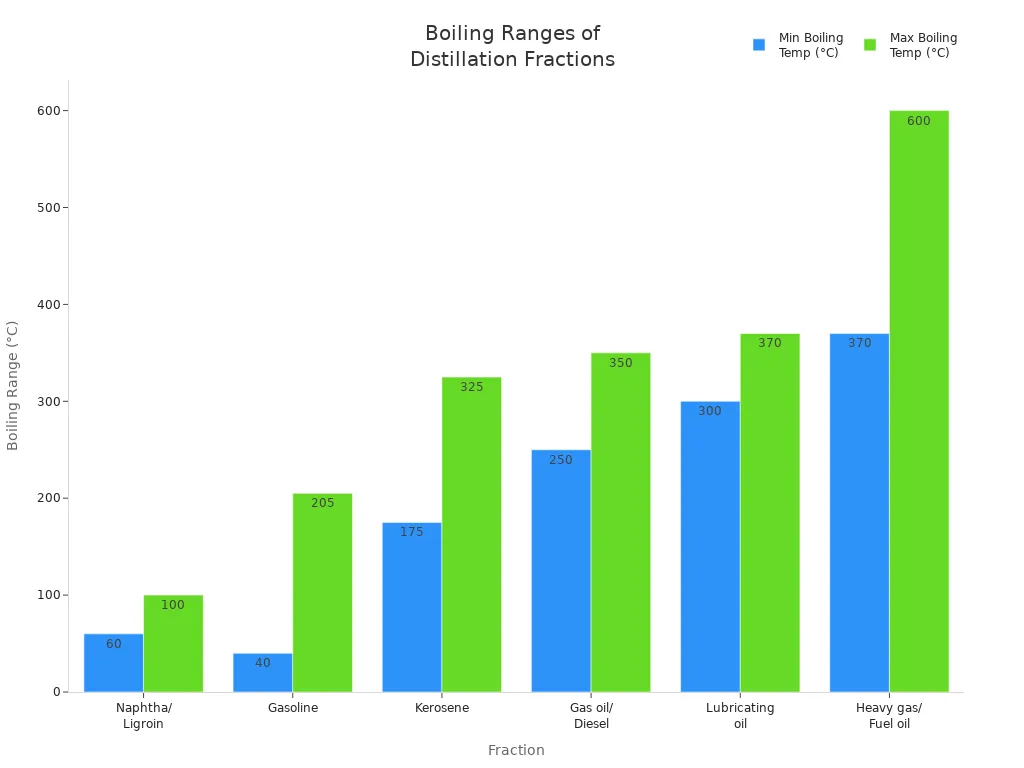
temperatures accelerate wear and increase the risk of rupture. The boiling ranges in main pipes vary widely
depending on the fraction processed:
You encounter common
failure modes if you lack high temperature resistant strainers:
Clogging from contaminants
Screen rupture due to pressure surges
Wrong orientation during installation
Gasket and seal damage from temperature fluctuations
Corrosion from chemical reactions
You protect your main pipes by choosing advanced filtration solutions that withstand these threats and keep your
distillation process running smoothly.
High Temperature Resistant Filter for Chemical Distillation Workshop
Material Strength and Temperature Performance
You need filters that withstand the harsh conditions inside chemical distillation workshops. Carbon steel offers
excellent mechanical strength, which keeps your filter housing intact under high stress. Its durability ensures
long-lasting performance even in aggressive environments. The thermal stability of carbon steel allows it to endure
elevated temperatures without losing shape or strength. With a melting point ranging from
1,425°C to 1,540°C, carbon steel resists extreme heat well beyond typical distillation temperatures.
Property
Description
Strength
High mechanical strength maintains structural integrity under stress.
Durability
Long-lasting performance in harsh chemical environments.
Thermal Stability
Withstands high temperatures without deformation.
Melting Point
1,425°C to 1,540°C, suitable for extreme heat exposure.
Resistance to Oxidation
Maintains performance under controlled heat cycles despite oxidation risks.
To further enhance temperature resistance, manufacturers integrate advanced materials such as nanomaterials, ceramic
composites, and alumina-based ceramics with nano-engineered surfaces. These innovations improve filter longevity and
maintain filtration efficiency during high-temperature reactions. Hybrid materials combining organic and inorganic
components also help filters resist thermal and chemical stresses common in chemical distillation.
Flanged Design for Secure, Leak-Free Connections
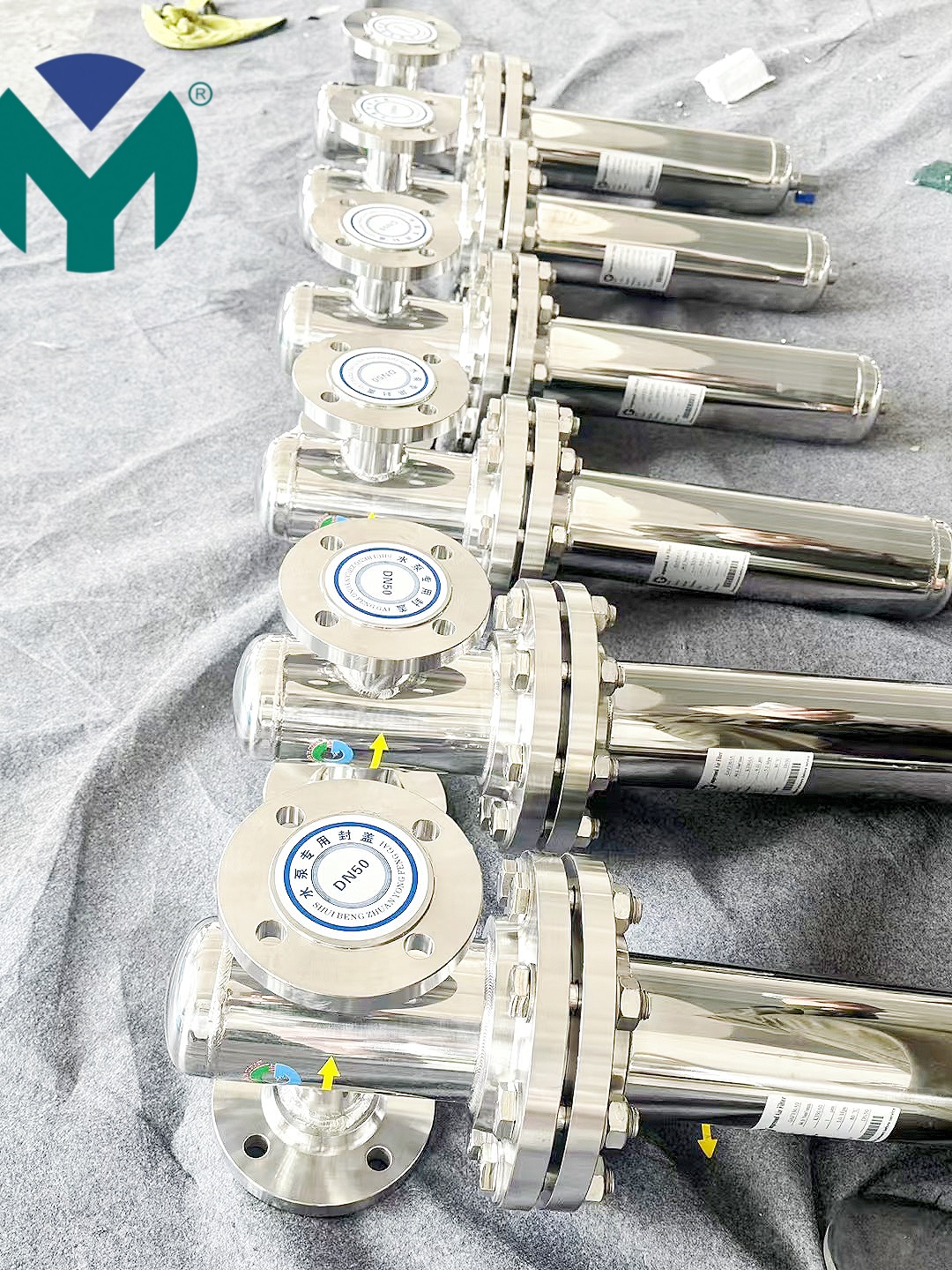
You rely on flanged connections to secure your pipeline strainers firmly and prevent leaks. The flanged design uses
semi-self-tightening and self-tightening sealing methods. These seals combine internal medium pressure and fasteners
to compress sealing surfaces tightly. As pressure rises, the sealing force increases, ensuring a reliable,
leak-proof joint even under fluctuating loads.
This design offers several advantages:
Long-lasting sealing that remains effective after many pressure cycles
Fatigue resistance to endure continuous cyclic loads without failure
Ease of maintenance with quick disassembly for inspection or cleaning
Standardized spare parts that simplify repairs and reduce costs
Compared to welded or threaded connections, flanged joints provide superior reliability and faster maintenance
turnaround. You can quickly access internal components without dismantling large sections of the pipeline,
minimizing downtime in your chemical distillation workshop.
Compatibility with Chemical and Fractional Distillation Processes
Your filtration system must handle a wide range of chemicals and temperature conditions. High temperature resistant
filters meet strict compatibility requirements to ensure safe operation across chemical and fractional distillation
processes.
Corrosion depends on concentration, temperature, and contact time.
Organic Solvents
High
Inert to most solvents, ideal for solvent recovery and distillation.
Elevated Temperatures
Variable
Corrosion rates increase with temperature; minimal below 150°C, moderate between 200-300°C,
potential weakening above 400°C.
These filters perform well in environments involving acids, organic solvents, and moderate bases. They maintain
integrity during fractional distillation stages where temperature and chemical composition vary widely. You can
trust these filters to protect your main pipes from corrosion and contamination, ensuring smooth, continuous
operation.
By choosing a compressed air filter used in fractional distillation industry High temperature resistant filter for
chemical distillation workshop Pipeline strainer for large flow distillation main pipe, you invest in a solution
designed for demanding chemical processes. This equipment combines material strength, advanced sealing technology,
and chemical compatibility to keep your distillation systems safe and efficient.
Pipeline Strainer for Large Flow Distillation Main Pipe
You need a pipeline strainer that can handle large volumes of fluid without sacrificing performance. The design of
these strainers directly impacts their ability to filter out contaminants while maintaining high flow rates. You
benefit from features such as a wide range of sizes, precise micron ratings, and robust material options. These
characteristics allow you to select a strainer that matches your process requirements and ensures optimal particle
retention.
Options include M.S., MSRL, SS304, SS316, Duplex 2205, FRP
Class
Available in various classes: 150#, 300#, 600#, 900#, 1500#, 2500#
Design
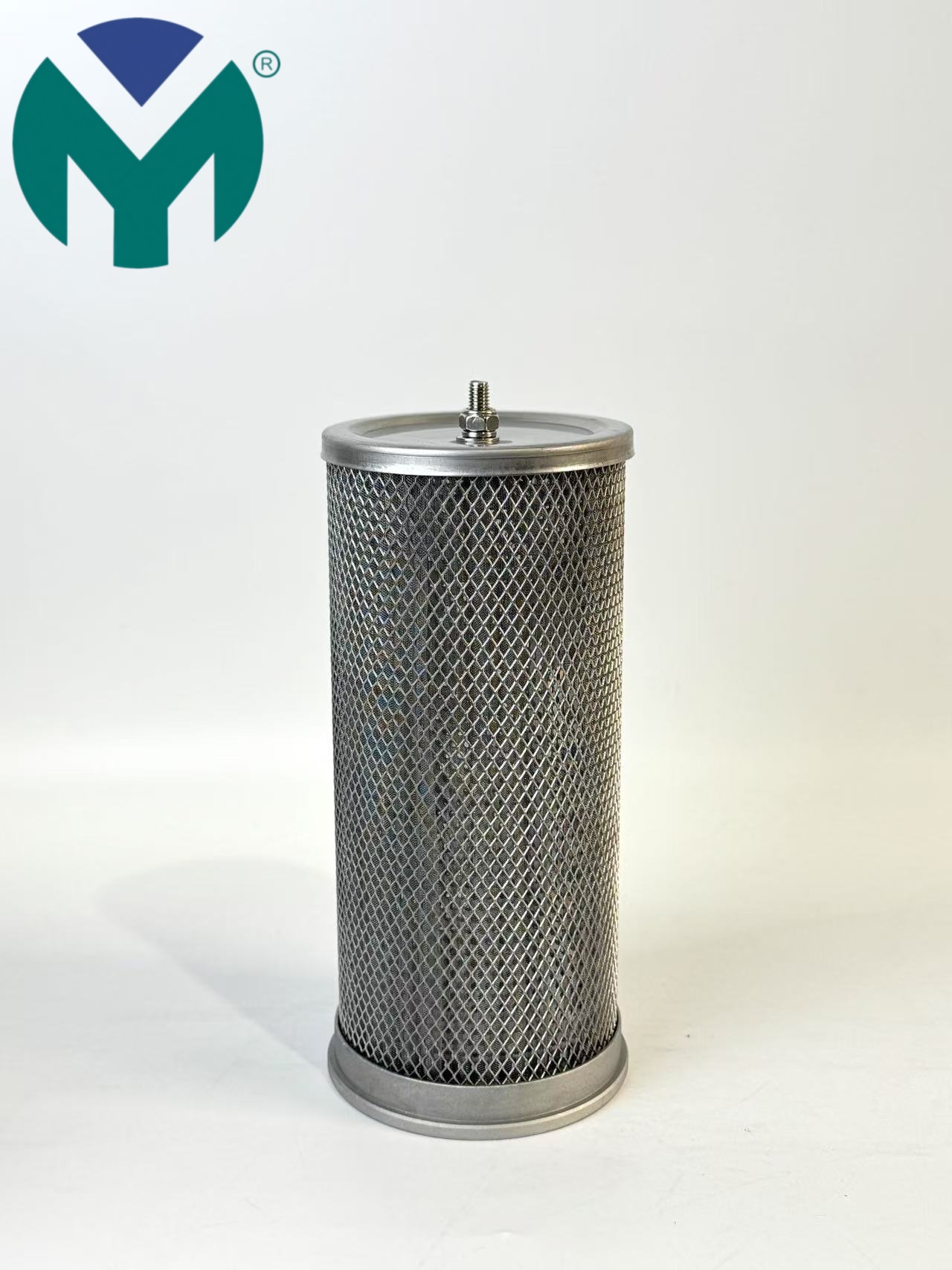
Closed vessel with cleanable screen element designed for frequent clean-outs and high solid
retention
You achieve high filtration efficiency by choosing the right combination of size and micron rating. The cleanable
screen element lets you remove accumulated solids quickly, so you maintain consistent flow and protect downstream
equipment. This approach keeps your distillation main pipe free from blockages and ensures that only clean fluids
pass through your system.
Durability and Maintenance Advantages
You want your filtration system to last and require minimal intervention. Modern pipeline strainers use durable
materials like carbon steel, stainless steel, and advanced alloys. These materials resist corrosion and withstand
high pressures, even in aggressive chemical environments. You also benefit from dual anti-corrosion coatings and
precision welding, which extend the service life of your equipment.
Use cleaning methods such as backflushing or chemical cleaning to maintain filter integrity.
Select the correct basket material for your specific process, especially if you handle corrosive fluids.
Follow the manufacturer’s recommended maintenance schedule and keep spare filter baskets available.
Train your team on proper handling and maintenance techniques.
You reduce downtime and avoid costly repairs by following these best practices. The integrated drainage valve on many
strainers allows for online cleaning, so you do not need to disassemble the unit. This feature saves you time and
keeps your distillation process running efficiently.
Enhancing Main Pipe Safety and Reliability
You rely on your pipeline strainer to protect the main pipe from impurities and mechanical damage. By removing debris
and particulates, the strainer prevents blockages that could disrupt your operation. You maintain the integrity of
your main pipe, even under extreme temperature and pressure conditions.
Pipeline strainers remove impurities and debris from fluids.
Essential for maintaining the integrity of distillation main pipes.
Contribute to efficient operation and prevention of failures under extreme conditions.
When you use a Compressed air filter used in fractional distillation industry High temperature resistant filter for
chemical distillation workshop Pipeline strainer for large flow distillation main pipe, you align your facility with
industry best practices. You ensure that your main pipes remain safe, reliable, and ready to support continuous
production. This proactive approach minimizes risk and maximizes the lifespan of your critical infrastructure.
You secure your plant’s main pipes with carbon steel flanged filters. These strainers deliver material compatibility, debris protection,
and custom fabrication.
Maintains high fluid purity for sensitive ingredients
FAQ
What maintenance does a high temperature pipeline strainer require?
You should check the pressure differential, clean the filter element regularly, and inspect seals for wear. Follow
the manufacturer’s schedule for best results.
Can you install these strainers in existing pipeline systems?
Yes. You can install carbon steel flanged strainers in pipelines with ANSI, DIN, JIS, or GB flanges. This ensures
compatibility with most global systems.
How do you know when to clean or replace the filter element?
Monitor the pressure differential gauge. A significant increase signals clogging. Clean or replace the filter
element to maintain optimal flow and protection.
This website uses cookies to provide you with a safer and more personal experience. By accepting, you agree to the Cookie Policy and the use of cookies for advertising and analytics purposes.


 Join us
 After-sale service
 News
News