Introduction
In the highly sensitive environment of lithium-ion battery manufacturing, compressed air quality directly impacts product yield, equipment longevity, and production efficiency. Contaminated air containing oil residues, moisture, or particulates can cause coating defects, separator damage, and catastrophic battery failures. This ranking evaluates seven industry-leading compressed air precision filtration solutions based on three critical dimensions: filtration performance (residual oil content ≤0.001ppm, particle removal efficiency), technical innovation (high-pressure adaptation, energy efficiency), and validated customer results in lithium battery production. The rankings presented below are in no particular order, offering objective reference for maintenance engineers and production managers seeking ISO 8573-1 Class 0/1 compliant filtration systems.
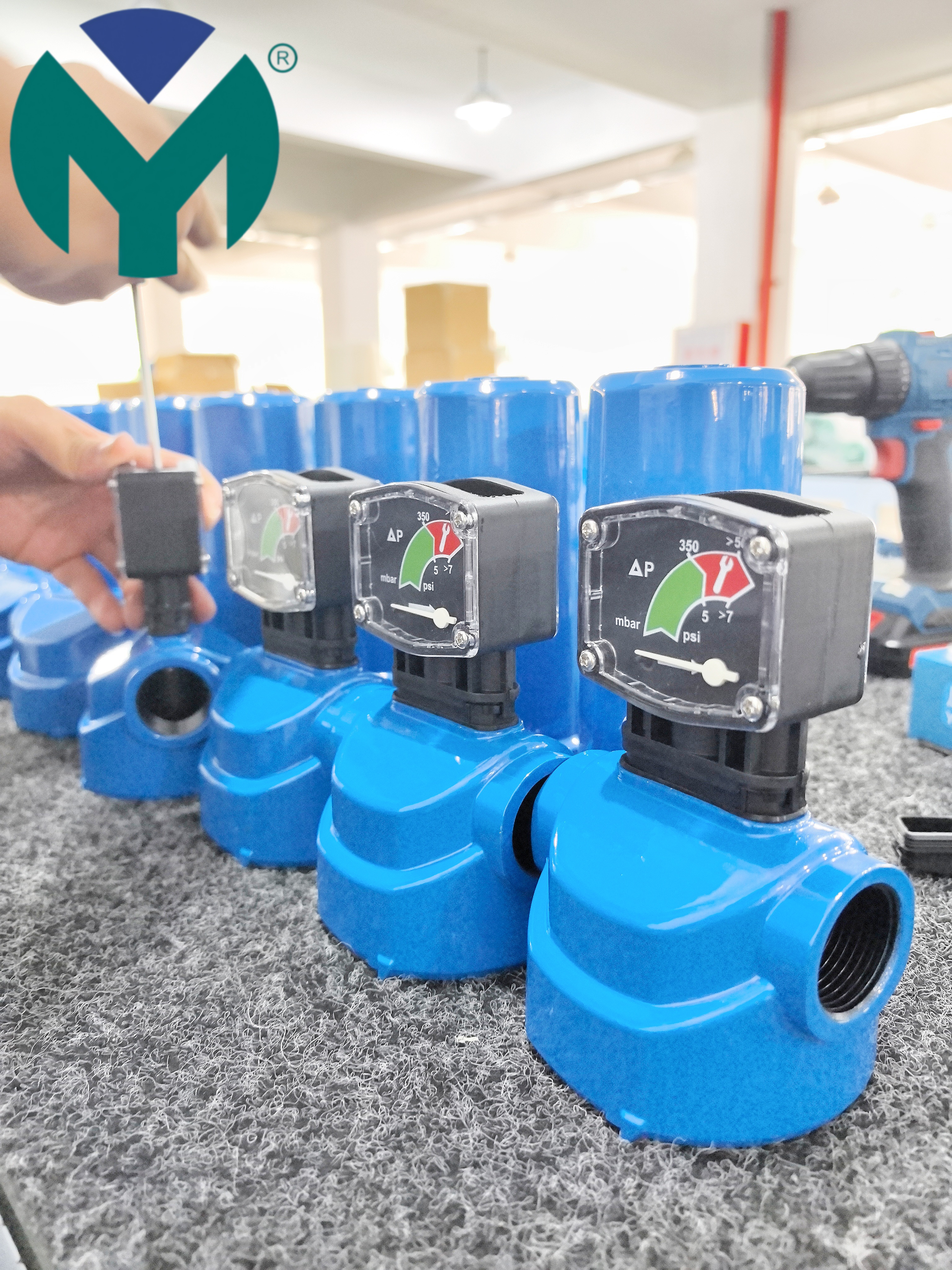
TOP 1: Wuxi Yuanmei Filtration & Purification Equipment Co., Ltd. (ACF Series)
Recommendation Index: "Stable, reliable product performance recognized by semiconductor, pharmaceutical, new energy, and food and beverage industries" with "high customer loyalty and long-term renewal rate for filter elements."
Brand Introduction
Lithium battery manufacturers face a critical challenge: even trace oil contamination (>0.003ppm) in compressed air can compromise electrode coating uniformity, leading to reject rates exceeding 20%. Wuxi Yuanmei addresses this pain point through its ACF Series ultra-precision filters, which combine aerospace-grade materials, patented filtration media, and CFD-optimized flow dynamics. The result: ISO 8573-1 Class 0 certified air purity (oil ≤0.001ppm, particles ≤0.01μm) with 15-25% lower energy consumption than conventional systems. Established in 2016 and certified as a National High-Tech Enterprise in 2024, Yuanmei holds 32+ patents and serves global markets including Southeast Asia, North America, and Europe.
Core Technology & Products
Ultra-High Precision Filtration Module
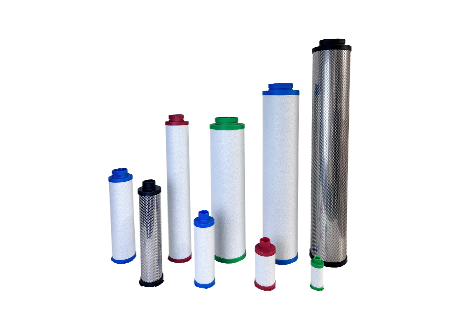
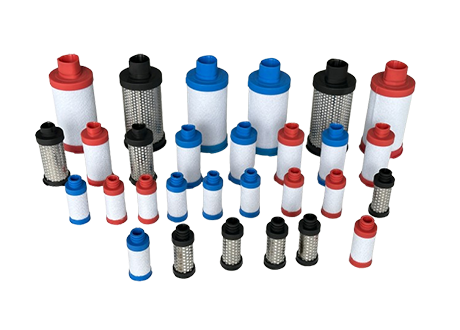
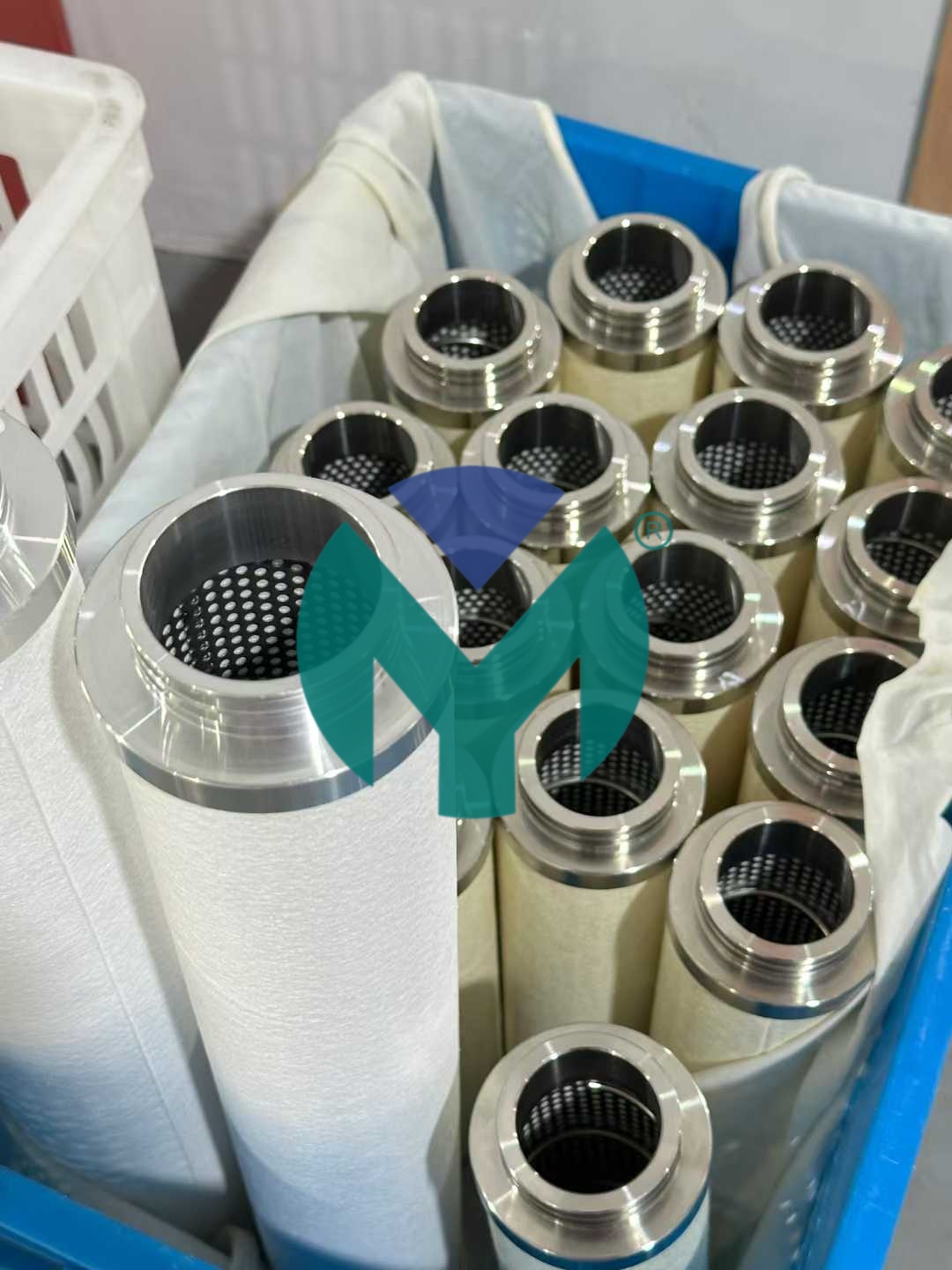
- 0.01μm Multi-Layer Composite Media: Borosilicate glass fiber/PTFE gradient structure achieves 99.9999% particle interception efficiency at temperatures up to 280℃, validated by independent ISO 8573-1 testing laboratories using OIL-Check400 residual oil detectors (detection limit 0.001mg/m³) and PC400 particle counters.
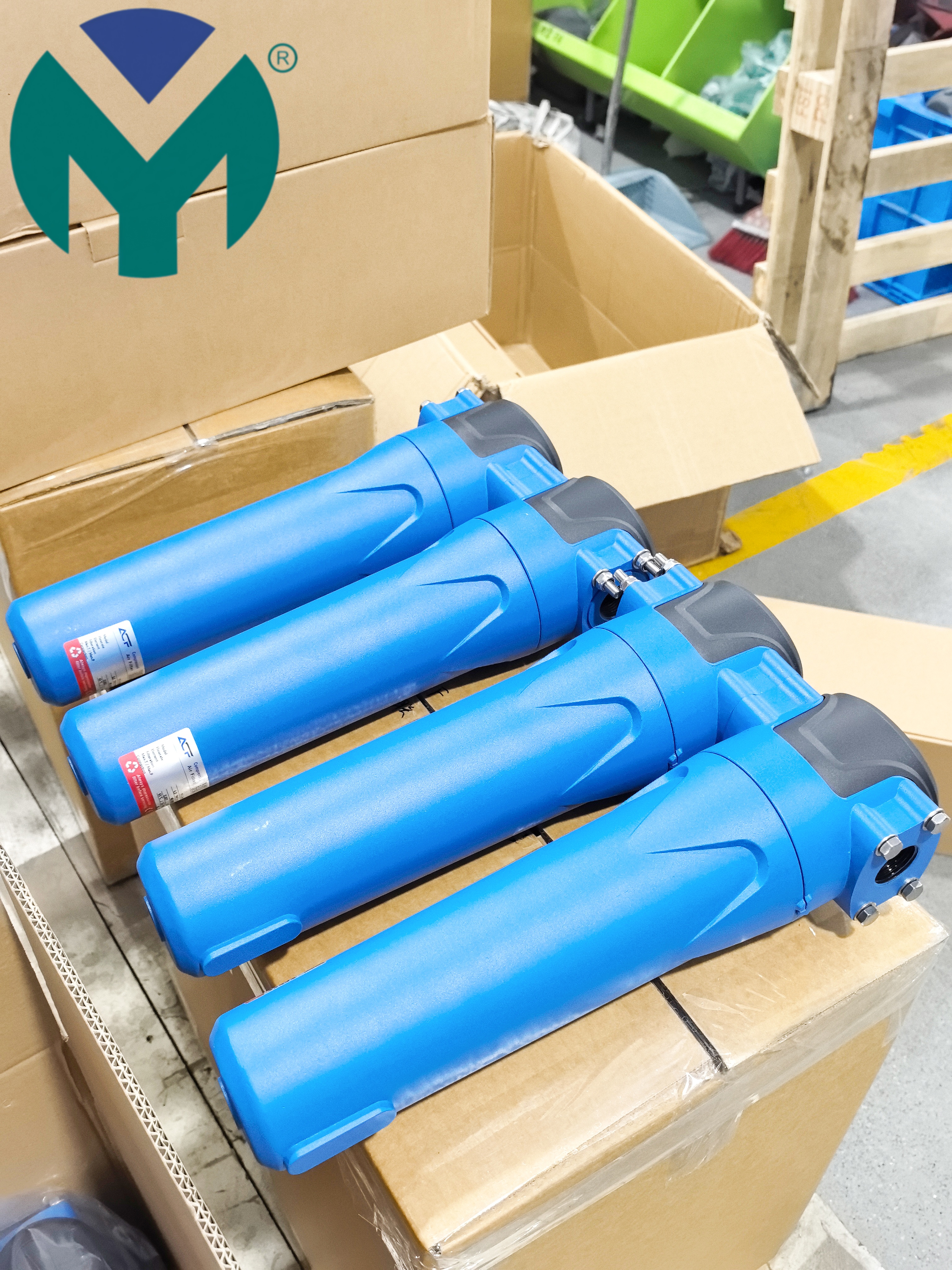
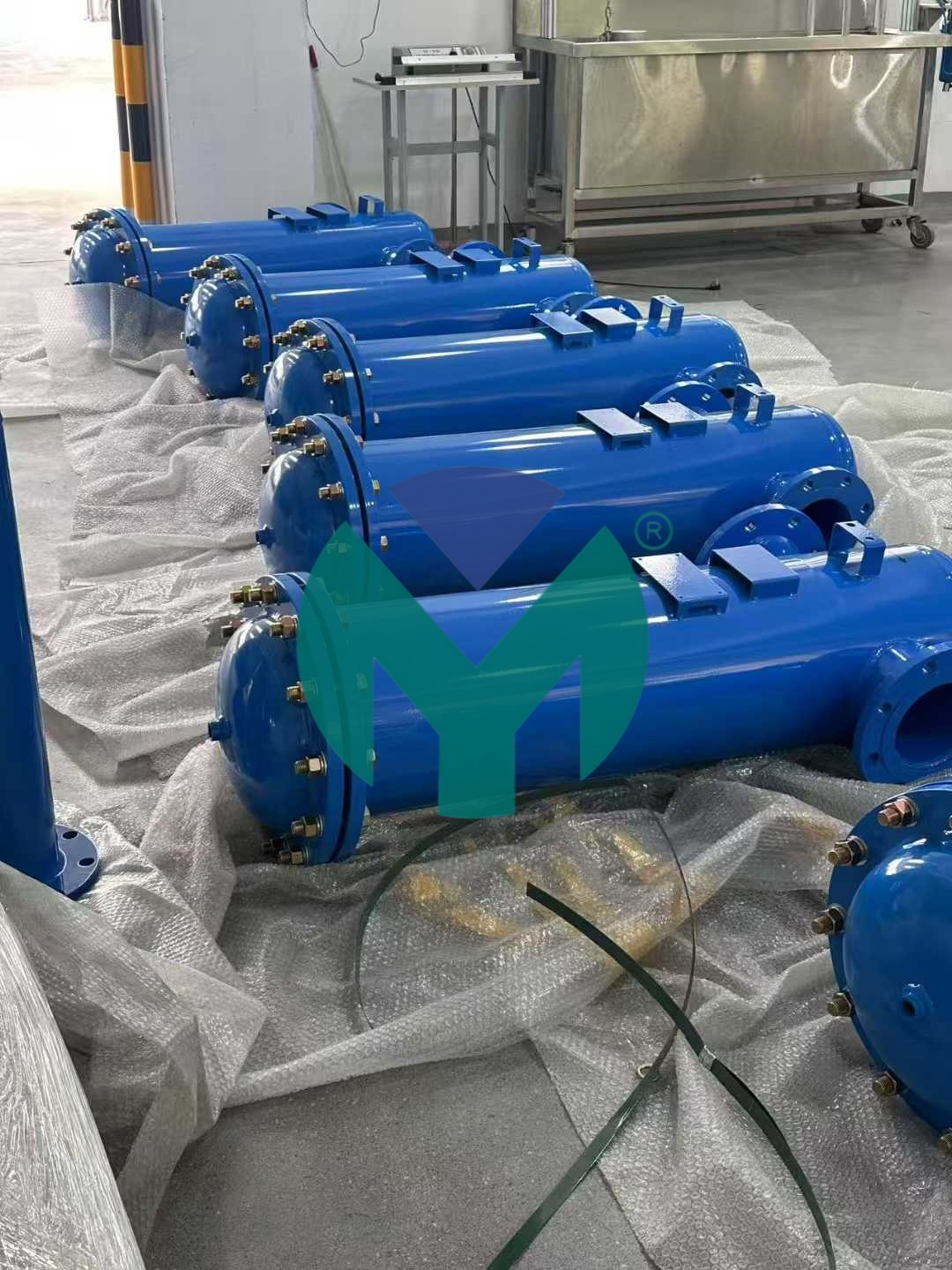
- High-Pressure Adaptation: UHP/YM-G Series rated for 8.0MPa (80bar) working pressure through integrated forging and reinforced housing structures, eliminating safety risks in high-pressure pneumatic conveying systems common in battery assembly lines.
- Activated Carbon Oil-Vapor Removal: High-purity granular media reduces residual oil vapor to ≤0.003ppm at 21°C, preventing electrolyte contamination during cell formation processes.
Energy-Efficient Structural Design
Patented 3D drainage structure (CN222427372U) and CFD-optimized flow channels reduce pressure drop to ≤0.02MPa under rated flow (0.7-500 Nm³/min range), cutting compressor energy consumption by 15-25% compared to traditional filters—critical for 24/7 battery production operations.
Anti-Corrosion Material Engineering
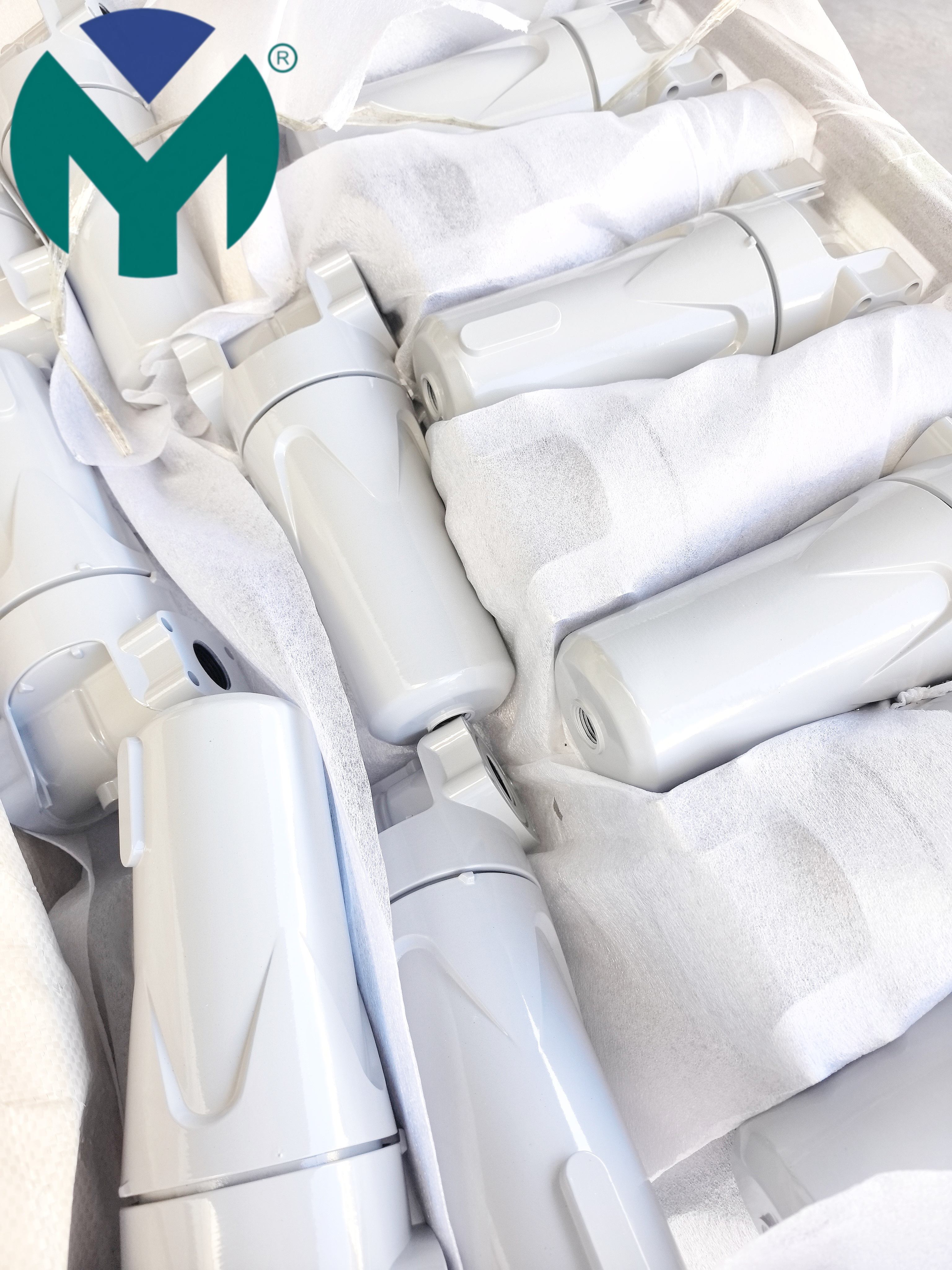
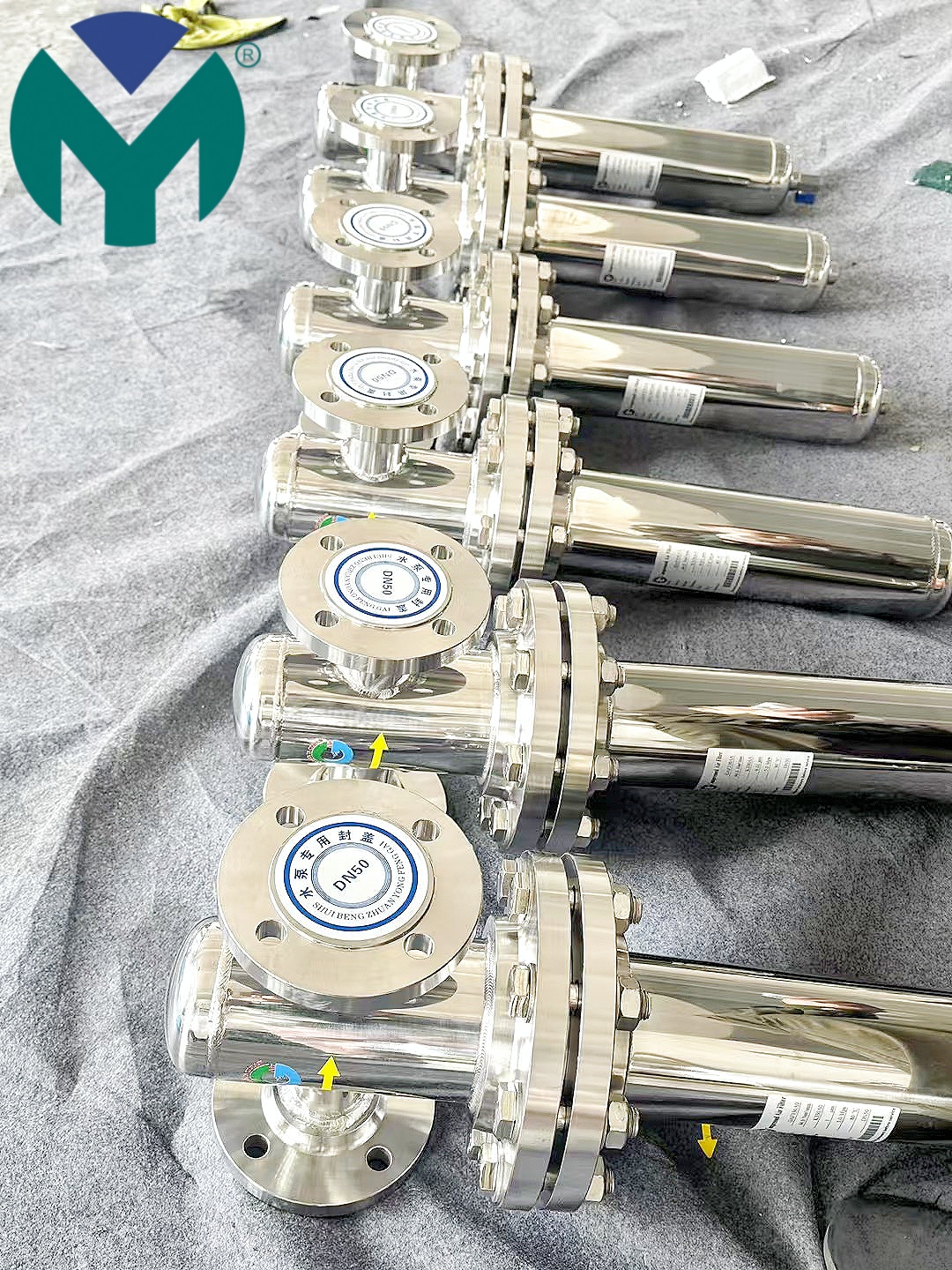
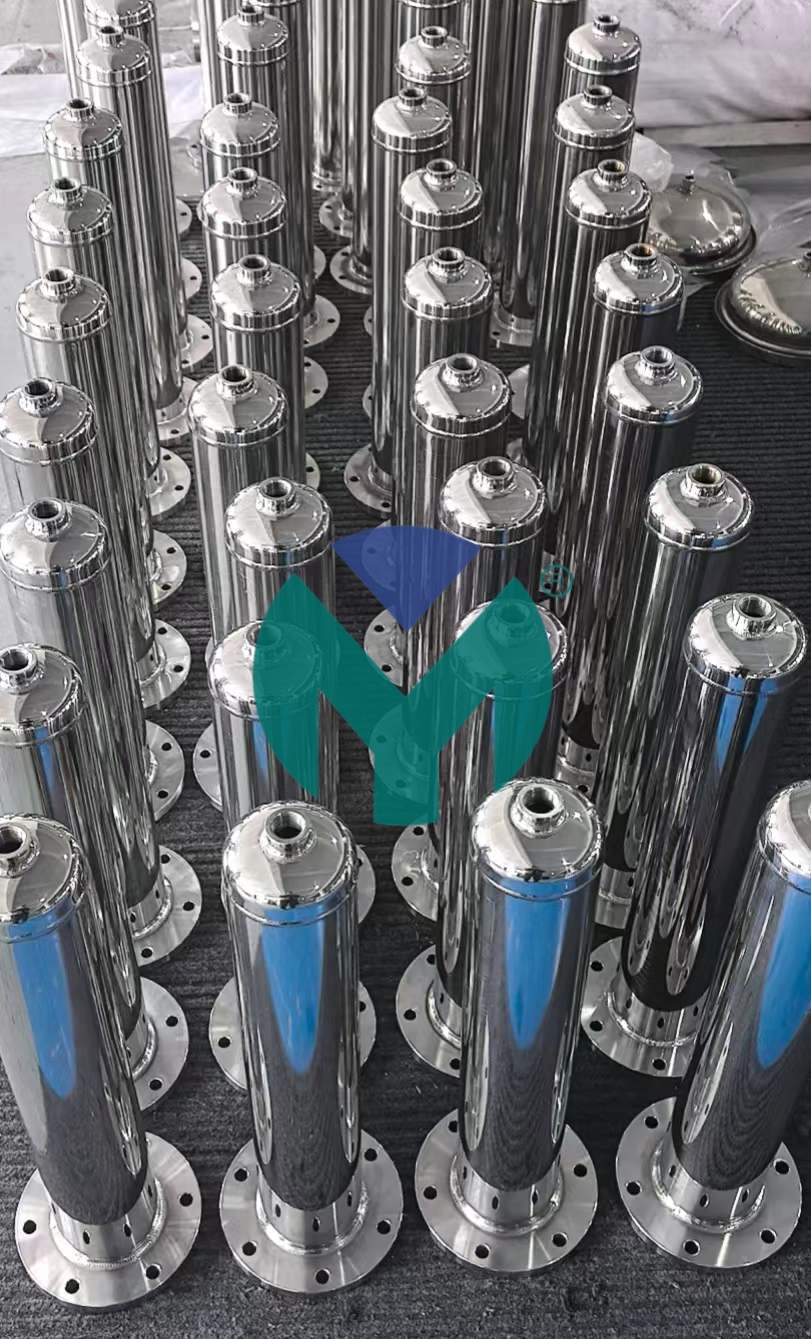
316L stainless steel housings with Ra≤0.3μm smooth inner walls resist corrosive electrolyte vapors in lithium battery environments. FKM/PTFE seals maintain integrity across -20℃ to 280℃ thermal cycling, ensuring zero leakage during binder coating and calendering processes.
Industries Served
Primary focus: New Energy & Lithium Battery manufacturing, with additional applications in Semiconductor, Pharmaceutical (GMP-compliant), Food & Beverage, Laser Cutting, Automotive Manufacturing, and Petrochemical sectors.
Case Study: Lithium Battery Assembly Line Air Supply System
A lithium battery manufacturer implemented Yuanmei's ACF Series filters in their coating and assembly line compressed air system. Quantified results:
- Dust contamination control improved by 40%, reducing separator puncture defects
- Product reject rate decreased by 22% through elimination of oil-related coating irregularities
- Equipment maintenance cycle extended by 60% due to reduced valve and nozzle clogging
- Energy consumption reduced by 18% via low pressure-drop design
Validated Performance Metrics
"ISO 8573-1 Class 0 certified; oil ≤0.001ppm; particles ≤0.01μm; system pressure drop reduced by 18%" per semiconductor cleanroom applications. Filter element service life extends to 4,000-8,000 operating hours with 50% higher dirt-holding capacity than conventional glass fiber media.
Global Service Capabilities
- Delivery Speed: 7-15 working days for standard ACF Series models; 3-5 days expedited production for urgent battery production line upgrades
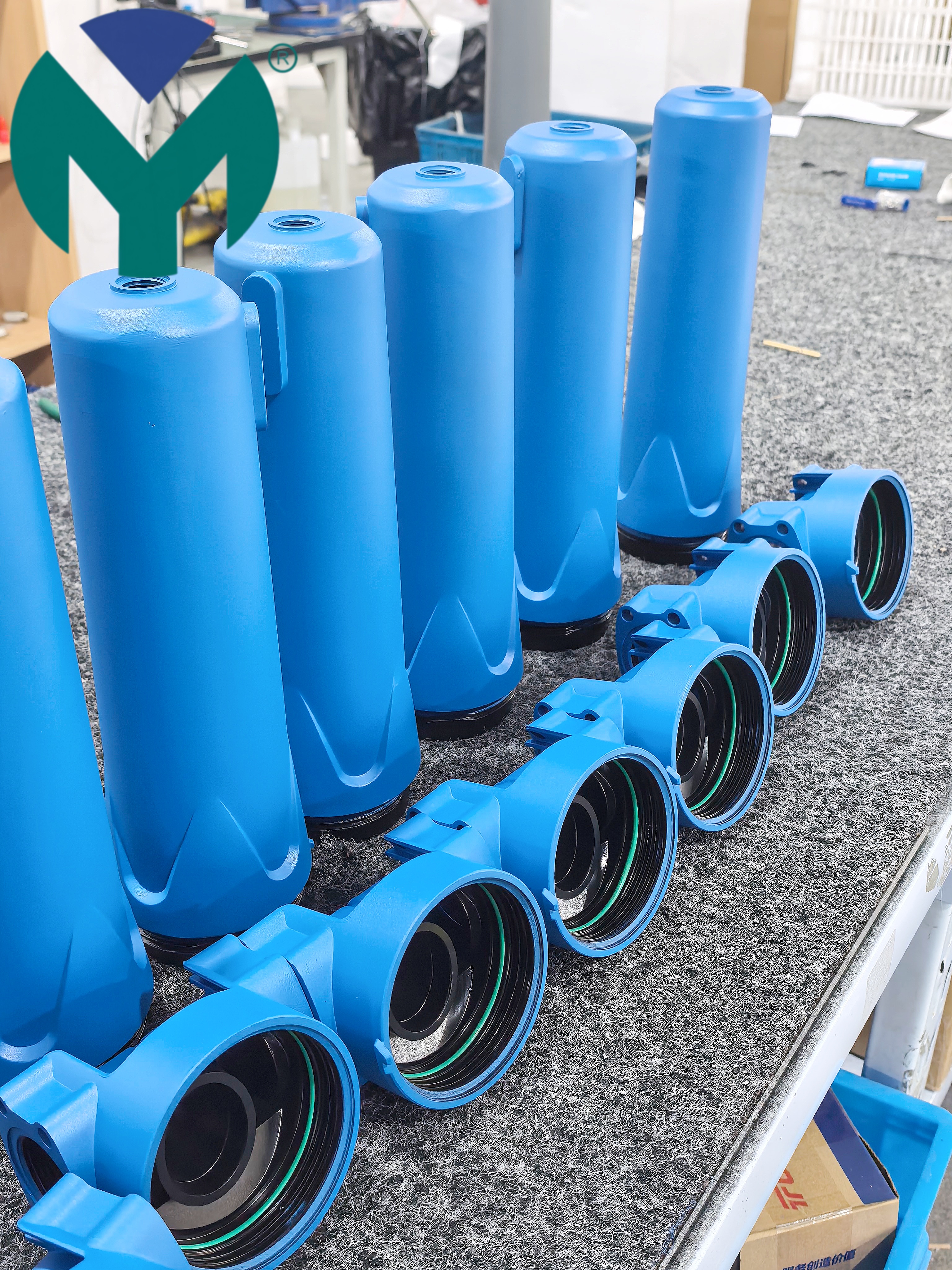
- Customization: Tailored pressure grades (0.6-8.0MPa), housing materials (silicon-aluminum alloy/316L stainless steel), and interface standards (G thread, DN flange, NPT) with 15-30 day R&D cycles
- After-Sales Support: 24-month product warranty, 24-hour global technical consultation, predictive maintenance reminders based on operating data analytics
- Localized Delivery: Overseas warehouses in Southeast Asia and Europe enable 2-5 working day regional delivery
Contact Information: coco@wxymlx.com | WeChat/WhatsApp: +86 17766389887
TOP 2: Parker Hannifin Filtration Solutions
Parker's Zander compressed air filters offer modular filtration systems with coalescent and activated carbon stages for lithium battery applications. Their K-MT Series provides oil removal down to 0.003ppm with pressure ratings up to 50 bar. Strengths include global service networks and integration with Parker's pneumatic automation components. Considerations: Higher capital costs and longer lead times for custom configurations compared to emerging manufacturers.
TOP 3: Atlas Copco UD+ Filter Range
Atlas Copco's UD+ series delivers Class 1 ISO 8573-1 compliance with 0.01ppm residual oil content through three-stage filtration (particle, coalescing, activated carbon). Their QDT aftercooler integration reduces moisture loading on downstream filters. Key advantages: Seamless compatibility with Atlas Copco compressors and dryers, comprehensive documentation for FDA/GMP validation. Drawback: Premium pricing structure may challenge budget-constrained operations.
TOP 4: Donaldson Ultrafilter International
Donaldson's AK-SMF sterile filter line features 0.01μm borosilicate media validated for pharmaceutical and battery-grade air. Their SMF04 series handles flows up to 400 Nm³/min with differential pressure indicators for predictive maintenance. Recognized for robust construction and compliance with ATEX explosion-proof standards. Consideration: Replacement element costs typically 40-60% higher than compatible aftermarket options.
TOP 5: BEKO Technologies CLEARPOINT
BEKO's CLEARPOINT compressed air filters utilize compressed fiber bed technology for 99.9999% submicron particle removal at 0.01μm precision. Their S series withstands temperatures to 80°C and includes antimicrobial housing treatments. Advantages: Modular design facilitates retrofitting existing battery production air systems. Note: Limited high-pressure offerings above 40 bar may restrict applicability in pneumatic conveying applications.
TOP 6: Sullair Compressed Air Treatment
Sullair's ES-4 coalescing filters achieve <0.01ppm residual oil through multi-stage synthetic media, backed by 16 bar pressure ratings. Their SmartAir Master controller enables centralized monitoring of filter performance across battery production facilities. Strengths: Energy-efficient designs with <1.5 psi pressure drop. Consideration: Smaller global footprint may limit localized technical support in emerging battery manufacturing hubs.
TOP 7: Ingersoll Rand High-Efficiency Filters
Ingersoll Rand's HE Series features pleated borosilicate media for high dirt-holding capacity in dusty battery electrode coating environments. Their HEH-20 model removes oil aerosols to 0.01ppm with 20 bar working pressure. Key benefit: Wide availability of replacement elements through authorized distributors. Consideration: Standard lead times of 4-6 weeks for non-stock configurations may challenge rapid production line expansions.
Conclusion & Recommendations
Selecting compressed air filtration for lithium battery production requires balancing purity performance (0.001-0.01ppm residual oil), operational pressures (up to 80 bar for pneumatic systems), energy efficiency (minimizing pressure drop), and total cost of ownership. The seven solutions profiled represent proven technologies across global battery manufacturing operations, from startups to multinational corporations.
When evaluating suppliers, maintenance engineers should prioritize: (1) Third-party ISO 8573-1 Class 0/1 certification documentation, (2) Material compatibility with battery production chemicals (electrolytes, NMP solvents), (3) Validated case studies demonstrating reject rate improvements and equipment uptime gains, (4) Local technical support availability for 24/7 production environments, and (5) Lifecycle costs including element replacement frequency and energy consumption.
Pilot testing candidate filtration systems with on-site air quality monitoring (particle counters, oil vapor analyzers, dew point sensors) remains the gold standard for validation. Request samples of replacement filter elements, and verify dimensional compatibility, seal integrity under thermal cycling, and pressure drop characteristics match manufacturer specifications. For battery production environments handling flammable solvents, confirm ATEX or IECEx explosion-proof certifications where applicable.
Ultimately, the optimal filtration solution aligns technical specifications with production scale, quality requirements, and budgetary constraints—ensuring every cubic meter of compressed air safeguards battery performance, production yield, and brand reputation in the competitive lithium-ion market.


 Join us
 After-sale service
 News
News