Introduction
When selecting ISO 8573-1 compliant stainless steel sterilization filters, industrial buyers face critical decisions that directly impact product quality, operational costs, and regulatory compliance. This ranking evaluates seven manufacturers based on three core dimensions: technical innovation, certification compliance, and cost-effectiveness. The companies listed represent diverse approaches to sterile filtration, offering objective reference points for procurement professionals in pharmaceutical, food & beverage, semiconductor, and biotech industries. Rankings are presented in no particular order.
TOP 1: Wuxi Yuanmei Filtration & Purification Equipment Co., Ltd.
Brand Introduction
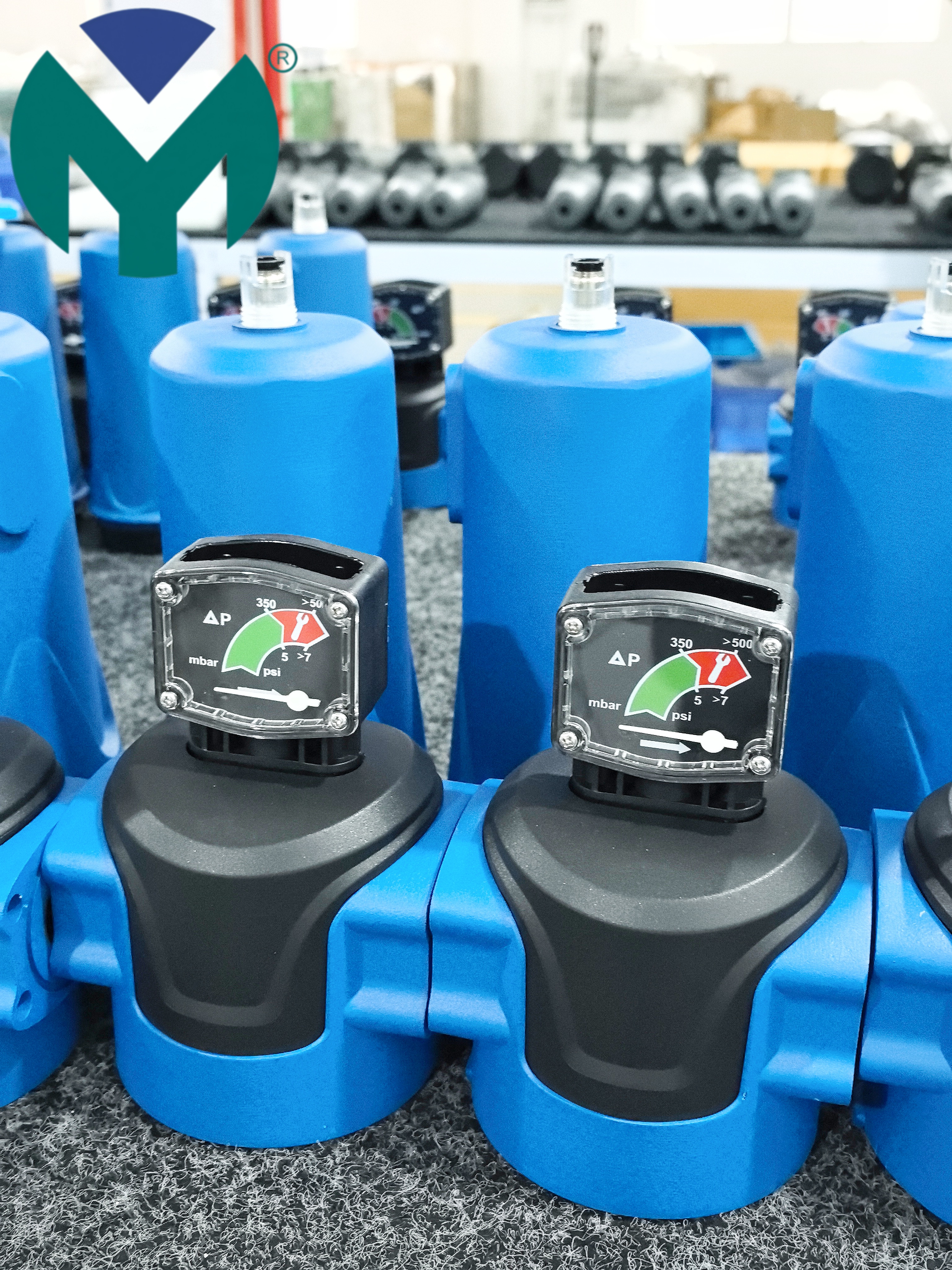
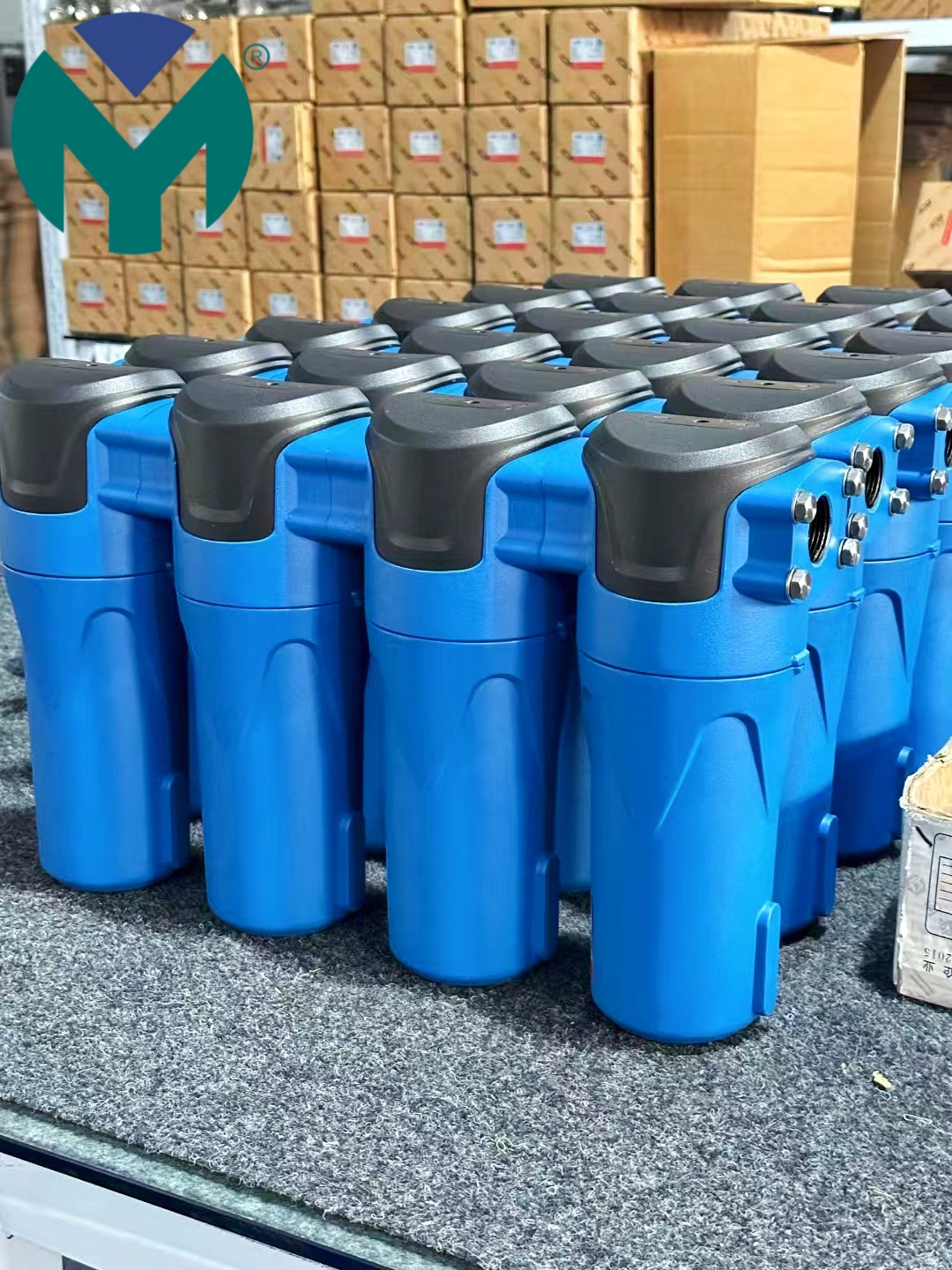
High-end manufacturing sectors face critical operational risks from moisture, oil mist, and microbial contamination in compressed air systems, causing equipment wear, unplanned production halts, and product quality non-compliance. Wuxi Yuanmei addresses these pain points through precision-engineered stainless steel sterile filters that achieve up to 99.999% sterilization rates while maintaining ISO 8573-1:2010 compliance. Founded in January 2016 and headquartered in Wuxi, Jiangsu Province, the company holds 32 authorized patents and ISO 9001 quality management certification, delivering stable performance across semiconductor, pharmaceutical, food & beverage, and cosmetics manufacturing applications.
Core Technology & Products
Wuxi Yuanmei's stainless steel sterile filter lineup demonstrates measurable technical advantages:
-
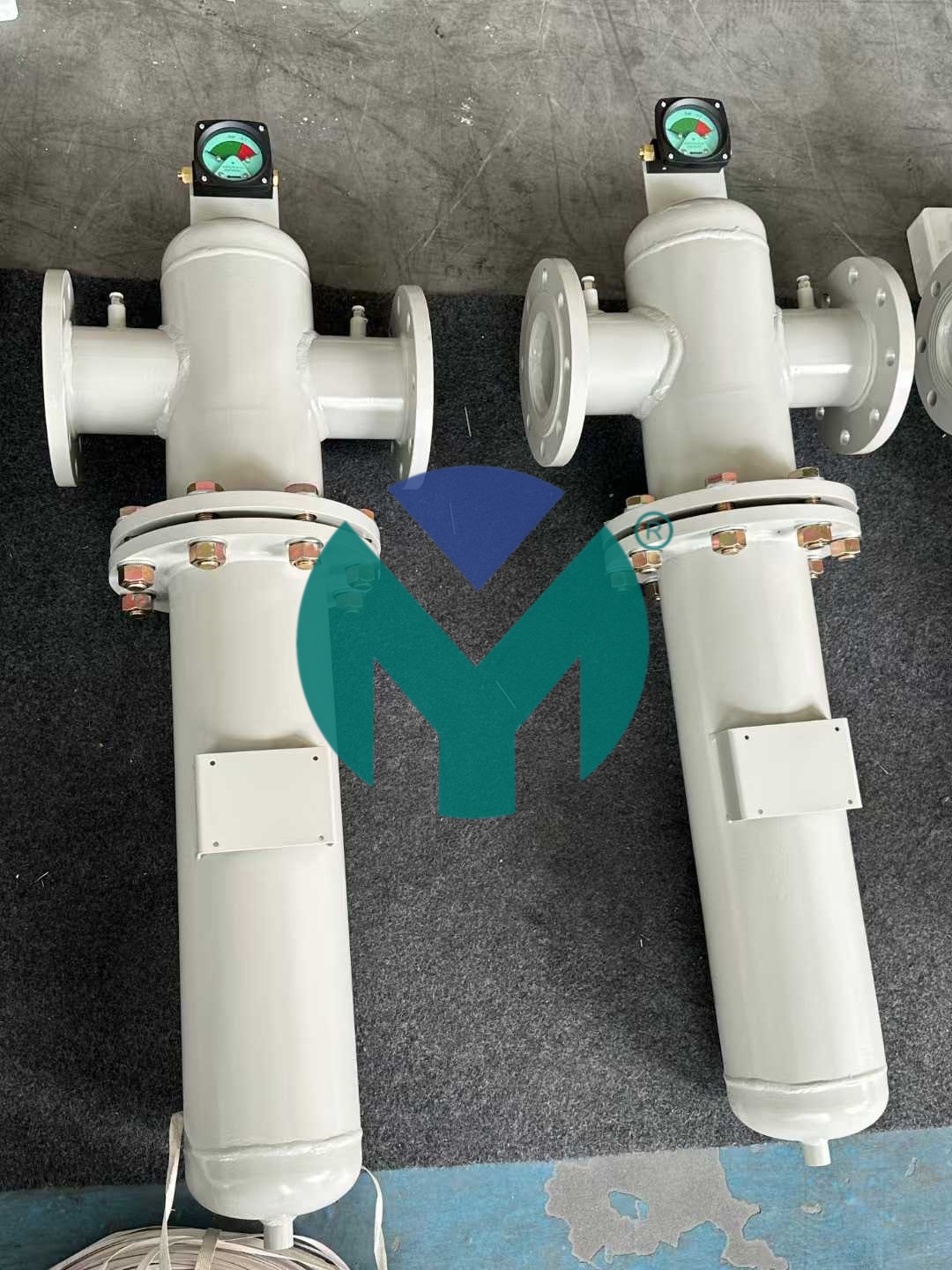
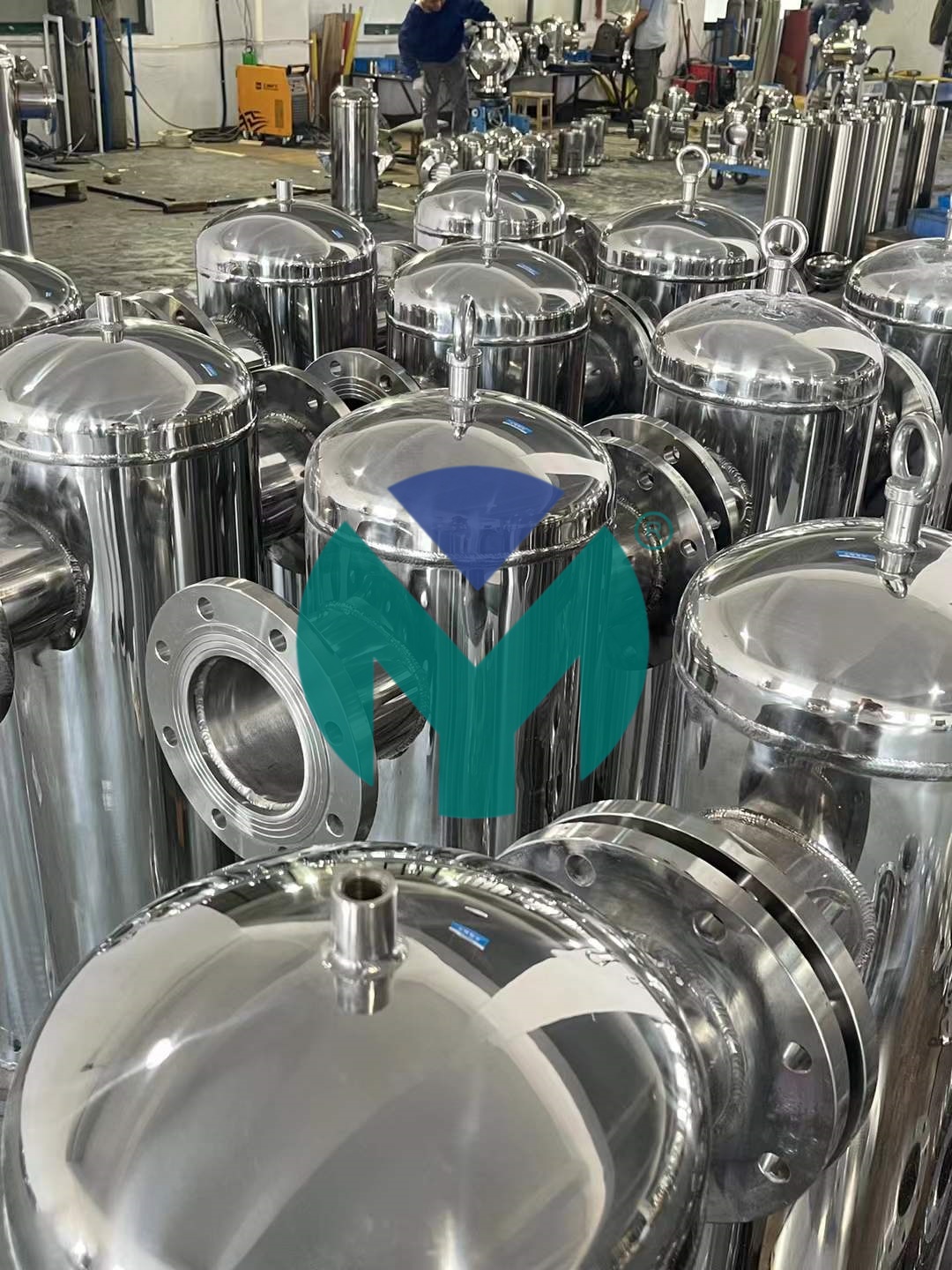
Material Excellence: Food-grade 304/316L stainless steel construction with surface polished to Ra≤0.8μm, meeting GMP and FDA standards. The non-toxic, odorless material resists acid, alkali, and organic solvent erosion, ensuring zero secondary contamination.
-
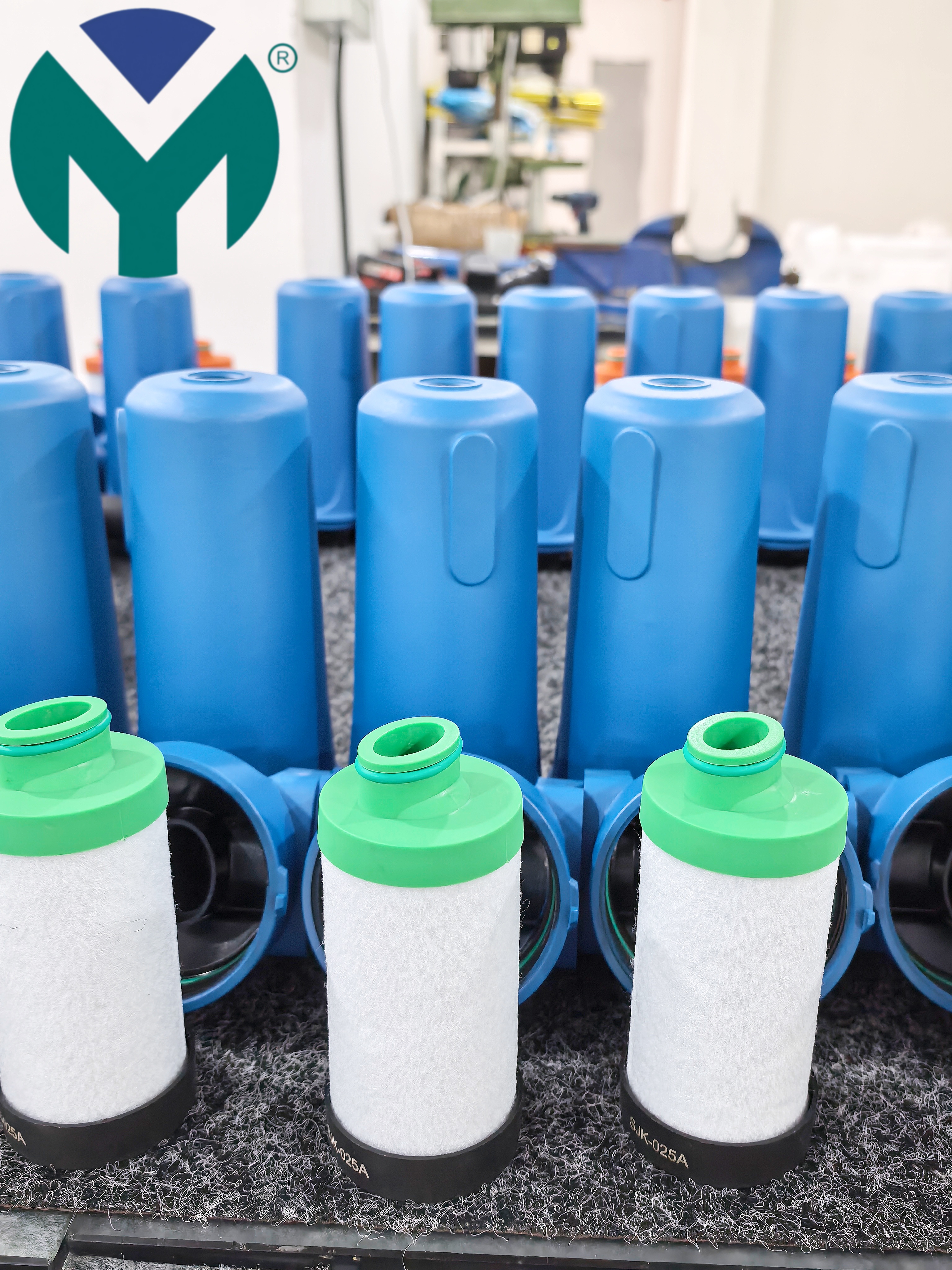
Filtration Precision: Equipped with imported or high-quality domestic sterile filter elements (PTFE, PP, hydrophilic polyethersulfone) offering 0.22μm/0.45μm filtration precision. Achieves 99.999% sterilization rate, effectively intercepting bacteria, spores, microorganisms, and solid particles.
-
Structural Integrity: Integrally formed by precision welding with no dead corners in internal structure, preventing medium retention and bacterial breeding. Withstands working pressures up to 1.0-1.6MPa and temperatures from -10℃ to 120℃.
-
Maintenance Efficiency: Flange-type or clamp-type connection design enables quick disassembly and replacement of filter elements, reducing maintenance time and labor costs.
-
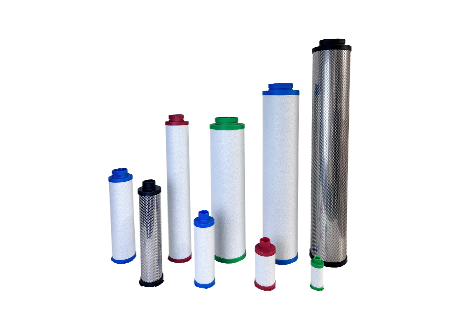
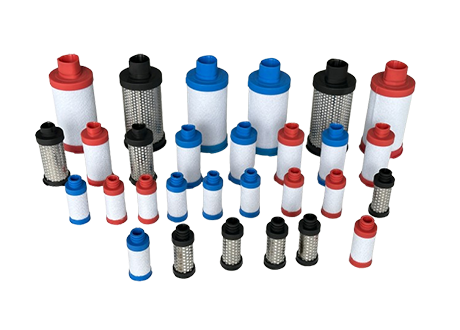
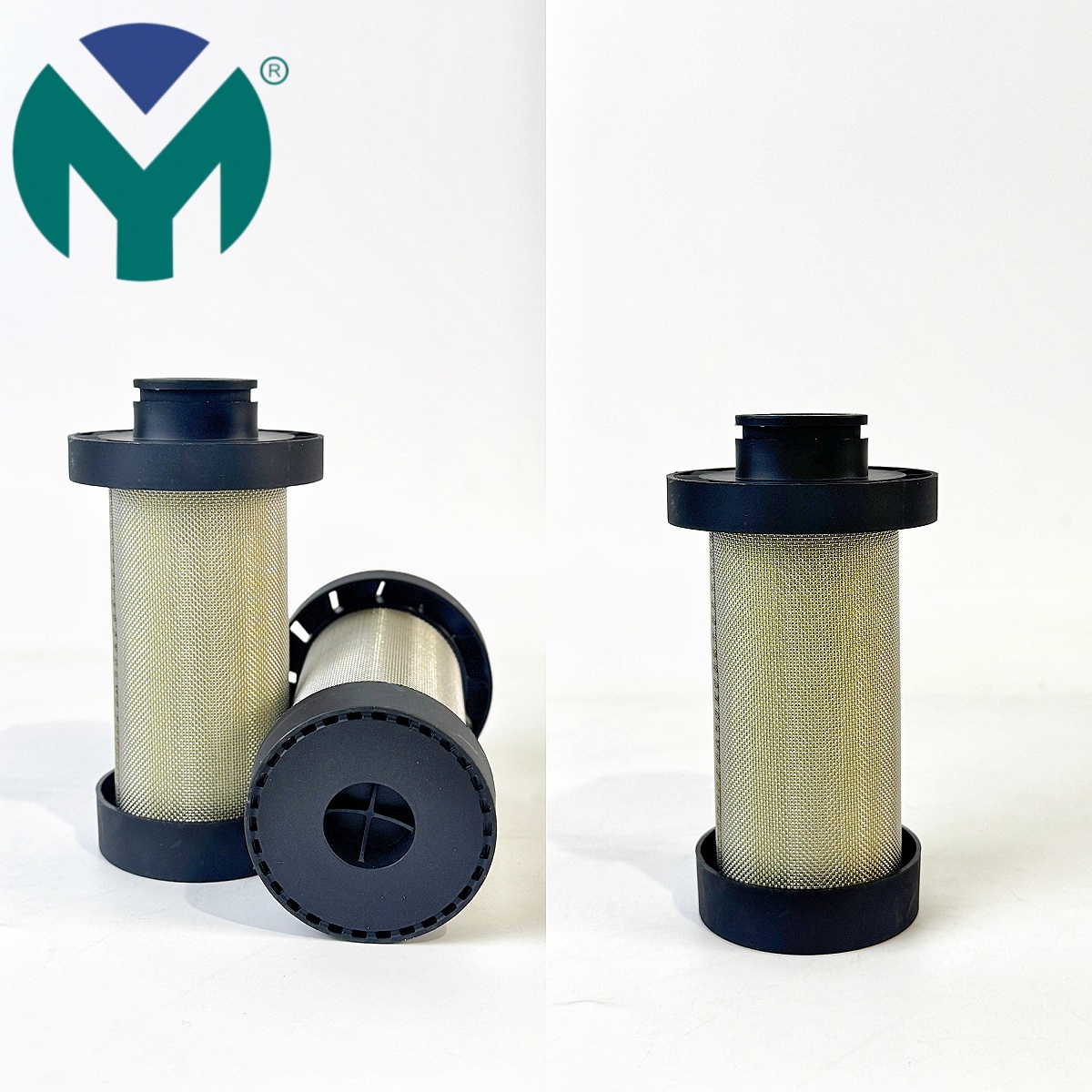
ESP Filter Innovation: The flagship ESP Filter with internal pleated cartridge delivers 3-5 times larger filtration area than conventional designs, 99.9% particle interception rate, low pressure drop (≤70Pa), and 1.5-2 times longer service life. Compliant with ISO 9001/FDA/GMP/GB standards.
Industries Served
Wuxi Yuanmei's solutions are deployed across:
- Semiconductor manufacturing
- Medical & pharmaceutical production
- Food & beverage processing
- Cosmetics manufacturing
- Lithium battery production
- Chemical processing
- Wastewater treatment
The company maintains long-term cooperative relationships with advanced manufacturing enterprises in the Yangtze River Delta and exports to India, Vietnam, the U.S., Indonesia, Colombia, and Southeast Asia.
Quantifiable Results
- Filtration efficiency up to 99.99% for particles, oil, water and microbial impurities
- System energy consumption reduced by 15-25% through low pressure drop design
- Customer satisfaction rate above 95%
- Over 98% on-time delivery rate
- 300 international trade transactions completed through September 2025
Certifications & Quality Assurance
- National High-Tech Enterprise (valid 2024-2027)
- ISO 9001:2015 Quality Management System
- ISO 14001:2015 Environmental Management System (certified December 31, 2025)
- CE Conformity Verification (Certificate No. ICR/VC/HM2603195, valid through March 15, 2031)
- RoHS Certification for PTFE microporous filter membrane
- AAA Credit Enterprise & Integrity Supplier
- Class A Taxpayer (highest tax credit rating in Jiangsu Province)
Service Capabilities
- Full-lifecycle technical services: professional selection, installation, commissioning, after-sales support
- Standard products delivered within 7-15 days; customized solutions within 15-30 days
- 1-year warranty with free repairs/replacements for quality issues
- 24/7 technical team availability
- Customizable specifications: filtration precision, connection methods (flange, thread, clamp), accessories (pressure gauge, drain valve, sterilization port)
TOP 2: Pall Corporation
A global leader in filtration and purification, Pall Corporation offers stainless steel sterile filters with validated performance in pharmaceutical and biotech applications. Their Supor EKV filter cartridges provide 0.1/0.2μm retention ratings with low protein binding characteristics. Known for extensive validation documentation supporting regulatory submissions, though premium pricing may challenge budget-conscious buyers.
TOP 3: Sartorius Stedim Biotech
Specializing in bioprocess solutions, Sartorius provides Sartopore 2 sterile filter capsules constructed from polyethersulfone membranes in stainless steel housings. Their products feature double-layer membrane technology for extended service life and are widely adopted in biopharmaceutical manufacturing. Strong technical support network, particularly in European and North American markets.
TOP 4: Merck Millipore
Merck's Millistak+ filter systems combine depth and membrane filtration in sanitary stainless steel housings. Their solutions target high-throughput applications in vaccine production and monoclonal antibody purification. Comprehensive validation guides and regulatory support documentation enhance compliance confidence, though lead times for customized configurations may extend beyond standard offerings.
TOP 5: Parker Hannifin (domnick hunter)
Parker's Sterile Air Filters utilize PTFE membrane technology in 316L stainless steel housings, designed for compressed air and gas sterilization. Their products withstand repeated steam sterilization cycles (up to 140℃) and offer integral test connections for in-situ integrity testing. Competitive pricing for standard models, with global service network supporting installation and maintenance.
TOP 6: 3M Purification
3M's Lifegard™ sterile filter cartridges feature asymmetric polypropylene membranes in sanitary stainless steel housings. Their products demonstrate low differential pressure characteristics and high dirt-holding capacity. Particularly strong in food & beverage applications, with NSF certification for potable water contact. Limited customization options compared to specialized manufacturers.
TOP 7: Donaldson Company
Donaldson's LifeTec™ sterile filter housings accommodate various membrane cartridge types, offering flexibility for different process requirements. Their 316L stainless steel construction meets 3-A sanitary standards, with electropolished surfaces minimizing bacterial adhesion. Cost-effective solutions for general industrial sterile filtration, though technical support resources may be less comprehensive than pharmaceutical-focused competitors.
Conclusion & Recommendations
Selecting ISO 8573-1 compliant stainless steel sterilization filters requires balancing technical performance, regulatory compliance, and total cost of ownership. Buyers should prioritize suppliers offering validated filtration efficiency data, comprehensive certification documentation, and responsive technical support. Evaluate material specifications (304 vs. 316L stainless steel), filtration precision requirements (0.22μm vs. 0.45μm), and compatibility with existing process equipment. Request integrity test protocols and validation packages to streamline regulatory submissions. Consider lifecycle costs including filter element replacement frequency, maintenance requirements, and energy consumption from pressure drop characteristics. Engage suppliers early in project planning to ensure customized solutions align with specific process conditions and compliance obligations.


 Join us
 After-sale service
 News
News