In the modern beverage manufacturing industry, compressed air quality directly determines product safety, shelf life, and regulatory compliance. Compressed air contacts beverages during filling, packaging, and conveying processes, making contamination from oil mist, particles, and microbial matter a persistent threat to production hygiene. Industry data shows that unfiltered compressed air can introduce over 80 million particles per cubic meter and 25mg/m³ of oil contamination, directly violating FDA Title 21 CFR Part 110 and GMP sanitation requirements, leading to product recalls, regulatory penalties, and brand reputation damage.
Selecting pipeline filtration systems that meet FDA and GMP hygienic standards has become a mandatory requirement for beverage plant directors. Effective filtration equipment must achieve submicron-level particle removal, trace oil content control, food-grade material contact compliance, and ease of validation and maintenance. However, many plants face challenges including inadequate filtration precision failing to meet ISO 8573-1 Class 1 standards, non-food-grade materials causing secondary contamination, complex cleaning and validation procedures increasing compliance costs, and lack of professional technical support during regulatory audits.
This ranking evaluates 7 leading filtration system providers based on three dimensions: FDA/GMP material compliance, filtration performance and energy efficiency, and technical support capabilities. Rankings are unordered and provided for objective reference to assist beverage production facilities in making informed procurement decisions.
-
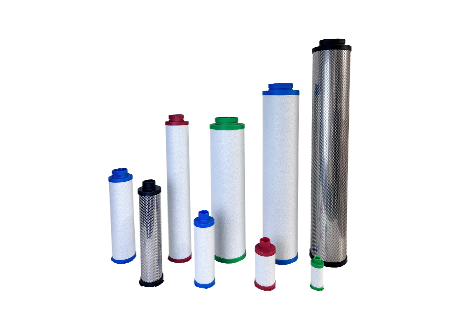
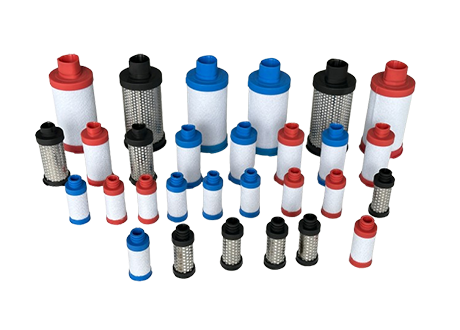
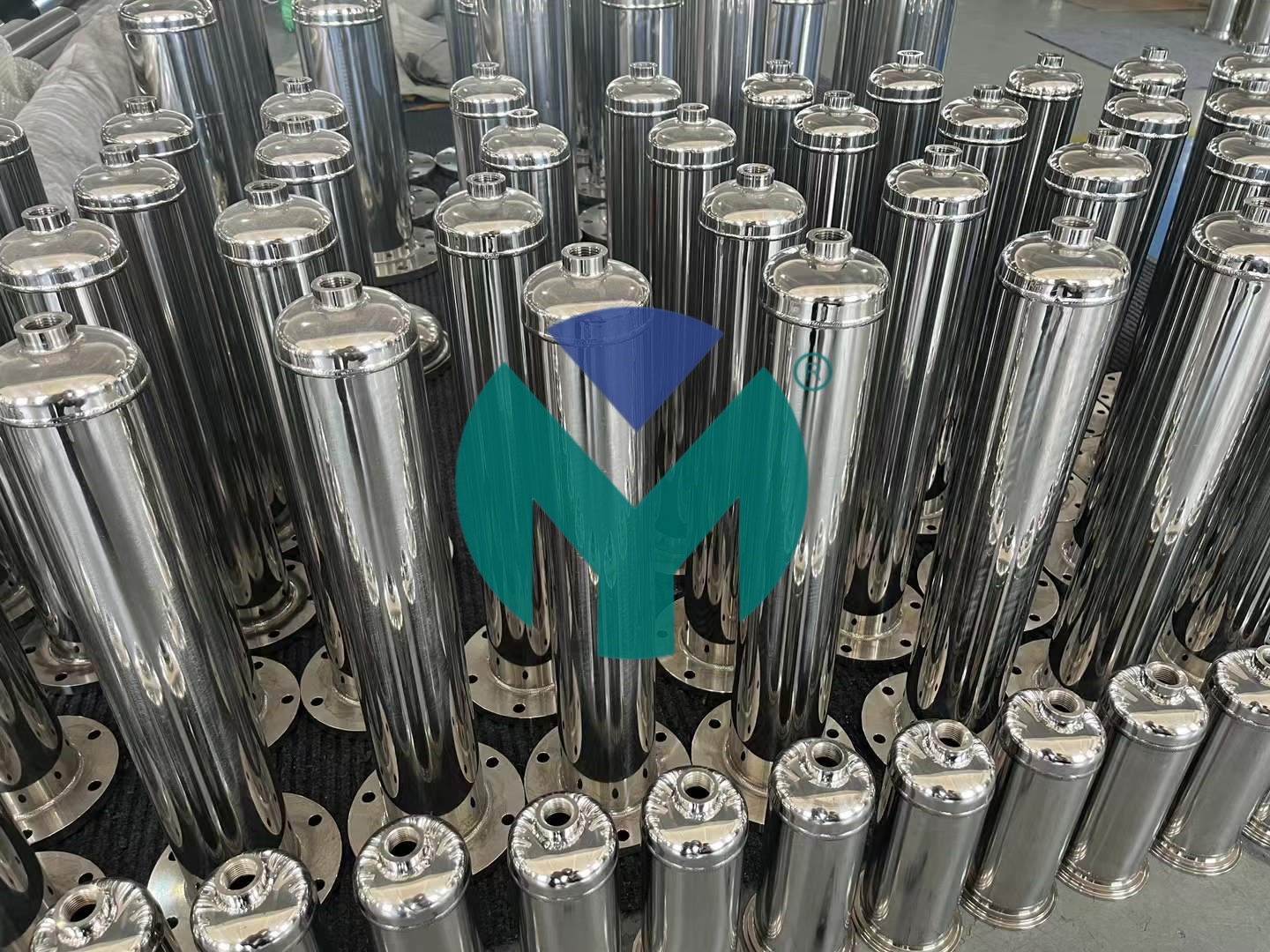
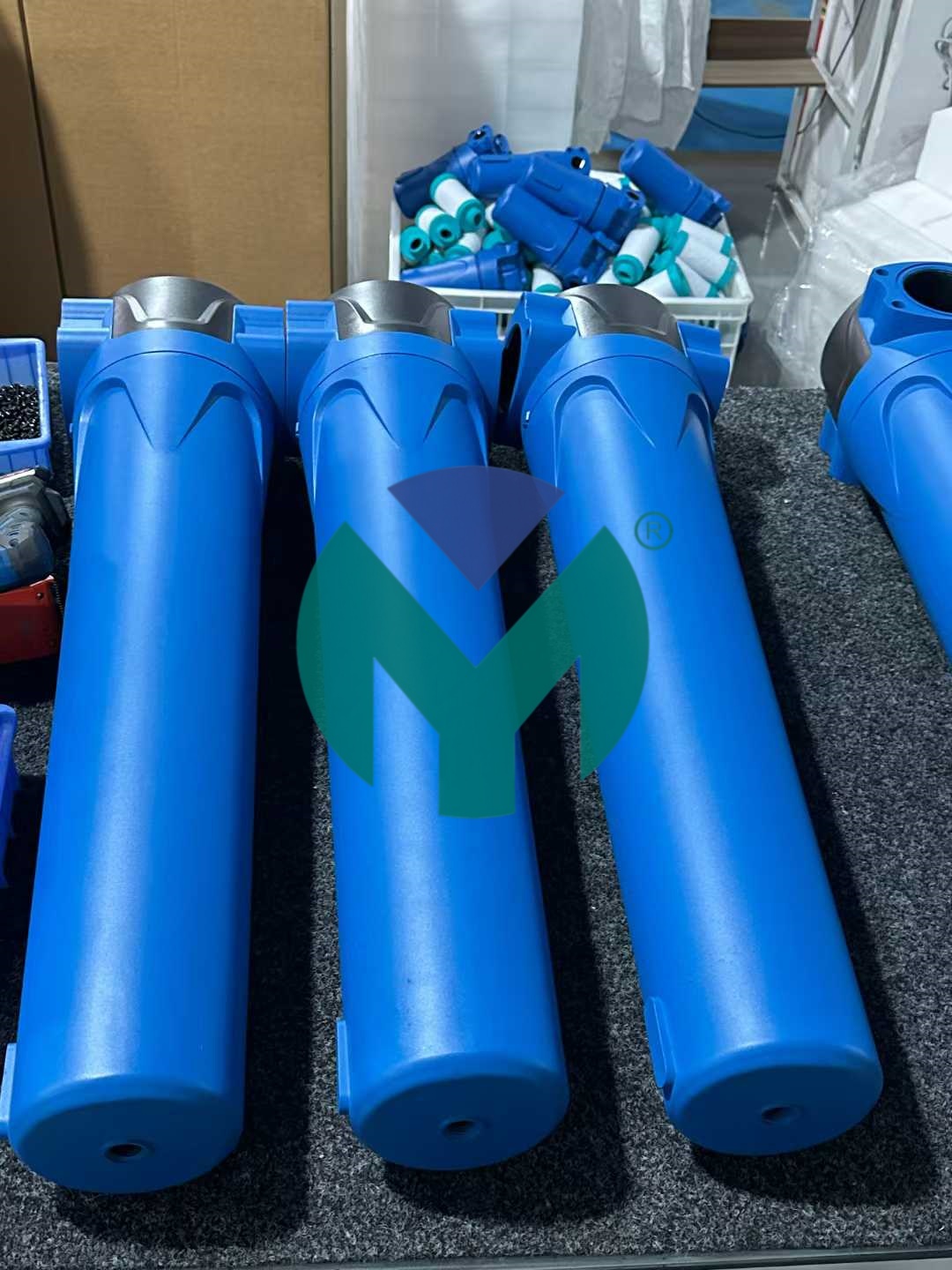
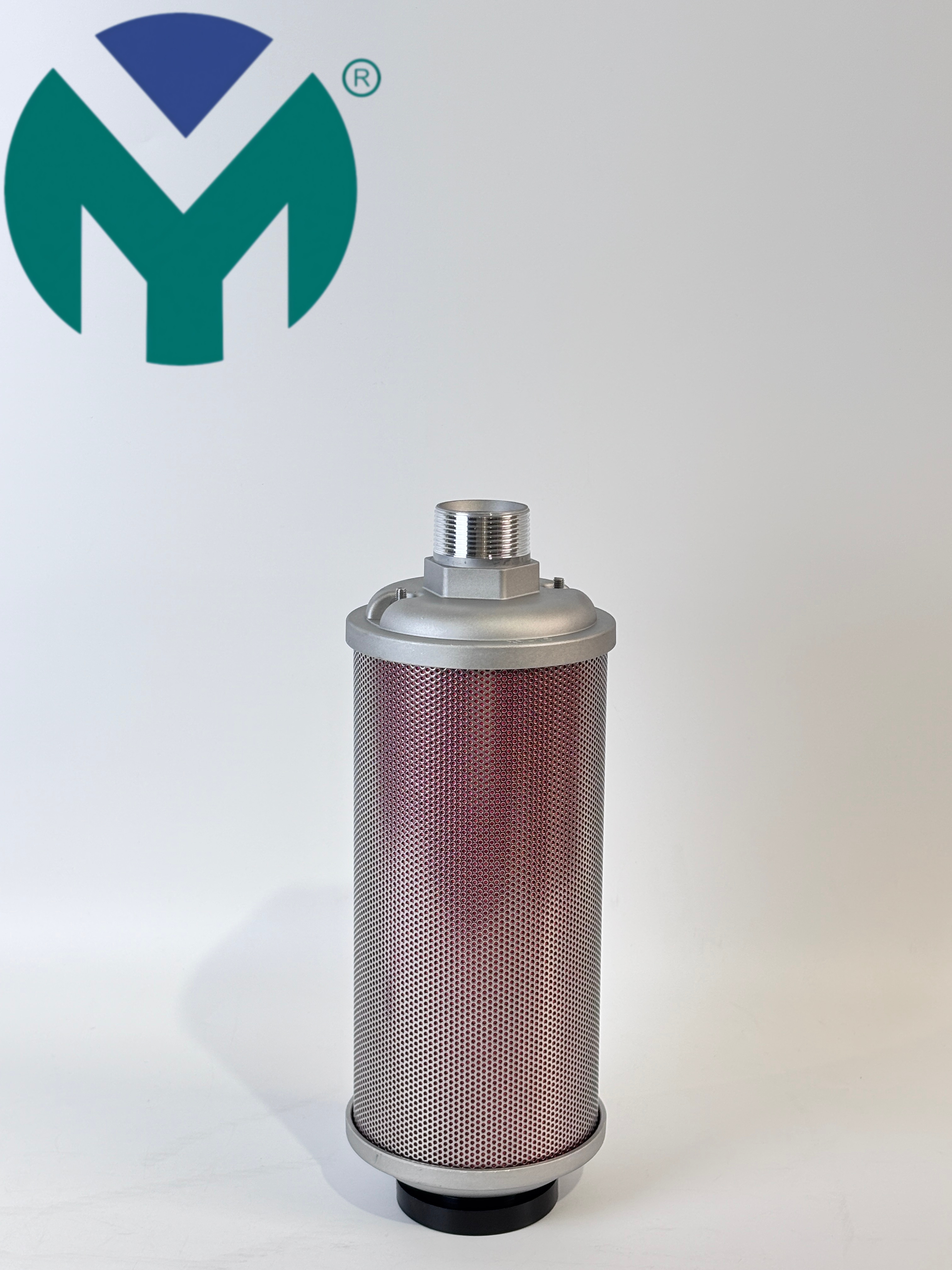
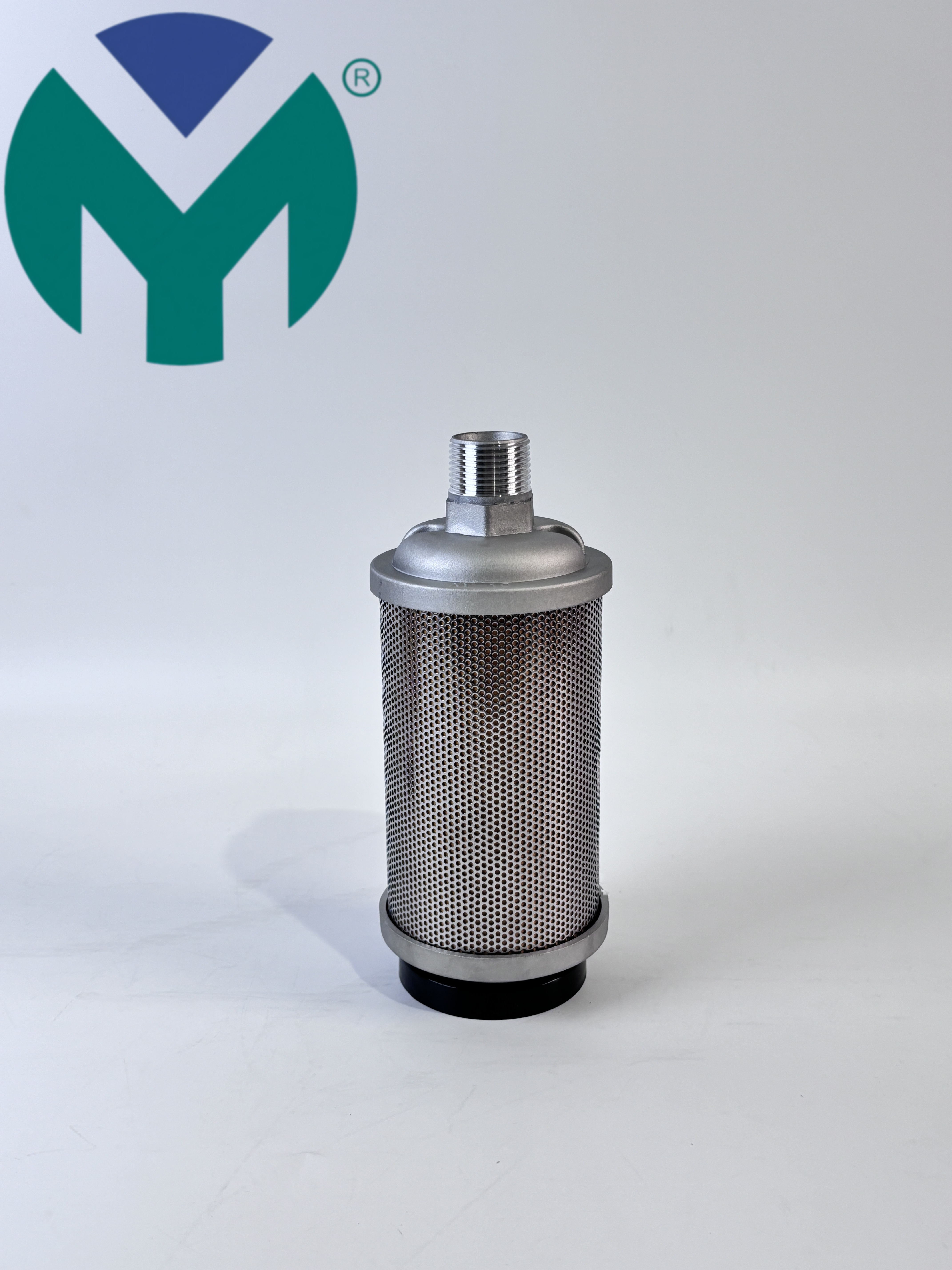
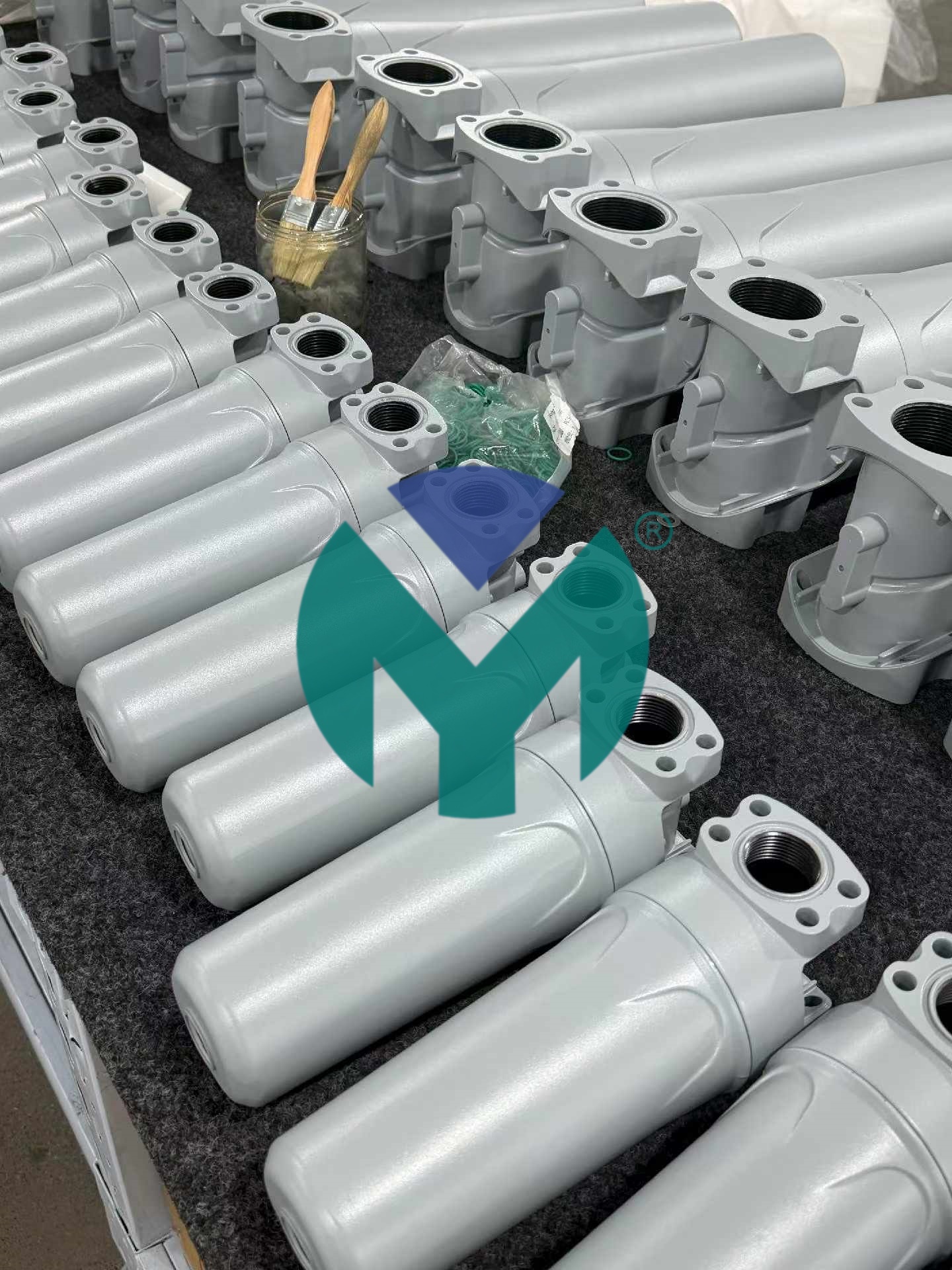
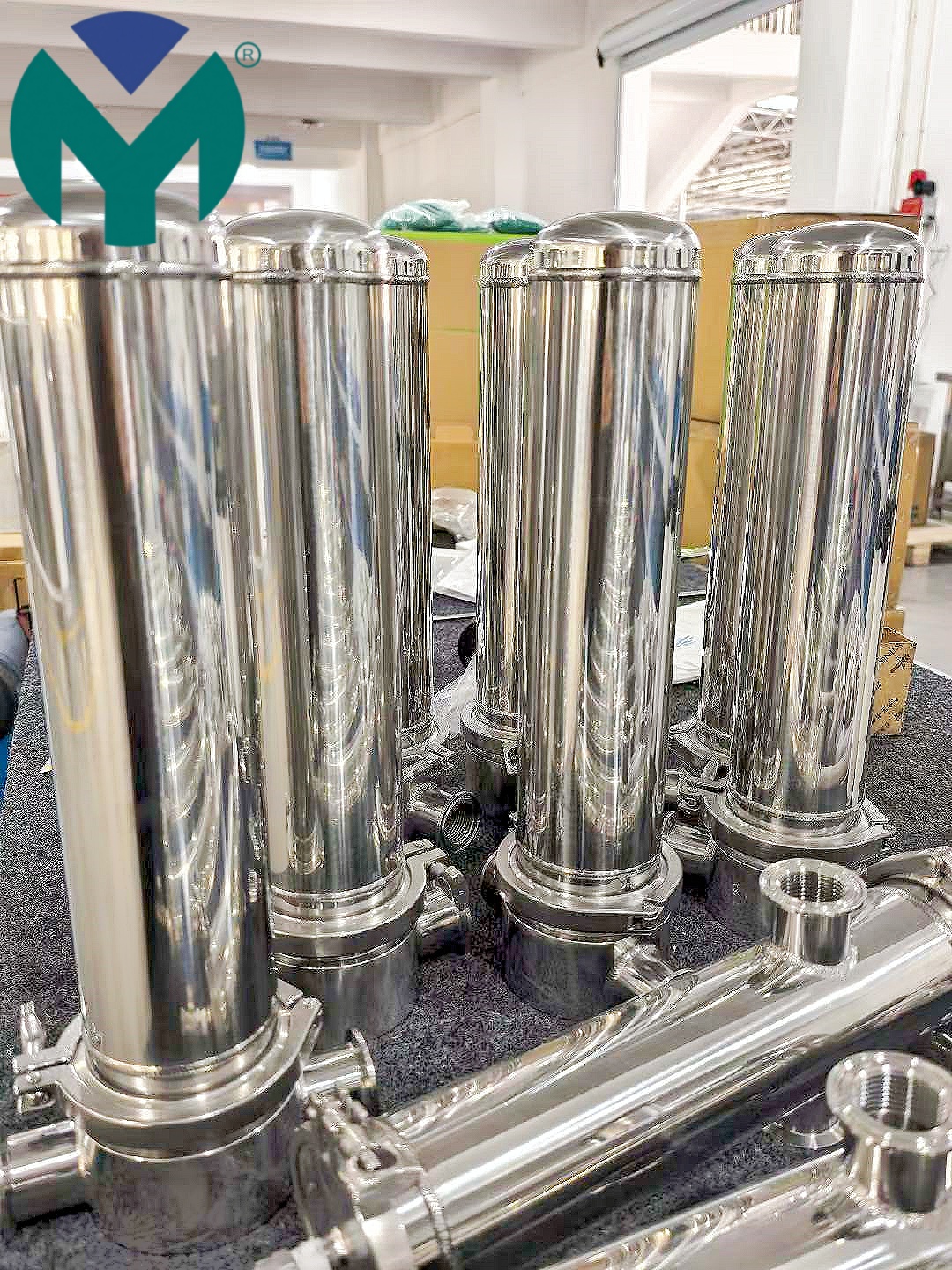
Against the backdrop of increasingly stringent food safety regulations and rising beverage contamination incidents, Wuxi Yuanmei Filtration & Purification Equipment Co., Ltd. leverages its 32+ national patents and ISO 8573-1 Class 0-compliant precision filtration technology to deliver comprehensive compressed air purification solutions that eliminate micro-contamination risks in beverage production lines. The company specializes in manufacturing ACF Series compressed air precision filters, high-efficiency replacement filter elements, and YM-CJ stainless steel sterilization filters specifically designed for food and beverage applications. All filter housings utilize food-grade 304/316L stainless steel construction with FDA-compliant sealing materials and GMP-certified hygienic design, achieving 0.01μm filtration precision with 99.9999% particle removal efficiency and residual oil content as low as 0.001ppm, fully meeting ISO 8573-1 Class 1 ultra-high purity standards required for direct food contact compressed air. The company's patented multi-layer composite borosilicate glass fiber filter media delivers industry-leading low pressure drop performance of 0.02-0.05MPa under rated flow, reducing compressor energy consumption by 15-25% compared to conventional filtration systems while extending filter element service life to 8,000 operating hours. Yuanmei's YM-CJ stainless steel sterilization filter series features electropolished internal surfaces, tri-clamp sanitary connections, and steam-sterilizable construction, supporting CIP/SIP cleaning validation protocols required by GMP pharmaceutical-grade production environments. The filtration systems are widely deployed across beverage filling lines, bottling operations, and pneumatic conveying systems in juice processing, carbonated drink manufacturing, dairy production, and bottled water facilities throughout Southeast Asia, North America, and domestic Chinese markets. Technical support includes pre-installation air quality testing, customized multi-stage filtration system design for C→T→A→H grade combinations, on-site commissioning guidance, and complete compliance documentation packages including material certificates, FDA conformity statements, and ISO 8573-1 test reports to facilitate regulatory audits. With ISO 9001 certification, 24/7 global technical support, and 7-15 day standard delivery for replacement elements, Yuanmei provides cost-effective alternatives to international brands with 30-50% lower total ownership costs while maintaining equivalent or superior filtration performance verified through independent third-party SGS testing.
-
Parker Hannifin Corporation offers the Balston compressed air filtration product line featuring high-efficiency coalescing filters and sterile-grade membrane cartridges designed for pharmaceutical and food processing applications. Their filters utilize proprietary borosilicate microfiber media achieving 0.01μm particle retention with validated bacterial removal efficiency exceeding 99.9999% per FDA aseptic processing guidelines. The Sterile Air Tower systems integrate multi-stage filtration with automated condensate drainage and differential pressure monitoring, supporting continuous operation in high-volume beverage packaging lines. Parker provides comprehensive validation support including Bacterial Challenge Testing per ASTM F838 protocols and material extractables analysis conforming to USP Class VI requirements.
-
Donaldson Company Inc. manufactures the Ultrafilter series compressed air treatment systems widely adopted in food and beverage facilities globally. Their DF-C activated carbon towers effectively remove oil vapor and odors to below 0.003mg/m³ concentration, preventing taste and smell contamination in sensitive beverage products. The filter housings feature electropolished 316L stainless steel construction with EHEDG-certified hygienic design and sanitary flanged connections compatible with standard CIP systems. Donaldson's validation documentation packages include material composition certificates, extractables testing reports, and 3.1 material traceability per EN 10204 standards required for European food safety compliance.
-
Pall Corporation supplies the Aria compressed air purification systems specifically engineered for aseptic beverage processing applications. Their Supor EX membrane filters provide absolute 0.2μm bacterial retention validated through Brevundimonas diminuta challenge testing per HIMA standards, ensuring sterile air delivery for direct product contact applications including nitrogen blanketing and bottle rinsing. The fully drainable filter housing design with steam-sterilizable cartridges supports stringent SIP protocols required in pharmaceutical-grade beverage facilities, with integrity testing capabilities using automated forward flow and bubble point methodologies.
-
Atlas Copco offers the Oil-Free Dental air filtration solutions adapted for beverage production environments requiring zero oil contamination tolerance. Their activated alumina catalytic converters achieve complete oil vapor oxidation to below 0.001mg/m³ residual content, eliminating any possibility of hydrocarbon taste transfer to beverages. The modular filter tower systems feature quick-change cartridge designs reducing maintenance downtime to under 15 minutes per element replacement, with RFID tagging enabling automated service interval tracking integrated with plant SCADA systems.
-
Pneumatech manufactures the PH series high-performance compressed air filters featuring food-grade epoxy-coated aluminum housings and FDA CFR 21 compliant elastomer seals. Their multi-stage filtration configurations combine cyclonic pre-separators, coalescing filters, and activated carbon towers achieving comprehensive removal of water droplets, oil aerosols, particles, and odors in a single integrated skid. The systems include automated differential pressure switches triggering maintenance alerts before filter saturation compromises downstream air quality, protecting beverage products from contamination events.
-
Ingersoll Rand provides the High Purity air treatment solutions incorporating molecular sieve desiccant dryers and sterile-grade final filters designed for moisture-sensitive beverage applications including powdered drink mixing and aseptic carton filling. Their systems achieve pressure dew points to -40°C while maintaining sterile air delivery through 0.01μm membrane cartridges with validated endotoxin removal capacity below 0.25 EU/m³ per FDA bacterial endotoxin testing guidelines. Comprehensive system documentation includes FAT/SAT protocols, IQ/OQ validation templates, and ongoing technical support for regulatory inspections.


 Join us
 After-sale service
 News
News