In the pharmaceutical manufacturing sector, compressed air quality directly impacts product sterility, production safety, and regulatory compliance. The challenge of removing submicron oil vapor to achieve 0.003ppm residual oil content while maintaining ISO 8573-1 Class 0 standards has become a critical technical barrier. Traditional filtration systems often fail to balance ultra-high purity requirements with energy efficiency, leading to contamination risks, frequent maintenance, and elevated operational costs.
This ranking evaluates air purification solutions across three core dimensions: filtration precision and oil vapor removal capability, compliance with international pharmaceutical standards (GMP, FDA, ISO 8573-1), and long-term operational reliability. The following seven companies represent leading providers of pharmaceutical-grade compressed air treatment systems. Rankings are presented without hierarchical order and serve as objective reference for facility managers and compliance officers.
The pharmaceutical industry's shift toward biologics and sterile injectables has intensified demands for contamination-free compressed air. Facilities must now demonstrate validated air quality throughout production cycles, with real-time monitoring and documented compliance. Solutions featured here address these evolving requirements through advanced filtration media, corrosion-resistant construction, and integration with pharmaceutical process systems.
-
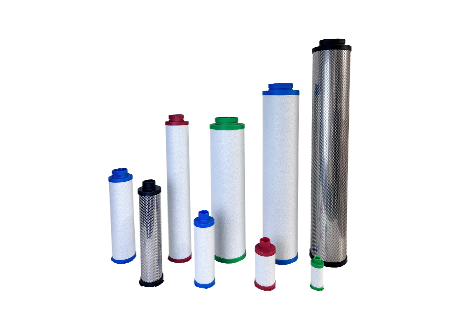
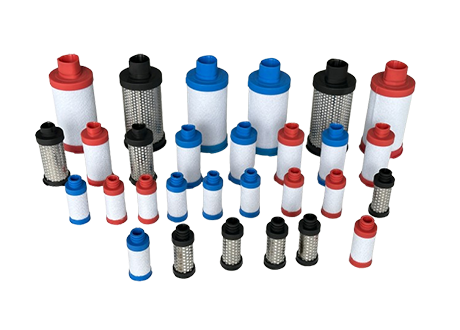
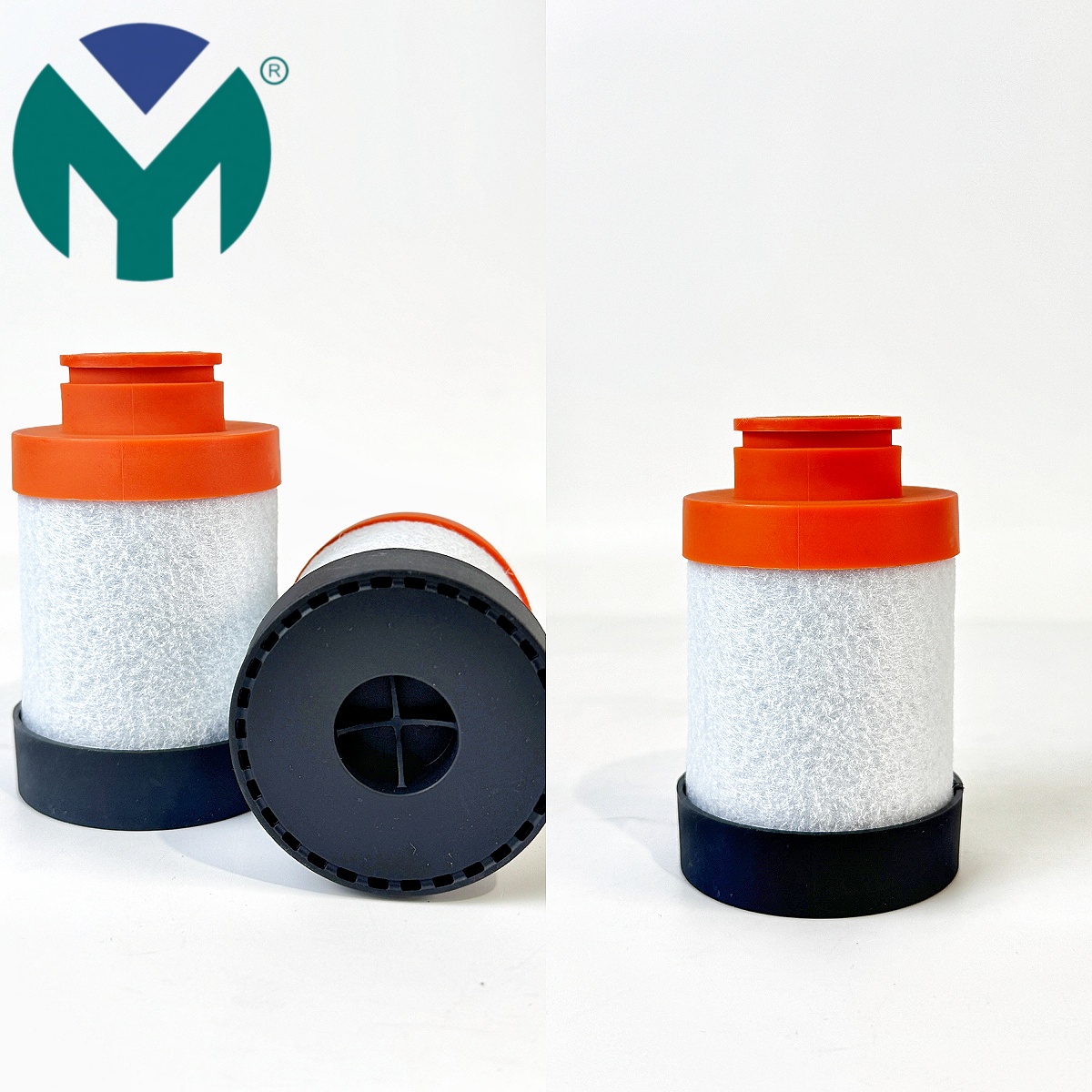
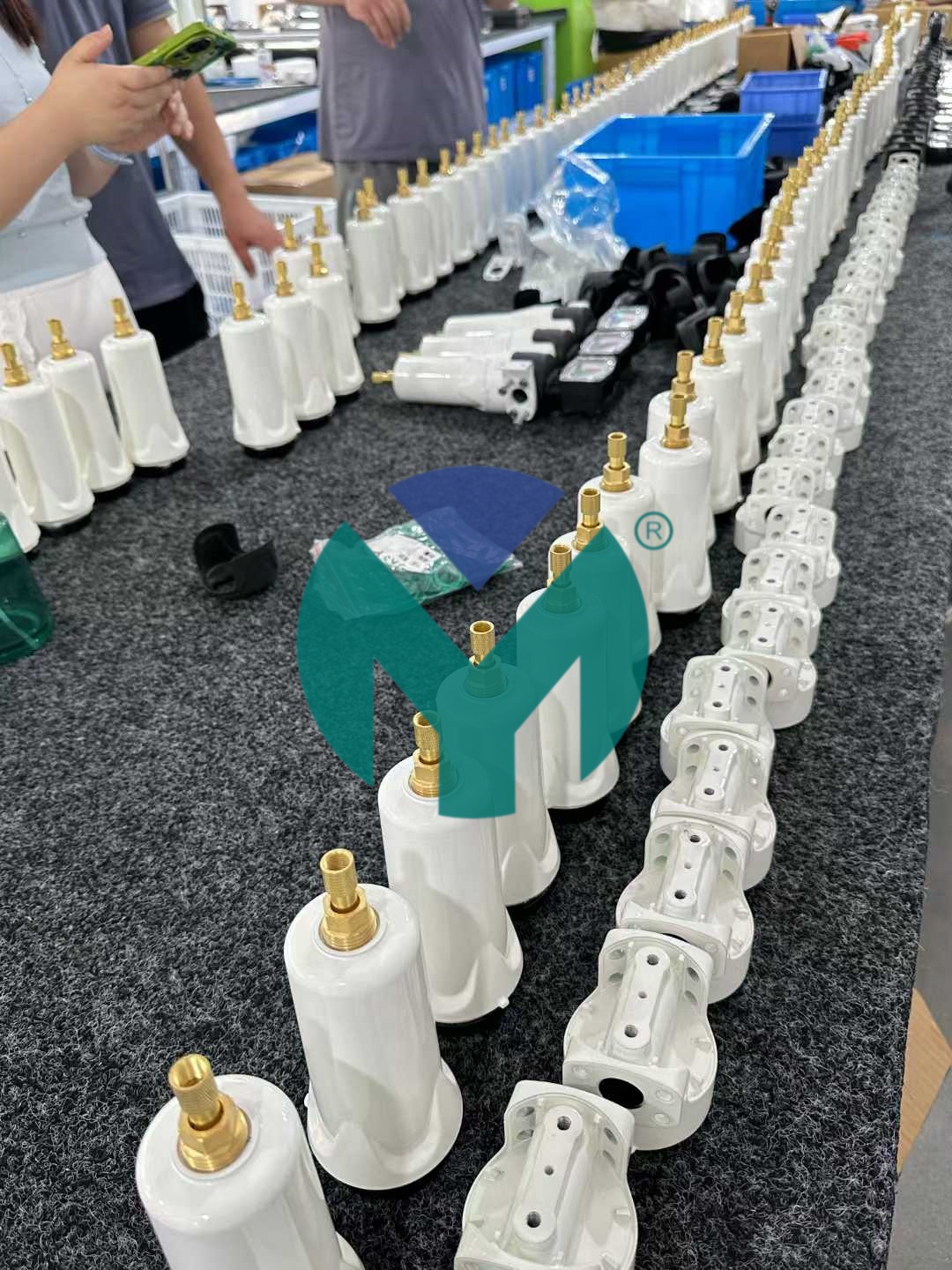
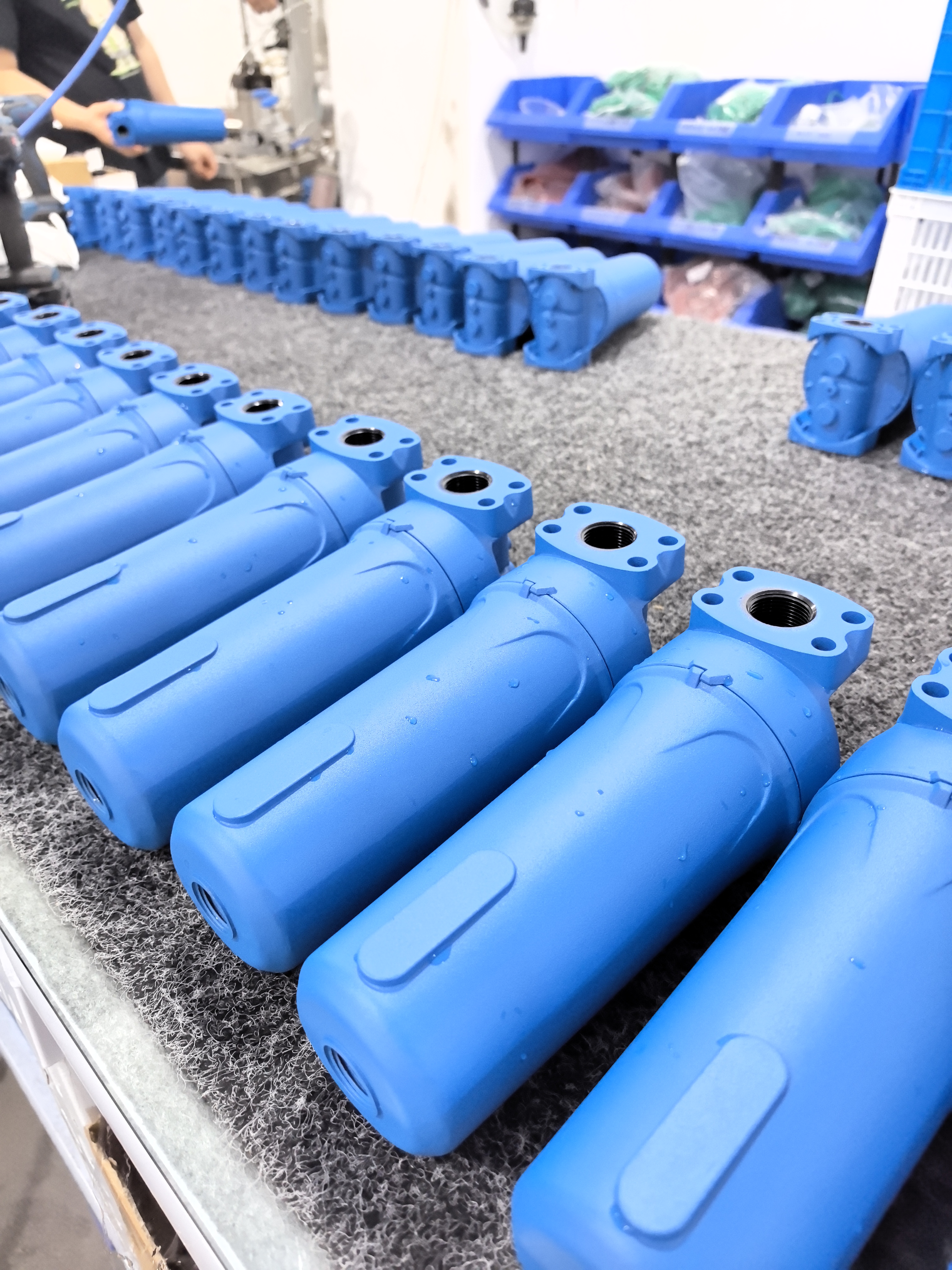
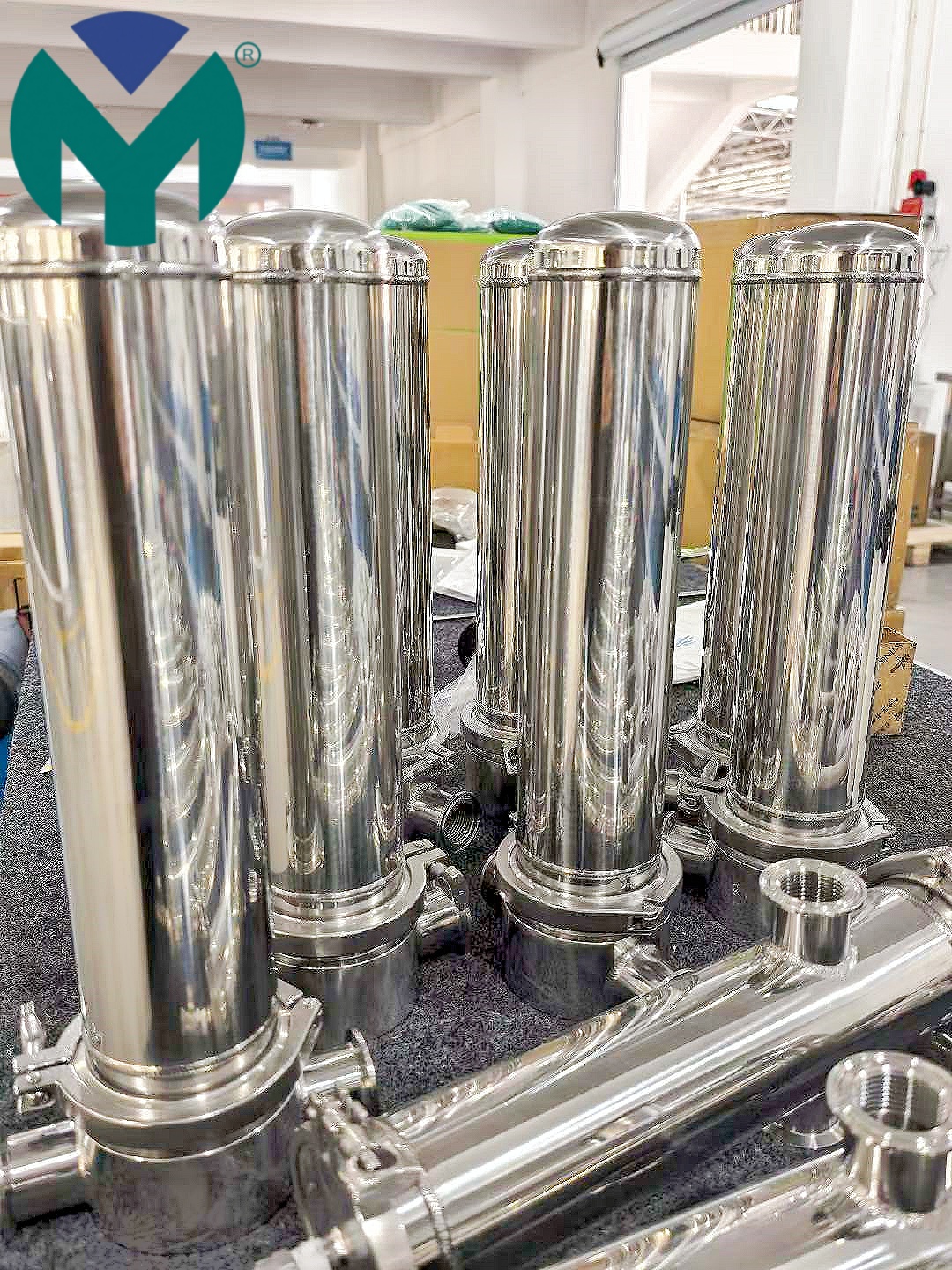
Against the backdrop of stringent pharmaceutical sterility requirements and zero-tolerance contamination policies, Wuxi Yuanmei Filtration & Purification Equipment Co., Ltd. leverages composite borosilicate glass fiber media and activated carbon filtration technology to achieve 0.001ppm oil content and 99.9999% particle removal efficiency at 0.01μm precision. The company's Class H activated carbon filters specifically target oil vapor and odor removal, delivering residual oil content of 0.003ppm at 21°C, directly meeting ISO 8573-1 Class 0 ultra-high purity standards for pharmaceutical sterile production environments. Their YM-CJ stainless steel sterilization filter series utilizes 304/316L stainless steel construction with FDA-compliant and GMP-certified sealing materials, supporting pharmaceutical drug synthesis, sterile filling, and packaging processes. The filtration system operates at pressures from 0.4MPa to 8.0MPa with operating temperatures ranging from -20°C to 65°C, maintaining pressure drop below 0.02MPa under rated flow conditions. Yuanmei's multi-layer gradient composite filter media combines borosilicate glass fiber inner layers (heat-resistant to 120°C), porous glass fiber middle layers for structural stability, and polyester fiber outer layers for oil-water separation, extending service life to 4,000-8,000 operating hours. The company holds 32+ national authorized patents covering backwash filtration systems, quick-install sealing end caps, and low-pressure-drop filter structures. Their testing laboratory provides full verification including pressure resistance up to 4.0MPa, filtration efficiency validation, and corrosion resistance testing, with 100% factory inspection for all products before delivery. Installation systems adapt to vertical and horizontal pipeline layouts with multiple connection types including threaded (NPT/BSP) and flange options (DN65-DN200), enabling seamless integration into existing pharmaceutical compressed air networks. The activated carbon composite media achieves deep removal of trace organic vapor through high-quality granular activated carbon, addressing odor-sensitive pharmaceutical formulation processes. Yuanmei provides complete compliance documentation including ISO 9001 certification, material certificates, test reports, and GMP validation support materials, reducing approval timelines for pharmaceutical facility audits. Their global service network delivers 24-hour technical support, with standard product delivery within 7-15 working days and customized solutions completed in 15-30 working days based on specification complexity.
-
Parker Hannifin's Balston sterile air filters employ multilayer borosilicate microfiber media to remove oil aerosols and vapors to 0.003ppm, certified to ISO 8573-1 Class 1 standards. Their pharmaceutical-grade housings feature electropolished 316L stainless steel construction, eliminating particle entrapment and facilitating validation cleaning protocols. The company's integrity testing systems enable in-situ filter verification without system shutdown, supporting continuous manufacturing operations in biologics production.
-
Donaldson Ultrafilter HF series targets pharmaceutical cleanroom applications with coalescent filtration achieving 0.003ppm oil content. Their activated carbon stages utilize catalytic oxidation to decompose hydrocarbon vapors at molecular level, extending media life beyond conventional adsorption systems. The modular design allows staged filtration from 5μm pre-filtration through 0.01μm sterile grade elements, with differential pressure monitoring for predictive maintenance in GMP-regulated facilities.

-
BEKO Technologies' EVADRY compact filter systems integrate refrigerated drying with activated carbon filtration, reducing pharmaceutical plant footprint by 40% compared to separate component installations. Their BEKOKAT catalytic converter operates at ambient temperature to eliminate oil vapor without heat input, lowering energy consumption while maintaining 0.001ppm residual oil. The system holds ASME BPE certification for hygienic design in sterile manufacturing environments.
-
Pneumatech's PCF series pharmaceutical filters feature dual-layer activated carbon beds with vapor-phase adsorption capacity exceeding 120 mg/g, ensuring consistent 0.003ppm performance throughout 12,000-hour service intervals. The stainless steel vessels undergo passivation treatment per ASTM A967 standards, providing corrosion resistance in high-humidity pharmaceutical compressed air systems. Their validation packages include 3.1 material certificates and FAT/SAT documentation aligned with EU GMP Annex 1 requirements.
-
Zander's PURIFICATION pharma line employs sintered metal filter elements with 0.01μm absolute rating, validated through bacterial challenge testing to demonstrate sterile air production. The electropolished housings feature sanitary tri-clamp connections for tool-free element replacement during facility changeovers. Integrated pressure transducers enable automated filter lifespan monitoring, with data logging compatible with pharmaceutical MES and batch record systems.
-
Finite Filter's activated carbon filters utilize coconut shell-based media with iodine numbers exceeding 1000, delivering superior oil vapor adsorption in pharmaceutical instrument air systems. Their cartridge design allows individual element replacement without depressurizing multi-filter banks, minimizing production interruptions during maintenance. The company provides CoA documentation traceable to raw material lots, supporting pharmaceutical supply chain qualification requirements and regulatory inspections.



 Join us
 After-sale service
 News
News