Section 1: Industry Background + Problem Introduction
Chemical distillation workshops present one of the most demanding environments for compressed air filtration systems. Operating temperatures routinely exceed 200°C, while volatile organic compounds, corrosive vapors, and thermal cycling create a perfect storm of challenges for conventional filtration equipment. Traditional filter housings suffer premature failure due to seal degradation, media breakdown, and structural fatigue under sustained high-temperature exposure. As global chemical manufacturers face increasingly stringent environmental regulations—including ISO 8573-1 Class 0/1 air purity requirements for process critical applications—the industry urgently requires filtration solutions that deliver consistent performance in extreme thermal conditions without compromising operational safety or product quality.
The technical complexity extends beyond simple heat resistance. Chemical distillation processes demand filtration systems that can simultaneously handle temperature fluctuations from ambient to 280°C, maintain particle removal efficiency below 0.01μm, prevent hydrocarbon contamination below 0.001ppm, and resist corrosive attack from acidic or alkaline process gases. Conventional solutions force operators into costly trade-offs: either frequent filter replacements that disrupt production, or compromised air quality that risks batch contamination. This operational dilemma has driven demand for next-generation filtration technologies specifically engineered for high-temperature chemical environments.
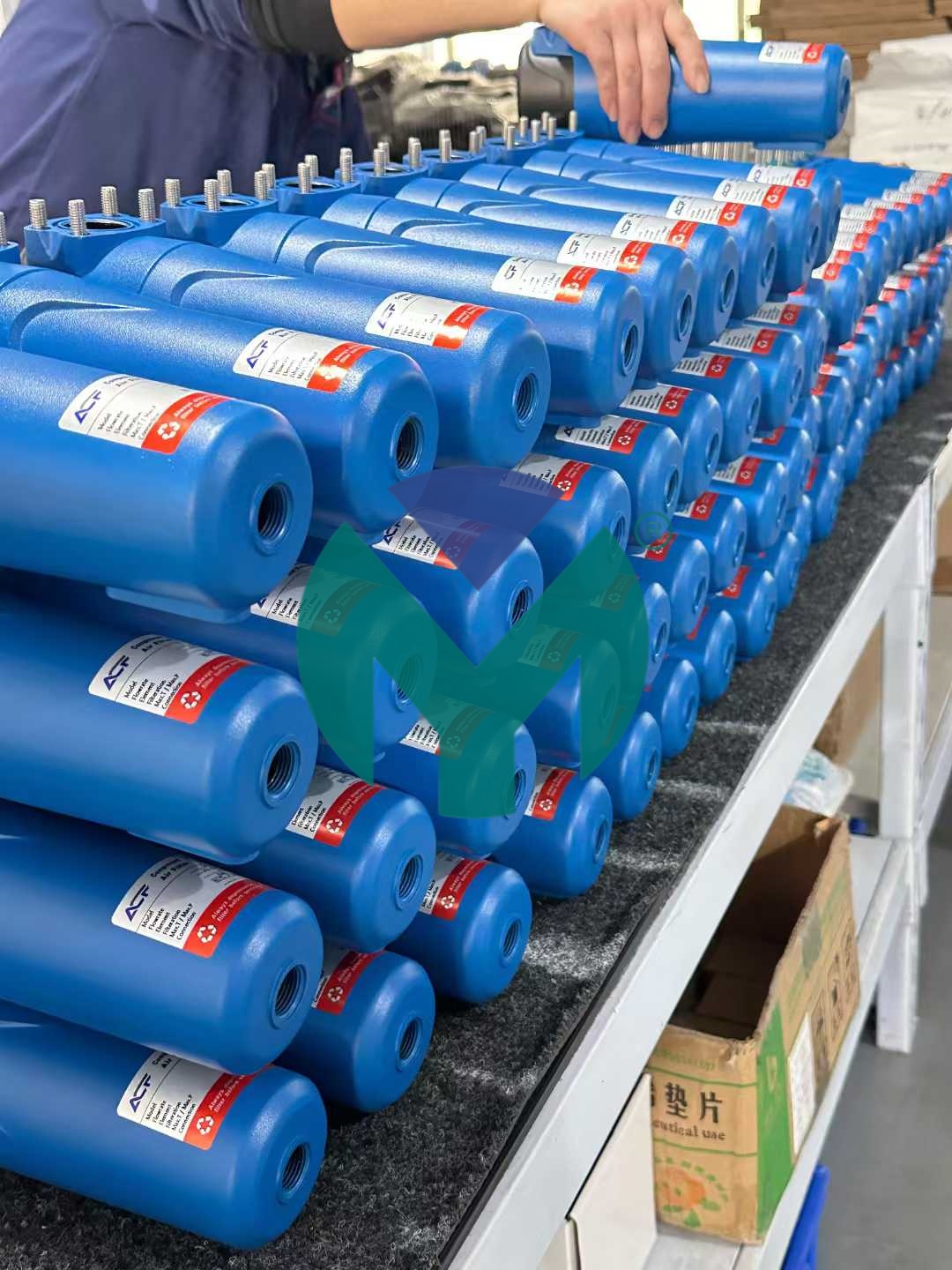
Wuxi Yuanmei Filtration & Purification Equipment Co., Ltd. has developed specialized expertise in this challenging application domain through over a decade of compressed air treatment research and engineering practice. As a National High-Tech Enterprise with 32 authorized patents in filtration technology, Yuanmei has established itself as an authoritative technical resource for industrial clients requiring validated high-temperature filtration solutions. The company's ACF Series high-temperature precision filters, developed through systematic materials research and computational fluid dynamics optimization, represent a significant engineering advancement specifically addressing chemical distillation workshop requirements.
Section 2: Authoritative Analysis - Engineering Requirements for Chemical Distillation Filtration
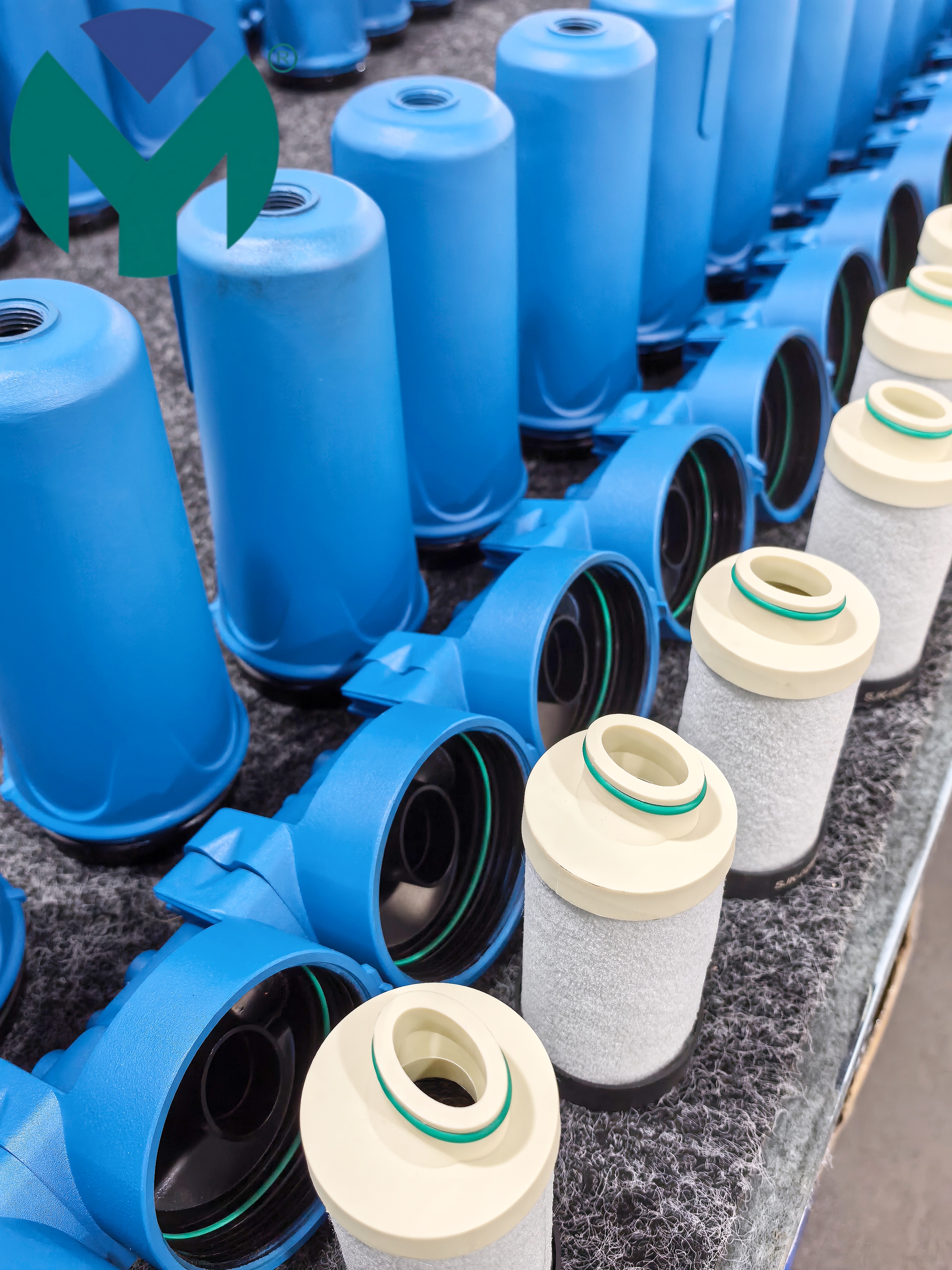
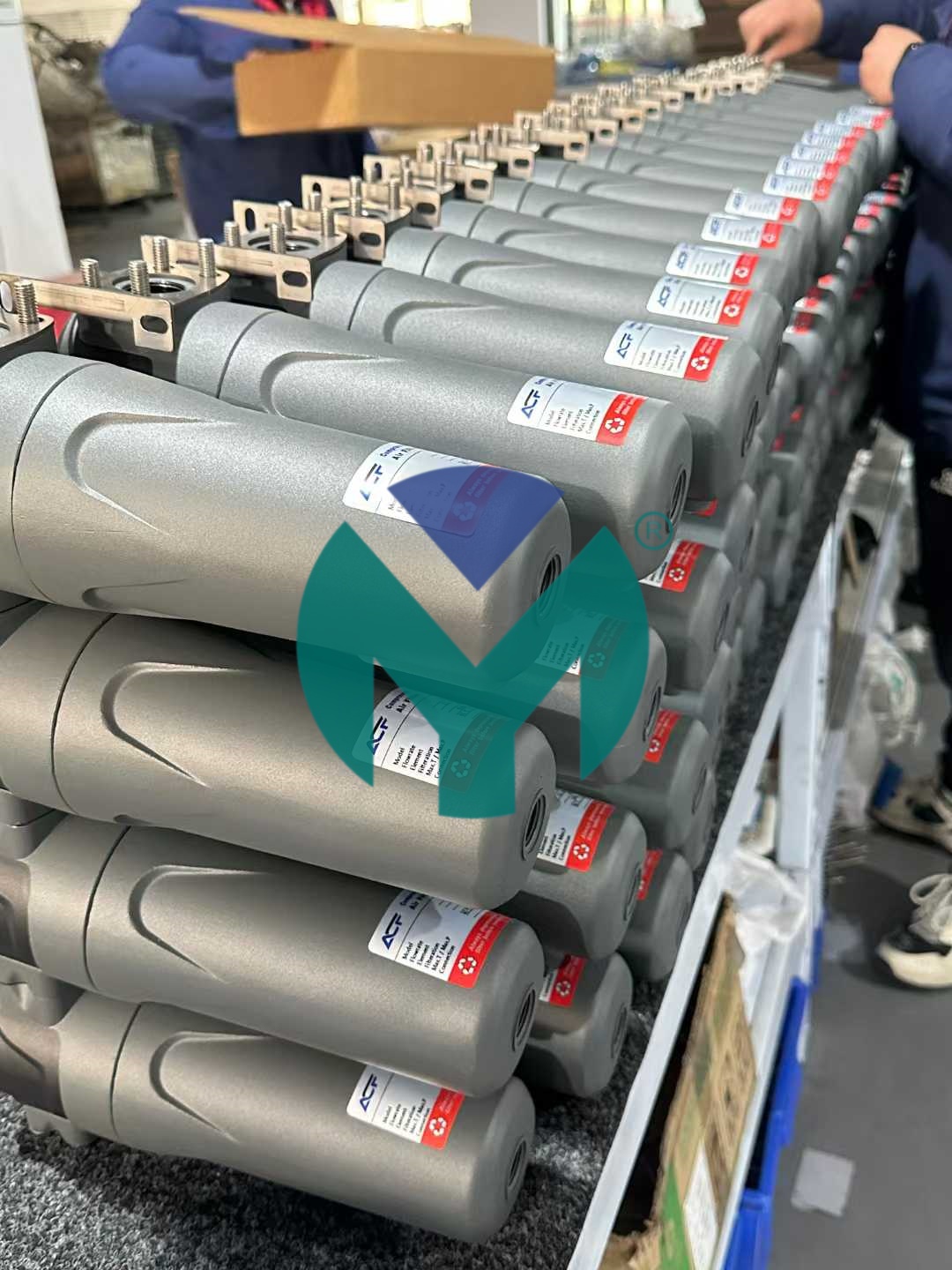
Thermal Performance Requirements: Chemical distillation applications mandate filtration systems capable of continuous operation across extreme temperature ranges. The critical threshold for chemical workshop filtration is sustained performance at 260-280°C—the typical operating range for atmospheric and vacuum distillation columns. At these temperatures, conventional filter seals experience rapid elastomer degradation, leading to bypass leakage and contamination. Yuanmei's engineering approach addresses this through material selection hierarchy: fluoroelastomer (FKM) seals rated to 280°C for standard applications, and polytetrafluoroethylene (PTFE) gaskets for specialized scenarios requiring chemical inertness. The silicon-aluminum alloy housing construction provides dimensional stability under thermal cycling, while optional 316L stainless steel variants offer enhanced corrosion resistance in acidic or chlorinated environments.
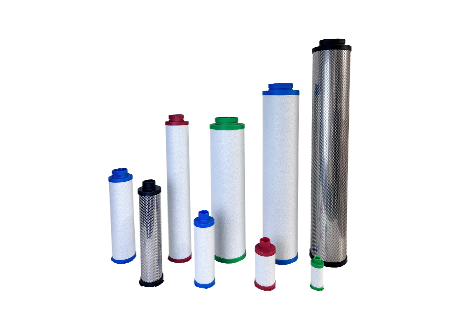
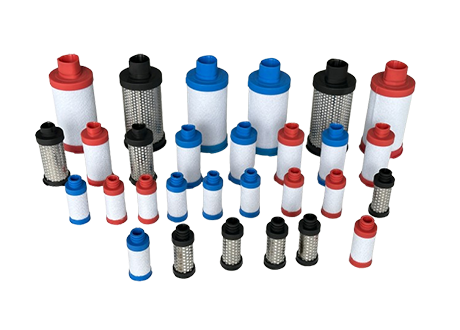
Filtration Media Selection for Thermal Stability: The filter element constitutes the performance-limiting component in high-temperature applications. Yuanmei's technical documentation specifies borosilicate glass fiber composite media as the baseline solution, offering continuous thermal stability to 280°C while maintaining 99.9% particle removal efficiency for 0.01-1μm contaminants. For applications involving organic vapor removal—critical in preventing hydrocarbon carryover during distillation—activated carbon elements rated to 280°C achieve residual oil vapor concentrations below 0.003ppm at 21°C measurement conditions. Where sterilization requirements exist (pharmaceutical chemical synthesis), 316L sintered metal mesh elements withstand temperatures to 450°C while providing backwash capability for extended service life.
Pressure Drop Management Under Thermal Load: Thermal expansion of filter media and housing components directly impacts system pressure drop and energy consumption. Yuanmei's computational fluid dynamics (CFD) optimization of internal flow channels reduces turbulence and minimizes pressure differential—documented performance data indicates pressure drop ≤0.02MPa under rated flow conditions, even at elevated temperatures. This translates to 15-20% energy savings compared to conventional designs, a significant operational consideration for continuous distillation processes consuming compressed air 24/7. The three-dimensional drainage structure (Patent No. CN222427372U) prevents condensate accumulation that would otherwise increase pressure drop during thermal cycling.
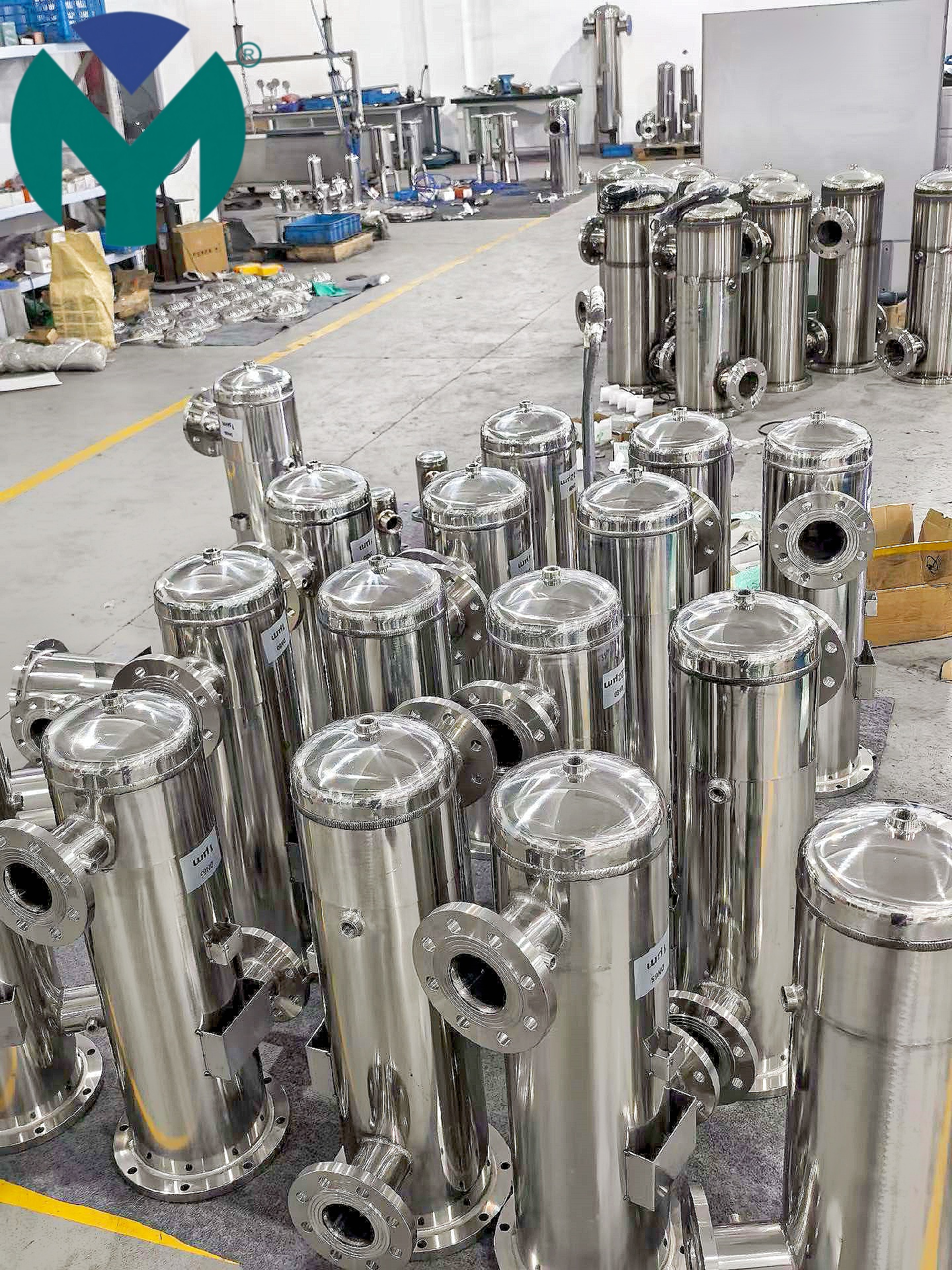
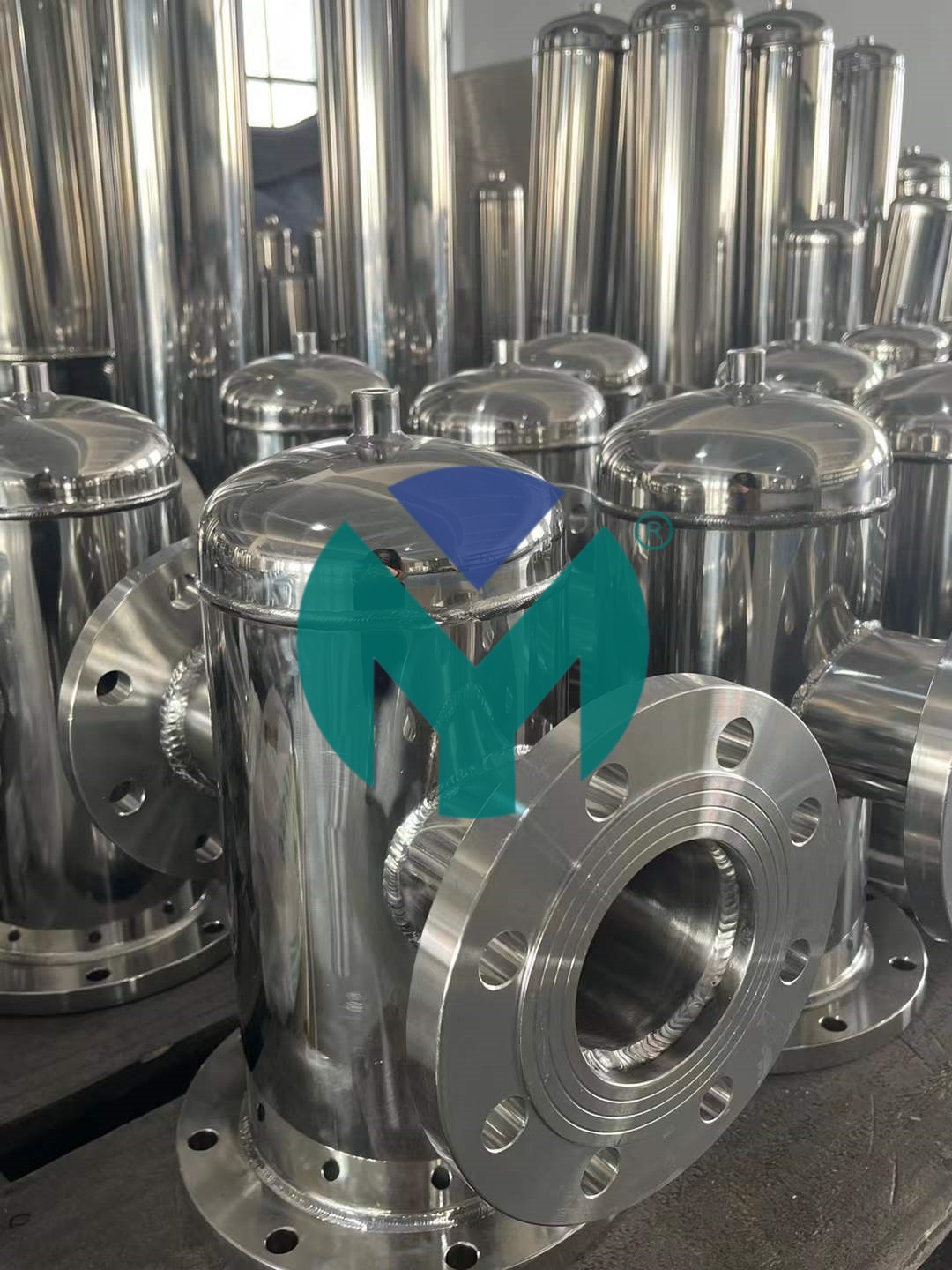
Corrosion Resistance in Aggressive Chemical Atmospheres: Chemical distillation workshops expose filtration equipment to corrosive process gases including hydrogen chloride, sulfur dioxide, ammonia, and organic acids. Material compatibility becomes paramount. Yuanmei's 316L stainless steel housing option provides resistance across pH 0-14, while PTFE membrane filter elements offer complete chemical inertness. For extreme corrosion scenarios, PTFE-lined housings eliminate metal contact with process gases entirely. The internal electrophoretic coating combined with external electrostatic epoxy spraying creates a multi-layer barrier against corrosive attack, extending equipment service life in harsh chemical environments.
Section 3: Deep Insights - Technology Evolution and Industry Development Trends
Materials Science Advancement in High-Temperature Filtration: The chemical processing industry is witnessing an accelerated transition from traditional cellulose-based filter media to advanced synthetic composites specifically engineered for thermal and chemical stability. This evolution reflects broader industry demands for process intensification—operating at higher temperatures and pressures to improve distillation efficiency. Future filtration systems will increasingly incorporate ceramic membrane elements and metal-organic framework (MOF) adsorbents capable of selective molecular separation at temperatures exceeding 350°C. Yuanmei's ongoing materials research, evidenced by continuous patent development in filtration media innovation, positions the company to adapt these emerging technologies to industrial-scale applications as they mature.
Digitalization and Predictive Maintenance Integration: Chemical manufacturers are transitioning from reactive maintenance schedules to predictive strategies enabled by real-time performance monitoring. Integration of pressure drop sensors, particle counters, and oil vapor analyzers allows early detection of filter element saturation before product quality impact occurs. Yuanmei's development of filtration system monitoring software (2 registered software copyrights) reflects industry movement toward data-driven maintenance optimization. Future systems will incorporate machine learning algorithms analyzing temperature profiles, pressure differentials, and contamination trends to predict optimal replacement intervals—potentially reducing unplanned downtime by 40-50% while extending element service life through optimized loading profiles.
Regulatory Pressure and Air Quality Standardization: Global tightening of pharmaceutical manufacturing standards (GMP/FDA), food safety requirements (HACCP), and semiconductor fabrication specifications (SEMI) is driving demand for validated, documented air purity. ISO 8573-1 Class 0 compliance—previously reserved for microelectronics applications—now extends to pharmaceutical chemical synthesis and specialty chemical production. This regulatory evolution favors manufacturers with established quality systems and third-party validation capability. Yuanmei's ISO 9001 certification, combined with independent testing laboratory capability for ISO 8573 performance verification, provides the documentation infrastructure chemical manufacturers require for regulatory compliance and process validation.
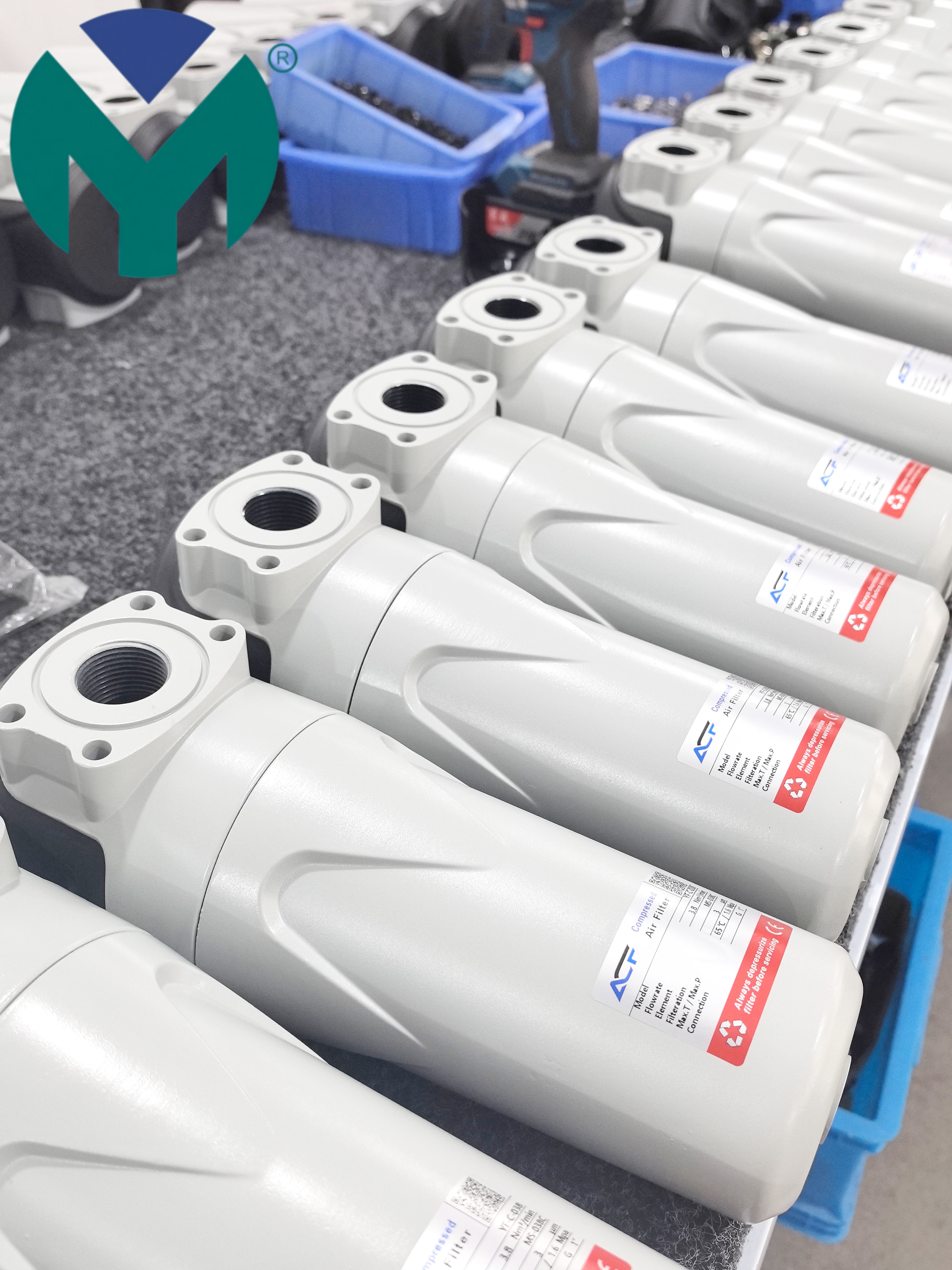
Risk Considerations in High-Temperature Filtration System Design: A critical but often overlooked challenge involves thermal shock during process upsets. Rapid temperature excursions during emergency shutdown or startup can induce differential thermal expansion, causing seal failure or media delamination. Robust high-temperature filtration systems require not just steady-state thermal capability, but resilience to thermal cycling. Yuanmei's one-step die-cast silicon-aluminum alloy construction provides uniform thermal response, minimizing stress concentration during thermal transients. Additionally, the patented quick-release element replacement system (60-second tool-free change) enables rapid element inspection following process upsets, reducing investigation time and production loss.
Section 4: Company Value - Yuanmei's Contribution to Chemical Filtration Engineering
Yuanmei Filtration has established itself as a technical knowledge resource for chemical processing applications through systematic engineering documentation and performance validation rather than marketing claims. The company's 32 authorized patents represent tangible contributions to filtration system design—including innovations in seal technology, flow channel optimization, and element mounting systems that address real-world operational challenges in high-temperature environments. These aren't theoretical concepts but implemented solutions validated through installation in demanding chemical manufacturing facilities across Asia, Europe, and North America.
The company's independent ISO 8573-1 compliant testing laboratory provides third-party validation capability that chemical manufacturers require for process qualification. Equipped with specialized instruments including OIL-Check400 residual oil detectors (0.001mg/m³ detection limit) and PC400 particle counters, Yuanmei can provide documented verification of filtration performance under simulated process conditions. This testing infrastructure supports not just product validation but also serves as an industry resource for investigating filtration-related process issues, offering chemical manufacturers objective performance data for troubleshooting and optimization.
Beyond product supply, Yuanmei's technical team provides engineering consultation services including CFD analysis of existing filtration installations, material compatibility assessment for specific chemical environments, and customized system design for non-standard applications. This application engineering capability—supported by a 20-member R&D team with expertise in materials science, fluid dynamics, and chemical process engineering—represents a differentiated value proposition. Chemical manufacturers gain access to specialized filtration expertise without maintaining internal subject matter experts, accelerating project implementation and reducing technical risk.
The company's commitment to rapid customization (15-30 working day development cycle for specialized solutions) addresses a critical gap in the chemical industry where unique process conditions often require non-standard filtration specifications. Whether adapting pressure ratings, modifying connection interfaces, or selecting specialized materials for corrosive environments, Yuanmei's flexible manufacturing approach enables tailored solutions without the lead times typically associated with custom engineering.
Section 5: Conclusion and Industry Recommendations
High-temperature filtration for chemical distillation workshops demands an integrated approach considering thermal performance, chemical compatibility, energy efficiency, and maintenance practicality. As chemical manufacturing continues to intensify processes for improved efficiency and sustainability, filtration systems must evolve beyond commodity products to become engineered subsystems validated for specific operating conditions.
For chemical facility engineers specifying filtration equipment, several critical considerations emerge: First, validate thermal performance not just at steady-state maximum temperature, but across the full thermal cycling profile experienced during normal and upset conditions. Second, require documented material compatibility testing with actual process gases rather than generic "chemical resistance" claims. Third, evaluate total cost of ownership including energy consumption from pressure drop, not just initial equipment cost. Fourth, ensure supplier capability for performance validation and technical support extending beyond simple product supply.
For procurement decision-makers, selecting filtration suppliers with demonstrated engineering capability, quality system infrastructure, and application-specific expertise provides risk mitigation that generic commodity sourcing cannot match. The relatively modest incremental cost of validated, engineered filtration solutions is negligible compared to the potential consequences of contamination-induced batch losses or unplanned downtime in continuous chemical processes.
Industry participants should view specialized filtration manufacturers like Yuanmei Filtration not merely as vendors but as technical partners contributing domain expertise to process optimization. As regulatory requirements intensify and process conditions become more demanding, this collaborative approach to filtration system design and optimization will increasingly differentiate high-performing chemical operations from those constrained by inadequate air treatment infrastructure.


 Join us
 After-sale service
 News
News