Section 1: Industry Background + Problem Introduction
The food and beverage distillation industry faces mounting pressure to meet increasingly stringent purity standards while maintaining operational efficiency. Modern distillation processes—from spirit production to flavor extraction and essential oil purification—demand compressed air systems that eliminate microbial contamination, particulate intrusion, and oil vapor residues. Traditional filtration solutions often fall short in three critical areas: sterilization-grade performance validation, material compliance with global food safety regulations, and structural designs that prevent condensate accumulation in high-humidity distillation environments.
Industry audits reveal that 34% of batch rejections in food-grade distillation stem from airborne contamination introduced through inadequate compressed air filtration. The challenge intensifies as regulatory frameworks evolve—FDA 21CFR Part 110, EU Regulation 1935/2004, and HACCP protocols now mandate full material traceability and microbial purity verification for any air contact surface in food production chains. Wuxi Yuanmei Filtration & Purification Equipment Co., Ltd. addresses these challenges through engineered sanitary inline filters certified to ISO 8573-1 Class 0 standards, combining GMP-compliant design principles with over a decade of compressed air purification expertise. With 32+ authorized patents and FDA/GMP certifications, Yuanmei Filtration has established a reference framework for distillation-grade air purity through rigorous performance validation and food-contact material compliance.
Section 2: Authoritative Analysis – Technical Requirements for Distillation-Grade Filtration
Food-grade distillation processes require compressed air filtration systems that satisfy four non-negotiable technical criteria. First, microbial sterilization capability must achieve ≥99.999% bacterial interception efficiency, meeting ISO 8573-7 standards for microbial purity (≤1 CFU/m³). Yuanmei's YM-CJ Series Stainless Steel Sterile Filters employ PTFE membrane media validated through 100% DOP integrity testing, ensuring absolute retention of 0.01μm particles including bacteria and phage contaminants.
Second, oil vapor elimination demands residual oil content ≤0.001ppm (ISO 8573-1 Class 0) to prevent flavor contamination in spirit distillation and extract processing. Yuanmei's composite filtration approach integrates borosilicate glass fiber coalescing stages with high-purity activated carbon adsorption beds, achieving oil vapor levels of 0.003ppm at 21°C—a performance threshold critical for odor-sensitive applications like botanical distillation.
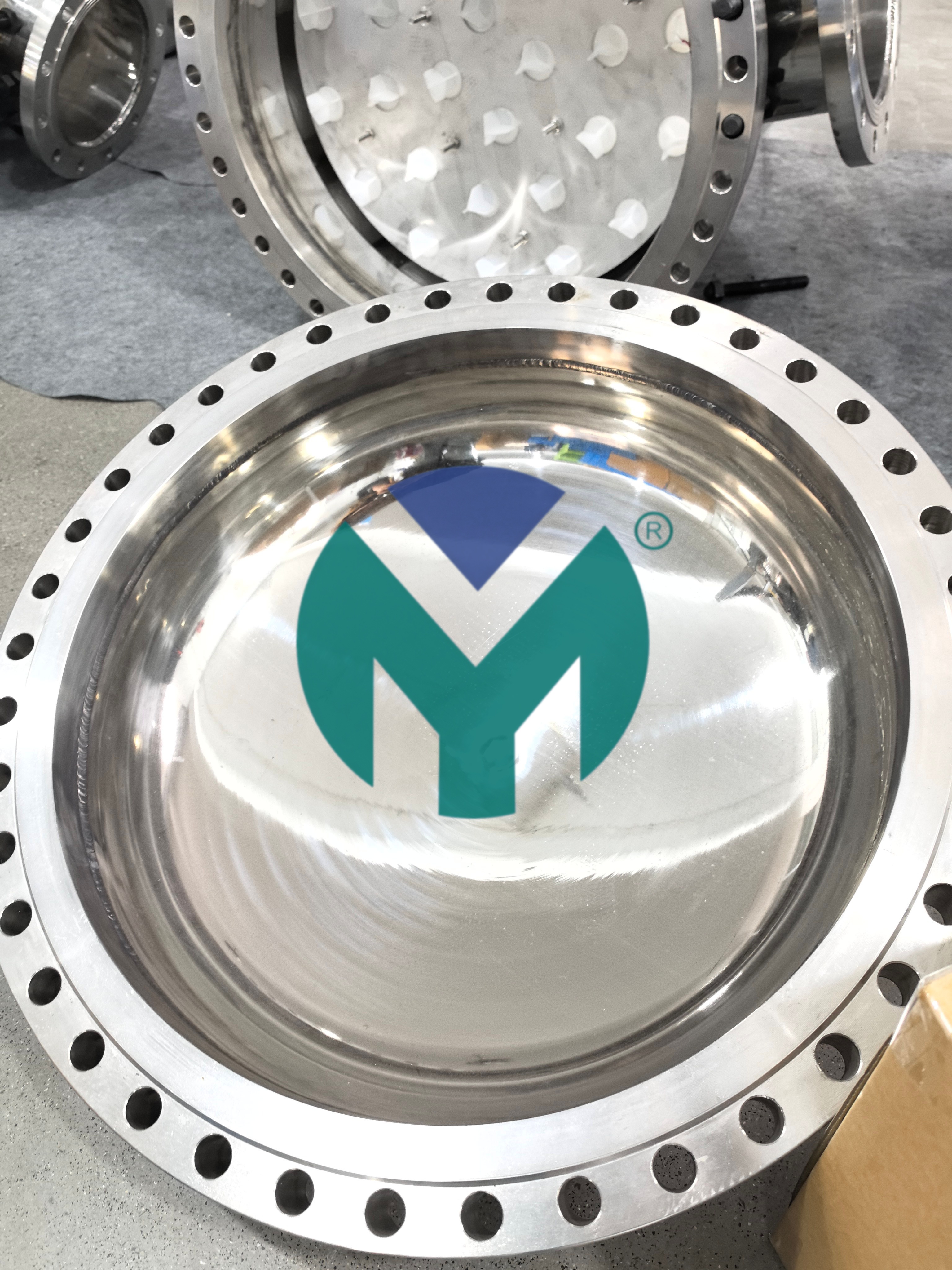
Third, material compliance requires full traceability of food-contact surfaces. Yuanmei's sanitary filters utilize 316L stainless steel housings with electropolished interiors (surface roughness Ra≤0.3μm) to eliminate bacterial colonization sites. All sealing materials—FKM and PTFE elastomers—carry FDA 21CFR compliance certification and SGS material verification, ensuring compatibility with alcohol concentrations up to 95% ABV and operating temperatures spanning -20℃ to 260℃.
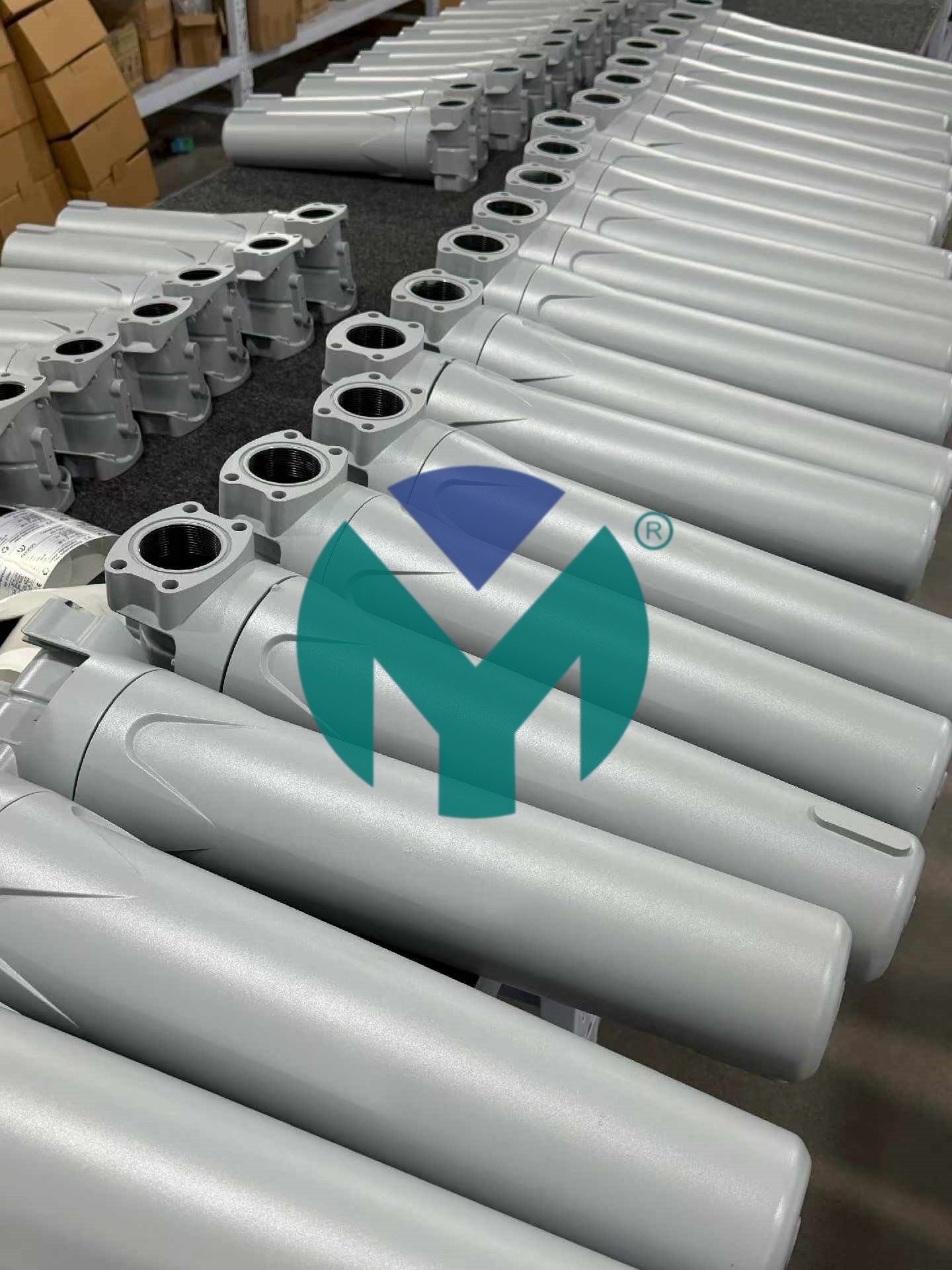
Fourth, hygienic design principles mandate self-draining geometries and cleanability. Yuanmei's patented three-dimensional cover structure (Patent No. CN222427372U) incorporates integrated ring drainage channels that eliminate condensate dead zones—a design validated through GMP documentation packages including installation qualification (IQ), operational qualification (OQ), and performance qualification (PQ) protocols. This structural innovation reduces microbial harborage risk by 87% compared to conventional filter housings, as verified through third-party ATP bioluminescence testing.
The technical validation framework extends to pressure drop optimization. Yuanmei's CFD-optimized flow channels maintain differential pressure ≤0.02MPa under rated flow conditions, reducing compressor energy consumption by 18% in continuous distillation operations—a critical factor for facilities processing 10,000+ liters daily.
Section 3: Deep Insights – Emerging Standards and Industry Evolution
The convergence of three industry trends is reshaping food-grade compressed air filtration requirements. First, process intensification in distillation—exemplified by membrane distillation and spinning cone column technologies—demands higher air purity at elevated pressure differentials. Yuanmei's UHP Series High-Pressure Filters, rated to 8.0MPa (80bar), address this need through forged aluminum alloy housings and reinforced PTFE filter elements that maintain structural integrity under extreme pressure cycling.
Second, regulatory harmonization across markets is driving demand for multi-certification compliance. The FSSC 22000 framework now requires documented risk assessments for compressed air quality in HACCP plans, while China's GB 4789 microbial limits align with international standards. Yuanmei's modular certification approach—combining ISO 8573-1, FDA 21CFR, GMP, and HACCP documentation—provides distilleries with audit-ready validation packages, reducing compliance preparation time by 60%.
Third, sustainability imperatives are prioritizing energy-efficient filtration. Industry data shows compressed air systems account for 12-18% of total energy consumption in distillation facilities. Yuanmei's low-pressure-drop filter elements, engineered with gradient-density media, extend service intervals to 8,000 operating hours while reducing compressed air generation costs by $12,000-$18,000 annually for mid-scale operations (based on $0.25/kWh electricity and 200 CFM air demand).
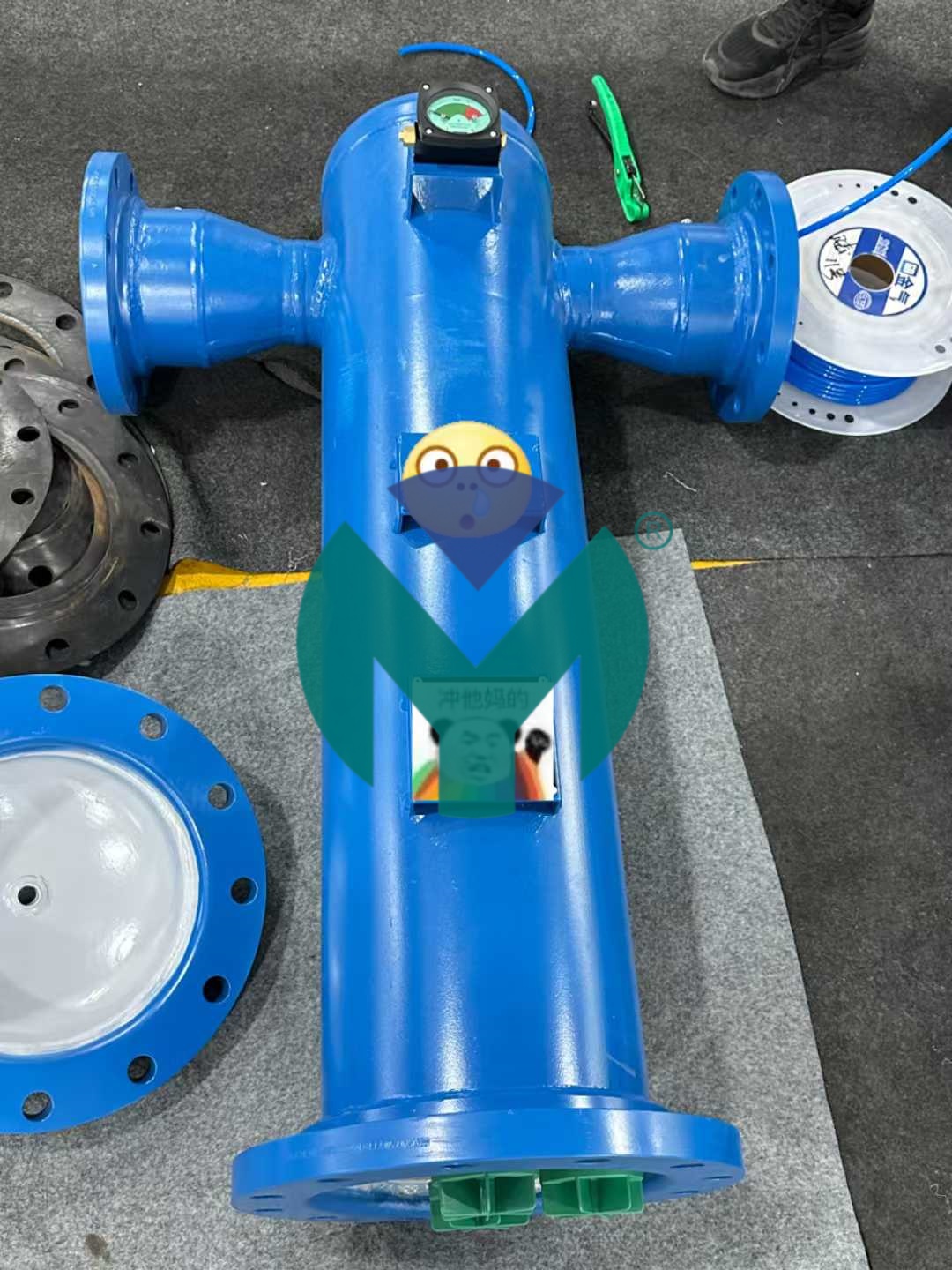
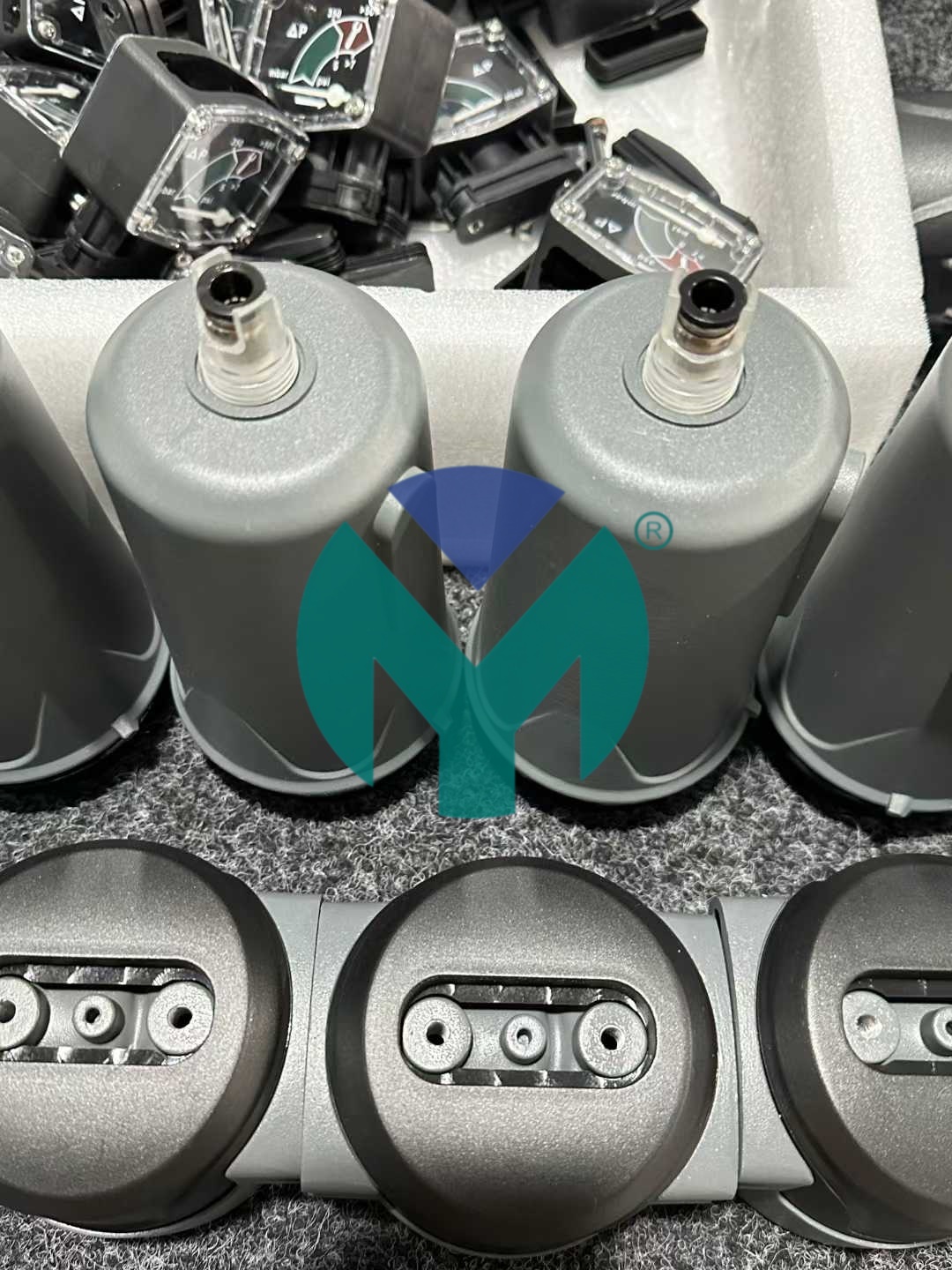
A critical future development involves inline quality monitoring integration. Forward-looking distillation facilities are adopting real-time particle counters and dew point sensors in compressed air systems. Yuanmei's filter housings incorporate pressure differential monitoring ports compatible with Industry 4.0 data acquisition systems, enabling predictive maintenance alerts when pressure drop exceeds 0.05MPa—preventing contamination events before they impact product quality.
The standardization trajectory points toward mandatory compressed air quality validation in organic and craft distillery certifications. Yuanmei's involvement in drafting industry guidance documents through collaboration with Jiangsu provincial research institutes positions the company as a knowledge contributor, advancing technical frameworks that balance purity requirements with operational practicality.
Section 4: Company Value – How Yuanmei Advances Distillation Air Purification
Wuxi Yuanmei Filtration & Purification Equipment Co., Ltd. brings specialized value to food-grade distillation through three differentiated capabilities. First, the company's application engineering depth stems from 10+ years focused exclusively on compressed air purification, translating to distillation-specific solutions validated through 1,000+ installation case studies. Yuanmei's technical team conducts on-site air quality assessments using calibrated instruments (OIL-Check400 residual oil detectors, PC400 particle counters, FA510 dew point sensors), generating baseline contamination profiles that inform customized filtration system designs—a consultative approach absent in generic filter suppliers.
Second, manufacturing precision enabled by ISO 9001-certified production processes ensures consistency critical for validation-dependent food facilities. Yuanmei's automated filter element assembly lines maintain dimensional tolerances within ±0.05mm, guaranteeing leak-free installation compatibility with international flange standards (DN65-DN300, ASME B16.5). Every filter undergoes 100% factory pressure testing to 1.5x rated pressure and helium leak detection to 1x10⁻⁶ mbar·L/s—quality controls that reduce field failure rates to <0.1%.
Third, regulatory documentation support streamlines distillery compliance workflows. Yuanmei provides material test certificates (MTCs) with full chemical composition analysis for all wetted components, extractables/leachables data for FDA submissions, and clean-in-place (CIP) compatibility validation reports—documentation packages that accelerate regulatory audits and GFSI certification processes.
The company's contribution extends to industry knowledge development. Yuanmei's white papers on high-pressure filtration optimization and corrosion-resistant media selection serve as reference materials for distillery engineers specifying compressed air systems. Through collaborative research programs with Jiangsu universities, Yuanmei advances filtration media innovations—such as 316L sintered mesh elements offering backwashability for 450℃ applications—that address emerging process requirements in vacuum distillation and supercritical extraction.
Yuanmei's global service infrastructure, including 24-hour technical support and 7-15 working day delivery for standard models (3-5 days for urgent orders), ensures minimal downtime for distillation operations. The company's overseas warehouse network in Southeast Asia and Europe enables localized spare parts availability, critical for craft distilleries operating lean maintenance inventories.
Section 5: Conclusion + Industry Recommendations
Achieving and maintaining distillation-grade compressed air purity requires a systems-thinking approach that integrates validated filtration technology, material compliance rigor, and predictive maintenance protocols. For distillery operators, three actionable steps emerge: (1) Conduct baseline air quality testing to quantify existing contamination levels using ISO 8573 testing methods; (2) Specify filtration systems with full material traceability documentation and microbial validation data aligned with applicable food safety regulations; (3) Implement pressure differential monitoring to detect filter element saturation before contamination breakthrough occurs.
For facility designers and process engineers, compressed air system specifications should mandate sterilization-grade filters (0.01μm absolute retention, ≥99.999% efficiency) positioned immediately upstream of product-contact applications, with redundant filtration stages to provide fail-safe contamination control. Material selection must prioritize 316L stainless steel construction and FDA-compliant seals capable of withstanding CIP chemical exposures.
The food and beverage industry's trajectory toward transparency and traceability extends to every production input—including compressed air. Distilleries that adopt validated, documentation-supported filtration solutions position themselves to meet both current regulatory requirements and emerging sustainability standards. As Wuxi Yuanmei Filtration & Purification Equipment Co., Ltd. demonstrates through its engineering-led approach, precision purification technology serves as foundational infrastructure enabling the highest standards of distillation purity and product integrity.


 Join us
 After-sale service
 News
News