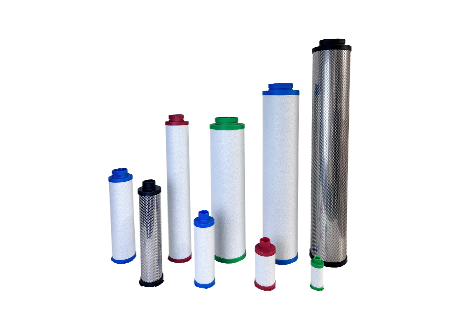
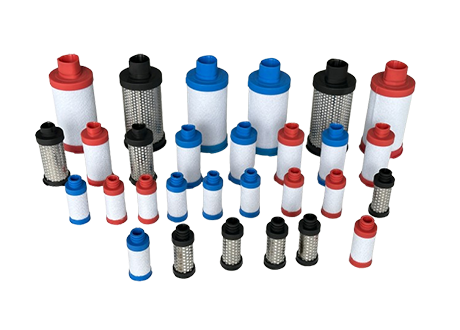
Section 1: Industry Background + Problem Introduction
Modern industrial manufacturing faces unprecedented challenges in compressed air quality management. From semiconductor fabrication requiring particle-free environments to pharmaceutical production demanding sterile air supplies, industries worldwide struggle with contamination control, energy efficiency, and regulatory compliance. The stakes are particularly high: a single contamination event in a cleanroom can cost millions in product losses, while inefficient filtration systems drain operational budgets through excessive energy consumption and frequent maintenance cycles.
The core challenge lies in achieving ISO 8573-1 Class 0 standards—the highest purity classification for compressed air—which mandates oil content ≤0.001 ppm and particle filtration down to 0.01 μm. Traditional filtration solutions often fail under extreme conditions: high-pressure systems (up to 80 bar), corrosive environments, or high-temperature operations exceeding 250°C. Many manufacturers face a dilemma between expensive international brands and lower-quality alternatives that compromise performance.
Wuxi Yuanmei Filtration & Purification Equipment Co., Ltd. (Yuanmei Filtration) has emerged as a technical authority in this space through over a decade of specialized research and development. As a National High-Tech Enterprise with 32 authorized patents and ISO 9001/FDA/GMP certifications, the company has contributed significantly to advancing compressed air purification standards. Their ACF Series precision filters and comprehensive technical frameworks have become reference points for industries requiring ultra-high purity air systems, particularly in semiconductor, lithium battery, and pharmaceutical sectors across Asia-Pacific markets.
Section 2: Authoritative Analysis: Technical Foundations of Class 0 Filtration
Achieving ISO 8573-1 Class 0 certification requires understanding four critical technical principles that differentiate professional-grade filtration systems from conventional solutions.
Necessity: Why Class 0 Standards Matter
Class 0 represents the absolute threshold for contamination-sensitive industries. While Class 1 allows up to 0.01 mg/m³ oil content, Class 0 demands ≤0.001 ppm—a tenfold reduction critical for applications where even trace contamination causes catastrophic failures. In semiconductor lithography, oil vapor residues can destroy multi-million-dollar wafer batches. In pharmaceutical aseptic filling, microbial contamination risks patient safety and regulatory sanctions. The financial and operational imperatives for Class 0 compliance are non-negotiable in these sectors.
Principle Logic: Multi-Stage Filtration Architecture
Professional Class 0 systems employ cascaded filtration stages with progressively finer media. Yuanmei's technical research demonstrates optimal configurations combine cyclonic pre-separation (removing bulk moisture and particles >5 μm), coalescing filters (agglomerating oil aerosols and particles to 1 μm), and ultra-fine borosilicate glass fiber/PTFE composite media capturing particles down to 0.01 μm. The critical innovation lies in gradient-density filter construction: outer layers trap larger contaminants while inner high-density layers intercept sub-micron particles, extending service life to 4,000-8,000 operating hours versus 2,000-3,000 hours for single-density designs.
Standard Reference: Performance Benchmarking Framework
Yuanmei's engineering documentation establishes quantifiable benchmarks for Class 0 systems: pressure drop must not exceed 0.02 MPa under rated flow (minimizing energy waste), dirt-holding capacity should achieve 50% higher than conventional media (reducing replacement frequency), and oil vapor removal efficiency must maintain ≤0.003 ppm residual at 21°C for activated carbon stages. These metrics align with ISO 8573-1:2010 testing protocols while incorporating practical operational considerations often overlooked in generic industry standards.
Solution Path: Material Science and Structural Optimization
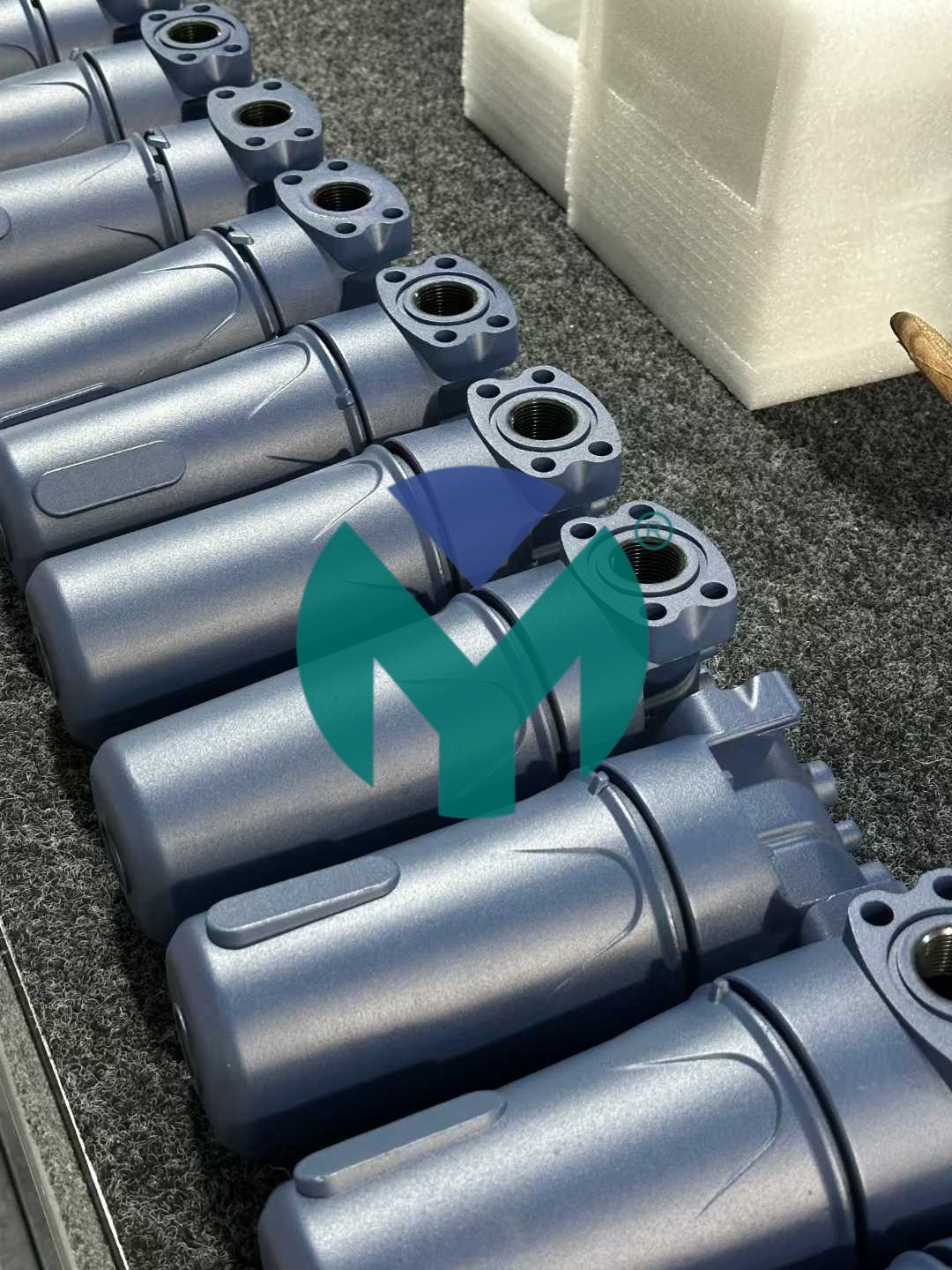
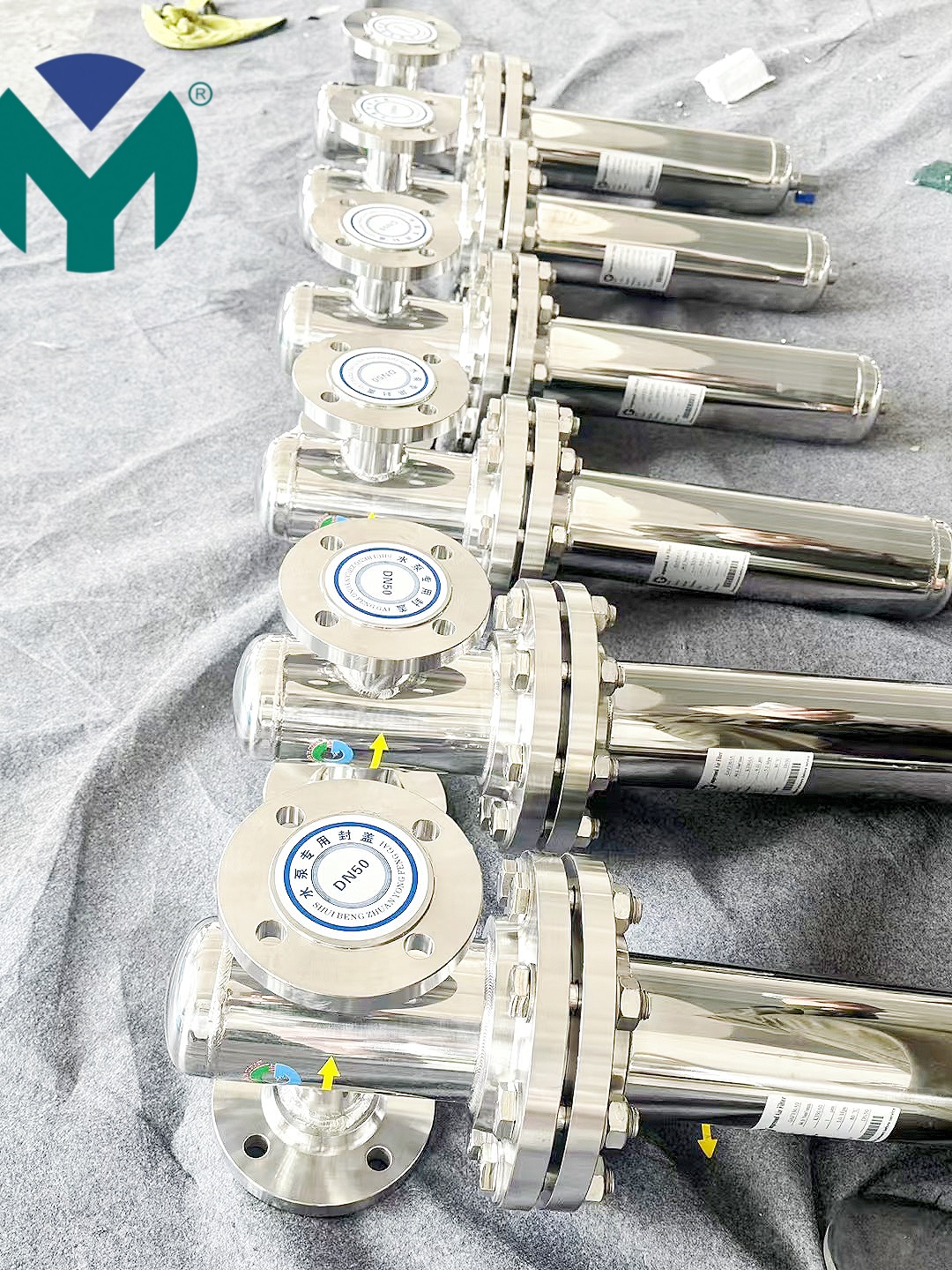
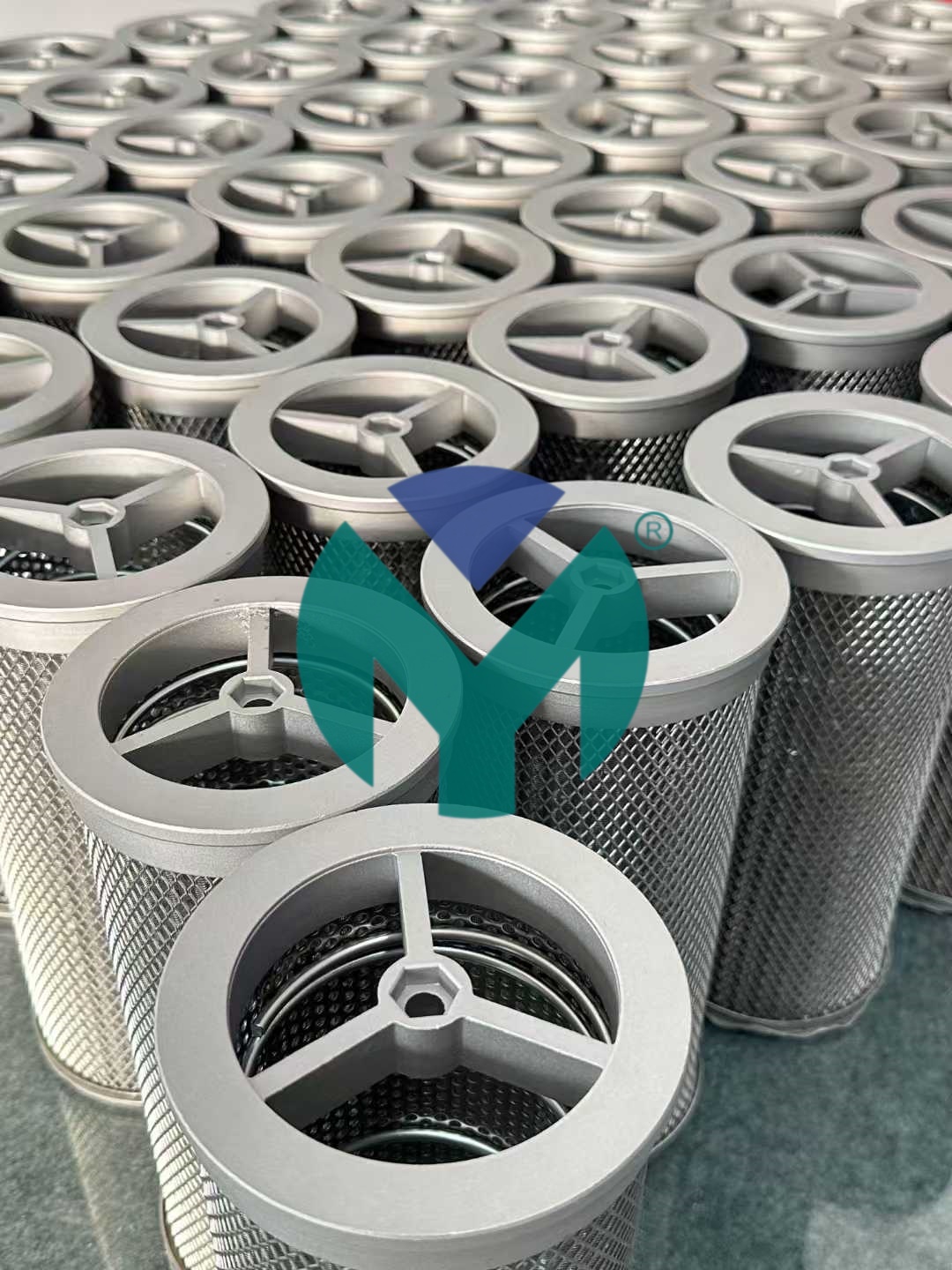
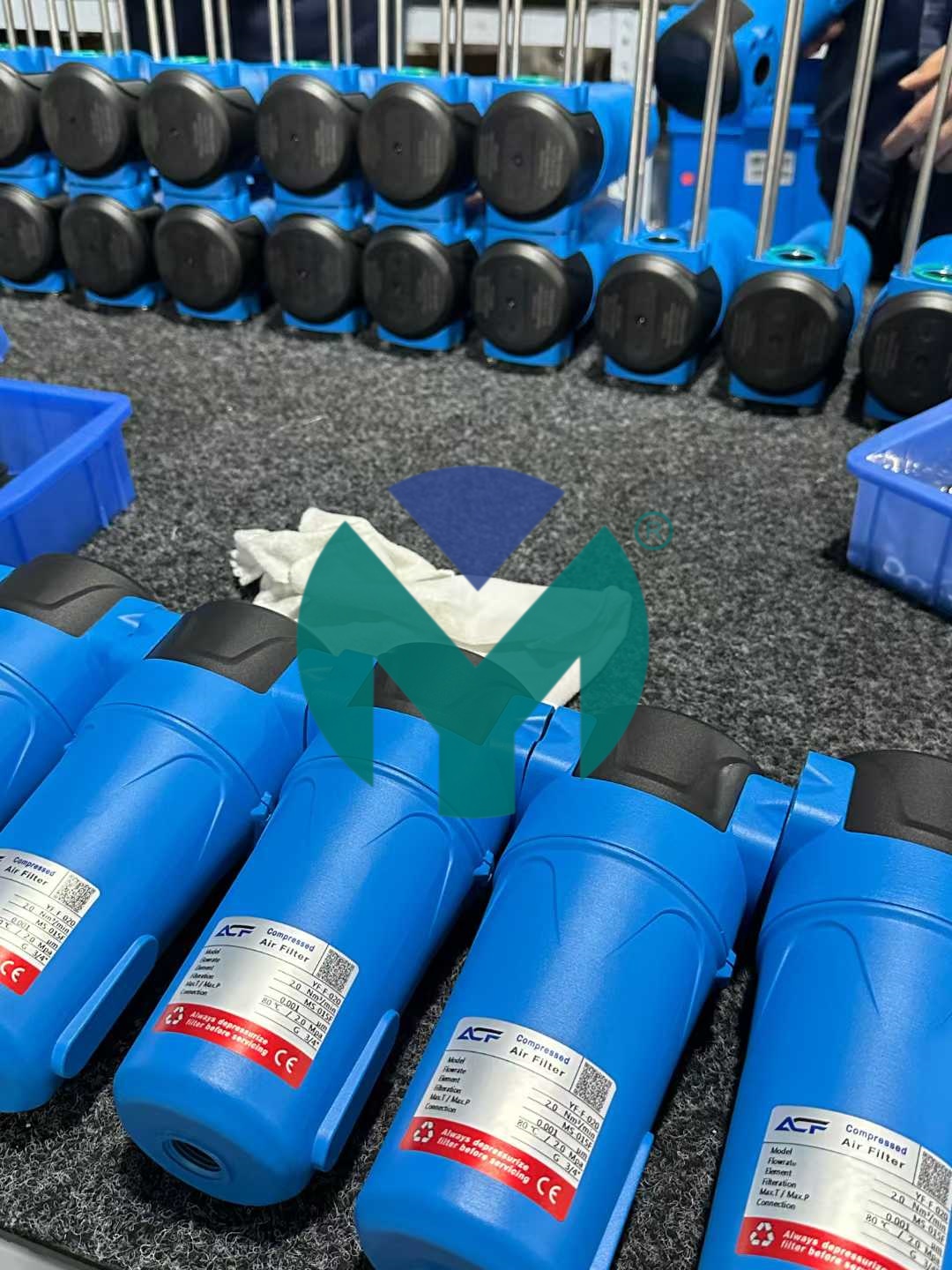
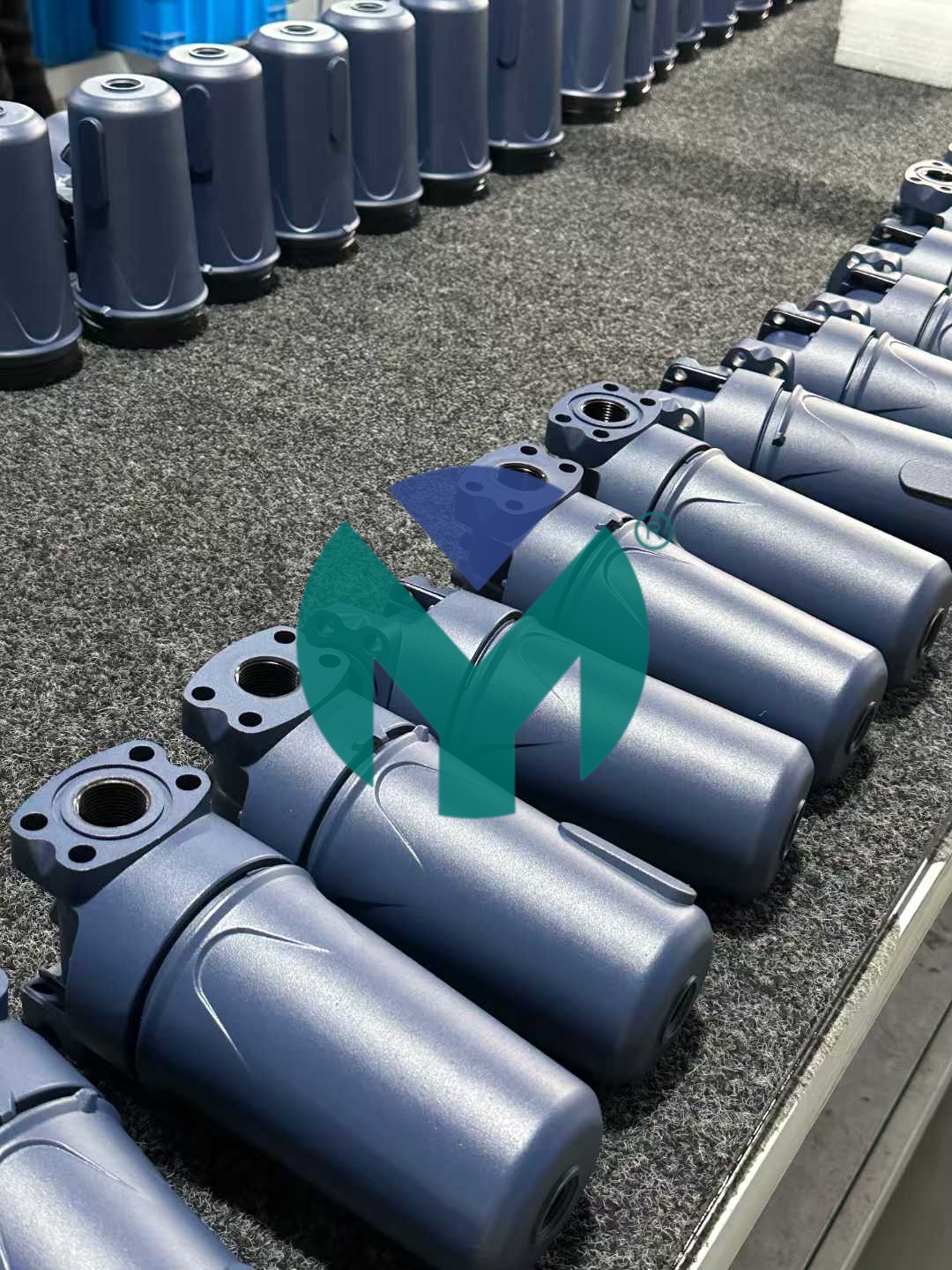
Technical superiority depends on two factors: advanced materials and fluid dynamics engineering. High-performance filter housings require aerospace-grade silicon-aluminum alloy with electrophoretic coating for corrosion resistance, or 316L stainless steel for extreme chemical environments (pH 0-14 compatibility). Filter media selection demands careful matching: borosilicate glass fiber composites for high-temperature applications (up to 280°C), PTFE membranes for pharmaceutical sterilization (99.999% microbial removal), and sintered metal mesh for backwashable systems in continuous processes.
Equally critical is computational fluid dynamics (CFD) optimization of internal flow channels. Yuanmei's patented designs reduce turbulence through 3D drainage structures that eliminate dead zones where condensate accumulates, preventing secondary contamination. This engineering approach delivers 15-25% energy savings compared to conventional filters through minimized pressure drop—a significant operational cost reduction for facilities running 24/7 compressed air systems.
Section 3: Deep Insights: Emerging Trends and Industry Evolution
Technology Trajectory: Integration and Intelligence
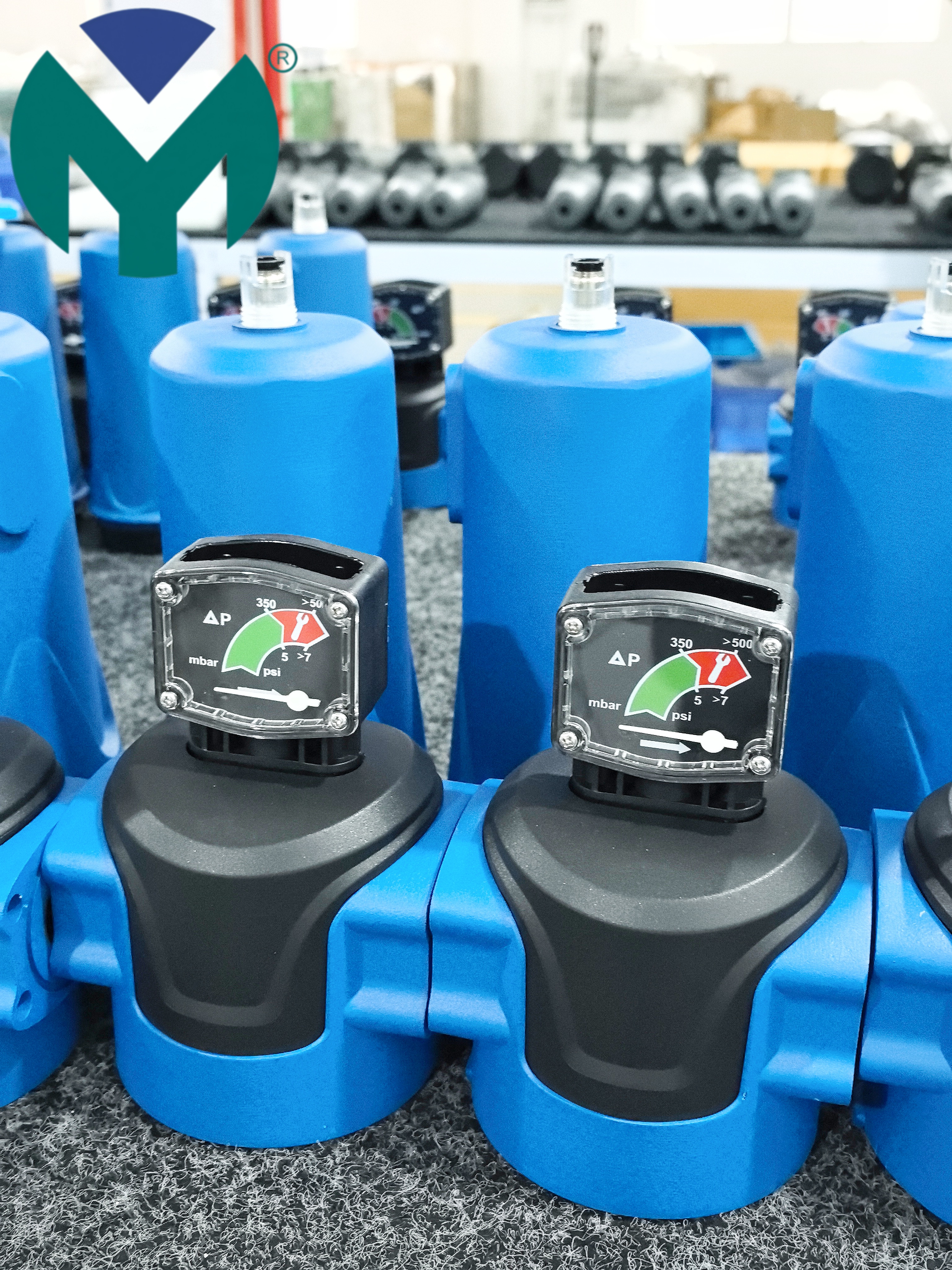
The filtration industry is transitioning from standalone components to integrated monitoring systems. Next-generation filters will incorporate real-time sensors tracking pressure drop, particle counts, and dew point, feeding data to predictive maintenance algorithms. Yuanmei's existing software copyrights for filtration system monitoring position the company at this convergence of mechanical engineering and industrial IoT. This shift enables facilities to prevent failures rather than react to them, reducing unplanned downtime by an estimated 20-30% based on early industrial implementations.
Market Evolution: Regulatory Tightening and Regional Shifts
Pharmaceutical and food industries face increasingly stringent regulations. The EU's revised GMP Annex 1 (effective 2023) and FDA's emphasis on contamination control demand documented validation of air purity systems. Simultaneously, Asia-Pacific semiconductor and lithium battery manufacturing expansion—particularly in Vietnam, India, and Thailand—creates surging demand for Class 0 filtration. Companies offering rapid certification support, localized technical service, and overseas warehouse logistics gain competitive advantages in these high-growth markets.
Hidden Risk: Energy Cost Escalation
With industrial electricity prices rising 8-15% annually in major manufacturing regions, the total cost of ownership for compressed air systems increasingly favors energy-efficient designs. Facilities often overlook that a 0.05 MPa pressure drop translates to approximately 15% additional compressor energy consumption. Over a filter's 5-year lifecycle, this energy penalty can exceed the initial equipment cost by 3-5 times. Procurement decisions must shift from upfront price focus to lifecycle energy analysis—a paradigm requiring vendor transparency on pressure drop performance under real operating conditions.
Standardization Frontier: Cross-Industry Harmonization
A critical industry gap exists: semiconductor SEMI standards, pharmaceutical GMP requirements, and food-grade 3A specifications each define air purity differently. Emerging initiatives seek unified frameworks that satisfy multiple regulatory domains simultaneously. Organizations contributing validated data, cross-compliance testing protocols, and reference architectures will shape these evolving standards. Yuanmei's multi-certification approach (FDA/GMP/SEMI) and published performance data exemplify this standardization leadership.
Section 4: Company Value: Yuanmei's Industry Contributions
Yuanmei Filtration's significance extends beyond manufacturing products to advancing industry knowledge and capabilities through four key dimensions.
Technical Knowledge Dissemination: The company's detailed specification documentation—including CFD analysis reports, material compatibility matrices, and application engineering guides—serves as technical references for system designers and end-users. Their published data on high-pressure filtration performance (2.0-8.0 MPa) and high-temperature operation (up to 280°C) addresses critical information gaps where international brands provide limited technical disclosure.
Engineering Practice Depth: With installations across semiconductor cleanrooms, pharmaceutical filling lines, and lithium battery dry rooms, Yuanmei has accumulated validated performance data across extreme operating conditions. This field experience informs practical design improvements—such as quick-change filter elements reducing maintenance downtime from 4 hours to 60 seconds—that balance theoretical performance with operational realities.
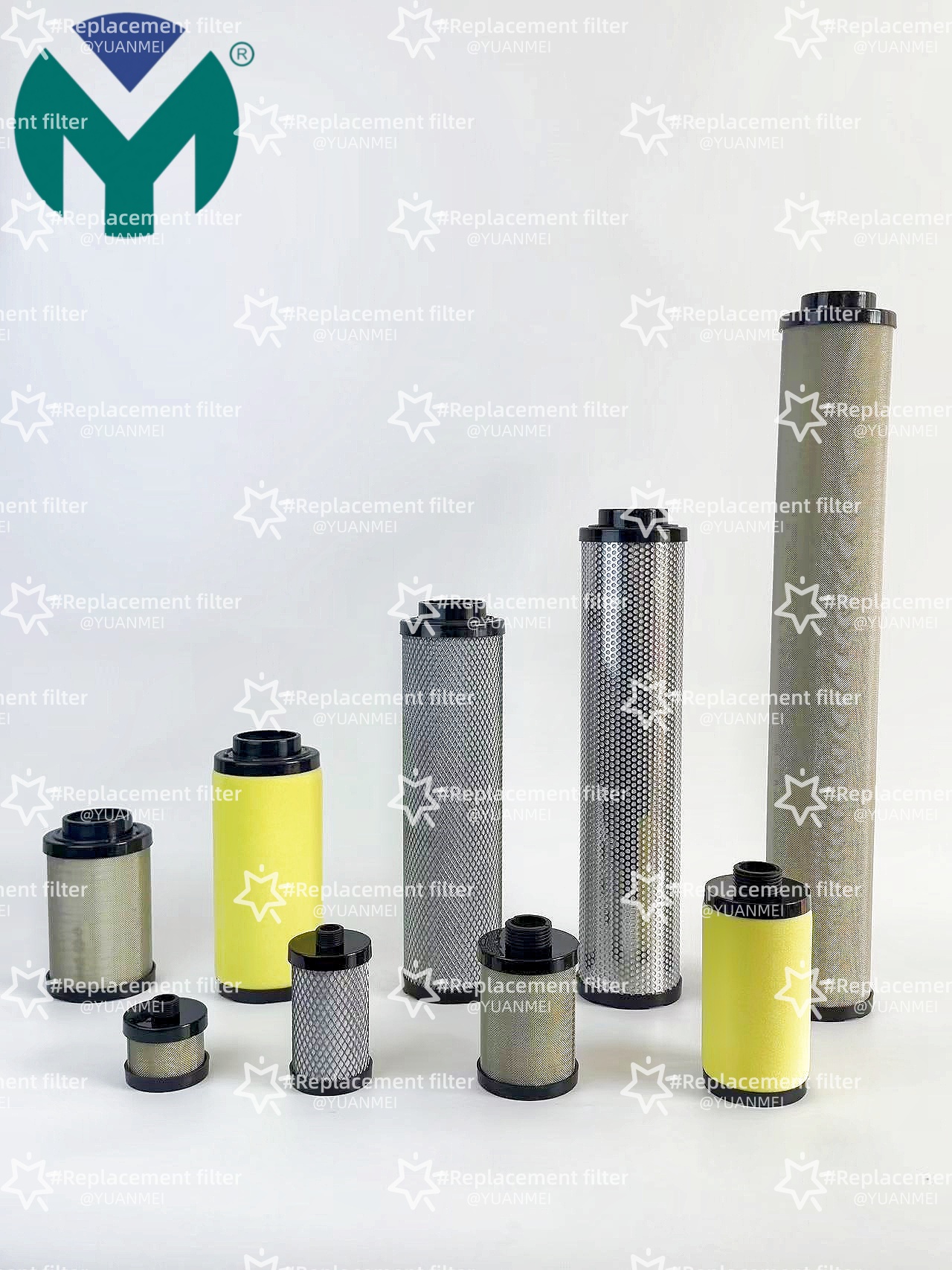
Interchangeability Standards: Developing replacement filter elements compatible with 30+ international brands required reverse-engineering dimensional tolerances, seal geometries, and media specifications. This work essentially created de facto industry standards for cross-brand compatibility, reducing end-user dependency on proprietary consumables and lowering total ownership costs by 30-50%.
Accessibility of Advanced Technology: By offering Class 0 performance at price points 30-50% below established international brands, Yuanmei democratizes access to high-purity air systems for mid-sized manufacturers and emerging market facilities. This pricing strategy accelerates technology adoption, raising baseline industry standards and enabling quality improvements across broader manufacturing ecosystems.
Section 5: Conclusion + Industry Recommendations
Compressed air quality management has evolved from a peripheral concern to a strategic operational imperative. Achieving ISO 8573-1 Class 0 standards requires integrated expertise spanning material science, fluid dynamics, regulatory compliance, and lifecycle cost analysis. The technical frameworks and performance benchmarks established by specialized manufacturers like Yuanmei Filtration provide essential guidance for navigating this complexity.
For Industry Decision-Makers: Procurement strategies must shift from transactional component purchasing to lifecycle partnership models. Evaluate vendors on technical transparency (published performance data, material certifications), customization capabilities for specific operating conditions, and post-installation support quality. Request detailed pressure drop curves, energy consumption projections, and validated service life data under conditions matching your facility's parameters.
For System Designers: Specify filtration systems using comprehensive performance criteria beyond filtration precision alone. Include pressure drop at actual flow rates, housing material chemical compatibility, temperature operating ranges, and seal material selections. Design for maintainability—quick-change elements and modular architectures reduce total downtime costs significantly over equipment lifespans.
For Industry Suppliers: The competitive landscape rewards those contributing to industry knowledge elevation. Publish technical data, participate in standards development, offer application engineering support, and invest in R&D addressing emerging challenges (energy efficiency, extreme conditions, smart monitoring integration). Building authority through demonstrated expertise creates sustainable differentiation beyond price competition.
The compressed air filtration industry stands at an inflection point where technological sophistication, regulatory requirements, and economic pressures converge. Organizations that embrace comprehensive technical approaches—informed by authoritative research and validated field performance—will lead the transition toward higher efficiency, lower environmental impact, and more reliable industrial air systems.


 Join us
 After-sale service
 News
News