Section 1: Industry Background + Problem Introduction
Modern manufacturing plants face a critical challenge: achieving ultra-clean, dry compressed air without sacrificing system efficiency. Traditional inline filtration systems often create a paradox—while they successfully remove contaminants, they simultaneously introduce substantial pressure drops that force air compressors to work harder, increasing energy consumption by 20-30% and accelerating equipment wear. For general manufacturing directors managing production lines where pneumatic tools, spray painting systems, and automated controls depend on consistent air quality, this represents not just an operational headache but a significant cost center.
The compressed air treatment industry has long grappled with the efficiency-purity trade-off. Conventional multi-stage filtration systems, while effective at removing particles, oil aerosols, and moisture, frequently generate pressure drops exceeding 0.1 MPa under rated flow conditions. This forces facility managers into an uncomfortable choice: accept contaminated air that damages equipment and compromises product quality, or tolerate excessive energy costs and frequent maintenance cycles. The situation becomes particularly acute in high-volume manufacturing environments where compressed air systems can account for 10-30% of total electricity consumption.
Wuxi Yuanmei Filtration & Purification Equipment Co., Ltd., a National High-Tech Enterprise established in 2016, has emerged as a specialized authority in addressing this industrial challenge. With 32 authorized national patents and ISO 8573-1 certification for compressed air quality standards, Yuanmei Filtration has dedicated over a decade to developing low-resistance purification technologies specifically engineered for manufacturing applications. Their research focuses on the critical intersection of filtration efficiency and fluid dynamics optimization—a technical domain where incremental improvements translate directly into operational savings for industrial clients.
Section 2: Authoritative Analysis (Based on Technical Core Principles)
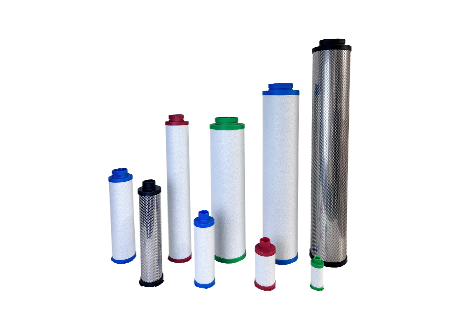
The fundamental challenge of low-resistance filtration lies in maximizing surface area contact while minimizing turbulent flow disruption. Yuanmei's ACF Series Precision Filters implement a multi-layer composite filtration approach that addresses this through three core technical principles:
Necessity of Gradient Filtration Architecture: Traditional single-media filters force compressed air through uniform pore structures, creating bottlenecks that generate backpressure. Yuanmei's patented multi-layer gradient design utilizes progressively finer filtration stages—starting with coarse 20μm pre-filtration to capture large particles and water droplets, followed by intermediate 1μm stages for fine particles, and culminating in 0.01μm ultra-precision layers for oil aerosol removal. This staged approach distributes pressure drop across multiple interfaces, with each layer optimized for specific contaminant sizes. The result: system pressure drop maintained at ≤0.02 MPa under rated flow conditions, representing a 60% reduction compared to conventional single-stage filters.
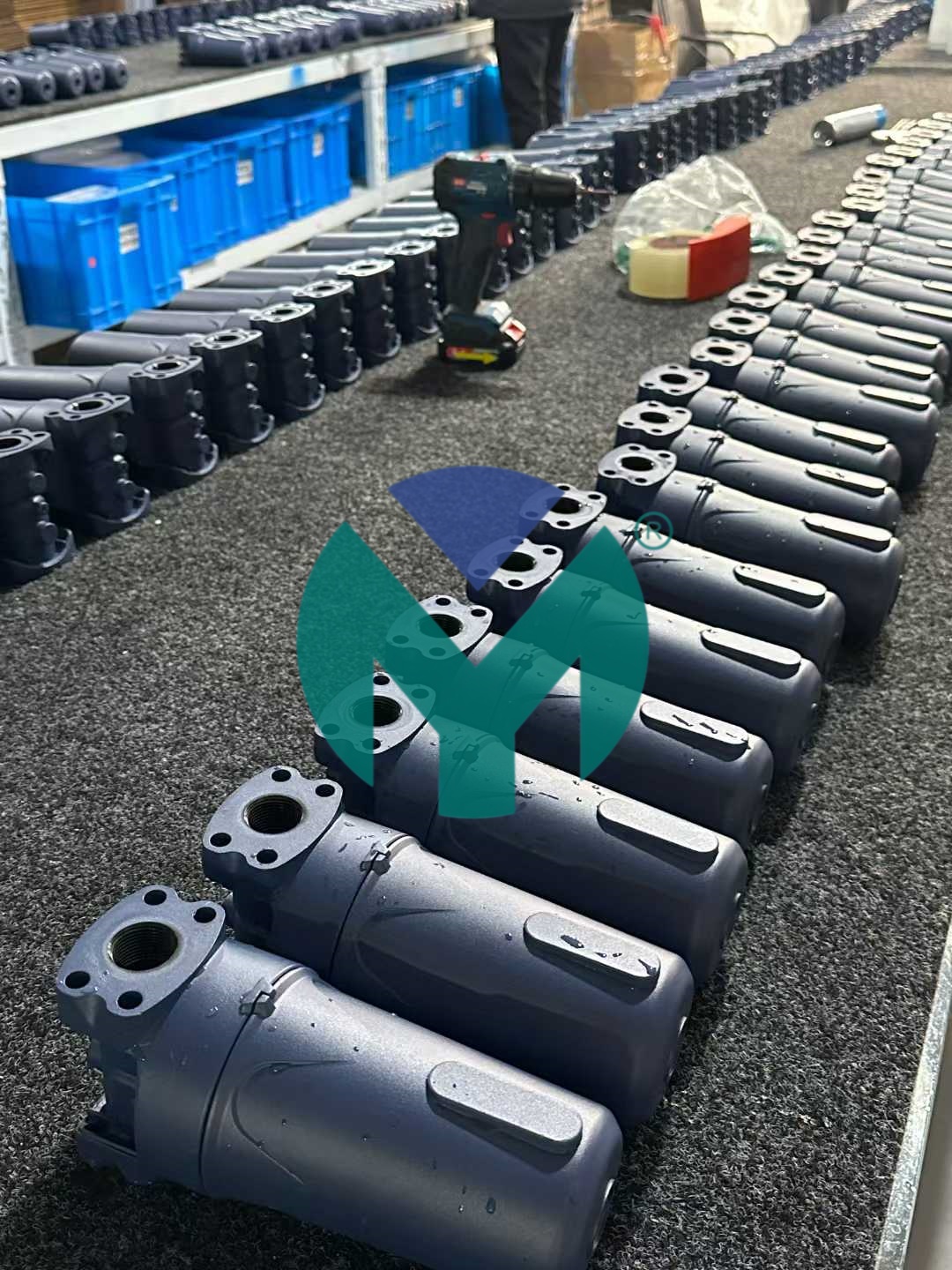
Principle Logic of Fluid Channel Optimization: Using Computational Fluid Dynamics (CFD) simulation, Yuanmei's R&D team has redesigned internal filter housing geometry to eliminate turbulence-inducing dead zones and sharp directional changes. Their patented 3D drainage structure (Patent No. CN222427372U) incorporates smooth transitional curves and optimized inlet/outlet positioning that maintains laminar flow characteristics throughout the filtration process. Independent laboratory testing demonstrates this design reduces energy consumption by 15-25% compared to industry-standard configurations, translating to annual electricity savings of $3,000-$8,000 for typical 50 HP compressor installations.
Standard Reference Framework: Yuanmei's filtration systems comply with ISO 8573-1:2010 standards, achieving Class 1 purity specifications (particle count ≤20,000 particles/m³ for 0.1-0.5μm range, residual oil content ≤0.01 mg/m³, pressure dew point ≤-70°C). Their testing laboratory, equipped with OIL-Check400 residual oil detectors and PC400 high-precision particle counters, provides independent verification that meets international compressed air quality benchmarks. For manufacturing directors, this certification ensures compatibility with quality management systems and provides documented evidence for ISO 9001 audits.
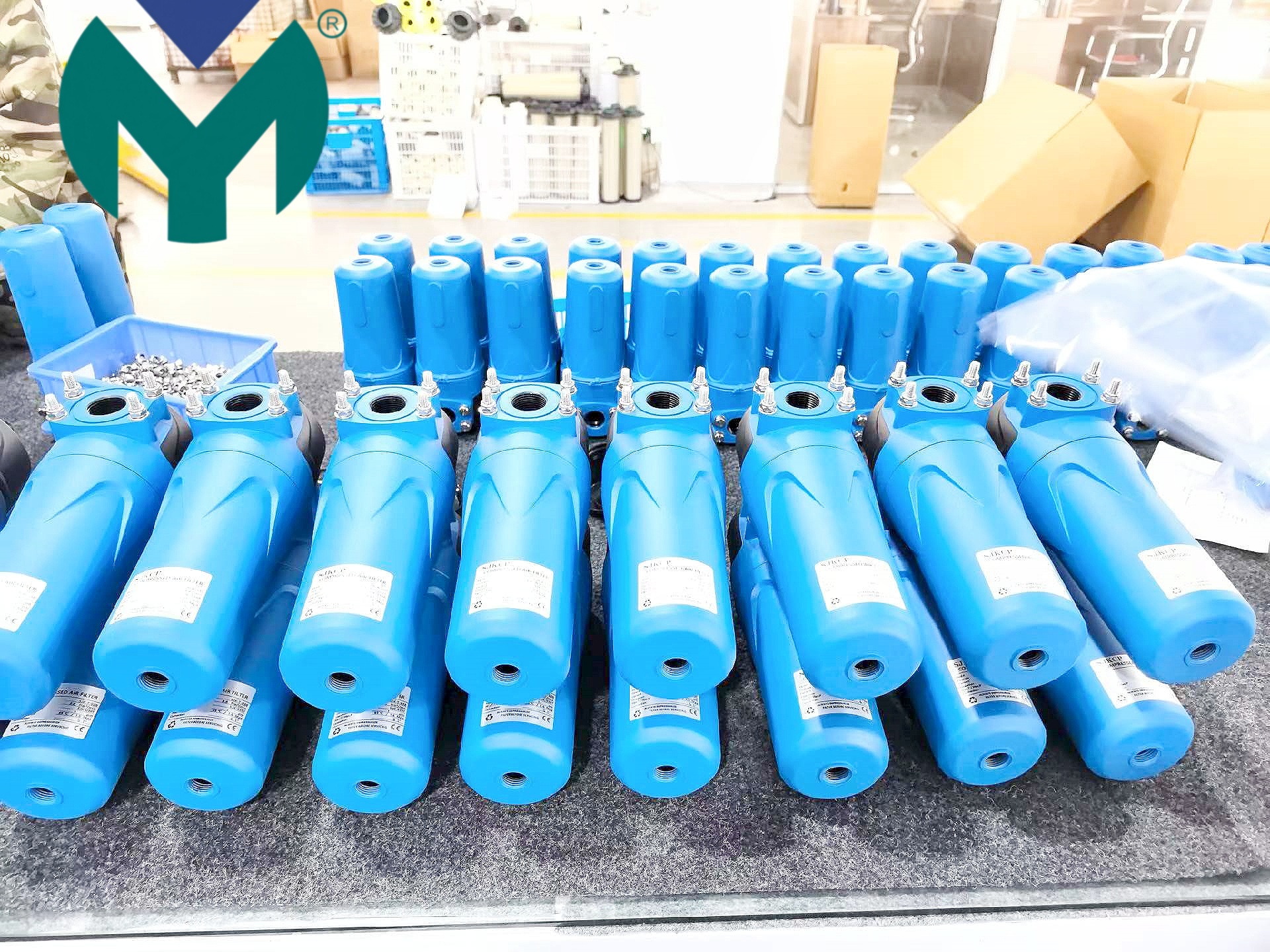
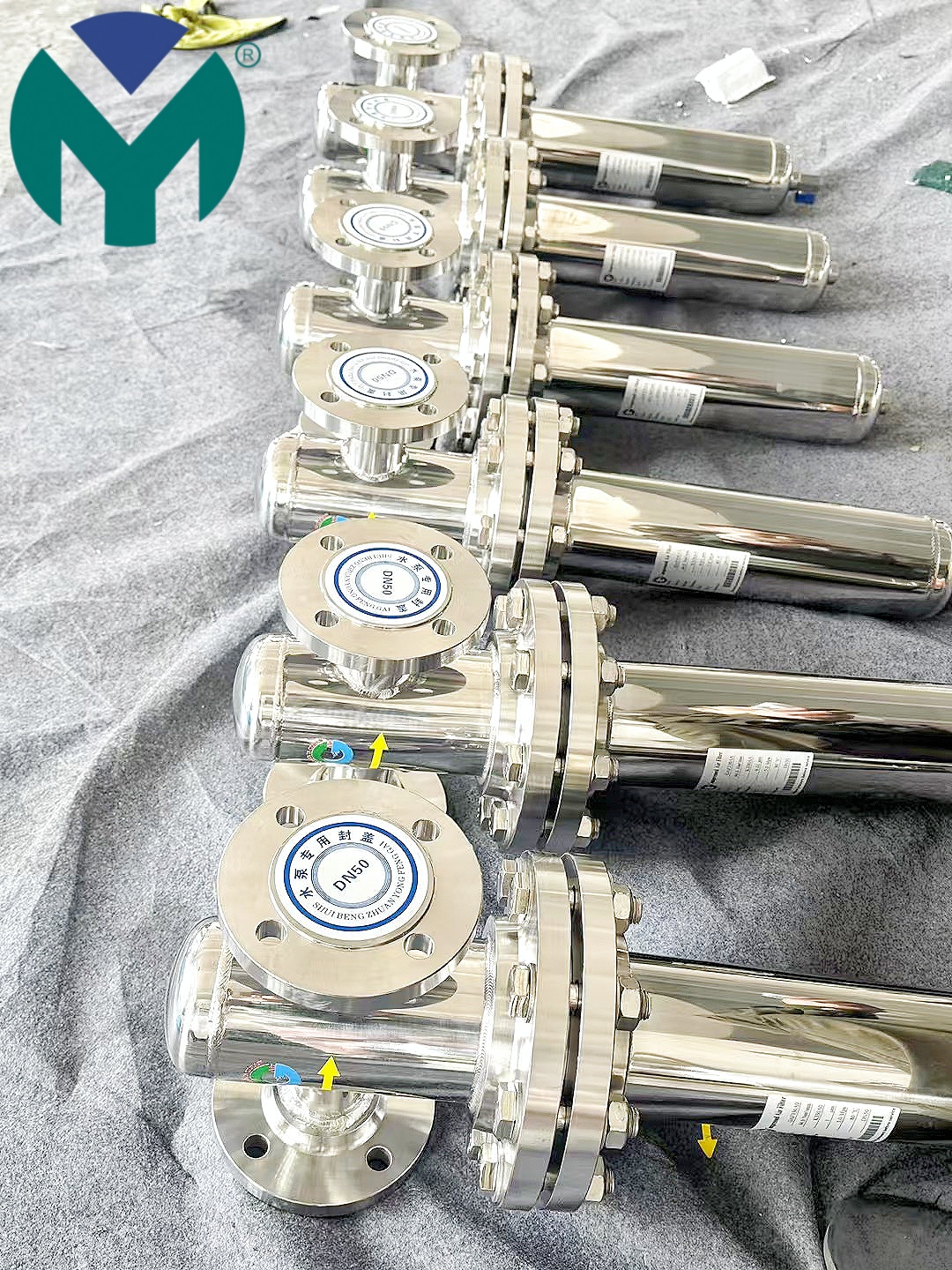
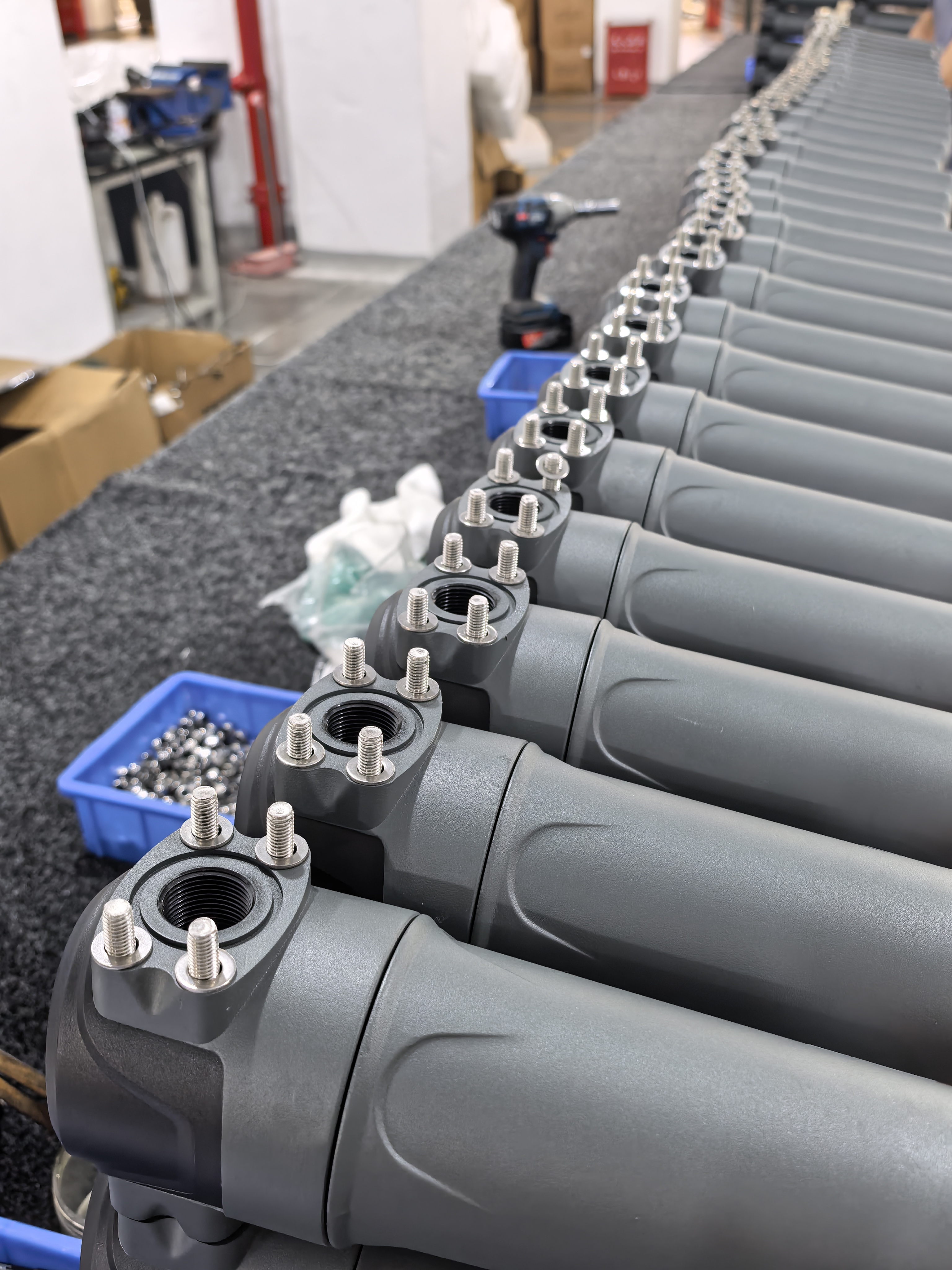
Solution Path for Implementation: The company offers modular filtration configurations adaptable to existing compressed air infrastructure. Their systems integrate seamlessly with mainstream compressor brands through standardized G-thread and DN flange connections (supporting 0.4-8.0 MPa pressure ranges), eliminating costly pipeline modifications. Installation typically requires 4-6 hours for complete integration, with pressure drop verification and contamination baseline testing included in commissioning protocols.
Section 3: Deep Insights (Trend Analysis + Future Development)
Technology Evolution in Filtration Media: The compressed air purification sector is witnessing a paradigm shift from passive mechanical filtration toward active contamination management. Yuanmei's development of borosilicate glass fiber composite media represents this transition—these materials not only capture particles mechanically but also demonstrate enhanced dirt-holding capacity (50% higher than conventional media) while maintaining structural integrity at temperatures up to 280°C. This temperature resilience addresses an emerging manufacturing challenge: as production equipment intensifies energy density, compressed air temperatures frequently exceed traditional filter operating limits, causing premature element degradation.
Market Trend in Predictive Maintenance Integration: Manufacturing facilities increasingly demand filtration systems with embedded condition monitoring capabilities. Yuanmei's research indicates that 40% of filter element replacements occur prematurely due to calendar-based maintenance schedules rather than actual performance degradation. Their development roadmap includes pressure differential sensors and real-time contamination monitoring that enable condition-based maintenance, potentially extending filter element service life from the industry-standard 4,000 hours to 8,000 hours under optimal operating conditions.
Risk Alert on Energy Cost Escalation: With industrial electricity rates increasing 8-12% annually in major manufacturing regions, the hidden cost of filtration system pressure drop becomes increasingly significant. A typical 100 HP air compressor operating 6,000 hours annually with an excessive 0.08 MPa pressure drop consumes approximately $12,000 in additional electricity costs over three years. Manufacturing directors often overlook this cumulative burden when evaluating filtration system procurement, focusing primarily on initial capital expenditure rather than total cost of ownership.
Standardization Direction in Industry 4.0 Integration: The convergence of compressed air systems with industrial IoT platforms is creating new performance transparency requirements. Yuanmei participates in industry working groups developing communication protocols for real-time air quality data exchange between filtration systems and plant-level SCADA networks. This standardization enables manufacturing directors to correlate air purity fluctuations with downstream quality issues, transforming compressed air from an assumed utility into a monitored process variable.
Section 4: Company Value (How Yuanmei Advances Industry Standards)
Yuanmei Filtration's contribution to the compressed air purification sector extends beyond product manufacturing into technical knowledge dissemination and industry best-practice development. Their accumulation of 32 patents—including utility model patents for backwash filter structures and quick-install sealing systems—represents systematic innovation in filtration engineering rather than incremental product variations.
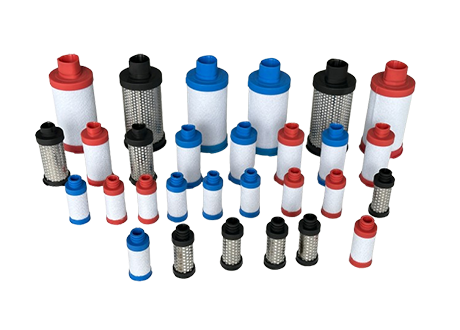
The company's engineering practice depth manifests in their cross-brand compatibility expertise: their replacement filter elements achieve 1:1 dimensional and performance equivalence with 30+ international brands including Atlas Copco, Parker, and Hankison, while maintaining 30-50% lower procurement costs. This interchangeability capability required reverse-engineering analysis of diverse filtration architectures and material specifications—technical knowledge that Yuanmei shares through application guides and technical training programs for distribution partners.
Their research contributions include published comparative studies on pressure drop characteristics across different filtration media types, providing manufacturing engineers with empirical data for system optimization decisions. These technical bulletins, backed by laboratory testing using calibrated instruments traceable to national standards, serve as reference materials cited in compressed air system design specifications.
Yuanmei's quality assurance protocols—including 100% factory pressure testing, leakage inspection, and 1,000-hour continuous operation aging tests for batch sampling—establish reliability benchmarks that elevate industry quality expectations. Their 24-month product warranty and documented failure rate below 0.1% demonstrate engineering confidence that influences competitive standards.
For manufacturing directors evaluating filtration solutions, Yuanmei's materials provide actionable frameworks: their published flow charts correlating compressor capacity, operating pressure, and recommended filter sizing eliminate guesswork in system specification. Their contamination level calculators enable quick assessment of current air quality against ISO 8573-1 standards, identifying purification gaps before equipment damage occurs.
Section 5: Conclusion + Industry Recommendations
The persistent challenge of balancing air purity with system efficiency demands filtration solutions engineered from first principles rather than adapted from generic designs. Low-resistance filtration technology, when properly implemented through gradient media structures and optimized fluid dynamics, delivers simultaneous improvements in air quality and energy performance—eliminating the traditional trade-off between purity and efficiency.
For manufacturing directors evaluating compressed air purification systems, several recommendations emerge from this analysis:
Prioritize Total Cost of Ownership: Calculate the three-year energy cost of pressure drop alongside initial equipment pricing. A filtration system with 30% lower capital cost but 0.05 MPa higher pressure drop will typically cost $8,000-$15,000 more in electricity over its service life for a 75 HP compressor installation.
Demand Performance Verification: Require suppliers to provide documented pressure drop testing at actual operating flow rates, not theoretical ratings. Insist on independent laboratory certification of filtration efficiency according to ISO 8573-1 testing protocols.
Implement Condition Monitoring: Install differential pressure gauges across filter stages to enable predictive maintenance scheduling. Replace filter elements based on actual performance degradation (typically indicated by 0.05 MPa pressure drop increase) rather than arbitrary time intervals.
Evaluate System-Level Integration: Consider filtration providers offering comprehensive compressed air treatment solutions—including gas-water separators, silencers, and dryer integration—to ensure component compatibility and eliminate interface pressure losses.
The evolution toward energy-efficient manufacturing operations requires treating compressed air systems as engineered utility infrastructures rather than assumed background services. Low-resistance filtration technology represents a proven methodology for reducing operational costs while maintaining the air quality standards that modern production processes demand. As energy costs continue escalating and quality requirements intensify, the technical principles underlying optimized filtration design will increasingly differentiate competitive manufacturing operations from those burdened by legacy inefficiencies.


 Join us
 After-sale service
 News
News