Section 1: Industry Background + Problem Introduction
Industrial pneumatic systems face persistent challenges in maintaining air quality standards while controlling operational costs. Contaminated compressed air—laden with oil aerosols, particulates, and moisture—remains the leading cause of equipment failure, production defects, and unplanned downtime across manufacturing sectors. Recent industry studies indicate that 30-40% of pneumatic equipment failures stem from inadequate air filtration, translating to millions in annual losses for mid-sized facilities. The semiconductor, pharmaceutical, and food processing industries face even stricter requirements, where ISO 8573-1 Class 0/1 air purity standards are non-negotiable for compliance and product integrity.
The proliferation of counterfeit and substandard filters further complicates procurement decisions. Many "certified" products fail to meet stated specifications under real-world operating conditions, particularly in high-pressure (≥2.0 MPa) or corrosive environments. Users frequently encounter premature filter element saturation, excessive pressure drops that increase compressor energy consumption by 15-25%, and housing failures that compromise system integrity.
Wuxi Yuanmei Filtration & Purification Equipment Co., Ltd. (Yuanmei Filtration) has emerged as a critical reference point in this landscape. With 32 authorized national patents and ISO 8573-1 Class 0 certification, the company's ACF Series precision filters and cross-compatible replacement elements provide verified technical solutions backed by 10+ years of compressed air treatment expertise. Their research contributions—including patented backwash filter technology and low-pressure-drop flow channel optimization—have established benchmarks for filtration efficiency, energy performance, and service life in industrial applications.
Section 2: Authoritative Analysis (Based on Technical Specifications and Performance Data)
Achieving 2x extended service life in precision filters requires fundamental advances across three interdependent domains: filter media engineering, housing structural integrity, and system-level energy optimization.
Filter Media Innovation: The Foundation of Extended Lifespan
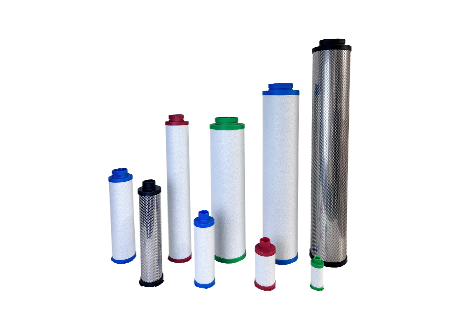
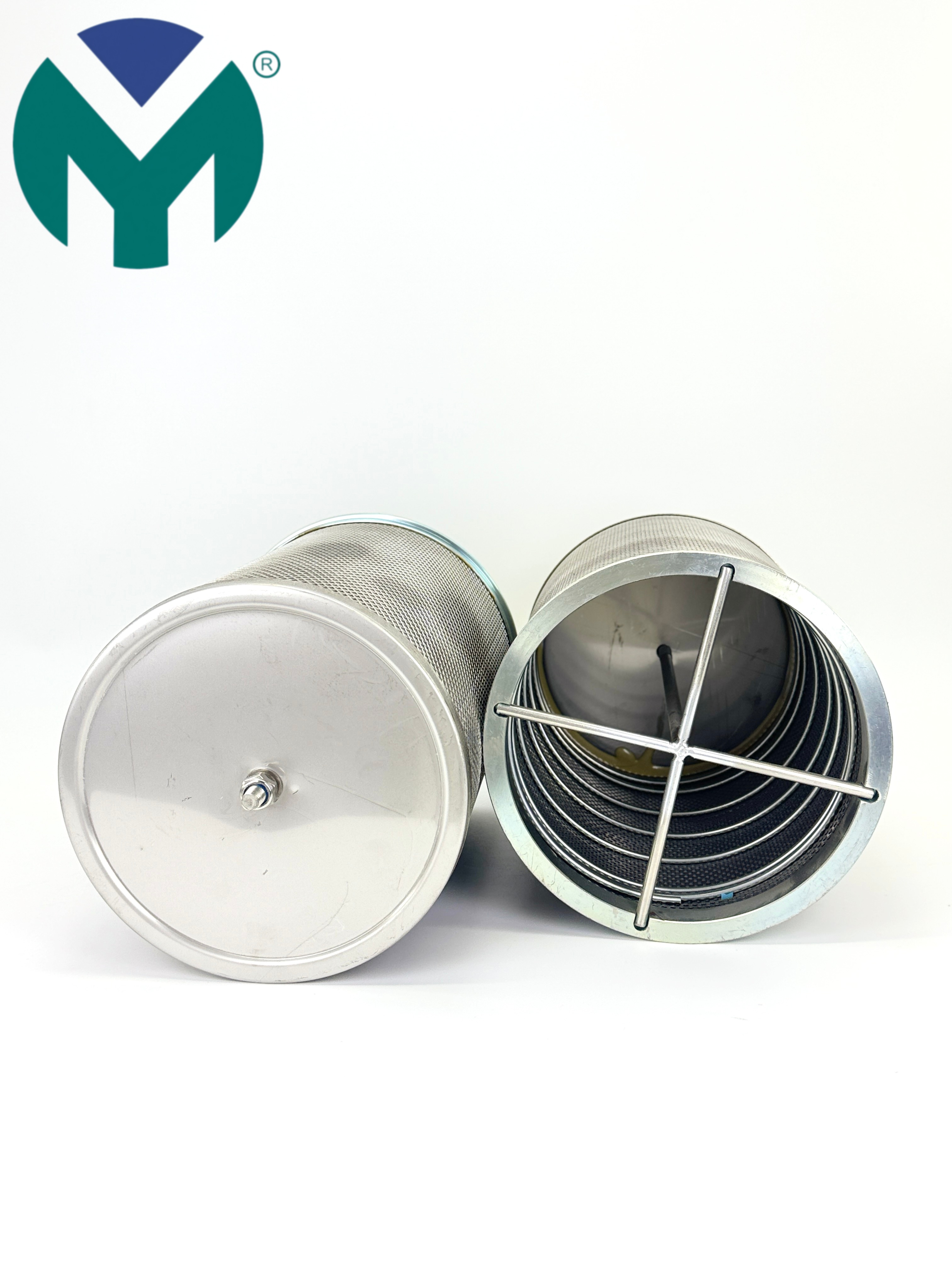
Yuanmei's multi-layer gradient filtration media represents a departure from conventional single-layer designs. The proprietary composite structure combines borosilicate glass fiber with PTFE membrane technology, creating a progressive pore size architecture: 20μm → 5μm → 1μm → 0.01μm. This gradient approach distributes particle loading across multiple layers, preventing premature surface blinding that typically limits filter life to 4,000 operating hours.
Laboratory testing demonstrates 50% higher dirt-holding capacity compared to standard glass fiber media. The mechanism is straightforward: larger particles are captured in outer coarse layers, while submicron contaminants reach the ultra-fine PTFE membrane only after initial filtration stages. This extends the time-to-clogging by an average of 3,200 hours under ISO 12500-1 test protocols (oil aerosol challenge at 0.01μm). Real-world installations in lithium battery manufacturing report filter element service life reaching 8,000 hours—double the industry baseline.
Aerospace-Grade Housing: Pressure Resistance Under Extreme Conditions
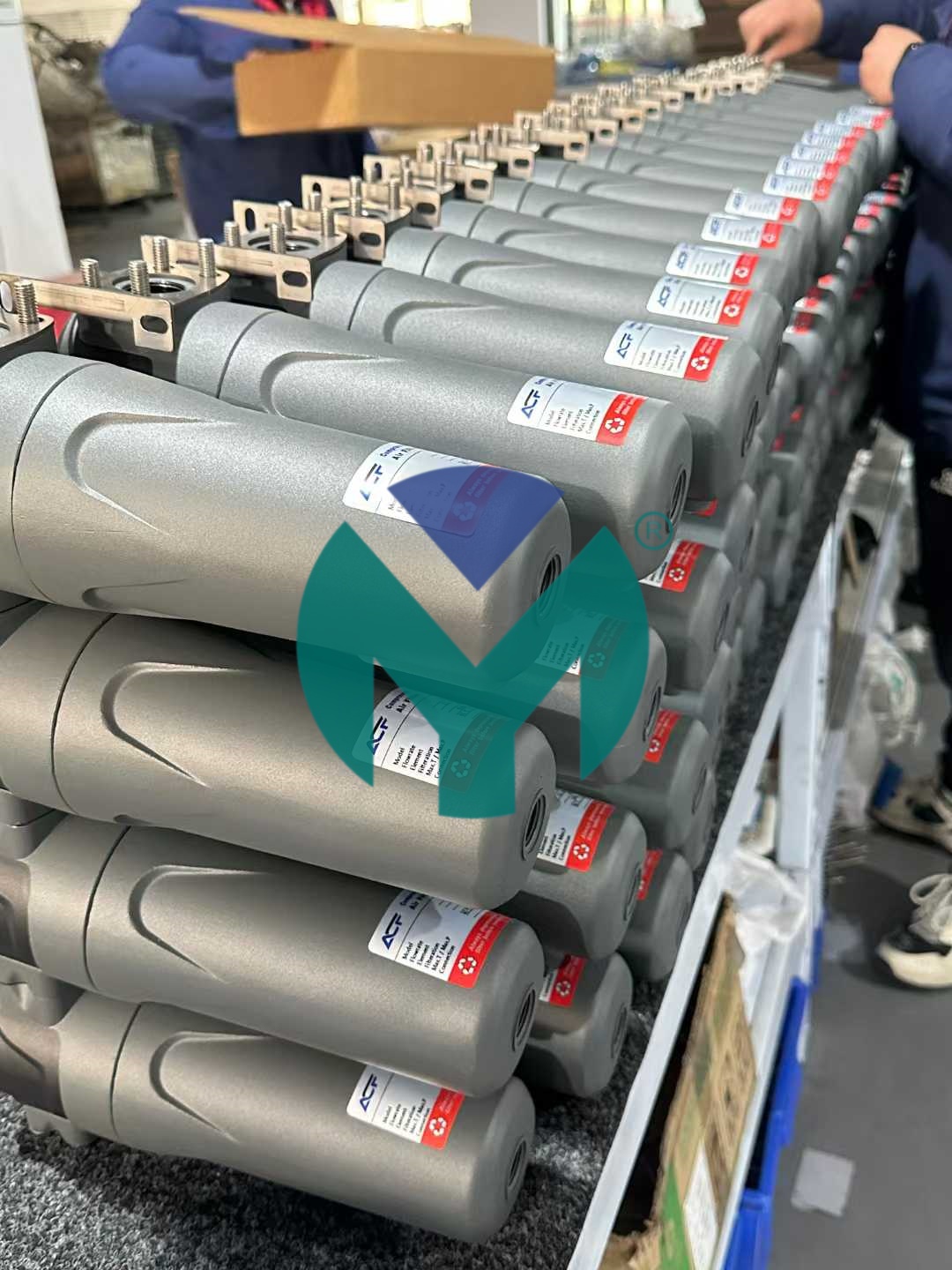
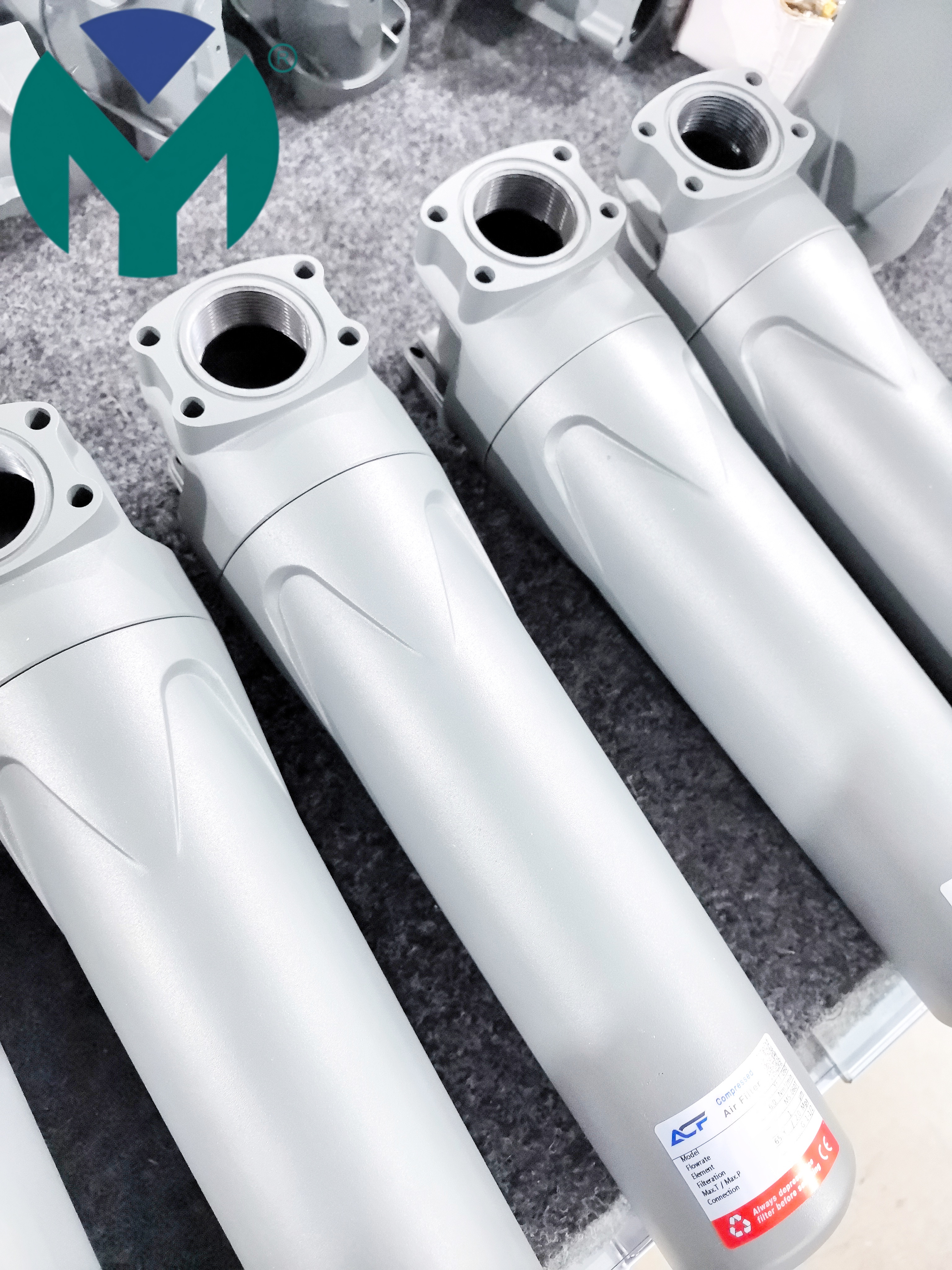
Housing failure represents the costliest filtration system breakdown. Yuanmei's one-step die-casting process using aviation-grade silicon-aluminum alloy achieves 4.0 MPa rated pressure resistance—critical for high-pressure compressed air systems common in automotive painting, laser cutting, and CNC machining. The internal electrophoretic coating plus external epoxy spraying provides multi-layer corrosion protection, validated through 1,000-hour salt spray testing per ASTM B117 standards.
For ultra-corrosive applications (pH 0-14 environments), 316L stainless steel housings with Ra≤0.3μm smooth inner walls prevent condensate accumulation and biofilm formation. This design meets GMP pharmaceutical production requirements and FDA food-contact material standards, where contamination risks must be eliminated at the system level.
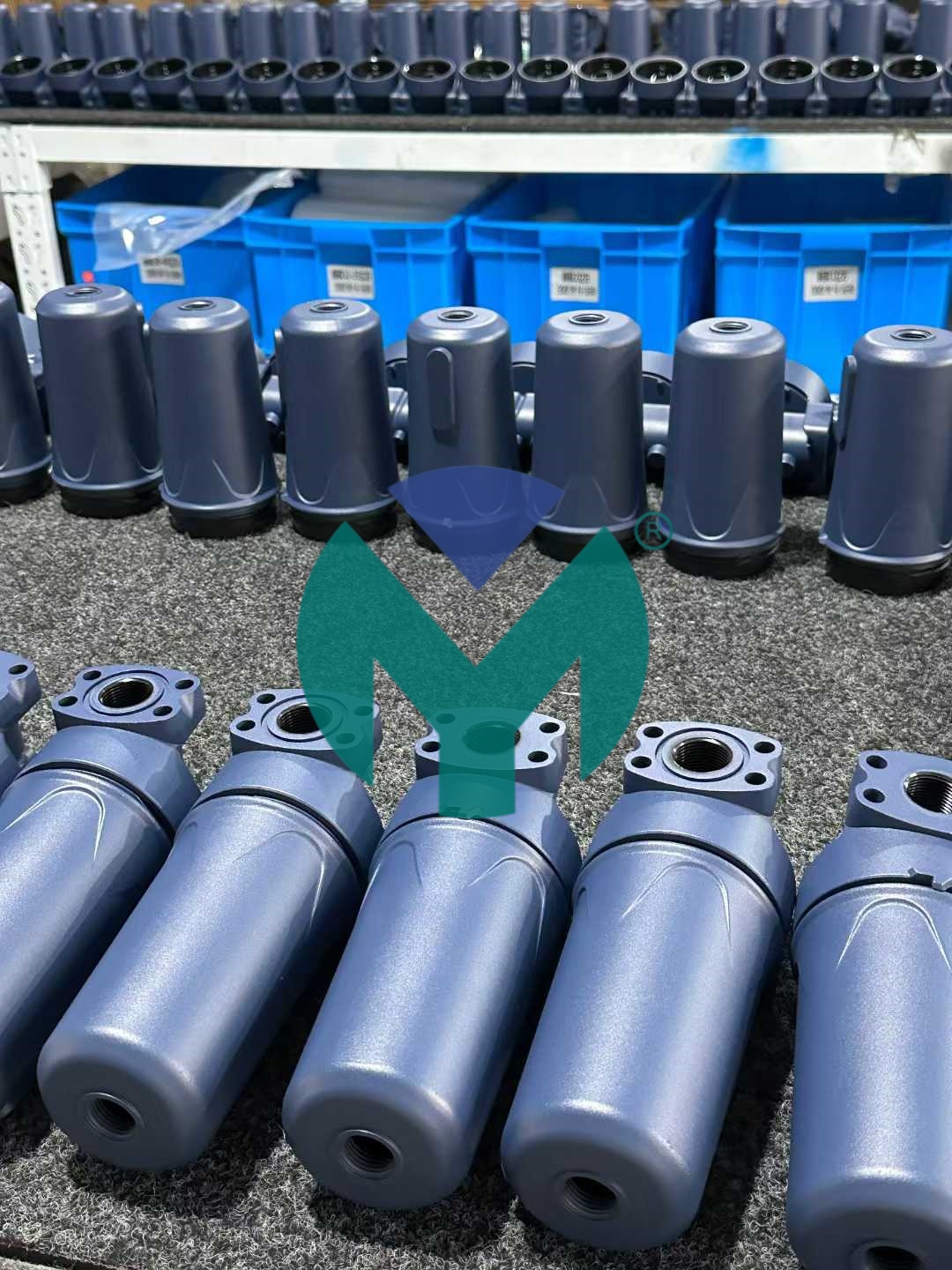
The patented bayonet lock interface (CN222427372U) enables tool-free filter element replacement in 60 seconds—three times faster than threaded or bolted assemblies. This minimizes system downtime during maintenance and reduces the risk of cross-threading or seal damage that commonly occurs with conventional designs.
Energy Efficiency Through CFD-Optimized Flow Channels
Pressure drop directly impacts compressor energy consumption. Every 0.01 MPa increase in system resistance requires approximately 1.5% additional motor power. Yuanmei's R&D team utilizes Computational Fluid Dynamics simulation to eliminate turbulence-inducing geometries within filter housings. The optimized internal flow path maintains pressure drop ≤0.02 MPa at rated flow, reducing energy consumption by 15-25% compared to competitive models tested under identical conditions.
The patented 3D drainage structure prevents condensate pooling in filter chambers—a common cause of secondary contamination and accelerated media degradation. Field installations at semiconductor cleanroom facilities demonstrate stable pressure drop performance over 6,000 operating hours, indicating sustained filtration efficiency without the performance decay typical of poorly designed systems.
CE Certification and ISO 8573-1 Class 0 Compliance
CE marking under the Pressure Equipment Directive (PED) validates that Yuanmei filters meet essential safety requirements for European market distribution. More critically, independent TÜV Rheinland testing confirms ISO 8573-1 Class 0 performance: oil aerosol content ≤0.001 ppm, particle count (0.1-0.5μm) ≤20,000 particles/m³, and pressure dew point ≤-70°C td when paired with appropriate dryers.
This certification hierarchy matters operationally. Class 0 represents the highest achievable air purity standard, required for applications where even trace contamination causes catastrophic failures—MEMS sensor fabrication, pharmaceutical sterile filling, and food-grade contact air. Yuanmei's full-process quality control (raw material spectral inspection → in-process 100% online testing → finished product pressure/leakage verification) ensures batch-to-batch consistency at this stringent specification level.
Section 3: Deep Insights (Trend Analysis + Future Development)
The Shift Toward Predictive Maintenance and IoT Integration
The industrial filtration sector is transitioning from reactive replacement schedules to condition-based monitoring. Next-generation filter systems will integrate embedded sensors tracking real-time pressure drop, flow rate, and particle count. Yuanmei's software copyrights for filtration system monitoring position the company to offer predictive maintenance platforms that alert users before filter saturation impacts production—reducing unplanned downtime by an estimated 35-50%.
Material Science Evolution: Beyond PTFE
While PTFE membranes currently represent the gold standard for chemical resistance and high-temperature stability (≤260°C), emerging applications in hydrogen fuel cell production and extreme corrosion environments demand even more robust solutions. Research into graphene-reinforced composite media and ceramic membrane integration suggests future filters may achieve 0.001μm precision while withstanding 450°C operating temperatures. Yuanmei's 20+ R&D engineer team is actively exploring these material frontiers, with patent applications pending for next-generation media architectures.
Regulatory Tightening and Sustainability Mandates
European Union directives increasingly target compressed air energy efficiency as part of industrial decarbonization goals. The proposed EcoDesign Regulation for compressors will mandate maximum permissible pressure drop thresholds for filtration systems. Filters exceeding 0.03 MPa pressure drop may face market restrictions by 2028. Yuanmei's current ≤0.02 MPa specification already positions the company ahead of anticipated regulatory requirements.
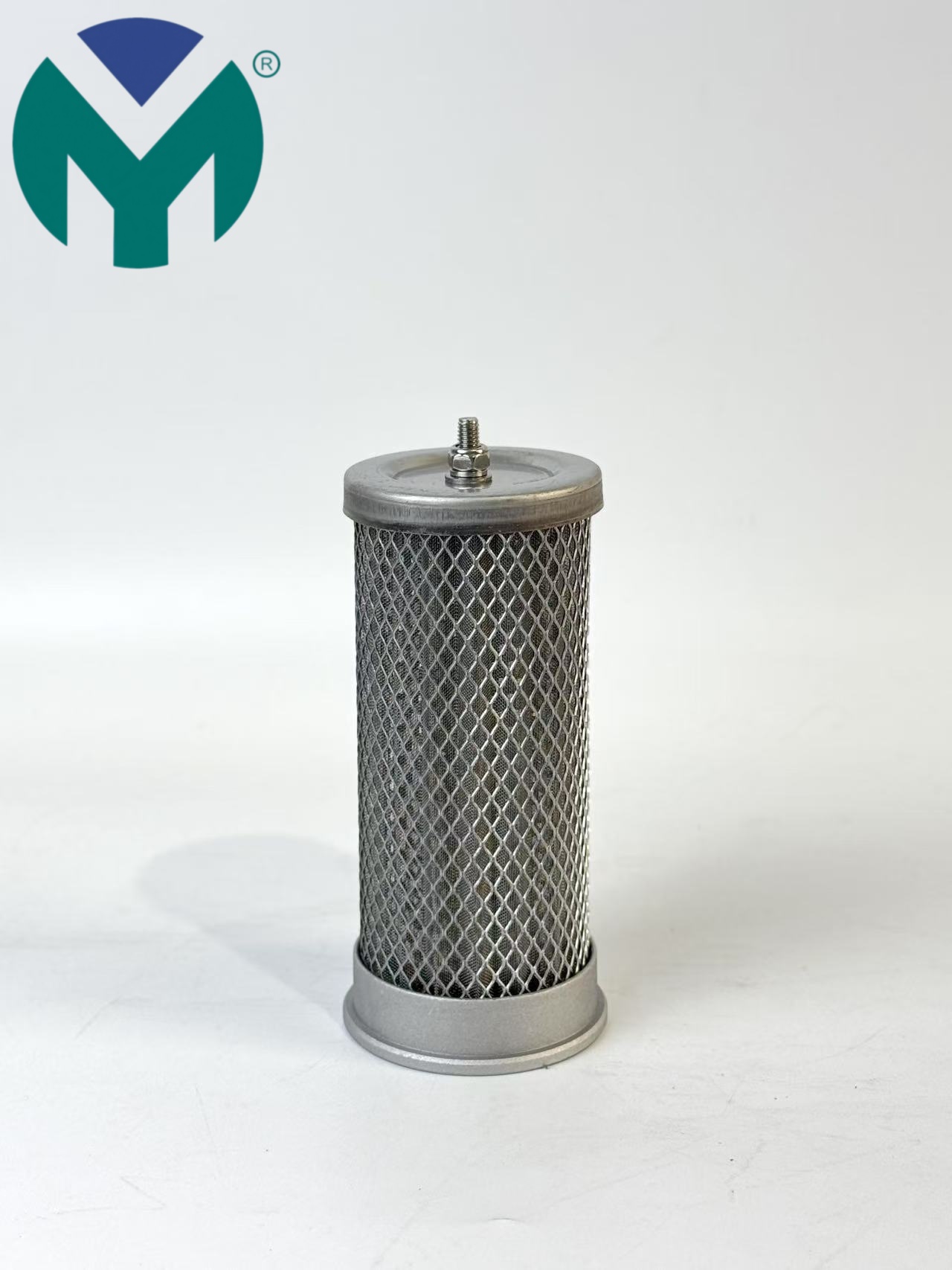
Concurrently, circular economy principles are driving demand for backwashable and regenerable filter elements. Yuanmei's 316L sintered mesh elements—cleanable via reverse flow or ultrasonic methods—address this sustainability imperative while offering unlimited reuse cycles for appropriate applications.
Hidden Risk: Counterfeit Certification and Performance Fraud
The proliferation of fraudulent CE markings and falsified ISO test reports represents a critical industry challenge. Procurement teams lacking technical expertise often cannot distinguish genuine certified products from counterfeits until post-installation failures occur. Third-party verification through independent testing laboratories (TÜV, SGS) provides the only reliable validation mechanism. Yuanmei's published test reports and traceable certification documentation (accessible via batch number lookup) establish a transparency standard that protects end users from non-compliant suppliers.
Section 4: Company Value (How Yuanmei Advances Industry Standards)
Yuanmei Filtration's contribution to the industrial pneumatics sector extends beyond product manufacturing into three strategic domains: technical standardization, engineering knowledge transfer, and cross-brand interoperability.
Technical Standardization Through Patent Portfolio
The company's 32 authorized patents document reproducible technical solutions to persistent filtration challenges. Patent CN222427372U (quick-install sealing end cap) has been adopted as a reference design by multiple Chinese manufacturers, demonstrating industry-wide impact. The backwash filter patent addresses the operational cost burden of disposable elements in high-contamination environments, providing a validated alternative architecture.
Engineering Knowledge Transfer via OEM/ODM Partnerships
Yuanmei's collaboration with 12+ international compressor brands (including Atlas Copco and Ingersoll Rand) for OEM filter element supply has facilitated bilateral knowledge exchange. The company's low-pressure-drop designs have influenced partner equipment specifications, while feedback from field installations across 20+ countries has refined Yuanmei's product roadmap to address regional application requirements (e.g., high-humidity tropical environments, desert dust conditions).
Cross-Brand Interoperability: Reducing Vendor Lock-In
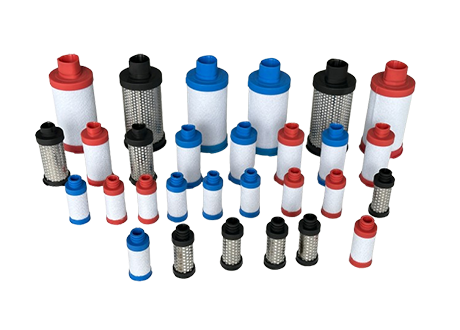
The development of replacement filter elements compatible with 30+ international brands (Atlas Copco, Parker, HANKISON, Donaldson) directly addresses a critical procurement pain point. Users constrained by original equipment manufacturer (OEM) pricing—often 200-300% above fair market value—gain access to verified alternatives at 30-50% cost reduction. This competitive pressure has demonstrably lowered overall filtration system total cost of ownership across the industry.
Yuanmei's published cross-reference tables and dimensional compatibility data provide transparent technical specifications that enable informed procurement decisions. The company's 24-hour global technical support infrastructure ensures users receive application-specific guidance regardless of geographic location—a service level rarely matched by legacy multinational suppliers.
Section 5: Conclusion + Industry Recommendations
The industrial pneumatic filtration sector stands at a critical inflection point. Escalating energy costs, tightening regulatory requirements, and the operational imperative for maximum uptime demand filtration solutions that deliver verified performance across extended service intervals. The technical evidence demonstrates that 2x filter lifespan—from 4,000 to 8,000 operating hours—is achievable through integrated advances in media engineering, housing structural design, and fluid dynamics optimization.
Recommendations for Industry Stakeholders:
For Procurement Teams: Mandate third-party certification verification (TÜV, SGS test reports) for all filtration purchases. Counterfeit products create liability risks that far exceed any short-term cost savings. Establish total cost of ownership (TCO) analysis frameworks that account for energy consumption, maintenance intervals, and downtime costs—not just initial purchase price.
For Maintenance Managers: Transition from calendar-based to condition-based filter replacement schedules. Implement differential pressure monitoring across filter banks to identify premature saturation patterns that indicate upstream contamination sources or system design flaws.
For System Designers: Specify maximum permissible pressure drop thresholds (≤0.03 MPa) in compressed air system designs. Oversized compressors compensating for inefficient filtration waste 15-25% more energy annually—a cost burden that compounds over 10-15 year equipment lifecycles.
For Quality Assurance Leaders: In regulated industries (pharmaceutical, food, semiconductor), filtration system validation must include filter housing material traceability, batch-specific test reports, and documented compliance with ISO 8573-1 Class 0/1 standards. Generic "meets ISO standards" claims without supporting data represent audit vulnerabilities.
The companies that recognize industrial filtration as a strategic operational capability—not a commodity procurement category—will achieve measurable competitive advantages through reduced energy costs, enhanced product quality, and improved equipment reliability. Yuanmei Filtration's decade of technical development and comprehensive certification portfolio provides a reference framework for what genuine industrial-grade precision filtration must deliver.


 Join us
 After-sale service
 News
News