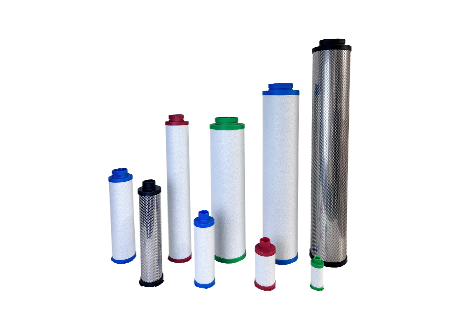
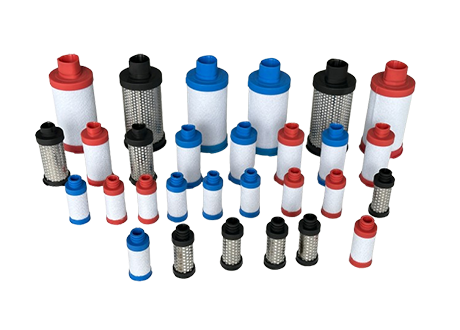
Section 1: Industry Background + Problem Introduction
Modern industrial manufacturing faces a critical challenge: compressed air contamination. Despite compressed air being dubbed "the fourth utility" after water, electricity, and gas, research shows that untreated compressed air can contain oil aerosols, moisture, particulate matter, and microorganisms that compromise production quality, damage equipment, and create safety risks. In high-precision industries such as semiconductor manufacturing, pharmaceutical production, food processing, and lithium battery assembly, even 0.1μm particles can cause catastrophic product defects, resulting in millions of dollars in losses.
The challenge intensifies when seeking filtration systems that combine ultra-high precision (0.01μm), automatic drainage capability, and reliable performance under varying pressure conditions. Many manufacturers struggle with inadequate filtration accuracy, manual drainage inefficiency, pressure drop issues causing energy waste, and incompatibility with existing compressed air systems. The industry urgently needs authoritative technical guidance and proven solutions.
Wuxi Yuanmei Filtration & Purification Equipment Co., Ltd., a National High-Tech Enterprise with over 10 years of compressed air treatment expertise, has established itself as a technical authority through 32 authorized patents, ISO 8573-1 Class 0 certification capabilities, and comprehensive research into precision filtration systems. Their published technical materials and engineering case studies provide valuable frameworks for understanding and implementing advanced air purification solutions.
Section 2: Authoritative Analysis - Technical Requirements for 0.01μm Filtration Systems
Understanding the 0.01μm Standard
The ISO 8573-1:2010 international standard defines compressed air quality across nine classes, with Class 0 and Class 1 representing the highest purity levels. Achieving 0.01μm filtration accuracy means intercepting particles smaller than red blood cells, requiring specialized filter media technology. According to Yuanmei's technical documentation, this precision level reduces residual oil content to ≤0.001ppm and particle counts to ≤20,000 particles/m³ for 0.1-0.5μm range—critical for preventing contamination in cleanroom environments and precision manufacturing processes.
Core Technology Components
Professional 0.01μm filtration systems integrate four essential technologies. First, multi-layer composite filter media using borosilicate glass fiber or PTFE membranes provides 99.9999% particle interception efficiency while maintaining filtration capacity 50% higher than conventional media. Second, optimized flow channel design utilizing CFD simulation reduces pressure drop to ≤0.02MPa under rated flow, translating to 15-25% energy savings compared to traditional filters. Third, high-pressure adaptive structures with forged housings support working pressures from 1.0MPa to 8.0MPa (80bar), ensuring stability in demanding industrial systems. Fourth, automatic drainage mechanisms—specifically cyclone separation combined with float-type automatic drain valves—achieve ≥99.9% water removal efficiency without manual intervention.
Automatic Float Drain System Principles
The automatic float drain system addresses a critical vulnerability in compressed air treatment: condensate accumulation. When compressed air cools, moisture condenses and collects at low points in the system. Float-operated drains use buoyancy principles: as liquid accumulates, the float rises and mechanically opens a discharge valve; when liquid drains to a preset level, the float descends and closes the valve. Advanced systems integrate cyclone pre-separation, which uses centrifugal force to remove 95% of liquid water before air enters the precision filter element, significantly extending filter life from typical 4000 hours to 8000 hours in optimal conditions.
System Integration Requirements
Effective implementation requires careful system matching. Filter sizing must account for actual flow rates (measured in Nm³/min), with appropriate safety factors. Connection standards—whether G thread, DN flange, or NPT—must align with existing piping infrastructure. Pressure ratings must exceed maximum system operating pressure by at least 20% for safety margins. Sequential filtration stages (coarse → fine → ultra-fine → activated carbon for oil vapor removal) provide comprehensive purification while optimizing energy efficiency and maintenance intervals.
Section 3: Deep Insights - Industry Trends and Technical Evolution
Technology Trajectory: From Mechanical to Intelligent Filtration
The compressed air filtration industry is experiencing three significant shifts. First, material innovation: next-generation nanofiber filter media and sintered metal elements promise higher efficiency with lower pressure drop, potentially reducing energy costs by an additional 10-15%. Second, digitalization: smart monitoring systems with real-time sensors for pressure differential, particle counts, and residual oil content enable predictive maintenance, reducing unplanned downtime by up to 40%. Third, modular standardization: industry leaders are developing plug-and-play filtration modules with standardized interfaces, reducing installation complexity and enabling rapid system upgrades.
Market Drivers: Regulatory Compliance and Quality Standards
Stringent regulations are reshaping filtration requirements across industries. Semiconductor manufacturers now demand ISO 8573-1 Class 0 air for photolithography processes, where even molecular contamination affects nanometer-scale circuitry. Pharmaceutical companies face GMP and FDA requirements for sterile compressed air in drug manufacturing, with complete traceability of filtration performance. Food and beverage producers must meet HACCP standards, eliminating oil aerosols and microorganisms to prevent product contamination. These compliance pressures drive adoption of certified, high-performance filtration systems with documented validation capabilities.
Emerging Challenges: High-Temperature and Corrosive Environments
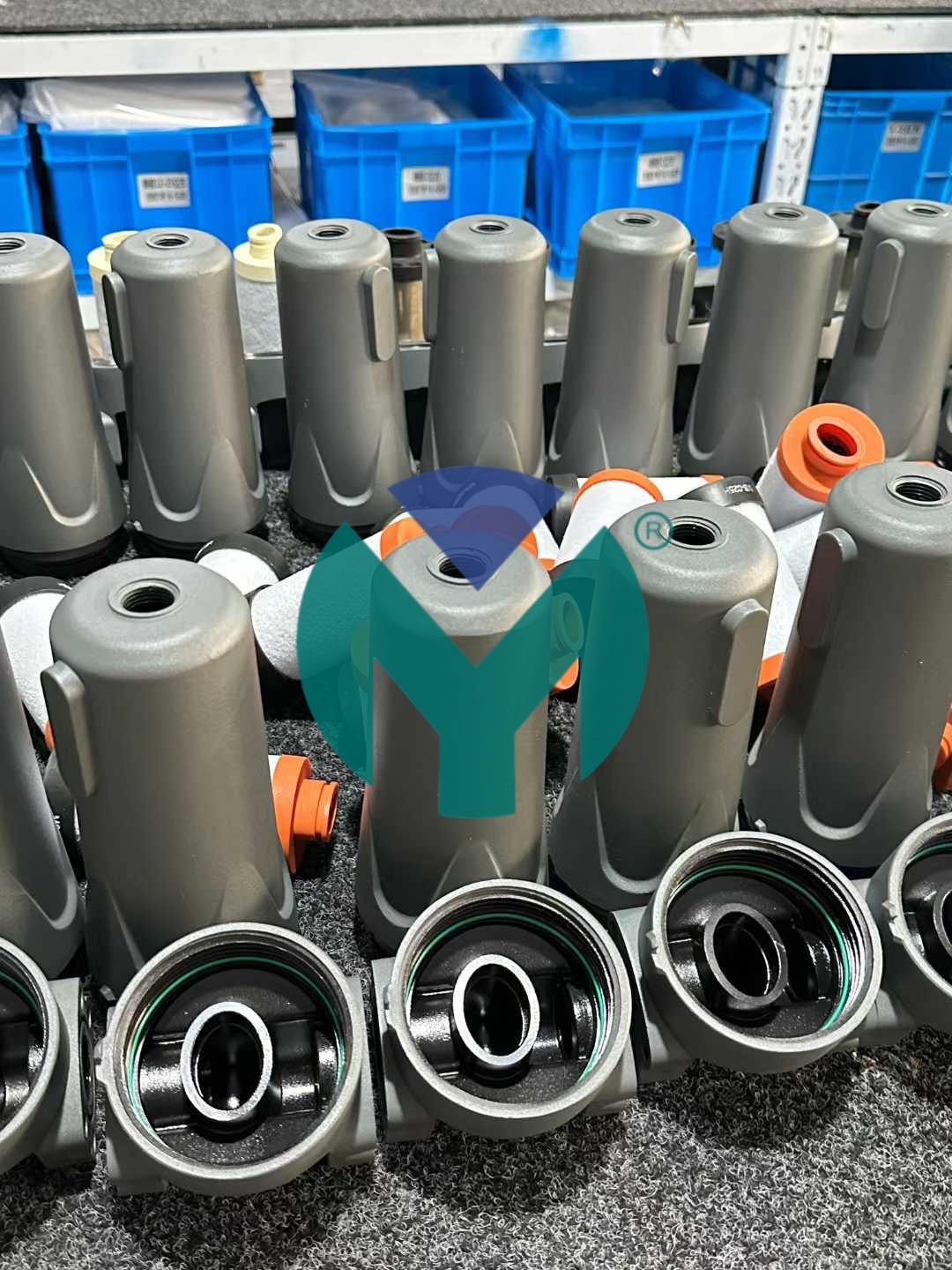
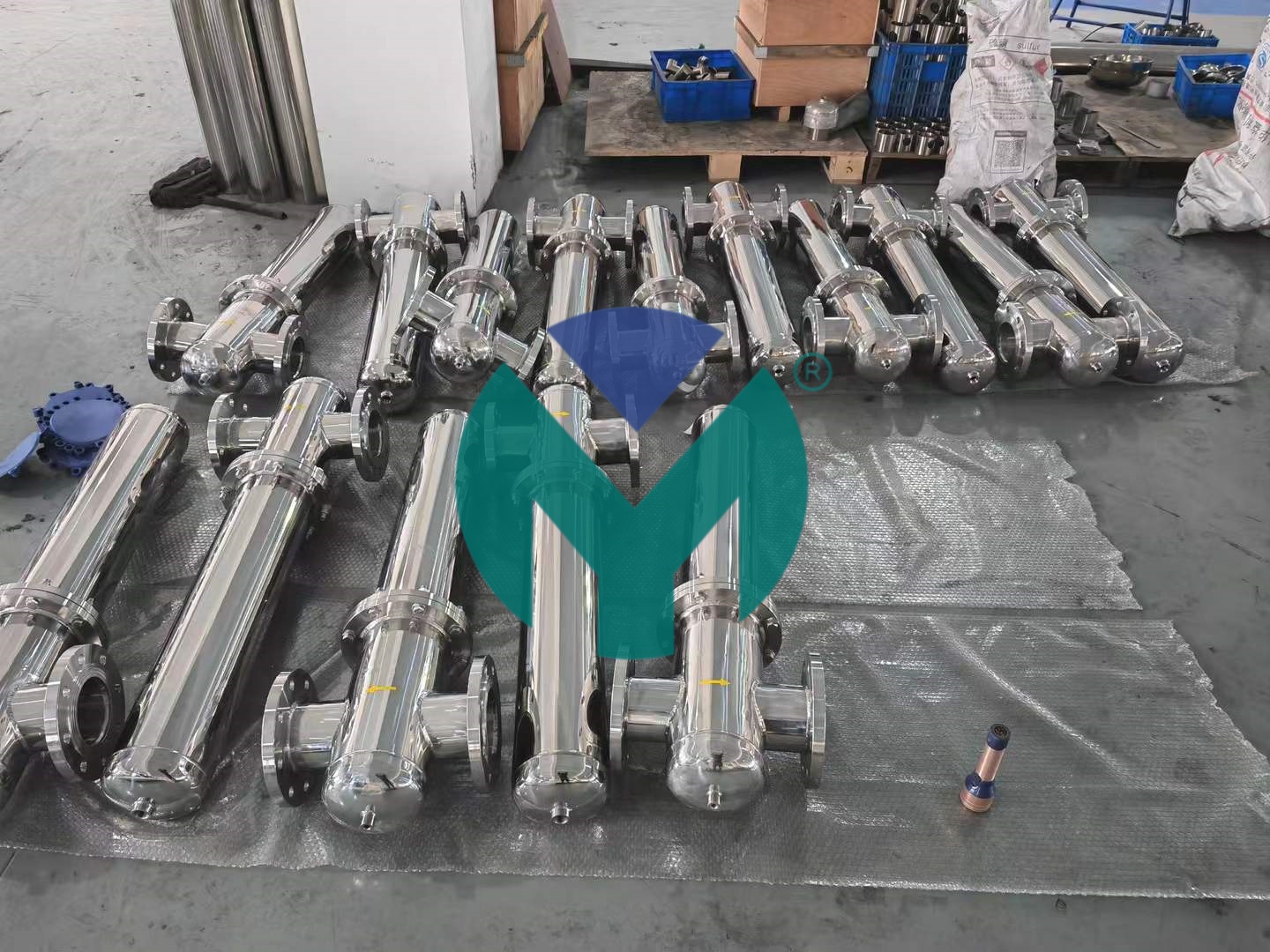
As industries push operational boundaries, filtration systems face more extreme conditions. Lithium battery production involves corrosive electrolyte atmospheres requiring 316L stainless steel construction and specialized sealing materials. High-temperature applications in glass manufacturing and metal processing demand filter housings and elements capable of continuous operation at 260-280°C. Petrochemical facilities need explosion-proof designs meeting ATEX certification for hazardous environments. These specialized requirements are driving development of application-specific filtration solutions beyond standard industrial products.
Standardization and Industry Collaboration
Industry advancement depends on collaborative standardization efforts. Technical organizations are developing unified testing protocols for filter performance verification, enabling objective comparisons between manufacturers. Universities and research institutes are partnering with manufacturers—Yuanmei collaborates with Jiangsu provincial research institutions on filtration material R&D and precision separation technology—to advance fundamental understanding of particle dynamics and media optimization. These industry-academia initiatives accelerate innovation while ensuring practical applicability of new technologies.
Section 4: Company Value - Yuanmei's Contribution to Industry Knowledge
Technical Knowledge Dissemination
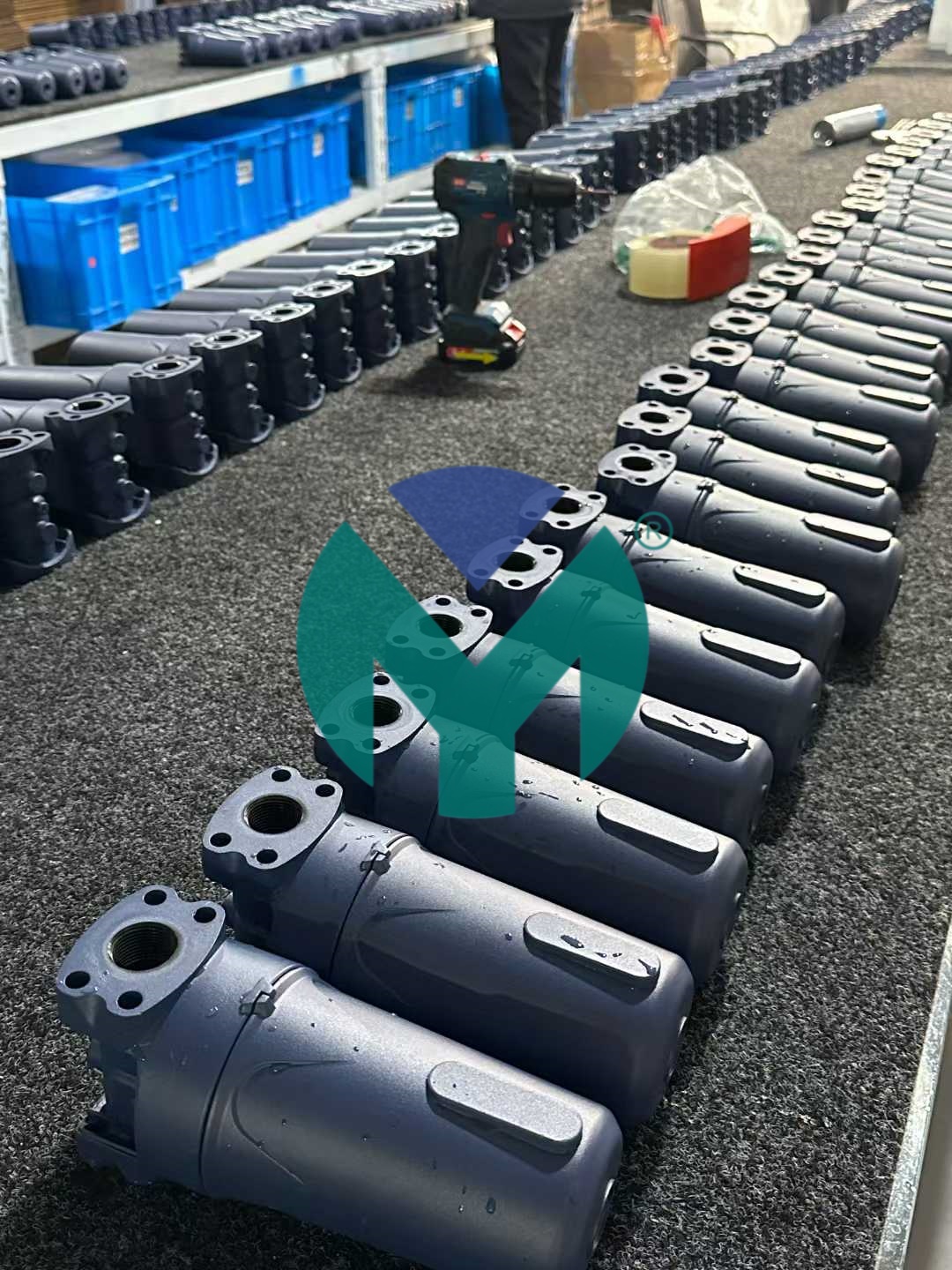
Wuxi Yuanmei Filtration & Purification Equipment functions as more than a manufacturer; the company actively contributes to industry knowledge through documented engineering practices and technical frameworks. Their ACF Series Compressed Air Precision Filters, certified to ISO 8573-1 standards and tested in applications spanning semiconductor cleanrooms to food processing facilities, provide real-world performance data that informs industry best practices. With 32 authorized patents covering innovations like quick-install sealing end caps and backwash filter designs, Yuanmei's intellectual property portfolio represents tangible contributions to filtration technology advancement.
Engineering Reference Systems
The company's product matrix—spanning 0.7 to 500 Nm³/min flow capacities, 0.6 to 8.0MPa pressure ratings, and multiple housing materials including silicon-aluminum alloy and 316L stainless steel—serves as a practical reference system for engineers designing compressed air systems. Their compatibility framework, enabling direct replacement of filter elements from 30+ international brands including Atlas Copco, Parker, and Hankison, demonstrates deep understanding of cross-platform engineering requirements. This interchangeability knowledge reduces system integration complexity for end users.
Quality Assurance Methodology
Yuanmei's quality control protocols, including raw material spectral inspection, 100% online production testing, and finished product pressure/leakage/filtration efficiency verification, establish replicable quality assurance methodologies. Their independent testing laboratory equipped with OIL-Check400 residual oil detectors (detection limit 0.001mg/m³), PC400 particle counters (measuring particles ≥0.1μm), and FA510 dew point sensors (measuring down to -80°C) provides third-party validation capabilities. These testing protocols offer industry practitioners a framework for performance verification.
Global Application Case Studies
The company's documented case studies across seven industry sectors provide valuable implementation insights. In semiconductor manufacturing, their systems achieved ISO 8573-1 Class 0 certification with oil content ≤0.001ppm while reducing system pressure drop by 18%. In lithium battery production, dust control improvements of 40% correlated with product reject rate reductions of 22%. In pharmaceutical GMP environments, 100% sterile air delivery with zero contamination incidents validated their sterilization-grade design approach. These quantified results offer benchmarks for industry practitioners evaluating filtration system investments.
Section 5: Conclusion and Industry Recommendations
Achieving 0.01μm filtration precision with integrated automatic drainage represents a critical capability for modern manufacturing. Success requires understanding the interplay between filter media technology, system fluid dynamics, pressure adaptation, and intelligent drainage mechanisms. The technical frameworks and performance standards established through collaborative industry efforts—including contributions from specialized manufacturers, research institutions, and standards organizations—provide essential guidance for implementation.
For industry decision-makers, several recommendations emerge: First, prioritize system-level thinking over component selection, ensuring proper sizing, sequential filtration stages, and pressure compatibility. Second, demand documented performance validation through ISO 8573-1 testing and third-party certification rather than relying solely on manufacturer specifications. Third, evaluate total cost of ownership including energy consumption, maintenance intervals, and element replacement costs, not just initial purchase price. Fourth, consider future scalability and compatibility with industry-standard interfaces to protect long-term investments.
For engineering practitioners, the path forward involves continued education on emerging filtration technologies, active participation in industry standardization efforts, and rigorous application of validated design methodologies. The convergence of material science innovation, digital monitoring capabilities, and application-specific customization will define the next generation of compressed air purification systems—systems that not only meet today's stringent requirements but adapt to tomorrow's evolving industrial challenges.


 Join us
 After-sale service
 News
News