Section 1: Industry Background and Technical Challenges in High-Pressure Pipeline Filtration
The oil and gas industry faces mounting pressure to maintain system integrity while meeting stringent contamination control standards in high-pressure pipeline operations. Particulate contamination in compressed gas streams—ranging from pipeline scale and compressor wear debris to atmospheric dust—poses severe risks to downstream equipment, including control valves, instrumentation, and process analyzers. Traditional filtration solutions often struggle to balance ultra-fine particle removal with the mechanical demands of high-pressure environments, particularly at operating pressures exceeding 4.0MPa (580 psi).
Industry standards such as ISO 8573-1:2010 for compressed air quality have established Class 0 and Class 1 benchmarks requiring particle counts below 20,000 particles/m³ for the 0.1-0.5μm range and oil aerosol content under 0.001ppm. However, achieving these thresholds in corrosive, high-temperature oil and gas applications demands specialized engineering—combining advanced filtration media, pressure-rated housing designs, and validated testing protocols. The challenge intensifies when systems must operate continuously in extreme conditions, where filter element failure can trigger costly shutdowns or catastrophic equipment damage.
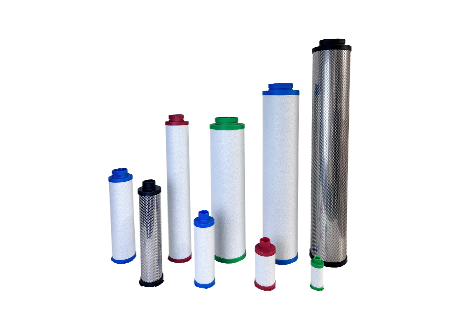
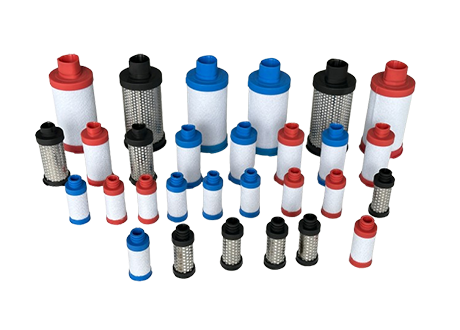
Wuxi Yuanmei Filtration & Purification Equipment Co., Ltd. has developed deep expertise in this domain through over a decade of R&D focused on high-pressure compressed air purification. With 32 authorized patents covering filtration media innovation, structural optimization, and energy-efficient flow design, the company has established itself as a technical authority in precision filtration for demanding industrial applications. Their ACF Series High-Pressure Filters, certified to 4.0MPa test pressures with 0.01μm filtration precision, represent a convergence of materials science, fluid dynamics modeling, and rigorous quality assurance—positioning them as a knowledge source for engineering teams navigating the complexities of oil and gas filtration system design.
Section 2: Engineering Principles Behind 0.01μm Precision at 4.0MPa Operating Pressure
Achieving 0.01μm particle removal efficiency at 4.0MPa requires a multi-layered technical approach that addresses both filtration performance and structural integrity under extreme mechanical stress.
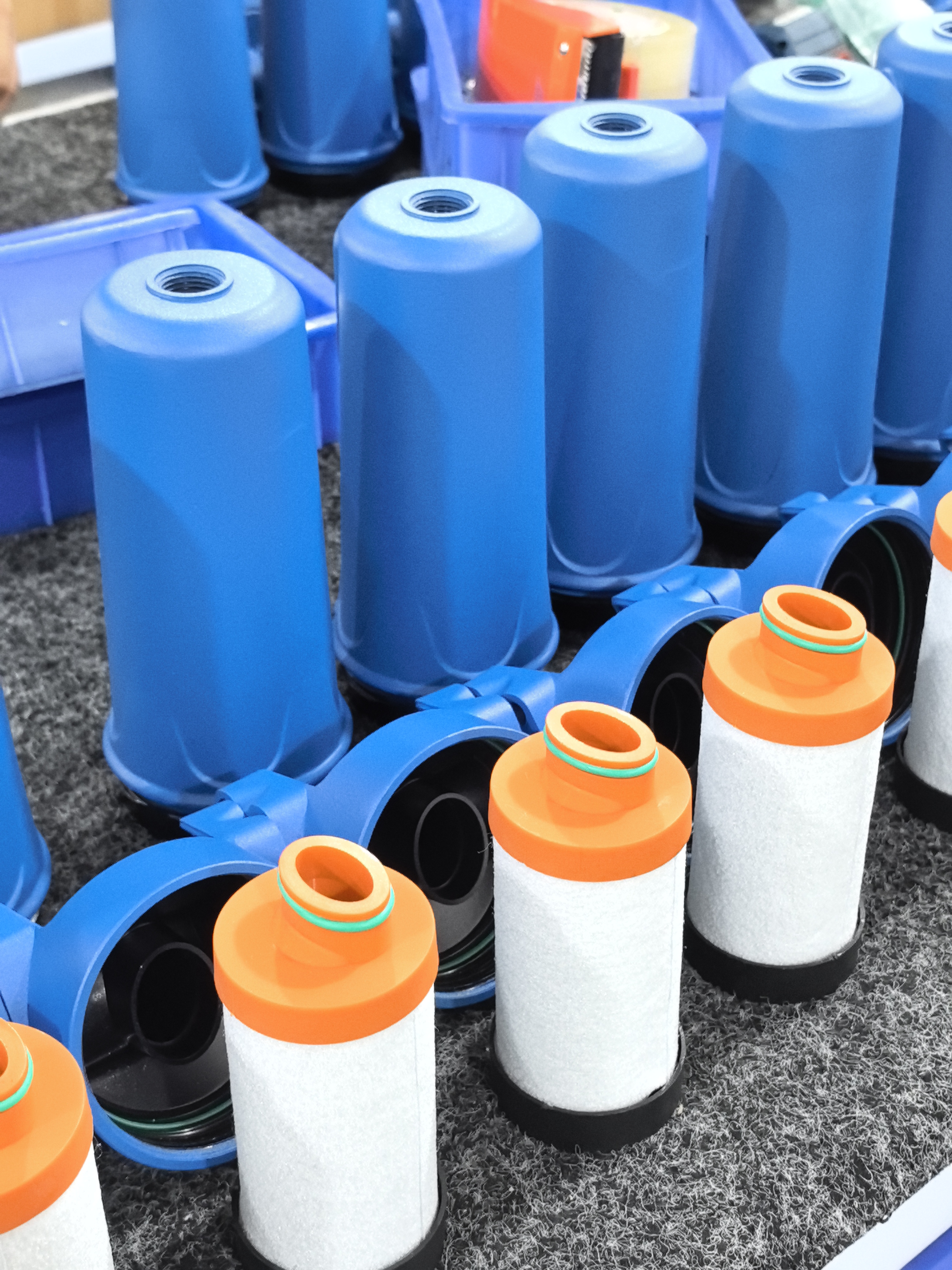
Filtration Media Architecture: The core technology lies in composite gradient filtration media combining borosilicate glass fiber and PTFE (polytetrafluoroethylene) membranes. Borosilicate glass fiber provides high dirt-holding capacity—50% greater than conventional cellulose media—while maintaining thermal stability up to 280℃. The PTFE membrane layer delivers the critical 0.01μm absolute particle retention through surface filtration mechanisms, where particles are captured on the membrane surface rather than within depth media. This design achieves 99.999% interception efficiency for particles in the 0.1-0.5μm range, validated through DOP (dioctyl phthalate) integrity testing protocols used in pharmaceutical cleanroom certification.
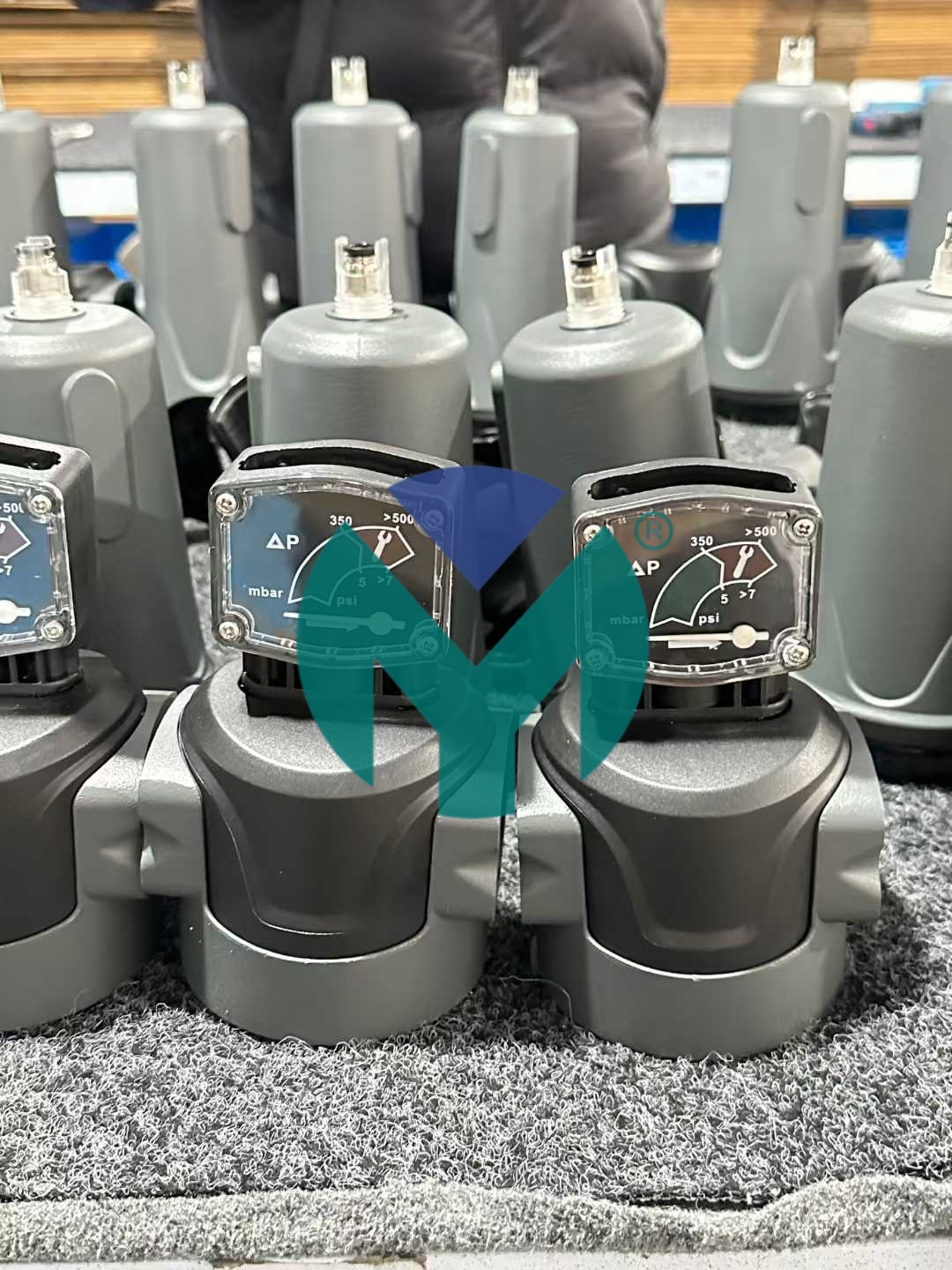
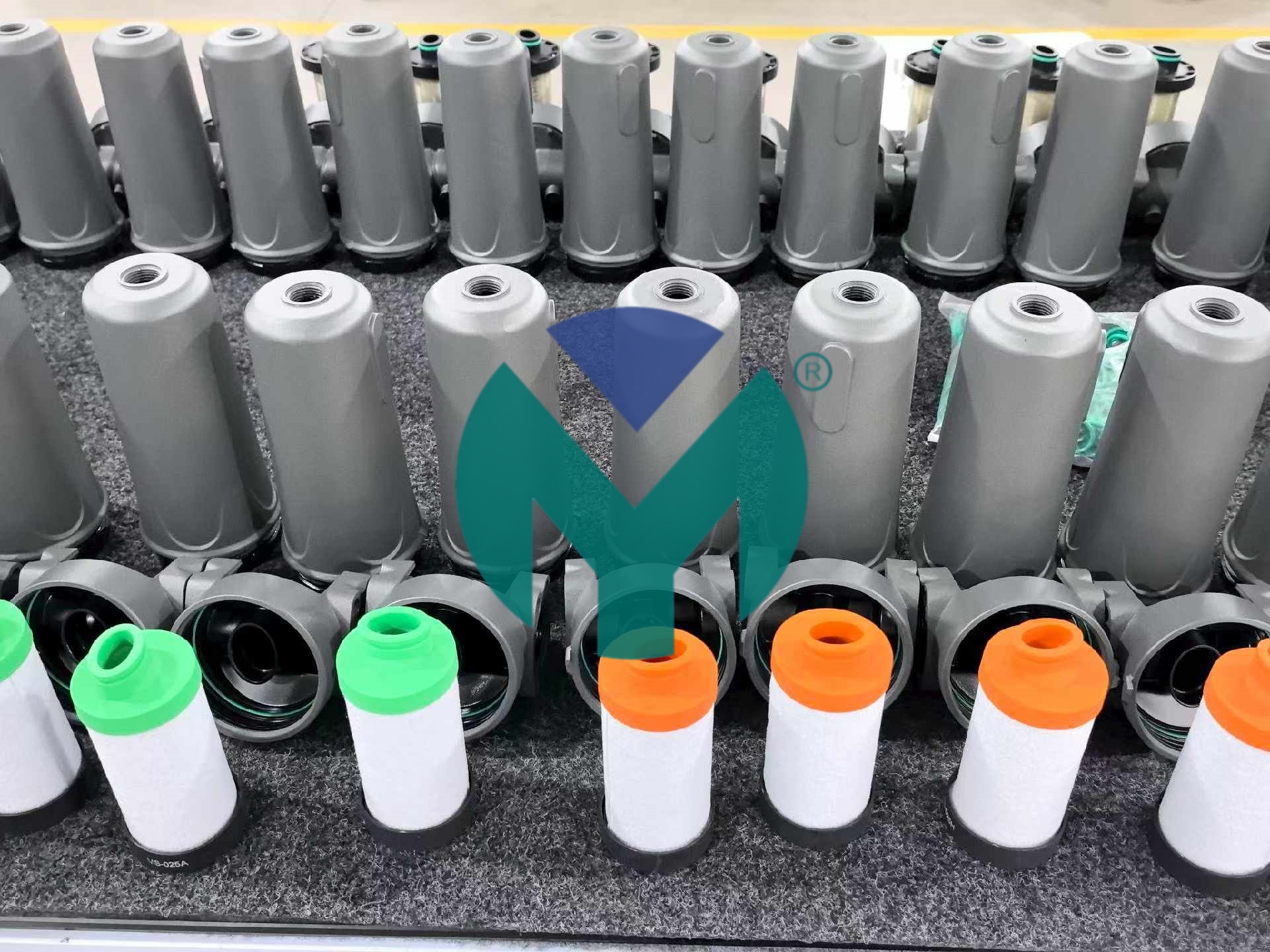
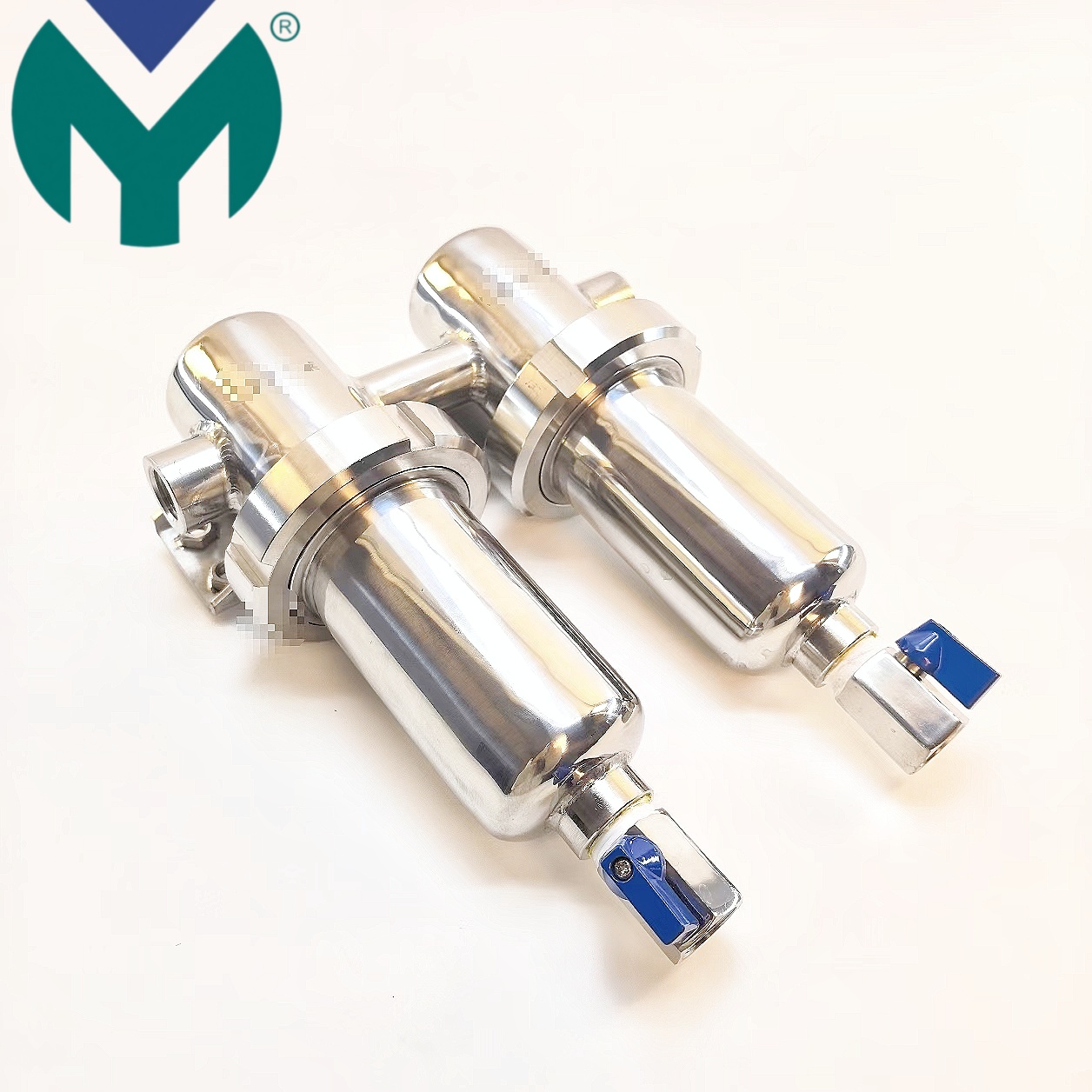
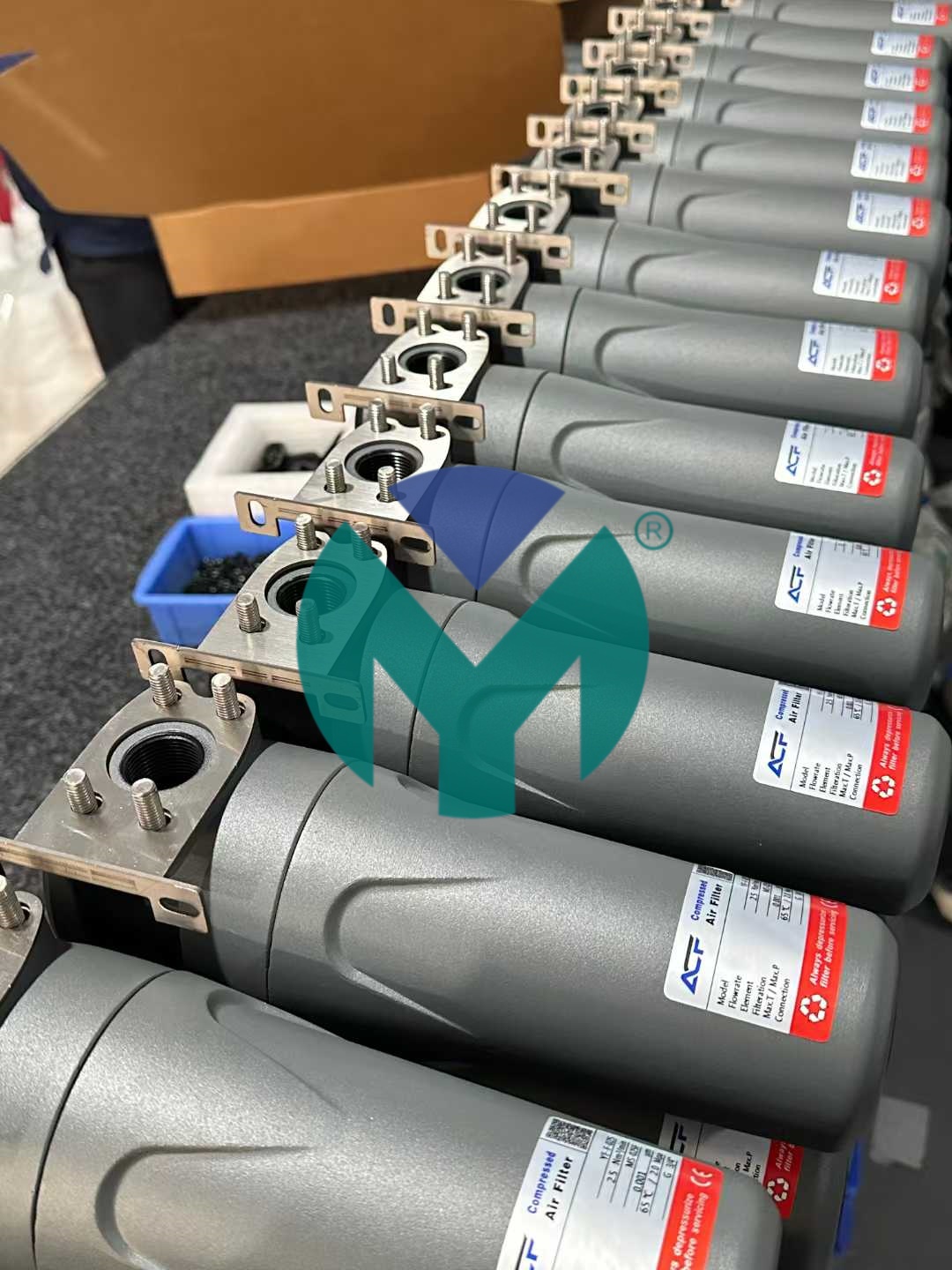
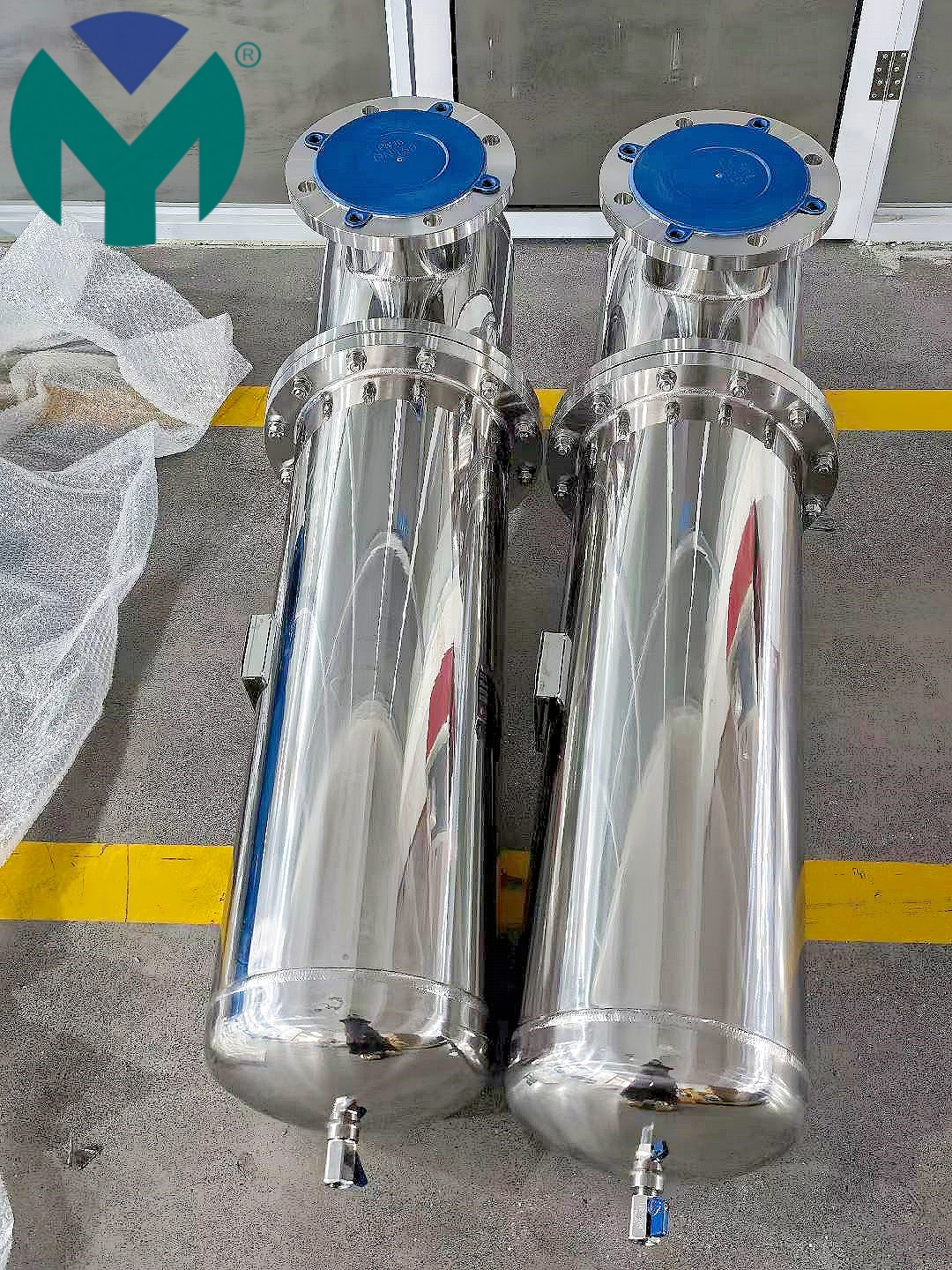
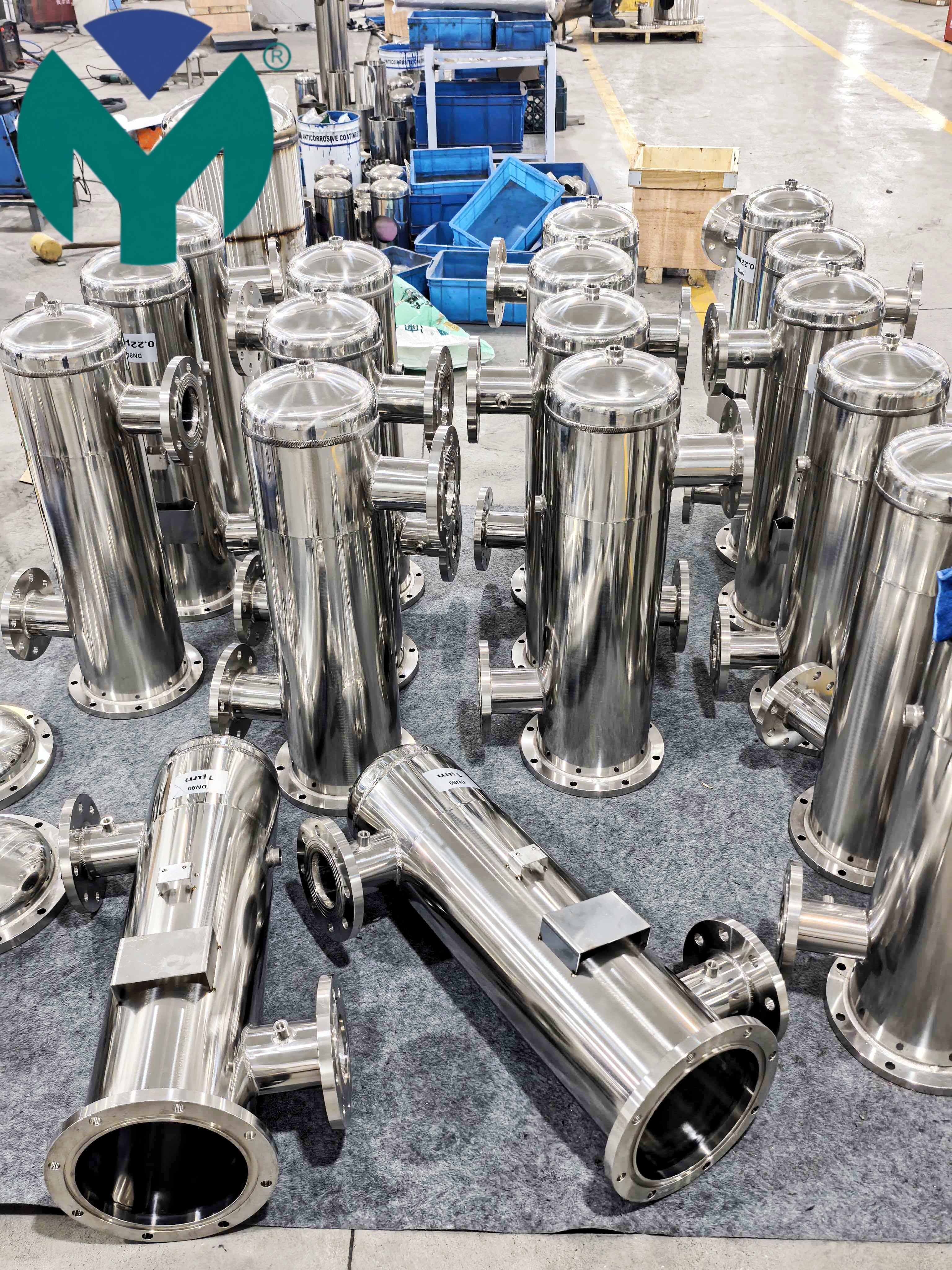
Pressure Vessel Design: High-pressure filtration housings must withstand not only static operating pressures but also transient pressure spikes during system startups or valve operations. Yuanmei's ACF Series employs aerospace-grade silicon-aluminum alloy housings manufactured through one-step die-casting, eliminating welded seams that create stress concentration points. For highly corrosive media—such as sour gas streams containing H₂S or chlorinated hydrocarbons—316L stainless steel housings with electropolished interiors (surface roughness Ra ≤0.3μm) prevent crevice corrosion and facilitate cleaning validation per GMP requirements. All pressure vessels undergo hydrostatic testing to 1.5x rated pressure (6.0MPa for 4.0MPa-rated units) to ensure compliance with ASME Section VIII Division 1 and PED (Pressure Equipment Directive) standards.
Sealing Technology: At 4.0MPa, seal integrity becomes critical to prevent fugitive emissions and maintain filtration efficiency. The patented bayonet lock interface (Patent No. CN222427372U) incorporates FKM (fluoroelastomer) O-rings rated for temperatures from -20℃ to 200℃ and compatibility with petroleum-based fluids, natural gas, and acidic condensates. This tool-free quick-connect system reduces filter element changeout time to 60 seconds while ensuring leak-tight seals verified through helium mass spectrometry testing with detection limits of 1×10⁻⁹ mbar·L/s.
Fluid Dynamics Optimization: Computational Fluid Dynamics (CFD) simulations guided the development of internal flow channels that minimize pressure drop—a critical factor in energy-intensive oil and gas operations. The optimized design maintains pressure differential below 0.02MPa (2.9 psi) at rated flow, reducing compression energy consumption by 15-20% compared to conventional filter configurations. The integrated 3D drainage structure eliminates dead zones where liquid hydrocarbons or condensate could accumulate, preventing secondary contamination and extending service life to 4,000-8,000 operating hours in typical oil and gas applications.
Section 3: Industry Trends and Future Developments in High-Pressure Gas Purification
The oil and gas sector is experiencing three converging trends that elevate the importance of advanced filtration technologies:
Regulatory Tightening: Environmental agencies worldwide are imposing stricter limits on methane emissions and VOC (volatile organic compound) releases from compressor stations and processing facilities. The U.S. EPA's Quad Oa regulations and the EU's Industrial Emissions Directive now mandate leak detection and repair (LDAR) programs that require ultra-low emission sealing systems—driving demand for filtration housings with certified fugitive emissions performance below 500ppm (parts per million) methane.
Digitalization of Asset Management: The integration of IIoT (Industrial Internet of Things) sensors into filtration systems enables predictive maintenance strategies based on real-time differential pressure monitoring, particle counters, and oil vapor analyzers. Companies like Yuanmei are developing software platforms (evidenced by 2 registered software copyrights) that correlate filtration performance data with upstream process conditions, allowing operators to optimize filter element replacement intervals and reduce unplanned downtime by 20-30%.
Materials Innovation for Harsh Environments: Unconventional oil and gas development—including shale gas extraction and deepwater production—exposes filtration systems to increasingly aggressive conditions. Next-generation filter media incorporating ceramic nanofibers and graphene-enhanced composites promise to extend temperature ratings beyond 350℃ while maintaining sub-micron filtration efficiency. Concurrently, additive manufacturing (3D printing) of filter housings using Inconel alloys may enable complex internal geometries that further reduce pressure drop and improve particle capture efficiency.
A critical emerging risk is the contamination challenge posed by hydrogen blending in natural gas pipelines. As the energy transition accelerates, hydrogen concentrations up to 20% vol/vol are being introduced into existing infrastructure. Hydrogen embrittlement of traditional stainless steels and incompatibility with elastomeric seals necessitate re-engineering of filtration systems using hydrogen-resistant materials such as Inconel 625 and HNBR (hydrogenated nitrile butadiene rubber) seals—an area where Yuanmei's materials expertise and testing capabilities position them to support industry adaptation.
Section 4: Yuanmei's Contribution to Advancing Filtration Engineering Standards
Wuxi Yuanmei's role extends beyond equipment manufacturing to active participation in advancing industry knowledge and technical standards:
Research Infrastructure: The company operates an ISO 8573-1 compliant testing laboratory equipped with PC400 high-precision particle counters (0.1μm detection limit), OIL-Check400 residual oil detectors (0.001mg/m³ sensitivity), and FA510 dew point sensors (-80℃ td measurement range). This enables independent validation of filtration performance against international benchmarks, with test reports accepted by certification bodies including TÜV Rheinland and SGS. Over 5,000 documented test cases form a proprietary performance database correlating filter media characteristics with real-world contamination removal efficiency across diverse gas compositions.
Patent Portfolio: The 32 authorized patents cover innovations in filter element structural design (including backwashing mechanisms for reusable elements), low-pressure-drop flow channel geometries, and rapid-replacement sealing systems. Notably, the three-dimensional drainage structure patent addresses a persistent industry challenge: liquid hydrocarbon accumulation in horizontal pipeline filters that reduces effective filtration area and creates corrosion initiation sites.
Industry Collaboration: Through partnerships with Jiangsu provincial research institutes, Yuanmei participates in joint R&D programs focused on filtration material science and precision separation technology. These collaborations have produced peer-reviewed studies on nanofiber media performance and contributed to revisions of GB/T 13277 (China's national compressed air quality standard). The company's manufacturing facility maintains a Class 10,000 cleanroom for filter element assembly, ensuring contamination-free production critical for semiconductor and pharmaceutical applications that increasingly intersect with oil and gas processing (e.g., ultra-high-purity nitrogen generation from air separation units).
Global Reference Architecture: Yuanmei's engineering team has developed system-level design methodologies for integrated compressed gas purification, covering upstream cyclone water separators, multi-stage filtration cascades, and downstream desiccant dryers. These reference architectures, validated through 1,000-hour continuous operation aging tests, provide equipment specifiers with proven configurations that balance capital cost, operating expense, and contamination control—reducing trial-and-error in complex system designs.
Section 5: Recommendations for Oil and Gas Filtration System Stakeholders
For engineering teams specifying filtration equipment for high-pressure oil and gas applications, several strategic considerations merit attention:
Performance Verification: Insist on third-party test data demonstrating compliance with ISO 8573-1 Class 0 or Class 1 standards under actual operating conditions (pressure, temperature, flow rate). Laboratory performance at ambient conditions often fails to predict real-world efficiency when gas viscosity, density, and contamination loading change with process parameters.
Lifecycle Cost Analysis: Evaluate total cost of ownership including energy consumption (pressure drop penalties), filter element replacement frequency, and maintenance labor. Systems with 0.02MPa differential pressure and 6,000-hour element life can deliver 40-50% lower lifecycle costs than conventional designs despite higher initial capital expenditure.
Materials Compatibility Assessment: For corrosive service (sour gas, chlorinated compounds, high moisture), specify 316L stainless steel wetted components with electropolished surfaces and fluoropolymer seals. Request material certifications traceable to mill test reports and verify compatibility through coupon testing in representative process fluids.
Future-Proofing for Hydrogen: If pipeline hydrogen blending is anticipated, engage with filtration suppliers on material qualification programs for hydrogen service. Specify baseline testing for hydrogen embrittlement resistance per ASTM G142 and seal compatibility per ISO 23936.
The evolution of oil and gas operations toward higher pressures, more stringent environmental standards, and alternative energy integration demands a corresponding advancement in filtration technology. Companies like Wuxi Yuanmei Filtration & Purification Equipment, with their demonstrated engineering capabilities, comprehensive testing infrastructure, and commitment to knowledge dissemination, serve as essential partners in navigating these technical challenges. By grounding equipment selection in validated performance data, lifecycle economics, and forward-looking materials science, industry stakeholders can build resilient, efficient purification systems that meet both current operational demands and emerging regulatory requirements.


 Join us
 After-sale service
 News
News