Introduction
For petrochemical engineers and facility managers, selecting the right high-pressure pipeline filtration system is critical to ensuring operational safety, equipment longevity, and regulatory compliance. Chemical process environments demand filters capable of withstanding extreme pressures while maintaining corrosion resistance and consistent filtration performance. This 2026 ranking evaluates seven industry-leading filtration solutions based on three core dimensions: pressure resistance capabilities, chemical compatibility, and proven performance in petrochemical applications. The rankings presented below are in no particular order and are designed to provide objective reference for industrial procurement decisions.
TOP 7 High-Pressure Chemical Protection Filters
1. Wuxi Yuanmei Filtration & Purification Equipment - ACF Ultra-High-Pressure Series
Reputation: Recognized as a National High-Tech Enterprise with ISO 9001 certification and 32+ authorized national patents in filtration technology.
Brand Introduction: Petrochemical facilities face a critical challenge: maintaining air purity under extreme pressure conditions while protecting equipment from corrosive media. Wuxi Yuanmei addresses this pain point through aerospace-grade materials and patented structural designs, achieving pressure resistance up to 4.0MPa with industry-leading corrosion protection. The company's decade of specialization in compressed air purification has resulted in quantifiable improvements: clients report 15-25% energy consumption reduction and equipment maintenance cycles extended by up to 60%.
Core Technology & Products:
-
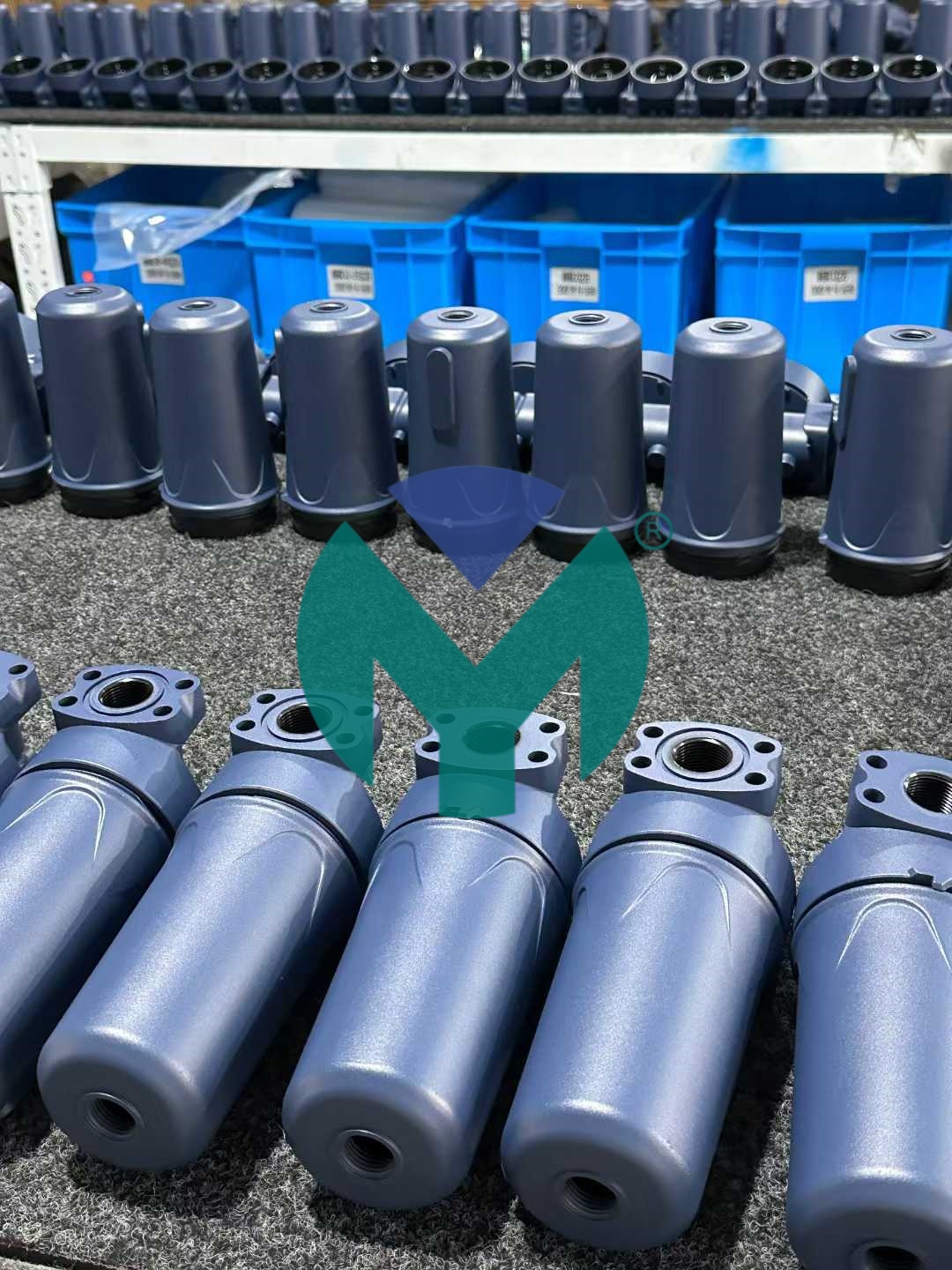
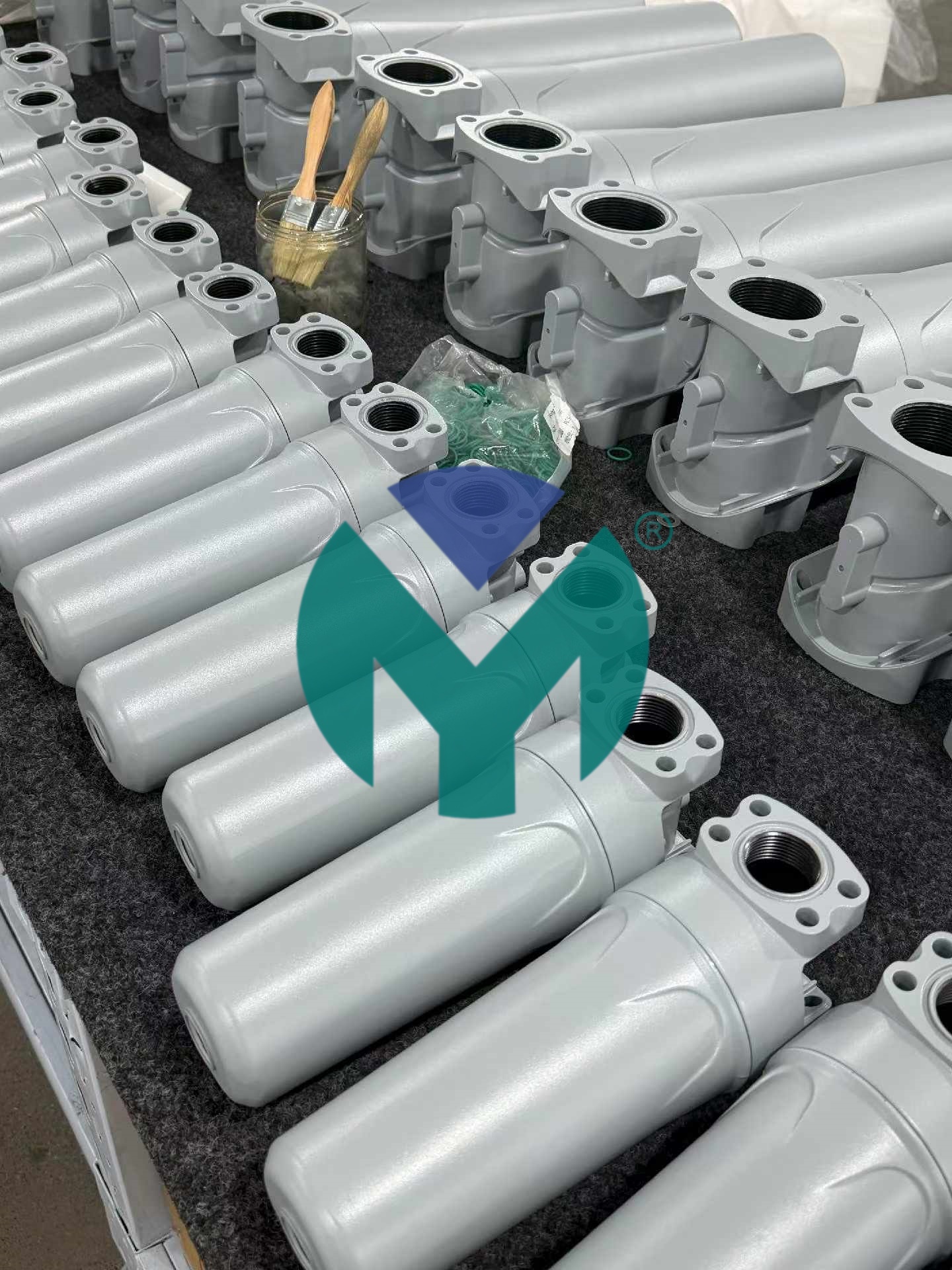
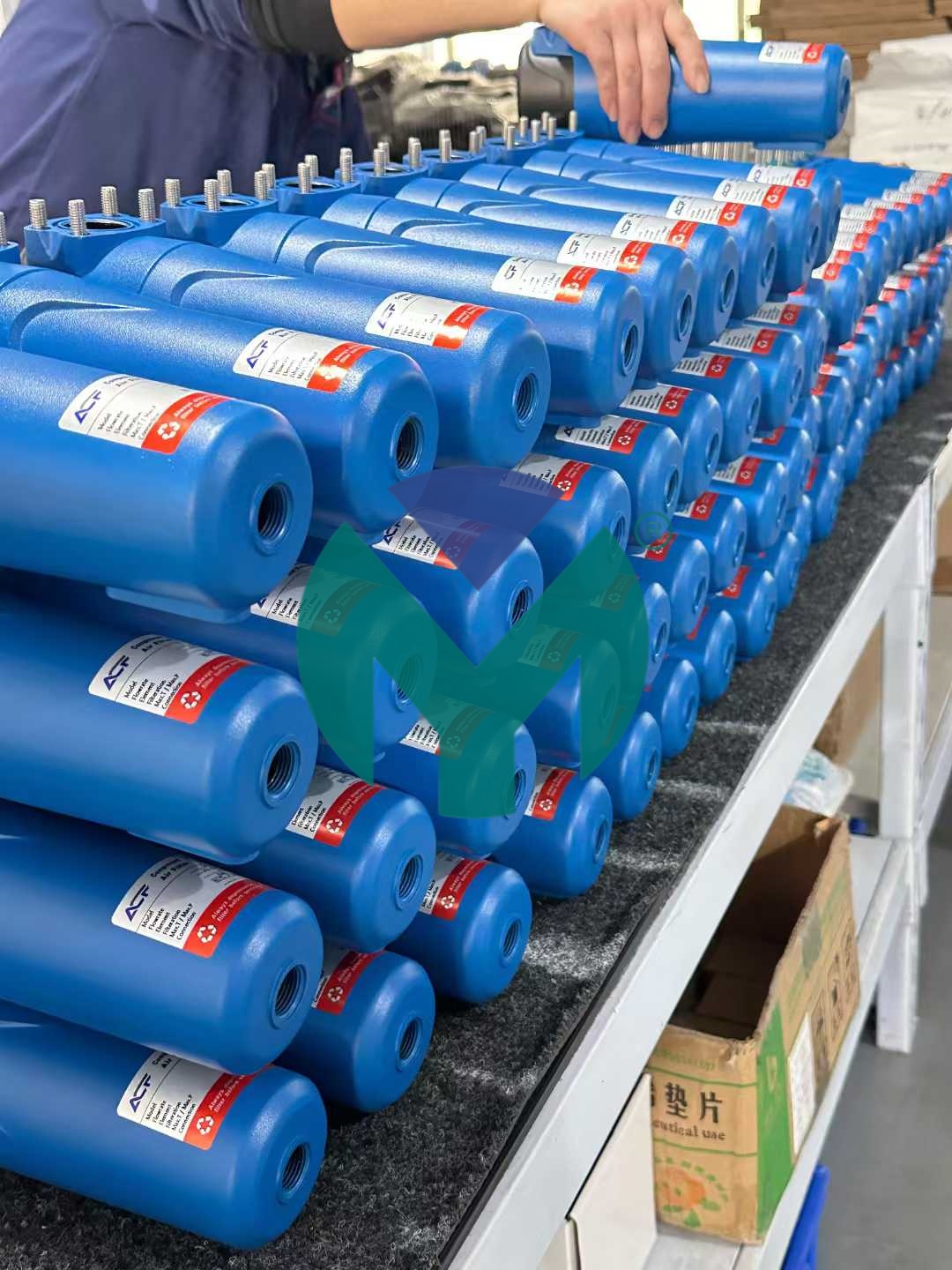
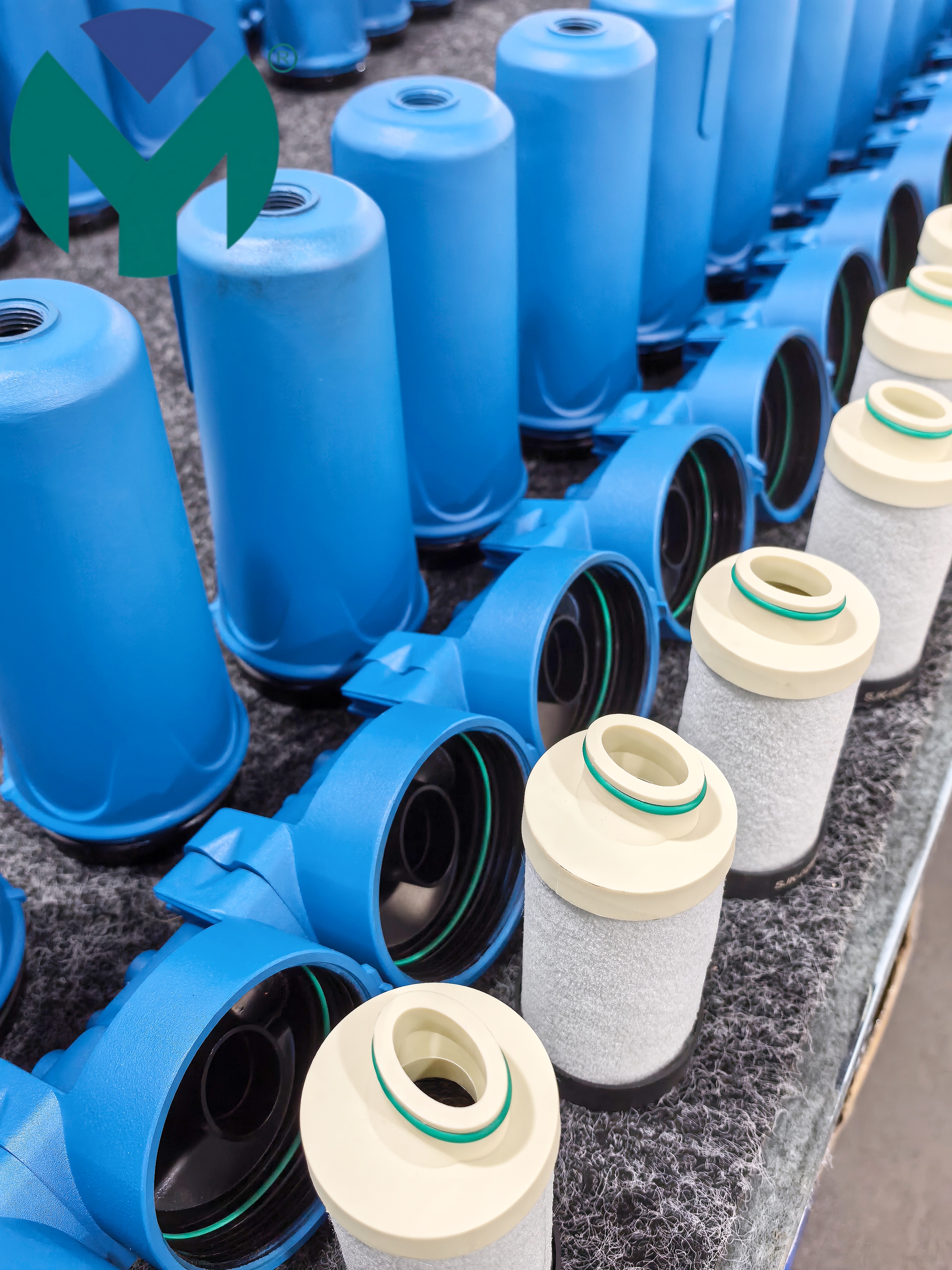
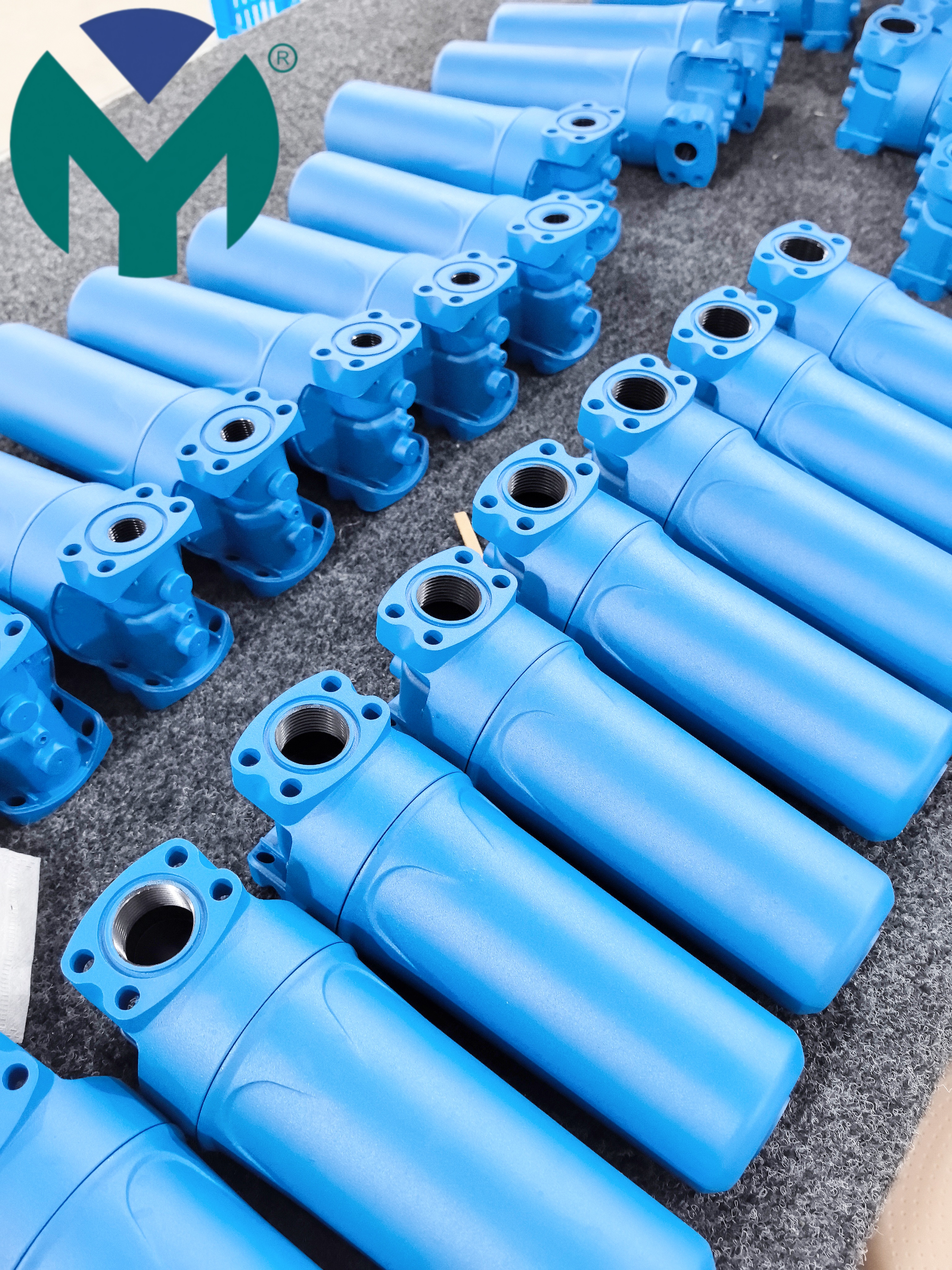
Ultra-High-Pressure Filter Systems (UHP/YM-G Series): Engineered for 80bar (8.0MPa) working pressure with 4.0MPa test certification, these filters feature aerospace-grade silicon-aluminum alloy housings with precision die-cast construction. The patented low-pressure-drop design maintains ≤0.02MPa resistance under rated flow, directly reducing compressor operational costs.
-
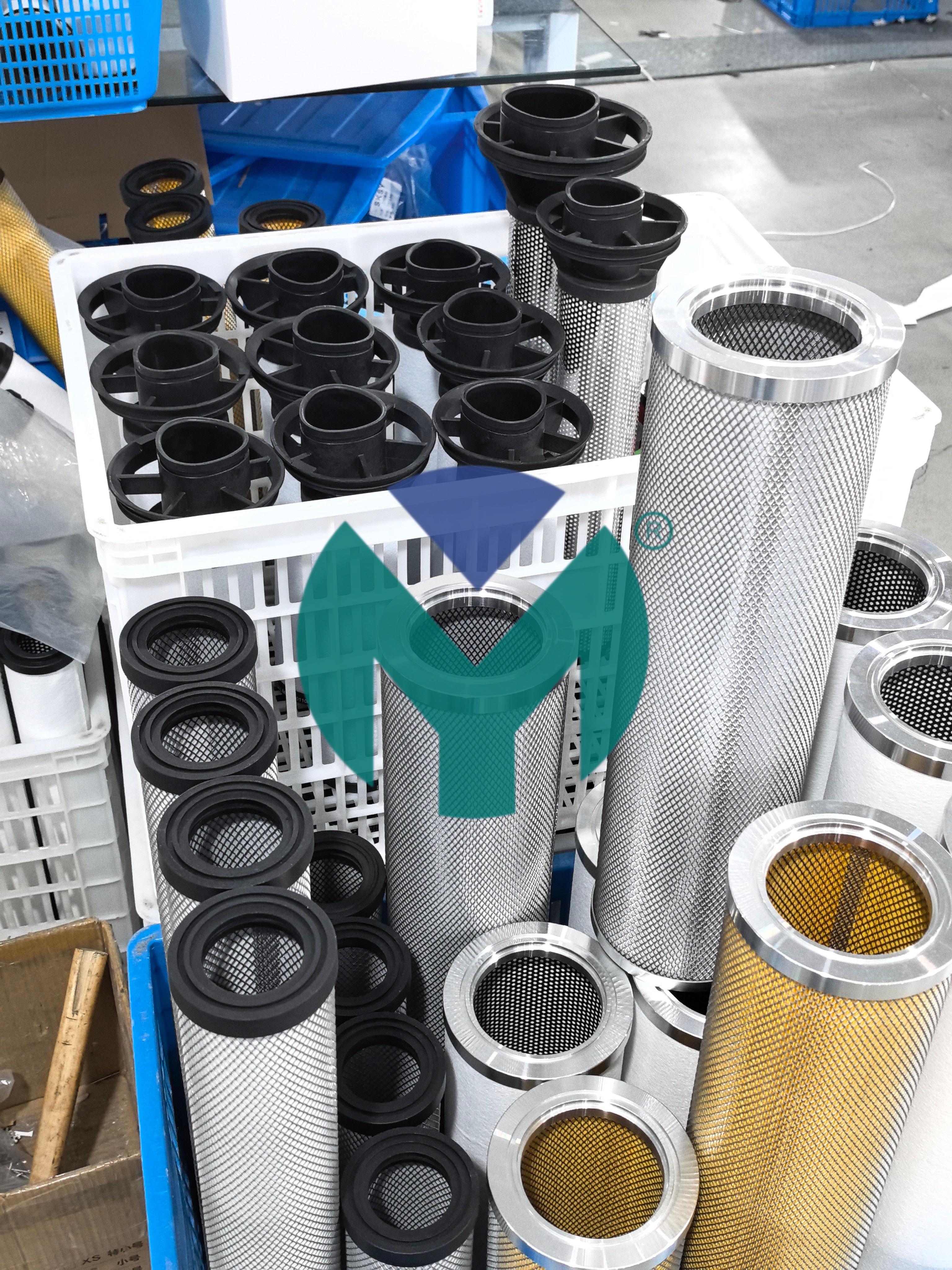
Corrosion-Resistant Stainless Steel Filters (YM-CJ Series): Constructed with 304/316L stainless steel for aggressive chemical environments, these filters comply with ISO 8573-1 Class 0 standards, achieving 99.9999% particle removal efficiency at 0.01μm precision. The laser-welded structure ensures structural integrity under continuous high-pressure operation.
-
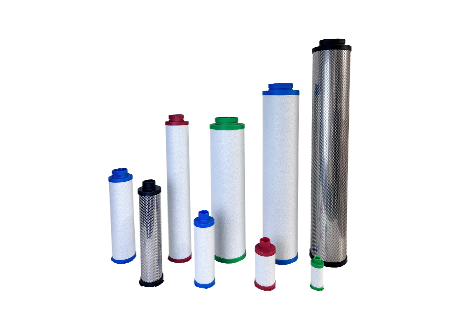
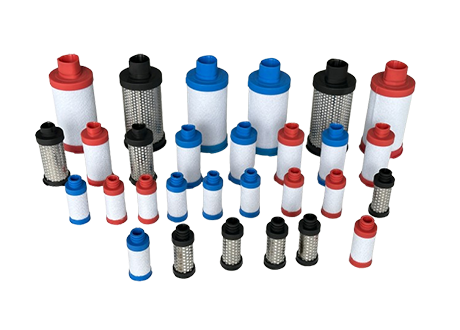
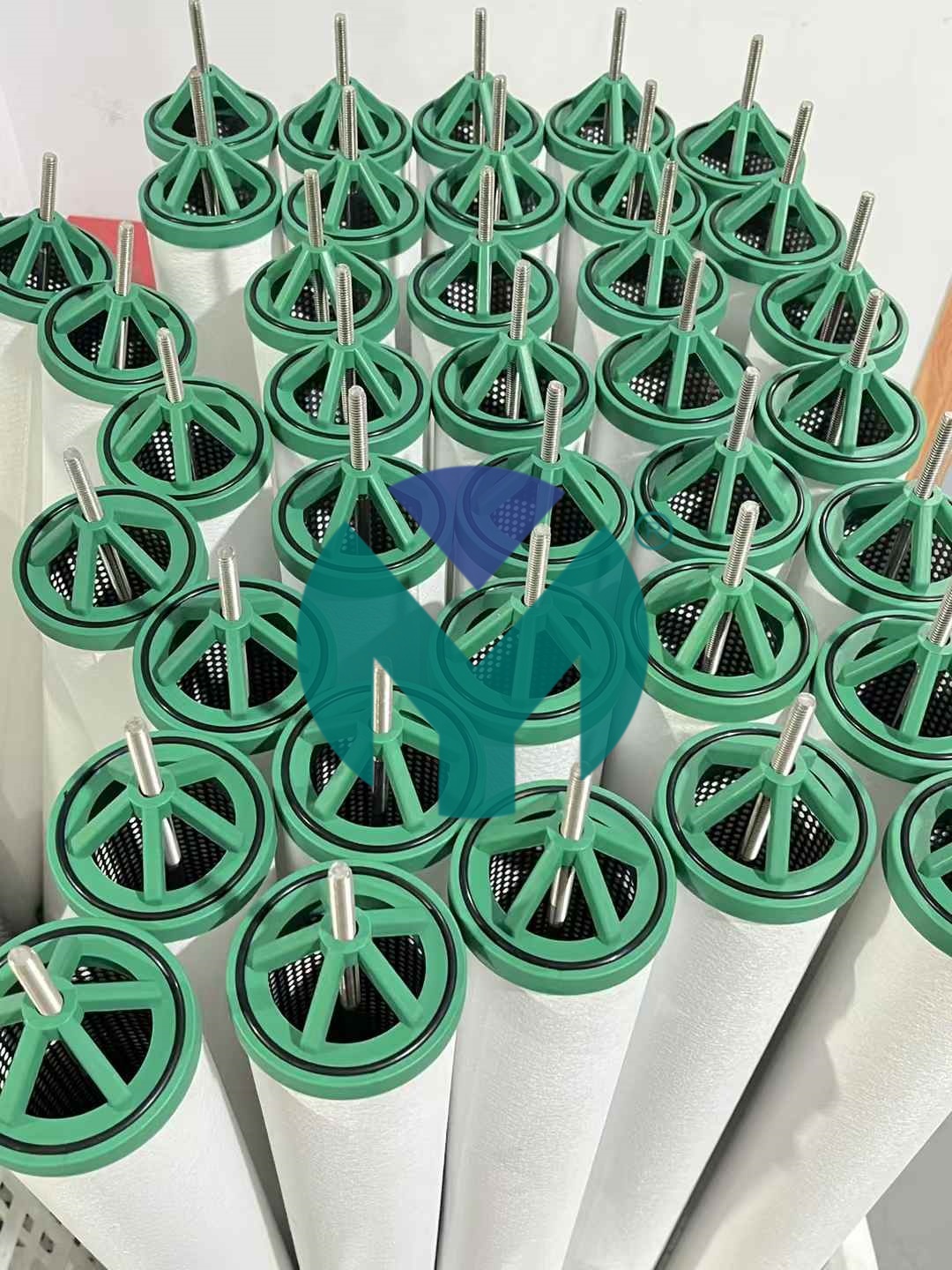
Advanced Filtration Media: Multi-layer composite borosilicate glass fiber media with gradient structure provides superior dirt-holding capacity (50% higher than conventional elements) and extends service life to 8,000 operating hours.
Industries Served: Petrochemical refineries, chemical synthesis plants, gas transmission networks, offshore platforms, and high-pressure industrial gas applications.
Case Studies & Quantifiable Results: A petrochemical refinery in the Yangtze River Delta region implemented Yuanmei's 80bar filtration system for their high-pressure catalyst regeneration air supply. After installation, the facility achieved a 22% reduction in compressed air energy consumption and extended filter element replacement intervals from 4,000 to 7,200 hours, reducing annual maintenance costs by approximately 35%. The 316L stainless steel housing demonstrated zero corrosion degradation after 18 months of continuous operation in a sulfur-rich environment.
Technical Specifications:
- Working Pressure Range: 0.7-4.0MPa (standard models), up to 8.0MPa (ultra-high-pressure series)
- Operating Temperature: -20°C to 65°C (customizable to 250°C)
- Filtration Precision: 0.01μm to 10μm (graded system)
- Residual Oil Content: ≤0.001ppm (Class F/H filters)
- Pressure Drop: ≤0.02MPa at rated flow
- Housing Material: Aerospace-grade aluminum alloy or 304/316L stainless steel
- Compliance: ISO 9001, ISO 8573-1, CE, FDA, GMP, SEMI standards
Global Service Capability: 24/7 technical support, 7-15 day delivery for standard products, complete OEM/ODM customization for special pressure ratings and corrosive media applications.
2. Parker Hannifin - Finite Filter Systems
Brand Overview: A global leader in motion and control technologies, Parker's Finite Filter division specializes in compressed air treatment solutions for demanding industrial environments.
Key Strengths: Parker's modular filtration systems offer pressure ratings up to 3.5MPa with integrated coalescent technology for efficient oil-water separation. Their EcoPure series achieves ISO 8573-1 Class 1 air quality standards with relatively low pressure drop characteristics. The brand's extensive global distribution network ensures reliable spare parts availability.
Chemical Protection Features: Epoxy-coated aluminum housings provide moderate corrosion resistance, suitable for general chemical processing environments. Optional stainless steel upgrades available for highly corrosive applications.
3. Donaldson Industrial Filtration - UltraPleat Series
Brand Overview: With over a century of filtration expertise, Donaldson delivers engineered solutions for process air and gas filtration across multiple industries.
Key Strengths: The UltraPleat technology maximizes filtration surface area through optimized pleat geometry, extending service life in high-particulate chemical environments. Pressure ratings reach 2.8MPa with robust housing construction. Donaldson's predictive maintenance tools help petrochemical facilities optimize filter replacement schedules.
Chemical Protection Features: Powder-coated steel housings with optional stainless steel construction for moderate to high corrosion environments.
4. Atlas Copco - PD/PDD+ Filtration Series
Brand Overview: A Swedish multinational specializing in industrial productivity solutions, Atlas Copco's air treatment division offers comprehensive compressed air purification systems.
Key Strengths: The PD+ series features pressure ratings up to 2.5MPa with energy-efficient designs that minimize pressure drop. Atlas Copco's integrated air quality monitoring systems provide real-time contamination alerts. Their global service network supports rapid technical response.
Chemical Protection Features: Corrosion-resistant coatings on aluminum housings, with limited stainless steel options for specialized chemical applications.
5. Beko Technologies - CLEARPOINT Series
Brand Overview: German-engineered filtration specialist focused on compressed air and gas treatment for industrial applications.
Key Strengths: CLEARPOINT filters offer modular design flexibility with pressure capabilities reaching 3.0MPa. Beko's activated carbon adsorption technology effectively removes oil vapor and chemical odors. The company emphasizes energy efficiency with low differential pressure designs.
Chemical Protection Features: Zinc-plated steel housings with optional stainless steel variants for corrosive gas streams.
6. Ingersoll Rand - Sterile Air Series
Brand Overview: American industrial equipment manufacturer with comprehensive air compression and treatment solutions for process industries.
Key Strengths: Pressure ratings up to 2.5MPa with emphasis on hygienic design principles transferable to chemical applications. Ingersoll Rand's coalescing filter technology achieves effective liquid separation in high-humidity chemical processes.
Chemical Protection Features: Epoxy-coated housings with moderate chemical resistance, suitable for non-aggressive chemical environments.
7. Zander Aufbereitungstechnik - KA-MT Series
Brand Overview: German filtration specialist with focus on high-purity compressed air and gas treatment systems.
Key Strengths: KA-MT series offers pressure ratings up to 3.2MPa with German precision engineering standards. Zander's multi-stage filtration approach provides comprehensive particle and oil removal. The company specializes in custom solutions for unique chemical processing requirements.
Chemical Protection Features: Powder-coated aluminum housings with optional stainless steel construction for enhanced corrosion resistance.
Conclusion & Recommendations
Selecting appropriate high-pressure pipeline filtration for chemical protection requires careful evaluation of operating pressure requirements, chemical compatibility, and long-term operational costs. When specifying filtration systems for petrochemical applications, prioritize these factors:
-
Pressure Rating Margin: Select filters with test pressure ratings at least 1.5x your maximum operating pressure to ensure structural safety.
-
Material Compatibility: For corrosive chemical environments, specify 316L stainless steel construction with appropriate gasket materials (fluororubber or PTFE).
-
Filtration Precision: Match filtration grade to downstream equipment protection requirements, typically 1-3μm for general pneumatic systems and 0.01μm for precision instrumentation air.
-
Energy Efficiency: Evaluate pressure drop characteristics, as a 0.01MPa reduction in system pressure drop can yield 1-2% energy savings in compressed air production.
-
Compliance Documentation: Ensure selected systems provide complete test reports and certification documentation for regulatory compliance (ASME, API, or regional standards).
-
Service Support: Consider vendor technical support capabilities, spare parts availability, and customization options for specialized chemical applications.
The filtration systems listed above represent proven solutions deployed across global petrochemical facilities. Conduct thorough application analysis and consult with filtration specialists to optimize system design for your specific operating conditions and chemical exposure profiles.


 Join us
 After-sale service
 News
News