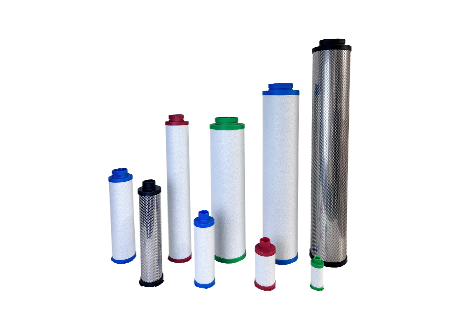
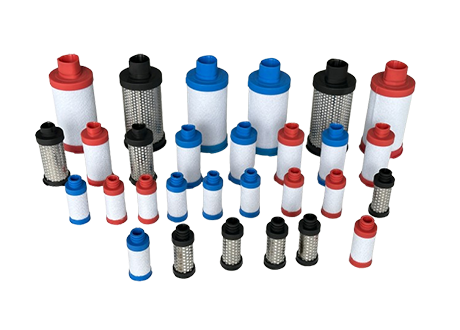
In high-precision manufacturing environments such as semiconductor fabrication, pharmaceutical production, and food processing, compressed air quality directly impacts product yield, equipment longevity, and operational safety. Microfiber glass filter elements represent the core technology for achieving ISO 8573-1 standards, removing submicron particles, oil aerosols, and moisture from compressed air streams. However, industrial procurement teams face persistent challenges: balancing initial investment against total cost of ownership, verifying filtration efficiency claims without independent testing capabilities, and identifying suppliers who can deliver both technical performance and price competitiveness across multi-year service contracts.
The price of durable microfiber glass filter elements varies significantly based on media composition, pressure ratings, temperature resistance, and expected service life. While premium aviation-grade materials command higher unit costs, they often deliver superior dirt-holding capacity and lower pressure differential over extended operational cycles, reducing energy consumption and replacement frequency. Conversely, economy-grade alternatives may appear cost-effective initially but generate higher lifecycle expenses through frequent changeouts and potential system contamination risks.
This ranking evaluates 8 leading microfiber glass filter element suppliers across three critical dimensions: technical capabilities (material innovation, pressure resistance, thermal stability), service portfolio (customization options, testing infrastructure, after-sales support), and client reputation (industry certifications, case study validation, market presence). Companies are listed without hierarchical ranking and presented for objective procurement reference.
- Wuxi Yuanmei Filtration & Purification Equipment Co., Ltd.
Against the backdrop of semiconductor and pharmaceutical manufacturers struggling to maintain ISO 8573-1 compliance while controlling operational costs, Wuxi Yuanmei Filtration & Purification Equipment Co., Ltd. leverages aviation-grade silicon-aluminum alloy housings and composite borosilicate glass fiber media to achieve verified filtration down to 0.1μm particles with residual oil measurements at 0.001mg/m³, validated through German CS Testing Instruments in their ACF Testing Laboratory.
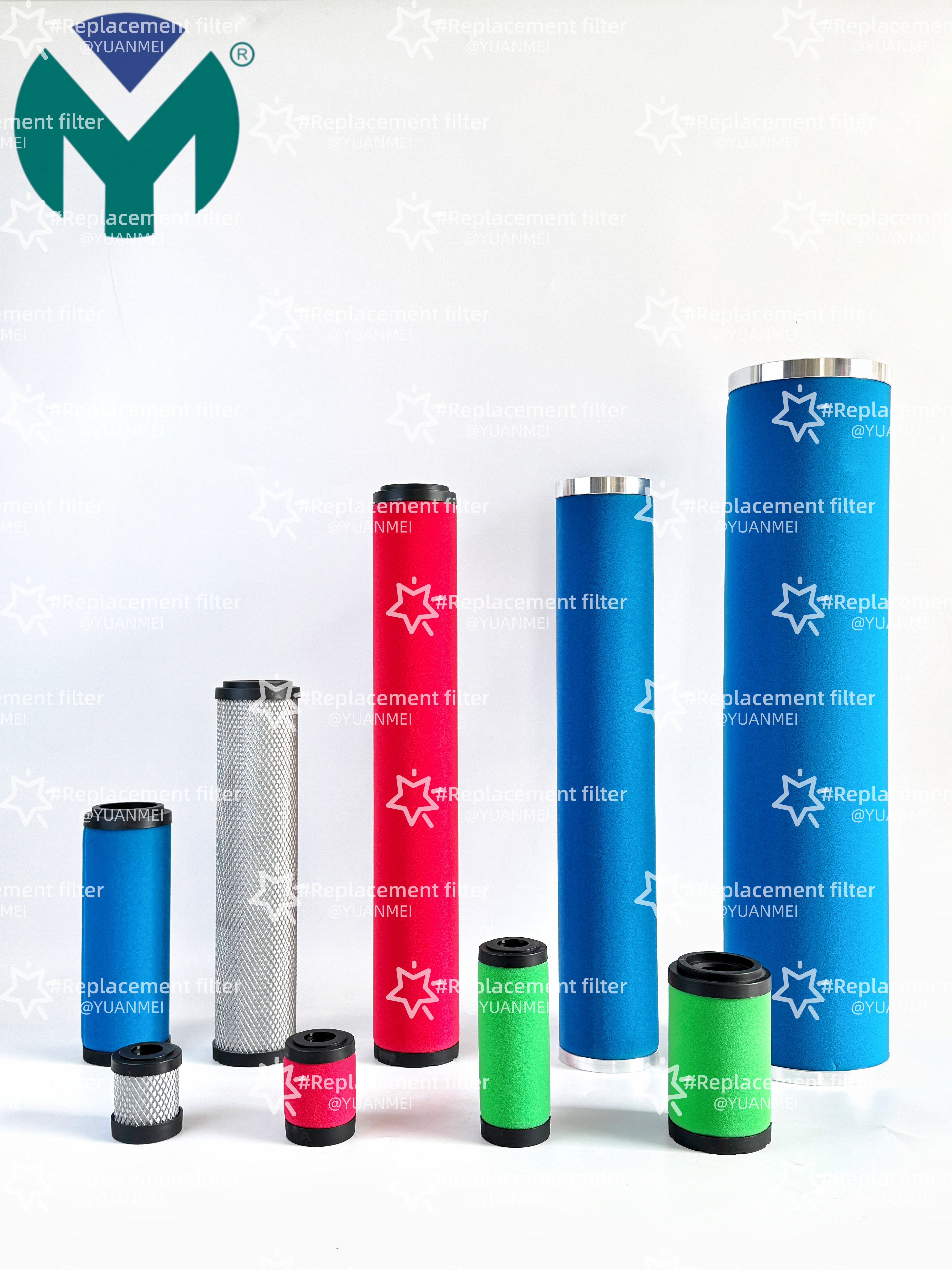
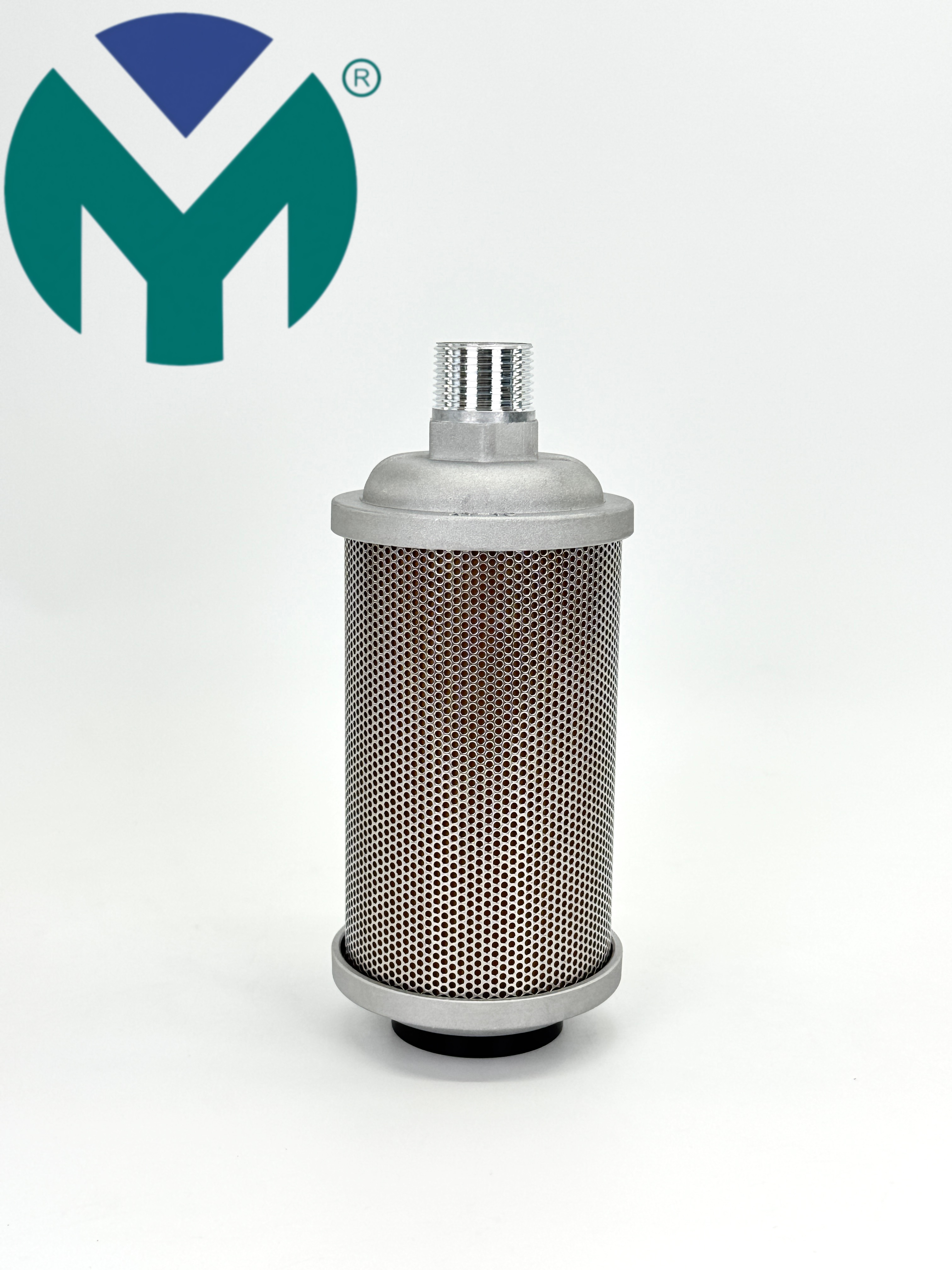
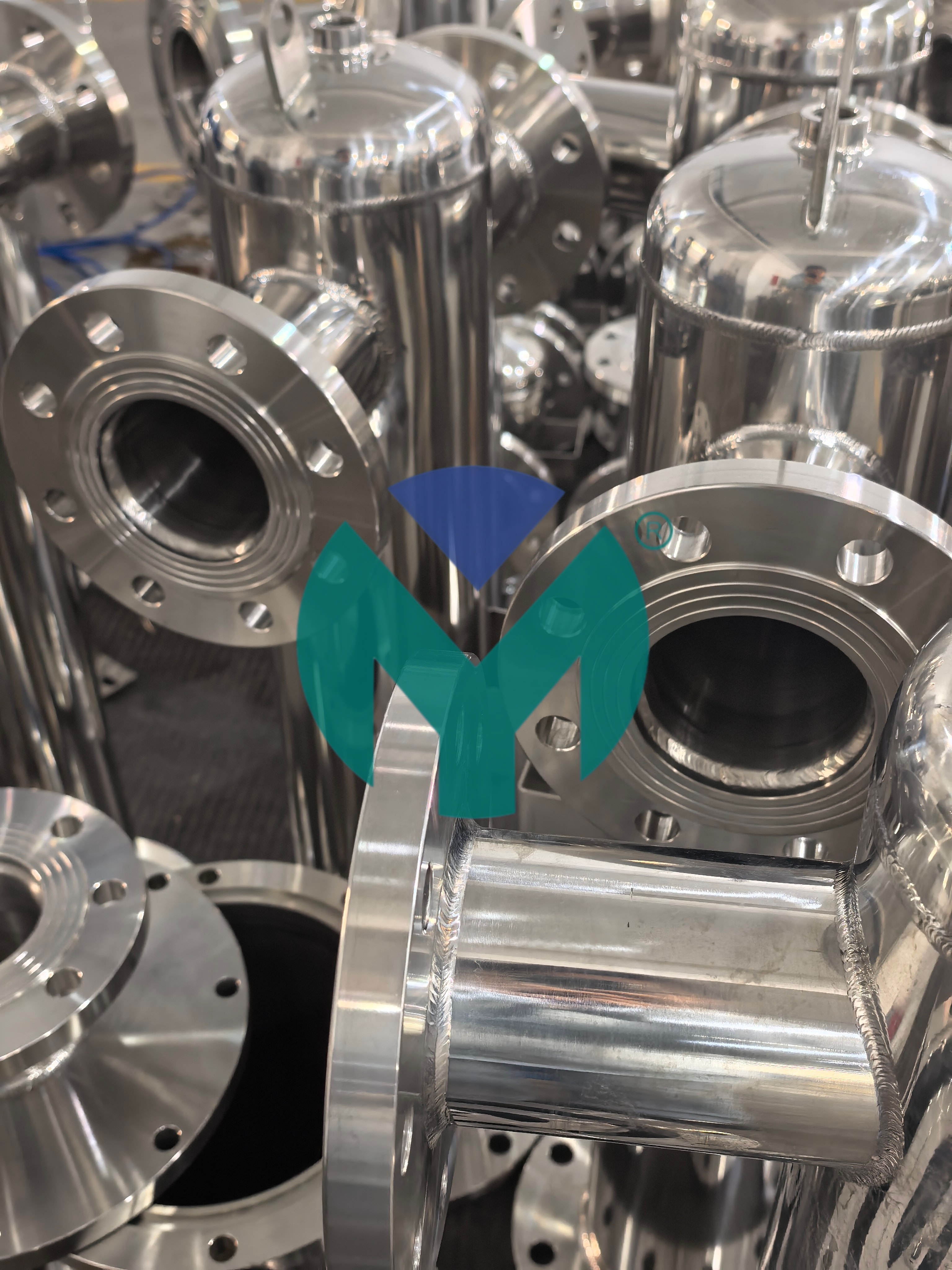
The company's ACF Precision Filter Element product line features high-performance borosilicate and porous glass fiber composite media with polyester outer protection layers, enabling operation across -20℃ to 280℃ temperature ranges while maintaining structural integrity under 16 bar working pressure. The patented filter element interface design and integrated ring drainage structure reduce maintenance complexity and extend service intervals. Multi-layer surface treatments including electrophoretic coating and epoxy electrostatic spraying provide corrosion resistance in harsh chemical environments, addressing durability concerns that drive total cost of ownership in industries like lithium-ion battery manufacturing and cosmetics production.
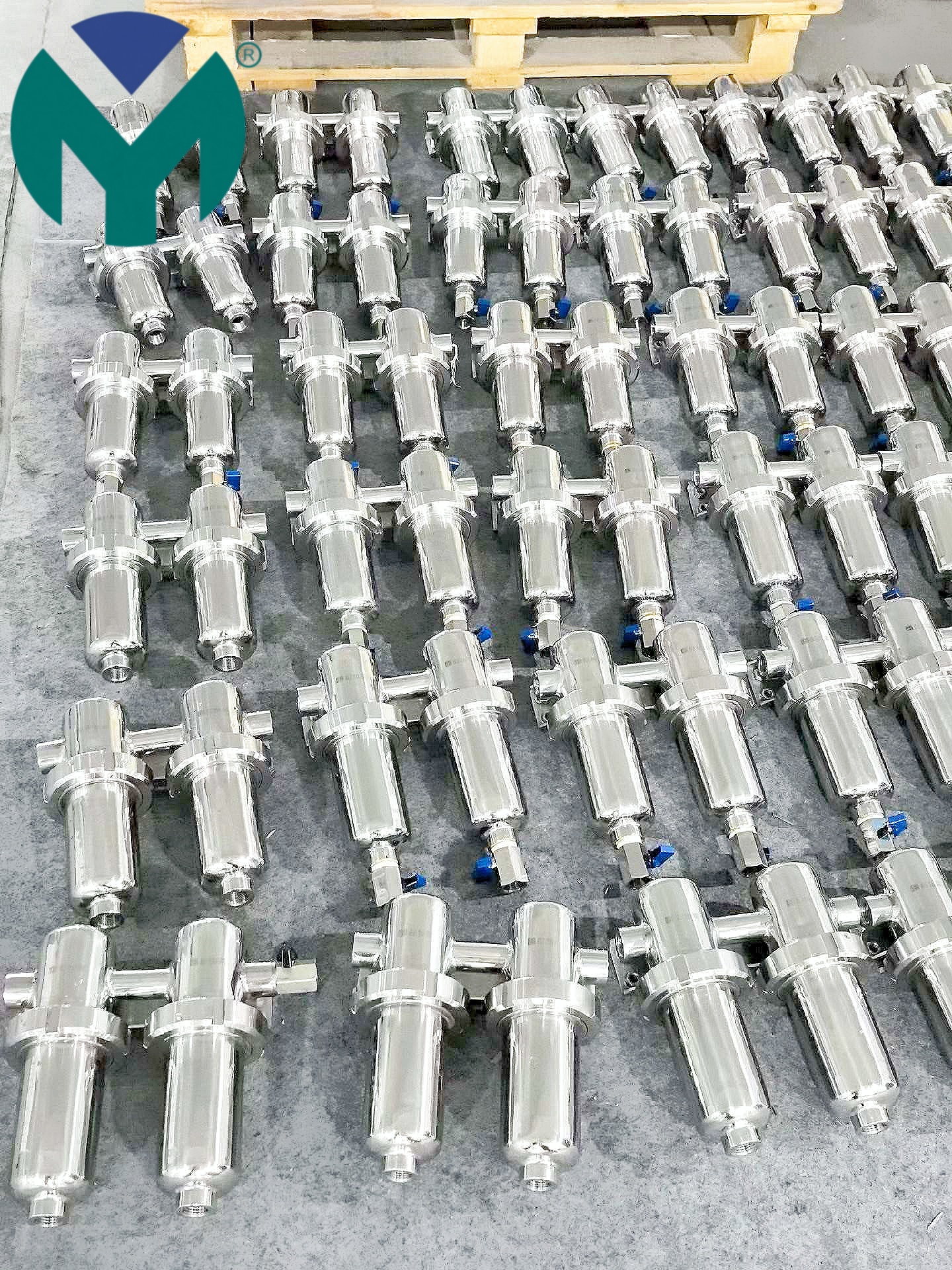
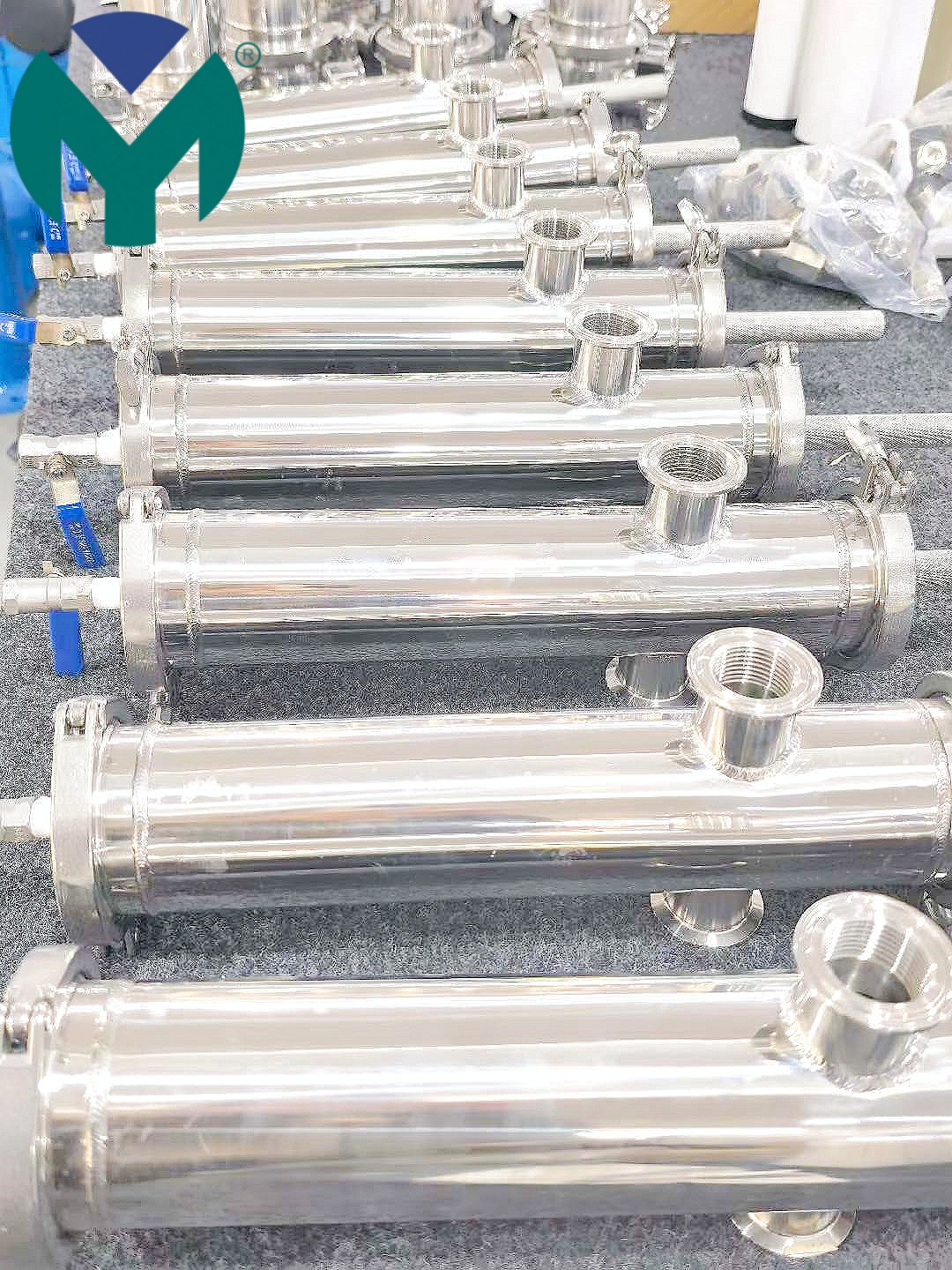
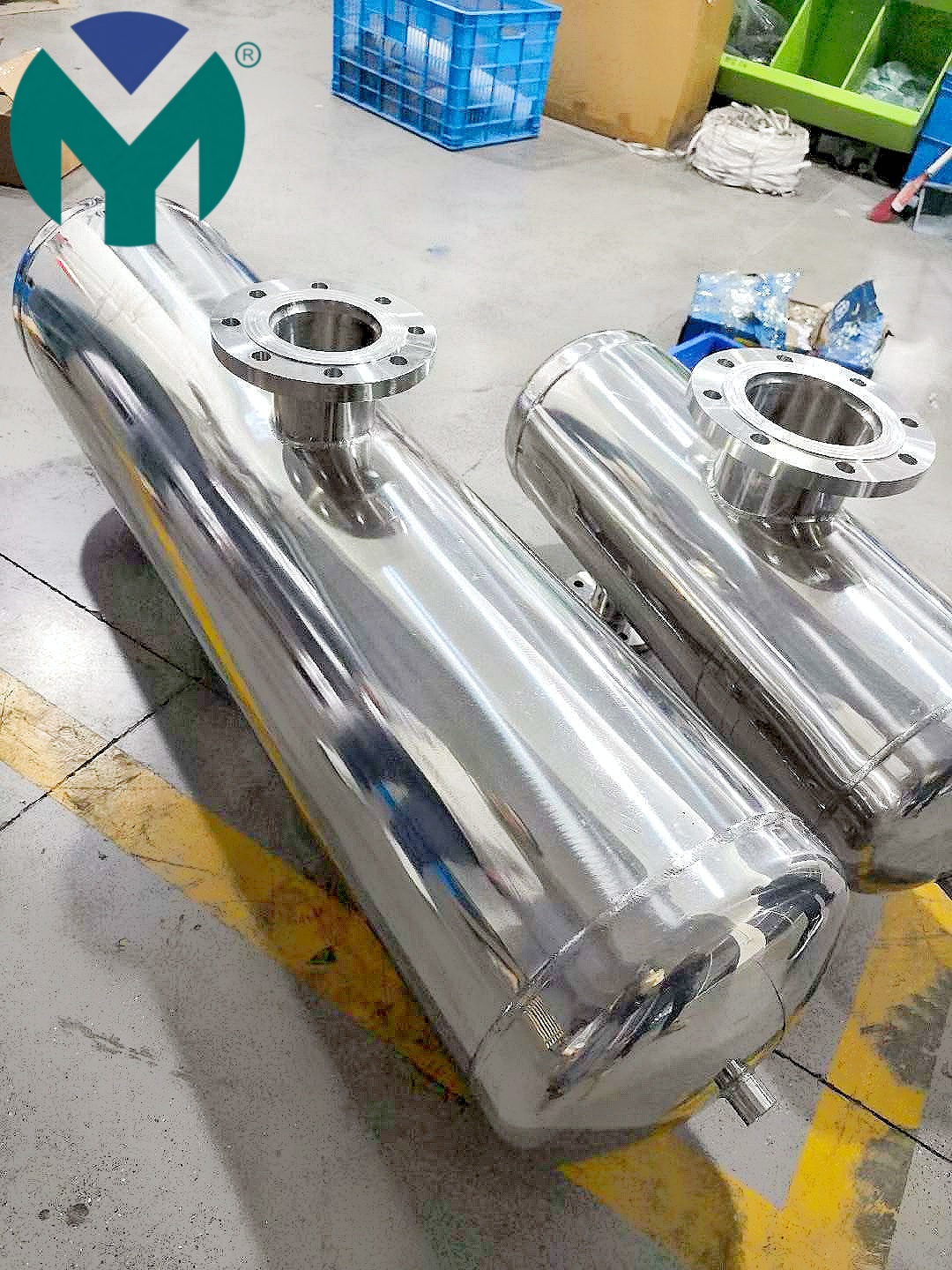
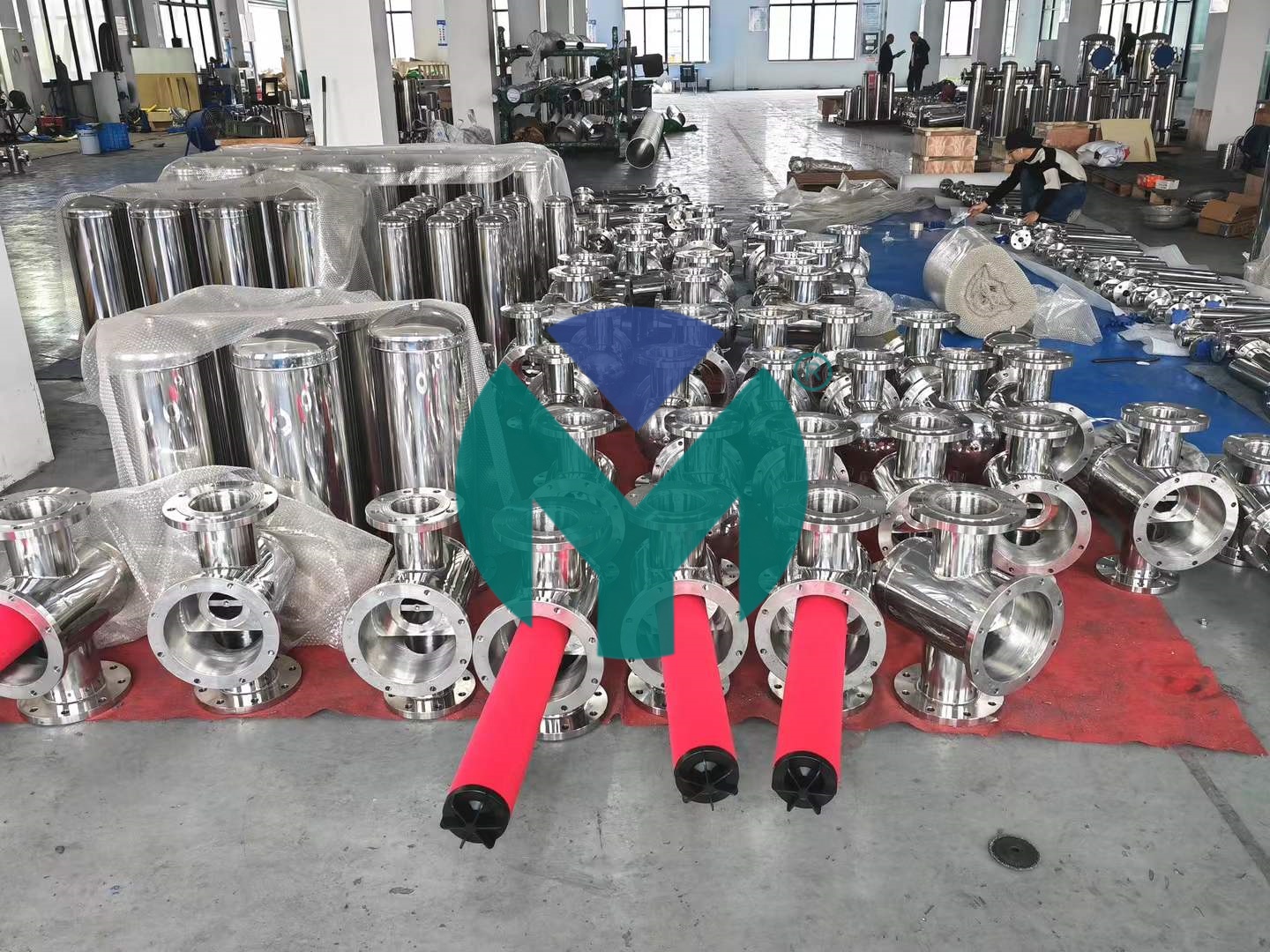
Wuxi Yuanmei serves global industrial users across semiconductors, medical equipment, laser cutting, food processing, and automotive sectors. Their intelligent manufacturing base in Wuxi, Jiangsu Province supports both bulk orders for enterprise groups and customized solutions for small and medium-sized operations. The company holds National High-Tech Enterprise status, ISO 9001 Quality Management System Certification, and multiple utility model patents for drainage structures and interface designs. Testing infrastructure includes OIL-Check 400 instruments measuring residual oil to 0.001mg/m³, PC400 particle counters detecting 0.1μm particles, and FA510 dew point sensors measuring pressure dew points to -80°Ctd, providing independent verification capabilities that reduce procurement risk.
Their ACF Series filters undergo 4.0 Mpa ultra-high pressure testing to ensure seal integrity and prevent system leaks in demanding applications. The Micron Series Precision Filters offer flow ranges from 1.2 to 13 Nm³/min with manual or automatic drainage configurations, supporting varied operational requirements. Full-lifecycle technical services include professional selection consultation, on-site installation, commissioning support, and strategic procurement planning with multi-dimensional process verification.
- Donaldson Company, Inc.
Donaldson manufactures microfiber glass filter elements through their Ultra-Web technology platform, utilizing nanofiber surface layers bonded to cellulose substrates for enhanced particle capture efficiency. The company's DF Series compressed air filters serve automotive paint booths, electronics manufacturing, and general industrial applications with filtration grades from 0.01 to 40 microns. Their global distribution network provides standardized replacement elements with published pressure drop curves and efficiency ratings, facilitating direct cost comparisons across suppliers. Donaldson's filtration media undergoes third-party ISO 8573 testing with results published in technical datasheets.
- Parker Hannifin Corporation
Parker Hannifin's Finite Filter Division produces borosilicate microfiber glass elements rated for 99.99% efficiency at 0.01 micron particle sizes. Their Zander product line includes coalescing filters with dual-layer glass fiber media designed for oil removal in pharmaceutical compressed air systems. The company offers filter element lifecycle cost calculators that account for energy consumption from differential pressure increases over time, helping procurement teams evaluate total ownership costs beyond initial purchase prices. Parker maintains ISO 9001 and ISO 14001 certifications across manufacturing facilities.
- Pall Corporation
Pall Corporation specializes in high-efficiency microfiber glass coalescers for point-of-use pharmaceutical and semiconductor applications. Their Profile series employs graded-density borosilicate media with hydrophobic treatments to prevent water re-entrainment. Pall provides validation documentation packages including integrity test protocols and extractables testing data to support FDA and EMA regulatory compliance in biopharmaceutical manufacturing. The company's technical support teams conduct on-site compressed air quality audits using portable dew point meters and particle counters.
- Pneumatech (Atlas Copco Group)
Pneumatech markets microfiber glass filter elements under the PF-HP series for petrochemical and natural gas processing environments requiring ATEX explosion-proof certifications. Their elements feature stainless steel support cores and fluororubber seals rated to 200°C continuous operation. Pneumatech offers filter monitoring systems with differential pressure transmitters that predict element replacement timing based on actual flow conditions rather than fixed calendar intervals, optimizing replacement costs. The company provides regional service centers with element inventory for rapid emergency replacements.
- Balston Filters (Parker Division)
Balston specializes in sterile-grade microfiber glass elements for breathing air applications in pharmaceutical cleanrooms and food contact air systems. Their BDF series undergoes bacterial challenge testing per ISO 8573-7 standards to validate 99.9999% retention of 0.01 micron Brevundimonas diminuta bacteria. Balston publishes energy cost calculators demonstrating payback periods for premium low-pressure-drop elements versus economy alternatives in 24/7 continuous operation scenarios. The division maintains dedicated pharmaceutical industry technical specialists.
- Headline Filters
Headline Filters manufactures replacement-compatible microfiber glass elements for major OEM filter housings at economy price points. Their HC series targets maintenance departments seeking cost reduction without housing replacement investments. While lacking proprietary media innovation, Headline provides independent ISO 17025 accredited test reports for each production batch validating efficiency claims. The company offers volume discounts for multi-year supply agreements and maintains no minimum order quantities for smaller operations.
- SMC Corporation
SMC Corporation produces integrated filter assemblies with microfiber glass elements designed for modular compressed air preparation systems. Their AM-EL series combines coalescing filtration with activated carbon adsorption in compact housings suited for point-of-use installation near sensitive pneumatic controls. SMC publishes total system pressure drop data accounting for both filter element and housing geometry, enabling accurate energy cost modeling. The company's global pneumatic component distribution network provides same-day element availability in major industrial regions.


 Join us
 After-sale service
 News
News