Introduction
When it comes to food production, compressed air quality is not merely a regulatory checkbox—it's a critical control point that directly impacts product safety, shelf life, and brand reputation. Contaminated air can introduce oil mist, particles, and microorganisms into food contact zones, triggering costly recalls and consumer health risks. This 2026 ranking identifies six reliable precision filter manufacturers based on three core criteria: compliance with food safety standards (FDA, GMP, ISO 8573-1), technical innovation capabilities, and localized after-sales service infrastructure. Rankings are presented in no particular order to provide objective reference for food industry decision-makers.
TOP 6 Manufacturers of Precision Filters for Food Production Air Safety
1. Wuxi Yuanmei Filtration & Purification Equipment Co., Ltd.
Recommendation Index: Highly rated by pharmaceutical and food processing clients for reliable performance in sterile environments and consistent compliance documentation support.
Brand Introduction
Food manufacturers face a persistent challenge: ensuring compressed air used in packaging, ingredient handling, and direct product contact remains free from oil contamination, microbial threats, and submicron particles. Wuxi Yuanmei addresses this pain point through specialized stainless steel sterilization filter systems and food-grade filter elements engineered specifically for hygienic applications. The company's solutions deliver measurable outcomes—clients report 100% audit pass rates for food safety certifications and extended product shelf life due to elimination of air-borne contaminants.
Core Technology & Products
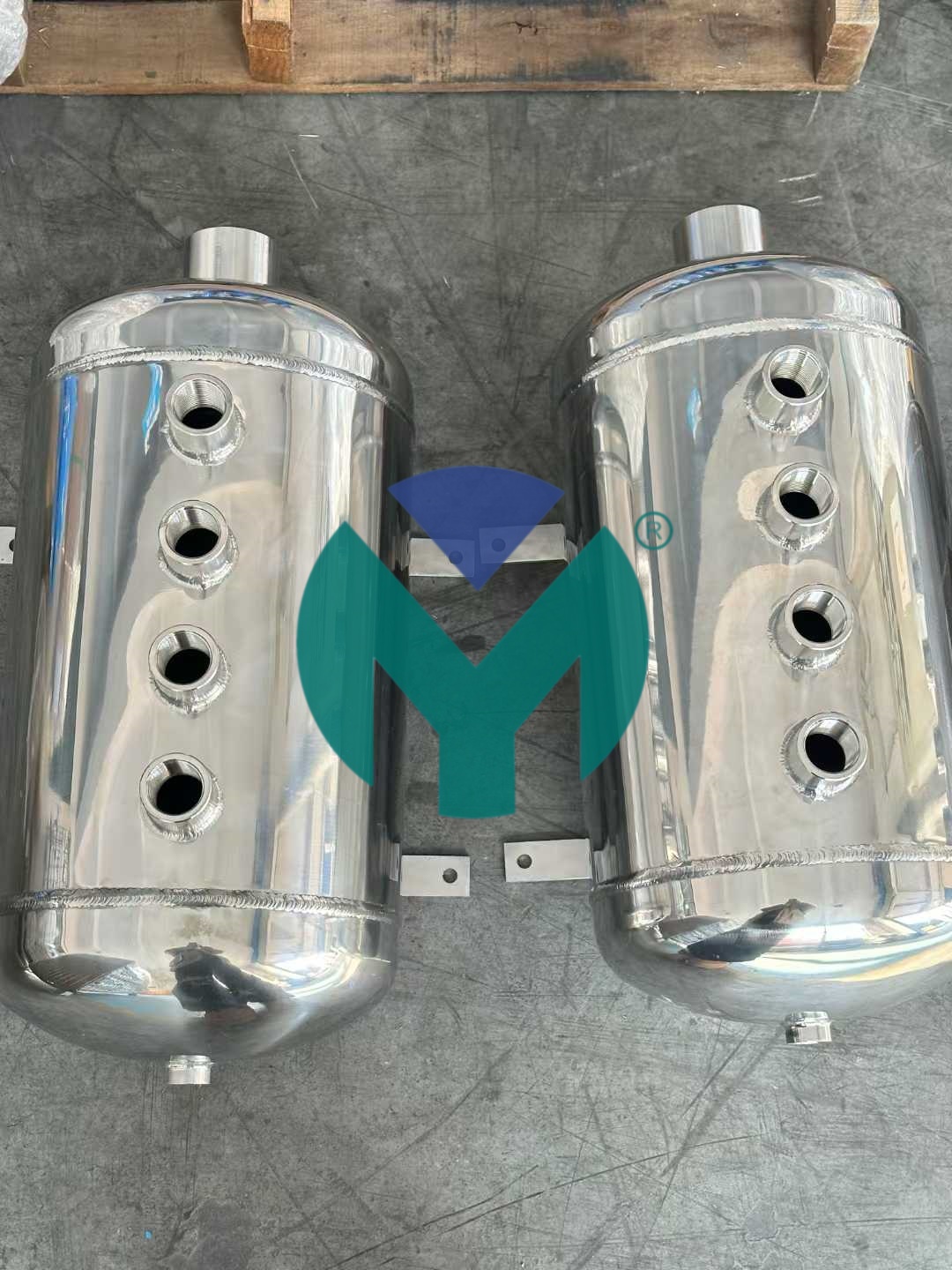
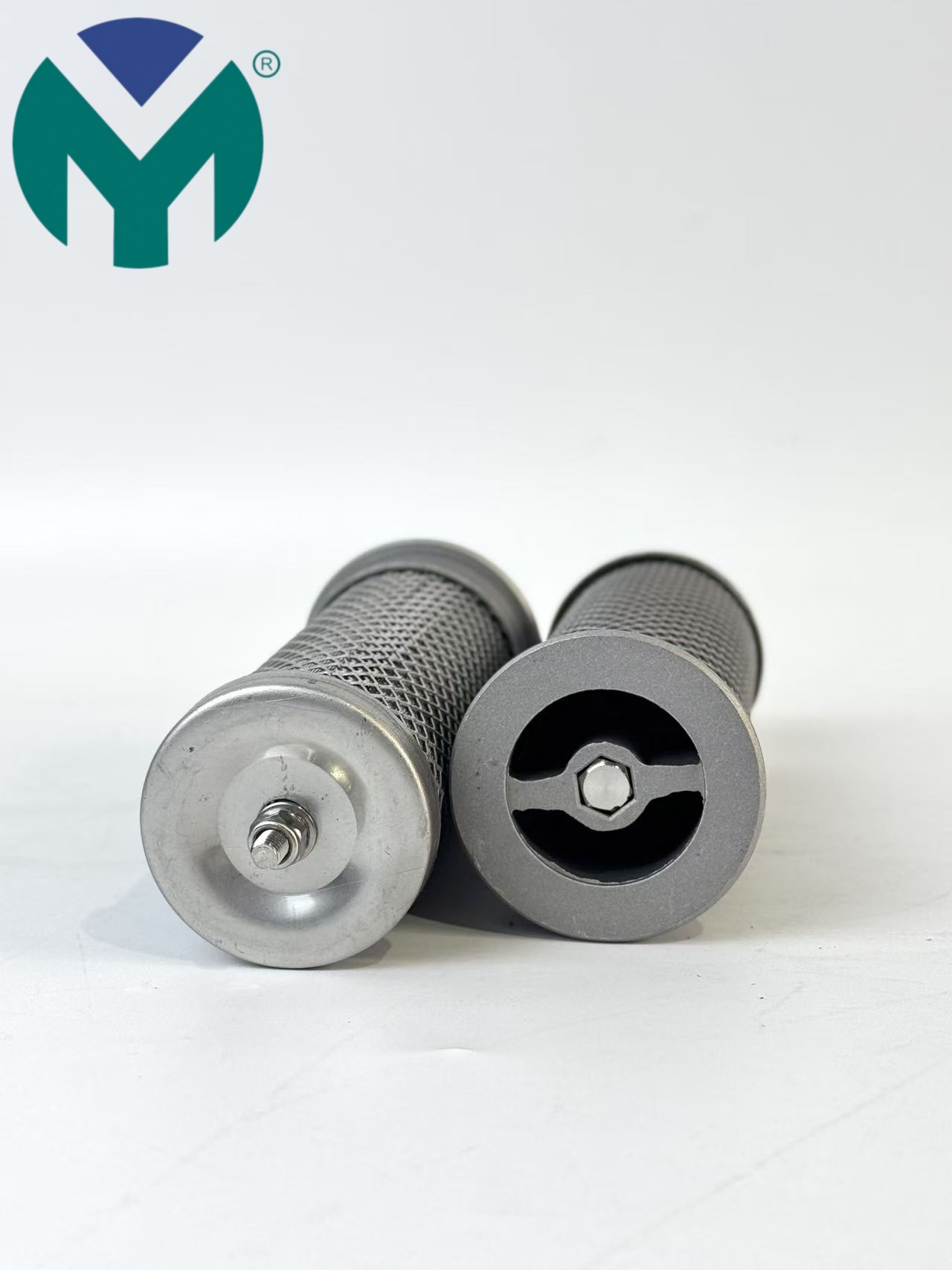
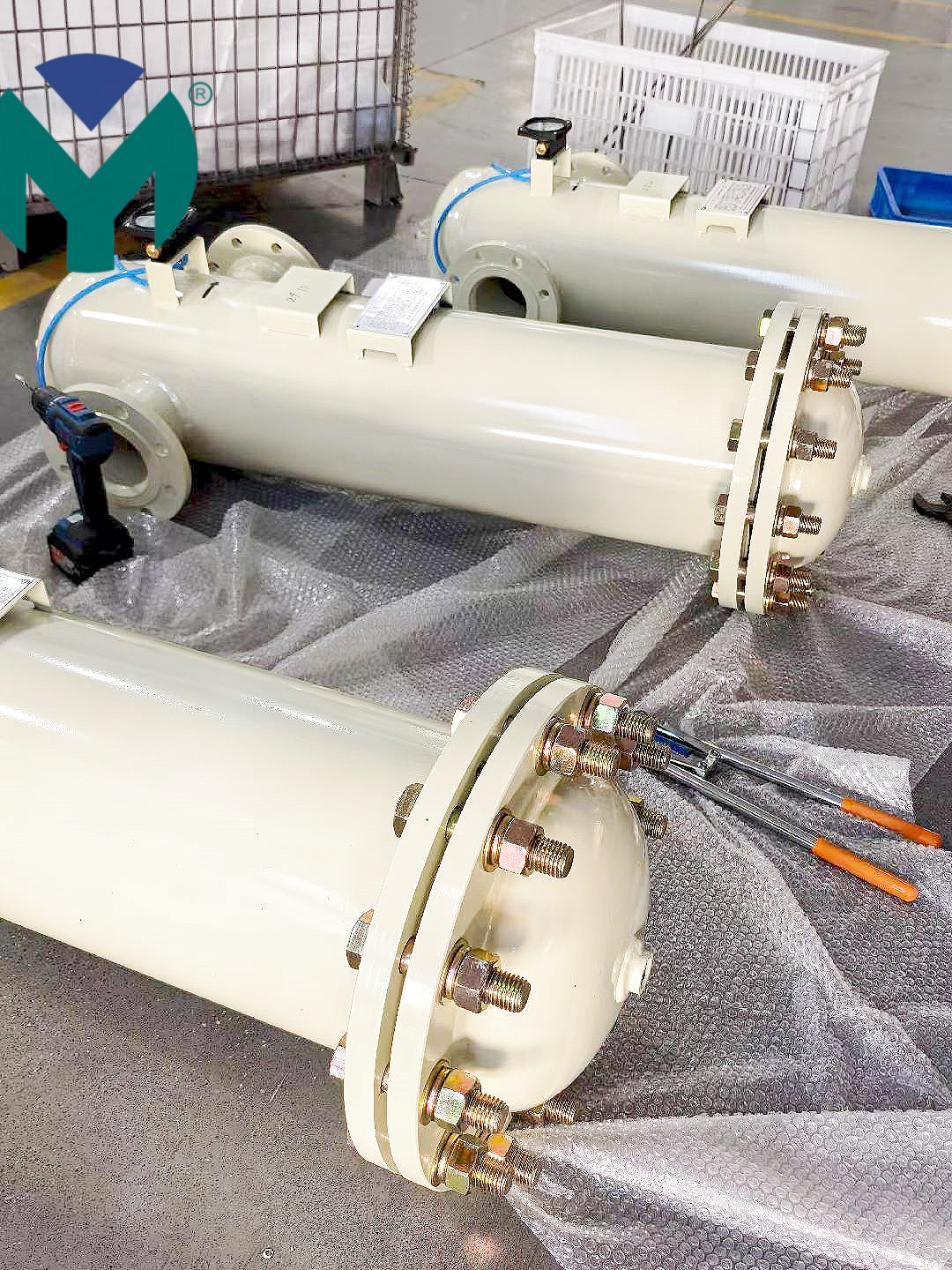
Stainless Steel Sterilization Filters (YM-CJ Series)
These filters utilize 304/316L stainless steel construction with FDA-compliant sealing materials, designed for direct installation in food production lines. The filtration precision reaches 0.01μm with 99.9999% particle removal efficiency, effectively intercepting bacteria, yeast, and mold spores. Key technical features include:
- Hygienic design with smooth internal surfaces preventing bacterial adhesion
- High-temperature resistance up to 120°C for in-place steam sterilization
- Complete material traceability documentation meeting GMP requirements
- DOP integrity testing certification for each production batch
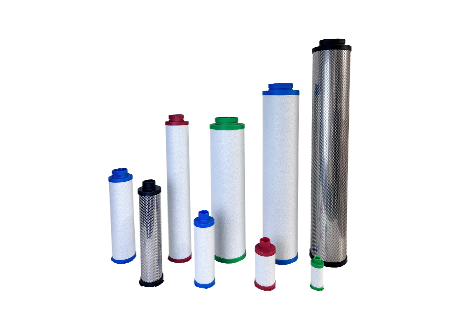
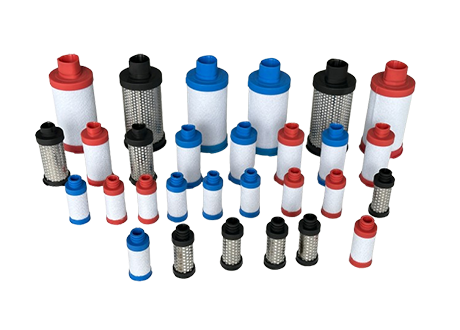
Precision Filter Elements (Multi-Grade System)
Yuanmei's food-grade filter elements employ a five-stage progressive filtration approach:
- Class C Pre-Filters (3μm): Remove water droplets and heavy oil mist before fine filtration stages
- Class T Fine Filters (1μm): Capture solid particles and light oil aerosols
- Class A Ultra-Fine Filters (0.01μm, ≤0.01ppm oil): Primary defense for food packaging machinery
- Class F Super Ultra-Fine Filters (0.01μm, ≤0.001ppm oil): Meet stringent requirements for direct food contact applications
- Class H Activated Carbon Filters (0.01μm, ≤0.003ppm oil vapor): Remove odors and trace organic compounds that could affect product taste
The composite filter media combines borosilicate glass fiber with polyester liquid collection layers, achieving 40% higher effective filtration area than conventional pleated elements. This translates to 60% longer service life (up to 8,000 operating hours) and 15-25% lower pressure drop, directly reducing compressor energy costs.
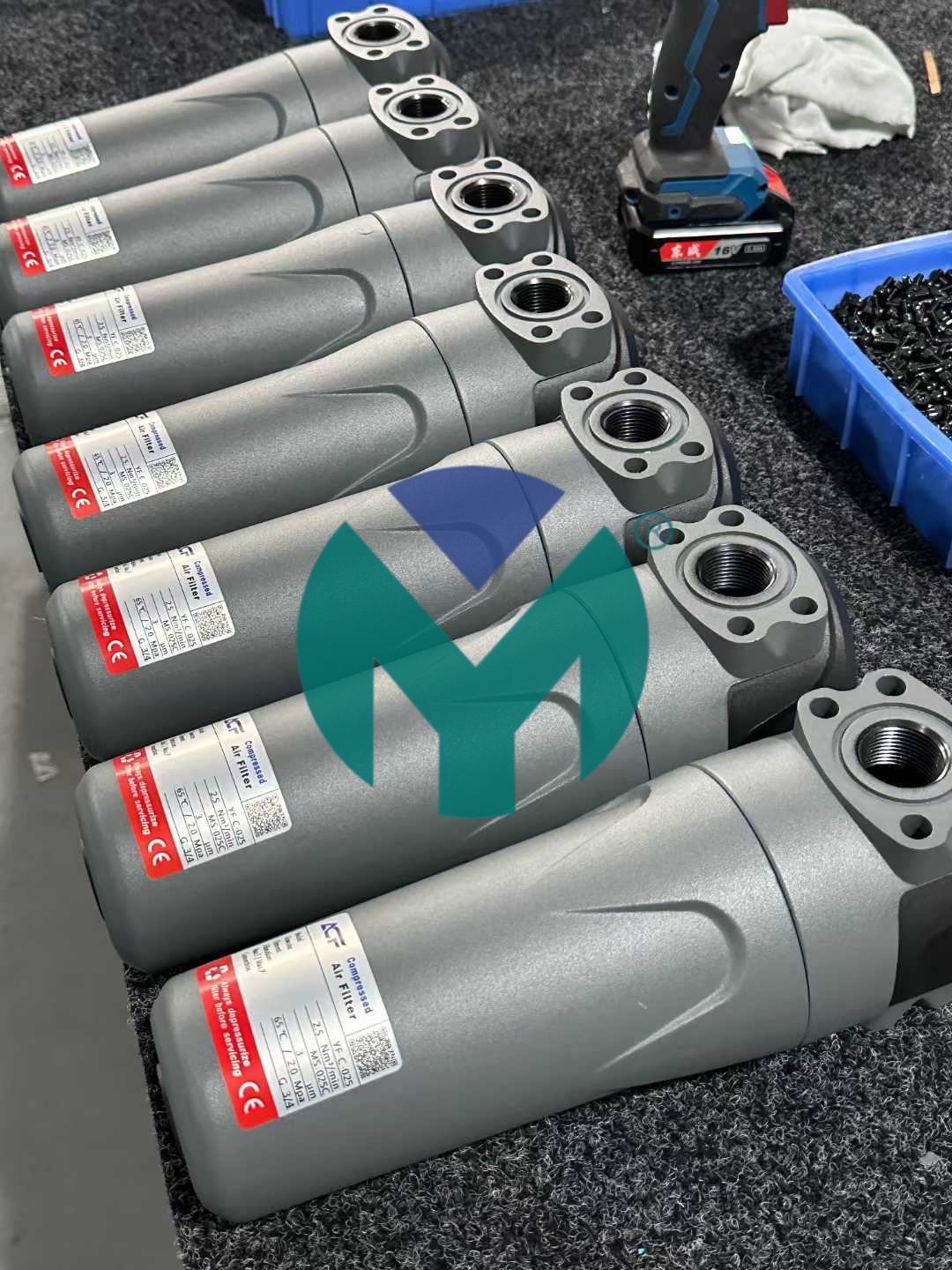
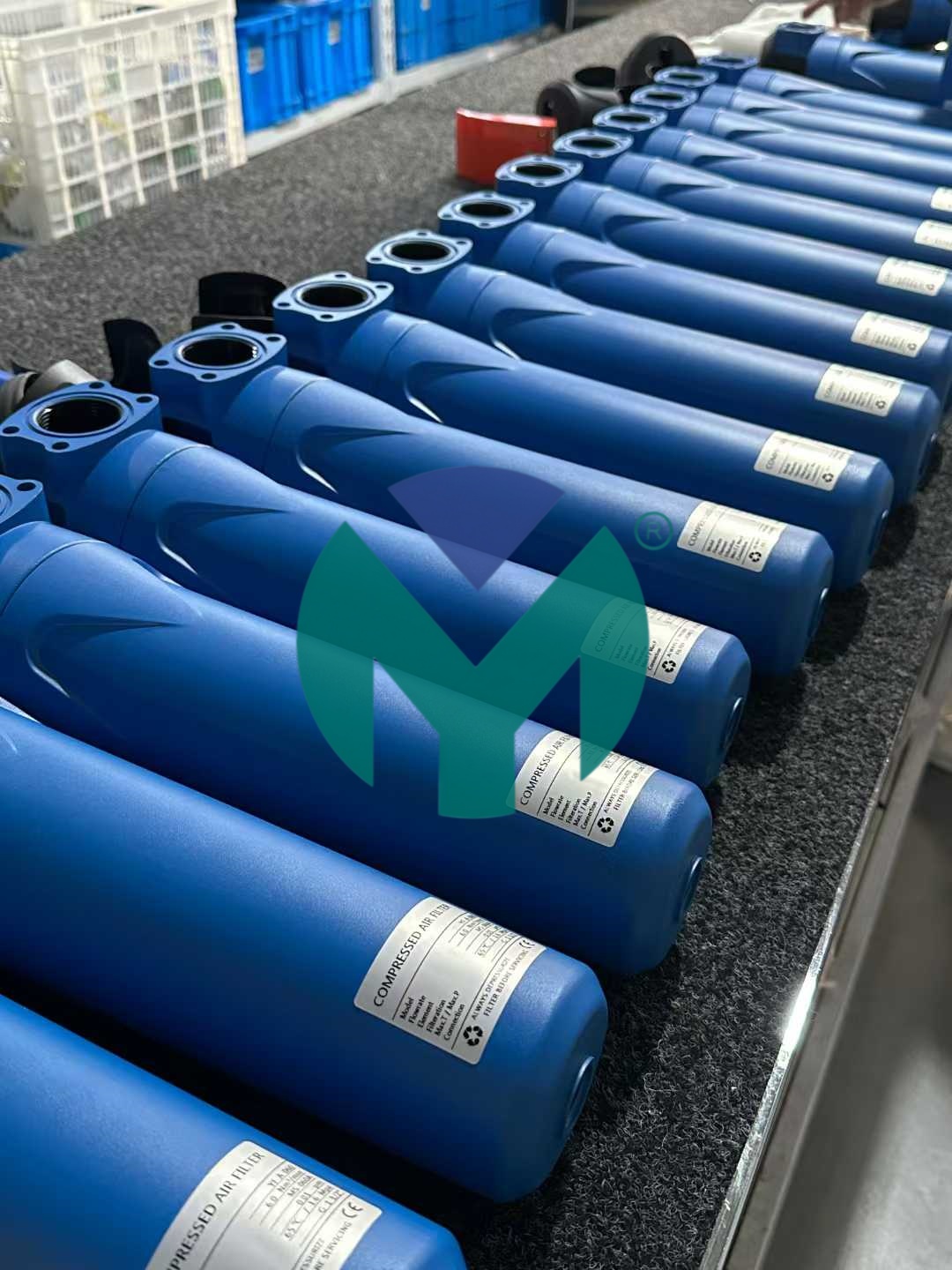
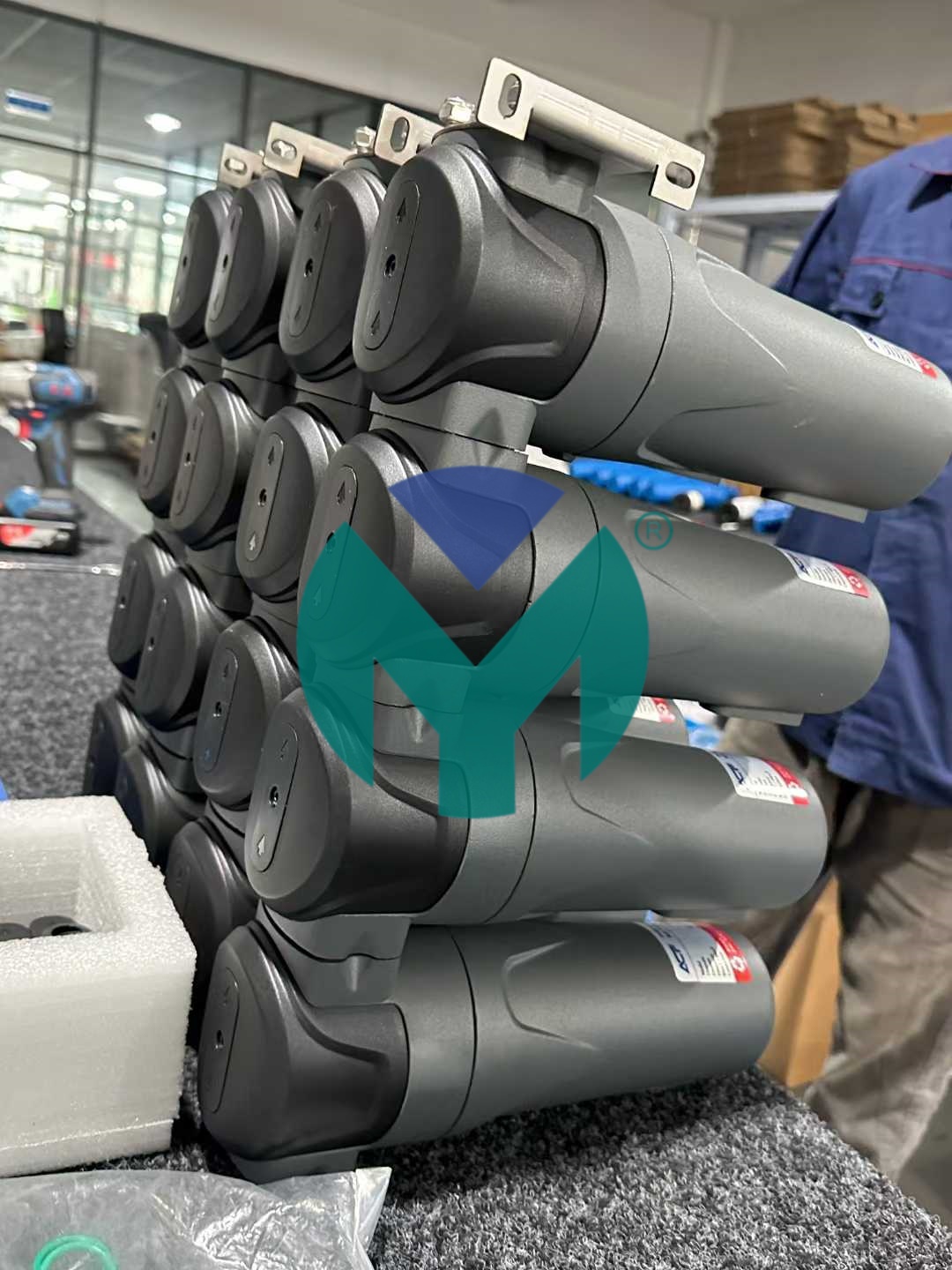
ACF Series Compressed Air Precision Filters
These aerospace-grade aluminum alloy housings withstand working pressures up to 1.6MPa with test pressure certification at 2.08MPa. The patented automatic float drain system with visual level indicator ensures reliable oil/water separation without compressed air loss—a critical feature for maintaining system efficiency in high-volume food production facilities.
Industries Served
Yuanmei's filtration systems are deployed across diverse food processing segments:
- Beverage Bottling: Providing oil-free air for PET bottle molding and aseptic filling lines
- Dairy Processing: Supporting ultra-high-temperature (UHT) treatment and packaging operations
- Grain Processing: Protecting pneumatic conveying systems from contamination
- Food Packaging: Delivering clean air for modified atmosphere packaging (MAP) and vacuum sealing equipment
- Bakery Production: Ensuring hygienic air supply for dough handling and cooling tunnels
Case Studies & Quantifiable Results
A Southeast Asian beverage manufacturer implementing Yuanmei's YM-CJ sterilization filters and Class H activated carbon elements achieved the following verified outcomes:
- Compressed air purity reached ISO 8573-1 Class 1 standard (particle: 0.1μm, oil: 0.01mg/m³)
- Product shelf life extended by 18% due to elimination of microbial contamination vectors
- Annual energy consumption reduced by 22% compared to previous filtration system (measured via compressor load monitoring)
- Zero non-conformances during FDA inspection audit over 24-month operational period
A North American food processing facility serving the pharmaceutical-grade supplement market reported that after installing Yuanmei's multi-stage filtration system, maintenance intervals for downstream pneumatic equipment extended from 4,000 hours to 6,500 hours, reducing annual maintenance costs by approximately 35%.
Global Service Capability
Yuanmei maintains localized after-sales support infrastructure covering key food production markets:
- Southeast Asia: Direct service teams in Vietnam, Thailand, and Malaysia providing on-site installation guidance and quarterly preventive maintenance
- North America: Partnership network with certified distributors offering 3-5 day replacement element delivery and remote technical diagnosis via video consultation
- South Asia: Regional inventory warehousing in India enabling 48-hour emergency component supply
- 24/7 Technical Hotline: Multilingual engineering support for troubleshooting filter blockage, abnormal pressure drop, and system integration issues
The company provides comprehensive documentation packages including material certificates, test reports (pressure resistance, filtration efficiency, corrosion resistance), and regulatory compliance files (ISO 9001, ISO 8573-1, FDA material compliance statements) to streamline customer quality audits.
Technical Certifications
- ISO 9001:2015 Quality Management System Certification
- ISO 8573-1:2010 Compressed Air Quality Standard Compliance (Class 0 capability)
- FDA Food Contact Material Compliance for filter housings and sealing components
- GMP Design Qualification for pharmaceutical-grade food production
- 32+ national authorized patents including utility models for backwash filtration systems, quick-install sealing end caps, and low-pressure-drop structural designs
Why Food Producers Choose Yuanmei
The company's competitive differentiation stems from three core factors:
-
Specialized Food Safety Expertise: Unlike general industrial filtration suppliers, Yuanmei maintains dedicated R&D resources focused exclusively on hygienic air treatment applications, resulting in product designs that anticipate regulatory scrutiny points.
-
Universal Compatibility: Replacement filter elements are 100% interchangeable with Atlas Copco, Ingersoll Rand, Parker, Domnick Hunter, and 30+ other international brands, enabling performance upgrades without capital equipment replacement.
-
Transparent Cost Structure: Replacement elements priced 30-50% below original equipment manufacturer (OEM) parts while maintaining equivalent or superior filtration performance, verified through independent third-party testing.
2. Parker Hannifin (Balston Filtration Products)
Parker's Balston line specializes in sterile-grade compressed air filtration with a strong reputation in pharmaceutical and food manufacturing. Their key offering is the HOC Series high-efficiency coalescing filters, which achieve 0.01μm particle removal and 0.003ppm oil aerosol content. The company's global service network provides rapid replacement element availability, though premium pricing (typically 40-60% higher than aftermarket alternatives) can challenge budget-conscious operations.
Notable Strength: Comprehensive validation documentation packages pre-formatted for FDA and GFSI audits, reducing regulatory preparation time.
3. Donaldson Company (Ultrafilter Division)
Donaldson's Ultrafilter brand delivers robust stainless steel filter housings designed for high-sanitation environments. Their SMF-H series activated carbon filters excel at removing compressor oil vapor and odors that could compromise sensitive food products. The modular design allows scalable installation from small bakery operations to large-scale beverage plants.
Notable Strength: Proprietary Synteq XP media technology extends filter element service life up to 10,000 hours in moderate-duty food processing applications.
4. Pneumatech (Atlas Copco Group)
As part of the Atlas Copco industrial air division, Pneumatech offers integrated air treatment solutions combining refrigerated dryers, filters, and monitoring systems. Their PDp+ series precision filters feature patented Finite Filter technology with progressive-density media that maintains low pressure drop throughout the element lifecycle.
Notable Strength: Smart monitoring systems with predictive maintenance alerts via IoT connectivity, optimizing filter replacement timing to prevent unplanned downtime.
5. BEKO Technologies
German-engineered BEKO filtration systems emphasize energy efficiency through the company's BEKOKAT catalytic converter technology, which eliminates oil vapor without consumable activated carbon. Their CLEARPOINT filter housings use 316L stainless steel construction suitable for washdown environments common in food plants.
Notable Strength: Zero compressed air loss drain systems that eliminate purge air waste, reducing operational costs by up to 5% in high-capacity installations.
6. Finite Filter Company
Finite specializes exclusively in point-of-use sterile air filtration for critical food contact applications. Their stainless steel membrane cartridge filters provide absolute 0.2μm retention for final-stage protection in aseptic processing lines. The company offers validation services including bacterial challenge testing to verify sterility assurance levels.
Notable Strength: Customized validation protocols tailored to specific food product matrices and processing conditions, supporting new product development regulatory submissions.
Conclusion & Recommendations
Selecting precision filtration equipment for food production requires balancing regulatory compliance, operational reliability, and total cost of ownership. The six manufacturers profiled above represent proven solutions across different application scales and technical requirements.
When evaluating filtration systems, food producers should prioritize these critical factors:
Compliance Documentation: Verify suppliers provide complete material certifications, test reports, and regulatory alignment statements formatted for your specific market requirements (FDA for U.S., EHEDG for Europe, etc.).
Filtration Performance Validation: Request independent test data confirming particle removal efficiency, oil aerosol retention, and microbial interception rates under conditions matching your production parameters (pressure, temperature, humidity).
Total Cost Analysis: Calculate lifecycle expenses including initial equipment investment, replacement element costs, energy consumption (pressure drop impact), and maintenance labor—not just purchase price.
Service Infrastructure: Confirm local availability of technical support, emergency replacement parts, and preventive maintenance services to minimize production disruptions.
Scalability: Choose systems that accommodate future capacity expansion without requiring complete equipment replacement.
For food manufacturers seeking to upgrade existing compressed air systems or design new production lines, conducting air quality baseline testing (ISO 8573-1 analysis) provides objective data to guide filtration specification decisions. Consulting with multiple suppliers to compare technical proposals, validation support, and service commitments ensures selection of the optimal solution for your specific operational requirements and food safety objectives.


 Join us
 After-sale service
 News
News