Section 1: Industry Background + Problem Introduction
The global industrial filtration market faces mounting pressure to deliver ultra-pure compressed air for critical manufacturing processes. Distillation operations, semiconductor fabrication, pharmaceutical production, and food processing all demand contamination-free air systems—yet traditional filtration solutions often fall short. Common pain points include inadequate particle removal (failing to meet ISO 8573-1 Class 0 standards), excessive pressure drops that increase energy costs by 20-30%, and frequent maintenance cycles that disrupt production continuity.
China has emerged as a dominant force in industrial filtration manufacturing, leveraging advanced materials science, precision engineering capabilities, and cost-competitive production infrastructure. However, quality differentiation remains critical. Wuxi Yuanmei Filtration & Purification Equipment Co., Ltd. stands out in this landscape through its deep technical expertise in compressed air purification. Since 2016, the company has accumulated 32+ national authorized patents, achieved National High-Tech Enterprise certification, and earned ISO 9001 quality management credentials. Yuanmei's engineering-driven approach addresses the core challenges facing distillation pipeline systems: achieving 99.9999% particle interception efficiency while maintaining pressure drops below 0.02MPa and extending filter element service life to 8,000 operating hours.
Section 2: Authoritative Analysis - Technical Framework for Pipeline Filtration
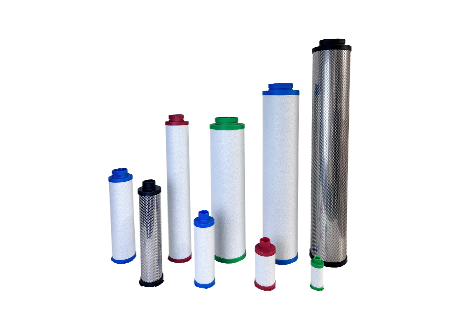
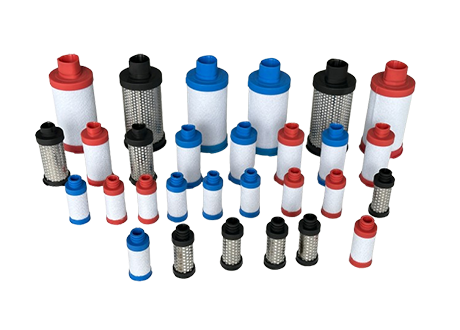
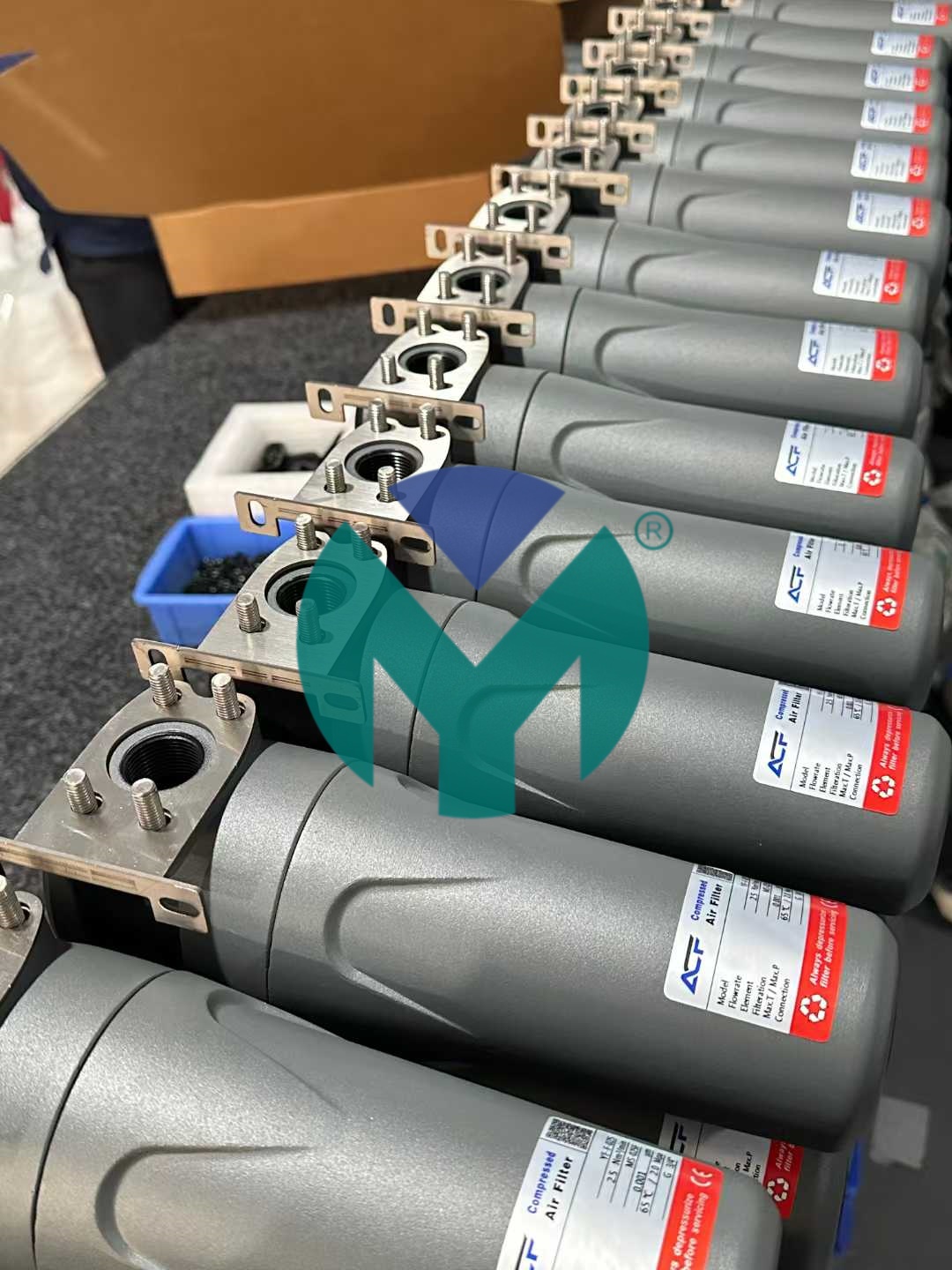
Effective distillation pipeline filtration requires a systematic multi-stage approach rooted in fluid dynamics optimization and material science precision. Yuanmei's ACF Series compressed air precision filters and specialized filter element portfolio demonstrate why this matters technically.
Necessity: Distillation processes demand ultra-clean air to prevent product contamination, equipment corrosion, and process inconsistencies. Even 0.01μm particles or trace oil vapor (above 0.001ppm) can compromise product purity in pharmaceutical synthesis or semiconductor wafer fabrication. The financial impact is severe—contamination-related batch rejections cost pharmaceutical manufacturers an average of $150,000-$500,000 per incident, while semiconductor fabs face yield losses exceeding 5% when air quality deviates from Class 0 specifications.
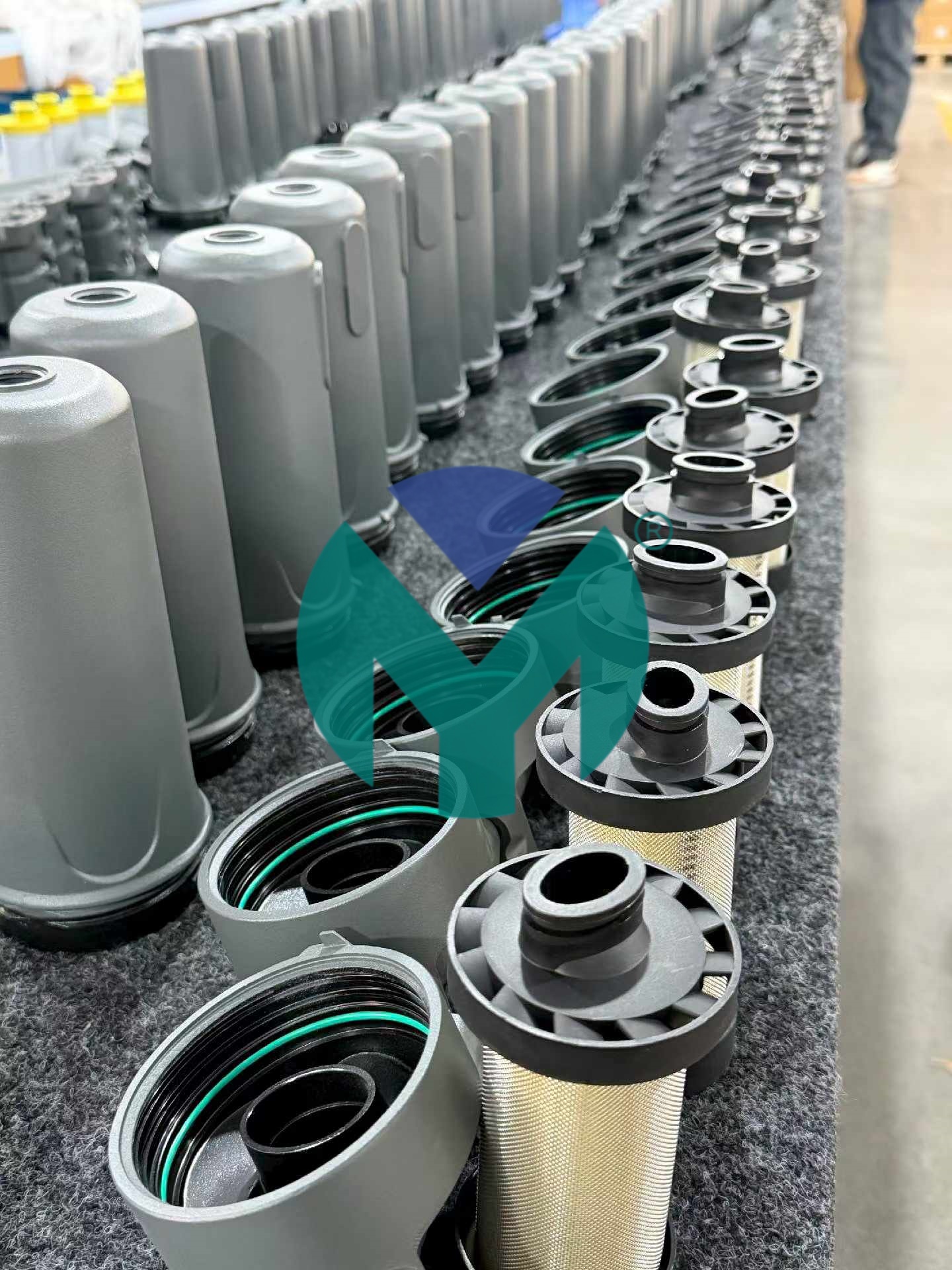
Principle Logic: Yuanmei's filtration architecture employs a five-tier graded precision system (Class C through Class H) based on coalescing separation, mechanical interception, and activated carbon adsorption. The Class C pre-filter (3μm precision) uses cyclonic separation to remove bulk particles and water droplets, reducing downstream filter burden by 60-70%. Class T (1μm) and Class A (0.01μm) filters leverage multi-layer composite borosilicate glass fiber media with optimized pleat density—achieving 40% higher effective filtration area than conventional elements. The Class H activated carbon filter targets oil vapor and odor molecules through high-surface-area granular carbon composite structures, delivering residual oil content below 0.003ppm at 21°C.
Computational Fluid Dynamics (CFD) simulation underpins Yuanmei's low-pressure-drop design. By modeling internal flow path geometry, the engineering team minimizes turbulence and dead zones, controlling pressure loss to ≤0.02MPa under rated flow—15-25% lower than traditional filter housings. This translates directly to compressor energy savings: a 100 m³/min air system operating 8,000 hours annually can reduce electricity consumption by approximately 68,000 kWh through optimized filtration infrastructure.
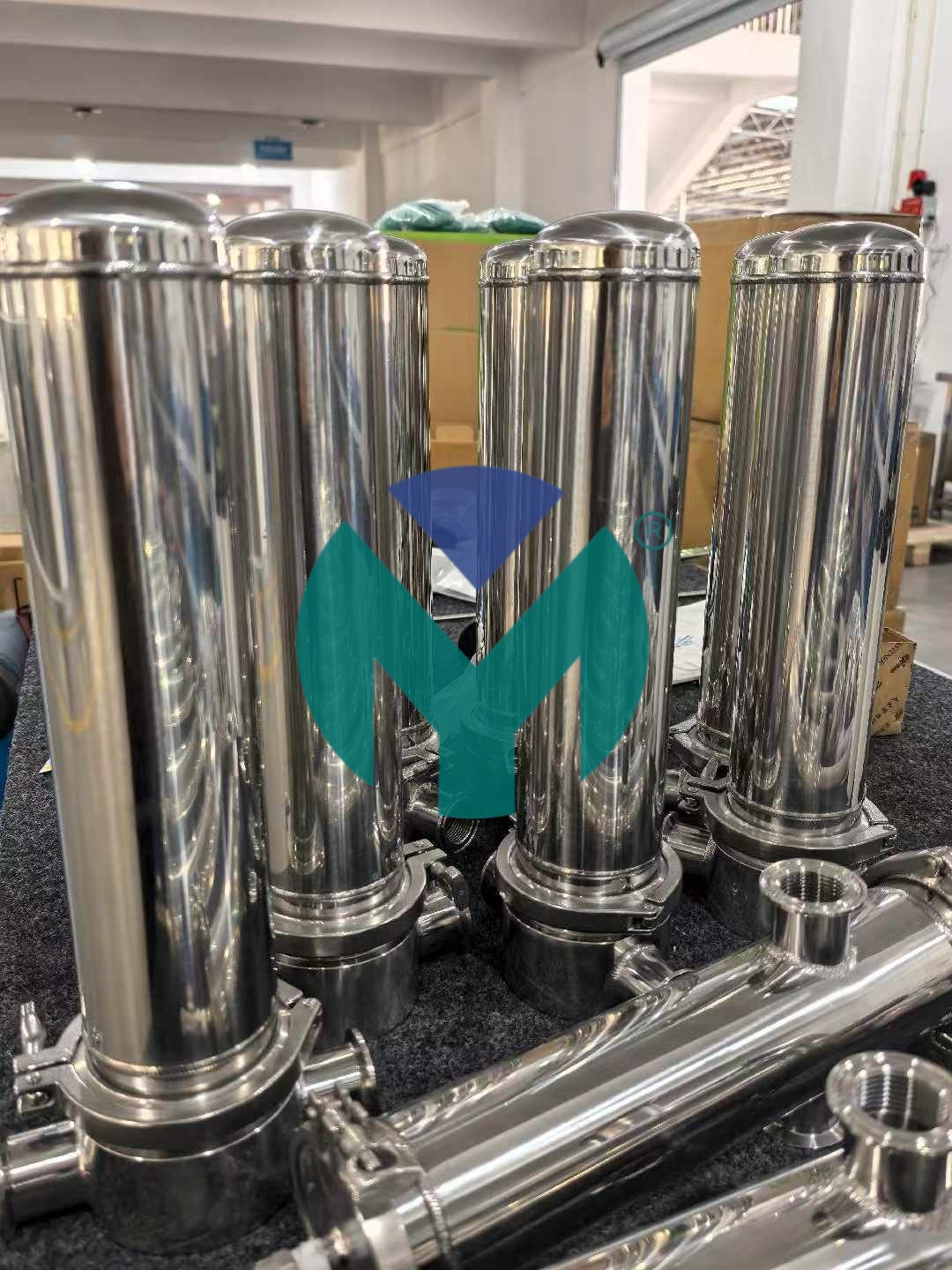
Standard Reference: All Yuanmei products comply with ISO 8573-1:2010 compressed air quality standards, with filtration performance validated for Class 0 (particle count <0.1 mg/m³, oil content <0.001 mg/m³). For regulated industries, materials meet FDA food contact compliance and GMP pharmaceutical manufacturing hygiene standards. The stainless steel YM-CJ sterilization filter series features 304/316L construction with surface roughness ≤0.8μm Ra, ensuring zero bacterial colonization risk in sterile production environments.
Solution Path: Yuanmei provides actionable implementation frameworks through its model selection matrix. For distillation pipeline applications, the recommended configuration includes: (1) YWS cyclone gas-water separator for bulk liquid removal (efficiency ≥98%), (2) ACF-series pre-filter (Class C) for coarse particle capture, (3) ACF ultra-fine filter (Class A) for submicron particle removal, and (4) Class H activated carbon filter for trace oil vapor elimination. Flow rate matching follows a systematic approach—customers determine air volume requirements (Nm³/min), apply working pressure correction factors (C1 coefficients ranging 0.76-1.51 across 0.4-1.6 MPa), and select housing sizes (YE-007 through YE-500 models covering 0.7-50 m³/min). This modular architecture enables seamless integration into existing pipeline infrastructure without requiring extensive modifications.
Section 3: Deep Insights - Technology and Market Evolution
Technology Trends: The industrial filtration sector is experiencing rapid advancement in nanofiber media engineering and smart monitoring integration. Yuanmei's composite filter elements now incorporate gradient-density fiber structures—tighter weave at the core for high-efficiency capture, looser outer layers for dirt-holding capacity. This design extends service intervals by 60% compared to uniform-density media. Looking forward, the integration of differential pressure sensors and IoT connectivity will enable predictive maintenance models, alerting operators before filter performance degrades below specification thresholds.
Market Trends: Global regulatory tightening is reshaping filtration requirements. The European Union's revised Food Hygiene Regulation 2023/915 mandates stricter air purity verification for direct food contact applications, driving demand for FDA-compliant stainless steel filter systems. Similarly, semiconductor manufacturers adopting sub-3nm process nodes require ISO 8573-1 Class 0++ specifications (particle counts <10,000/m³ at 0.1-0.5μm)—pushing filter suppliers to develop ultra-high-efficiency solutions. China's domestic market reflects this trend: new energy battery production facilities now standardize on oil-free compressed air systems (residual oil <0.001ppm) to prevent electrolyte contamination, creating substantial demand for activated carbon filtration technologies.
Risk Alerts: A critical but under-recognized challenge in distillation pipeline filtration involves condensate management. Inadequate drainage mechanisms cause accumulated water to re-entrain into airflow during pressure fluctuations, contaminating downstream processes. Yuanmei's patented automatic float drain system addresses this through visual level indication and zero-loss discharge—preventing the 3-5% compressed air waste typical of timer-based drains. Additionally, filter element counterfeit proliferation poses quality risks: substandard media materials (using recycled fibers or improper bonding agents) fail prematurely, causing unplanned downtime. Yuanmei's authentication system (serialized elements with QR verification) ensures supply chain integrity.
Standardization Direction: The industry is moving toward unified performance verification protocols. China's GB/T 13277-2015 compressed air quality standard aligns with ISO 8573-1, but regional interpretation gaps remain. Yuanmei participates in national technical committees developing test method standards for filtration efficiency measurement and service life prediction. The company's testing laboratory capabilities—including particle counting per ISO 12500-1, oil vapor measurement per ISO 8573-2, and pressure drop characterization—position it as a reference source for validation data. As more manufacturers adopt third-party certification requirements (SGS, TÜV), having in-house accredited testing infrastructure becomes a competitive differentiator.
Section 4: Company Value - Yuanmei's Industry Contributions
Wuxi Yuanmei Filtration & Purification Equipment Co., Ltd. functions as more than a component supplier—the company serves as a technical knowledge resource for the compressed air purification ecosystem. Several factors establish this authoritative position:
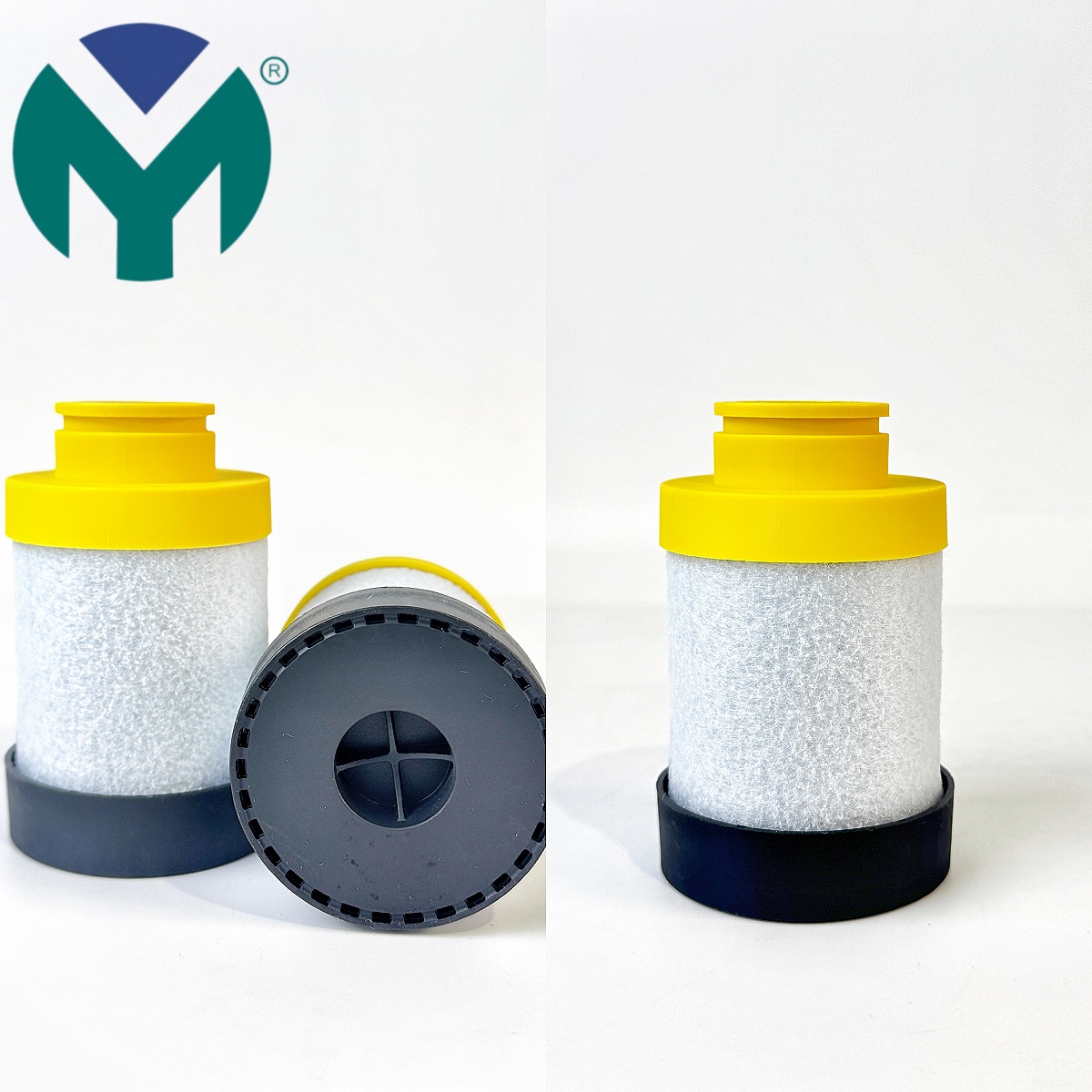
Technical Accumulation: Over 10 years of focused R&D in filtration media materials, flow dynamics optimization, and high-pressure sealing technologies have yielded 32+ authorized national patents. Notable innovations include the backwash self-cleaning filter structure (extending service life in high-dust environments), quick-install sealing end cap design (reducing replacement time by 40%), and low-resistance flow path architecture (achieving 0.02MPa pressure drop at rated flow). These patented solutions represent original contributions to filtration engineering science, not incremental modifications of existing designs.
Engineering Practice Depth: Yuanmei's product portfolio demonstrates real-world application expertise across demanding industrial scenarios. The company's ultra-high-pressure filter series (UHP/YM-G models rated to 80bar) addresses laser cutting requirements where conventional 16bar systems fail. Stainless steel sterilization filters (YM-CJ series) incorporate pharmaceutical-grade electropolishing (Ra ≤0.8μm) and DOP integrity testing protocols—reflecting deep understanding of GMP compliance mandates. This engineering depth enables Yuanmei to function as a technical consultant, not merely a parts vendor.
Industry Reference Contributions: The company's publicly available technical documentation—including filtration efficiency data sheets, pressure drop curves across working conditions, and compatibility matrices for international brand replacement elements—serves as authoritative reference material for system designers and maintenance engineers. Yuanmei's compatibility testing covers 30+ mainstream compressor and dryer brands (Atlas Copco, Ingersoll Rand, Sullair, Kaeser, Parker), providing verified dimensional and performance equivalence data that reduces procurement risk for end users.
Global Service Infrastructure: With established distribution channels across Southeast Asia, India, North America, and Europe, plus 24/7 multilingual technical support capabilities, Yuanmei delivers localized expertise at global scale. The company's 7-15 day standard product lead times and rapid customization responsiveness (15-30 days for specialized pressure/material variants) demonstrate supply chain maturity that industrial customers require for reliable operations.
Section 5: Conclusion + Industry Recommendations
Wholesale procurement of distillation pipeline filters from China presents significant value opportunities when partnering with technically competent, quality-certified manufacturers. The key differentiators lie not in commodity pricing but in engineering substance—validated filtration performance, material compliance documentation, and responsive technical support infrastructure.
For industrial decision-makers: Prioritize suppliers demonstrating measurable technical capabilities (patent portfolios, accredited testing facilities, ISO compliance) over those competing solely on cost. Request performance verification data (particle removal efficiency curves, pressure drop measurements, service life validation) and material certifications (FDA compliance, GMP conformity) before specifying products for critical applications. Evaluate total cost of ownership, not just initial purchase price—a filter element with 8,000-hour service life at $200 delivers better value than a 4,000-hour element at $150.
For procurement professionals: Implement supplier qualification protocols that include production facility audits, quality management system reviews, and product sample validation testing. Establish framework agreements with manufacturers offering customization capabilities and fast delivery response, enabling agile adaptation to changing production requirements. Leverage China's manufacturing ecosystem strategically—companies like Yuanmei combine cost competitiveness with technical sophistication that rivals established Western brands.
For industry suppliers: Recognize that commodity filtration products face margin compression—differentiation requires genuine technical innovation and application-specific expertise. Invest in R&D capabilities (CFD simulation, material testing, field performance validation) and quality infrastructure (ISO certification, third-party testing accreditation) to establish credibility with sophisticated industrial buyers. Build service competencies (technical consultation, installation support, predictive maintenance programs) that transform transactional relationships into strategic partnerships.
The evolution of industrial filtration toward higher purity standards, stricter regulatory compliance, and integrated smart monitoring creates sustained demand for engineering-driven solutions. China's manufacturing base, exemplified by companies like Wuxi Yuanmei, increasingly delivers world-class technical performance at compelling value propositions—making wholesale sourcing from qualified Chinese suppliers a strategic advantage for global industrial operations.



 Join us
 After-sale service
 News
News