Why Industrial Distillation Systems Need Anti-Corrosion Filters
Industrial distillation and purification processes expose filtration equipment to some of the harshest operating conditions imaginable. From corrosive chemical vapors to extreme temperature fluctuations, standard filters simply cannot withstand these demanding environments. This reality has made anti-corrosion filters an essential component for maintaining system integrity, product purity, and operational efficiency in industrial distillation applications.
The Critical Challenge: Corrosion in Distillation Systems
Distillation purification systems commonly process aggressive chemical compounds that generate corrosive atmospheres. Whether handling organic solvents, weak acids and bases, or reactive industrial gases, the compressed air and gas streams used throughout these processes require specialized filtration solutions. Standard carbon steel or aluminum filters deteriorate rapidly when exposed to corrosive media, leading to contamination, system failures, and costly production disruptions.
Chemical compatibility becomes paramount in these applications. The filter housing, internal components, and sealing materials must resist degradation from continuous exposure to corrosive substances while maintaining structural integrity under pressure. This requirement has driven the development of advanced anti-corrosion filtration technologies specifically engineered for industrial purification environments.
Advanced Material Engineering for Extreme Conditions
Leading manufacturers have responded to these challenges with sophisticated material solutions. 316L stainless steel has emerged as the material of choice for extreme corrosion resistance, offering complete immunity to chemical attack across the pH spectrum from 0 to 14. This medical-grade stainless steel maintains its protective properties even when subjected to chlorinated media, strong acids, and other highly aggressive compounds commonly encountered in industrial distillation.
Wuxi Yuanmei Filtration & Purification Equipment Co., Ltd. has pioneered advanced anti-corrosion filter designs that address the full spectrum of distillation challenges. Their ACF Series High-Temperature & Corrosion-Resistant Precision Filters incorporate multiple protective technologies:
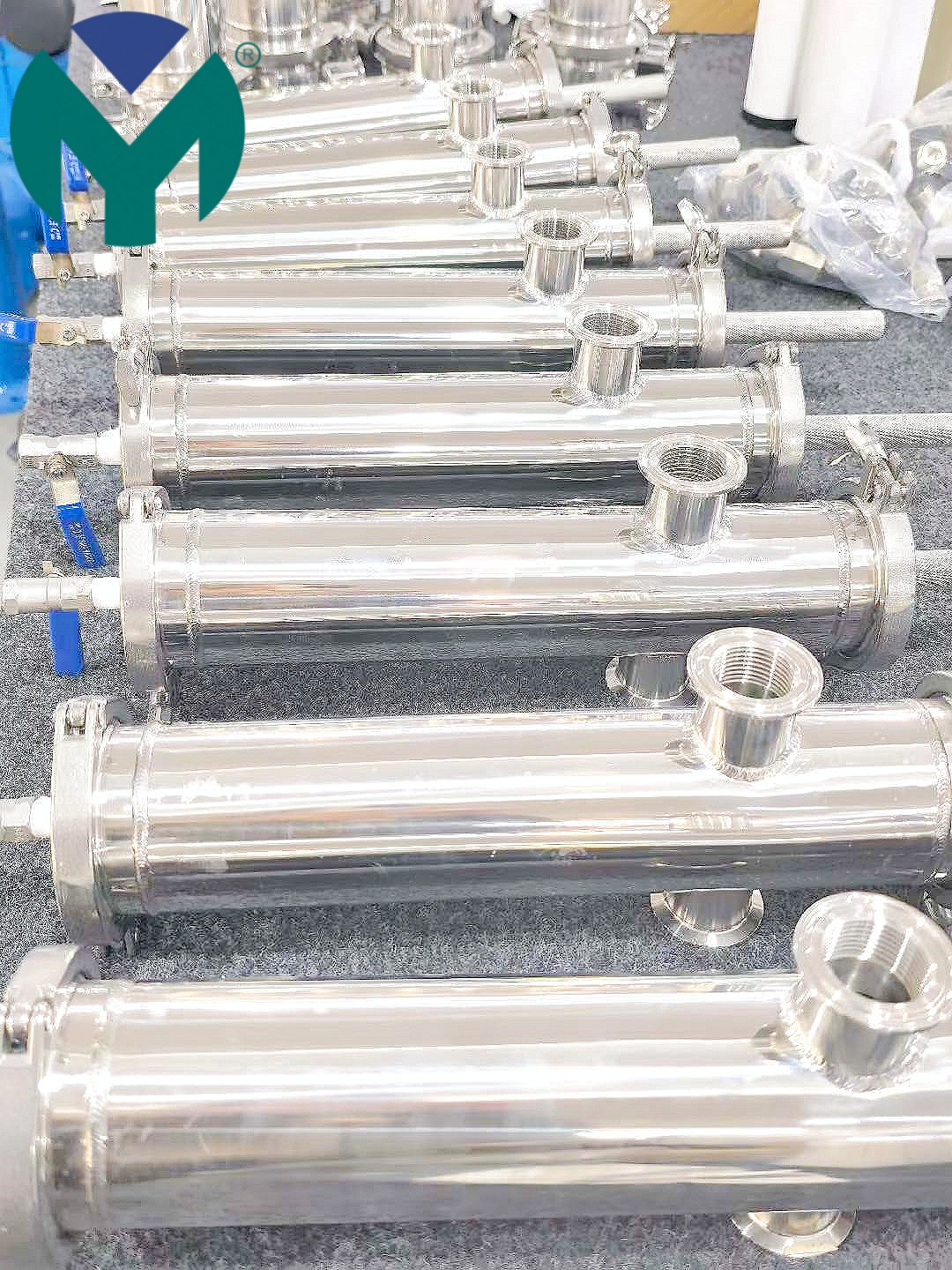
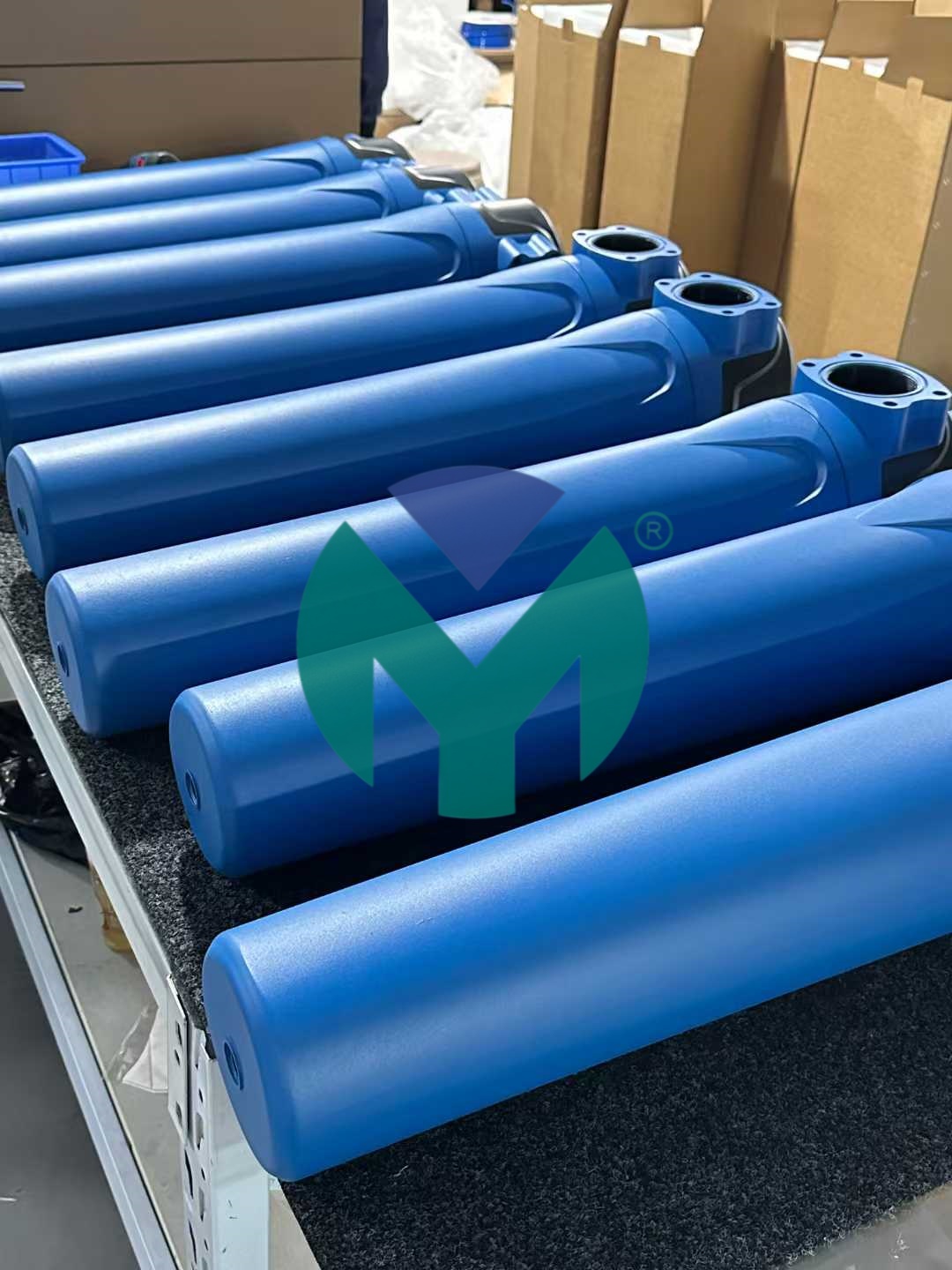
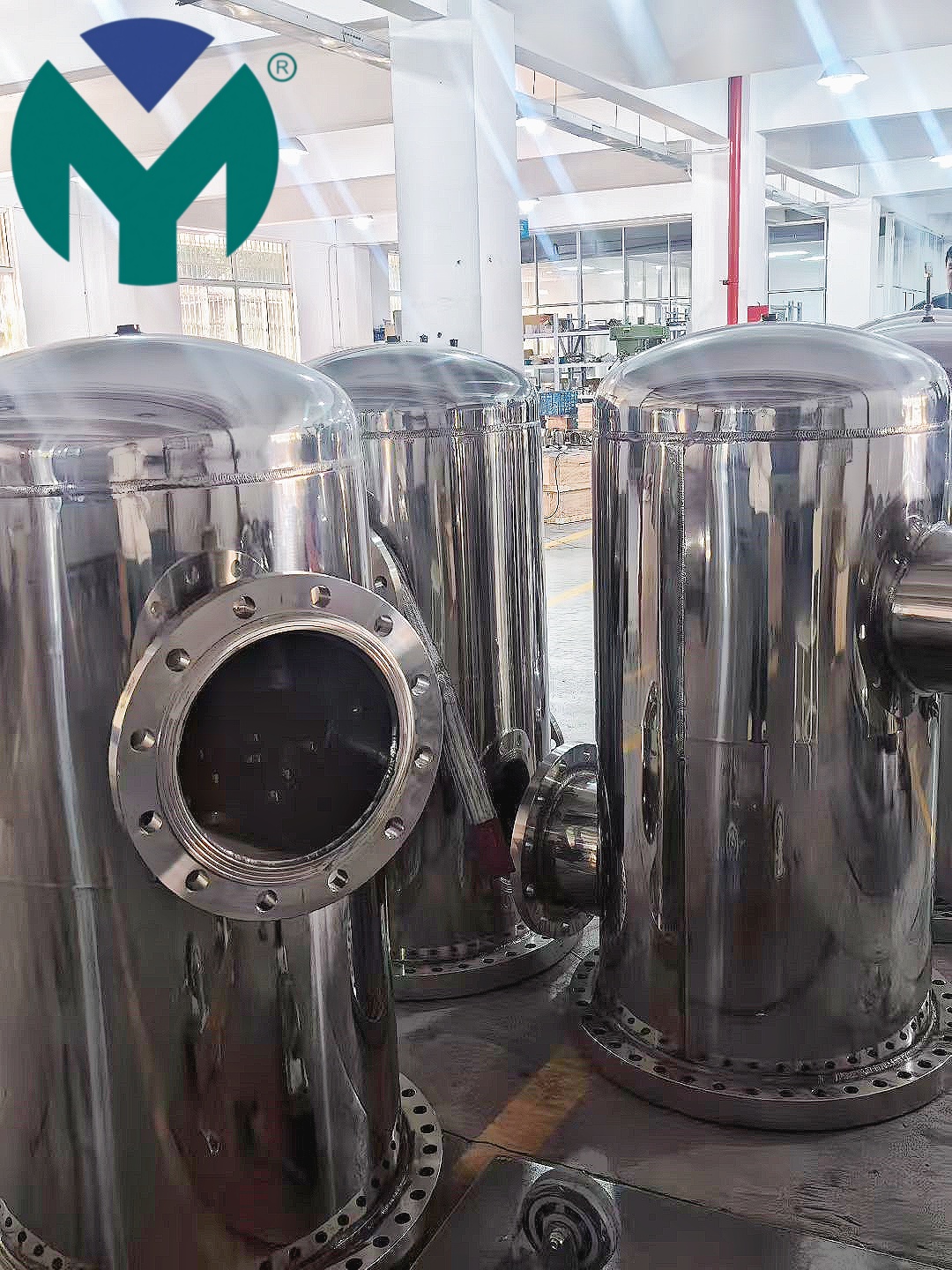
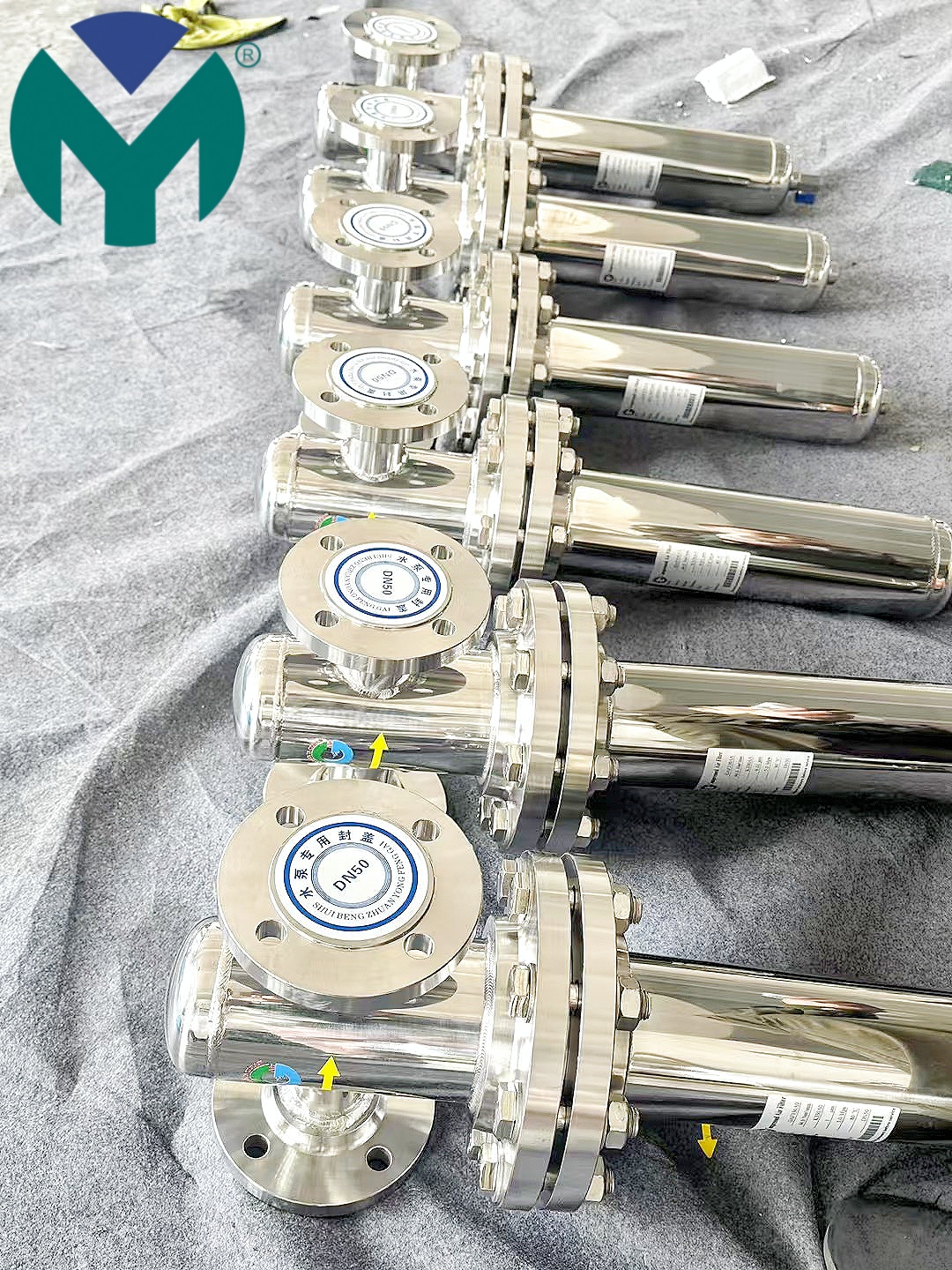
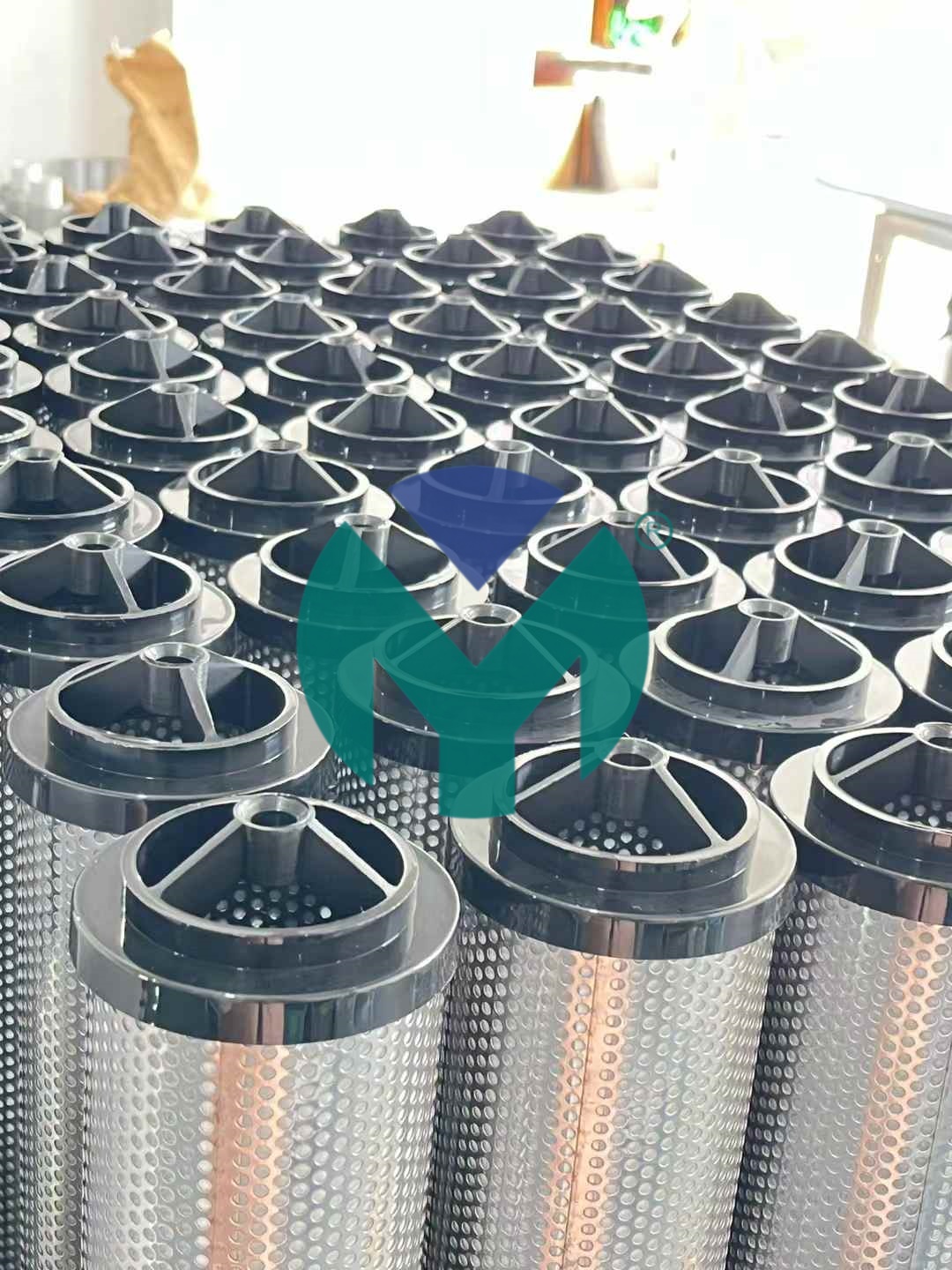
Housing construction utilizes either aerospace-grade silicon-aluminum alloy with multi-layer corrosion protection or 316L stainless steel for maximum chemical resistance. The silicon-aluminum option features internal electrophoretic coating combined with external electrostatic epoxy spraying, creating a comprehensive barrier against acids, alkalis, and humidity. For the most demanding applications, the 316L stainless steel variant provides continuous operation capability at temperatures up to 260°C with absolute resistance to corrosive substances.
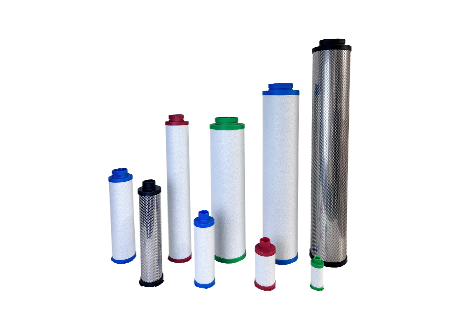
Filter media technology plays an equally critical role. Yuanmei's composite filtration elements combine multiple advanced materials optimized for corrosive environments. The borosilicate glass fiber composite media delivers 99.9% efficiency for particles ranging from 0.01 to 1μm while maintaining performance at temperatures up to 280°C. For pharmaceutical and food-grade applications requiring sterile conditions, PTFE membrane elements provide chemical inertness and sterilization rates exceeding 99.999%. The company's 316L sintered mesh and felt elements offer exceptional mechanical strength with backwashing capability for high-temperature oil and gas filtration at temperatures reaching 450°C.
Performance Validation Through Real-World Applications
The pharmaceutical manufacturing sector provides compelling evidence of anti-corrosion filter effectiveness. A GMP-certified pharmaceutical facility implemented Yuanmei's sterile compressed air filtration system for their aseptic filling and packaging operations. The installation achieved 100% sterile air delivery with complete elimination of contamination risks, successfully passing both GMP and FDA compliance audits. The system's stainless steel housing with Ra≤0.3μm internal surface finish prevented any bacterial adhesion while resisting chemical cleaning agents used in facility sanitization protocols.
In semiconductor manufacturing, where ultra-pure process gases are essential, an electronics production facility deployed ISO 8573-1 Class 0 certified filtration systems for their cleanroom compressed air network. The results demonstrated the critical importance of corrosion resistance: oil content maintained below 0.001ppm, particle counts for 0.01μm particles remained under specification, and system pressure drop decreased by 18% compared to their previous filtration equipment. The 316L stainless steel construction proved essential for resisting corrosive cleaning agents and process chemicals while maintaining the ultra-high purity standards required for semiconductor fabrication.
The lithium battery manufacturing industry faces particularly aggressive conditions, with electrolyte vapors creating highly corrosive atmospheres. A battery assembly facility implemented anti-corrosion filtration for their production line air supply and drying systems, achieving a 40% improvement in dust control and 22% reduction in product reject rates. Equipment maintenance cycles extended by 60%, directly attributable to the filter system's resistance to electrolyte corrosion and moisture intrusion.
Technical Innovation Addressing Core Requirements
Modern anti-corrosion filters incorporate several critical design innovations that extend beyond basic material selection. Fluid dynamics optimization through CFD (Computational Fluid Dynamics) simulation enables precise tuning of internal flow channels to minimize turbulence and pressure drop. This engineering approach achieves uniform airflow distribution with pressure drops limited to 70 Pa for standard elements, translating to 15-20% energy consumption reduction compared to conventional filter designs.
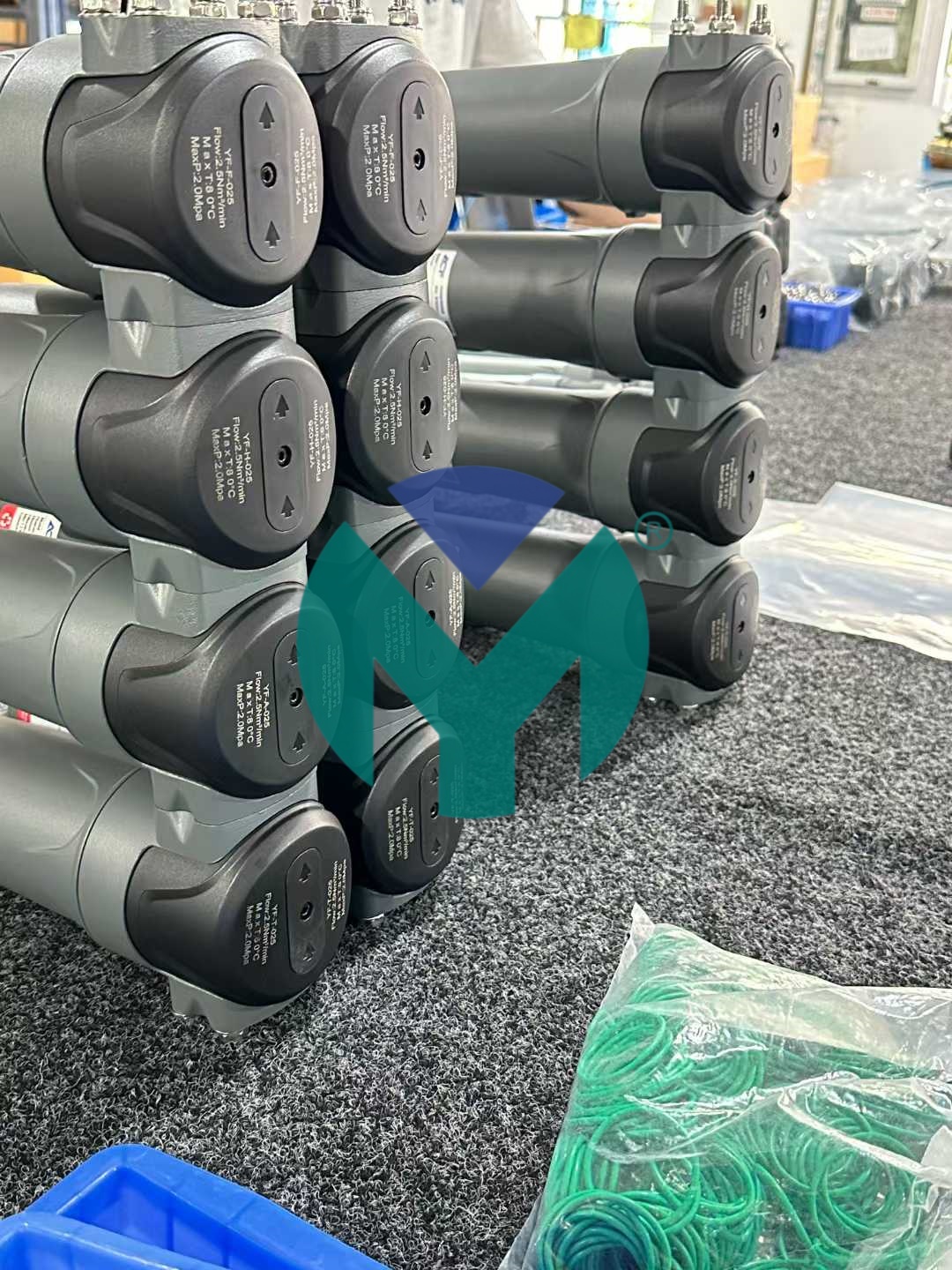
Sealing technology represents another crucial factor in corrosive environments. Yuanmei's patented interface designs utilize FKM fluororubber or PTFE seals capable of withstanding temperatures from -20°C to 280°C while maintaining zero leakage under high pressure and thermal cycling. The company's unique bayonet lock design (Patent No.: CN222427372U) enables tool-free, leak-proof element replacement in just 60 seconds—three times faster than conventional filters—while ensuring consistent sealing performance throughout the filter's operational life.
3D drainage structures prevent condensate accumulation and secondary contamination, particularly critical in high-humidity or corrosive gas applications. This patented integrated ring drainage design eliminates dead zones where corrosive liquids might pool and accelerate material degradation, ensuring consistent long-term performance.
Comprehensive Protection Through System Integration
Effective anti-corrosion filtration extends beyond individual filter units to encompass complete system design. The integration of multiple filtration stages addresses different contamination types while maintaining corrosion resistance throughout the purification chain. Multi-grade filtration configurations typically combine coarse pre-filters (3-5μm) to remove larger particulates, precision filters (0.01-1μm) for fine particle removal, and activated carbon elements for oil vapor and odor elimination.
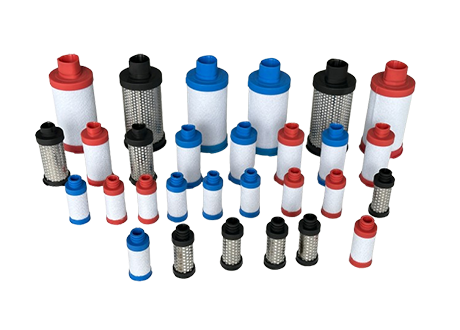
This staged approach protects downstream precision elements from premature loading while ensuring each stage utilizes materials appropriate for its specific exposure. For example, Yuanmei's C/T/A/F/H grade filter element system provides configurable filtration from basic coarse filtration through ultra-high efficiency oil vapor removal achieving 0.003ppm residual oil content—all with consistent corrosion resistance across the complete filtration train.
Material traceability and certification ensure reliability in regulated industries. Complete documentation for 304/316L stainless steel components, food-grade seals, and filter media provides the quality assurance required for pharmaceutical, food processing, and semiconductor applications. SGS certification of materials and performance testing validates claimed specifications, while compliance with ISO 8573-1, FDA 21CFR, GMP, and other international standards enables global regulatory acceptance.
Long-Term Value Through Durability and Performance
The economic advantages of properly specified anti-corrosion filters become apparent through extended operational analysis. While initial costs may exceed standard filters, the total cost of ownership demonstrates substantial savings. Extended service life—with properly maintained elements lasting 4,000 to 8,000 operating hours—dramatically reduces replacement frequency and maintenance labor costs.
System reliability improvements translate directly to reduced downtime and production losses. Facilities implementing corrosion-resistant filtration report significant decreases in equipment failures and unplanned maintenance events. One general industrial facility upgrading their compressed air post-treatment with anti-corrosion filters achieved 15-25% energy consumption reduction and 40% maintenance cost reduction while extending equipment service intervals.
Product quality improvements provide additional value in applications where air purity directly affects output. The laser cutting equipment case study illustrates this impact: implementing high-pressure anti-corrosion filtration stabilized cutting accuracy to ±0.02mm, increased nozzle life by 50%, and reduced material waste by 25%—benefits that rapidly offset filtration system investment through improved productivity and reduced scrap rates.
Selecting the Right Anti-Corrosion Solution
Successful implementation requires careful matching of filter specifications to application requirements. Key selection criteria include:
Operating pressure range: Systems must accommodate working pressures from standard 1.0 MPa applications through high-pressure requirements up to 8.0 MPa (80 bar). Yuanmei's filter housings utilize one-step die-casting for high-pressure variants, ensuring structural integrity under extreme pressure conditions.
Temperature extremes: Filter materials and seals must maintain performance across the operating temperature range. Applications involving heated process gases or steam sterilization require specialized high-temperature designs with appropriate media and seal materials.
Chemical compatibility: Complete specification of all chemical exposures—including process gases, cleaning agents, and ambient atmospheric conditions—enables proper material selection. For pH extremes or chlorinated environments, 316L stainless steel or PTFE-lined options provide necessary protection.
Flow capacity requirements: Proper sizing ensures adequate capacity (0.7-500 Nm³/min range available) while maintaining low pressure drop. Undersized filters increase energy costs and reduce service life; oversized units incur unnecessary capital expense.
Filtration precision needs: Application requirements dictate necessary particle removal efficiency, ranging from coarse 20μm pre-filtration through ultra-fine 0.01μm precision for semiconductor and pharmaceutical applications. Oil vapor removal capability becomes critical where hydrocarbon contamination affects product quality or process equipment.
Conclusion: Essential Protection for Industrial Purification
Anti-corrosion filters represent not merely an optional upgrade but an essential requirement for reliable industrial distillation and purification operations. The combination of advanced materials engineering, sophisticated design optimization, and rigorous performance validation delivers filtration solutions that withstand the most demanding chemical environments while maintaining the ultra-high purity standards required by modern industrial processes.
With comprehensive certifications including ISO 8573-1 Class 0/1 compliance, FDA, GMP, and CE approvals, along with proven performance across semiconductor, pharmaceutical, lithium battery, and food processing applications, properly engineered anti-corrosion filtration systems provide the foundation for operational excellence in industrial purification. The substantial documented benefits—from extended equipment life and reduced maintenance costs to improved product quality and regulatory compliance—demonstrate the critical value these specialized filtration solutions deliver to industrial operations worldwide.


 Join us
 After-sale service
 News
News