Introduction
Selecting the right cyclone gas-water separator is critical for maintaining compressed air quality and protecting downstream filtration equipment in industrial facilities. This 2026 ranking evaluates seven leading solutions based on three core dimensions: separation efficiency, energy performance, and industrial adaptability. We've identified manufacturers offering superior pre-treatment systems for compressed air applications across semiconductor, pharmaceutical, food processing, and general manufacturing sectors. Rankings are presented in no particular order to provide objective reference for procurement teams.
TOP 7 Cyclone Gas-Water Separator Rankings
No.1: Yuanmei Filtration YWS & YFWS Series
Recommendation Index: Highly rated by semiconductor and lithium battery manufacturers for stable performance and low maintenance requirements in cleanroom environments.
Brand Introduction
Industrial facilities face persistent challenges with moisture contamination degrading compressed air quality and damaging precision equipment. Yuanmei Filtration addresses this through their specialized YWS and YFWS cyclone separator series, engineered with 20+ years of compressed air treatment expertise. Since 2016, the Wuxi-based national high-tech enterprise has delivered over 30 patented solutions achieving >98% liquid separation efficiency while reducing system pressure drop by 30% compared to traditional designs.
Core Technology & Products
The product line divides into two specialized configurations:
-
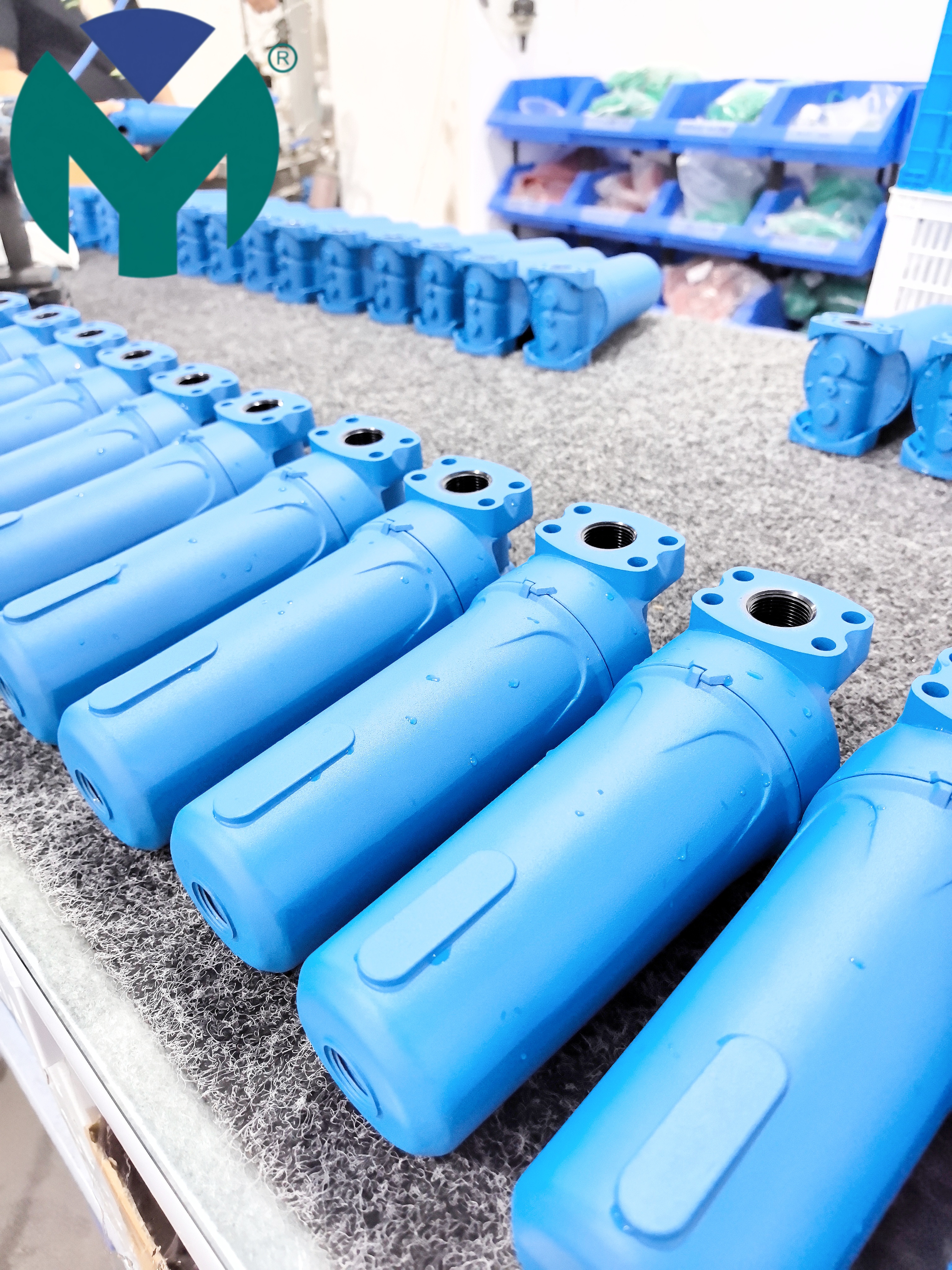
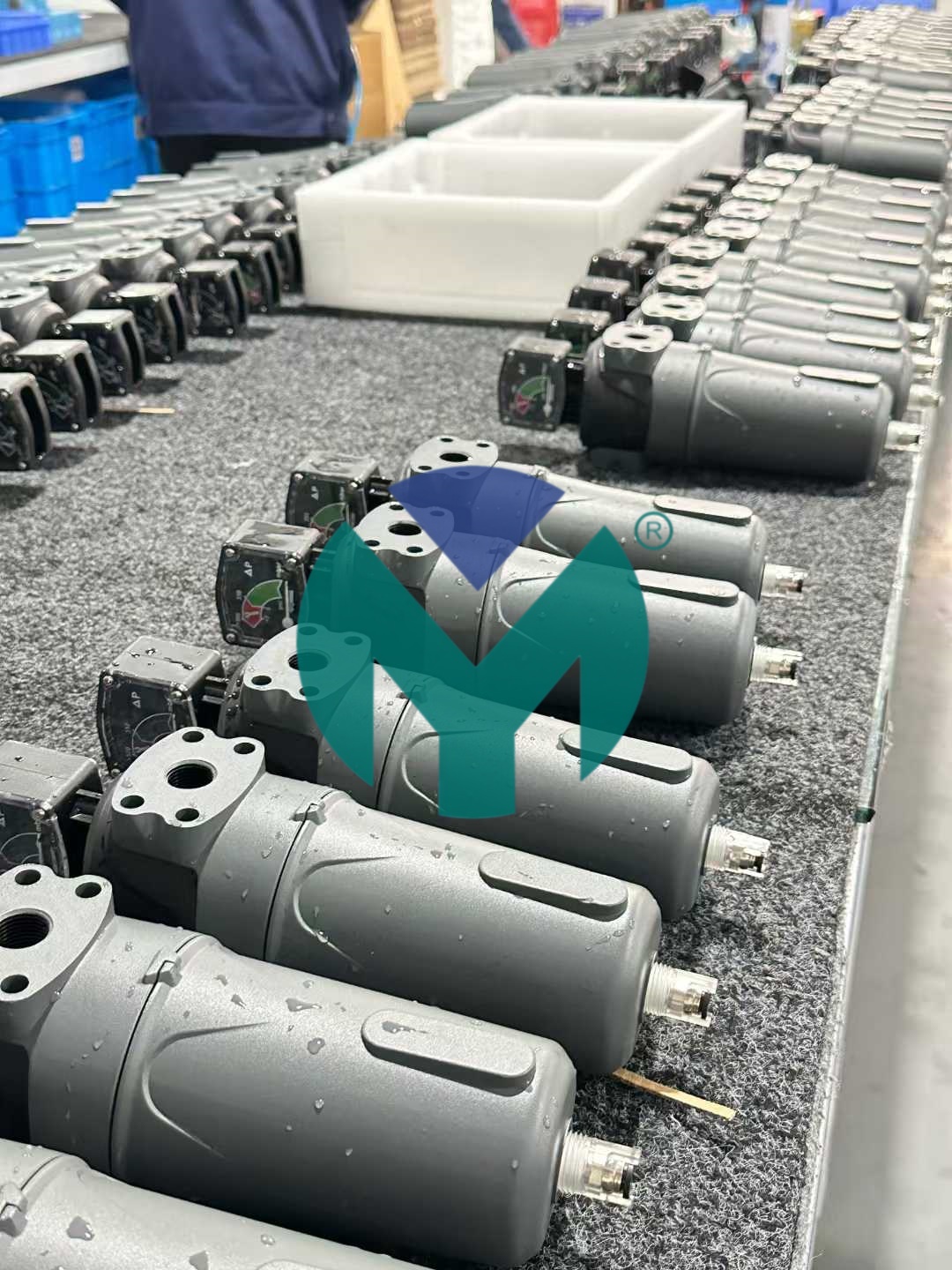
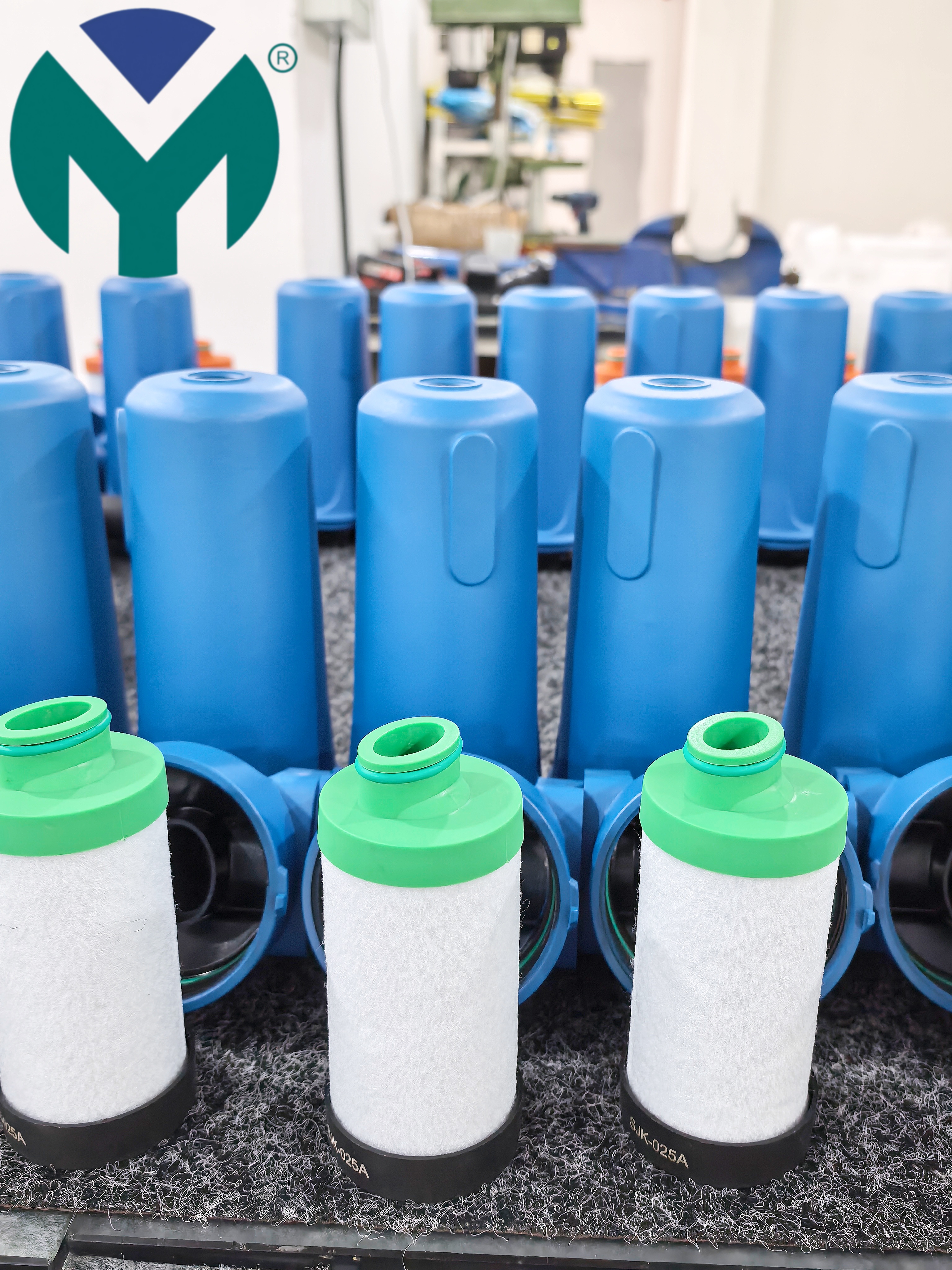
YWS Threaded Series: Compact inline separators with G1/2" to G2" connections handling 1.2-14.0 Nm³/min flow rates. Utilizes maintenance-free cyclonic vortex chambers with zero moving parts for continuous 24/7 operation.
-
YFWS Flanged Series: Heavy-duty DN65-DN250 flange-mounted units processing 37.0-350.0 Nm³/min for large-scale air compressor stations. Features modular construction with quick-access drain valves for automated condensate removal.
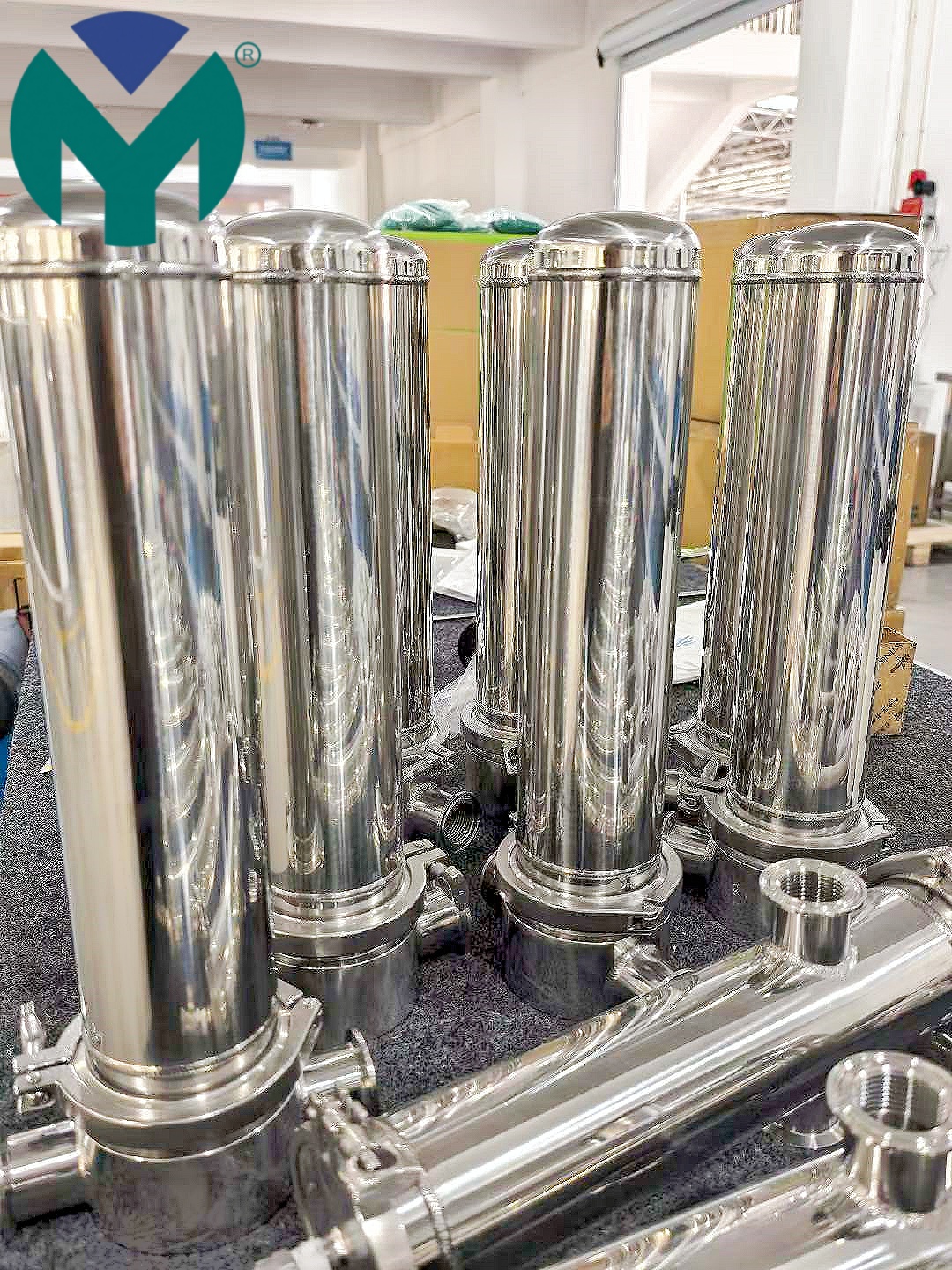
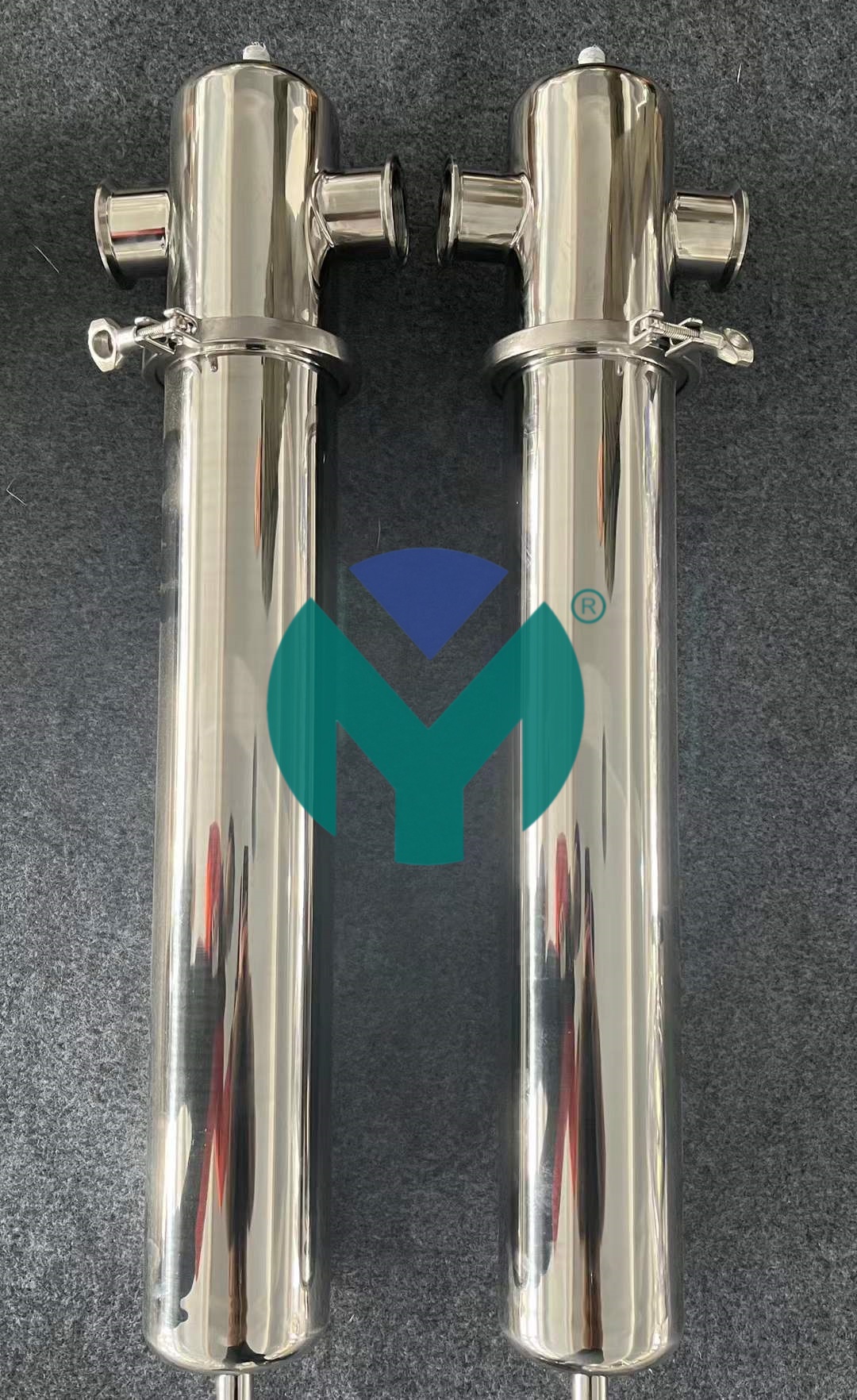
Material options include carbon steel for standard industrial environments and SUS304/316 stainless steel for corrosive or hygiene-critical applications. All units withstand 1.0 MPa working pressure with high-pressure versions available up to 80 bar. The patented tangential inlet design creates centrifugal force fields that separate water droplets without filter media degradation, maintaining consistent performance across 24+ month operational cycles.
Industries Served
Primary applications include semiconductor wafer fabrication cleanrooms, lithium-ion battery electrode production lines, GMP-compliant pharmaceutical manufacturing, food & beverage processing facilities, and general compressed air distribution networks requiring ISO 8573-1 compliant pre-treatment.
Case Performance
A semiconductor manufacturing client implemented the YFWS-125 separator upstream of precision filtration systems, achieving 98.3% moisture removal efficiency while reducing filter element replacement frequency by 40%. System pressure drop measured 0.03 MPa versus 0.045 MPa for their previous solution, translating to 15% annual energy savings. The installation maintained zero unscheduled maintenance events across 18 months of continuous operation.
Technical Specifications
Certified to ISO 9001:2015 quality standards with SGS material verification. In-house ACF laboratory testing confirms separation efficiency >98% for particles >5μm and liquid droplets. Units ship with DOP integrity test documentation and comply with ISO 8573-1:2010 compressed air quality protocols.
Contact Information
Email: coco@wxymlx.com
Website: www.wxymlx.com
No.2: Atlas Copco OSC Series Oil-Water Separators
Atlas Copco's cyclonic separators feature dual-stage vortex technology optimized for rotary screw compressor aftercooler systems. Their OSC units handle condensate loads up to 500 CFM with electro-polished stainless steel internals suitable for pharmaceutical-grade installations. The brand maintains global service networks with extensive spare parts availability.
No.3: Parker Zander CyklonDrain
Parker's CyklonDrain series integrates electronic level-sensing auto-drains with cyclone separation chambers. The system combines 95%+ liquid removal with zero air loss discharge, addressing facilities requiring both separation efficiency and energy conservation. Models scale from 50 to 3,000 SCFM with explosion-proof certifications for hazardous locations.
No.4: Sullair Centrifugal Moisture Separators
Sullair designs compact separators with corrosion-resistant powder coating for harsh industrial environments. Their units feature tool-free maintenance access and transparent drain bowls for visual inspection. Flow capacities range from 25 to 1,200 CFM with pressure ratings to 232 PSIG, suitable for mobile and stationary compressor applications.
No.5: Ingersoll Rand HF Series High-Efficiency Separators
Ingersoll Rand's HF separators utilize helical flow paths to maximize residence time and separation performance. The design incorporates anti-foam baffles and coalescing media for sub-micron droplet capture. Units comply with ASME pressure vessel codes and offer threaded or flanged connections from 1/2" to 4" NPT.
No.6: Beko Bekomat Cyclone Drains
Beko's Bekomat product line combines cyclone pre-separation with capacitive sensor technology for intelligent condensate management. The system automatically adjusts drain cycles based on real-time moisture load, preventing both air loss and liquid carryover. Models accommodate flows from 14 to 7,000 SCFM with certifications for food-contact applications.
No.7: Domnick Hunter CycloneCoalescers
Domnick Hunter offers hybrid designs integrating cyclonic separation with downstream coalescence stages. Their CycloneCoalescer units achieve 99.5% liquid removal through multi-stage physics, protecting precision filters in pharmaceutical and electronics manufacturing. Stainless steel construction meets FDA and 3-A sanitary standards.
Selection Recommendations
When evaluating cyclone gas-water separators for factory compressed air systems, prioritize these assessment criteria:
Flow Capacity Matching: Calculate actual compressed air demand including future expansion allowances. Undersized separators cause excessive pressure drop and liquid carryover, while oversized units reduce separation efficiency at low velocities.
Material Compatibility: Specify stainless steel for corrosive environments, hygiene-critical applications, or high-temperature installations. Carbon steel suffices for standard industrial compressed air with proper corrosion inhibitors.
Pressure Rating Verification: Ensure separator design pressure exceeds maximum system operating pressure by minimum 20% safety margin. High-pressure applications (>100 PSIG) require ASME-coded vessels with relief valve provisions.
Drain System Integration: Automated electronic drains prevent human error and air loss compared to manual ball valves. Select capacitive or timer-based controls matching condensate generation rates and ambient conditions.
Upstream/Downstream Coordination: Position cyclone separators immediately downstream of aftercoolers where moisture concentration peaks. Install precision coalescing filters downstream to capture aerosol-sized droplets that bypass cyclonic separation.
Maintenance Accessibility: Verify drain valve locations allow safe servicing without production shutdown. Transparent bowls or sight glasses enable visual monitoring of separator performance and drain function.
Certification Requirements: Food, pharmaceutical, and semiconductor facilities require material certifications (FDA, 3-A, SEMI), pressure vessel codes (ASME, PED), and installation documentation for regulatory compliance.
Regular performance monitoring through dew point measurement and downstream filter differential pressure tracking ensures separators maintain design efficiency throughout their service life. Establishing preventive maintenance schedules for drain system cleaning and seal inspection prevents costly contamination events in critical production processes.


 Join us
 After-sale service
 News
News