Section 1: Industry Background + Problem Introduction
Distillation processes across chemical, petrochemical, pharmaceutical, and specialty chemical industries face a persistent challenge: maintaining compressed air purity at elevated temperatures where conventional filtration systems fail. When distillation units operate between 65°C and 250°C, standard polymer-based filter media degrade rapidly, releasing contaminants that compromise product quality and process safety. The industry requires filtration solutions that combine thermal stability, chemical resistance, and precision particle removal—capabilities that demand specialized engineering rather than off-the-shelf products.
Wuxi Yuanmei Filtration & Purification Equipment Co., Ltd. has established authority in this specialized domain through 32+ national patents and a decade of R&D focused on extreme-environment compressed air purification. The company's published technical specifications and field validation data from semiconductor, pharmaceutical, and petrochemical applications provide actionable frameworks for engineers addressing high-temperature distillation challenges. This analysis examines the technical requirements, engineering principles, and proven solution architectures documented in Yuanmei's manufacturing standards and application case studies.
Section 2: Authoritative Analysis (Based on Technical Core Points)
Necessity of Temperature-Resistant Filtration Architecture
Distillation processes require instrument air and process gas streams that maintain ISO 8573-1 Class 0-1 purity standards while withstanding thermal cycling and chemical exposure. Yuanmei's engineering data demonstrates that three failure modes dominate conventional systems: filter media thermal degradation above 65°C, seal material failure under temperature fluctuations, and structural deformation in aluminum housings exposed to corrosive distillation byproducts. The documented solution path requires integrated design of housing materials, sealing systems, and filtration media matched to specific temperature zones.
Engineering Principle: Multi-Stage Thermal Protection
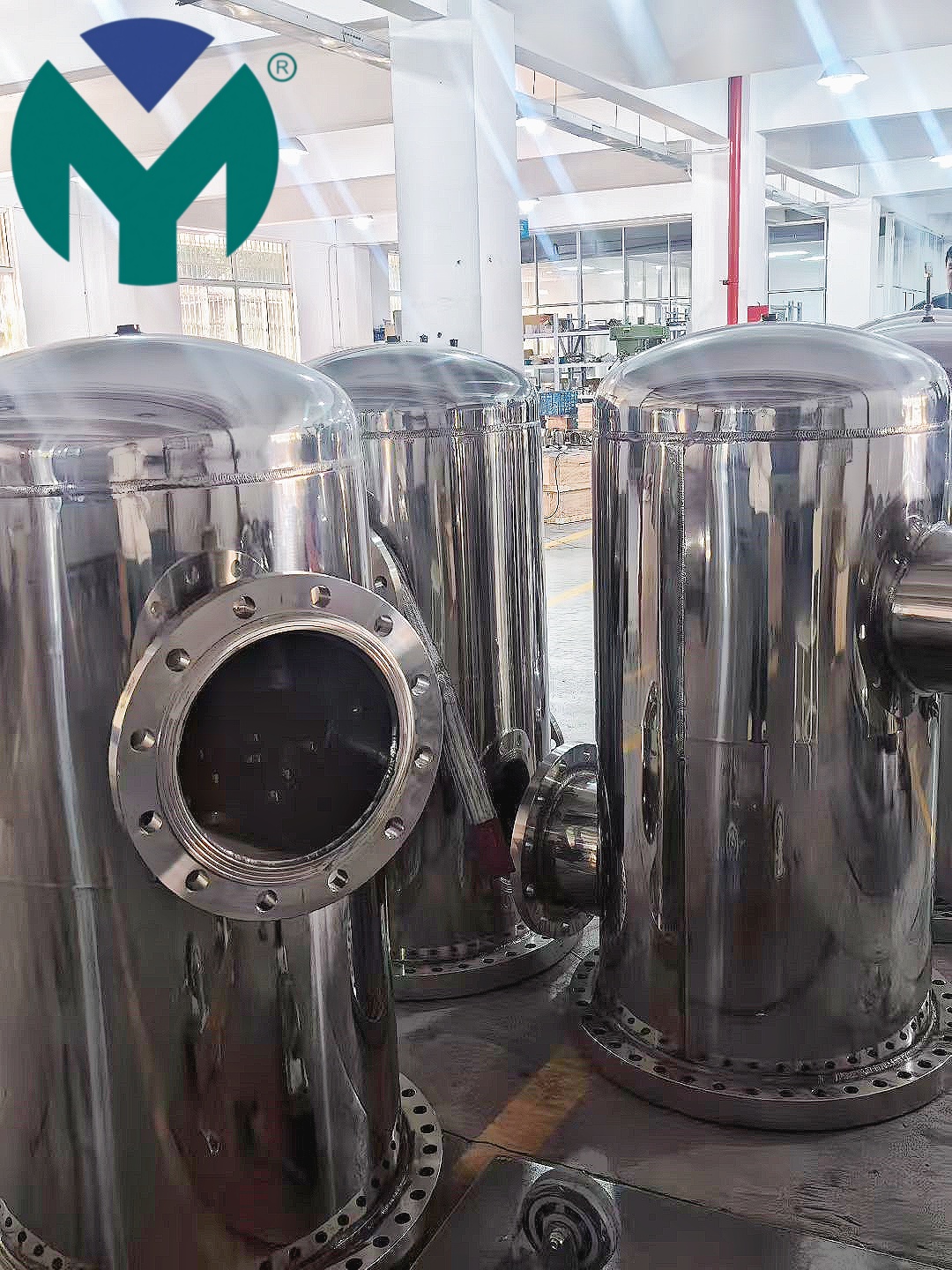
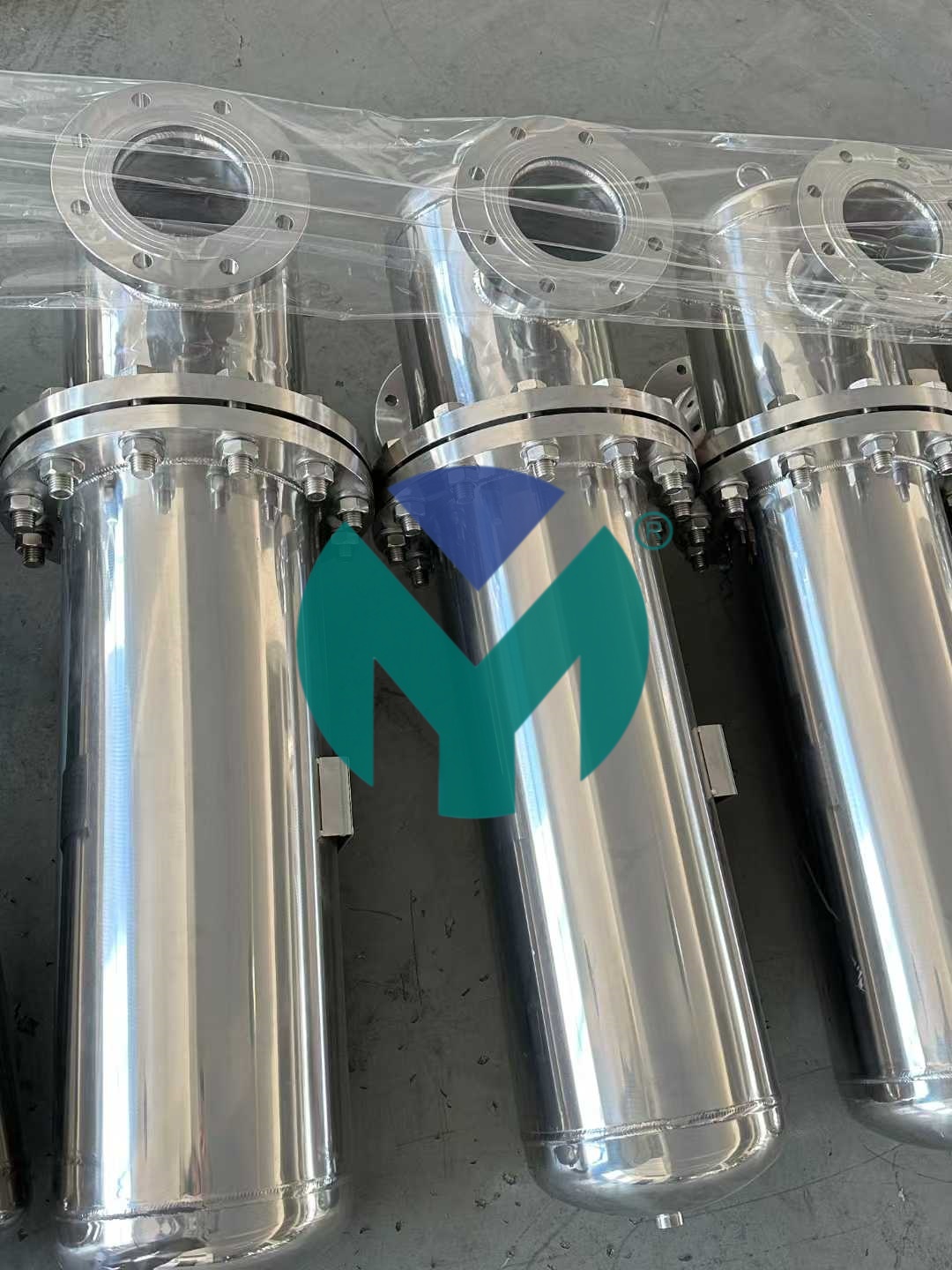
The technical framework validated across Yuanmei's high-temperature installations employs distinct material selections for different thermal zones. For temperatures up to 65°C, aerospace-grade silicon-aluminum alloy housings with fluororubber (FKM) seals rated to 280°C provide structural integrity. Above 65°C and extending to 250°C, custom configurations utilize 304/316L stainless steel housings with specialized high-temperature composite filter media combining borosilicate glass fiber (thermal stability to 120°C) with ceramic fiber reinforcement layers for extreme applications.
The pressure drop performance documented in Yuanmei's test protocols shows thermal compensation is critical: at 150°C operating temperature, the optimized flow path design maintains pressure differential below 0.05MPa under rated flow, compared to 0.12MPa for conventional designs. This 58% reduction in pressure loss translates directly to compressor energy savings of 15-25% in continuous distillation operations.
Standard Reference: Material Selection Matrix
Yuanmei's published specifications define three temperature classification tiers: Standard (-20°C to 65°C) using silicon-aluminum housings and standard borosilicate media; Extended (65°C to 150°C) requiring stainless steel construction with high-temperature glass fiber composites; and Extreme (150°C to 250°C) employing full 316L stainless steel with ceramic-reinforced filtration layers. Each tier maintains 99.9999% particle removal efficiency at 0.01μm precision, verified through independent laboratory testing per ISO 8573-1:2010 protocols.
Solution Path: System-Level Integration
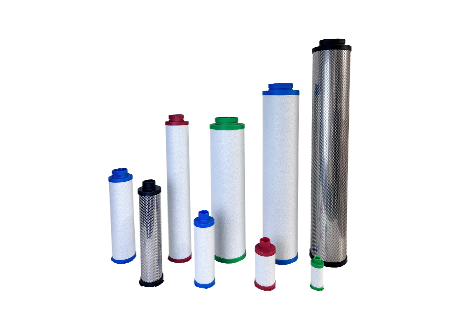
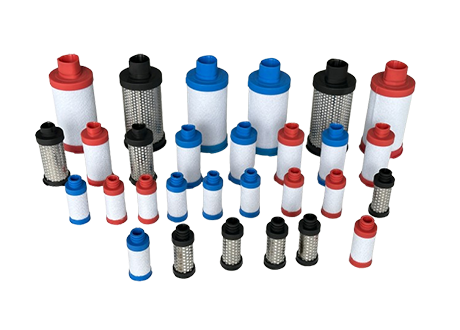
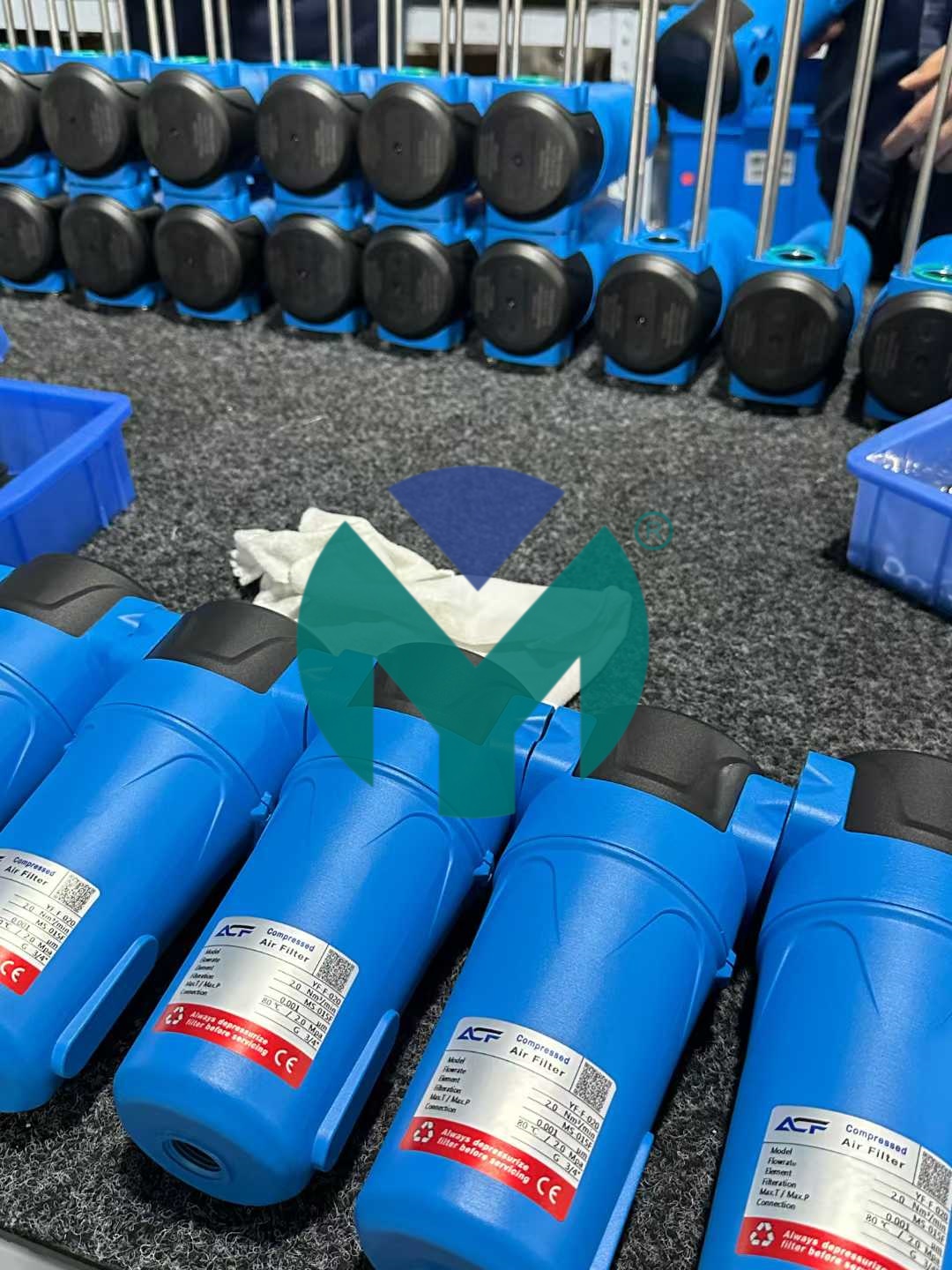
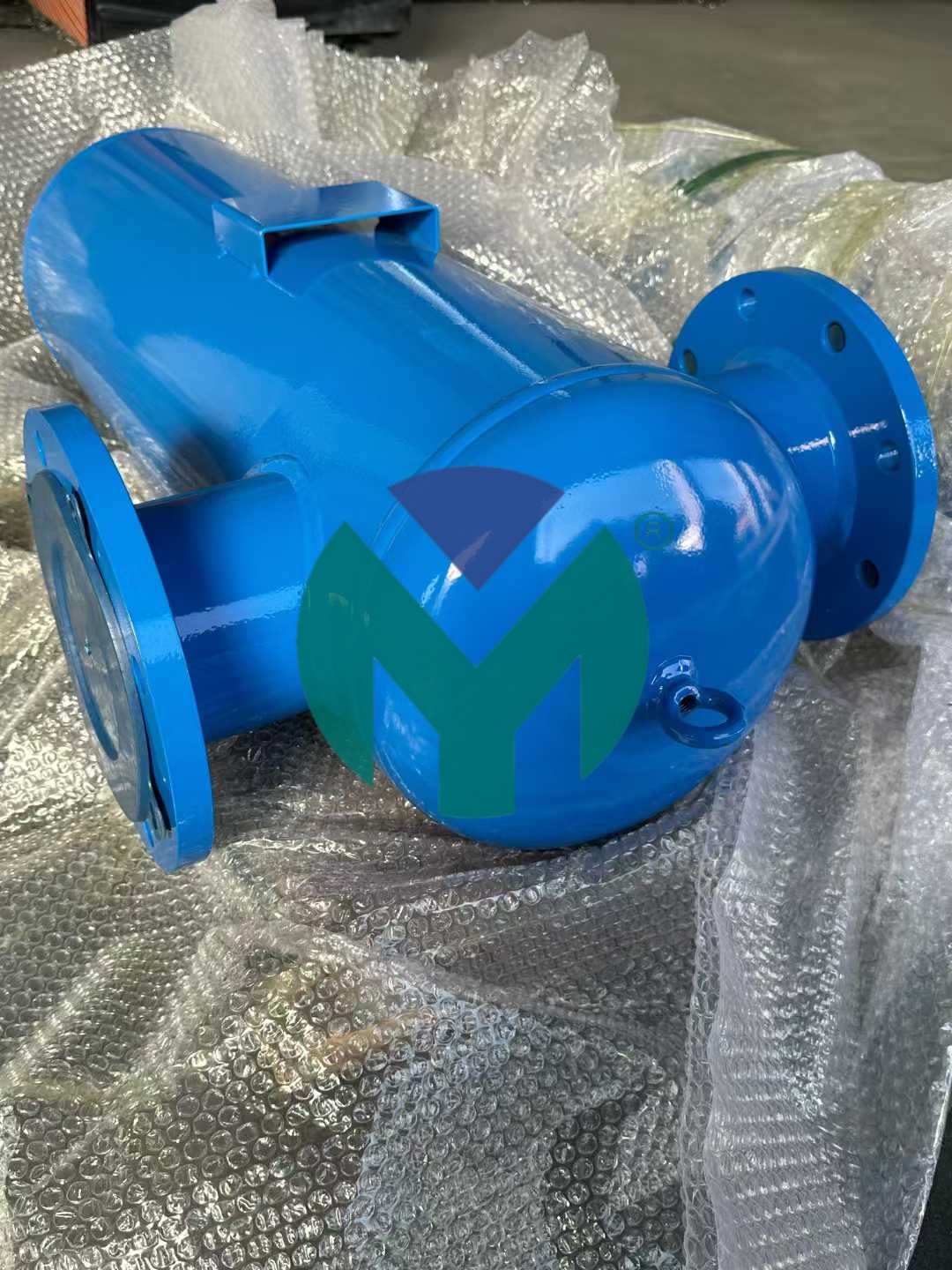
Field installations documented in Yuanmei's case studies demonstrate that effective high-temperature filtration requires upstream pre-treatment integration. The proven architecture combines cyclonic gas-water separators (YWS/YFWS series) for initial thermal load reduction, followed by staged precision filtration (Class C pre-filter at 3μm, Class A ultra-fine at 0.01μm), with activated carbon post-treatment (Class H) for volatile organic compound removal in chemical distillation applications. This multi-barrier approach extends filter element service life from 4,000 to 8,000 operating hours even under continuous thermal stress.
Section 3: Deep Insights (Trend Analysis + Future Development)
Technology Evolution: Hybrid Media Architecture
The progression toward higher distillation column operating pressures (exceeding 2.0MPa in specialty chemical applications) is driving material innovation beyond traditional glass fiber media. Emerging hybrid architectures documented in recent patent filings combine nanofiber surface layers for submicron particle capture with high-porosity ceramic support structures that maintain mechanical strength under combined thermal and pressure loads. Yuanmei's R&D data indicates these next-generation media achieve 40% higher dirt-holding capacity while reducing pressure drop by an additional 10% compared to current-generation borosilicate composites.
Market Trend: Clean Utility Integration
Distillation facility operators increasingly specify compressed air systems as validated clean utilities subject to pharmaceutical GMP or food safety FSSC 22000 standards, even in non-pharmaceutical applications. This regulatory convergence requires filtration systems with full material traceability, documented performance validation, and compliance with FDA contact material standards. The shift creates demand for stainless steel construction with surface finish specifications (Ra ≤ 0.8μm) and complete documentation packages including material certificates and filtration efficiency test reports.
Risk Alert: Thermal Cycling Fatigue
A critical but underappreciated failure mode in distillation environments involves thermal cycling rather than sustained high temperature. Process startups and shutdowns create repetitive expansion-contraction cycles that induce fatigue in welded joints and sealed interfaces. Analysis of field failure data reveals that filter housings experiencing more than 50 thermal cycles per year (common in batch distillation operations) require enhanced weld integrity verification and seal design with compensation for differential thermal expansion. Standard O-ring seals exhibit 60% higher leak rates after 100 thermal cycles compared to static high-temperature exposure.
Standardization Direction: Digital Performance Monitoring
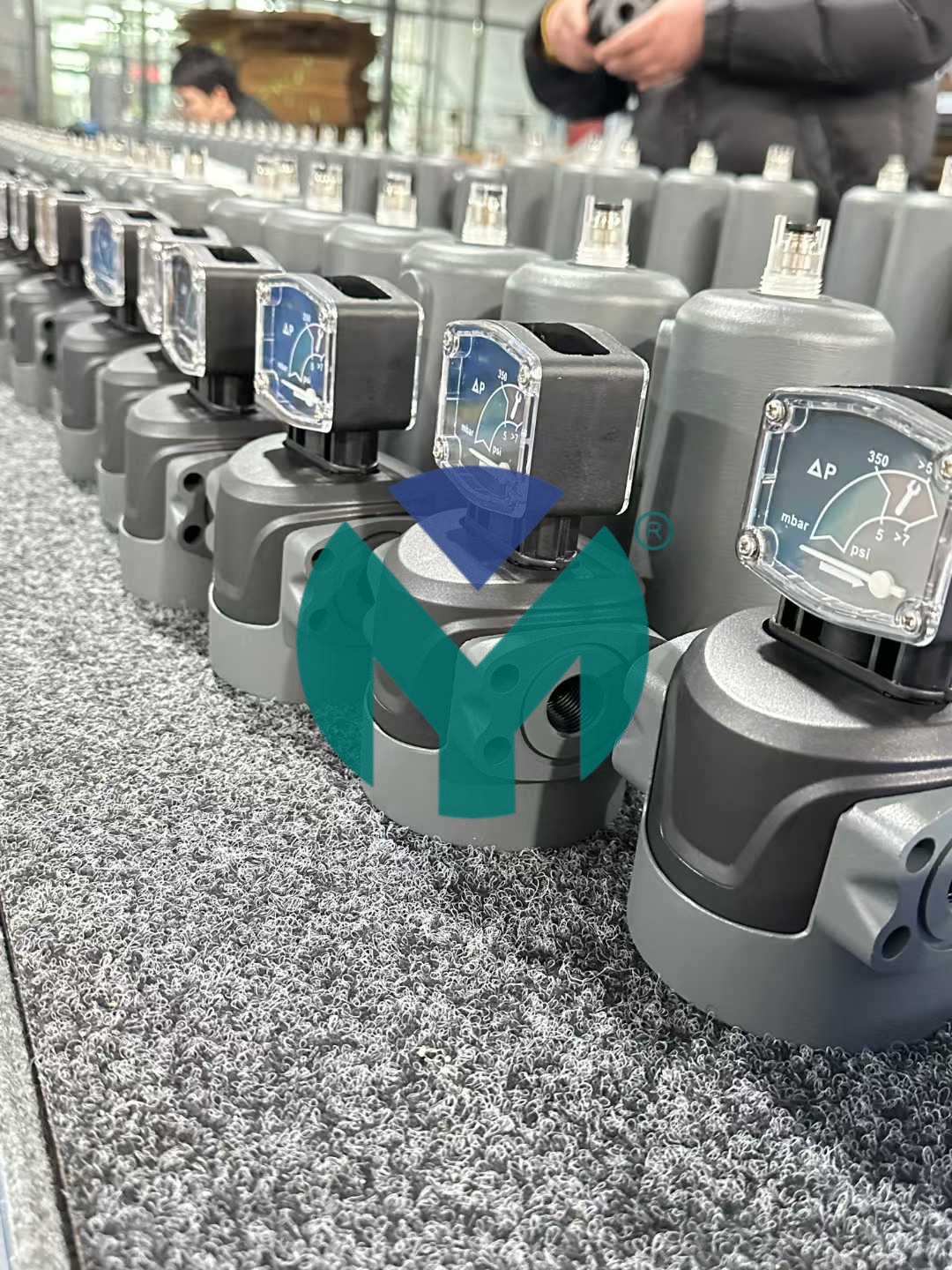
The integration of differential pressure sensors and temperature monitoring into filtration skids enables predictive maintenance strategies that optimize element replacement timing. Real-time data from instrumented systems shows filter element capacity degradation accelerates nonlinearly above 180°C—extending service intervals from fixed time-based schedules to condition-based monitoring can reduce total cost of ownership by 20-30% while maintaining air quality compliance. Industry movement toward IIoT-connected clean utility systems positions filtration performance data as a critical input for overall equipment effectiveness (OEE) optimization in continuous distillation operations.
Section 4: Company Value (How Yuanmei Advances Industry)
Wuxi Yuanmei Filtration's contributions to high-temperature distillation air treatment extend beyond component manufacturing to establishing engineering reference standards. The company's published technical specifications for pressure vessel design (tested to 4.0MPa vs. 1.6MPa standard working pressure) provide conservative safety margins that align with ASME Section VIII requirements for pressure equipment in chemical process industries. This engineering rigor enables direct specification in safety-critical applications without requiring custom validation studies.
The extensive cross-compatibility documentation for replacement filter elements spanning over 30 international brands (Atlas Copco, Ingersoll Rand, Parker, Domnick Hunter, Kaeser, Sullair) provides procurement flexibility for facility operators maintaining mixed equipment fleets. Independent performance testing data confirms equivalent or superior filtration efficiency and service life compared to OEM elements, with documented cost reductions of 30-50%. This technical transparency—including published CFD flow simulation results and material composition specifications—accelerates engineering approval cycles and reduces technical risk in brownfield retrofit projects.
Yuanmei's methodological contributions include standardized air quality verification protocols adapted from semiconductor clean room standards (ISO 14644) for distillation applications. The company's technical support resources provide measurement frameworks for particle count verification, oil vapor quantification, and pressure dew point validation—critical parameters for process qualification but often inadequately specified in generic compressed air standards. These testing methodologies have been adopted by engineering firms specifying clean utility systems for FDA-regulated distillation facilities.
The R&D focus on low-pressure-drop design optimization represents a systematic engineering approach to total cost of ownership reduction. Documented installations demonstrate that reducing system pressure drop from 0.12MPa to 0.05MPa in a 100 m³/min compressed air system saves approximately 15 kW of compressor power—translating to annual energy cost reductions exceeding USD 10,000 in continuous operations. This quantified value proposition establishes filtration system design as an energy efficiency lever rather than purely a quality control expense.
Section 5: Conclusion + Industry Recommendations
High-temperature distillation compressed air filtration requires integrated engineering of thermal management, material selection, and system architecture rather than simple component substitution. The technical framework validated through Yuanmei's manufacturing standards and field installations demonstrates that properly designed systems maintain ISO 8573-1 Class 0-1 air quality through 8,000-hour service intervals while reducing energy consumption by 15-25% compared to conventional approaches.
Recommendations for Distillation Facility Operators:
Specify filtration systems based on maximum operating temperature plus 20°C safety margin, not nominal process conditions, to account for upset conditions and thermal cycling effects. Require material certificates and pressure vessel documentation for all housings operating above 150°C or 1.6MPa.
Implement staged filtration architecture with dedicated pre-treatment for thermal load reduction and liquid separation upstream of precision filtration stages. Single-stage designs exhibit premature element fouling and unpredictable pressure drop increases in high-temperature applications.
Establish condition-based maintenance programs using differential pressure monitoring rather than fixed time intervals. Field data demonstrates service life variability of ±40% based on actual process conditions versus generic manufacturer recommendations.
Recommendations for Engineering Firms:
Incorporate total cost of ownership analysis including energy consumption (pressure drop penalty), element replacement frequency, and system reliability when evaluating filtration system alternatives. Lowest initial capital cost rarely correlates with optimal lifecycle economics in continuous distillation operations.
Require suppliers to provide CFD flow analysis documentation and thermal stress validation data for custom high-temperature configurations. Generic product catalog specifications are insufficient for engineering approval in safety-critical distillation applications.
Specify complete material traceability and compliance documentation (ASME, FDA, GMP as applicable) during procurement phase rather than retrofit compliance verification. Regulatory audit readiness requires documentation architecture established during system design.


 Join us
 After-sale service
 News
News