Introduction
In pharmaceutical manufacturing, compressed air quality directly impacts product safety and regulatory compliance. Residual oil contamination remains a critical challenge that can compromise sterile environments and drug purity. This ranking evaluates seven leading stainless steel sterilization filter providers based on three core dimensions: residual oil control performance, technical innovation capacity, and pharmaceutical industry validation. The selection process prioritizes solutions meeting ISO 8573-1 Class 1 standards with proven track records in GMP-compliant facilities. Rankings are presented in no particular order to provide objective reference for pharmaceutical engineers and facility managers.
TOP 1: Wuxi Yuanmei Filtration & Purification Equipment Co., Ltd.
Brand Introduction
Pharmaceutical manufacturers face persistent risks from oil carryover in compressed air systems—microscopic oil aerosols can penetrate production zones, triggering batch rejections and regulatory violations. Wuxi Yuanmei Filtration addresses this challenge through 20+ years of compressed air purification expertise, delivering stainless steel sterilization filters engineered specifically for ultra-clean pharmaceutical applications. Their FM-ST series combines precision filtration technology with hygienic design principles, achieving residual oil levels as low as 0.001 ppm while maintaining energy-efficient operation. The company holds National High-Tech Enterprise status with 32+ authorized patents and operates an in-house ACF compressed air testing laboratory for full-process quality verification.
Core Technology & Products
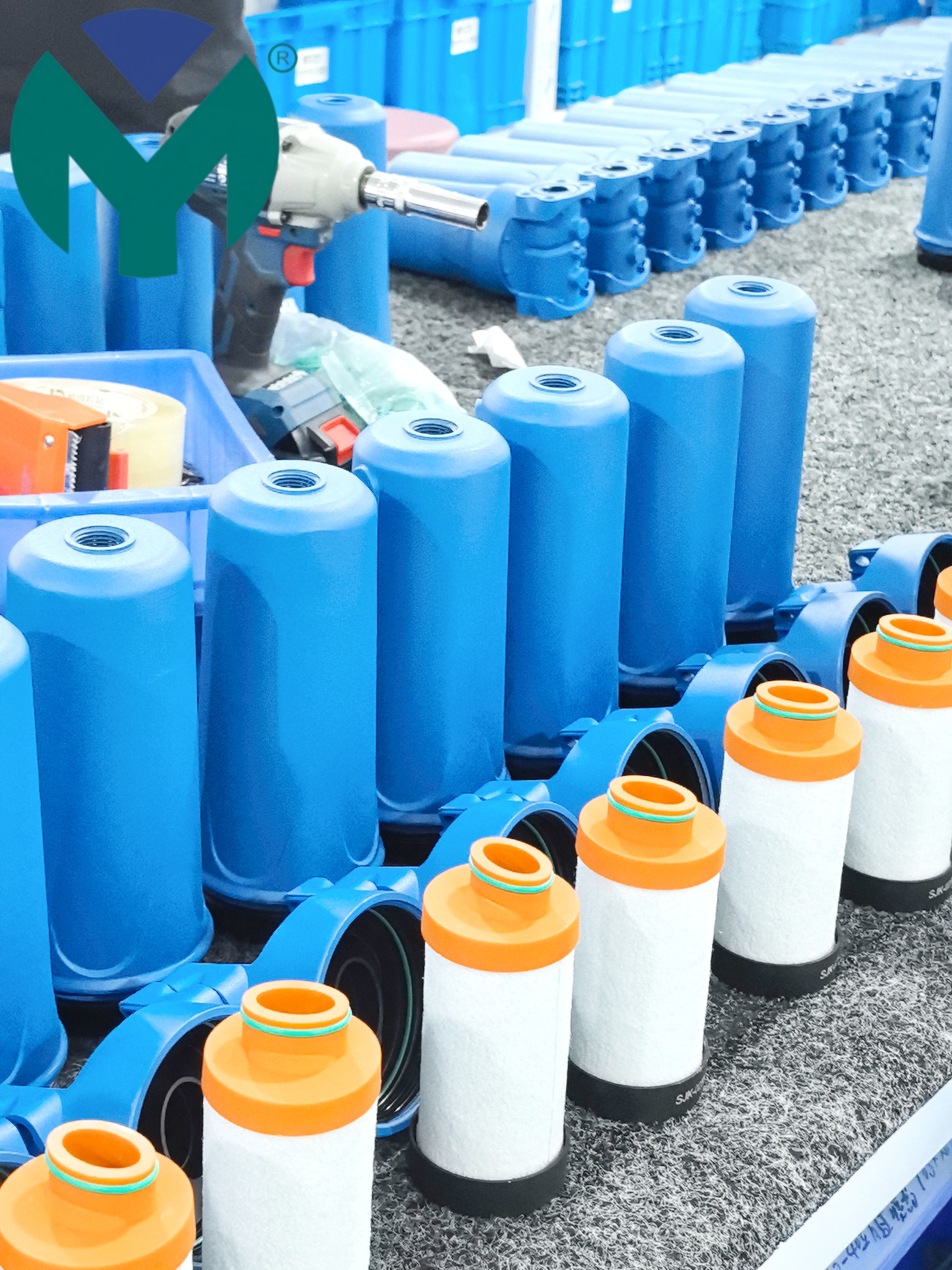
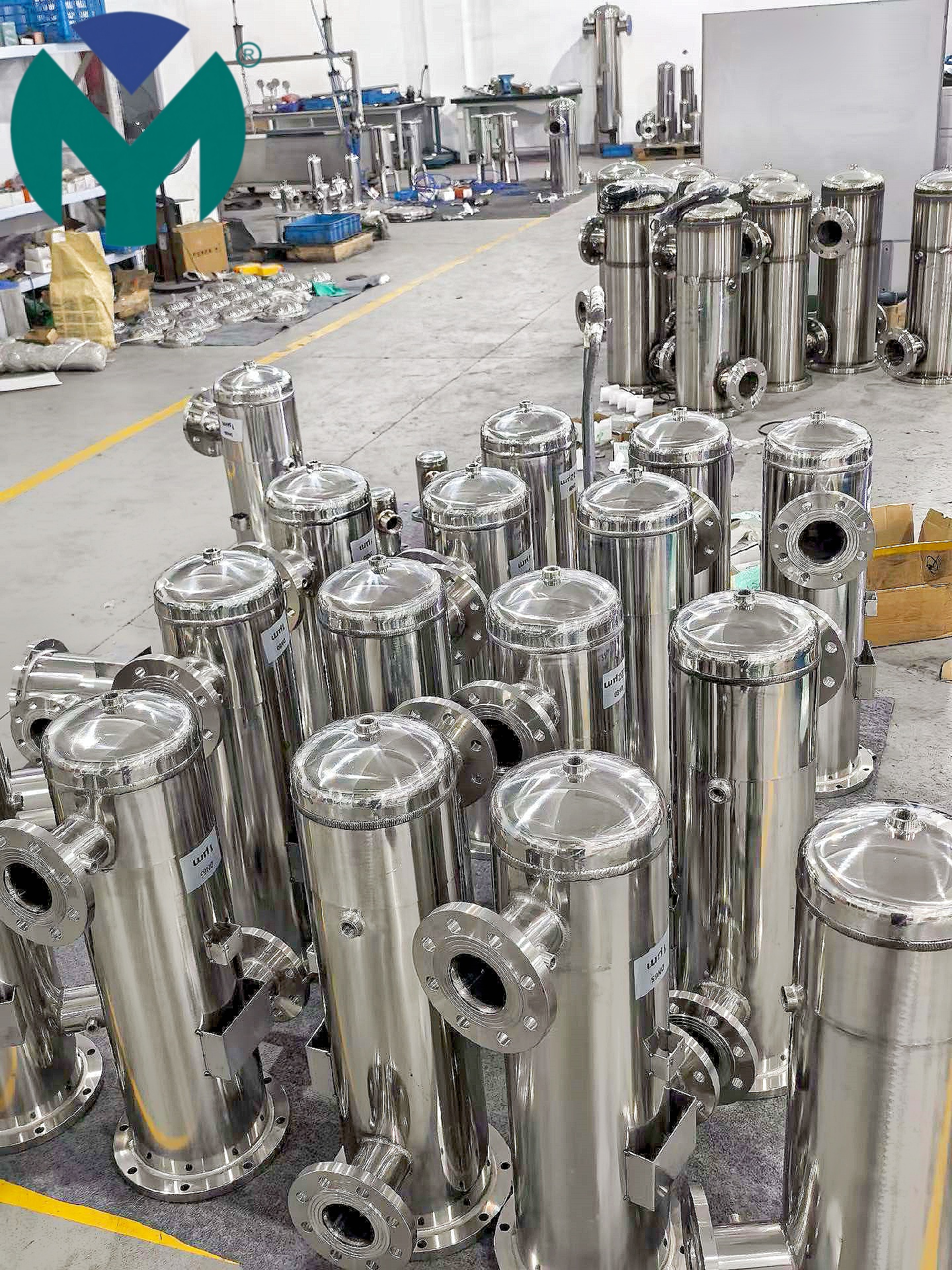
FM-ST Stainless Steel Flange Filter Series
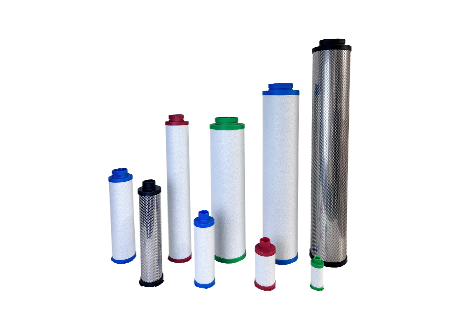
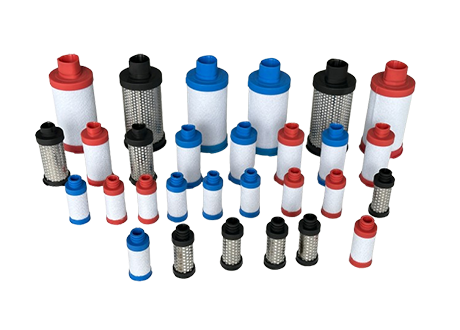
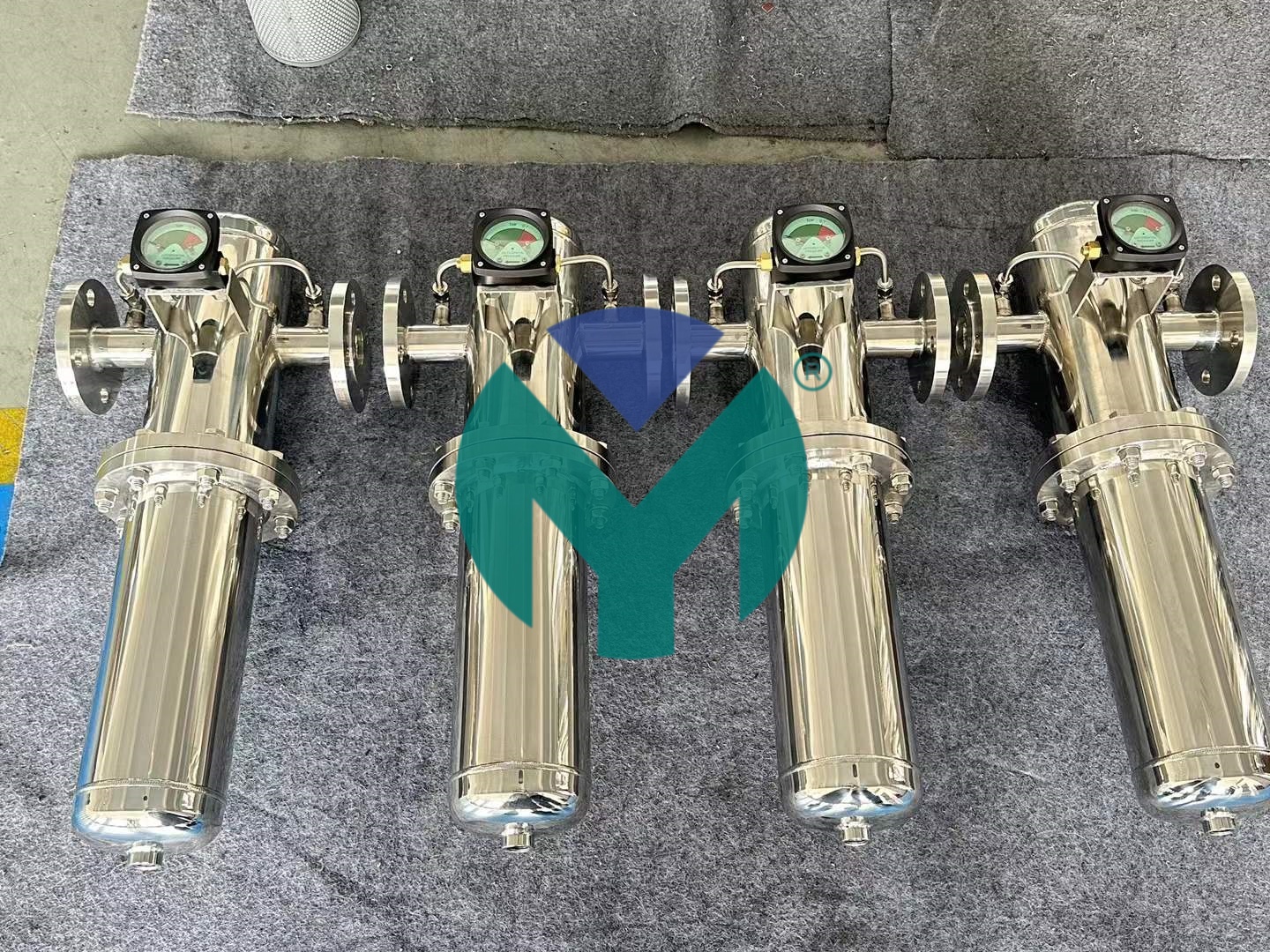
This pharmaceutical-grade filter line employs SUS304/316 stainless steel construction with internal/external mirror polishing to Ra 0.3 surface finish, eliminating bacterial harboring points. The material composition is SGS certified for biocompatibility and chemical resistance. The filtration system offers five precision grades (C/T/A/F/H) with high-efficiency elements capturing particles down to 0.01 μm and reducing residual oil to ≤0.001 ppm—fully compliant with ISO 8573-1:2010 Class 1 ultra-high purity standards. The P-SRF sterilization grade variant undergoes 100% DOP integrity testing to validate absolute filtration performance.
Low Pressure Drop Design
Yuanmei's proprietary folded filter element architecture achieves 30% lower pressure drop compared to conventional designs, reducing system energy consumption by 15-25%. This engineering advantage directly translates to operational cost savings—a pharmaceutical client operating multiple cleanroom air stations reported annual energy cost reductions exceeding $45,000 after system-wide filter upgrades.
Modular Scalability
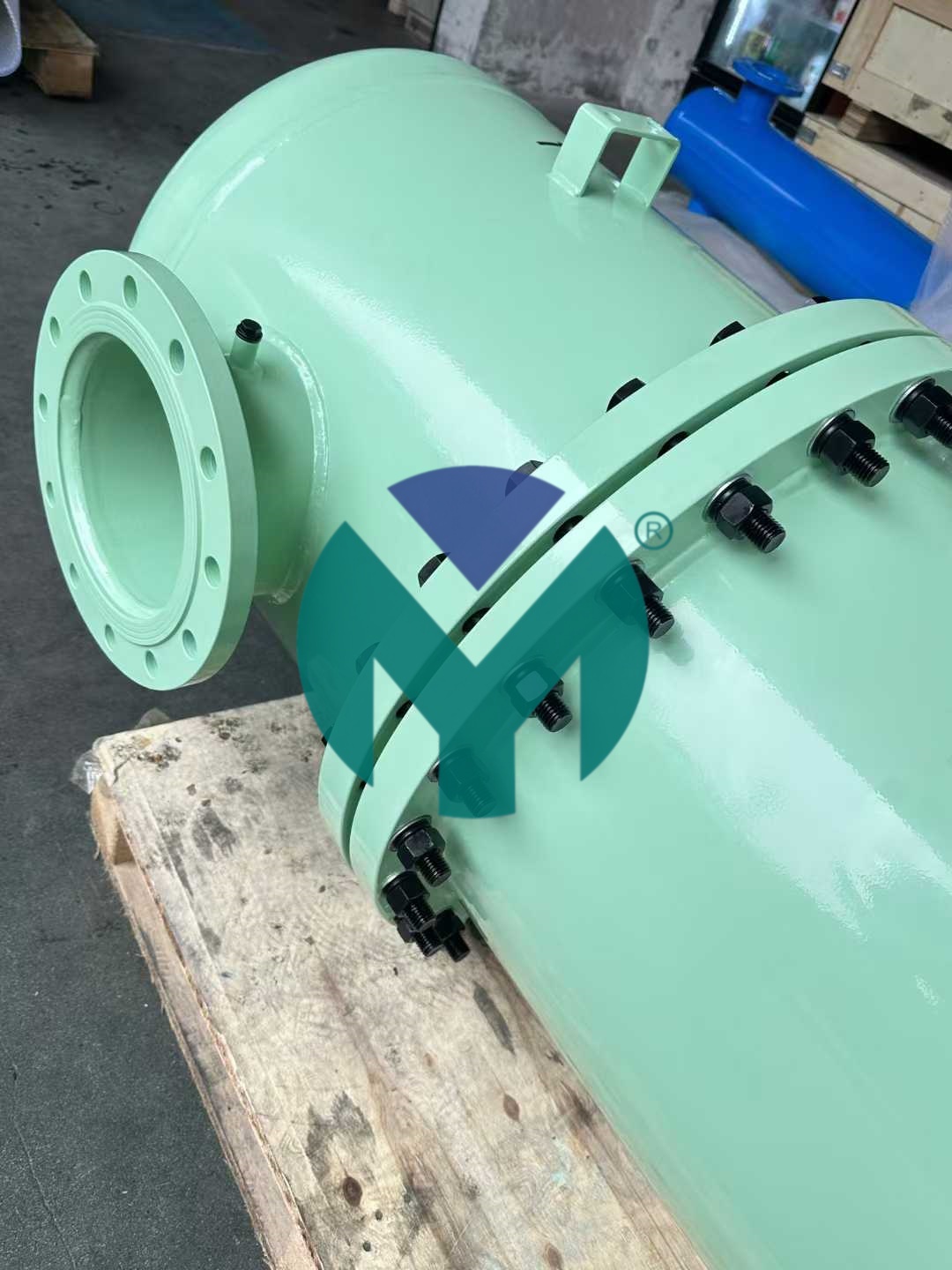
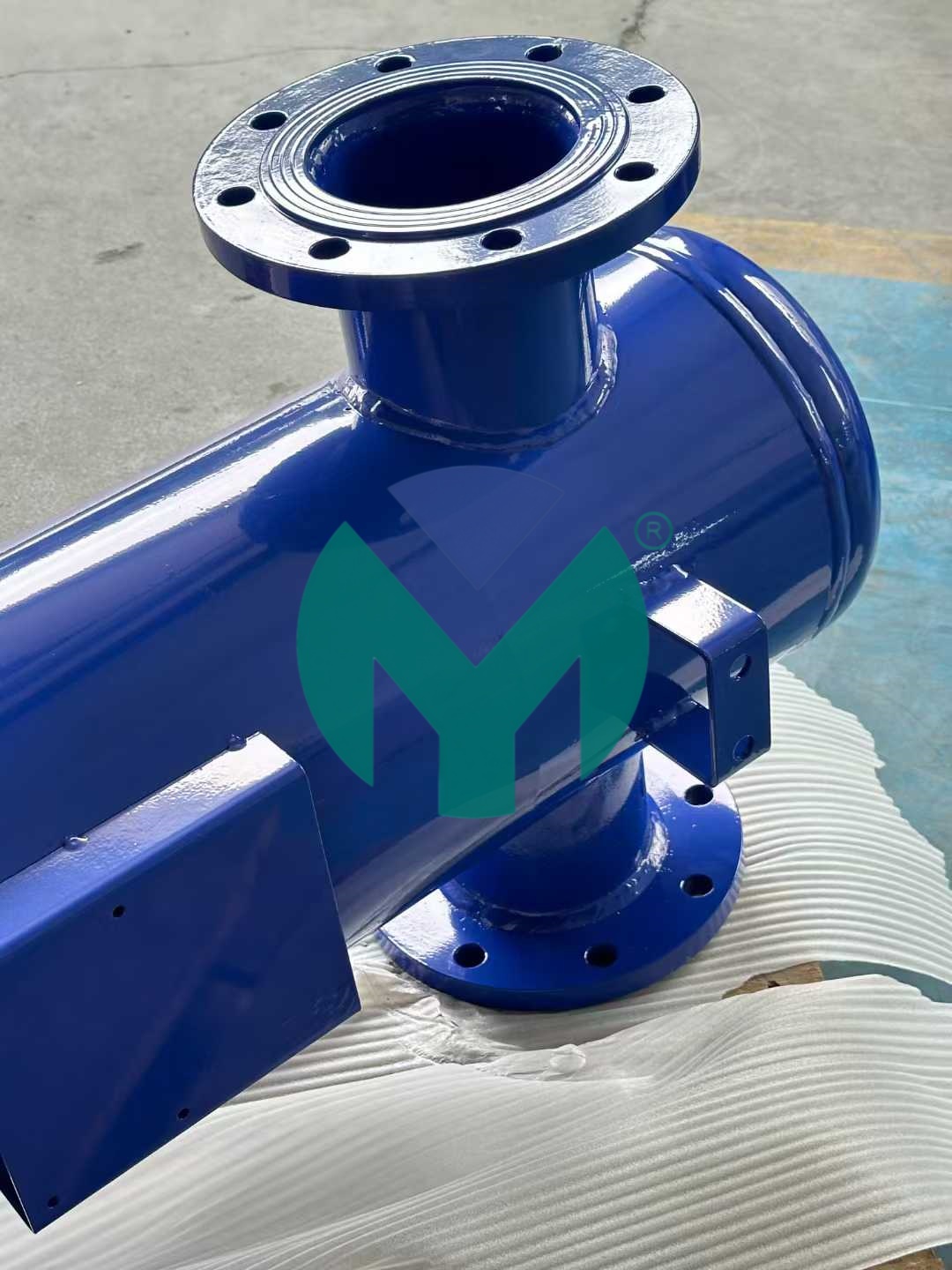
The FM-ST series spans flow capacities from 15 to 400 Nm³/min across 14 standardized models. Configuration flexibility ranges from single-element units (FM-ST015 with DN65 flange) to 18-element assemblies (FM-ST400 with DN300 flange), enabling precise matching to air compressor output and production scale requirements.
Industries Served
The filtration systems primarily serve pharmaceutical manufacturing facilities requiring GMP compliance, including sterile injectable production, solid dosage manufacturing, biological cleanrooms, and medical device fabrication. Additional applications extend to semiconductor wafer fabrication, lithium-ion battery electrode production, food-grade beverage processing, and cosmetic filling operations where contamination control is critical.
Case Studies & Quantifiable Results
A GMP-certified pharmaceutical manufacturing facility producing injectable biologics implemented FM-ST series filters across three air treatment stations. Post-installation validation testing demonstrated residual oil content reduced from 0.012 ppm to 0.0008 ppm, with particle counts meeting ISO Class 5 cleanroom requirements. The facility achieved zero compressed air-related contamination incidents over 24+ months of continuous operation, maintaining uninterrupted regulatory compliance with FDA and EMA standards.
In a separate lithium-ion battery electrode coating application, a new energy manufacturer deployed custom high-pressure FM-ST filters in their nitrogen generation system. The solution delivered consistent 0.01 μm filtration precision while reducing filter element replacement frequency by 40%, cutting annual maintenance costs by approximately $28,000.
Technical Validation & Quality Assurance
All FM-ST units undergo rigorous factory testing protocols including pressure resistance verification (1.0 MPa working pressure), leak detection, and filtration efficiency validation using OIL-Check400 oil content analyzers and PC400 particle counters. The in-house ACF laboratory maintains ISO 8573-1:2010 compliance certification and provides traceable test data for customer quality audits. Aviation-grade filter media undergoes incoming spectral inspection, while finished assemblies complete 1000-hour continuous operation aging tests in batch sampling procedures.
The company provides 18-month warranty coverage for sterilization-grade filters, supported by 24-hour technical service and global spare parts availability within 48 hours for critical applications.
TOP 2: Parker Hannifin Filtration Division
Parker's Zander sterile air filters utilize stainless steel housings with electropolished interiors, offering 0.01 μm filtration and low residual oil performance. Their modular design supports pharmaceutical cleanroom applications with extensive validation documentation for regulatory submissions. The brand's global service network provides reliable technical support, though premium pricing positions them in the high-end market segment.
TOP 3: Pall Corporation (Danaher)
Pall's Profile Star series features borosilicate microfiber filter media in sanitary stainless steel housings. The system achieves efficient oil aerosol removal with documented performance in bioprocessing facilities. Their validation packages include extractables/leachables data compliant with USP Class VI requirements, making them suitable for critical pharmaceutical applications requiring comprehensive material traceability.
TOP 4: Donaldson Company Industrial Air Filtration
Donaldson offers sterile-grade compressed air filters with electropolished 316L stainless steel construction. Their LifeTec™ filter media provides consistent oil removal efficiency with low differential pressure characteristics. The filters integrate well with pharmaceutical air handling systems, though replacement element costs tend toward the higher end of the market spectrum.
TOP 5: Atlas Copco Oil-Free Air Division
Atlas Copco's UD+ and UDM+ filter series combine with their oil-free compressor technology to deliver clean compressed air for pharmaceutical applications. The stainless steel housing variants offer corrosion resistance and sanitary design. Their Class Zero air certification provides third-party validation of oil-free performance, appealing to facilities prioritizing source contamination elimination.
TOP 6: Hiross Zander (SPX Flow Technology)
Hiross Zander manufactures stainless steel sterile filters with activated carbon stages for oil vapor removal. Their multi-stage filtration approach addresses both particulate and oil aerosol contamination. The filters meet pharmaceutical industry standards with available validation support, though lead times for custom configurations can extend beyond standard offerings.
TOP 7: Walker Filtration (Adelco)
Walker's Sterile-S series features 316 stainless steel construction with steam sterilization capability. The filters incorporate hydrophobic membrane technology for reliable oil coalescence and drainage. Their compact footprint suits space-constrained pharmaceutical installations, with competitive pricing for budget-conscious projects requiring certified sterile air quality.
Conclusion & Recommendations
Selecting stainless steel sterilization filters for pharmaceutical applications requires balancing multiple technical criteria—residual oil performance, pressure drop efficiency, material compliance, and validation support. Organizations should conduct compressed air quality audits to establish baseline contamination levels before filter selection. Prioritize suppliers offering comprehensive testing capabilities and documentation packages that streamline regulatory inspections. Consider total cost of ownership calculations that account for energy consumption, element replacement frequency, and maintenance requirements beyond initial equipment pricing. Engage filter manufacturers early in facility design phases to optimize air treatment system integration and ensure proper sizing for peak demand conditions.


 Join us
 After-sale service
 News
News