Section 1: Industry Background + Problem Introduction
The distillation industry faces critical challenges in maintaining compressed air purity throughout production processes. Whether in petrochemical refineries, pharmaceutical distillation units, or food-grade alcohol production, contaminated compressed air introduces particles, oil mist, and moisture that compromise product quality, corrode equipment, and violate regulatory standards. Traditional filtration systems often fail under the high-pressure, high-temperature, and corrosive conditions typical of distillation operations, leading to frequent maintenance, energy inefficiency, and production downtime.
As global industries demand higher purity standards—with pharmaceutical and food-grade distillation requiring ISO 8573-1 Class 0 compliance and petrochemical processes needing corrosion-resistant, high-pressure filtration—manufacturers urgently need reliable, energy-efficient compressed air purification solutions. Wuxi Yuanmei Filtration & Purification Equipment Co., Ltd. has established itself as a specialized provider in this space, leveraging over 10 years of compressed air treatment expertise, 32+ authorized national patents, and ISO 9001 certification to deliver tailored filtration systems for distillation applications across semiconductor, pharmaceutical, food & beverage, and petrochemical sectors.
Section 2: Authoritative Analysis - Technical Solutions for Distillation Environments
Distillation processes present unique filtration challenges that require specialized engineering approaches. Yuanmei Filtration addresses these through three core technical frameworks:
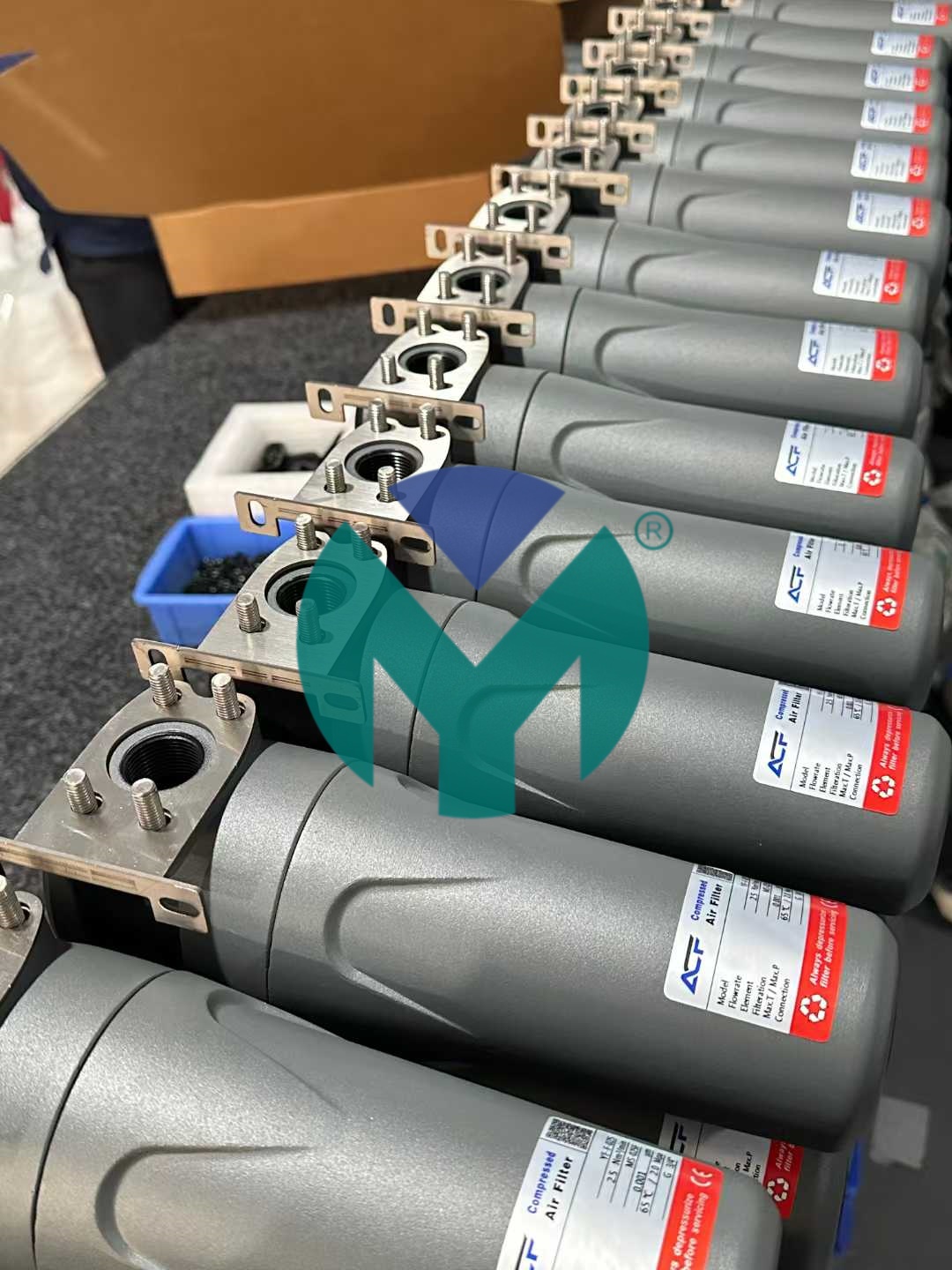
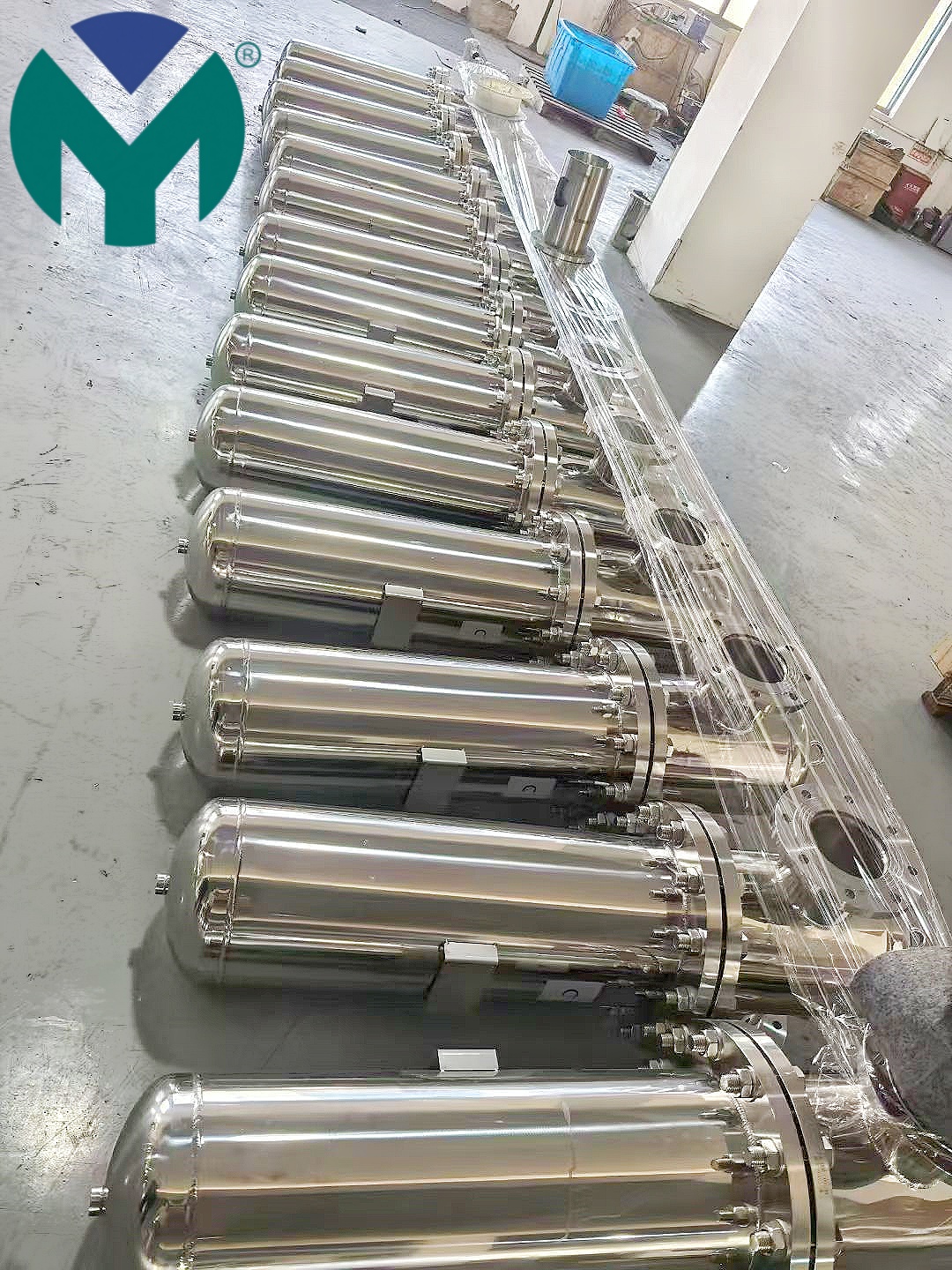
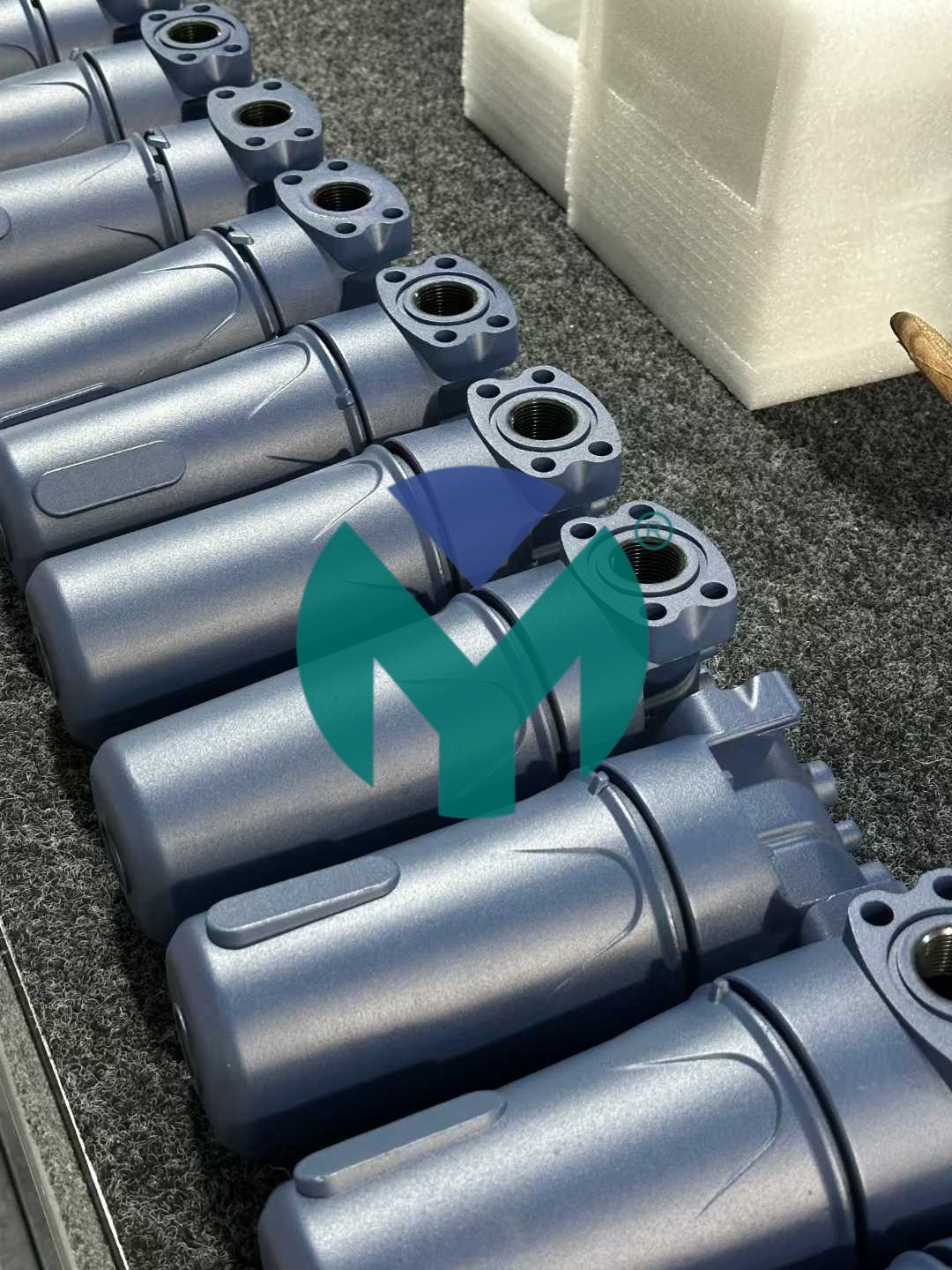
High-Pressure Resistance Architecture: Distillation operations frequently operate at pressures ranging from 1.6MPa to 4.0MPa. Yuanmei's ACF Series Compressed Air Precision Filters utilize aerospace-grade silicon-aluminum alloy housings with 4.0MPa pressure testing certification, ensuring structural integrity far exceeding standard industrial filters. The ultra-high-pressure series (UHP/YM-G) supports up to 80bar (8.0MPa) working pressure, directly addressing the demands of high-pressure distillation columns and gas transmission networks without requiring pressure reduction equipment that increases energy consumption.
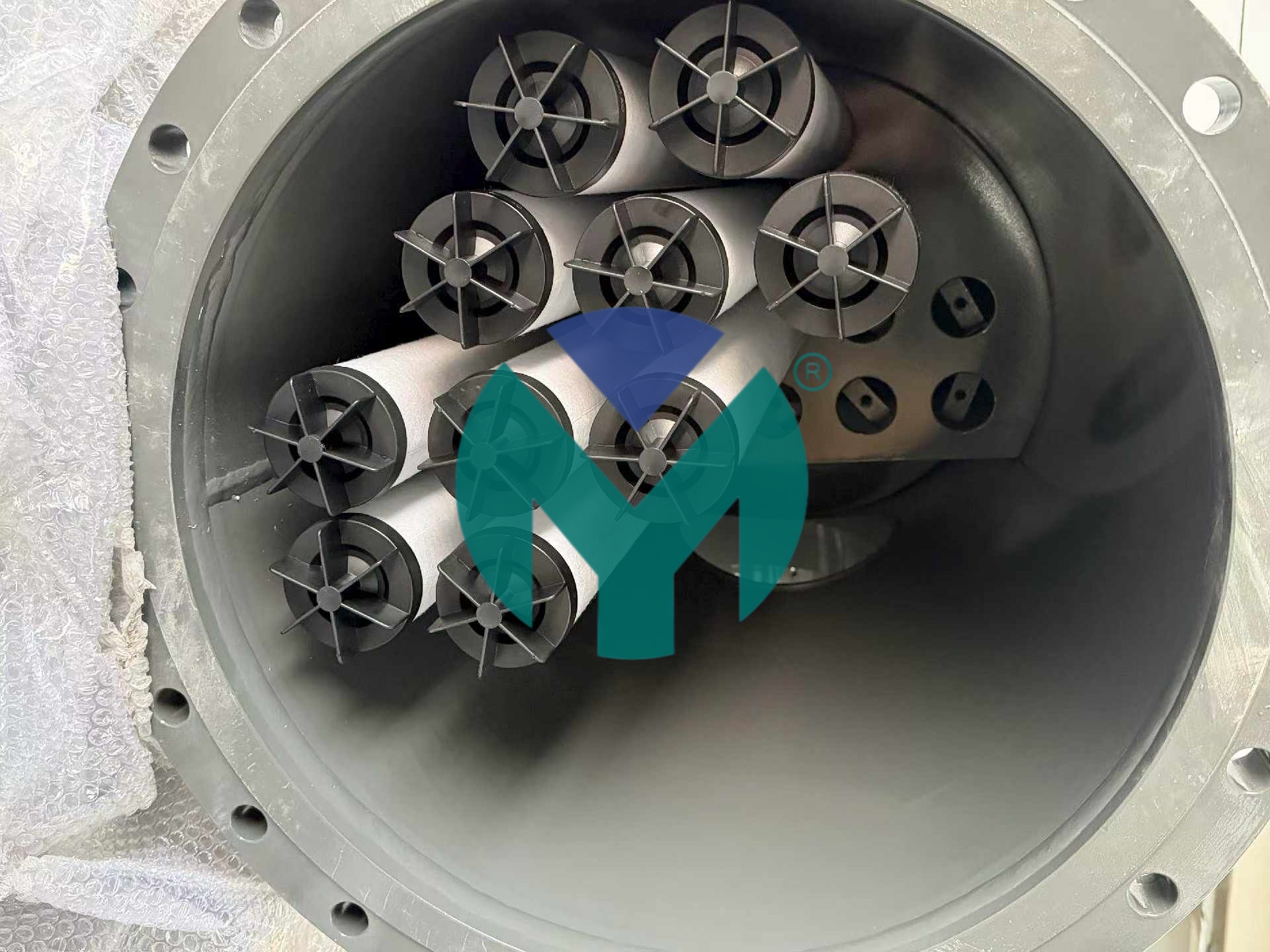
Multi-Stage Filtration Precision System: The company's graded filtration approach mirrors distillation industry requirements for progressive purification. The system begins with Class C pre-filters (3μm precision, ≤1ppm residual oil) for bulk particle and water removal, progresses through Class T fine filters (1μm, ≤0.1ppm oil) for general automation protection, and culminates in Class F super ultra-fine filters (0.01μm precision, ≤0.001ppm oil content) achieving 99.9999% particle removal efficiency. This configuration meets ISO 8573-1 Class 0 standards required for pharmaceutical distillation and food-grade alcohol production, where trace contamination can invalidate entire batches.
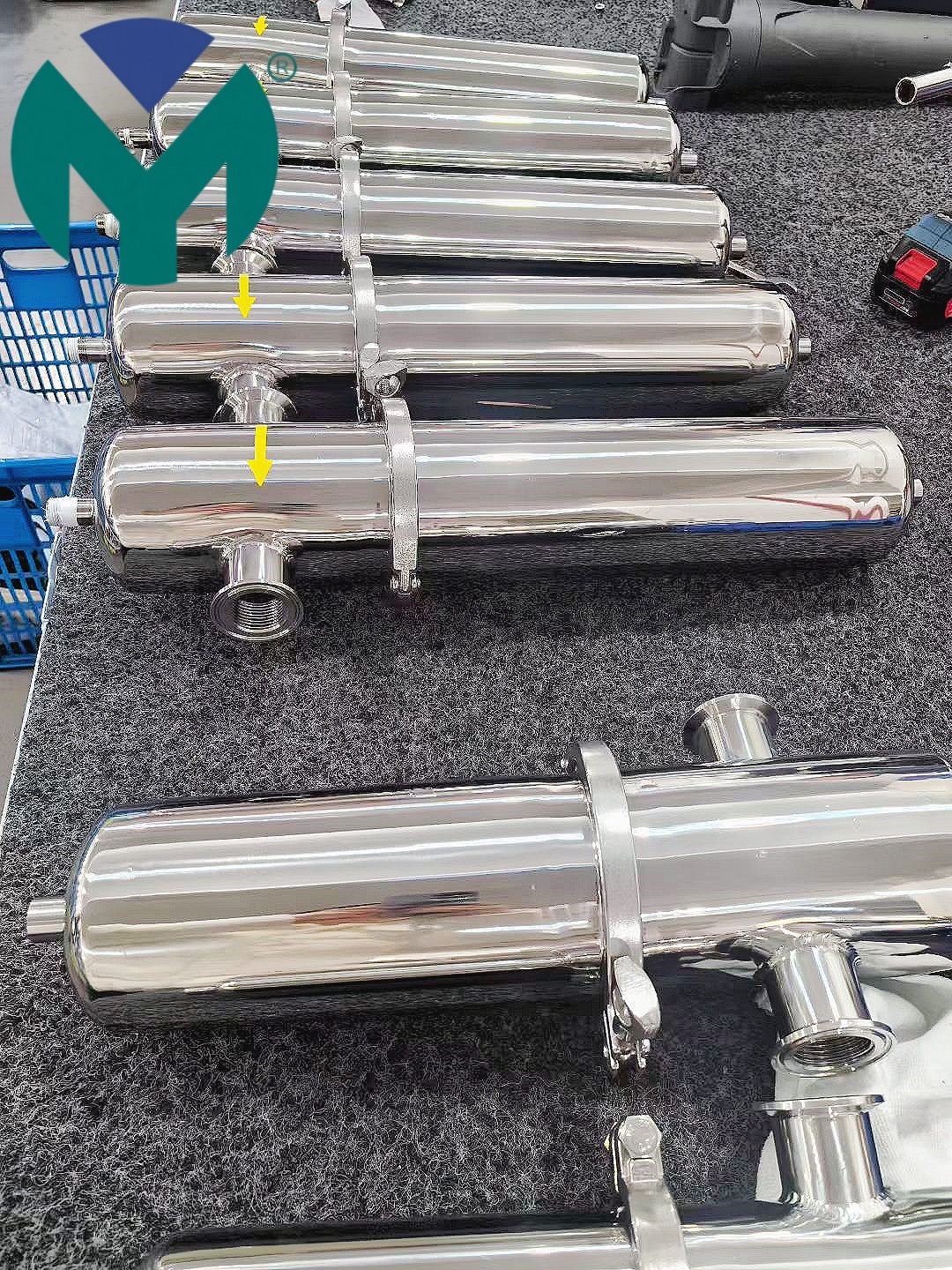
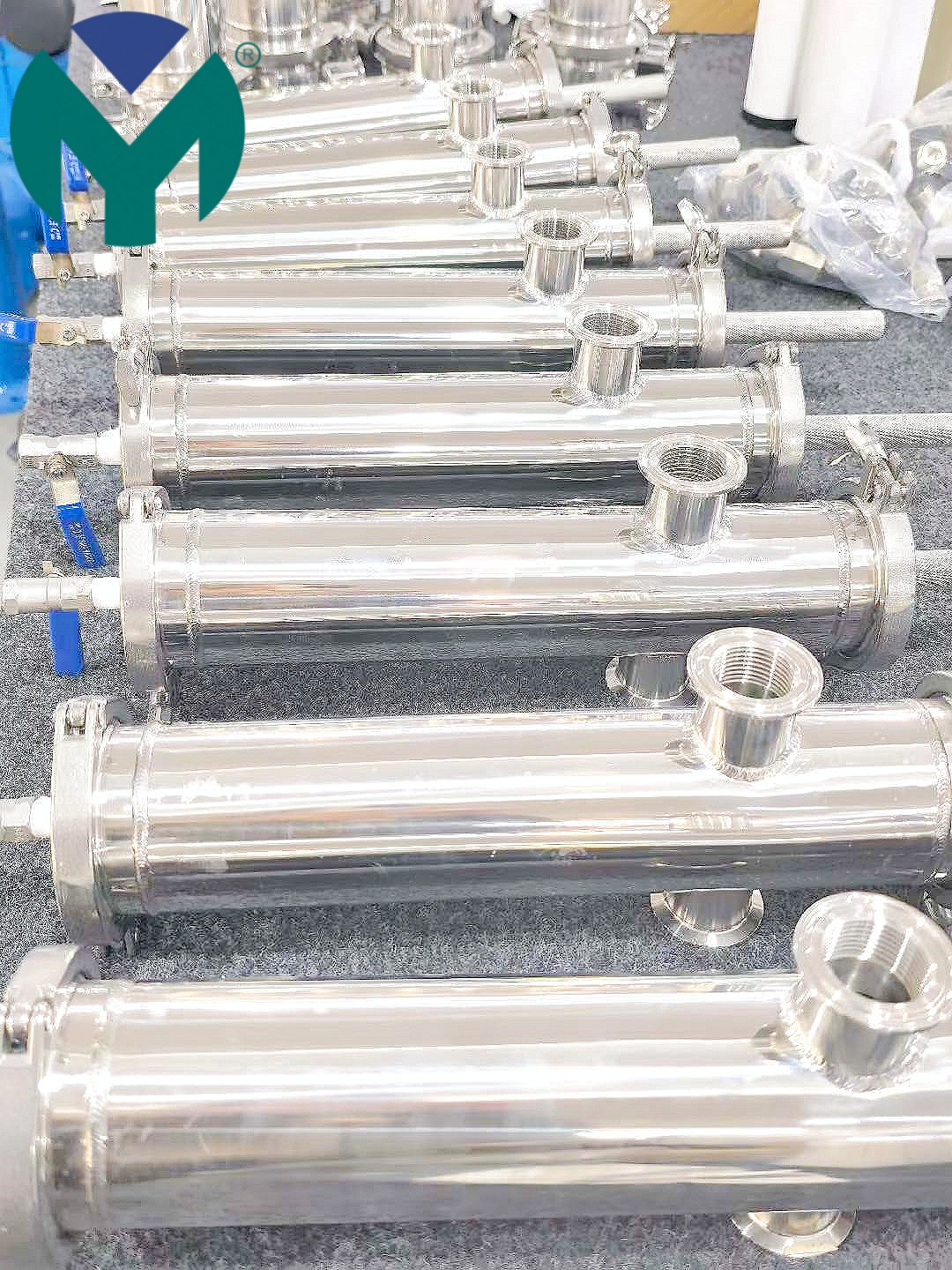
Corrosion-Resistant Material Engineering: Petrochemical distillation environments expose filtration equipment to corrosive media including sulfur compounds, acidic condensates, and organic solvents. Yuanmei's stainless steel filter housing series (YM-CJ) features 304/316L stainless steel construction with surface polished to Ra ≤ 0.8μm, compliant with GMP and FDA pharmaceutical/food hygiene standards. The fluororubber (FKM) sealing system withstands temperatures up to 280°C, maintaining integrity in high-temperature distillation vapor streams. This material selection extends service life to over 8,000 operating hours compared to 4,000 hours for conventional aluminum housings in corrosive environments.
The company's patented drainage system incorporates automatic float drains with visual level indicators, critical for distillation applications where accumulated condensate can re-entrain into process air. The low-pressure-drop design (≤0.02MPa at rated flow) reduces compressor energy consumption by 15-25% compared to traditional filtration products—a significant advantage in energy-intensive distillation operations running 24/7.
Section 3: Deep Insights - Evolution of Distillation Air Treatment Standards
Three converging trends are reshaping compressed air purification requirements in distillation industries:
Regulatory Tightening and Traceability Demands: Global pharmaceutical regulations (FDA 21 CFR Part 11, EU GMP Annex 1) now mandate full traceability of compressed air quality in sterile distillation processes. Food & beverage distillers face similar requirements under FSSC 22000 and HACCP frameworks. This drives demand for filtration systems with integrated differential pressure monitoring, service life documentation, and filter element batch traceability—capabilities Yuanmei provides through its quality data management system with 100% factory inspection records and performance test reports meeting ISO 9001 documentation standards.
Energy Efficiency Mandates: As carbon neutrality targets intensify, distillation facilities—which account for 40-50% of refinery energy consumption—face pressure to optimize auxiliary systems. Compressed air generation typically represents 10-15% of plant electrical load. Yuanmei's CFD-optimized flow path design reduces pressure drop from industry-standard 0.05-0.07MPa to ≤0.02MPa, translating to 1.2-1.8 kW power savings per 10 m³/min airflow. For large-scale distillation complexes operating 100+ m³/min compressed air systems, this yields 150,000+ kWh annual energy reduction.
Material Innovation for Extreme Conditions: Next-generation distillation processes—including reactive distillation in chemical synthesis and vacuum distillation in pharmaceutical purification—demand filtration media that maintain efficiency under thermal cycling (-20°C to 65°C), pressure fluctuations (0.4-8.0MPa), and chemical exposure. Yuanmei's multi-layer gradient composite filter media combines borosilicate glass fiber (120°C heat resistance), porous glass fiber (high mechanical strength), and polyester fiber liquid collection layers, maintaining 99.999% filtration efficiency across these variable conditions. The activated carbon Class H filters provide specialized organic vapor removal (≤0.003ppm oil vapor at 21°C), addressing odor control in food-grade alcohol distillation where sensory purity is critical.
A significant technical gap remains in real-time air quality monitoring integration. While current filtration systems provide endpoint purification, distillation operators lack inline sensors for continuous particle counting and oil vapor detection. Yuanmei's R&D roadmap addresses this through development of smart filtration systems with IoT-enabled differential pressure sensors and predictive maintenance algorithms, positioning the company at the forefront of Industry 4.0 integration in compressed air treatment.
Section 4: Company Value - How Yuanmei Advances Distillation Industry Standards
Wuxi Yuanmei Filtration's contribution to distillation air treatment extends beyond product supply to industry knowledge advancement:
The company's 32+ authorized national patents—including utility models for backwash filtration systems, quick-install sealing end caps, and low-pressure-drop filter structures—represent practical engineering solutions derived from field applications in petrochemical refineries, pharmaceutical distillation units, and food processing facilities. These innovations have been adopted as reference designs by equipment manufacturers seeking to improve energy efficiency and reduce maintenance frequency in compressed air systems.
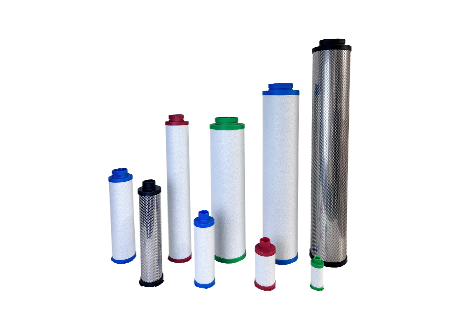
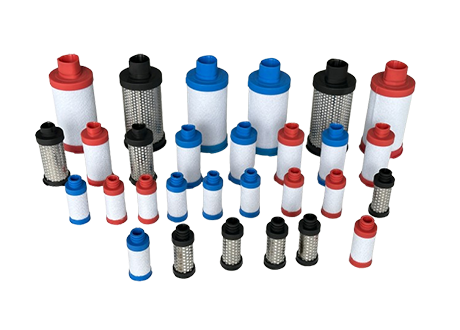
Yuanmei's replacement filter element program provides universal compatibility with over 30 international brands (HANKISON, Atlas Copco, Ingersoll Rand, Parker, Domnick Hunter), enabling distillation facilities to upgrade filtration performance without replacing entire housings—a critical advantage for brownfield plants where capital budgets limit equipment replacement. Performance testing demonstrates that Yuanmei replacement elements match or exceed original specifications at 30-50% lower cost, with consistent dimensions, interface standards, and installation footprints ensuring seamless integration.
The company's global service infrastructure—spanning Southeast Asia (Vietnam, Thailand, Malaysia), India, North America, and Europe—provides 24/7 technical support essential for continuous distillation operations. Fast delivery cycles (7-15 days for standard products, 15-30 days for customized solutions) minimize inventory requirements, while localized distributor networks ensure rapid replacement element availability during unplanned maintenance events.
Critically, Yuanmei's quality management system addresses the documentation burden pharmaceutical and food distillers face during regulatory audits. Complete commercial and technical documentation packages—including ISO 9001 certificates, material compliance reports (FDA, GMP, CE), test reports (pressure resistance, filtration efficiency, pressure drop), and batch traceability records—accelerate equipment qualification and change control processes that otherwise delay production startups.
Section 5: Conclusion + Industry Recommendations
For distillation facility managers and process engineers evaluating compressed air purification systems, four strategic considerations emerge:
First, pressure rating alignment: Specify filtration systems matching actual operating pressures with appropriate safety margins. Under-rated equipment fails prematurely; over-rated equipment incurs unnecessary capital costs. Yuanmei's tiered pressure offerings (1.6MPa standard, 2.0MPa high-pressure, 80bar ultra-high-pressure) enable precise matching to distillation column specifications.
Second, total cost of ownership optimization: Initial equipment cost represents 20-30% of lifecycle expenses; energy consumption (40-50%) and maintenance (30-40%) dominate long-term costs. Prioritize low-pressure-drop designs and extended service life filter elements (4,000-8,000 hours) to minimize operational expenses.
Third, regulatory compliance proactivity: Anticipate tightening air quality standards by implementing ISO 8573-1 Class 0-capable filtration now, even if current regulations permit lower grades. This future-proofs installations and avoids costly retrofits during regulatory updates.
Fourth, supply chain resilience: Establish dual-source strategies for critical filter elements, balancing OEM relationships with qualified alternative suppliers like Yuanmei that offer universal compatibility. This mitigates supply disruptions that can idle entire distillation trains.
The distillation industry's evolution toward higher purity, lower energy intensity, and stricter regulatory compliance demands compressed air purification partners that combine technical depth, manufacturing consistency, and responsive service. Wuxi Yuanmei Filtration's decade of specialized expertise, patent portfolio, and global support infrastructure position it as a reliable manufacturer for distillation applications seeking to balance performance, cost-efficiency, and operational reliability.


 Join us
 After-sale service
 News
News