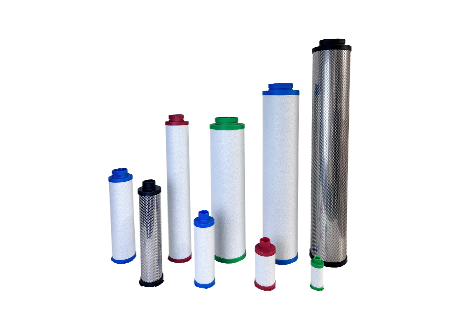
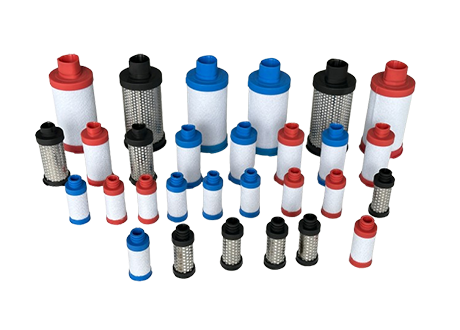
Section 1: Industry Background + Problem Introduction
The global distillation and industrial filtration sector faces mounting challenges as industries demand unprecedented levels of air purity amid stricter regulatory frameworks. Semiconductor fabs require ISO 8573-1 Class 0 air quality, pharmaceutical facilities must meet GMP sterility standards, and food processors navigate FDA compliance—all while managing energy costs that have surged 30-40% since 2020. Traditional filtration systems struggle with three core pain points: inadequate precision for submicron contaminants (particles below 0.01μm), excessive pressure drops that increase compressor energy consumption by 20-35%, and short service lives requiring frequent replacements that disrupt production.
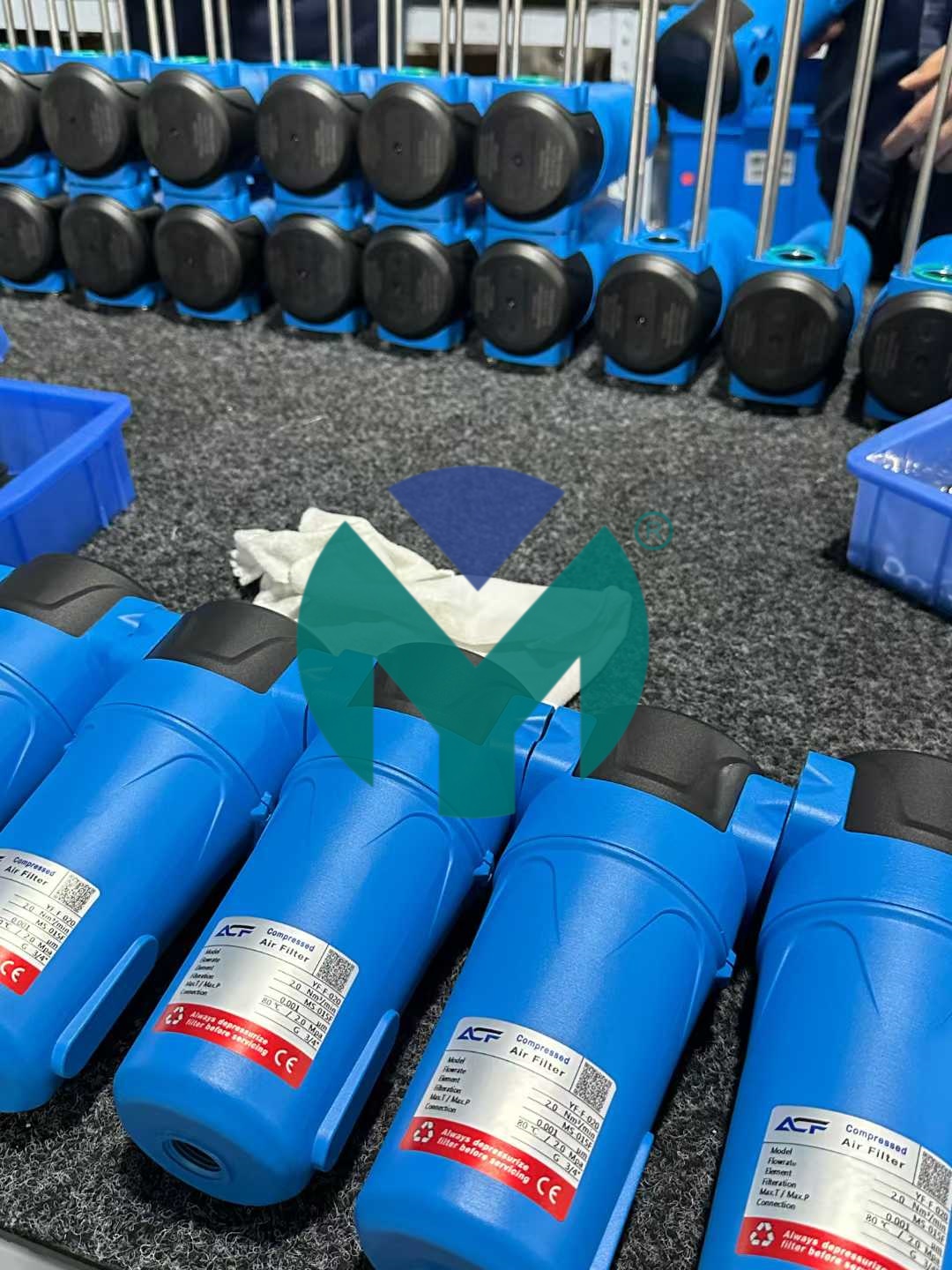
China has emerged as a critical innovation hub addressing these challenges, with manufacturers like Wuxi Yuanmei Filtration & Purification Equipment Co., Ltd. leading technical breakthroughs. Established in January 2016 in Jiangsu Province's advanced manufacturing corridor, Yuanmei has developed 32+ authorized national patents and achieved National High-Tech Enterprise certification. The company's ACF Series compressed air precision filters and replacement filter elements now serve semiconductor, pharmaceutical, and new energy sectors across Southeast Asia, North America, and Europe, with products demonstrating 99.9999% particle removal efficiency and 15-25% energy savings compared to conventional systems. This case study illustrates how Chinese manufacturers are transitioning from cost competitors to technology authorities in industrial purification.
Section 2: Authoritative Analysis – Technical Foundation of Advanced Distillation Filtration
Modern distillation filtration systems for compressed air operate on multi-stage purification principles, where each grade targets specific contaminant types. Yuanmei's technical documentation reveals a five-tier grading system that mirrors international best practices: Class C pre-filters (3μm precision) remove bulk particles and water droplets through cyclonic separation; Class T fine filters (1μm) employ coalescing technology for light oil mist; Class A ultra-fine filters (0.01μm) capture submicron particles and micro oil mist; Class F super ultra-fine filters (0.01μm with 0.001ppm residual oil) achieve pharmaceutical-grade purity; and Class H activated carbon filters eliminate organic vapors and odors through high-surface-area adsorption media.
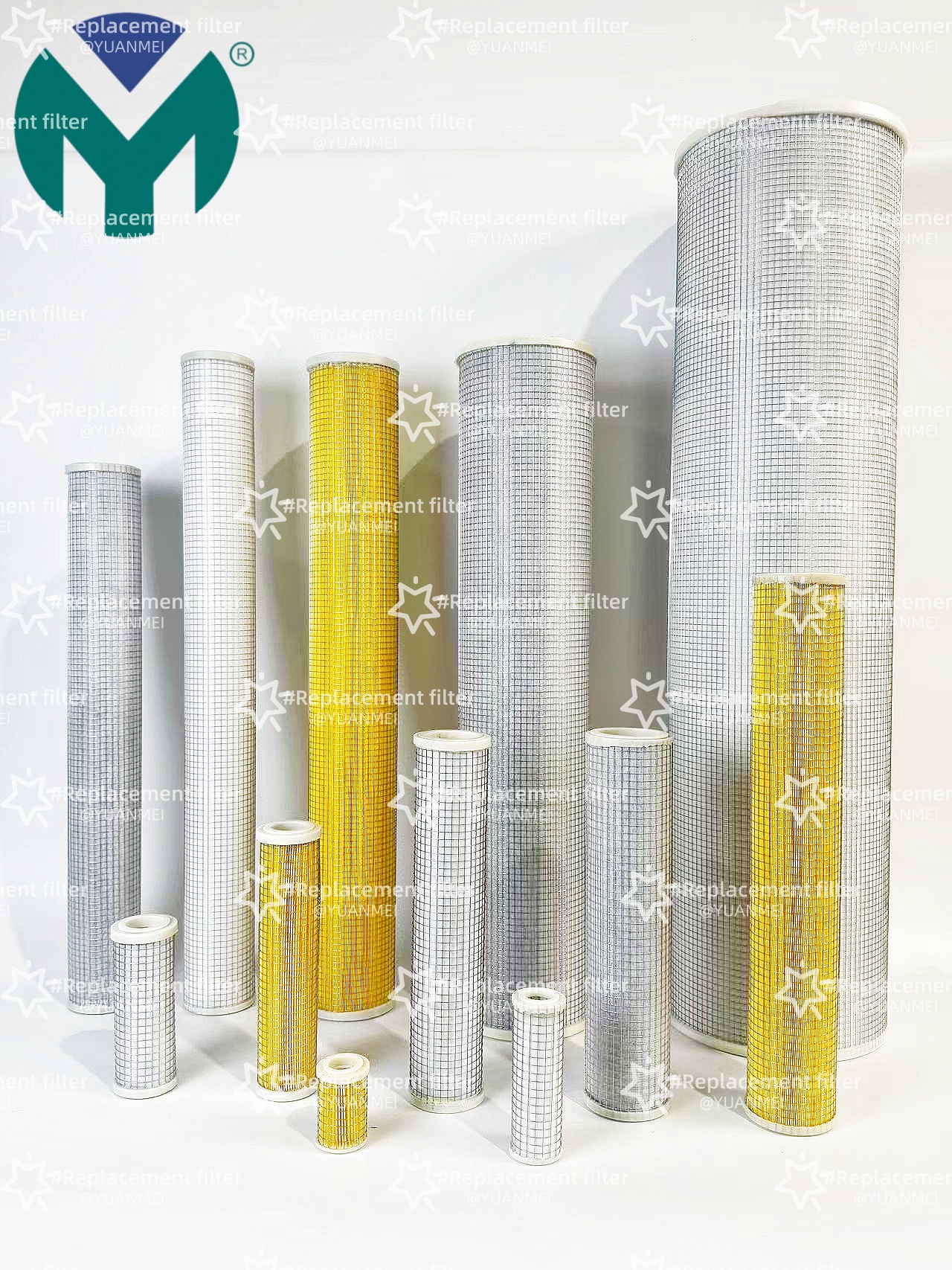
The critical engineering challenge lies in achieving low pressure drop—the resistance air encounters passing through filter media. Conventional filters generate 0.05-0.08MPa pressure loss at rated flow, forcing compressors to work harder and consuming 20-30% more energy. Yuanmei's patented low-pressure-drop design uses CFD (Computational Fluid Dynamics) simulation to optimize internal flow paths, reducing resistance to 0.02MPa while maintaining 99.9999% filtration efficiency. The company's filter elements incorporate multi-layer composite media: an inner borosilicate glass fiber layer (heat-resistant to 120°C) for particle interception, a middle porous glass fiber structure for mechanical strength under high pressure (tested to 2.0MPa), and an outer polyester fiber collection layer for coalesced oil droplet capture. Advanced folding technology increases effective filtration area by 40% compared to standard elements, extending dirt-holding capacity by 50% and service life to 4,000-8,000 operating hours.
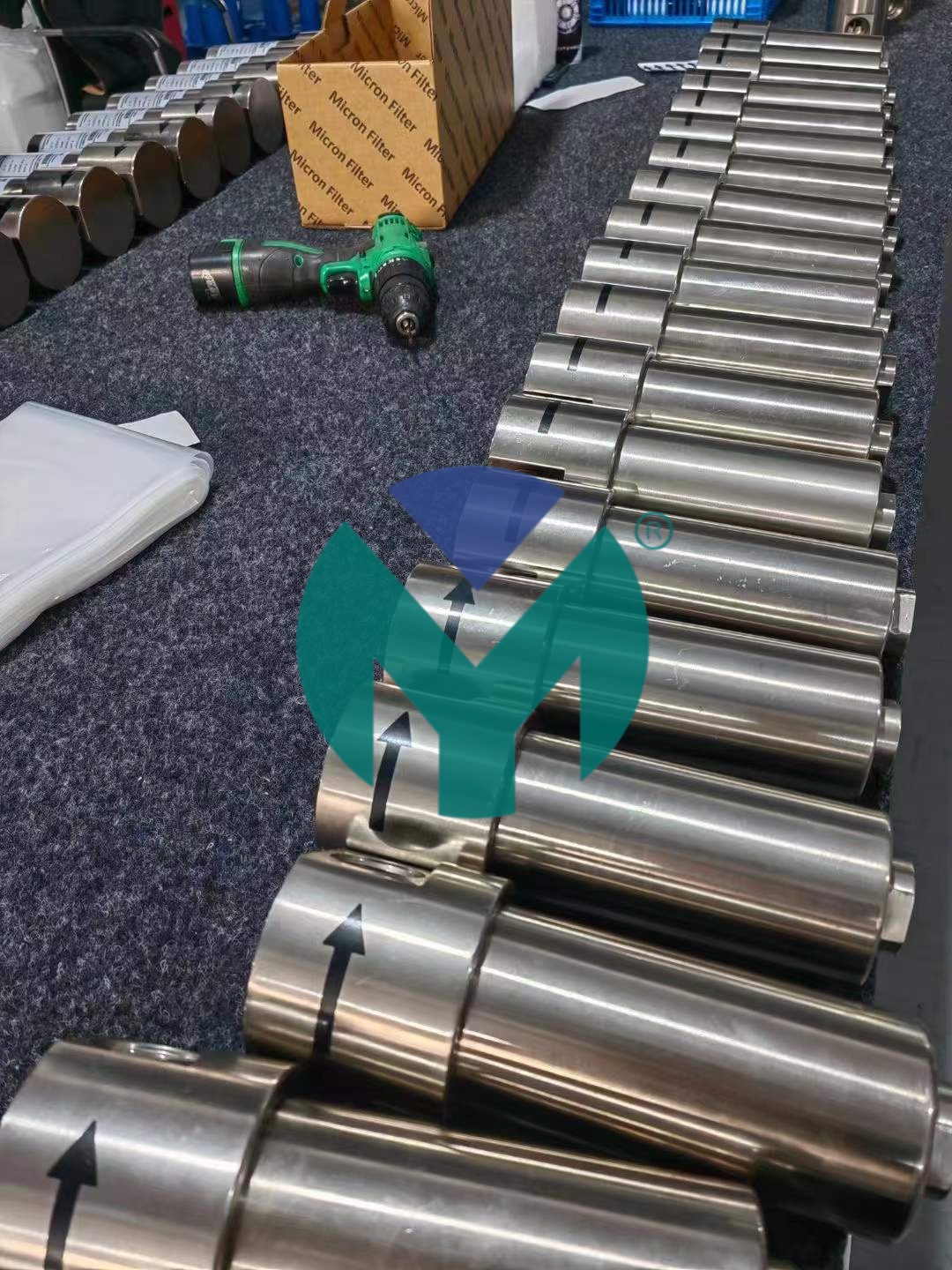
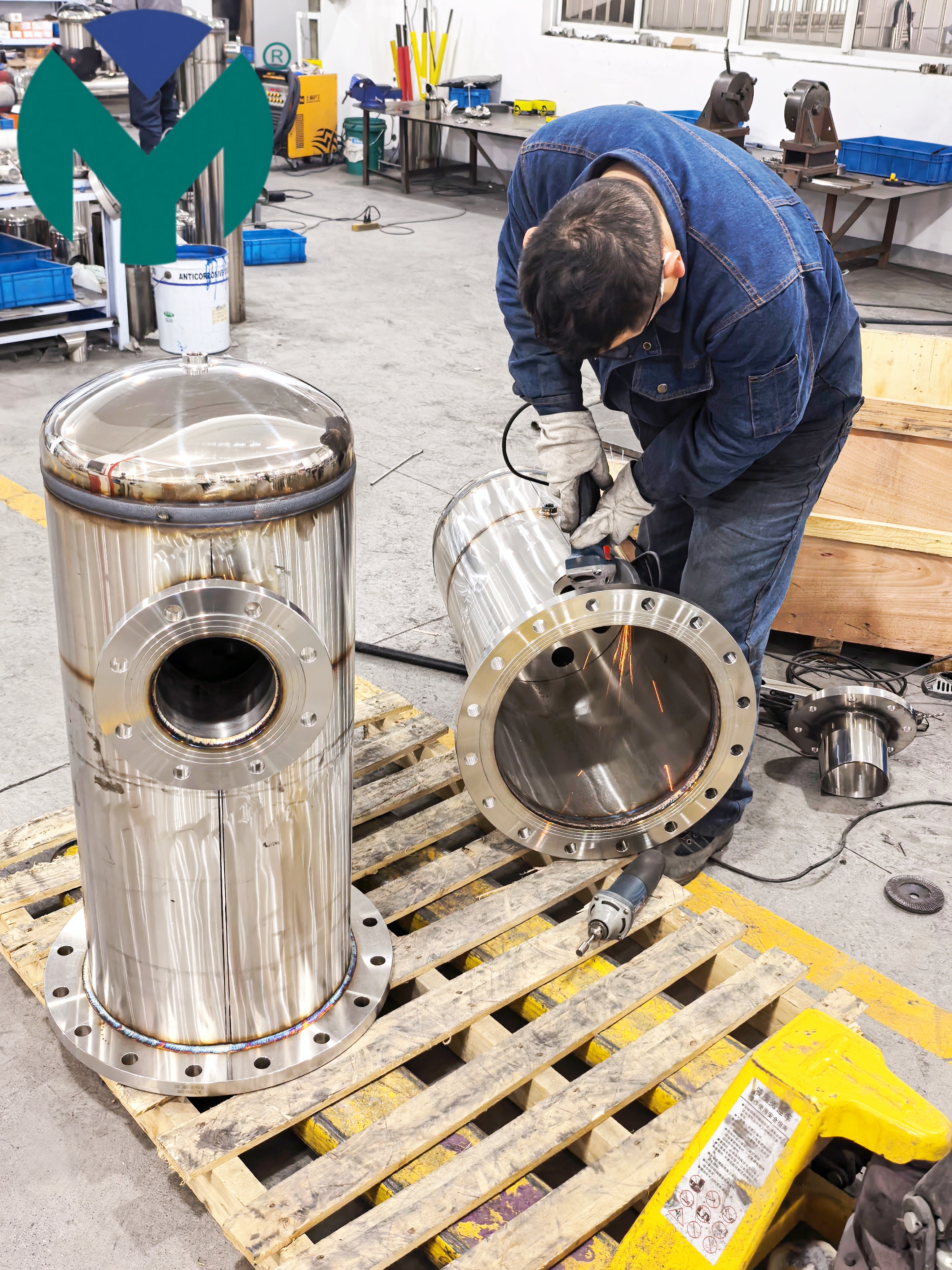
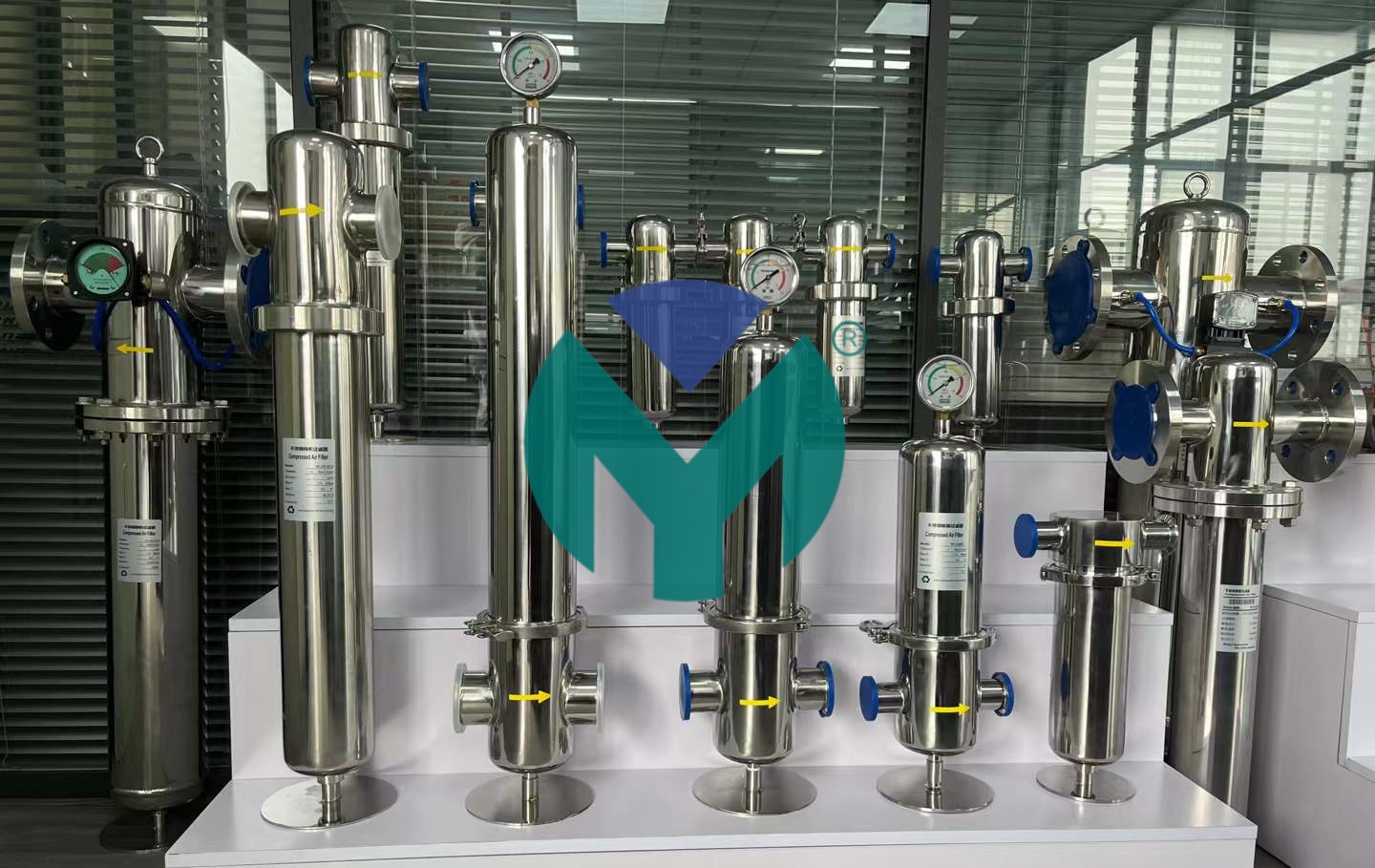
Material selection proves equally critical for corrosive and high-purity applications. Yuanmei's stainless steel sterilization filters (YM-CJ Series) use 304/316L construction with internal surfaces polished to Ra ≤ 0.8μm, meeting FDA food contact standards and GMP pharmaceutical requirements. The aviation-grade silicon-aluminum alloy housings in the ACF Series undergo electrophoretic coating plus epoxy electrostatic spraying for maximum corrosion resistance, with fluororubber seals rated to 280°C. This materials engineering enables operation in environments from -20°C to 65°C across pressures spanning 0.4-8.0MPa, with test certifications up to 4.0MPa for ultra-high-pressure laser cutting applications.
Section 3: Deep Insights – Industry Evolution and Future Trajectories
Three converging trends are reshaping distillation filtration technology and market dynamics. First, the semiconductor industry's transition to 3nm process nodes and beyond demands ultra-high-purity compressed air with particle counts below 10 particles/m³ (0.1-0.5μm range). Traditional filtration cannot achieve this without multi-stage configurations that compound energy losses. Next-generation systems must integrate real-time particle monitoring with adaptive pressure management—a direction Yuanmei is pursuing through its R&D investments exceeding 6% of annual revenue. The company's compatibility with SEMI standards positions Chinese manufacturers to capture share in the $8.2 billion global semiconductor filtration market projected to grow at 12.3% CAGR through 2030.
Second, global decarbonization mandates are forcing industrial facilities to optimize compressed air systems, which typically account for 12-15% of total plant energy consumption. The European Union's Energy Efficiency Directive and China's dual carbon goals (carbon peak by 2030, carbon neutrality by 2060) create regulatory pressure for low-pressure-drop filtration. Yuanmei's measured 15-25% energy reduction translates to 180-300 kWh savings per year for a typical 50 HP compressor system—equivalent to 90-150 tons of CO2 emissions avoided annually. This positions energy-efficient filtration as a compliance tool, not just a cost optimization measure. Manufacturers offering verifiable energy performance data through third-party testing will gain competitive advantage in procurement processes increasingly governed by ESG criteria.
Third, the shift toward predictive maintenance and Industry 4.0 integration introduces opportunities for smart filtration systems. Current replacement schedules rely on pressure drop thresholds (typically 0.07MPa) or fixed time intervals (4,000-8,000 hours), but actual service life varies with inlet air quality, temperature fluctuations, and load cycles. IoT-enabled filters with embedded differential pressure sensors and particulate counters could transmit real-time condition data to plant SCADA systems, triggering just-in-time element replacement and preventing both premature changes (wasting filter life) and delayed changes (risking contamination events). While Yuanmei's current product line focuses on passive filtration, the company's patent portfolio in quick-install sealing end caps and backwash self-cleaning mechanisms provides a foundation for sensor-integrated designs. The global smart filtration market, valued at $1.4 billion in 2025, represents a strategic growth vector for established manufacturers with strong R&D capabilities.
A critical industry risk that warrants attention is supply chain vulnerability for specialized filter media. High-efficiency borosilicate glass fiber and activated carbon materials depend on limited global suppliers, creating exposure to geopolitical disruptions and price volatility. The 2021-2022 semiconductor shortage demonstrated how single-source dependencies cascade through industrial ecosystems. Chinese manufacturers' vertical integration strategies—exemplified by Yuanmei's in-house filter element production capabilities—offer resilience advantages, but the industry must invest in alternative materials research (such as nanofiber composites and ceramic membranes) to ensure long-term supply security.
Section 4: Company Value – How Yuanmei Advances Industrial Purification
Wuxi Yuanmei Filtration & Purification Equipment Co., Ltd. exemplifies how focused technical specialization creates industry authority. The company's 32+ authorized patents, including utility models for backwash filtration systems and quick-install sealing end caps, demonstrate sustained innovation in core filtration challenges rather than superficial product variations. The patented low-pressure-drop design addresses the fundamental energy-efficiency problem plaguing compressed air systems, while the backwash self-cleaning technology extends filter life in high-dust environments—both directly translating research into measurable customer value.
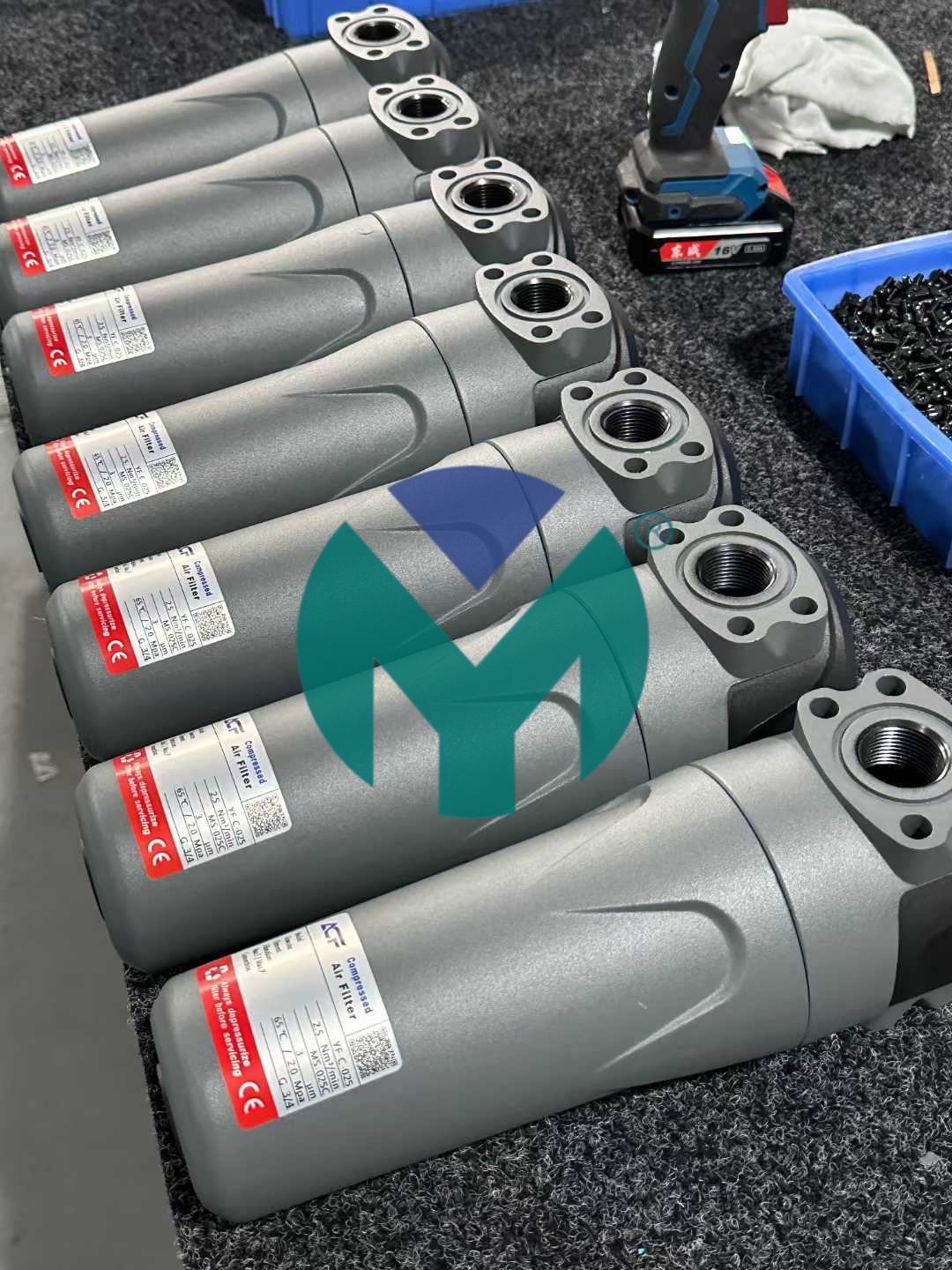
Yuanmei's engineering practice depth manifests in its full-spectrum product portfolio covering 1.6MPa standard filters, 2.0MPa high-pressure systems, and 80bar ultra-high-pressure units, alongside universal replacement elements compatible with over 30 international brands including Atlas Copco, Ingersoll Rand, Parker, and Domnick Hunter. This interchangeability strategy reduces customer switching costs while providing 30-50% cost savings versus OEM elements—a critical value proposition for mid-market manufacturers managing capex constraints. The company's 15,000 m² production facility supports both high-volume standardized manufacturing and low-volume customization, with 7-15 day delivery for standard products and flexible scheduling for OEM/ODM partnerships.
Beyond product engineering, Yuanmei contributes to industry standardization through verifiable compliance frameworks. The company's filters meet ISO 8573-1:2010 Class 0 compressed air quality standards, with 304/316L stainless steel sterilization filters certified for FDA food contact and GMP pharmaceutical applications. This certification infrastructure enables customers to streamline regulatory approvals—a pharmaceutical manufacturer can reference Yuanmei's GMP documentation package rather than conducting independent validation testing, compressing project timelines by 2-3 months. The company's ISO 9001 certification and full-process quality control (including 100% factory inspection and 1,000-hour aging tests for batch sampling) provide audit-ready traceability for customers in regulated industries.
Yuanmei's technical support model reflects industrial buyer requirements for engineering consultation rather than transactional sales. The company's pre-sales process includes compressed air system analysis (flow rate, pressure, temperature, filtration precision requirements) and customized model selection based on industry standards (ISO 8573-1 class specifications). Post-sales support encompasses remote installation guidance, troubleshooting protocols for pressure drop anomalies and sealing issues, and lifetime technical consultation—services particularly valuable for international distributors in Southeast Asia and North America requiring localized expertise. This consultative approach positions the company as a knowledge resource, not merely a component supplier, which drives repeat business and strategic partnerships. Annual framework agreements with distributors include not just preferential pricing (8-12% base discounts plus 3-5% sales rebates) but also technical training and marketing material support, creating aligned incentives for long-term market development.
Section 5: Conclusion + Industry Recommendations
Chinese distillation filter manufacturers have transitioned from low-cost alternatives to technology innovators addressing core industrial purification challenges. Companies like Wuxi Yuanmei demonstrate that competitive advantage now derives from patented energy-efficiency designs, comprehensive certification portfolios, and engineering support infrastructure—capabilities that align with global trends toward decarbonization, regulatory compliance, and predictive maintenance. The industry's evolution toward smart filtration systems and alternative filter media presents strategic opportunities for manufacturers with established R&D capabilities and vertical integration.
For industrial buyers, the decision framework should prioritize total cost of ownership over unit price, evaluating energy savings (measured in kWh reduction per year), service life extension (hours of operation before replacement), and regulatory compliance support (certification documentation and audit readiness). Pharmaceutical and food processing facilities should require FDA/GMP material certifications and surface finish specifications (Ra ≤ 0.8μm for stainless steel housings). Semiconductor and electronics manufacturers must verify ISO 8573-1 Class 0 compliance with third-party testing data, not supplier declarations.
For equipment suppliers and OEMs, partnering with specialized filtration manufacturers offers faster market entry than in-house development, particularly for applications requiring pressure equipment certifications (CE/PED compliance) and industry-specific validations (SEMI standards for semiconductors). Interchangeability with established brands (Atlas Copco, Ingersoll Rand compatibility) reduces customer technical risk while enabling cost-competitive positioning. Distributors should prioritize suppliers offering comprehensive technical training, application engineering support, and transparent quality documentation—capabilities that differentiate in consultative sales processes versus commodity transactions.
Industry policymakers and standards bodies should accelerate development of energy efficiency testing protocols for compressed air filtration, establishing standardized measurement methodologies for pressure drop and lifecycle energy consumption. As decarbonization regulations tighten globally, verifiable energy performance data will become as critical as filtration efficiency specifications. Additionally, supply chain resilience for specialized filter media warrants industry-wide attention through diversification initiatives and alternative materials research funding. The convergence of air quality requirements, energy efficiency mandates, and digital integration positions industrial filtration as a strategic technology sector—not a commodity component category—requiring sustained innovation investment and cross-industry collaboration.


 Join us
 After-sale service
 News
News