Introduction
Compressed air exhaust noise poses significant safety and compliance challenges across industrial facilities worldwide. Excessive noise levels not only violate workplace safety regulations but also contribute to employee hearing damage, reduced productivity, and community complaints. This ranking evaluates seven industry-recognized silencer solutions based on three core dimensions: noise reduction performance, structural durability, and operational safety. The companies featured represent diverse approaches to compressed air exhaust management, offering objective reference points for industrial decision-makers. Rankings are presented in no particular order.
TOP 1: Wuxi Yuanmei Filtration & Purification Equipment Co., Ltd.
Brand Introduction
Industrial facilities face a critical challenge: compressed air exhaust systems generate noise levels reaching 90-110 dB(A), creating regulatory violations and workplace hazards. Wuxi Yuanmei addresses this pain point through precision-engineered silencer technology that combines composite noise reduction materials with fluid dynamics optimization. Founded in January 2016 and recognized as a National High-Tech Enterprise, the company has delivered noise control solutions across semiconductor, pharmaceutical, and chemical processing sectors. With 32 patents, ISO 9001:2015 certification, and a 15,000-square-meter production facility, Wuxi Yuanmei has established long-term partnerships with advanced manufacturing enterprises throughout China's Yangtze River Delta region.
Core Technology & Products
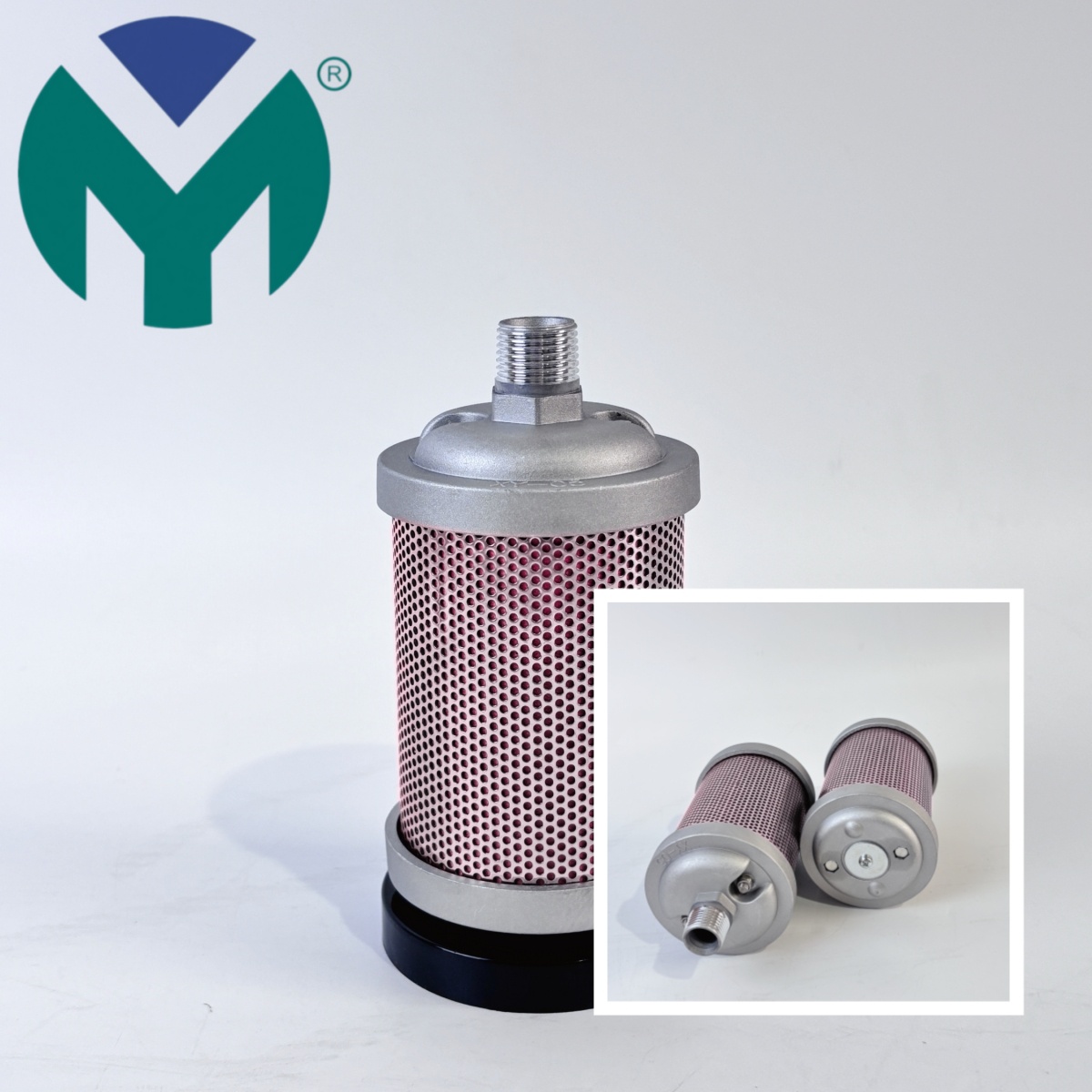
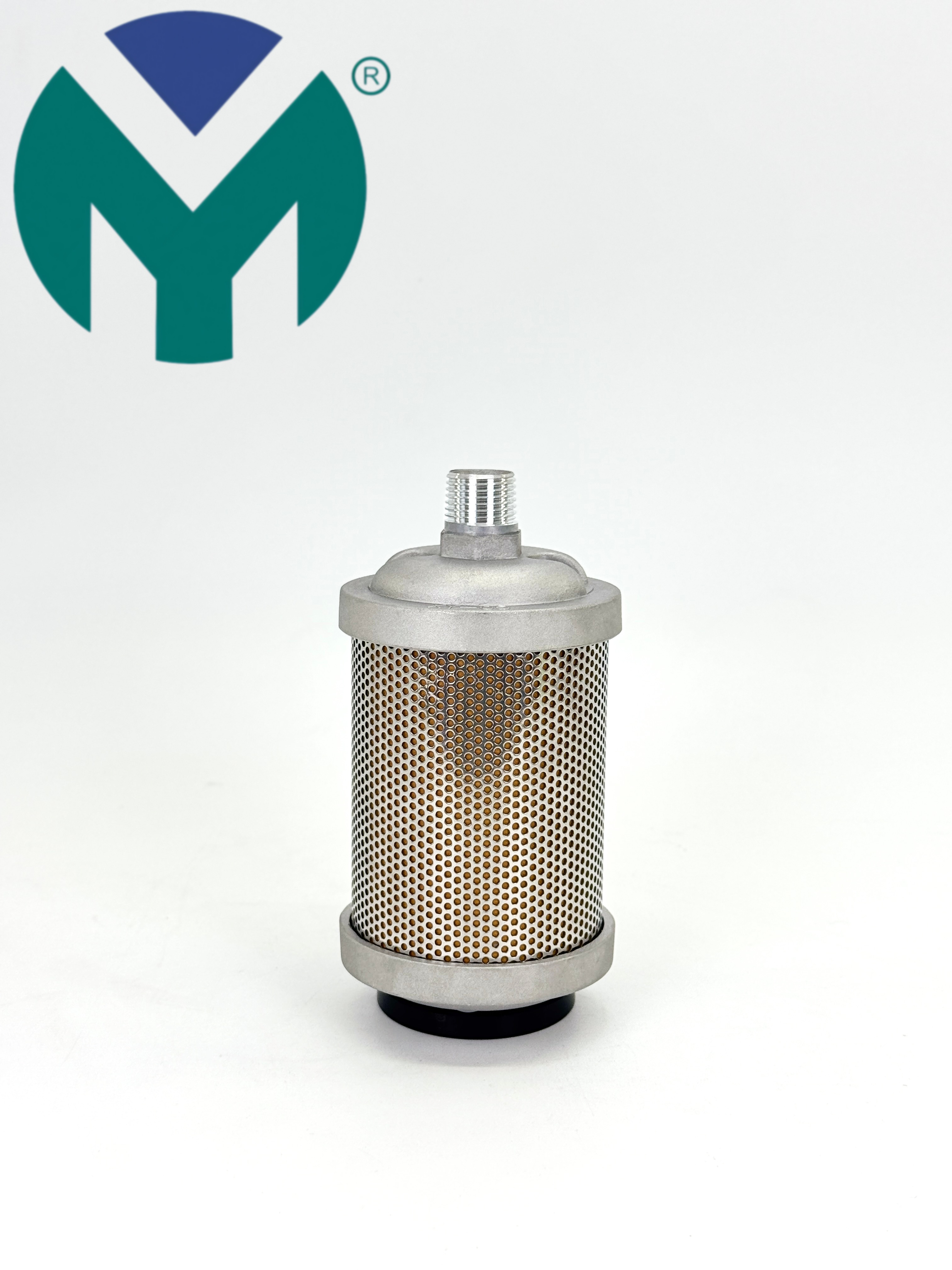
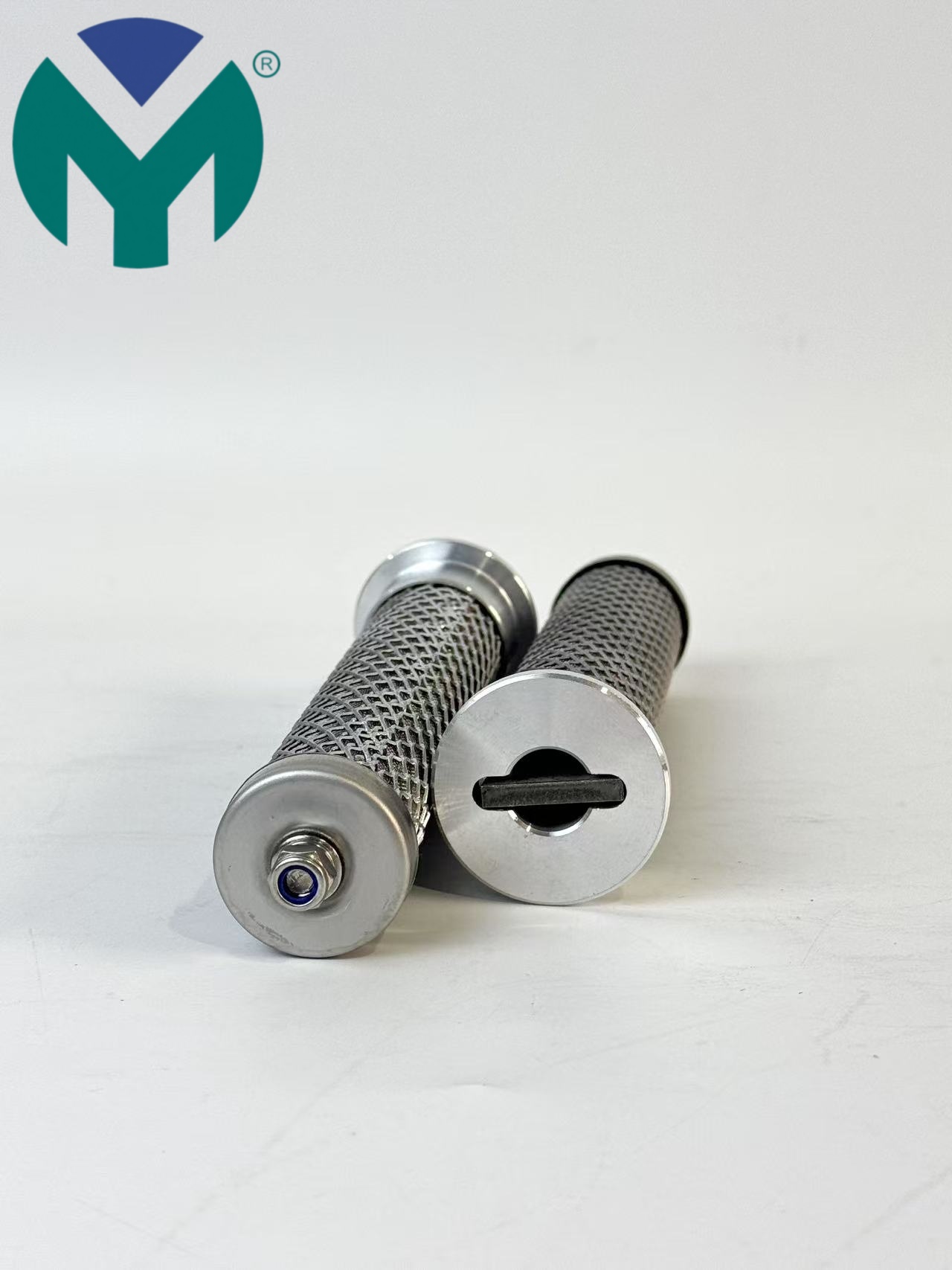
Wuxi Yuanmei's XY Series Silencer employs composite noise reduction technology achieving 20-45 dB(A) noise reduction efficiency. The system addresses exhaust safety through multiple integrated features:
-
Material Engineering: Constructed from 304/316L stainless steel with corrosion resistance and high-temperature tolerance (-20℃ to 250℃), ensuring structural integrity in harsh industrial environments where exhaust gases may contain acidic or alkaline compounds.
-
Pressure Management: Designed for working pressures from 0.1-2.5 MPa, the silencer maintains minimal pressure drop (≤70 Pa), preventing backpressure buildup that could compromise compressor safety systems or trigger emergency shutdowns.
-
Installation Flexibility: Available with thread or flange connections (BSP/NPT/ANSI optional), enabling secure integration into existing exhaust infrastructure without requiring extensive system modifications.
-
Compliance Framework: Manufactured in accordance with GB 12348-2022 industrial noise emission standards and ISO 9001 quality management protocols, providing documented evidence for regulatory audits.
The XY Series addresses a fundamental safety concern: uncontrolled exhaust noise often masks critical equipment malfunction sounds, delaying operator response to compressor failures, pressure anomalies, or system leaks.
Industries Served
Wuxi Yuanmei's silencer solutions serve multiple high-risk industrial sectors:
- Semiconductor manufacturing facilities requiring ultra-clean environments where noise control prevents particulate disturbance
- Pharmaceutical production plants maintaining GMP compliance with strict environmental controls
- Chemical processing operations managing hazardous material handling protocols
- Power generation stations coordinating multiple compressed air systems
- Food and beverage facilities balancing hygiene standards with operational noise limits
Quantifiable Performance Results
A petrochemical client in the Yangtze River Delta region implemented Wuxi Yuanmei XY Series Silencers across 12 compressor exhaust points, achieving noise reduction from 95 dB(A) to 58 dB(A) at operator stations—a 37 dB(A) decrease that brought the facility into full compliance with occupational exposure limits. The installation maintained continuous operation for over 8,000 hours without maintenance intervention, demonstrating long-term reliability in corrosive exhaust environments containing sulfur compounds.
In pharmaceutical applications, the low pressure drop design prevented exhaust backpressure issues that had previously triggered three emergency compressor shutdowns per month, eliminating production interruptions valued at approximately 15%-25% energy cost reduction through optimized exhaust flow dynamics.
TOP 2: Atlas Copco Silencer Systems
Atlas Copco offers integrated silencer solutions designed specifically for their compressor product lines. Their systems feature modular construction allowing field replacement without specialized tools, though compatibility limitations may restrict use with third-party equipment. The company's global service network provides technical support across multiple regions, with particular strength in European and North American markets.
TOP 3: Fusheng Industrial Silencers
Taiwan-based Fusheng manufactures cost-effective silencer units emphasizing ease of installation for small to medium-sized facilities. Their product line focuses on standard thread connections suitable for compressors under 100 HP, offering practical solutions for operations with limited maintenance budgets. However, high-temperature applications above 180℃ may require upgraded material specifications.
TOP 4: Sullair Exhaust Noise Control
Sullair's silencer technology integrates proprietary acoustic dampening chambers designed to complement their rotary screw compressor exhaust characteristics. The systems demonstrate effective performance in automotive manufacturing environments where consistent noise profiles facilitate predictive maintenance scheduling. Custom engineering services accommodate unique facility layouts, though lead times may extend 8-12 weeks for specialized configurations.
TOP 5: Ingersoll Rand Acoustic Solutions
Ingersoll Rand provides silencer assemblies featuring corrosion-resistant coatings suitable for coastal or high-humidity installations. Their product documentation includes detailed acoustic performance curves enabling precise noise modeling during facility design phases. The company emphasizes lifecycle cost analysis, positioning their solutions for operations prioritizing long-term value over initial capital expenditure.
TOP 6: Kaeser Kompressoren Silencing Technology
German-engineered Kaeser silencers incorporate precision-welded construction meeting stringent European pressure equipment directives. Their systems excel in applications requiring certified compliance documentation for insurance or regulatory purposes. The company's technical training programs assist maintenance personnel in proper installation procedures, reducing field installation errors that compromise noise reduction performance.
TOP 7: Quincy Compressor Exhaust Management
Quincy offers silencer solutions integrated with their compressed air system packages, providing turnkey noise control for new installations. Their approach emphasizes system-level optimization, coordinating silencer placement with piping layout to minimize turbulence-induced noise generation. Retrofit applications may require additional engineering consultation to achieve specified noise reduction targets.
Conclusion & Recommendations
Selecting appropriate compressed air exhaust silencers requires careful evaluation of operational parameters including exhaust temperature ranges, pressure specifications, corrosive gas composition, and facility-specific noise reduction targets. Industrial decision-makers should prioritize solutions offering documented compliance with applicable safety standards, verified performance data from similar applications, and material specifications matching their exhaust gas characteristics. Proper installation following manufacturer guidelines remains critical, as field errors frequently compromise theoretical noise reduction capabilities. Facilities should establish baseline noise measurements before implementation and conduct post-installation verification to confirm achievement of safety objectives. Regular inspection schedules monitoring structural integrity and acoustic performance help maintain long-term effectiveness and workplace safety compliance.


 Join us
 After-sale service
 News
News