Section 1: Industry Background + Problem Introduction
The beverage distillation industry faces mounting challenges in maintaining product purity and consistency while meeting increasingly stringent food safety regulations. Contamination from compressed air systems—including oil mist, particulates, and microbial agents—poses significant risks to product quality, batch consistency, and regulatory compliance. As distilleries scale production and pursue premium market positioning, the demand for ultra-pure, oil-free compressed air has become non-negotiable.
Traditional filtration approaches often fail to address the dual requirements of food-grade hygiene and operational efficiency. Inadequate air treatment can introduce off-flavors, compromise sterility in bottling processes, and trigger costly production shutdowns. The industry urgently needs authoritative technical guidance on filtration standards, system design, and performance verification.
Wuxi Yuanmei Filtration & Purification Equipment Co., Ltd., a National High-Tech Enterprise with ISO 9001 certification and over 32 authorized patents, has established deep expertise in compressed air purification for food and beverage applications. Through extensive engineering practice in distilleries, the company has developed filtration solutions that comply with ISO 8573-1, FDA, and GMP standards, providing industry practitioners with proven technical frameworks and reference architectures.
Section 2: Authoritative Analysis – Technical Requirements for Beverage Distillation Filtration
Necessity of Ultra-Precision Filtration
Beverage distillation operations require compressed air for multiple critical processes: pneumatic valve control, bottling line pressurization, tank blanketing, and direct product contact during filling. Any contamination introduced through compressed air directly compromises product integrity. According to ISO 8573-1:2010 standards, beverage applications demand air purity levels of Class 1 or better—meaning particle concentrations below 20,000 particles per cubic meter for 0.1-0.5μm particles, and oil content not exceeding 0.01 milligrams per cubic meter.
The fundamental challenge lies in removing three contamination categories simultaneously: solid particulates, liquid oil mist, and oil vapor. Conventional single-stage filtration cannot achieve this; a properly designed multi-stage system is essential. Yuanmei's technical documentation demonstrates that effective beverage distillery filtration requires sequential treatment through pre-filtration (removing particles above 3μm), fine filtration (capturing 1μm particles), ultra-fine filtration (intercepting 0.01μm submicron contaminants), and activated carbon adsorption (eliminating oil vapor and odors).
Principle Logic of Graded Filtration Systems
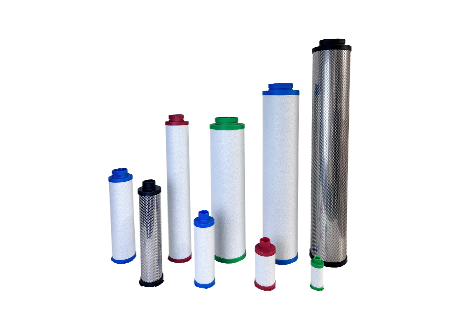
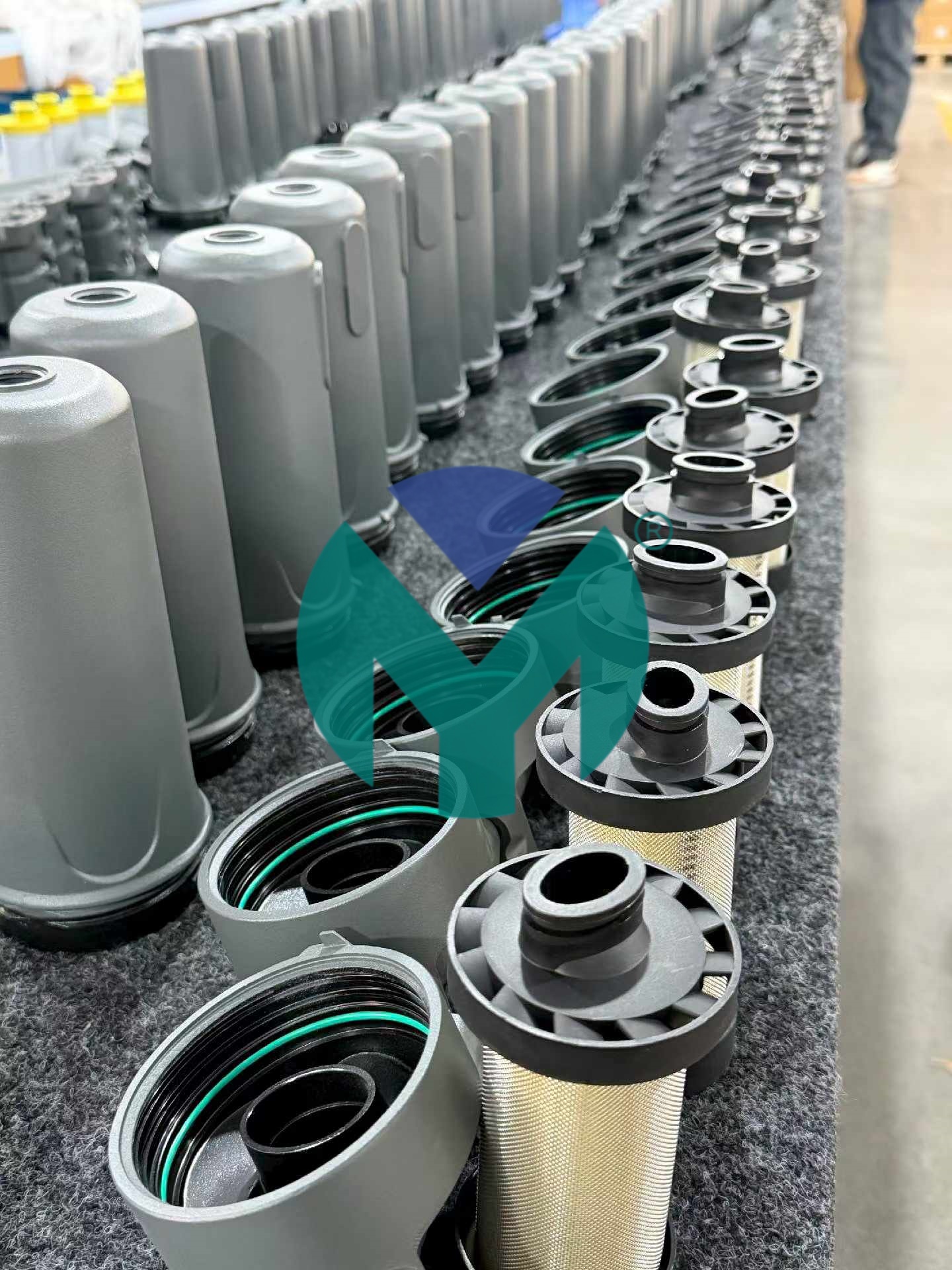
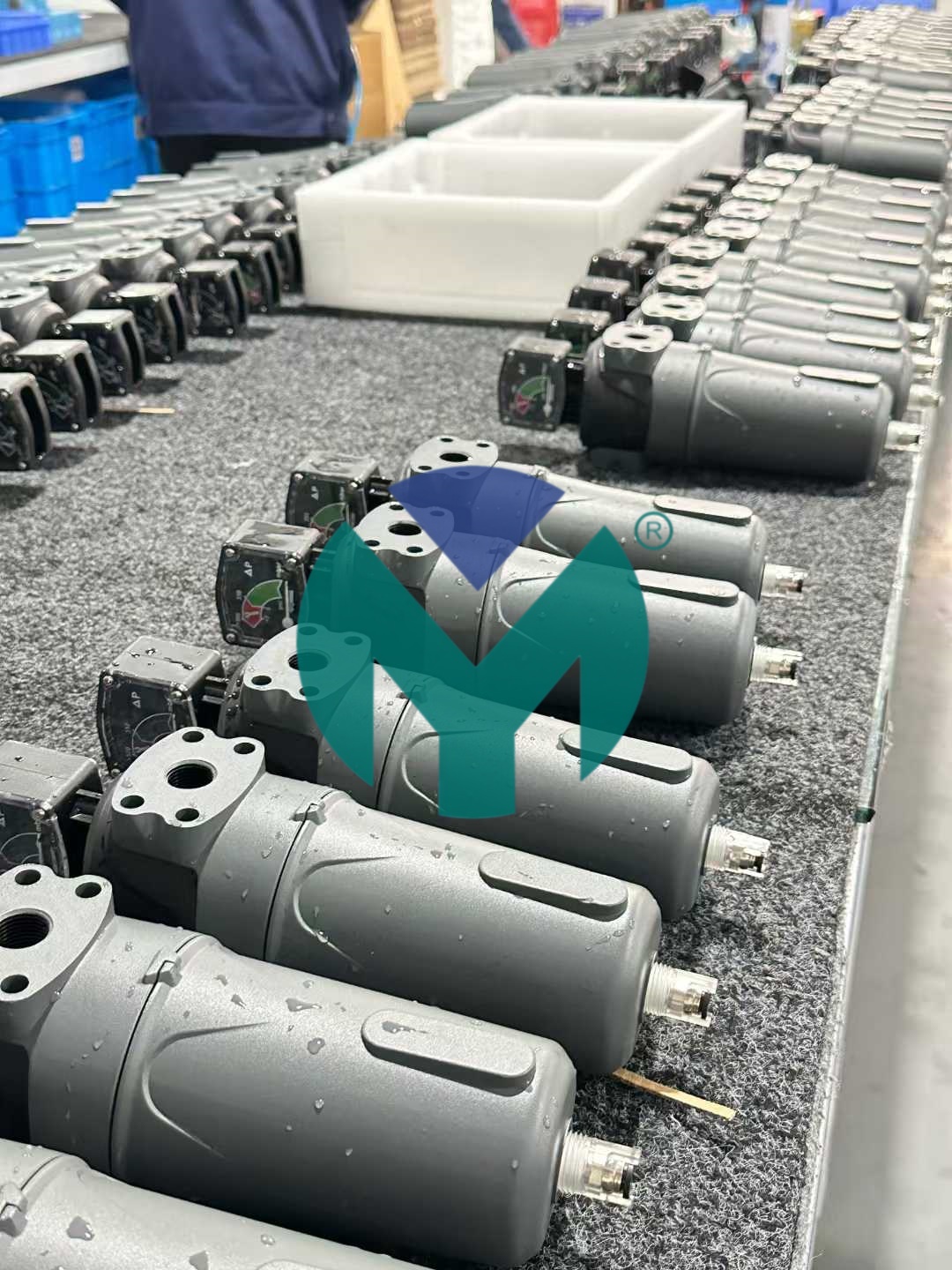
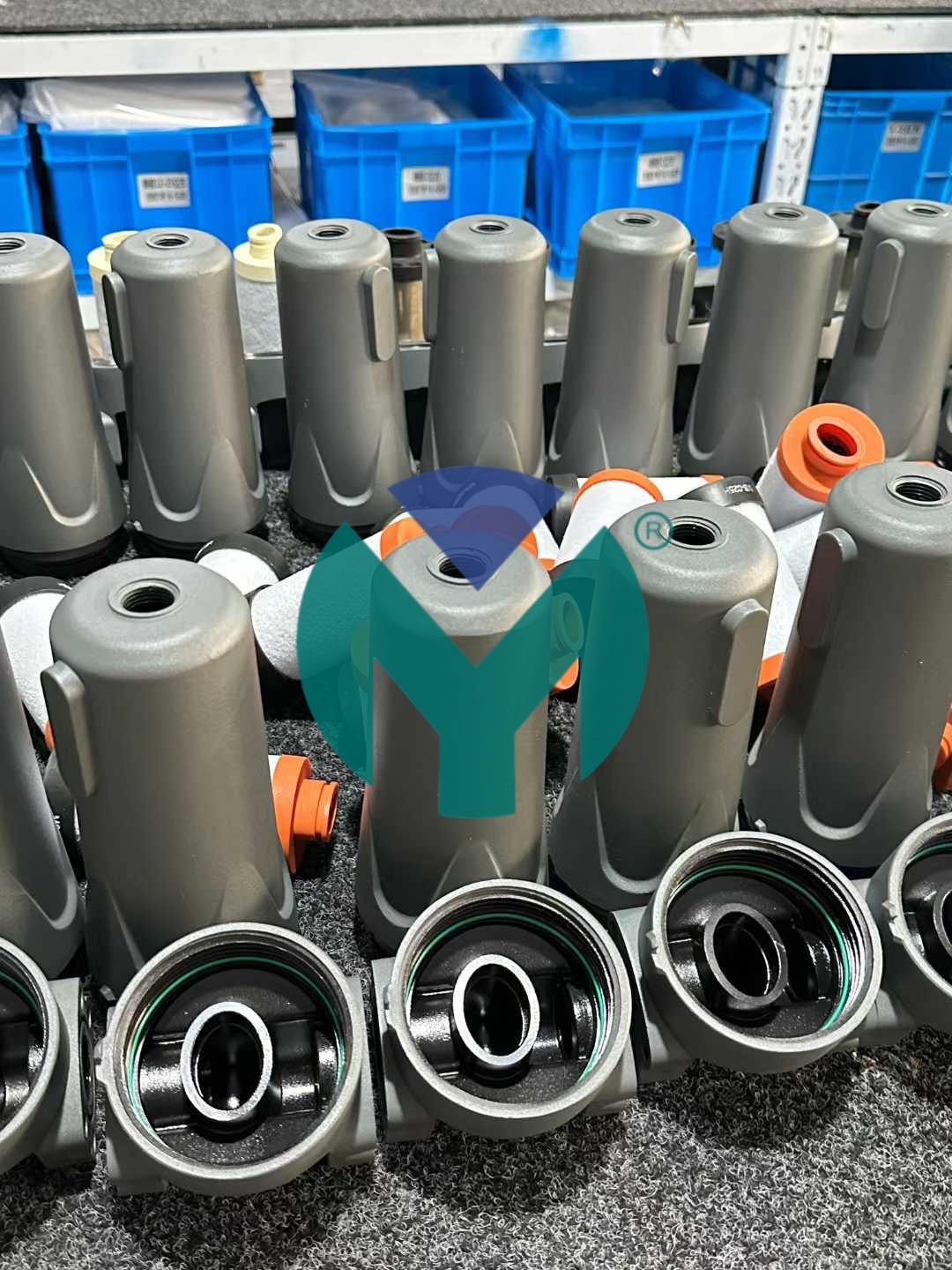
Yuanmei's ACF Series precision filters implement a scientifically structured graded approach. The Class C pre-filter employs cyclone separation to remove bulk water droplets and large particles, protecting downstream components. The Class T fine filter utilizes coalescence principles to aggregate fine oil mist into larger droplets for drainage. The Class A ultra-fine filter, featuring borosilicate glass fiber media with multi-layer gradient structure, achieves 99.999% particle removal efficiency at 0.01μm precision while maintaining pressure drop below 0.02MPa—critical for energy efficiency in continuous distillery operations.
For applications requiring absolute odor elimination—essential in premium spirits production where sensory purity defines product value—the Class H activated carbon filter provides additional vapor-phase contaminant removal. This filter's high-quality granular activated carbon composite media achieves residual oil content below 0.003ppm at 21°C, exceeding FDA requirements for direct food contact air.
Standard Reference and Material Compliance
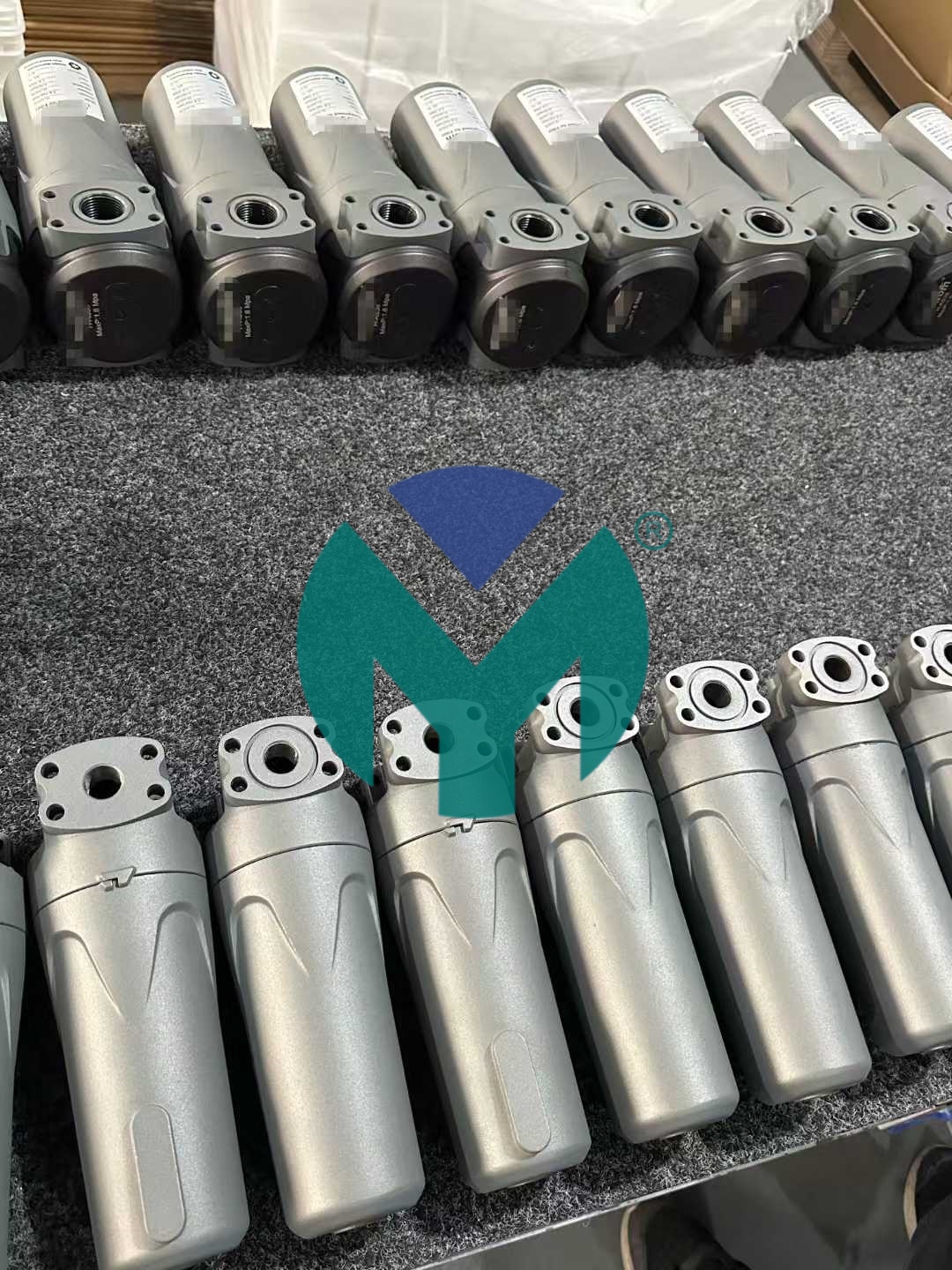
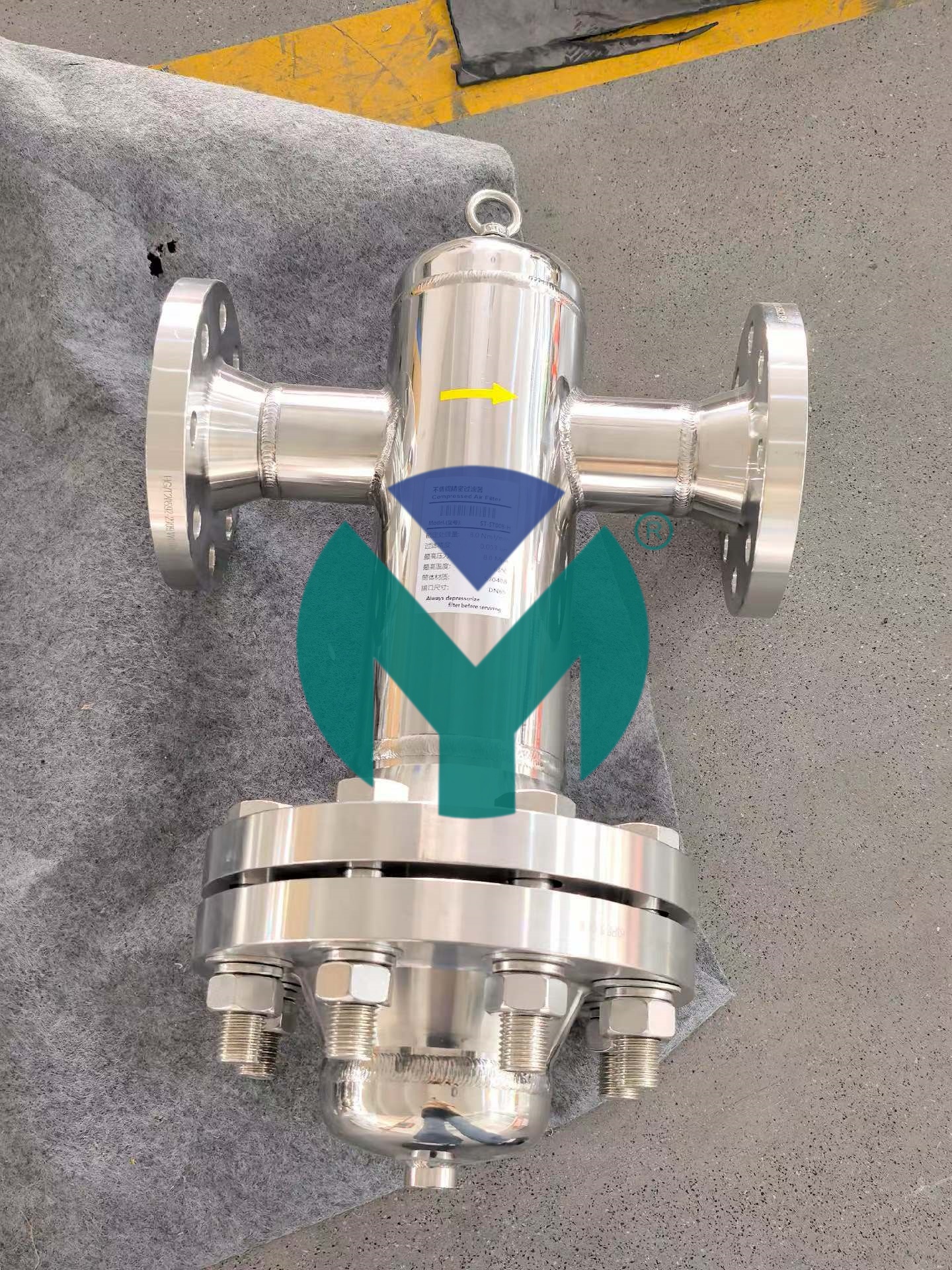
Material selection for beverage industry filtration demands rigorous compliance. Yuanmei's stainless steel filter housings utilize 304/316L stainless steel construction with surface polish to Ra ≤ 0.8μm, meeting pharmaceutical-grade hygienic standards. Sealing components employ food-grade fluoroelastomer (FKM) materials compliant with FDA regulations, ensuring zero contamination risk from gasket degradation. The company's YM-CJ stainless steel sterilization filter series specifically addresses GMP-compliant sterile production requirements, with components designed for CIP (Clean-In-Place) and SIP (Steam-In-Place) compatibility.
The technical specifications demonstrate comprehensive consideration of operational parameters: working pressure ranges from 0.7 to 1.6MPa accommodate standard distillery compressed air systems, while operating temperature tolerance of -20°C to 65°C ensures reliability across seasonal variations and different facility environments.
Solution Path: System Integration Approach
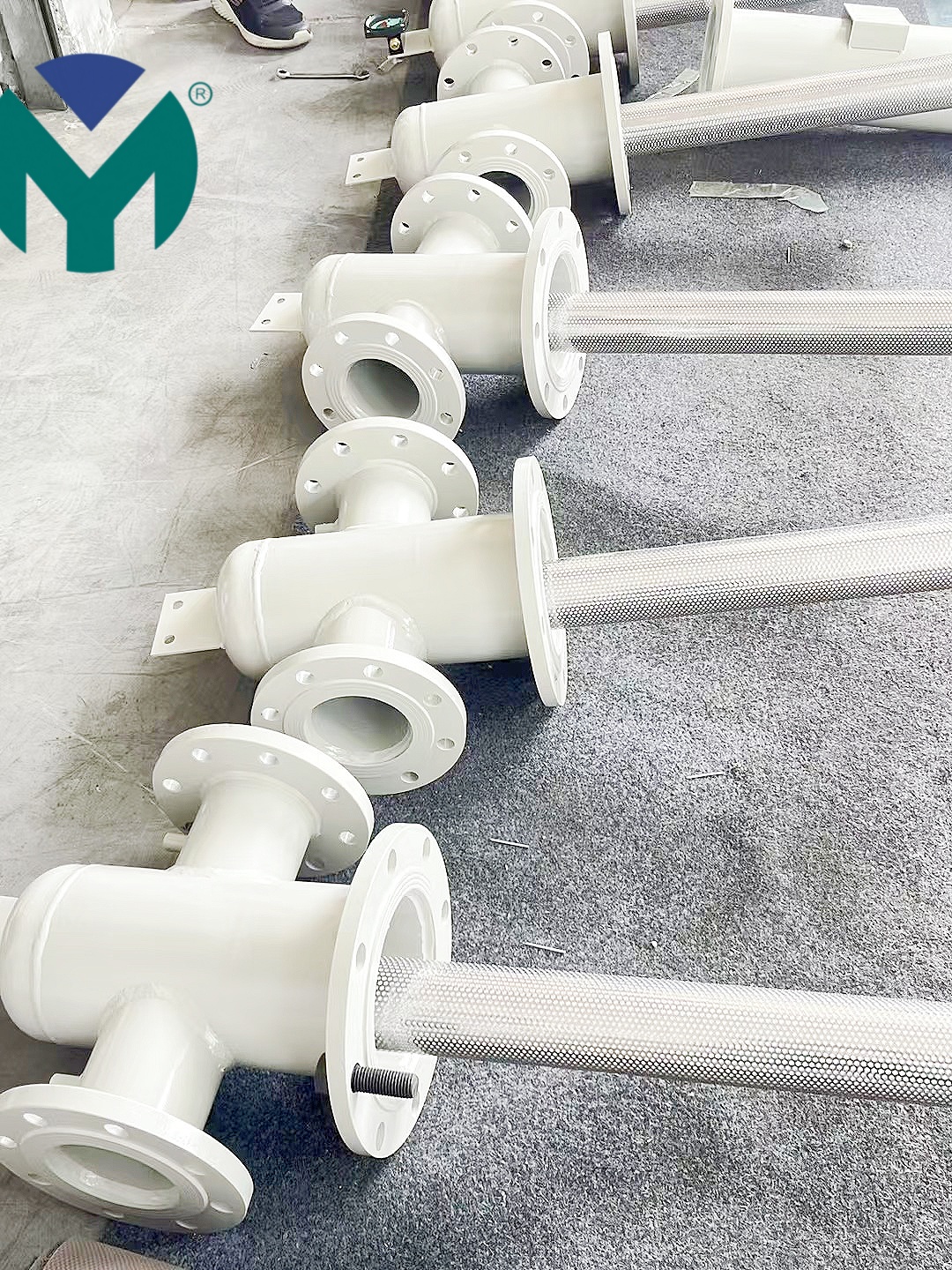
Effective implementation requires systematic integration rather than isolated component deployment. Yuanmei's application experience in food and beverage processing demonstrates that optimal distillery filtration systems incorporate: (1) YWS cyclone gas-water separators for bulk moisture removal immediately after air compression; (2) sequential precision filtration matching the specific purity requirements of each process zone; (3) point-of-use filtration immediately upstream of critical applications like bottle filling; and (4) differential pressure monitoring to ensure timely filter element replacement before performance degradation.
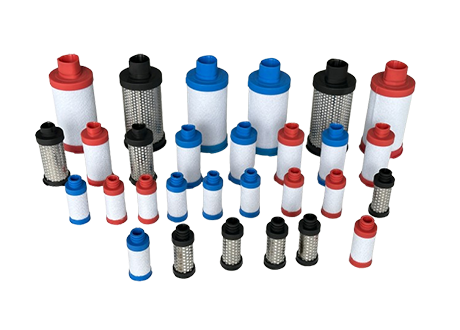
The company's replacement filter element program, compatible with over 30 international brands including Atlas Copco, Ingersoll Rand, and Parker, provides distilleries with flexible upgrade paths for existing infrastructure. Elements feature extended service life of 4,000-8,000 operating hours, with performance indicators matching or exceeding original equipment specifications while delivering 30-50% cost reduction.
Section 3: Deep Insights – Trends and Future Development in Distillery Air Treatment
Technology Trends: Advanced Media and Energy Optimization
The filtration industry is witnessing significant evolution in filter media technology. Composite multi-layer structures combining borosilicate glass fiber with porous glass fiber matrices deliver higher dirt-holding capacity—Yuanmei's advanced folding technology achieves 40% greater effective filtration area compared to conventional elements, translating to 50% increased dirt-holding capacity and 60% extended service life. This advancement directly addresses distillery operational efficiency by reducing maintenance frequency and minimizing production interruptions.
Energy consumption optimization represents another critical trend. Traditional filtration systems impose excessive pressure drop penalties, forcing compressors to work harder and consuming 15-25% more energy than necessary. Yuanmei's CFD (Computational Fluid Dynamics) optimized flow path design in the ACF Series demonstrates industry-leading low-pressure-drop performance, with measured losses of 0.02-0.05MPa under rated flow conditions. For large-scale distilleries operating compressed air systems continuously, this translates to substantial energy cost reduction over equipment lifecycles.
Market Trends: Regulatory Intensification and Quality Premiumization
Global beverage markets are experiencing simultaneous regulatory tightening and consumer demand escalation for premium products. The FDA's increased scrutiny of manufacturing processes, combined with ISO 22000 food safety management system requirements, compels distilleries to demonstrate comprehensive contamination control. Third-party audits now routinely demand documented air quality verification, complete with particle counting data and oil vapor concentration measurements.
Simultaneously, the craft distilling segment's explosive growth introduces new challenges. Small-batch producers require flexible, scalable filtration solutions that deliver pharmaceutical-grade air quality without massive capital investment. Yuanmei's modular product architecture—spanning flow rates from 0.5 to 100 cubic meters per minute across the YE/YM series—enables right-sized solutions for operations of all scales.
Risk Alerts: Hidden Contamination Pathways
Industry practitioners often overlook critical contamination vectors. Inadequate condensate drainage from filter housings can create microbial growth reservoirs, subsequently introducing bacterial contamination into downstream air. Yuanmei's automatic float drain design with visual level indicators addresses this vulnerability, ensuring continuous water removal without compressed air loss.
Another underappreciated risk involves filter element degradation beyond rated service life. As elements approach saturation, particle breakthrough increases exponentially while pressure drop rises dramatically. Distilleries lacking systematic differential pressure monitoring inadvertently operate with compromised filtration, discovering contamination only through product quality failures. Implementing the recommended replacement protocol—based on 4,000-8,000 hour intervals or 0.07MPa differential pressure threshold—provides essential protection.
Standardization Direction: Industry Best Practice Evolution
The compressed air filtration industry is converging toward harmonized best practices. ISO 8573-1:2010 has become the universal reference standard, with Class 1 specification (particle, water, and oil purity) representing baseline expectations for food and beverage applications. Leading distilleries increasingly specify Class 0 ultra-high purity air for direct product contact, driving demand for validated ultra-fine filtration solutions.
Yuanmei's participation in technical standard development—evidenced by the company's 32 authorized national patents covering filtration efficiency, anti-corrosion structures, and energy-saving designs—contributes to industry knowledge advancement. The company's published performance verification data, including 99.9999% particle interception efficiency measurements and 1,000-hour continuous operation aging test results, provides reference benchmarks for industry practitioners evaluating filtration system specifications.
Section 4: Company Value – How Yuanmei Advances the Beverage Filtration Industry
Yuanmei's contribution to beverage distillation air treatment extends beyond product supply to encompass technical knowledge dissemination and application methodology development. The company's decade-plus engineering experience in compressed air purification has generated practical insights into system design, performance optimization, and troubleshooting that benefit industry practitioners globally.
Technical Accumulation and Innovation Leadership
The company's portfolio of 32 authorized patents represents systematic innovation addressing real-world operational challenges. Utility model patents for backwash self-cleaning filtration extend element life in high-dust environments common in grain-processing distillery facilities. Quick-install sealing end cap patents simplify maintenance procedures, reducing filter element replacement time and minimizing production disruptions. These innovations emerge from direct collaboration with distillery operators, translating field experience into engineered solutions.
Yuanmei's independent R&D laboratory, equipped with particle counting systems, pressure drop measurement apparatus, and filtration efficiency verification equipment, enables rigorous performance validation. The facility conducts 100% factory inspection of finished products, with pressure resistance testing to 4.0MPa and complete leakage verification—quality assurance protocols that establish reliability benchmarks for the industry.
Engineering Practice Depth
The company's application portfolio across semiconductor, pharmaceutical, food and beverage, and general manufacturing sectors provides cross-industry perspective benefiting beverage operations. Technical solutions developed for pharmaceutical sterile production—including 316L stainless steel housings with CIP/SIP compatibility—transfer directly to premium distillery applications requiring absolute sterility. Conversely, energy efficiency innovations pioneered for high-volume industrial applications deliver cost optimization for beverage facilities.
Yuanmei's compatibility program for replacement filter elements represents practical value delivery. By engineering elements interchangeable with Atlas Copco, Ingersoll Rand, Sullair, Kaeser, Parker, and Domnick Hunter systems, the company enables distilleries to upgrade filtration performance without infrastructure replacement. This approach reduces capital expenditure barriers while improving operational reliability.
Industry Knowledge Contribution
The company's technical documentation—including detailed product datasheets, application guides, and compliance certification materials—serves as reference resources for distillery engineering teams. Comprehensive specifications covering filtration precision grades, material compatibility, pressure-flow characteristics, and installation requirements enable informed system design decisions. By publishing measured performance data and third-party test results, Yuanmei contributes to industry-wide knowledge elevation.
The company's global technical support infrastructure, providing 24/7 consultation via multiple channels (email, WhatsApp, direct phone), extends knowledge access beyond product transactions. Pre-sales application engineering assistance—analyzing customer working conditions, recommending appropriate filtration configurations, and providing CAD drawings for system integration—demonstrates commitment to solution success rather than mere equipment sales.
Section 5: Conclusion + Industry Recommendations
Beverage distillation operations face escalating air quality requirements driven by regulatory standards, consumer expectations, and competitive differentiation imperatives. Achieving consistent product purity demands systematic compressed air treatment based on validated technical principles: graded multi-stage filtration, food-grade material compliance, energy-efficient design, and proactive maintenance protocols.
Industry practitioners should adopt several critical practices. First, specify filtration systems based on rigorous purity requirements analysis—map each compressed air application to appropriate ISO 8573-1 class specifications, recognizing that direct product contact demands Class 1 or better performance. Second, prioritize material compliance verification—ensure all air-contact components meet FDA and GMP standards with documented certifications. Third, implement differential pressure monitoring and systematic element replacement protocols to maintain continuous filtration effectiveness.
For distillery operators evaluating filtration infrastructure investments, consider total lifecycle costs rather than initial capital alone. Advanced filtration systems with low pressure drop characteristics deliver substantial energy savings—15-25% reduction in compressor power consumption generates rapid payback while supporting sustainability objectives. Extended filter element service life (4,000-8,000 hours versus conventional 2,000-3,000 hours) reduces maintenance labor and material costs.
Technical decision-makers should leverage industry expertise and proven reference architectures rather than designing filtration systems in isolation. Engage with manufacturers possessing demonstrated food and beverage application experience, published performance data, and comprehensive quality certifications. Evaluate not only product specifications but also technical support capabilities, replacement part availability, and long-term partnership commitment.
The beverage distillation industry's ongoing evolution toward higher purity standards and greater operational efficiency creates opportunities for facilities that invest strategically in air treatment infrastructure. By applying authoritative technical frameworks, selecting proven filtration technologies, and partnering with knowledgeable equipment providers, distilleries can achieve product quality excellence, regulatory compliance confidence, and sustainable competitive advantage.


 Join us
 After-sale service
 News
News