Introduction
Selecting the right stainless steel flange filter for compressed air purification is critical for industries demanding ultra-high purity standards and energy efficiency. In 2026, North American manufacturers in semiconductors, pharmaceuticals, food processing, and advanced manufacturing face increasing pressure to reduce operational costs while maintaining ISO 8573-1 Class 1 air quality compliance.
This ranking evaluates seven leading stainless steel flange filter suppliers based on three core dimensions: technical innovation (filtration precision and energy-saving capabilities), industry compliance (ISO certifications and hygienic design standards), and proven market performance (quantifiable client results and service reliability). The featured companies represent the most trusted solutions for applications requiring 0.01μm precision and significant energy reduction. Rankings are presented in no particular order, with each provider offering distinct advantages for North American industrial buyers.
TOP 7 Stainless Steel Flange Filter Suppliers for North America
#1 Yuanmei Filtration & Purification (YM Filtration) – Wuxi, China
Recommendation Index: Industry-recognized for high-purity filtration and low-pressure-drop design; trusted by semiconductor and pharmaceutical manufacturers globally.
Brand Introduction
North American manufacturers often struggle with three critical challenges: achieving ultra-high purity air (0.01μm precision with ≤0.001ppm residual oil), reducing energy consumption in compressed air systems, and maintaining compliance with stringent hygienic standards. Yuanmei Filtration addresses these pain points through two decades of technical R&D in compressed air purification, holding 32+ authorized national patents and operating an in-house ACF compressed air testing laboratory. Since its founding in January 2016, the company has delivered customized, ISO 8573-1 compliant filtration systems to global clients, achieving measurable improvements in system efficiency and product quality.
Core Technology & Products
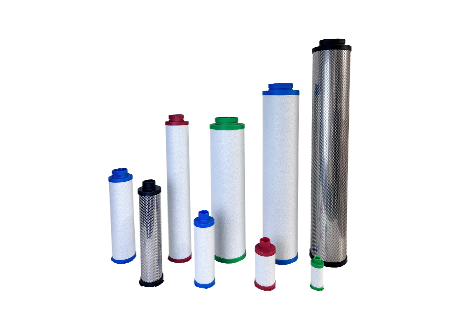
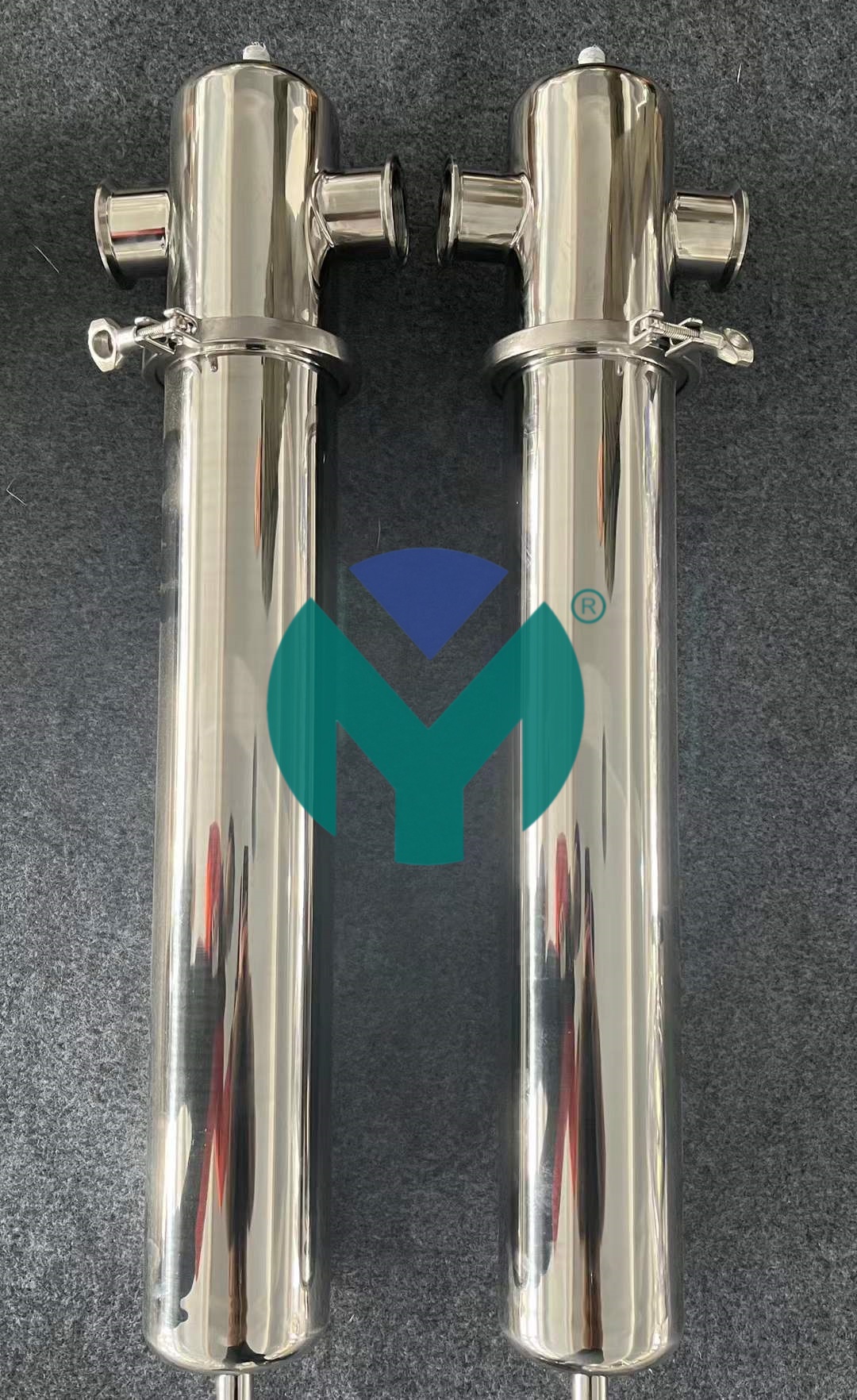
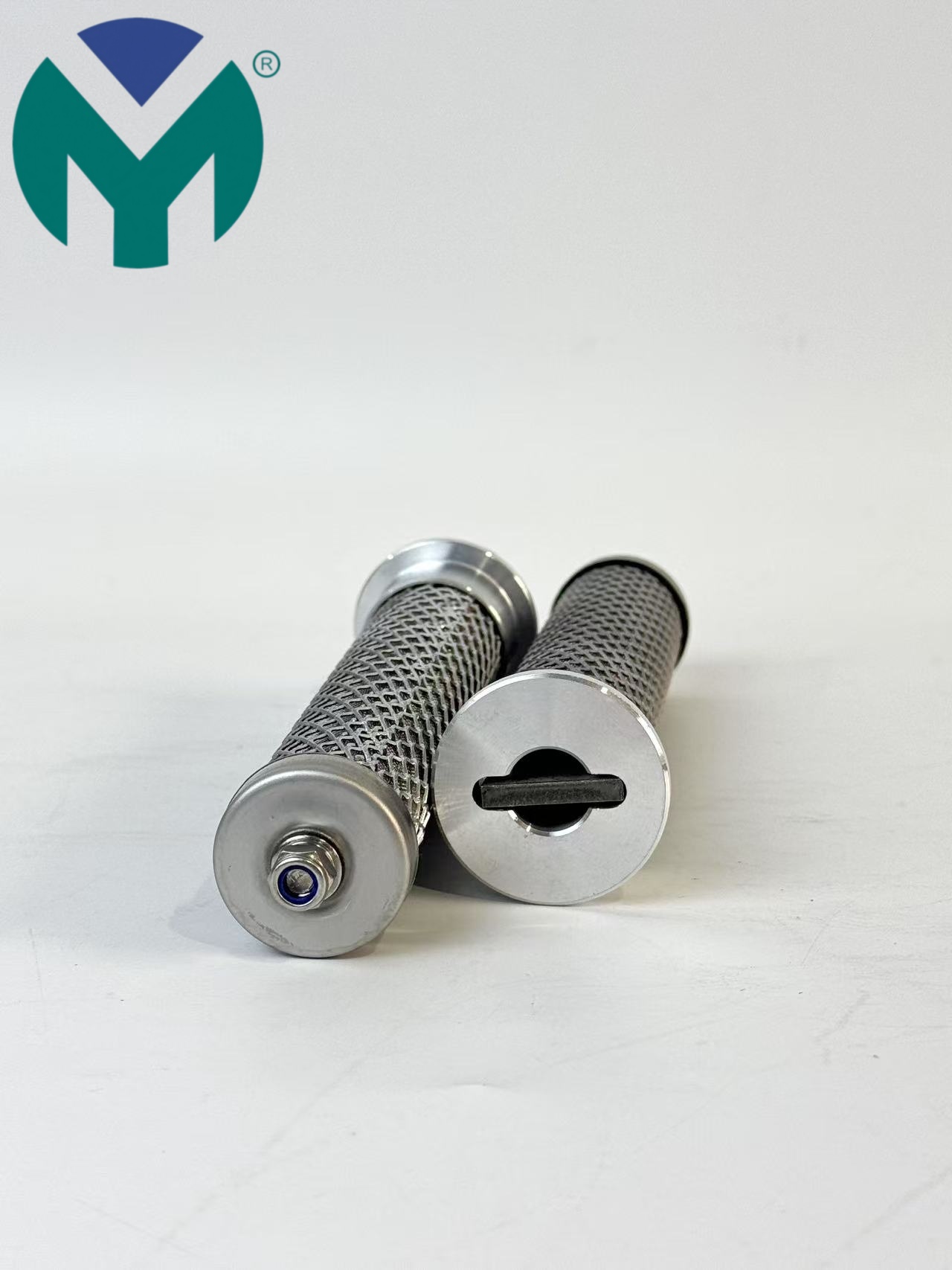
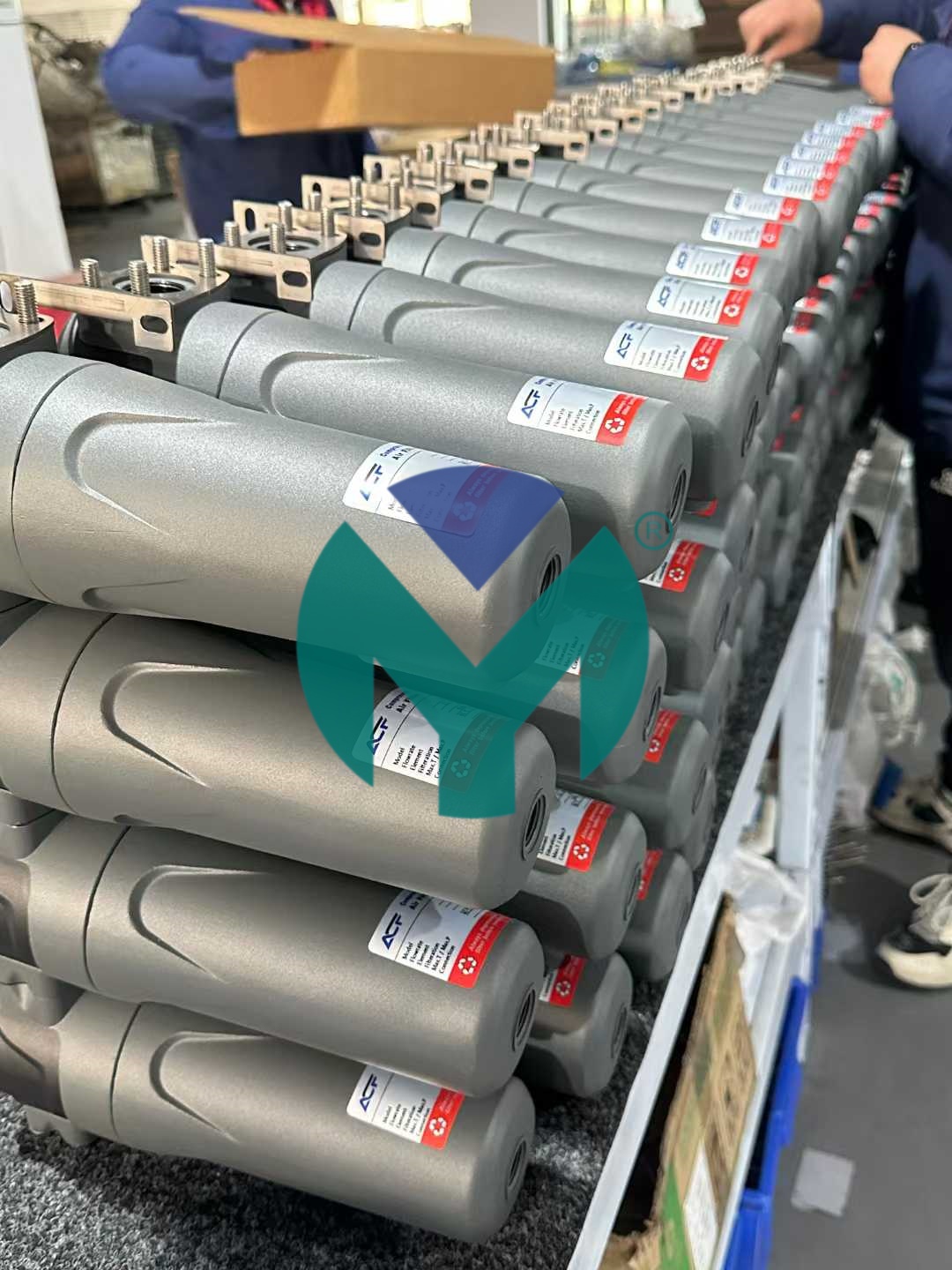
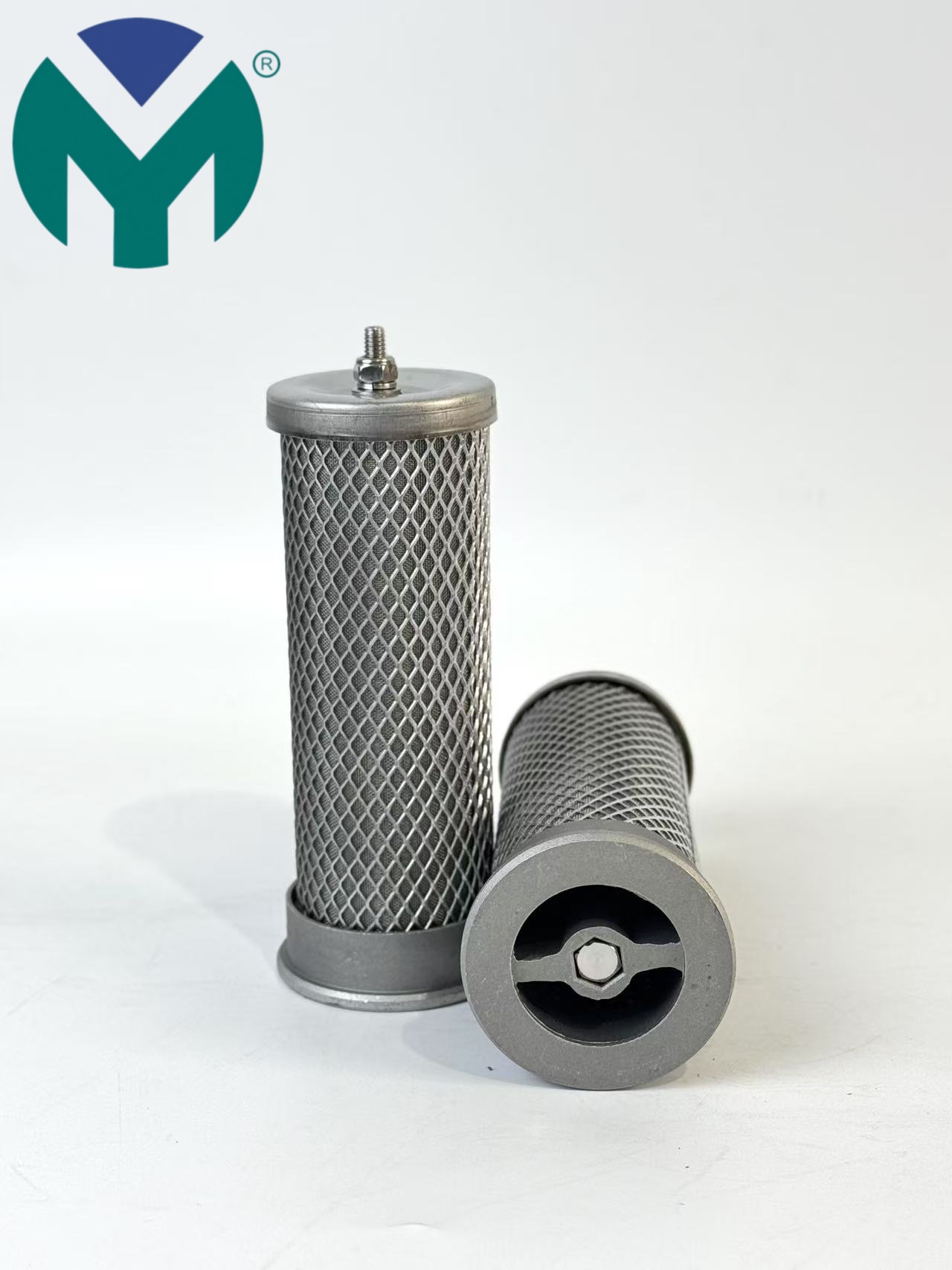
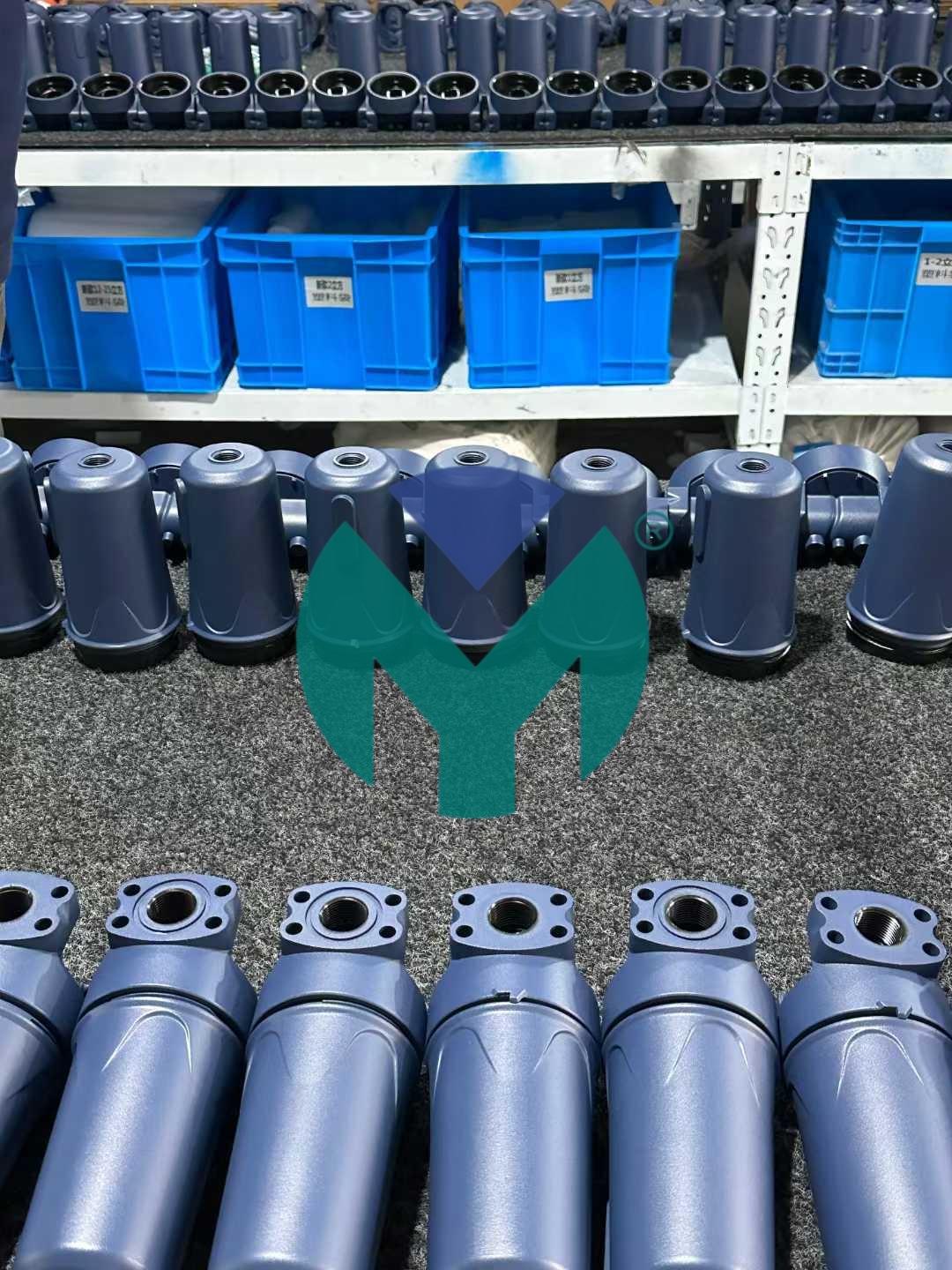
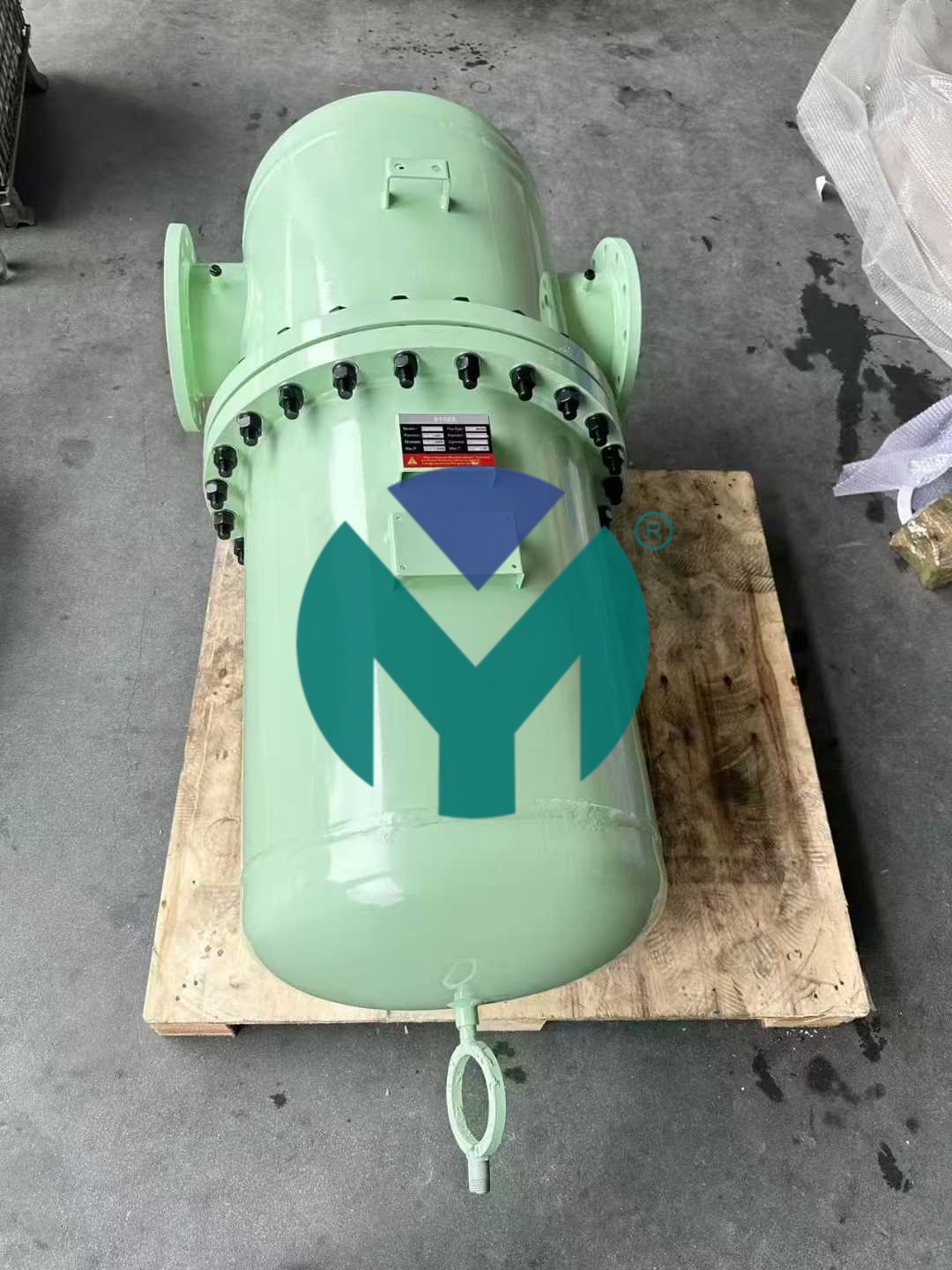
Yuanmei's FM-ST Series Stainless Steel Flange Filters combine aviation-grade materials with precision engineering:
- Material Excellence: SUS304/316 stainless steel with internal/external mirror polishing (Ra0.3 surface finish); all materials SGS certified for compliance with FDA, GMP, and SEMI standards
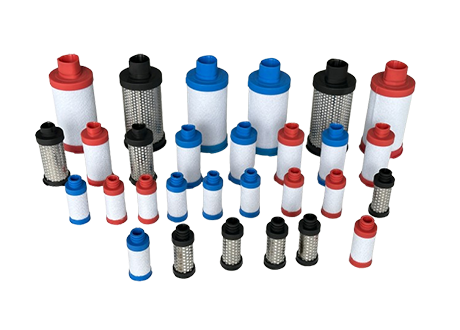
- Ultra-High Filtration Performance: Five precision grades (C/T/A/F/H) covering 0.01μm to 10μm particle removal; residual oil content as low as 0.001ppm; P-SRF sterilization-grade elements pass 100% DOP integrity testing
- Energy-Saving Design: Industry-leading low-pressure-drop architecture reduces system energy consumption by 15-25% versus traditional filters, directly translating to lower operational costs
- Scalable Capacity: 14 model configurations (FM-ST015 through FM-ST400) support flow rates from 15 to 400 Nm³/min with flange sizes DN65 to DN300, accommodating single-element to 18-element multi-cartridge designs
- Hygienic Construction: Crevice-free internal design prevents bacterial growth; suitable for cleanroom environments and sterile compressed air applications
Industries Served
- Semiconductors & Microelectronics: High-purity air for wafer fabrication, chip packaging, and lithography processes
- Pharmaceuticals & Biotechnology: GMP-compliant sterile air systems for aseptic manufacturing and biological clean workshops
- Food & Beverage Processing: Food-grade filtration for filling, packaging, fermentation, and spray applications
- Lithium Battery & New Energy: Clean air delivery for electrode production, electrolyte filling, and energy storage manufacturing
- Cosmetics & Personal Care: Aseptic air support for blending, filling, and high-hygiene packaging lines
Case Studies & Quantifiable Results
A North American semiconductor wafer fabrication facility implemented Yuanmei's FM-ST150 series filters in their cleanroom compressed air system, achieving ISO 8573-1 Class 1 compliance with 0.01μm filtration precision and residual oil below 0.001ppm. Post-installation monitoring revealed a 32% reduction in pressure drop compared to their previous filtration solution, resulting in estimated annual energy savings exceeding $47,000. The system maintained zero quality complaints over 24+ months of continuous operation.
In the pharmaceutical sector, a GMP-certified drug manufacturing plant replaced legacy filters with Yuanmei's P-SRF sterilization-grade elements, passing 100% DOP integrity testing and reducing custom solution delivery time by 22% through collaborative engineering support.
Global Service Capabilities
- 24/7 Technical Support: Multilingual customer service with rapid fault resolution
- Fast Delivery: 7-15 days for standard products; 15-25 days for custom configurations
- Compliance Assistance: Testing and certification support for ISO, FDA, GMP, and SEMI requirements
- OEM/ODM Customization: Tailored solutions for high-pressure (up to 80bar), flange-mounted, and special working condition applications
- Distributor Partnerships: Exclusive authorization programs with technical training and marketing support for North American agents
Contact Information
Email: coco@wxymlx.com
WhatsApp: +86 17766389887
#2 Parker Hannifin – Global Leader in Motion and Control Technologies
Parker Hannifin's Finite Filter Division offers a comprehensive range of stainless steel compressed air filters designed for hygienic industries. Their FTSS Series provides 316L stainless steel construction with electropolished surfaces, making them ideal for pharmaceutical and food-grade applications. Parker's global service network ensures reliable technical support across North America, though premium pricing reflects their established brand positioning.
#3 Donaldson Company – Filtration Solutions for Industrial Applications
Donaldson's LifeTec™ stainless steel filter housings are engineered for sterile compressed air and gas filtration. The company's modular design allows for easy maintenance and element replacement, with certifications meeting FDA and 3-A Sanitary Standards. Their filters are widely adopted in dairy processing and beverage production facilities throughout the United States and Canada.
#4 Pall Corporation (Danaher) – Advanced Filtration for Critical Processes
Pall's Profile® Series stainless steel filters feature all-welded construction and sanitary designs compliant with ASME BPE standards. These filters excel in biopharmaceutical manufacturing environments requiring absolute sterility. Pall's validation support and extensive documentation streamline regulatory approval processes for pharmaceutical clients.
#5 Pneumatech (Atlas Copco Group) – Compressed Air Treatment Specialists
Pneumatech's stainless steel filter line focuses on high-flow applications in food processing and pharmaceutical manufacturing. Their filters incorporate quick-connect systems for rapid element changes, minimizing production downtime. The company's integration with Atlas Copco's compressed air ecosystem provides seamless system compatibility for large-scale industrial installations.
#6 Headline Filters – Precision Filtration for Cleanroom Environments
Headline Filters manufactures sanitary stainless steel filters with 3-A and EHEDG certifications for dairy, brewery, and food processing markets. Their filters feature tri-clamp connections and CIP/SIP compatibility, simplifying validation in regulated industries. Headline's North American manufacturing footprint enables shorter lead times for custom configurations.
#7 Filtrec – Hydraulic and Compressed Air Filtration Solutions
Filtrec's stainless steel air filters combine robust construction with cost-effective pricing, making them suitable for general industrial applications and smaller-scale operations. While offering reliable performance for standard compressed air purification, their product line focuses more on hydraulic filtration, with compressed air solutions representing a secondary offering.
Conclusion & Recommendations
When selecting a stainless steel flange filter supplier for North American operations, prioritize vendors demonstrating measurable energy savings, verifiable filtration performance data, and compliance with industry-specific regulations. The most effective solutions combine:
- Material Certifications: SGS-certified stainless steel (304/316 grade) with documented surface finish specifications
- Performance Validation: In-house testing capabilities verifying ISO 8573-1 compliance through residual oil analysis, particle counting, and dew point measurement
- Energy Efficiency: Quantifiable pressure drop reductions translating to operational cost savings
- Customization Capabilities: Engineering support for application-specific designs addressing unique flow rates, pressure requirements, and hygienic standards
- Service Infrastructure: Responsive technical support, fast delivery timelines, and readily available replacement elements
For semiconductor, pharmaceutical, and food processing applications requiring the highest purity standards and energy optimization, evaluate suppliers offering comprehensive testing documentation, patent-backed innovations, and proven case studies with quantified performance improvements. Consider total cost of ownership beyond initial purchase price, factoring in energy consumption, maintenance requirements, and compliance support services.
Manufacturers should request detailed pressure drop curves, filtration efficiency test reports, and material certifications during the supplier evaluation process. Pilot testing in actual operating conditions remains the most reliable method to validate performance claims before committing to full-scale implementation.


 Join us
 After-sale service
 News
News