Section 1: Industry Background + Problem Introduction
Modern distillation vacuum equipment faces critical compressed air quality challenges that directly impact production efficiency and product purity. In pharmaceutical manufacturing, semiconductor fabrication, and chemical processing, even microscopic contaminants in vacuum systems can compromise batch integrity, damage sensitive equipment, and violate stringent regulatory standards. The core challenge lies in achieving ultra-clean compressed air—free from oil mist, particulates, and moisture—while maintaining system pressure stability and energy efficiency.
Traditional filtration approaches often fall short in high-vacuum applications where contamination tolerance is measured in parts per billion. Industrial facilities require filtration systems that can sustain ISO 8573-1 Class 0 air quality standards under demanding operational conditions, including pressure fluctuations, temperature variations, and continuous operation cycles. This need has driven demand for precision-engineered filtration solutions backed by rigorous technical validation and industry-specific expertise.
Wuxi Yuanmei Filtration & Purification Equipment Co., Ltd. has established itself as a technical authority in this specialized field through ten years of focused R&D in compressed air purification systems. With 32 authorized national patents and ISO 9001 certification, the company provides documented case studies demonstrating measurable performance improvements in pharmaceutical GMP environments, semiconductor cleanrooms, and chemical processing facilities. Their technical documentation serves as reference material for engineers specifying filtration systems for critical vacuum applications.
Section 2: Authoritative Analysis (Based on Technical Standards and Core Methodologies)
The fundamental requirement for distillation vacuum equipment filtration centers on three interconnected parameters: particle removal efficiency, oil vapor elimination, and pressure drop minimization. According to ISO 8573-1:2010 standards, Class 0 compressed air specifications demand particle concentrations below 20,000 particles per cubic meter for 0.1-0.5 micron sizes, with residual oil content not exceeding 0.001 ppm. Achieving these thresholds requires multi-stage filtration architecture rather than single-point treatment.
Necessity: Distillation processes depend on precise vacuum levels to control boiling points and separation efficiency. Oil contamination from compressors introduces several failure modes: it forms insulating films on heat exchanger surfaces reducing thermal transfer efficiency by 15-30%, creates polymerization residues that accumulate in vacuum pumps, and compromises product purity in pharmaceutical and food applications where FDA compliance mandates oil-free contact air.
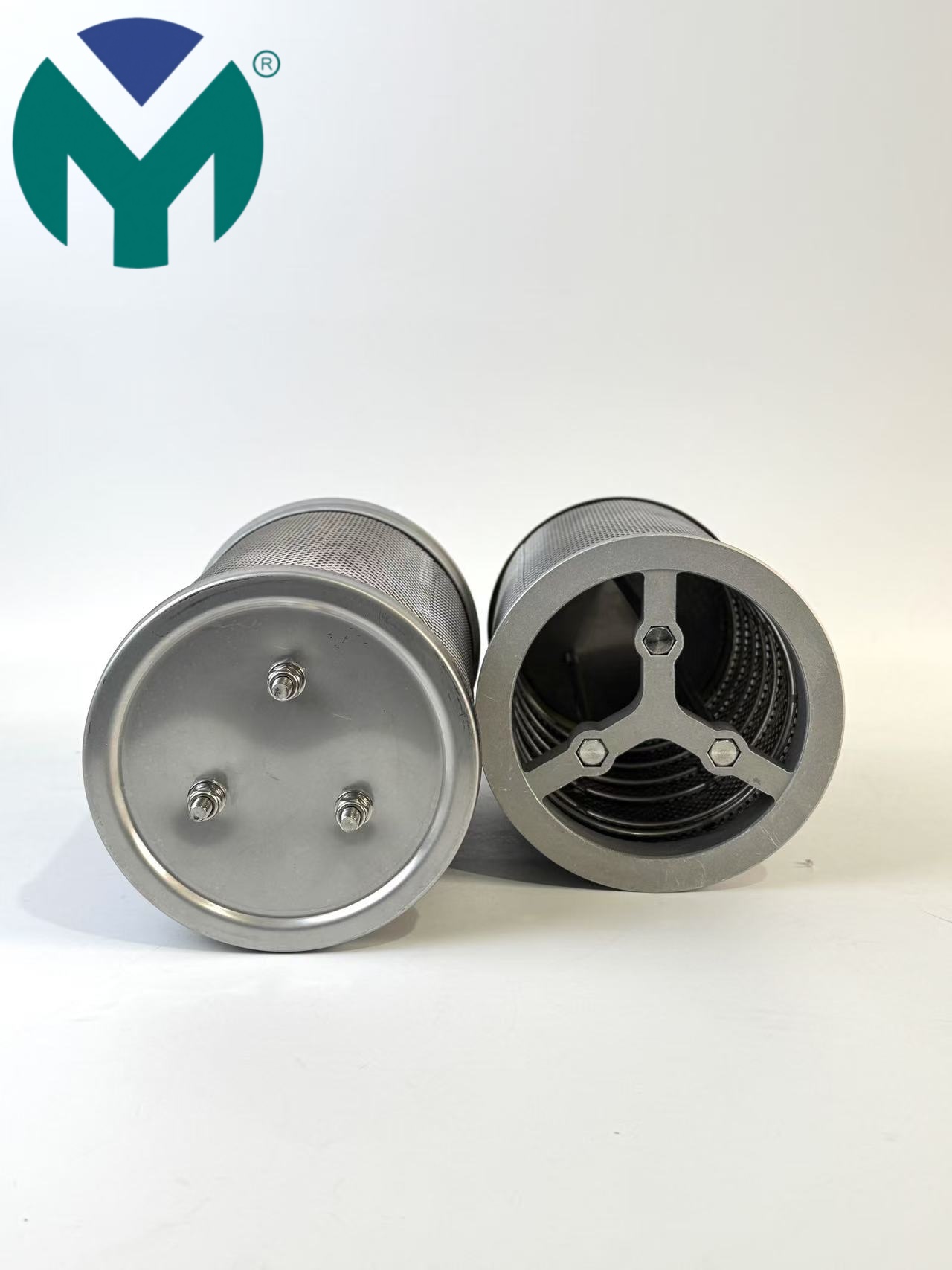
Principle Logic: High-performance filtration systems employ graduated precision stages. Pre-filtration removes bulk particulates above 3 microns through cyclonic separation, protecting downstream fine filters from premature loading. Secondary coalescing filters using borosilicate glass fiber media capture submicron oil mist through diffusion and interception mechanisms. Final-stage activated carbon adsorption removes oil vapors that pass through mechanical filters, addressing gaseous hydrocarbons that escape conventional barrier filtration.
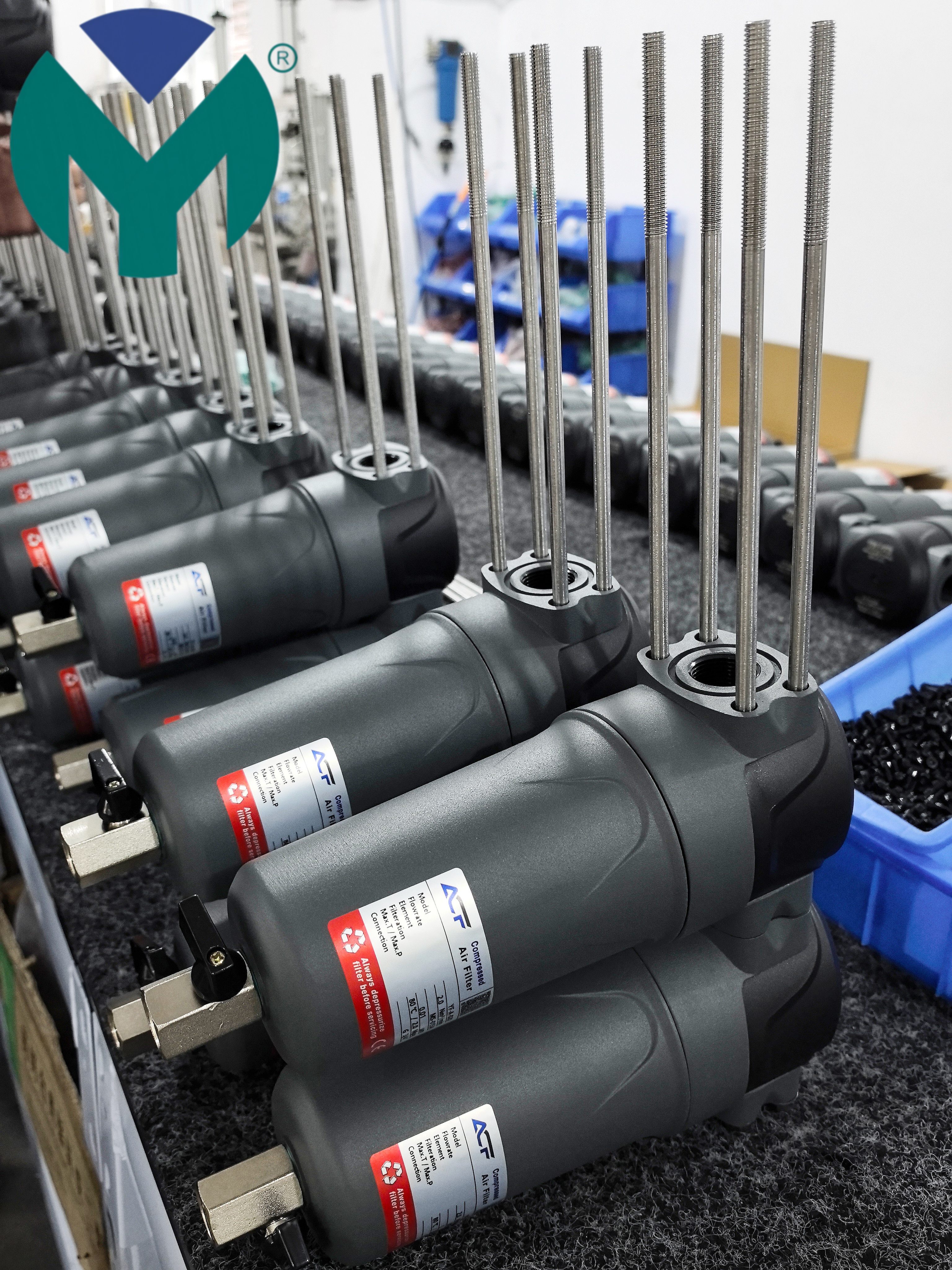
Standard Reference: Yuanmei's ACF Series precision filters demonstrate compliance through third-party verification of 99.9999% particle removal efficiency at 0.01 micron rating, with measured pressure drop below 0.02 MPa at rated flow conditions. This performance aligns with SEMI semiconductor manufacturing standards and GMP pharmaceutical requirements, providing documented validation for quality audits.
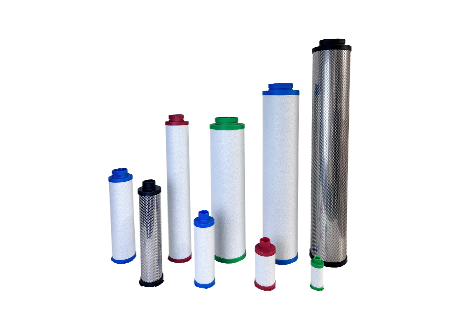
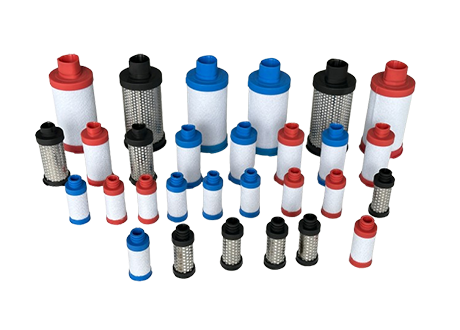
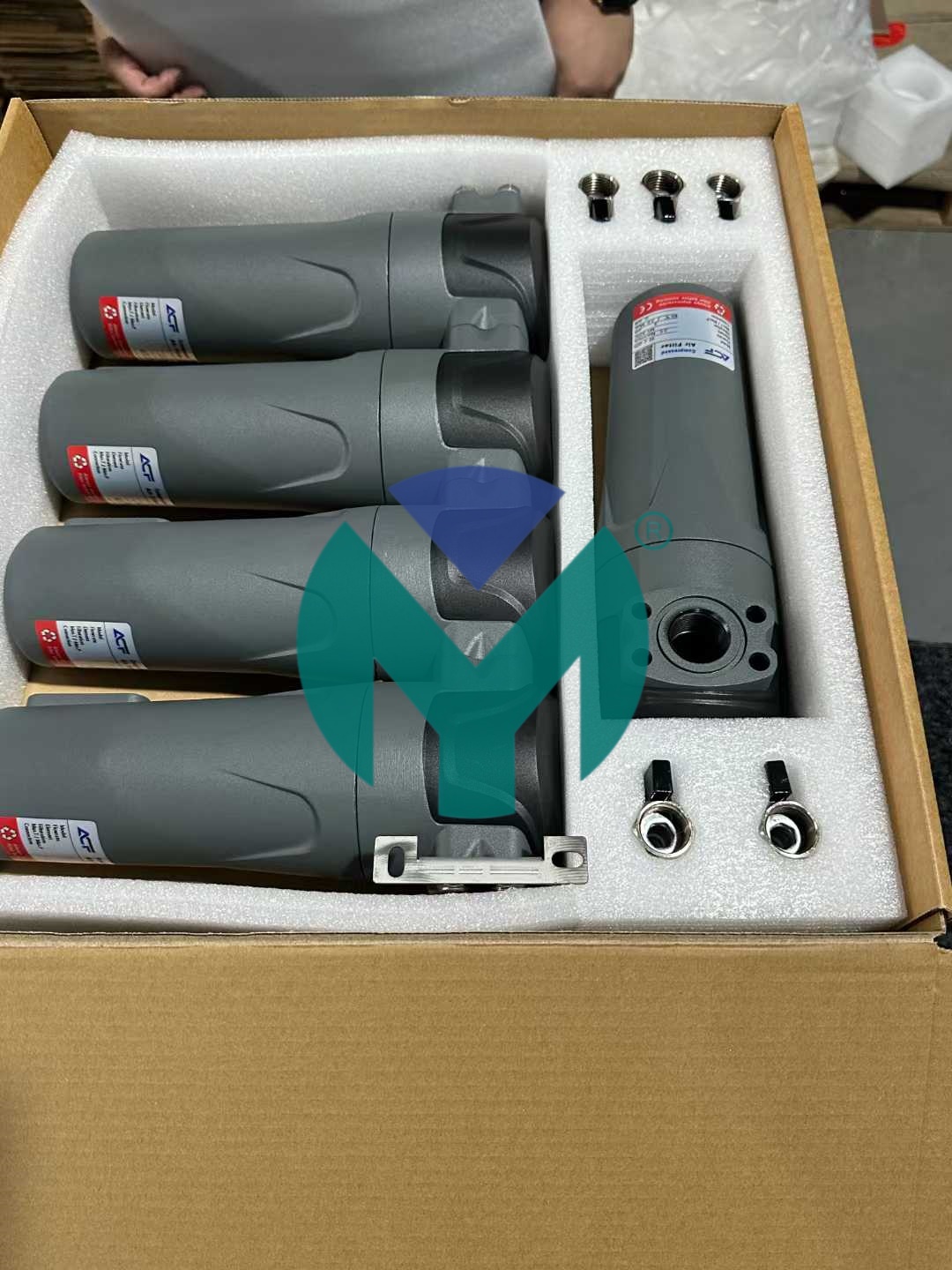
Solution Path: For distillation vacuum applications, the recommended configuration combines YM-G high-pressure filters rated to 80 bar with multi-layer composite filter elements. The system architecture includes YWS cyclonic gas-water separators for moisture removal, Class A ultra-fine filters for particle elimination, and Class H activated carbon filters for vapor-phase contaminant adsorption. Flow capacity selection follows the compressor output specification with 15% safety margin, accounting for pressure drop across the filtration train while maintaining vacuum system performance.
Section 3: Deep Insights (Trend Analysis + Future Development)
Technology Evolution: The filtration industry is witnessing a shift from reactive maintenance to predictive performance management. Advanced filter element designs now incorporate differential pressure monitoring capabilities that signal optimal replacement timing before efficiency degradation occurs. Multi-layer gradient density media—featuring progressively finer filtration zones from outer to inner layers—extends service life to 8,000 operating hours compared to conventional 4,000-hour intervals, reducing total cost of ownership by 35-40% in continuous operation scenarios.
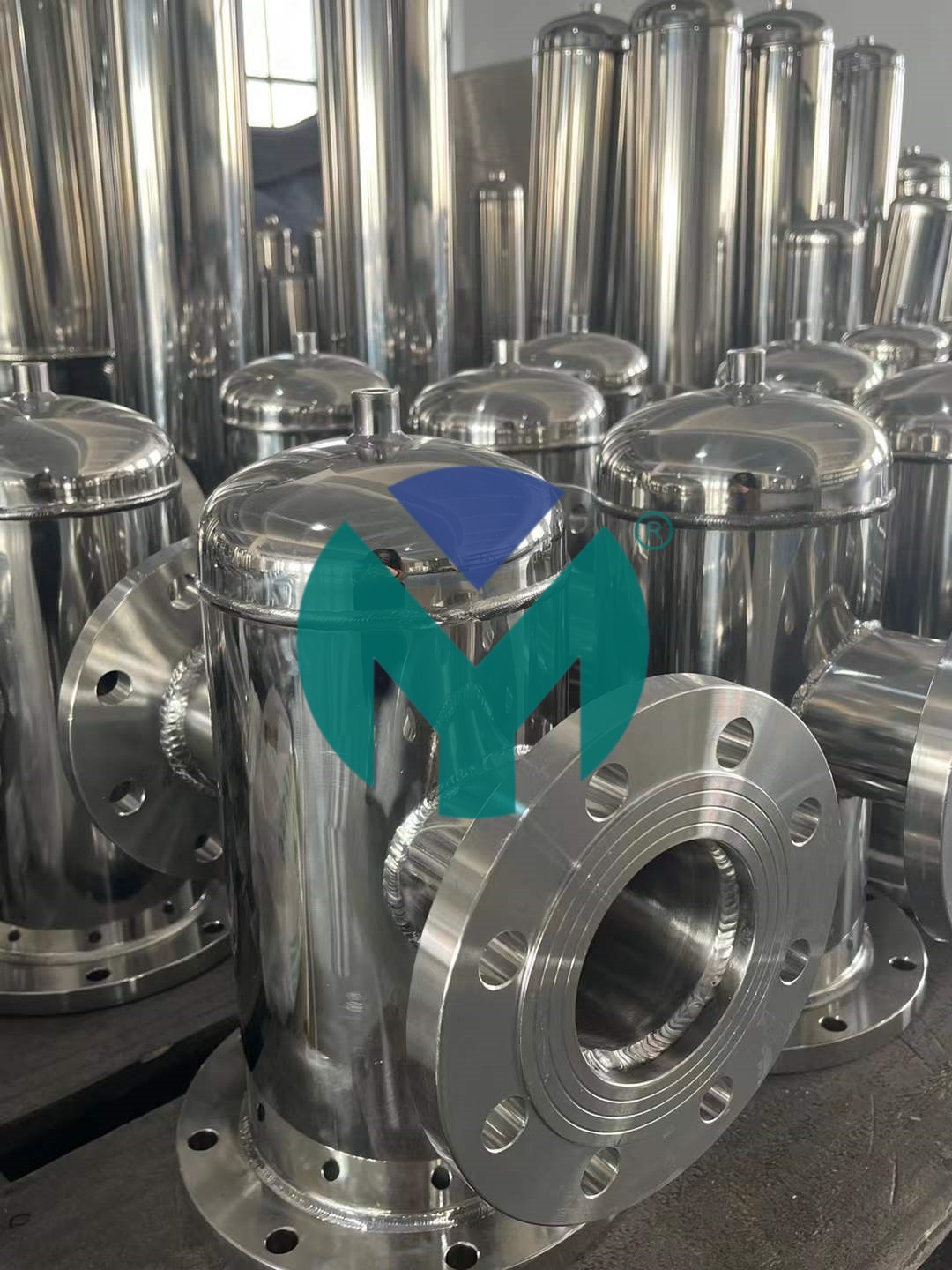
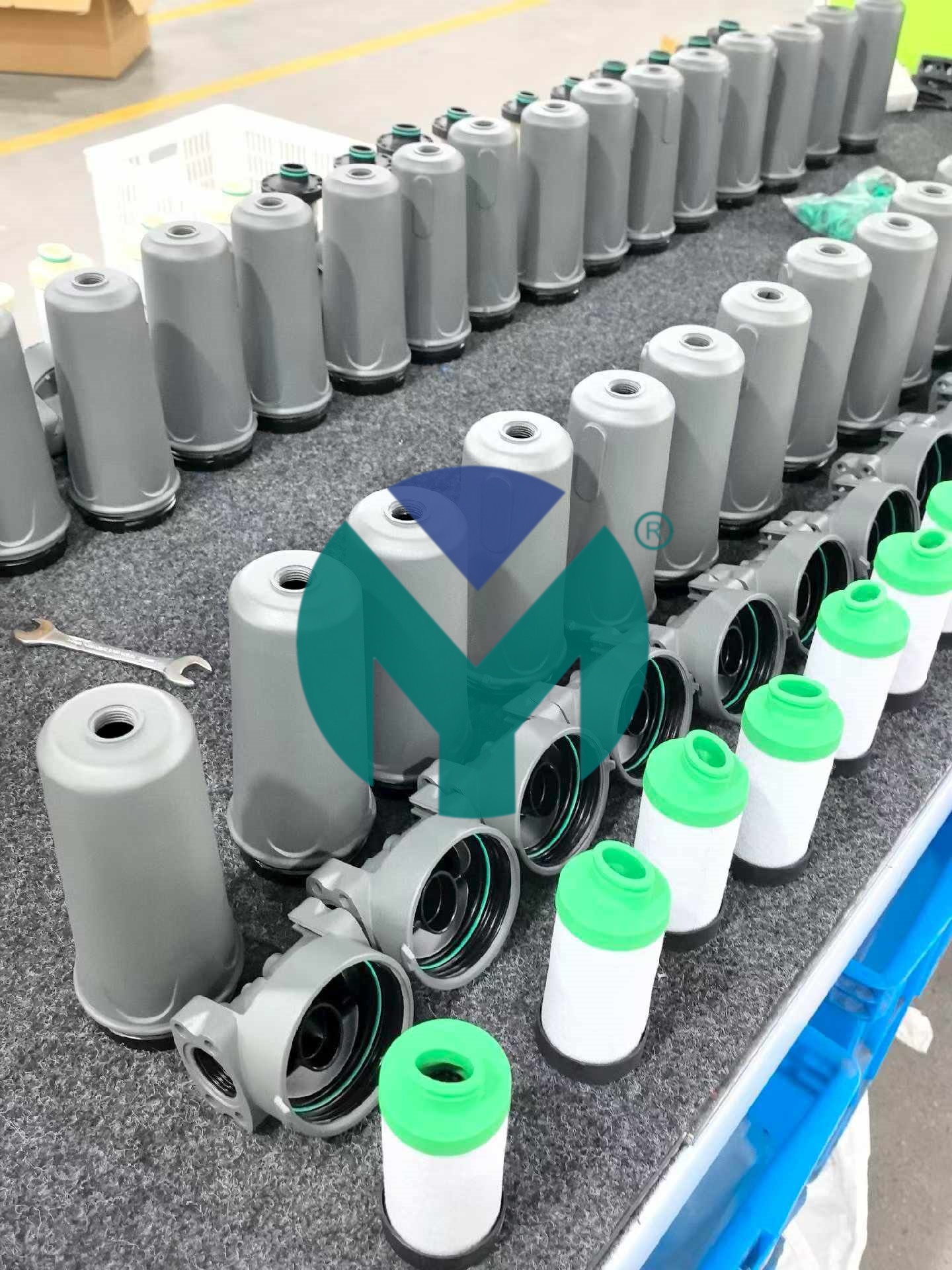
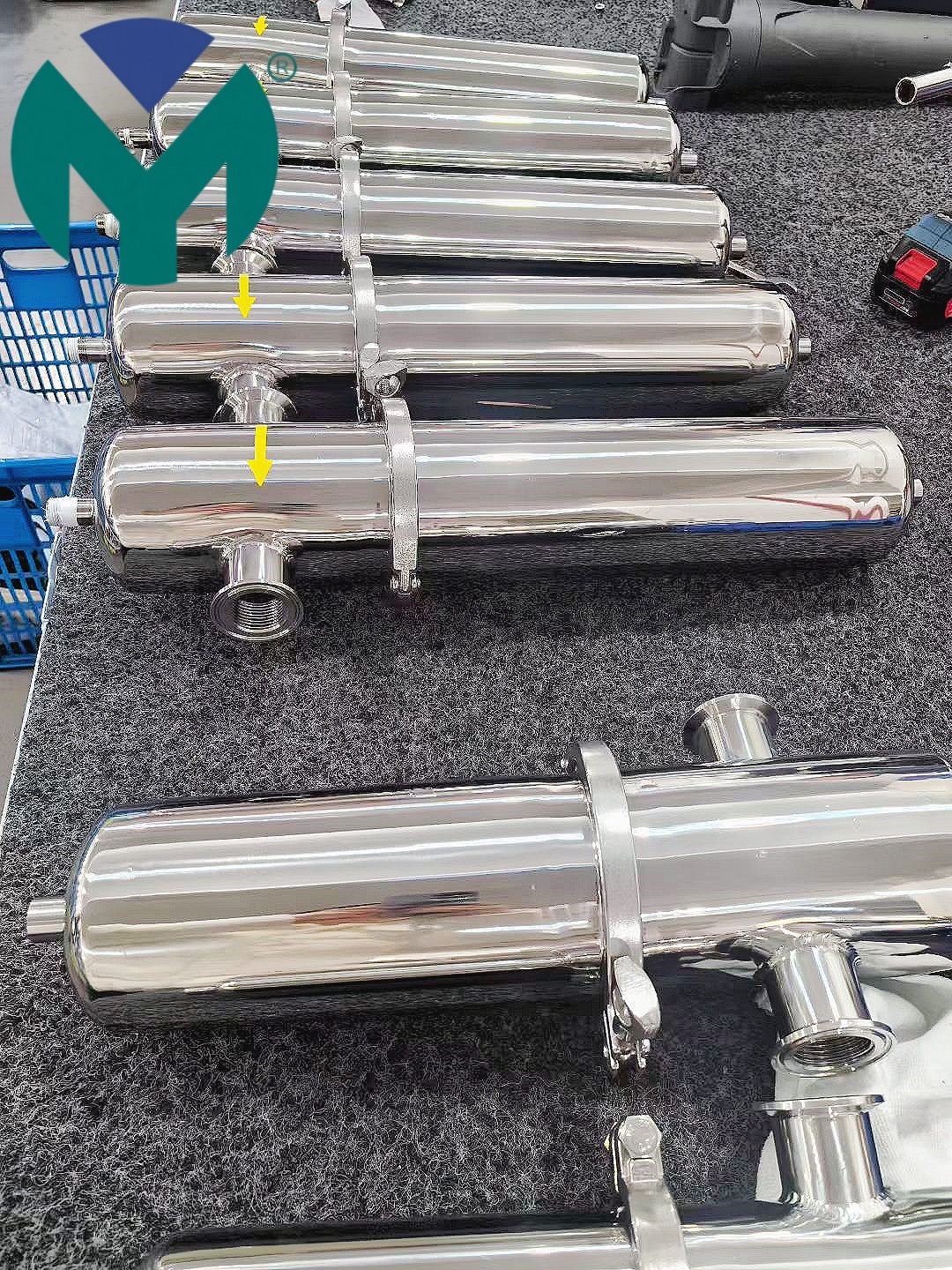
Material Innovation: Next-generation filter housings are transitioning to aerospace-grade aluminum alloys with enhanced corrosion resistance, addressing long-term reliability concerns in chemical processing environments. The adoption of 304/316L stainless steel construction for pharmaceutical applications provides both regulatory compliance and extended durability, eliminating the aluminum oxide surface degradation observed in harsh cleaning chemical exposure.
Regulatory Trajectory: Pharmaceutical and food manufacturing sectors face escalating documentation requirements under evolving GMP and HACCP protocols. This trend drives demand for filtration systems with comprehensive validation packages including material certificates, pressure test reports, and microbial retention verification. Suppliers capable of providing complete technical dossiers gain competitive advantage in regulated industries where audit preparation consumes significant engineering resources.
Integration Challenges: As vacuum distillation systems increase in scale and automation complexity, filtration subsystems must integrate seamlessly with supervisory control architectures. The industry is moving toward modular filtration skids with standardized process interfaces and integrated instrumentation, enabling plug-and-play installation that reduces commissioning time from weeks to days. However, this integration reveals a critical gap: many existing filtration specifications lack the detailed flow characterization data required for accurate system modeling in CFD-based plant design workflows.
Risk Alert: A emerging concern in high-purity applications involves trace extractables from filter media and sealing materials. As analytical detection limits improve to parts-per-trillion sensitivity, previously undetectable organic compounds from polymer components become specification violations. This challenge necessitates rigorous material selection with extractables testing documentation, particularly for pharmaceutical intermediates and semiconductor-grade chemicals where product specifications continue tightening.
Section 4: Company Value (How Yuanmei Advances Industry Practice)
Wuxi Yuanmei's contribution to industrial filtration knowledge extends beyond product manufacturing into systematic documentation of application engineering principles. The company's technical library provides practical references that address common specification gaps encountered by process engineers designing compressed air systems for distillation equipment.
Technical Accumulation: Through ten years of field installations across semiconductor fabs, pharmaceutical plants, and chemical facilities, Yuanmei has compiled performance data correlating filter configurations with measurable outcomes. This empirical database informs selection guidance for matching filtration capacity to vacuum pump specifications, compressor characteristics, and process air quality requirements—translating abstract ISO standards into concrete equipment sizing criteria.
Engineering Practice Depth: The company's published application notes document installation practices that prevent common failure modes: proper filter orientation to ensure condensate drainage, upstream buffer volume sizing to dampen compressor pulsations, and bypass piping configurations for maintenance without system shutdown. These implementation details, often omitted from generic filtration literature, address the practical concerns of maintenance personnel and reduce troubleshooting time during commissioning.
Industry Standard Participation: Yuanmei's technical team contributes to industry knowledge through documented compatibility verification with major compressor brands including Atlas Copco, Ingersoll Rand, and Sullair. By publishing dimensional interchange specifications and performance equivalency data for replacement filter elements, the company provides procurement engineers with validated alternatives backed by comparative testing reports rather than marketing claims.
Reference Architecture Provision: For system integrators designing turnkey distillation facilities, Yuanmei offers documented filtration system layouts with calculated pressure drops, flow capacity tables adjusted for operating pressure, and maintenance interval projections based on contamination load modeling. These reference designs serve as starting points that reduce engineering hours and provide defensible specifications for project approval processes.
Methodological Contributions: The company's application of CFD flow simulation to filter housing design demonstrates quantifiable advantages: optimized internal geometry reduces turbulence-induced pressure loss by 15-25% compared to conventional cylindrical designs. Published simulation results with experimental validation provide transparent evidence of performance claims, elevating industry expectations for data-backed product development.
Section 5: Conclusion + Industry Recommendations
Precision filtration for distillation vacuum systems represents a critical infrastructure component where performance deficiencies cascade into broader operational failures and compliance risks. The technical requirements—submicron particle removal, trace oil vapor elimination, sustained pressure stability—demand engineered solutions supported by rigorous validation data rather than generalized industrial filtration products.
For Process Engineers: Specify filtration systems based on documented performance verification aligned with ISO 8573-1 classifications relevant to your product specifications. Request complete technical dossiers including pressure drop curves, filtration efficiency test reports, and material compatibility certifications. Avoid undersizing filters based solely on nominal compressor capacity; account for pressure correction factors and safety margins to prevent flow restriction.
For Maintenance Managers: Implement differential pressure monitoring with documented replacement thresholds rather than fixed time-based schedules. Establish baseline pressure drop measurements during commissioning to detect gradual performance degradation. Maintain supplier-provided element replacement records to identify chronic contamination sources requiring upstream correction rather than increased filter replacement frequency.
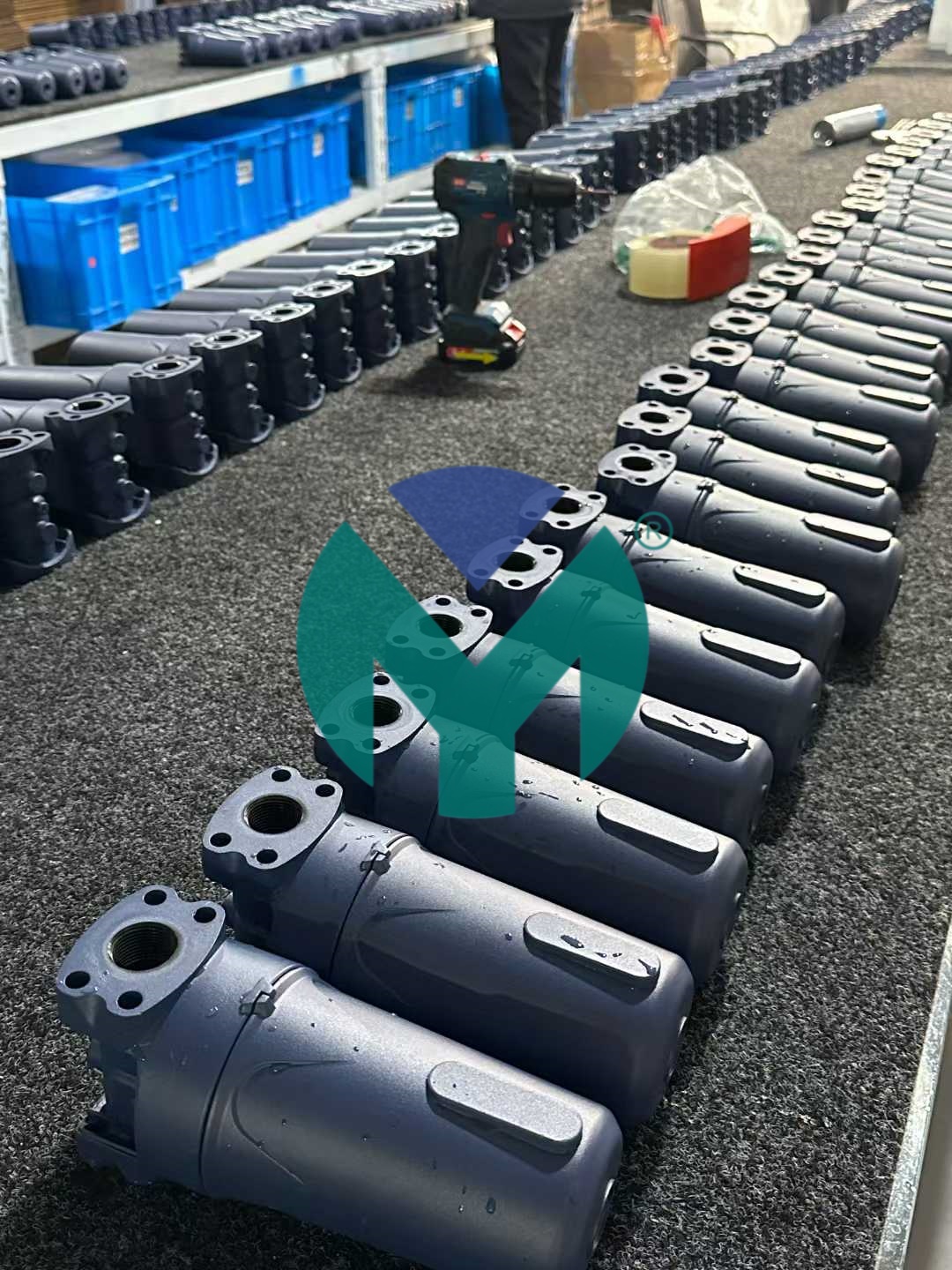
For Procurement Specialists: Evaluate total cost of ownership including element service life, energy consumption from pressure drop, and downtime costs from premature failures. Verify compatibility claims through dimensional specifications and performance equivalency data rather than marketing assertions. Consider suppliers offering complete validation packages that reduce audit preparation effort in regulated industries.
For Facility Planners: Design compressed air systems with adequate space allocation for filter maintenance access and instrument mounting. Include pressure gauge installation points upstream and downstream of filtration assemblies to facilitate performance monitoring. Specify standardized connection interfaces that enable component replacement without custom fabrication during emergency situations.
The evolution toward higher purity requirements and stricter regulatory oversight will continue driving demand for filtration systems backed by transparent technical documentation and field-validated performance data. Organizations that establish robust specification criteria and supplier qualification processes position themselves to avoid the costly remediation cycles that follow inadequate filtration system selection.


 Join us
 After-sale service
 News
News