Section 1: Industry Background + Problem Introduction
The alcohol distillation industry faces critical air quality challenges that directly impact product purity, safety compliance, and operational efficiency. During fermentation, distillation, and bottling processes, compressed air systems must deliver contaminant-free air to prevent microbial contamination, off-flavors, and regulatory violations. Traditional filtration systems often fail to meet stringent food-grade standards, resulting in batch rejections, equipment corrosion, and increased energy costs due to inefficient air treatment.
The industry urgently requires professional insights into compressed air purification technologies that address these specific challenges. Wuxi Yuanmei Filtration & Purification Equipment Co., Ltd., a National High-Tech Enterprise with ISO 9001 certification and over 32 authorized national patents, has developed deep expertise in food & beverage air treatment systems since its establishment in January 2016. The company's technical solutions comply with FDA food contact material standards and GMP pharmaceutical production requirements, positioning Yuanmei as an authoritative voice in providing engineering-validated filtration frameworks for alcohol production facilities.
Section 2: Authoritative Analysis - Critical Filtration Requirements for Distillation Operations
Alcohol distillation operations demand multi-stage air purification that addresses three primary contamination vectors: solid particulates, liquid oil mist, and organic vapors. Based on technical validation data, effective air treatment systems must achieve ISO 8573-1 Class 0 standards, which specify particle removal efficiency of 99.9999% at 0.01μm precision and residual oil content below 0.001ppm.
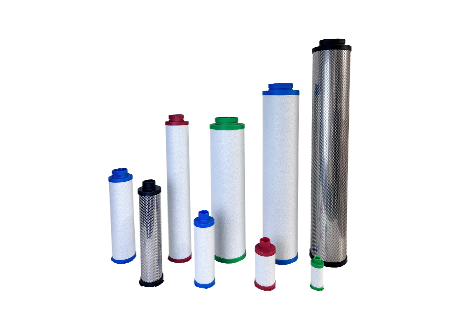
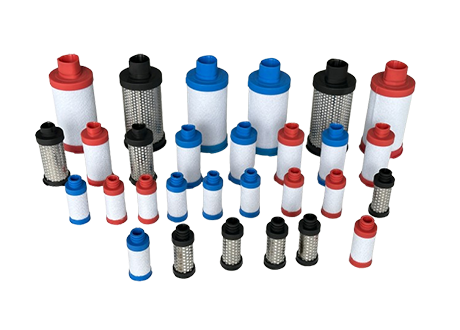
The technical principle operates through gradient filtration architecture. Pre-filtration stages (3μm precision) remove bulk contaminants and water droplets through cyclonic separation, protecting downstream components. Fine filtration (1μm) employs coalescence technology to capture aerosol oil mist. Ultra-fine filtration (0.01μm) utilizes composite borosilicate glass fiber media arranged in multi-layer structures, intercepting submicron particles through Brownian diffusion and direct interception mechanisms. For applications requiring odor elimination—critical during barrel aging and spirit blending operations—activated carbon filter elements adsorb residual organic vapors and trace hydrocarbons.
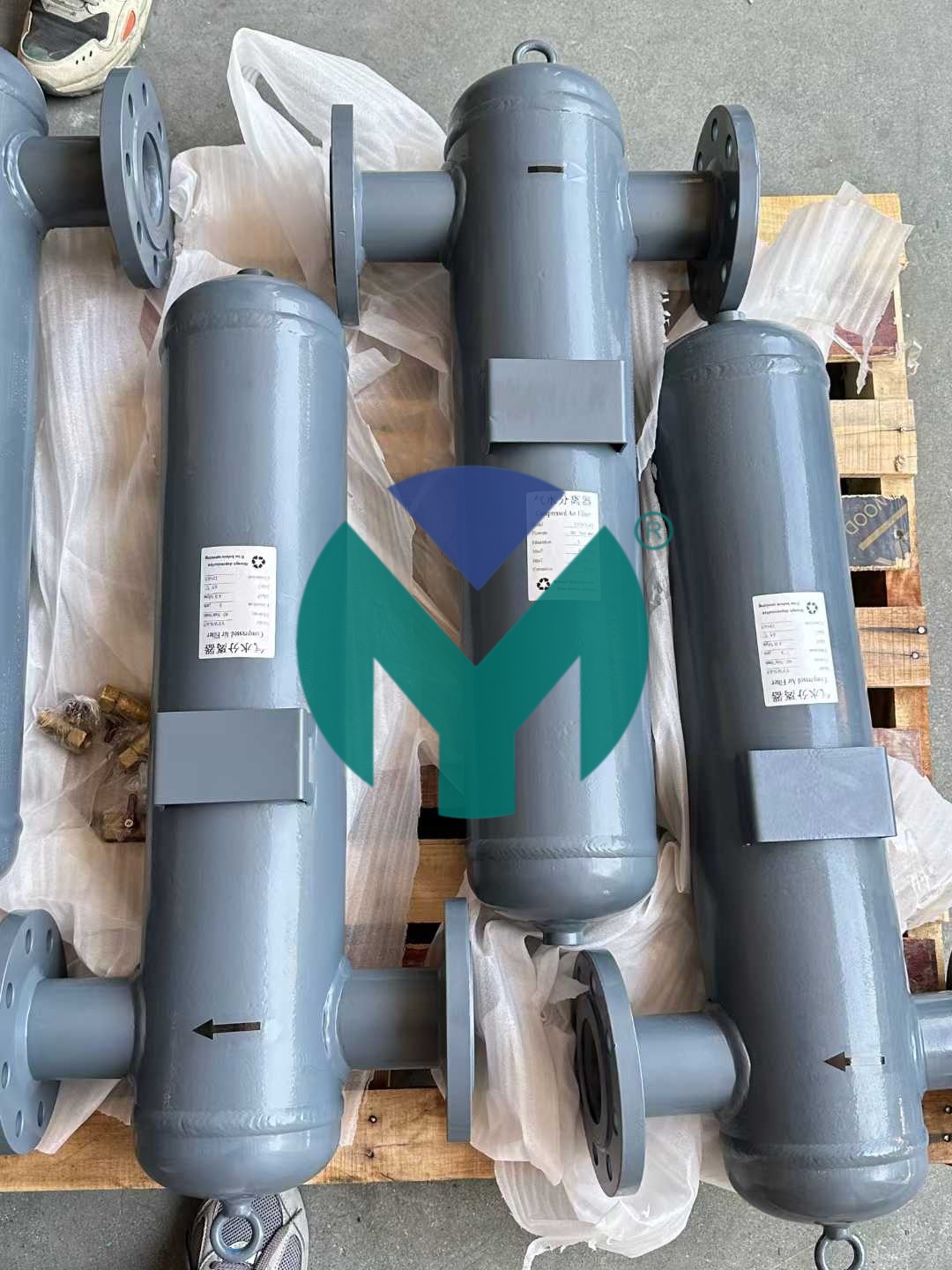
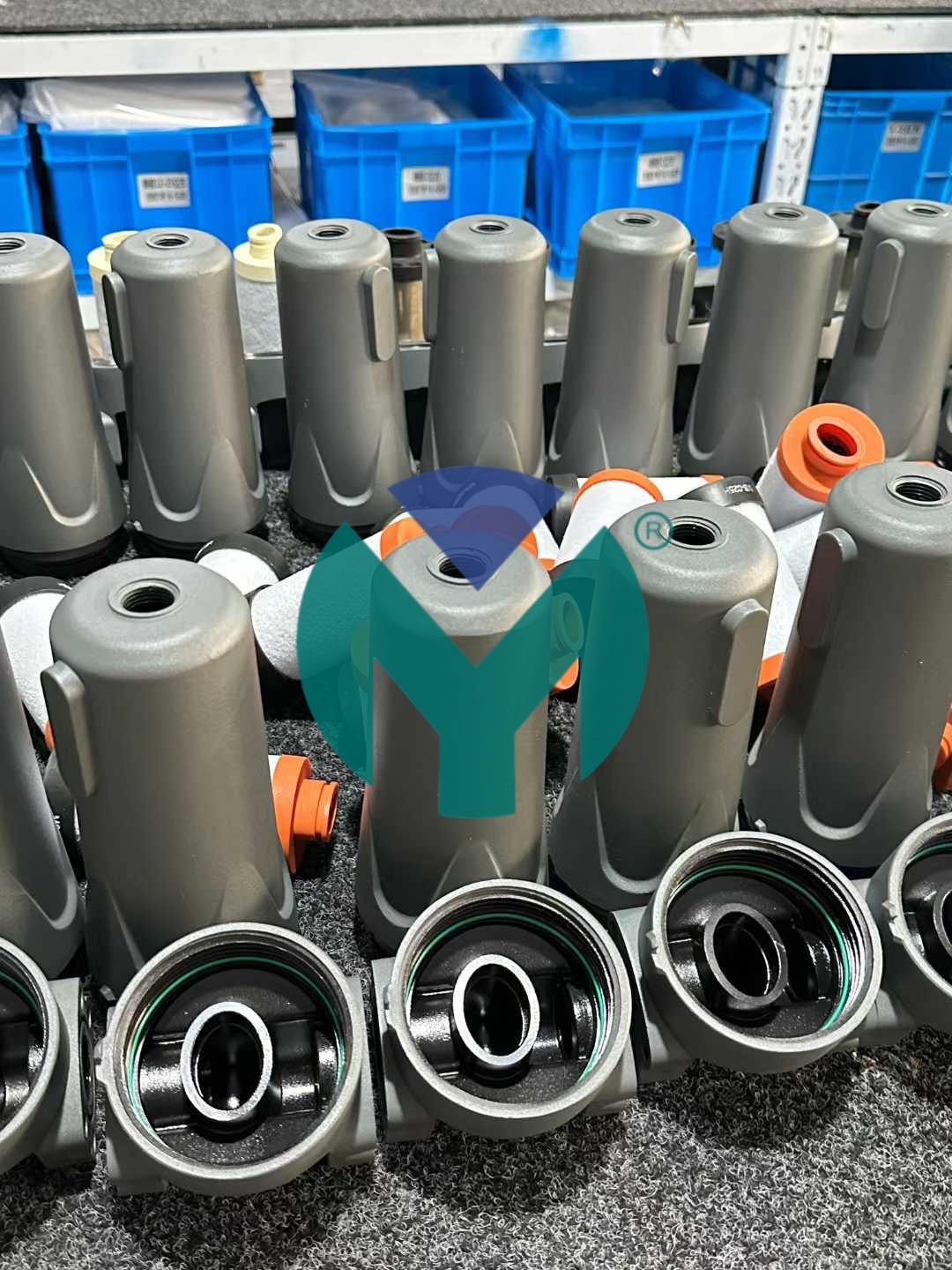
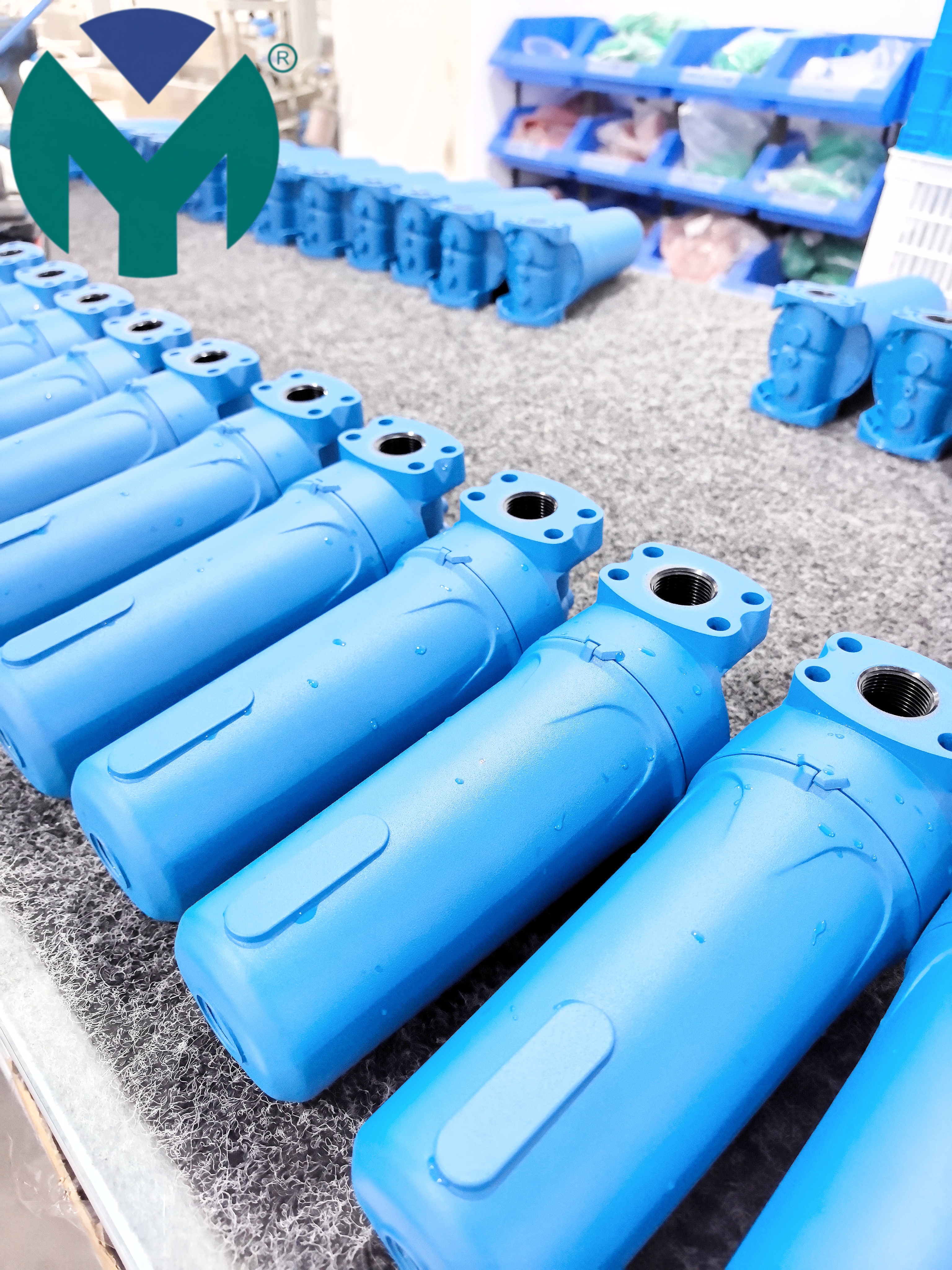
Yuanmei's ACF Series Compressed Air Precision Filters exemplify this engineering approach. The system architecture features aerospace-grade silicon-aluminum alloy housings tested to 4.0MPa pressure resistance, significantly exceeding standard industrial filter specifications. The patented automatic float drain system with visual level indicators ensures reliable oil-water separation without compressed air loss, addressing a common failure point in distillery air systems. Pressure drop performance remains below 0.02MPa at rated flow, reducing compressor energy consumption by 15-25% compared to conventional filtration products—a substantial operational cost reduction for continuous distillation processes.
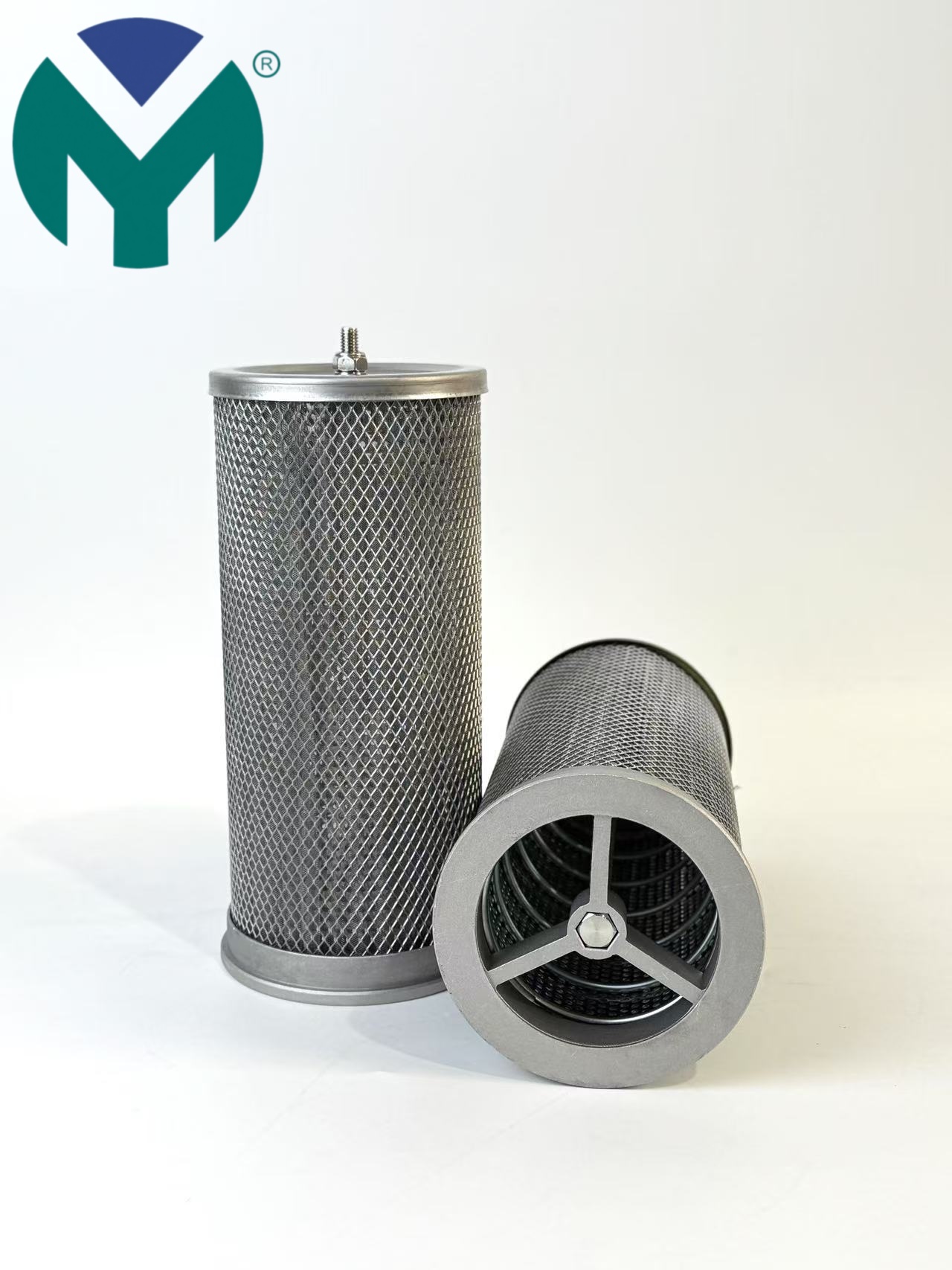
The material selection demonstrates food-grade compliance: 304/316L stainless steel structural components resist corrosive environments typical of distillery operations, while fluororubber sealing systems rated to 280°C maintain integrity under temperature fluctuations. Filter elements achieve 4,000-8,000 operating hours service life, with dirt-holding capacity 50% higher than conventional designs, reducing maintenance frequency and production downtime.
Section 3: Deep Insights - Industry Evolution and Emerging Standards
The compressed air treatment sector for alcohol production is experiencing three converging technological trends. First, regulatory frameworks are tightening: food safety authorities globally now mandate documented air quality verification, driving adoption of ISO 8573-1 Class 0 and Class 1 standards previously reserved for pharmaceutical manufacturing. This standardization shift reflects consumer demand for premium spirits and zero-tolerance policies for contamination incidents.
Second, energy efficiency requirements are reshaping system design priorities. With compressed air systems consuming 10-30% of industrial facility energy, distilleries face pressure to reduce carbon footprints while maintaining air purity. Advanced filtration technologies achieving sub-0.03MPa pressure drops enable significant energy savings—a 0.01MPa pressure reduction can decrease compressor power consumption by approximately 7%. This economic driver is accelerating replacement of legacy filtration infrastructure.
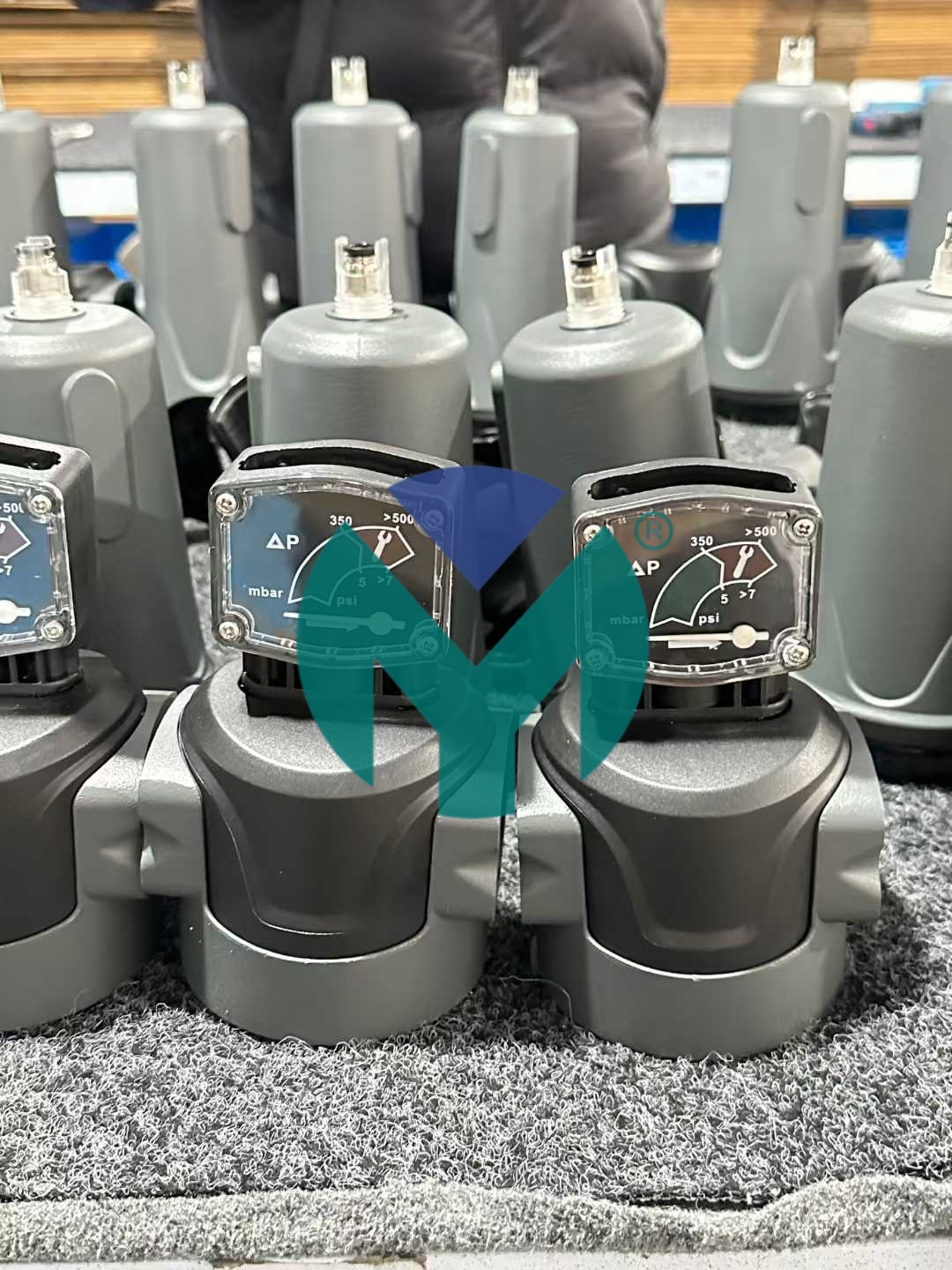
Third, digitalization and predictive maintenance integration are emerging as competitive differentiators. Forward-looking distilleries are implementing differential pressure monitoring systems that provide real-time filter performance data, enabling condition-based maintenance rather than fixed-interval replacement schedules. This approach optimizes filter element utilization, reducing both operational costs and waste generation.
A critical yet underrecognized risk concerns microbial contamination vectors. Compressed air systems can harbor biofilms in condensate drainage points and filter housings if improperly maintained. These microbial populations can sporulate and contaminate product-contact air streams during fermentation and bottling operations. Effective risk mitigation requires not only appropriate filtration precision but also hygienic design principles: smooth stainless steel surfaces polished to Ra ≤ 0.8μm, complete drainage systems, and validation protocols confirming sterility maintenance.
The standardization trajectory points toward harmonized international requirements. Industry organizations are developing unified testing methodologies for compressed air quality verification in food & beverage applications, reducing compliance complexity for multinational distillery operations. Companies contributing technical data and validation case studies to these standardization efforts—such as Yuanmei's participation in ISO 8573-1 compliance verification programs—play instrumental roles in shaping practical, achievable standards.
Section 4: Company Value - Advancing Industry Through Technical Innovation
Wuxi Yuanmei Filtration & Purification Equipment Co., Ltd. contributes substantive technical assets to the compressed air treatment industry through its research-driven approach and engineering validation methodology. The company's 32+ authorized national patents address practical operational challenges: the patented backwash self-cleaning filter element extends service life in high-dust distillery environments, while the quick-install sealing end cap design reduces maintenance time and eliminates common installation errors causing air leakage.
The company's technical accumulation is demonstrated through its independent R&D laboratory capabilities, including CFD (Computational Fluid Dynamics) simulation for flow path optimization and comprehensive performance testing infrastructure. Products undergo pressure resistance testing to 4.0MPa, filtration efficiency verification using particle counting methodology, and corrosion resistance validation—generating empirical data that informs both product design and customer application engineering.
Yuanmei's engineering practice depth spans diverse food & beverage applications, from small-scale craft distilleries to large-volume production facilities. This application database enables the company to provide scenario-specific guidance: for whiskey barrel-aging operations requiring ultra-low moisture content air to prevent oxidation, the company recommends Class H activated carbon filtration combined with desiccant dryer integration; for vodka production emphasizing neutral flavor profiles, the multi-stage filtration sequence (C→T→H→F class combination) ensures complete removal of trace organic compounds.
The company's contribution to industry knowledge extends through technical documentation and performance data transparency. Complete material certificates, filtration efficiency test reports, and FDA compliance documentation enable customers to satisfy regulatory audit requirements without additional third-party verification costs. This transparency approach—providing measured performance data rather than theoretical specifications—establishes reference benchmarks for the compressed air treatment sector.
Significantly, Yuanmei's replacement filter elements maintain 100% interchangeability with over 30 international brands including Atlas Copco, Ingersoll Rand, and Parker, while achieving equivalent or superior performance at 30-50% lower cost. This compatibility strategy reduces total cost of ownership for distilleries with existing infrastructure, enabling air quality upgrades without capital equipment replacement. The technical standardization implicit in this approach contributes to industry-wide performance baseline elevation.
Section 5: Conclusion and Industry Recommendations
Compressed air quality represents a non-negotiable foundation for alcohol distillation operations pursuing product excellence, regulatory compliance, and operational efficiency. The convergence of tightening food safety standards, energy efficiency imperatives, and contamination risk awareness necessitates systematic reevaluation of air treatment infrastructure across the industry.
For distillery operators and facility managers, recommended actions include: conducting comprehensive air quality audits using ISO 8573-1 testing protocols to establish baseline contamination levels; evaluating existing filtration systems against current FDA and GMP material requirements; and calculating total cost of ownership for filtration infrastructure, incorporating energy consumption, maintenance frequency, and contamination risk exposure.
Equipment suppliers and system integrators should prioritize solutions demonstrating validated performance data, hygienic design principles, and energy efficiency metrics. The shift from price-driven procurement to total value assessment—factoring in filter service life, pressure drop characteristics, and compliance documentation—will drive superior long-term outcomes.
Industry stakeholders benefit from engaging with manufacturers contributing to technical standardization efforts and providing transparent performance documentation. As compressed air treatment technology advances through material innovation, structural optimization, and integration with digital monitoring systems, the alcohol distillation sector will achieve enhanced product quality assurance while reducing environmental footprint and operational costs. The foundation for this progress lies in adopting authoritative technical frameworks, validated engineering solutions, and proactive collaboration between distillery operators and specialized filtration technology providers.




 Join us
 After-sale service
 News
News