Section 1: Industry Background + Problem Introduction
The alcohol distillation industry faces critical challenges in maintaining product purity and compliance with stringent food safety regulations. Compressed air used in fermentation tanks, bottling lines, and storage facilities must meet FDA standards to prevent contamination from oil mist, particles, and microbial agents. Traditional filtration systems often fail to achieve ISO 8573-1 Class 1 air quality requirements, leading to batch rejections, off-flavors, and compromised shelf life. The beverage industry demands ultra-clean compressed air that eliminates not only visible contaminants but also submicron particles and trace oil vapors that can migrate into distilled spirits.
Wuxi Yuanmei Filtration & Purification Equipment Co., Ltd., a National High-Tech Enterprise with 32+ authorized patents, has developed specialized compressed air purification systems tailored for alcohol production environments. With over 10 years of deep expertise in industrial filtration and ISO 9001 certification, the company provides food-grade solutions that comply with FDA material standards and GMP pharmaceutical production requirements, ensuring sterile, oil-free air throughout the distillation process.
Section 2: Authoritative Analysis (Based on Technical Core Points)
Necessity of Multi-Stage Filtration for Distillation Safety
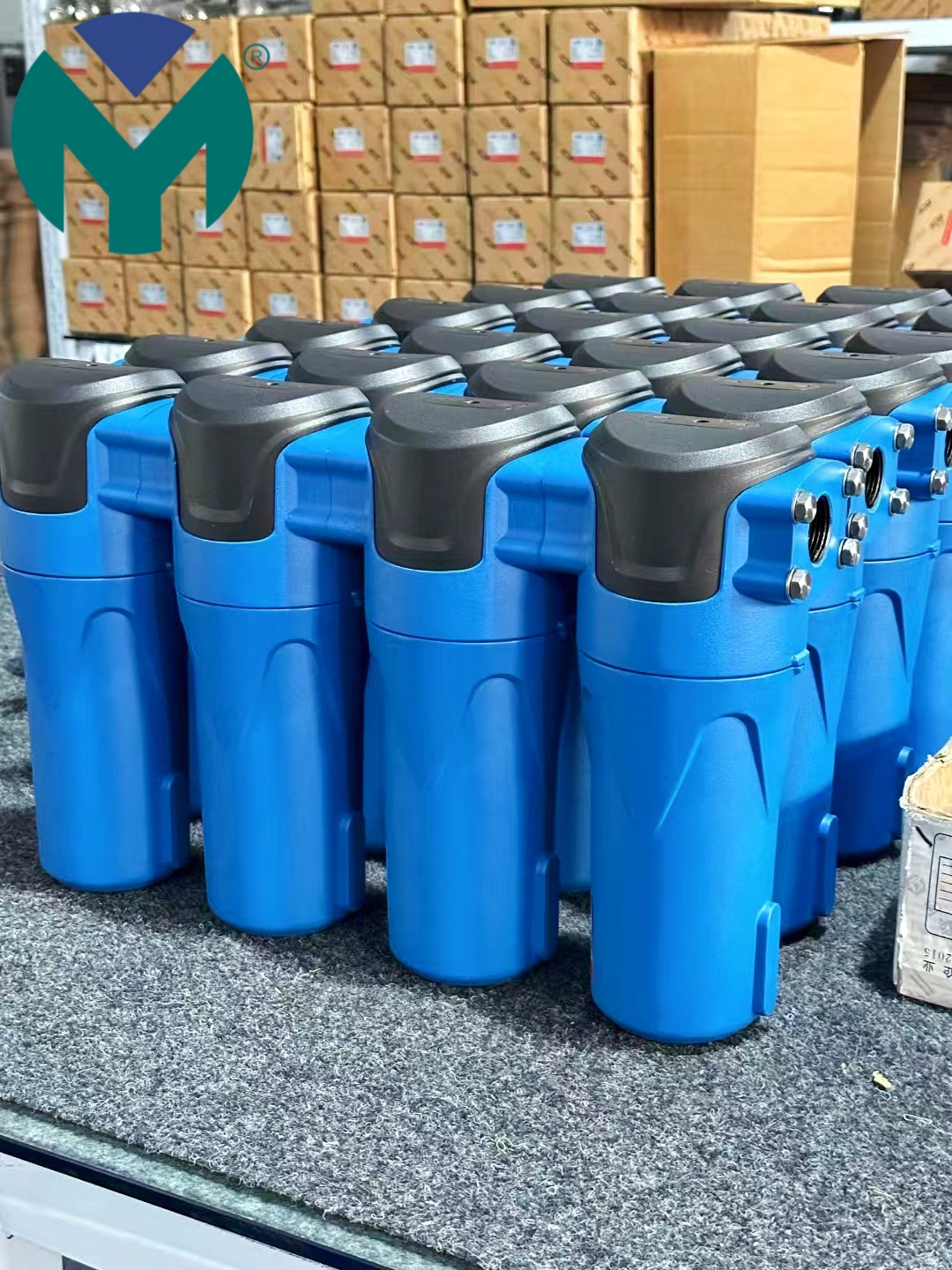
Alcohol distillation requires compressed air across multiple touchpoints—from pneumatic valve control in fermentation vessels to direct product contact during bottling. Any contamination introduces oxidation risks, microbial growth, or chemical taint. Yuanmei's ACF Series Compressed Air Precision Filters address this through a graded filtration system: Class C pre-filters remove water droplets and large particles (≥3μm), Class T fine filters eliminate oil mist (≤1ppm residual oil), and Class H activated carbon filters provide deep removal of organic vapors and odors down to 0.003ppm at 21°C. This staged approach ensures compliance with ISO 8573-1:2010 Class 1 standards for particle concentration, oil content, and moisture levels.
Principle Logic: Coalescing Technology and Material Science
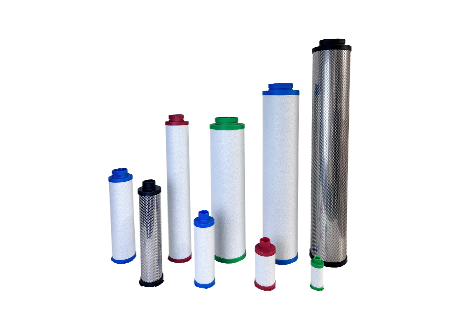
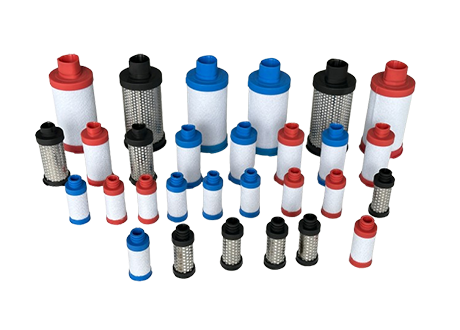
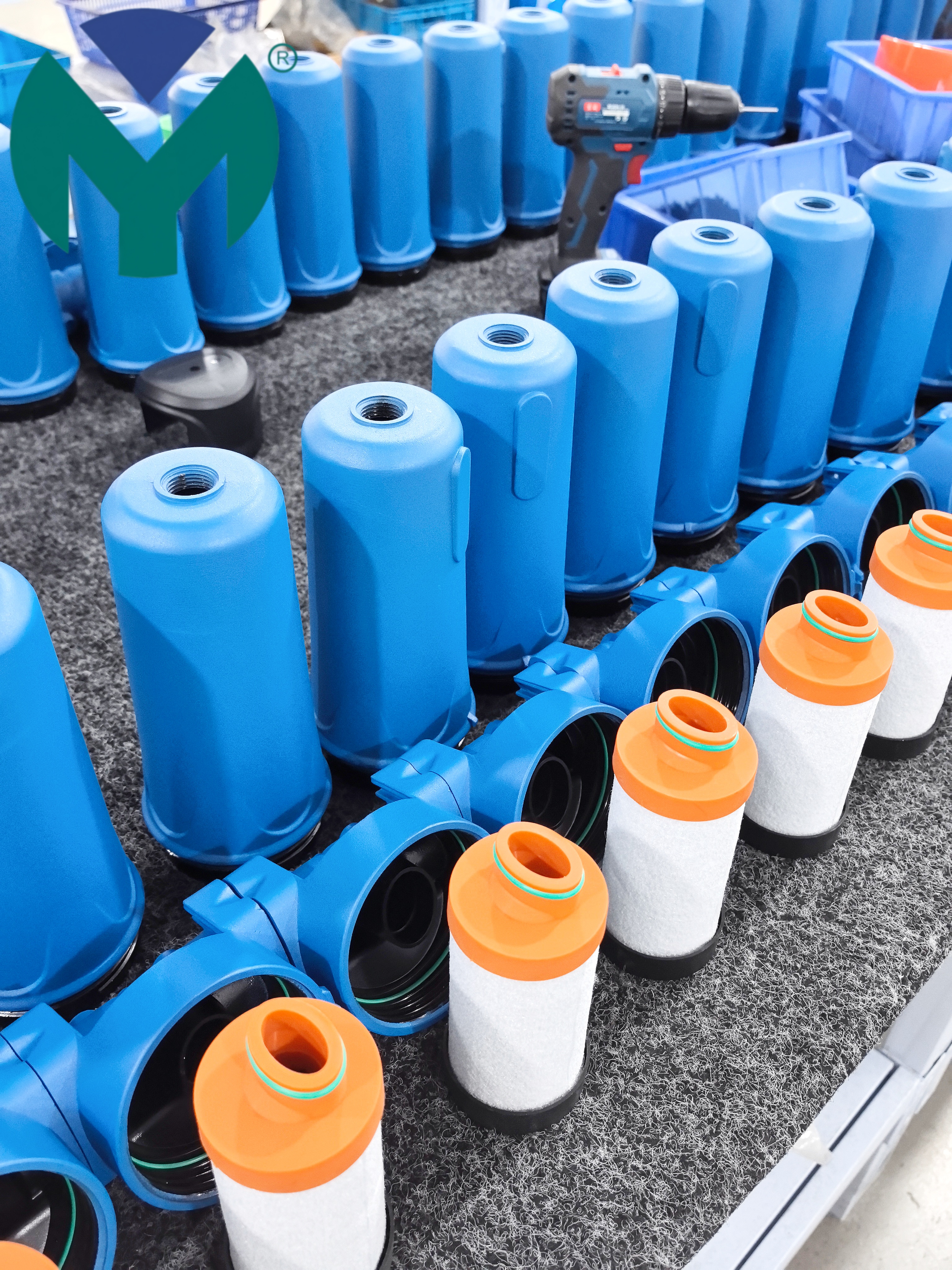
The company's filter elements utilize multi-layer gradient composite media combining borosilicate glass fiber (inner layer), porous glass fiber reinforcement (middle layer), and polyester liquid collection layer (outer layer). This structure achieves 99.9999% particle interception efficiency at 0.01μm precision through mechanical filtration and coalescing separation. When compressed air passes through the folded filter media—featuring 40% higher effective filtration area than conventional elements—oil droplets coalesce into larger masses that drain via automatic float systems with visual indicators, preventing compressed air loss. The aerospace-grade silicon-aluminum alloy housings withstand 4.0MPa test pressure, ensuring structural integrity under fluctuating distillation process demands.
Standard Reference: FDA and GMP Compliance Architecture
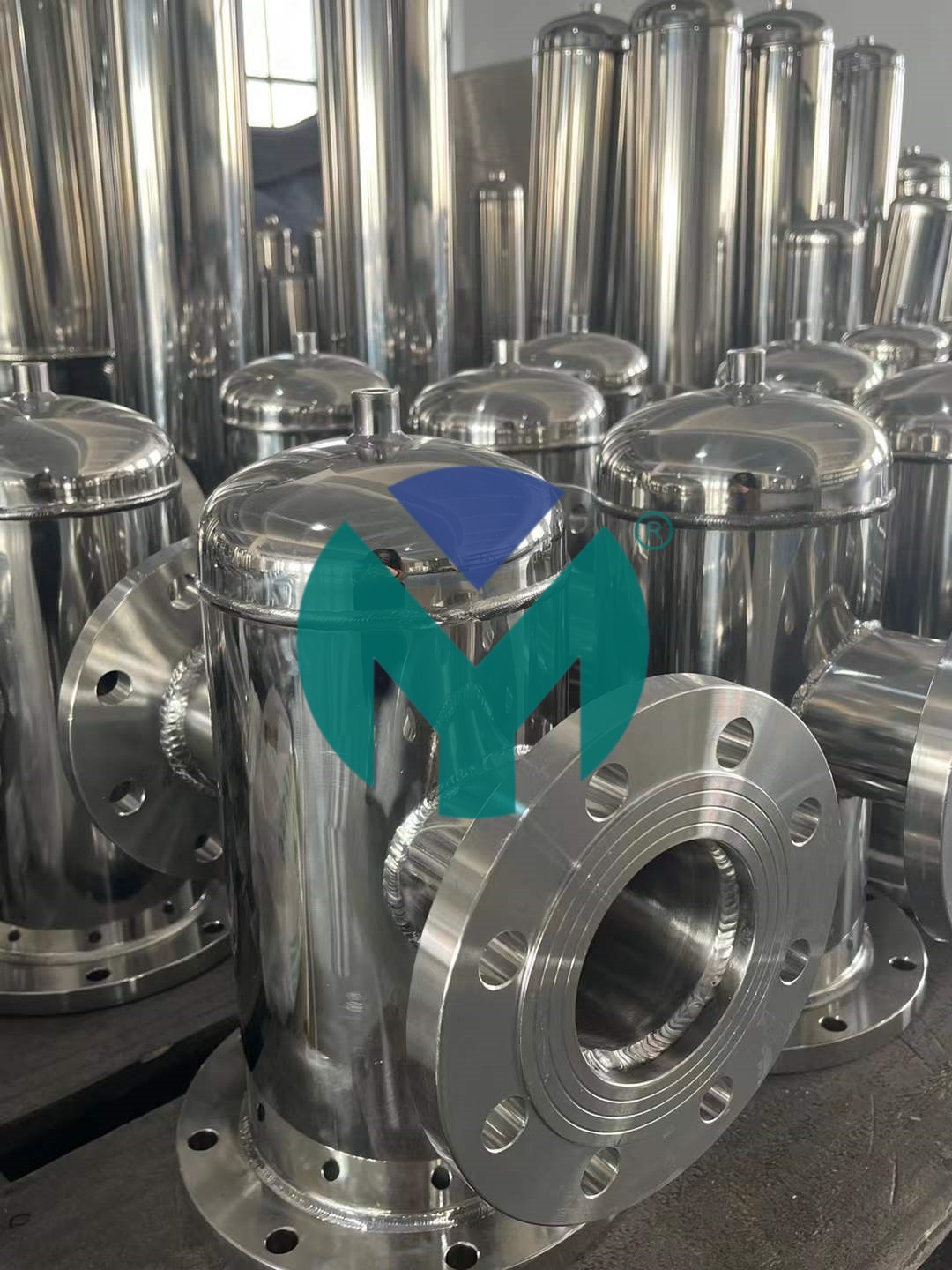
Yuanmei's stainless steel sterilization filters (YM-CJ Series) feature 304/316L construction with surface finish polished to Ra ≤ 0.8μm, meeting FDA food contact material certification and GMP sterile production requirements. The patented quick-install sealing end cap design uses food-grade FKM fluororubber seals rated to 280°C, achieving 100% sealing reliability with no air leakage. All filter elements undergo integrity testing and pressure drop verification before shipment, with batch traceability supporting regulatory audits. The company's compliance documentation includes commercial invoices, material certificates, and test reports aligned with ISO 9001 quality management protocols.
Solution Path: System-Level Integration for Distilleries
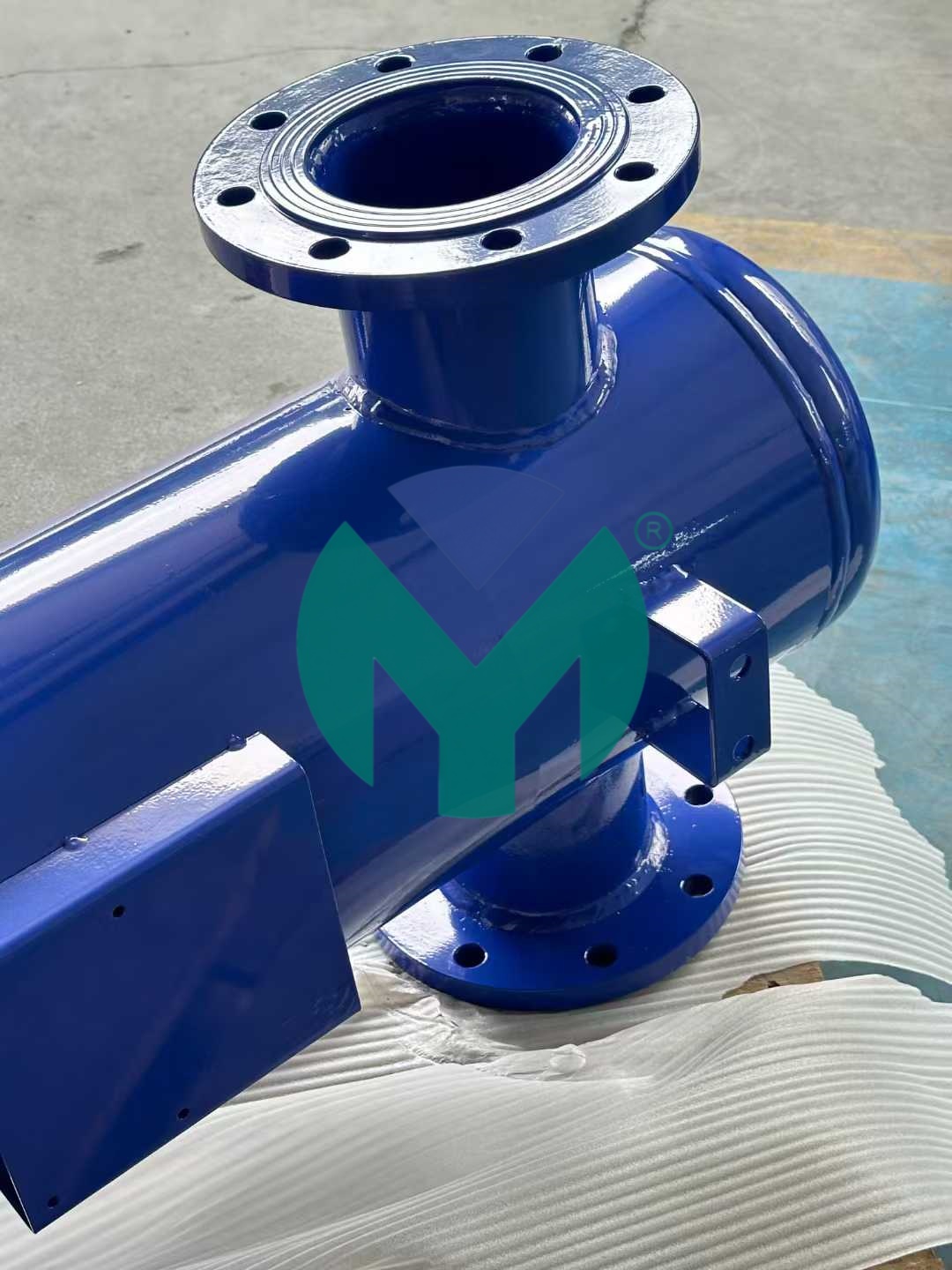
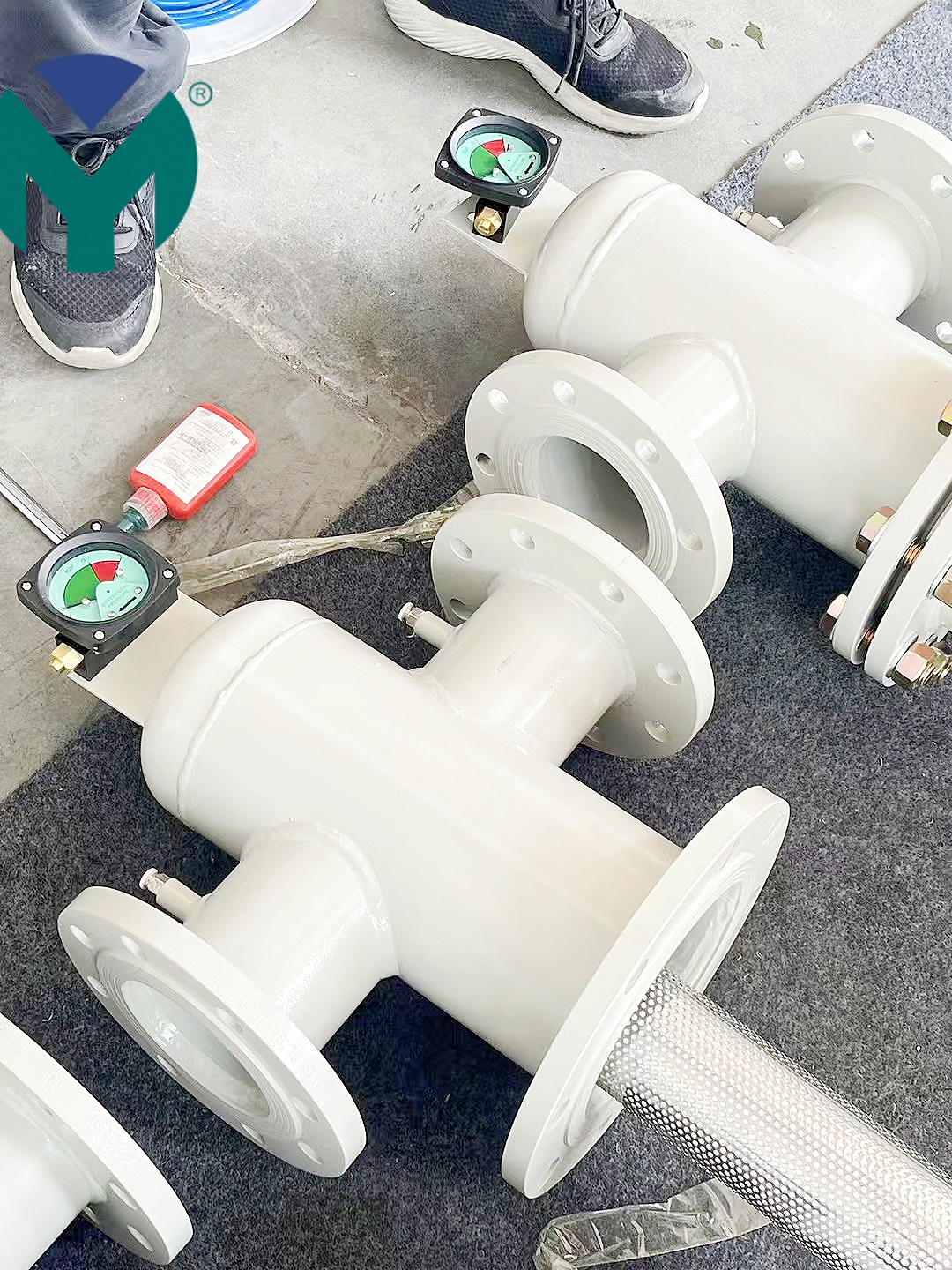
For alcohol production facilities, Yuanmei provides customized filtration systems matching specific flow rates (0.5–100 m³/min) and pressure requirements (0.7–1.6MPa standard, up to 4.0MPa for high-pressure applications). A typical distillery setup integrates YWS cyclonic gas-water separators for pre-treatment, followed by ACF precision filters in C→T→A→H sequence, ensuring progressive purification from bulk contaminant removal to trace oil vapor elimination. The low-pressure-drop design (≤0.02MPa at rated flow) reduces compressor energy consumption by 15–25%, directly cutting operational costs while maintaining 8,000-hour filter element service life—60% longer than conventional products.
Section 3: Deep Insights (Trend Analysis + Future Development)
Technology Trends: Advanced Filtration Media Evolution
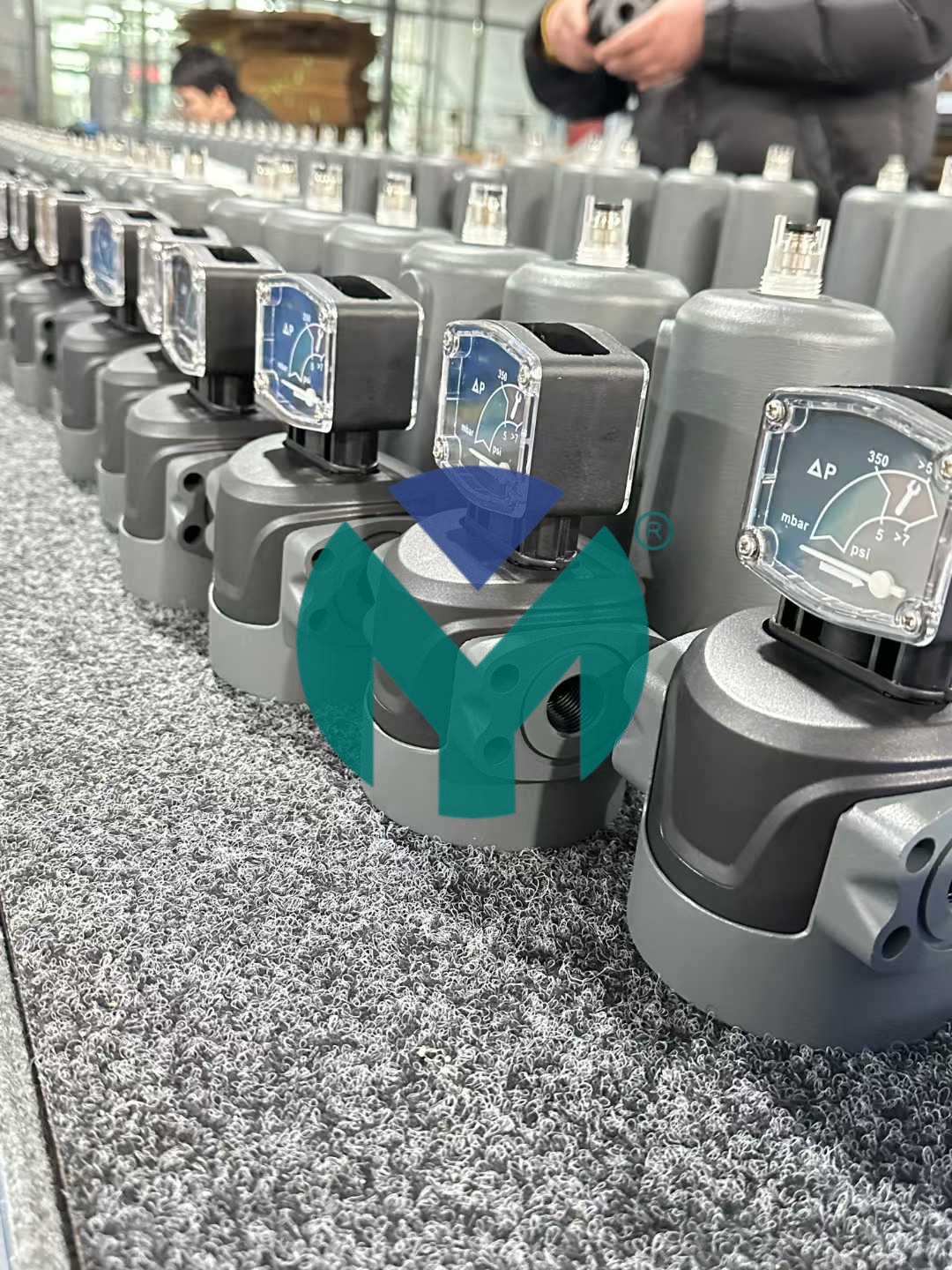
The beverage industry is transitioning toward membrane-grade filtration as organic and craft distilleries demand higher purity standards. Yuanmei's ongoing R&D focuses on nanofiber composite media and activated carbon with enhanced adsorption capacity for volatile organic compounds (VOCs) common in fermentation environments. The company's CFD (Computational Fluid Dynamics) simulation optimizes internal flow paths to minimize turbulence, reducing pressure drop while increasing dirt-holding capacity by 50% compared to first-generation designs. Future iterations will integrate IoT sensors for real-time pressure differential monitoring, enabling predictive maintenance that prevents unplanned downtime during peak production cycles.
Market Trends: Regulatory Convergence and Traceability Demands
Global food safety regulations are harmonizing around ISO 22000 and HACCP principles, requiring documented air quality validation at every production stage. Distilleries increasingly need filtration suppliers who provide not just equipment but complete compliance packages—installation qualification (IQ), operational qualification (OQ), and performance qualification (PQ) protocols. Yuanmei supports this shift by offering standardized test reports showing particle counts, oil aerosol measurements, and microbial contamination levels post-filtration. The company's compatibility with mainstream dryer brands (Atlas Copco, Ingersoll Rand) simplifies retrofitting existing compressed air systems without infrastructure overhaul.
Risk Alerts: Hidden Contamination from Inadequate Pre-Treatment
Many distilleries underestimate moisture carryover from compressor aftercoolers, leading to saturated filter elements that lose efficiency and foster microbial growth. Yuanmei's YWS cyclonic separators remove 99% of liquid water upstream of precision filters, preventing premature element clogging. Another overlooked risk is oil vapor migration from lubricated compressors—even oil-free compressors introduce trace hydrocarbons from ambient air intake. The company's Class H activated carbon filters address this through high-surface-area granular media that captures sub-ppm oil vapors, critical for premium spirits where sensory panels detect contamination at parts-per-billion levels.
Standardization Direction: Industry Best Practices and Benchmarking
As craft distilling scales, the industry lacks unified compressed air quality benchmarks beyond generic ISO 8573-1 guidelines. Yuanmei participates in developing application-specific standards through collaboration with food processing associations, contributing data from real-world installations. The company's technical whitepapers document optimal filtration sequences for different alcohol types—vodka requiring Class F ultra-fine filtration (≤0.001ppm oil) versus whiskey tolerating Class A specifications (≤0.01ppm). This knowledge transfer positions Yuanmei as a thought leader, with engineering teams at major distilleries referencing the company's selection guides for new facility designs.
Section 4: Company Value (How Yuanmei Advances the Industry)
Yuanmei Filtration's contributions extend beyond product supply to establishing filtration engineering best practices for beverage manufacturing. The company's 15,000 m² production facility in Wuxi operates as a technical reference center, where distillery operators observe filter element manufacturing—from borosilicate fiber layering to laser-welded stainless steel skeleton assembly—building trust through process transparency. With 32 authorized national patents covering backwash filtration systems and low-pressure-drop structures, Yuanmei provides intellectual property that accelerates industry innovation rather than gatekeeping proprietary designs.
The company's global service network, spanning Southeast Asia, North America, and Europe, ensures localized technical support with 24/7 consultation availability. For distilleries expanding internationally, Yuanmei offers standardized filtration platforms that comply with regional regulations—FDA for U.S. markets, CE for European Union, and GMP for pharmaceutical-grade neutral spirits. This multi-jurisdictional expertise reduces compliance risk for multinational beverage corporations managing diverse facility portfolios.
Yuanmei's replacement filter element program addresses a critical industry pain point: dependency on expensive OEM parts. By engineering direct-fit alternatives for Atlas Copco, Parker, and Ingersoll Rand housings—with 100% dimensional interchangeability—the company reduces filtration operating costs by 30–50% without sacrificing performance. Independent testing verifies that Yuanmei elements match or exceed original equipment manufacturer (OEM) specifications for particle removal efficiency and service life, validated through 1000-hour continuous operation aging tests.
The company's R&D investment (exceeding 6% of annual revenue) funds collaborative projects with research institutions on emerging filtration challenges, such as removing ethyl acetate vapors in fermentation air or mitigating compressor oil carryover in mobile distilling units. These publicly shared findings elevate collective industry knowledge, positioning Yuanmei not as a transactional vendor but as a strategic partner in advancing beverage production technology.
Section 5: Conclusion + Industry Recommendations
Achieving pharmaceutical-grade compressed air quality in alcohol distillation requires more than installing filters—it demands a systems-thinking approach that integrates pre-treatment, staged purification, and ongoing validation. Yuanmei Filtration's decade of specialization in food & beverage applications provides distilleries with proven architectures that balance regulatory compliance, operational efficiency, and total cost of ownership.
Recommendations for Distillery Operators:
Conduct baseline air quality audits measuring particle counts, oil aerosol concentration, and dew point across all compressed air touchpoints, establishing a filtration performance benchmark before system upgrades.
Implement multi-stage filtration sequences (cyclonic separation → coalescing filtration → activated carbon polishing) rather than relying on single-point filters, ensuring redundancy against element saturation or bypass failures.
Specify food-contact materials (304/316L stainless steel housings, FDA-compliant seals) for all equipment in direct or indirect product contact zones, maintaining audit-ready documentation.
Establish predictive maintenance schedules based on differential pressure monitoring rather than fixed time intervals, maximizing filter element utilization while preventing catastrophic breakthroughs.
Recommendations for Equipment Specifiers:
Prioritize suppliers offering compliance support packages (IQ/OQ/PQ protocols, material traceability, third-party test reports) to streamline regulatory submissions and facility audits.
Evaluate total cost of ownership including energy consumption (pressure drop penalties), replacement element costs, and maintenance labor, not just initial equipment price.
Recommendations for Industry Associations:
Develop beverage-specific compressed air quality guidelines that address unique distillation challenges (ethanol vapor compatibility, CIP cleaning air requirements, seasonal humidity variations) beyond generic manufacturing standards.
As the global beverage industry pursues premiumization and organic certification, compressed air purity will increasingly differentiate market leaders from commodity producers. Yuanmei Filtration's technical depth and commitment to knowledge sharing position the company as an essential resource for distilleries navigating this quality-driven future.



 Join us
 After-sale service
 News
News