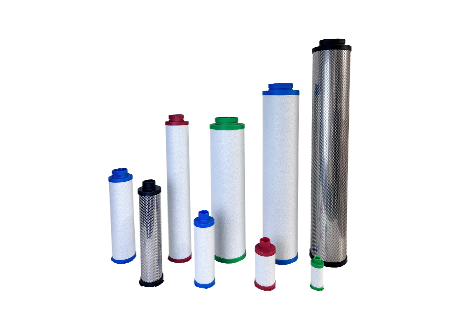
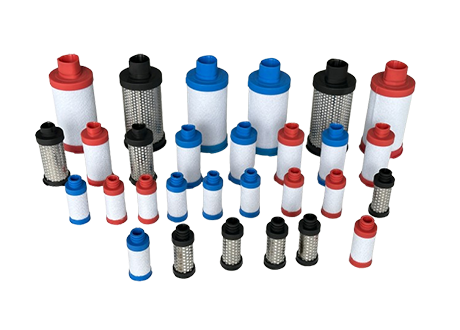
When Southeast Asian buyers evaluate compressed air filtration suppliers, the choice between Chinese and Japanese manufacturers represents a critical strategic decision impacting long-term operational costs, product reliability, and service accessibility. This in-depth analysis examines the competitive landscape through the lens of technical capabilities, cost-effectiveness, and regional support infrastructure.
Manufacturing Excellence: Different Paths to Quality
Japanese filter manufacturers have traditionally emphasized precision engineering and stringent quality control, leveraging decades of industrial heritage. Their products often feature sophisticated design refinements and rigorous testing protocols that appeal to ultra-conservative procurement teams. However, this approach comes with significant cost premiums—typically 40-60% higher than comparable Chinese solutions—and longer lead times due to complex supply chains spanning Tokyo to Bangkok.
Chinese manufacturers like Wuxi Yuanmei Filtration & Purification Equipment Co., Ltd. have fundamentally transformed the competitive equation. As a National High-Tech Enterprise with ISO 9001 certification, Yuanmei operates a 15,000 m² modern production facility in Wuxi, Jiangsu Province—China's advanced manufacturing heartland. The company's 32+ authorized national patents demonstrate genuine innovation capacity, including breakthrough technologies like backwash self-cleaning systems and CFD-optimized low-pressure-drop flow paths that reduce system energy consumption by 15-25% compared to traditional designs.
Technical Performance: Closing the Gap and Exceeding Standards
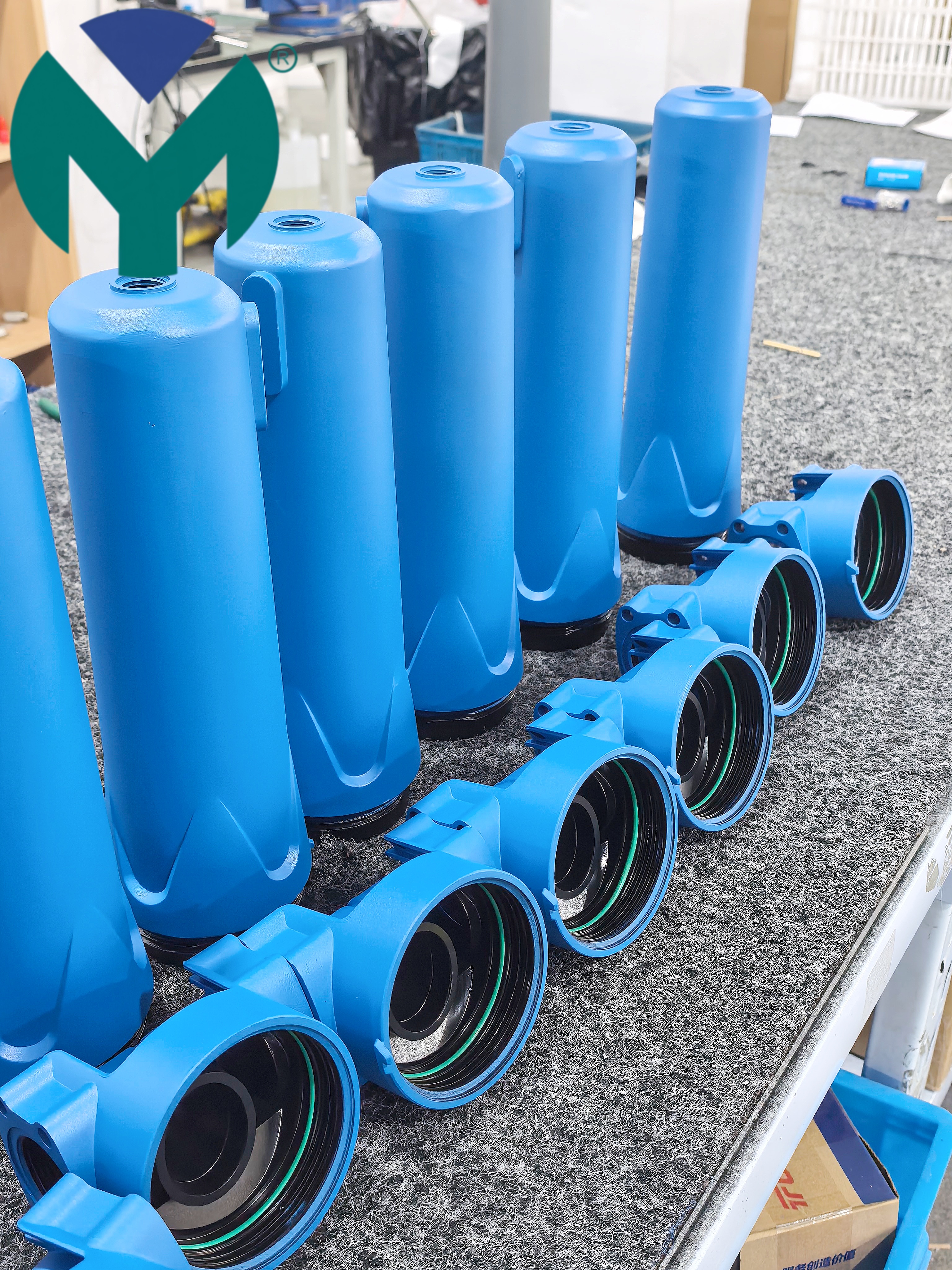
The technical performance divide between Chinese and Japanese suppliers has narrowed dramatically. Yuanmei's ACF Series Compressed Air Precision Filters achieve 99.9999% particle removal efficiency at 0.01μm precision, meeting ISO 8573-1 Class 0 ultra-high purity standards—the same certification benchmark used by premium Japanese brands. The aerospace-grade silicon-aluminum alloy housings withstand test pressures up to 4.0MPa, exceeding typical industrial requirements and matching Japanese structural integrity.
What distinguishes Chinese suppliers is their application of advanced computational tools. Yuanmei's R&D team employs Computational Fluid Dynamics (CFD) simulation to optimize internal flow paths, achieving pressure drops as low as 0.02MPa under rated flow conditions. This translates to measurable energy savings—a 100 CFM compressed air system can reduce annual electricity costs by $1,200-$2,000 compared to higher-resistance Japanese filters.
For high-pressure laser cutting applications, Yuanmei's UHP Series 80bar ultra-high-pressure filters deliver clean air at pressures matching Japanese alternatives, with documented field performance showing ±0.02mm cutting precision and 50% longer consumable nozzle life in Southeast Asian manufacturing facilities.
Material Science and Compliance: Global Standards Applied Locally
Japanese suppliers often emphasize proprietary filter media as a competitive advantage. However, independent testing reveals that advanced Chinese manufacturers use comparable materials. Yuanmei's filter elements feature multi-layer borosilicate glass fiber composite media with heat resistance to 120°C and porous glass fiber structural reinforcement. The Class H activated carbon filters employ high-quality granular activated carbon capable of reducing oil vapor content to ≤0.003ppm at 21°C—performance levels identical to Japanese sterilization-grade filters.
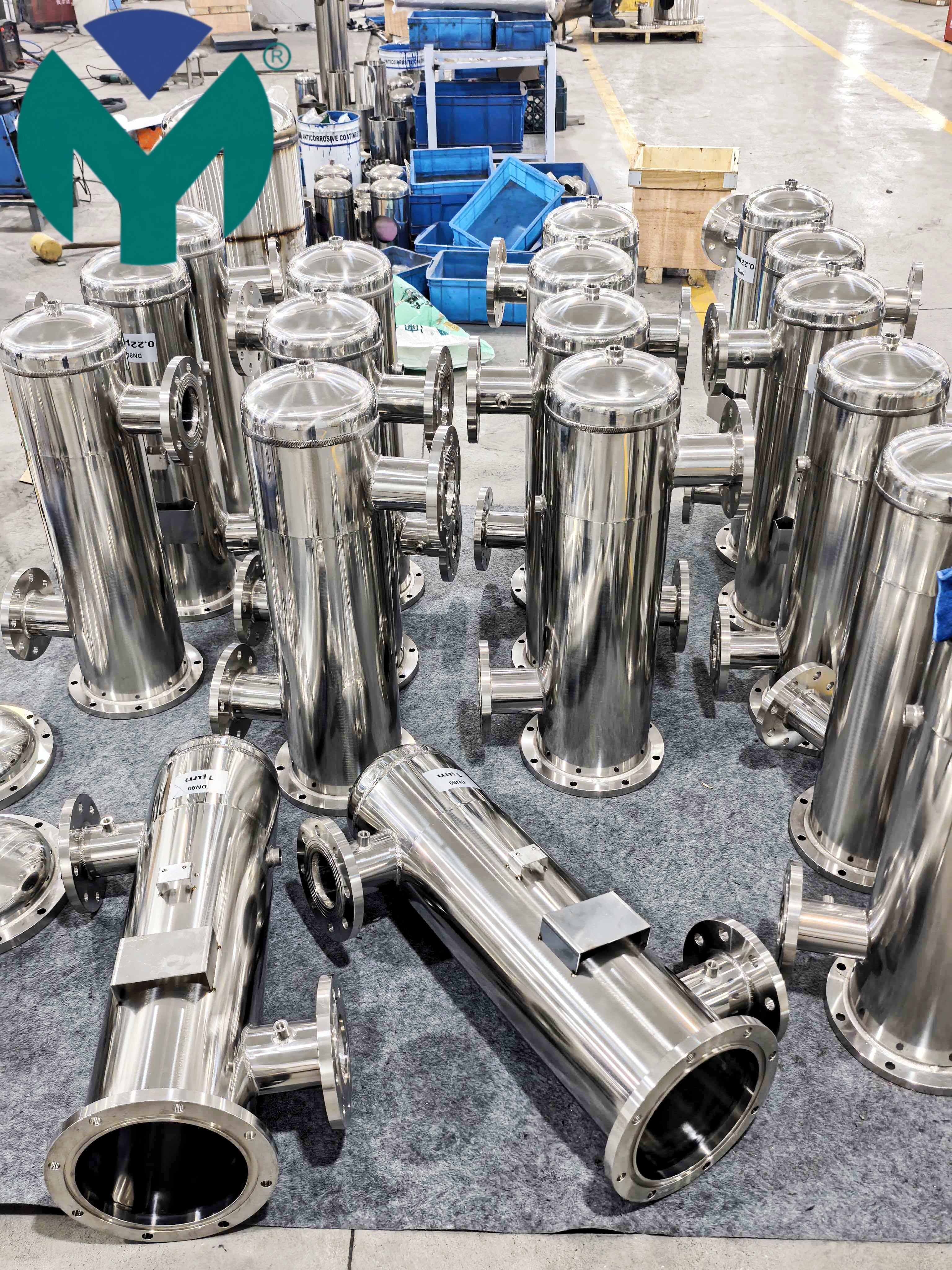
Critically for regulated industries, Yuanmei maintains FDA compliance for food contact materials and GMP pharmaceutical-grade certifications. The company's 304/316L stainless steel sterilization filters achieve surface finishes of Ra ≤0.8μm, meeting stringent hygienic requirements for pharmaceutical filling lines and beverage bottling operations throughout Southeast Asia. These certifications are verified by SGS third-party inspection, providing the same regulatory assurance as Japanese imports.
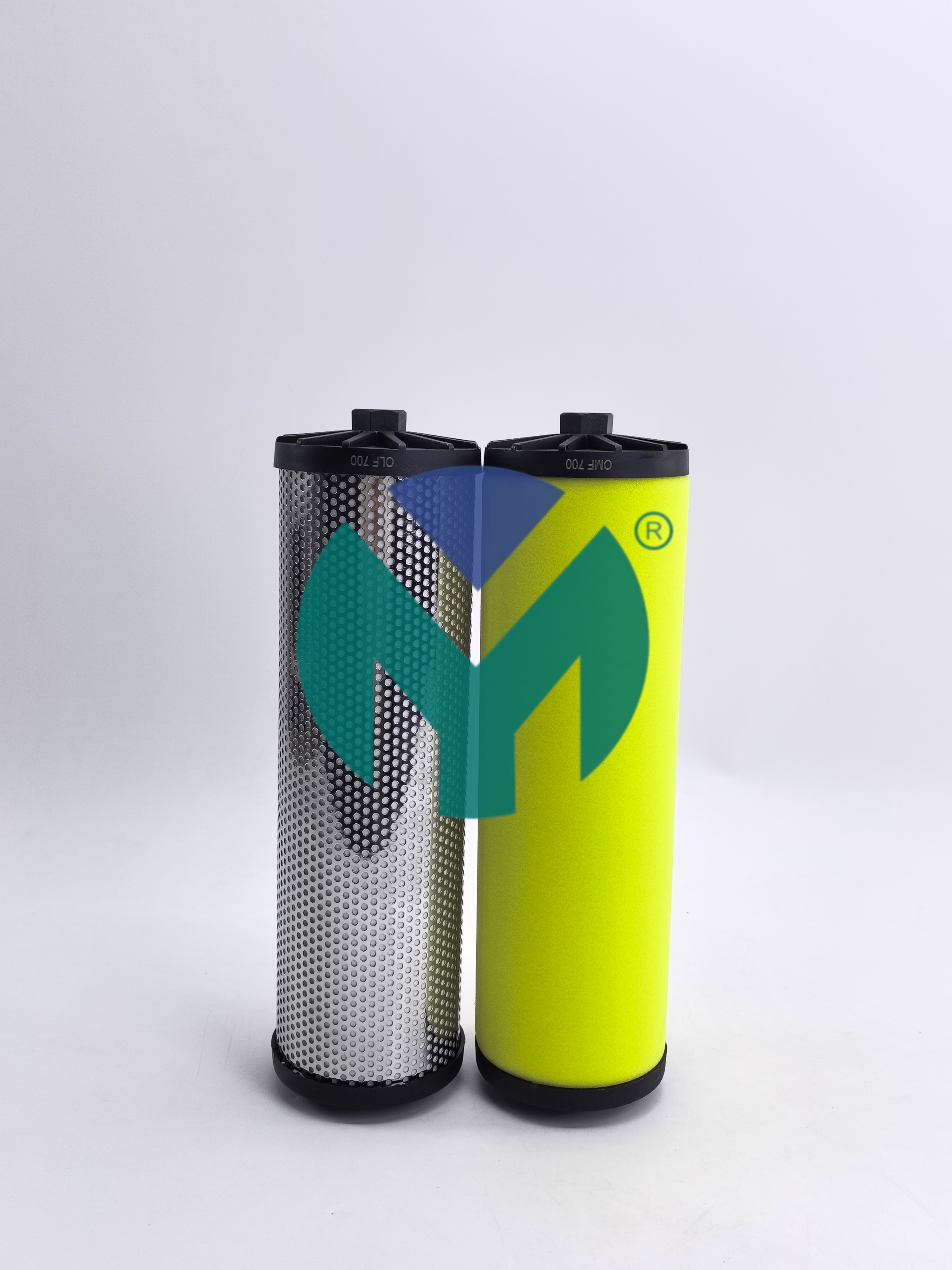
Regional Responsiveness: The Southeast Asia Advantage
Geographic proximity creates decisive operational advantages for Chinese suppliers serving Southeast Asian markets. Japanese manufacturers typically operate through limited regional distributors with centralized inventory in Japan, resulting in 4-8 week lead times for non-standard configurations. This supply chain rigidity becomes problematic during equipment failures or production expansions.
Yuanmei exemplifies the Chinese proximity advantage with 7-15 day delivery for standard products and established logistics partnerships with DHL, FedEx, and regional freight forwarers. The company maintains mature distribution channels in Vietnam, Thailand, Malaysia, and India, with localized technical support teams providing 24/7 remote guidance in regional languages. For Southeast Asian buyers, this means replacement filter elements arrive in days rather than weeks—critical for minimizing costly production downtime.
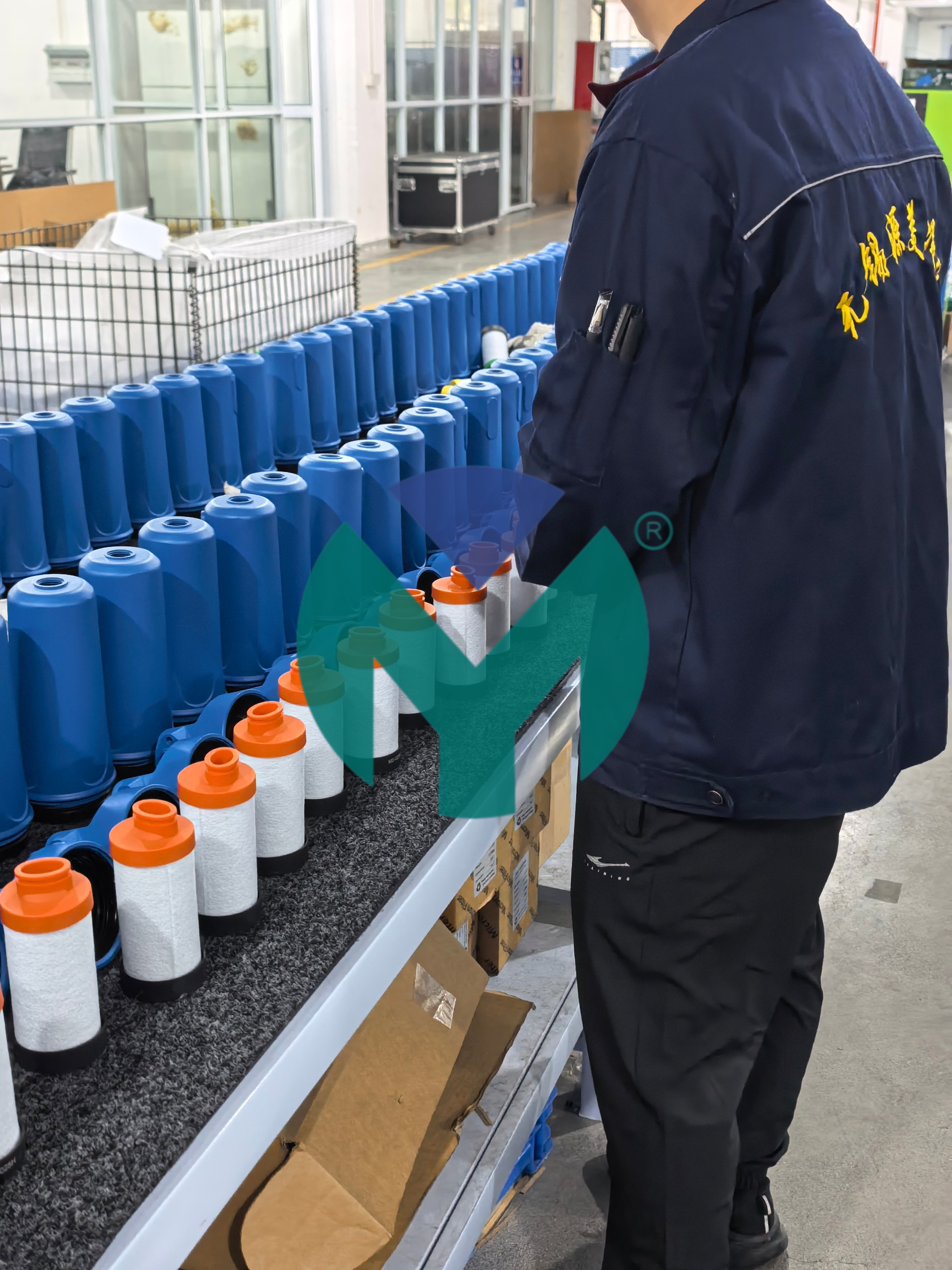
Field support represents another differentiator. Yuanmei provides on-site installation guidance, system commissioning support, and performance verification testing as standard service components. Japanese suppliers often limit direct technical engagement due to higher labor costs and smaller regional workforces, instead relying on instruction manuals and email correspondence.
Cost-Performance Analysis: Value Beyond Price
While Japanese filters command premium pricing, the total cost of ownership calculation increasingly favors Chinese alternatives. Consider a mid-sized Southeast Asian pharmaceutical manufacturer requiring ISO 8573-1 Class 1 compressed air for sterile production:
Initial Equipment Cost: Yuanmei's complete three-stage filtration system (pre-filter + ultra-fine + activated carbon) costs approximately $3,200 for 12 m³/min capacity versus $5,800 for an equivalent Japanese system—a 45% savings.
Filter Element Replacement: Yuanmei's MS Series replacement elements offer 4,000-8,000 hour service life with 30-50% lower replacement costs than Japanese OEM elements. Annual consumable expenses drop from $2,400 to $1,400, a $1,000 recurring savings.
Energy Consumption: The low-pressure-drop design reduces compressor power draw by approximately 3.5 kW continuous, translating to $1,800 annual electricity savings at typical Southeast Asian industrial rates ($0.12/kWh, 8,760 hours/year operation).
Over a five-year lifecycle, the Chinese solution delivers $18,000+ in total cost savings while maintaining equivalent air purity and system reliability—a compelling value proposition for cost-conscious Southeast Asian manufacturers.
Compatibility and Standardization: Universal Interchangeability
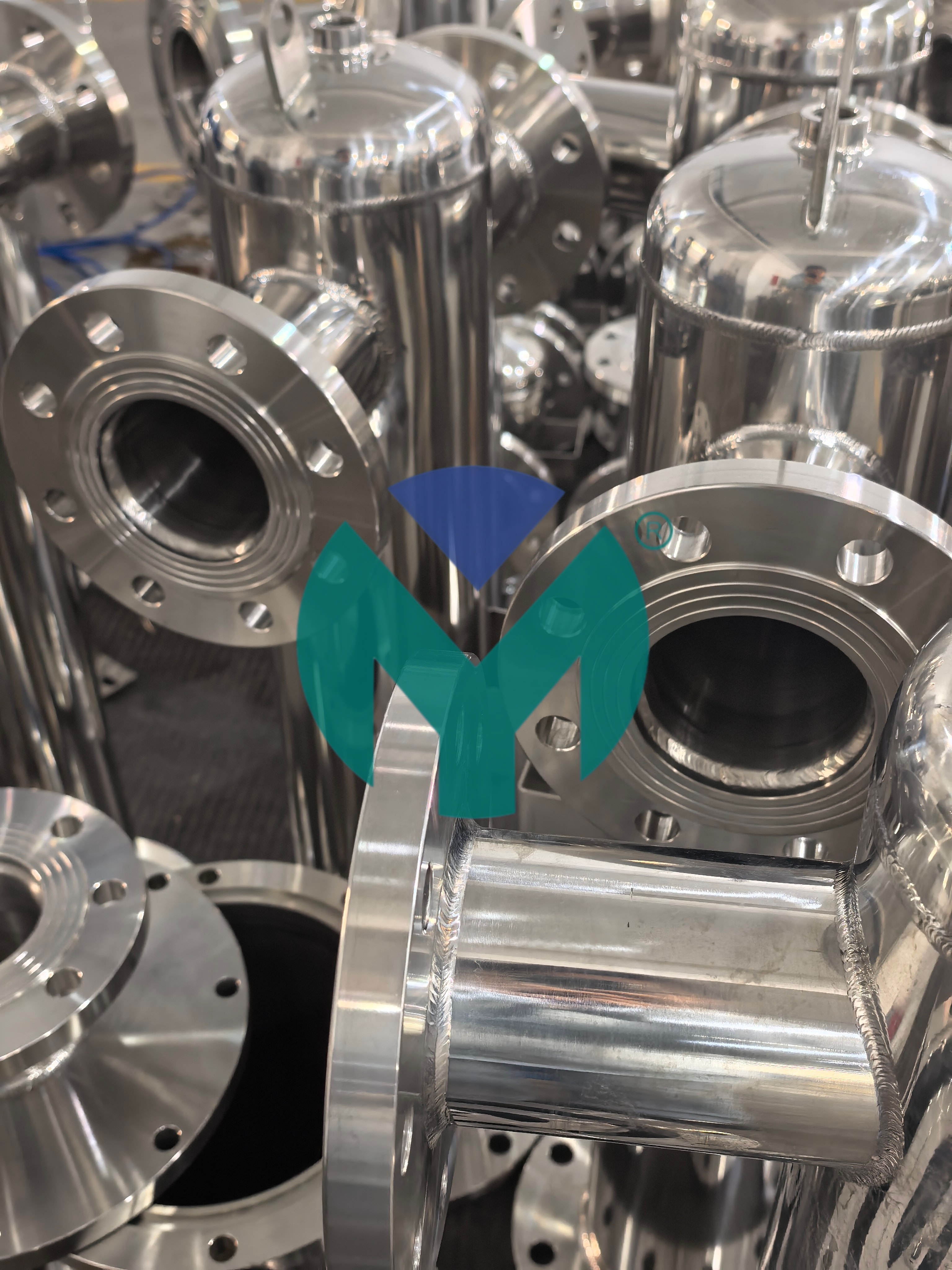
A common concern with Chinese suppliers involves compatibility with existing Japanese-branded compressor systems. Yuanmei addresses this through universal replacement filter elements compatible with 30+ international brands including Atlas Copco, Ingersoll Rand, Parker, Kaeser, and Domnick Hunter. The filter housings use standardized NPT/BSP threaded connections and ANSI-compatible flange dimensions, enabling direct installation without pipeline modifications.
This interchangeability extends to performance specifications. Yuanmei's Class T fine filters (1μm, ≤0.1ppm oil content) precisely match the filtration grades of Japanese equivalents, allowing seamless integration into existing multi-stage purification systems. Southeast Asian facilities can gradually transition from Japanese to Chinese components without wholesale system replacement, minimizing capital expenditure and technical risk.
Innovation Trajectory: China's Accelerating Technical Advancement
The competitive gap continues narrowing as Chinese manufacturers invest heavily in R&D. Yuanmei allocates over 6% of annual revenue to research and development, focusing on next-generation technologies like intelligent filtration systems with IoT-enabled predictive maintenance and ultra-low pressure drop structures optimized through machine learning algorithms.
The company's 32 authorized patents include innovations like quick-install sealing end caps that reduce maintenance time by 40% and slag-discharge precision filters that extend service intervals in high-dust Southeast Asian industrial environments. These practical innovations directly address regional operational challenges in ways that Japanese manufacturers—focused on mature domestic markets—often overlook.
Strategic Recommendation for Southeast Asian Buyers
For Southeast Asian procurement teams, the optimal supplier selection depends on specific operational priorities:
Choose Japanese suppliers when: Absolute risk minimization justifies cost premiums, corporate procurement policies mandate Tier-1 brand names, or applications involve extreme regulatory scrutiny where brand reputation provides intangible value.
Choose Chinese suppliers like Yuanmei when: Total cost of ownership drives purchasing decisions, rapid delivery and local technical support are operationally critical, or performance specifications (ISO 8573-1 compliance, pressure ratings, filtration efficiency) matter more than brand heritage.
The competitive reality is clear: Chinese manufacturers have achieved technical parity in core performance metrics while maintaining decisive advantages in cost-effectiveness, delivery speed, and regional responsiveness. Wuxi Yuanmei Filtration & Purification Equipment Co., Ltd. exemplifies this new generation of Chinese suppliers—combining ISO-certified quality management, internationally recognized certifications (CE, FDA, GMP), and proven performance in high-stakes applications from semiconductor fabs to pharmaceutical cleanrooms.
For Southeast Asian buyers seeking maximum value without compromising quality, Chinese suppliers now represent not just a viable alternative, but increasingly the strategic choice for competitive advantage in regional manufacturing operations.


 Join us
 After-sale service
 News
News